Last updated: Apr 19, 2026
Winter freeze-thaw cycles hammer roofs here in the Old Bridge Township area, and autumn Nor'easters push the envelope on aging systems. You'll notice that failures tend to cluster around seasonal weather swings rather than a single hazard season. That means a roof that looks fine in September can crack, buckle, or leak by late November after repeated freezing and thawing, or right after a Nor'easter dumps heavy rain and wind. Plan proactive inspections and targeted repairs at the start of each big seasonal transition, not after a problem has already turned urgent. If you've seen loose shingles, granule loss, or frost-related lifting, treat it as a warning that a bigger issue could follow a few cold days.
Spring in Middlesex County often comes with a surge of storm activity and a flood of insurance claims. That combination can tighten contractor availability right when you need it most. If your roof survived winter but shows signs of moisture intrusion or shingle curling, don't wait for the next regional weather event to hit. Secure a trusted local contractor early, document wear with photos, and get a professional assessment while the market still has capacity. Waiting through a busy spring can leave you waiting days to weeks for timely service, compounding damage from every new storm.
Hot, humid summers in this central New Jersey pocket stress asphalt shingles, especially darker roofs that soak up sun. On a roof exposed to full sun, installation and handling can become hazardous for crews, and material expansion can affect nail patterns and sealant performance. If you're planning a replacement, aim for cooler windows in late spring or early fall when asphalt shingles are easier to lay and curbing heat-related warp is less likely. For mid-summer projects, expect tighter schedules and more careful on-site heat management to protect underlayment, shingles, and flashing details from heat-induced issues.
You should schedule semiannual roof checks-before the winter freeze-thaw cycle ramps up and again after the initial thaw to catch any winter-related damage early. Keep an eye on ventilation, attic moisture, and any signs of hail present from late summer storms. When you detect shingle loss, granule embedment, or exposed fasteners, move quickly to confirm the scope with a local pro who understands how Nor'easters and freeze-thaw cycles interact with your specific roof type and age. In Parlin, timing your work to the weather calendar and the seasonal claim workflow can save you both trouble and disruption when storms roll in.
The re-roofing scene in Parlin sits squarely in the Old Bridge Township ecosystem. Homeowners here lean toward replacement-driven work, with many roofs reaching a point where a full re-cover or tear-off becomes the practical path rather than piecemeal repairs. The mature housing stock means contractors are accustomed to stepping in after a major leak event or after seasonal storms reveal hidden roof weaknesses. Expect crews to schedule around weather windows, but also around the backlog that comes from a steady stream of replacement jobs through the township.
In this area, storm timing often collides with heavy rainfall and Nor'easter activity, which tests roofs in late winter and early spring. Freeze-thaw cycles compound that pressure, especially on older shingles and underlayment. When planning, focus on the window right after winter when the ground thaws and crews can access your property without tracking mud through you neighborhood. If a leak is active, prioritization is common, but the best approach remains pairing a storm-safe setup with a solid plan to hold off major work until weather allows a clean, efficient tear-off and replacement.
The dominant service pattern is full replacement rather than patching, given the age and condition of many roofs. A standard Parlin re-roof often includes a full tear-off, a thorough inspection for sheathing integrity, and a complete reinstallation with modern underlayment and upgraded ventilation considerations. You will usually see a rapid response if leaks are present, with demolition and debris containment as a core promise. Expect crews to bring plastic containment, proper tarping, and a cleanup plan that minimizes dust and debris in neighboring yards, driveways, and sidewalks.
Neighborhoods in established Parlin streets demand attention to debris control and disruption minimization. Local contractors emphasize keeping driveways clear, protecting landscaping, and coordinating with your neighbors about daily work progress. A practical approach is to schedule material deliveries and debris removal to avoid peak traffic hours and to establish a clear path for the crew. You should receive a concise daily summary of what was done and what remains, along with a plan for keeping pathways safe during snowmelt periods or forecasted thaw cycles.
Because Nor'easter season can collide with planning, coordination becomes essential. A reliable contractor will track forecast trends to avoid forcing a mid-storm tear-off, which increases risk to both crew and homeowner. Instead, they prioritize staging-protecting interior spaces in advance, securing roof vents and skylights if present, and aligning the replacement sequence with favorable weather blocks. If a storm is approaching, expect a proactive tarp strategy and a clear message about what can realistically be completed before the next weather event.
In Parlin, cleanup promises are a standout feature. Contractors claim quick turnaround from project finish to debris removal, with final inspections and warranty conversations scheduled promptly after the last shingle is set. This emphasis reflects homeowner concerns about active leaks, debris control, and minimizing disruption in established neighborhoods. As a homeowner, set expectations early: request a written cleanup protocol, confirm waste disposal methods, and ensure the crew commits to a thorough final sweep before substantial completion.
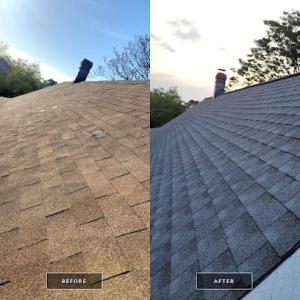
Villas Group Roofing
(732) 857-1687 villasgrouproofing.com
3145 Bordentown Ave Suite A-4, Parlin, New Jersey
5.0 from 35 reviews
We are a family owned business offering our roofing, siding & gutter services through New Jersey & Pennsylvania. We value each community that we service & take pride in providing top-notch service in each interaction and project. When you choose Villas Group Roofing you are receiving a personalized experience with a dedicated team. We focus on our core values of Excellence, Trust & Honesty starting from the nucleus of our business and encompassing everywhere we go! We are fully licensed, bonded & insured to provide you with added protection & peace of mind.

WeatherSeal Roofing & Gutters
(732) 576-3899 weathersealnj.com
Serving
5.0 from 324 reviews
At WeatherSeal Roofing we pride ourself in providing outstanding customer service with unbeatable quality. Whether you are replacing an existing roof or gutter system, or installing on a new building, we always offer FREE inspections and estimates on all our services. We will always stand behind our products and do anything it takes to achieve 100% customer satisfaction!
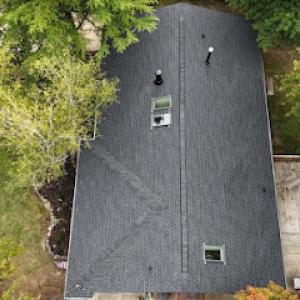
US Roofing Siding
(732) 772-5956 usroofingsidinginc.com
Serving
5.0 from 69 reviews
At US Roofing & Siding, we proudly serve Matawan, NJ, and the surrounding areas as a trusted roofing contractor and siding contractor. Our skilled team specializes in delivering high-quality roofing, siding, and gutter solutions tailored to protect and enhance your home. Whether you need a reliable roofer for repairs or a complete exterior upgrade, we are committed to providing exceptional craftsmanship and service. Trust US Roofing & Siding to safeguard your property with durable, lasting results you can count on.
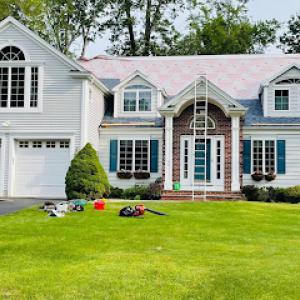
Erick home improvement
(908) 583-4298 erickhomeimprovementcorp.com
Serving
4.9 from 34 reviews
Roof deck

Elite Roofing & Restoration
(908) 338-0782 njtrustedroofers.com
Serving
4.9 from 172 reviews
Elite Roofing Solutions is all about peace of mind, we specialize in roofing replacements, siding, windows, doors, decks and gutters. The quality of our workmanship is superior and our customer service is outstanding, this way we can guarantee peace of mind through out your entire project and for years to come.
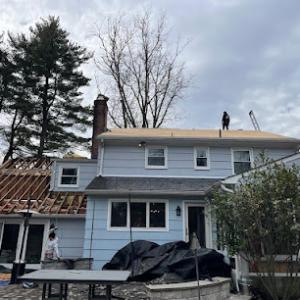
RD Roof repair & Replacement
(732) 242-1530 rdroofrepairandreplacement.us
Serving
5.0 from 29 reviews
Our goal at RD Roof Repair and Replacement is to transform New Jersey houses into dream homes. With an emphasis on roof repair, roof inspection, roof replacement, and roof installation, our team of experts brings unparalleled expertise and dedication to every project. We prioritize quality, reliability, and customer satisfaction from start to finish, ensuring that every renovation goes above and beyond.

Seamless Gutters / Roofing Calco
Serving
5.0 from 27 reviews
We specialize in high-quality roofing and seamless gutter solutions for both residential and commercial properties. With years of experience and a reputation for excellence, our licensed and insured team is committed to protecting your home with expert craftsmanship and durable materials. Whether you need a full roof replacement, minor repairs, or custom seamless gutters that perfectly match your home’s exterior, we deliver dependable service with honest pricing and clear communication. We work with asphalt shingles, metal roofing, flat roofs, and more—always focusing on long-term performance and curb appeal. ✅ Free Estimates ✅ Storm Damage & Insurance Claims Assistance ✅ Seamless Aluminum & Copper Gutters ✅ Local, Family-Owned Business
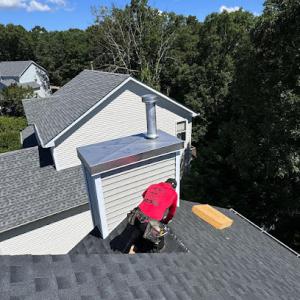
L&B General Contractor
(973) 866-7190 www.landbgeneralcontractor.com
Serving
5.0 from 36 reviews
License number: 13VH12305300 L&B General Contractor was built with the commitment to ensure cost-effectiveness and high-quality in every home improvement project we are hired to work on for the community of Orange, NJ and the surrounding areas. Our company was founded under the great values of: • Professionalism • Commitment • Diligence • Cost-Effectiveness Contact our team today and get a free estimate for any of the services that we offer. We are more than ready to start working on your projects, our goal is to exceed your expectations and always provide you with the best quality. Contact our professional and reliable company today to save time and money on your upcoming home improvement project!
A1 Dependable NJ Roofing Chimney Gutter Masonry
(201) 290-2289 a1dependablenj.com
Serving
4.9 from 75 reviews
With nearly three decades of dedicated service since 1996, A1 Dependable NJ Roofing Chimney Gutter Masonry stands as a cornerstone of reliability. They are a premier contractor in Metuchen, specializing in a full spectrum of exterior home solutions. Their experienced team provides expert craftsmanship in roofing, chimney, masonry, and gutter services. From meticulous repairs to complete installations, A1 Dependable ensures the structural integrity and aesthetic appeal of your home with a steadfast commitment to quality.
Bayshore Roofing
(732) 853-5153 bayshoreroofing-llc.com
Serving
5.0 from 58 reviews
Bayshore Roofing has been delivering trusted roofing services since 1987, helping homeowners and businesses protect their properties with quality workmanship. Specializing in residential roofing, commercial roofing, roof repair, leak repair, flat roof installation, roof replacement, shingle repair, and flat roof repair, the team focuses on durable materials and proven installation methods. With decades of hands-on experience, Bayshore Roofing is known for reliable service, clear communication, and long-lasting roofing solutions designed to withstand harsh weather and everyday wear.
MLM Renovations
(908) 887-6414 www.mlmrenovations.com
Serving
4.9 from 57 reviews
MLM Renovations provides quality roofing and gutter installation & repairs to Middlesex and Monmouth County NJ and the surrounding areas. Contact us today to schedule a free estimate.
All Trade Construction
(201) 561-3672 alltradeconstructionllc.com
Serving
5.0 from 40 reviews
At All Trade Construction, we are dedicated to providing top-notch roofing, siding, chimney, masonry, and gutter services throughout New Jersey. Although our company is newly established, founded just one month ago, our team comprises seasoned professionals with years of experience in the construction industry. We bring fresh energy and modern techniques to every project, ensuring your home’s exterior is both beautiful and durable.
Asphalt shingles dominate the local roofscape, so understanding their weak points is practical for Parlin homeowners. Granule loss shows up as fuzzy or bald patches on the roof surface after winter storms, reducing UV protection and accelerating aging. Brittle tabs become apparent after cold snaps when the shingles lose flexibility and crack or crack at the cutouts. Heat-related aging also speeds up when attic heat is not adequately vented, so you'll notice faster curling or blistering on roofs with limited soffit and ridge airflow. In general, expect the most noticeable issues around valley intersections, near skylights, and along long roof runs where sun exposure is higher.
Low-slope areas are common enough to matter in this market, especially where additions join a pitched main roof or where rear sections meet the primary roofline. These transitions are high-risk spots for edge leaks if flashing is buried, underlayment coverage is insufficient, or drainage is poor. Pay attention to metal step flashing at wall interfaces and to sealant joints where the low slope ties into the main roof. When inspecting, look for differential staining near the junctions after heavy rain or thaw cycles, and check that the roof-to-wall detailing remains watertight through freeze-thaw cycles. Consider upgrading to more robust flashing details at these connections if previous work shows any movement or staining.
Skylight leaks are unusually active locally, so flashing transitions around skylights deserve extra attention. Check the flashing base and curb for tight seals, especially after winter and spring thaw. Ice buildup in winter can wreak havoc on curb flashing where heat from the attic drives condensation under the skylight. Inspect the sealants around the skylight frame and ensure the shingle overlap above the skylight provides adequate protection. If you notice consistent staining or dampness around skylights after rain, plan a targeted reseal or flashing upgrade rather than a full roof replacement.
Periodic freeze-thaw cycles push vulnerability in all roof types. After harsh winters, recheck major seams, valleys, and around any penetrations such as chimneys or vents. In Parlin, a practical approach is to perform a light inspection after the first thaw and again after heavy storms, focusing on accumulation zones and transition points between different roof planes. Prompt attention to small leaks or loose shingles in these zones can prevent larger, more disruptive repairs during storm season.
In Parlin, a building permit is typically required for full roof replacements because it falls under Old Bridge Township jurisdiction. This isn't a formality to drag out your project; it flags essential safety checks that can stop progress if neglected. A replacement isn't viewed as a simple tear-off and reinstall in most cases. The township expects you to demonstrate that venting, decking, and overall load considerations meet current standards, not just the existing roof line. A rushed permit handshake can lead to rework, delays, and the risk of failing inspections later on.
The permit review tends to zero in on details that matter in our area's climate and housing stock. Venting configurations are checked to ensure proper moisture management, especially with attic and crawlspace configurations common in older Parlin homes. Decking integrity and underlayment transitions are evaluated for potential rot and water intrusion, which is critical after freeze-thaw cycles. Load considerations become a real topic when your roof carries added weight from ice dams, snow, or new skylights. It isn't about aesthetics; it's about preventing fast, hidden failures that can compromise a whole section of the house.
Inspections are typically required at rough-in and final, so scheduling is not optional. Plan access for the inspector and coordinate with the crew to minimize door openings and disruption. Rough-in inspection catches issues before dry-in, saving costly fixes later. The final inspection confirms that the replacement was completed to code and that venting, decking, and load pathways are all correct. Weather and utility coordination matter here:Nor'easter timing and freeze-thaw cycles can compress windows, so building timelines should include a buffer for inspection callbacks and any needed corrections.
In Parlin, storm timing drives the price you'll pay for a roof replacement. After a regional wind or hail event, emergency crews and replacement crews tighten up schedules, and you'll see price swings as materials and labor get booked quickly. That means a project that seems straightforward can slip into a tighter window, pushing both lead time and costs higher than the usual baseline. If you're planning around late-winter Nor'easters or a spring thaw, expect a tighter market and potential premium from crews with solid track records for storm recovery.
Asphalt shingles set the local price baseline. Typical costs here run from about 450 to 800 USD per square for a standard asphalt replacement, depending on shingle quality and underlayment choices. Metal roofing sits above that baseline, generally 700 to 1300 USD per square, and brings advantages in durability, but labor specialization can influence the final bill, especially on older homes with irregular framing. Clay and concrete tiles carry steeper price tags-clay around 1800 to 3200 per square and concrete roughly 900 to 1800 per square-driven by weight, railing on older structures, and the need for structural assessment. Wood shingles or shakes fall roughly in the 600 to 1100 per square range, adding a distinct aesthetic but requiring careful handling for fire codes and long-term weather resistance. Synthetic or composite shingles sit between asphalt and high-end tile options, about 700 to 1500 USD per square, with the benefit of lighter weight and variable finishes.
Parlin's mix of aging homes with low-slope sections and skylights means risk of frost-related movement and ice dam potential is real. A roof that's nearing the end of its service life is more likely to show decking, ventilation, or structural issues when opened up for replacement. In practice, that means you may see additional costs from addressing underlayment, vented attic space, or reinforcing rafters to handle the new roof's load, particularly with heavier tile or metal installations.
Start with a linear expectation based on square footage and desired material. Build in a buffer for storm-driven scheduling, especially if you're aiming to complete work before the next freezing season. If your existing deck or attic requires upgrades for proper ventilation or insulation, anticipate modest to meaningful increases depending on material choice and the complexity of the roof geometry.
Don't let upfront costs delay a critical repair - these contractors offer payment plans to fit your budget.
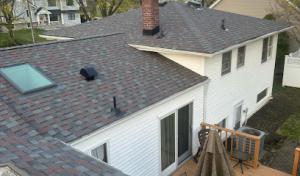

In New Jersey, roof claims typically depend on documented damage, photo evidence, and an adjuster visit, so you need to have records before and after work begins. When a Nor'easter or spring storm churns through Old Bridge Township, hail and wind exposure can create hidden leaks or shingle damage that isn't obvious from ground level. In these moments, the strength of your documentation determines how smoothly the claim moves and whether a contractor can start promptly.
Date-stamped exterior photos are essential, especially after a storm. Take wide shots of the entire roof and closer images of damaged shingles, curled edges, or lifted flashing. Attic photos matter just as much: look for signs of moisture, staining, or mold high up where leaks travel. Keep a dated progress album as the work begins, showing the roof in stages-from bare deck to underlayment to finished surface. This is not just for the insurer; it also helps you defend decisions if timelines tighten or disputes arise.
Competitive insurer timelines and deductibles can affect contractor selection in Parlin, particularly when homeowners are deciding between repair, temporary tarping, and full replacement. Be prepared to align your chosen course with how quickly the insurer will assess, approve, and fund the work. If the weather window is short, a contractor who can provide solid photo records and a clear plan for interim protection may reduce risk of additional damage while awaiting approval. Keep a simple, accessible file of all claim communications and photos to streamline reviews and decisions.
Connect with contractors who help homeowners navigate the claims process from damage assessment to final approval.


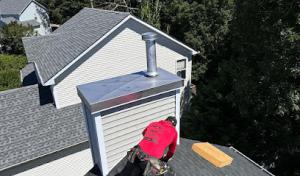
This section highlights specialty features and upgrades that suit the Parlin climate and housing stock. The area endures repeated freeze-thaw cycles and Nor'easters, so roof choices emphasize long-term durability and resilient attachment. Parlin experiences a meaningful but secondary presence of metal roofing, often chosen as a durability upgrade for homeowners planning around ongoing storm exposure and lower maintenance. If a re-roof is on the horizon, these dynamics influence material selection and fastener details.
Synthetic or composite shingles reflect local interest in alternatives that can handle central New Jersey weather without the higher structural demands of true tile. They blend familiar installation methods with improved impact resistance and better performance in freeze-thaw cycles. For low-slope sections or areas with frequent storm-driven debris, these options can reduce maintenance and extend service life without a steep learning curve for homeowners already dealing with storm repairs.
Metal upgrades should be discussed with a local contractor about substrate, ventilation, and flashing details. A standing-seam or ribbed panel can provide better wind uplift resistance and longer life in storm-prone seasons, while maintaining compatibility with existing fascia and gutters. In the town's homes with mixed roof lines, metal may be added selectively over worst-exposure zones to balance durability and cost.
Solar-integrated roofing appears in the market but remains a niche service compared with standard re-roofing and storm repair work. If solar is of interest, plan for it alongside replacement timing, because some systems align better with certain shingle or metal assemblies. Local installers who understand both the structural and weather-driven demands can help coordinate flashing, grounding, and potential attic heat management to avoid moisture pitfalls. Think about future storms when selecting warranty terms and service plans.
Find contractors who integrate solar panels or solar shingles into your roof for long-term energy savings.