
Last updated: Apr 19, 2026
Old Bridge has cold winters and warm, humid summers with relatively even precipitation, so roofs are stressed year-round rather than by a single short severe season. That means timing inspections and planning replacements can't be glued to a single weather event. A roof here can show subtle, progressive issues from winter cycles and summer heat alike, and those signs often show up in small ways before they become big problems.
Winter freeze-thaw cycles in Central New Jersey widen small shingle, flashing, and sealant failures that may not look serious in fall. You'll want to pay attention to fine cracking, hairline splits, or granule loss that seems negligible when the last snow melts. These are early indicators that water can exploit any existing gaps as temperatures swing from freezing to above freezing. If you see a family of hairline cracks around vent pipes, edges, or flashing corners, plan a closer inspection after the first thaw. During inspections, check for any frost-heaved fasteners or loose flashing that didn't fail utterly in the prior year but could loosen further with repeated cycles. In practical terms, treat modest wear as a precursor: a small repair now can prevent a larger, more invasive fix later when winter returns.
Summer heat and humidity in Old Bridge can affect installation conditions and make attic ventilation performance especially important after replacement. Roofs installed in the peak of summer can experience faster drying of underlayment and faster curing of sealants, but the flip side is that high heat can push attic temperatures well above ambient, stressing soffits and vents. If a replacement is scheduled for late spring or early fall, you'll have more moderate conditions for decking, underlayment, and shingle handling. If a summer replacement is unavoidable, ensure the crew closely manages attic ventilation during the process and verifies that soffit and ridge vents are clear and functioning. Post-installation, re-check attic air flow and insulation levels within two or three weeks of a hot spell; poor ventilation can make the new roof drive heat into the attic, accelerating wear on the shingles and underlayment.
Because the climate here imposes year-round stress, align roof work with the shoulder seasons when possible. Early spring or late fall projects typically offer gentler installation temperatures and less stray moisture interfering with underlayment adhesion. If a winter project is unavoidable, confirm that the work plan includes thinning the snow pack at the eaves before work starts, and schedule inspections for a window when daytime thawing and nighttime freezing won't repeatedly warp newly installed components. For replacements that must occur in summer, insist on a concrete plan for attic ventilation verification and a post-work check to confirm that heat buildup won't undermine the new materials.
Establish a semi-annual inspection cadence that targets both seasons: after the spring thaw and after the hottest part of summer. During each check, look for hairline cracking around penetrations, signs of sealant stiffness or separation, loose or uplifted shingles at the rake edges, and any discoloration hinting at moisture intrusion behind the fascia. If you notice minor issues, address them promptly with targeted repairs rather than waiting for a larger failure. This approach helps keep a roof in good shape through the alternating stresses of cold winters and humid summers, avoiding the creeping degradation that can arise when small problems are left unchecked.
Old Bridge endures inland Central Jersey's freeze-thaw cycles, humid summers, and sudden spring storms that hit hard and flood rooftops with debris and pressure. When the tile, shingle, or metal system already shows age or perched venting isn't performing, a surprise rain event can reveal weak spots fast. Leaks don't wait for a calm window to show up; they arrive with a thunderstorm or a summer squall and then multiply if left unaddressed. The result is faster interior damage, stained ceilings, and ongoing moisture traveling along rafters and sheathing. In practice, this means urgency after every severe deluge, not a leisurely timetable for repairs.
Spring and summer storms are a major scheduling disruptor locally, increasing emergency leak calls and delaying tear-offs and dry-in work. When the weather turns sour, crews shift to triage mode: temporary tarps, temporary shingle patches, and rapid containment become priorities for several neighborhoods at once. Your project may stall while crews chase higher-priority emergencies, especially after a wind-driven downpour that exposes vulnerable eaves or skylights. The takeaway is simple: when a storm hits, plan for a surge in contractor response time and have a clear plan for temporary protection that can bridge to the next window in the calendar.
Fall rainfall and storm activity can also interrupt replacement timelines in Old Bridge, so homeowners often need temporary protection before full installation. Autumn weather isn't forgiving, and frequent downpours can push a tear-off and dry-in beyond the ideal window. If a roof already shows compromised underlayment or repeated leaks, the risk is that water intrusion becomes a daily nuisance as temperatures swing. A steady supply of sturdy tarps, battened down flashing, and reinforced edge protection helps maintain controlled dry-in conditions when the weather flips quickly.
The local contractor market shows especially strong demand for emergency response and storm-damage work, indicating homeowners here often prioritize speed after weather events. That urgency translates into practical planning: establish a prioritized emergency contact list, confirm temporary protection options with your chosen contractor, and understand that rapid response may precede a full tear-off. Keep your attic ventilated and dehumidified during delays to slow mold and wood rot progression, and document damage with photos promptly to support expedited scheduling.
When a forecast calls for heavy rain or a thunderstorm, inspect quickly for loose flashing, exposed nails, and dark staining near penetrations. If damage is evident, secure loose shingles with temporary fasteners, cover with heavy-duty tarps, and ensure edge seals hold where wind-driven rain could intrude. After a storm, do not delay a professional roof inspection-even a small leak can signal a larger, concealed problem. If a tear-off is delayed, coordinate with your crew to establish a safe, weather-appropriate dry-in plan so interior spaces stay protected while repairs proceed.
When you can't wait, these contractors offer fast response times to stop leaks and prevent further damage.

Neighborhood Roofing East Brunswick
(732) 656-8985 neighborhoodroofingllc.com
Serving
5.0 from 45 reviews

Biondo Contracting-Roofing Specialists
(732) 257-2926 biondoroofing.com
Serving
4.9 from 54 reviews
Welcome to BIONDO CONTRACTING - Your Trusted Roofing Experts in Monroe Township, NJ! Specializing in roof repair, replacement, installation, and skylight replacement, our team of experienced roofers is dedicated to providing high-quality roofing services that exceed your expectations. As one of the top roofing contractors in Monroe Township, NJ, we take pride in our craftsmanship and attention to detail. At BIONDO CONTRACTING, we understand that your roof is a crucial element of your home or business, and that's why we are committed to delivering reliable and affordable roofing solutions tailored to your specific needs. For all your roofing needs, trust BIONDO CONTRACTING to deliver exceptional results. Contact us today for a free estimate.

WeatherSeal Roofing & Gutters
(732) 576-3899 weathersealnj.com
Serving
5.0 from 324 reviews
At WeatherSeal Roofing we pride ourself in providing outstanding customer service with unbeatable quality. Whether you are replacing an existing roof or gutter system, or installing on a new building, we always offer FREE inspections and estimates on all our services. We will always stand behind our products and do anything it takes to achieve 100% customer satisfaction!
Thomas Bartley A to Z Contracting
(732) 991-2909 a-zcontractingllc.net
Serving
5.0 from 52 reviews
Thomas Bartley A to Z Contracting is a veteran-owned roofing and remodeling company with 35+ years of experience. We now focus on more selective, hands-on projects where quality, communication, and craftsmanship always come first. We specialize in roofing, siding, kitchens, bathrooms, basements, decks, and targeted interior renovations. As GAF Certified roofers, we offer the System Plus Manufacturer’s Warranty with up to 50 years of non-prorated coverage. Tom brings Marine Corps Drill Instructor discipline and precision to every project, supported by skilled, detail-driven craftsmen. NJ licensed and insured, HIC #13VH06985200.
Villas Group Roofing
(732) 857-1687 villasgrouproofing.com
Serving
5.0 from 35 reviews
We are a family owned business offering our roofing, siding & gutter services through New Jersey & Pennsylvania. We value each community that we service & take pride in providing top-notch service in each interaction and project. When you choose Villas Group Roofing you are receiving a personalized experience with a dedicated team. We focus on our core values of Excellence, Trust & Honesty starting from the nucleus of our business and encompassing everywhere we go! We are fully licensed, bonded & insured to provide you with added protection & peace of mind.
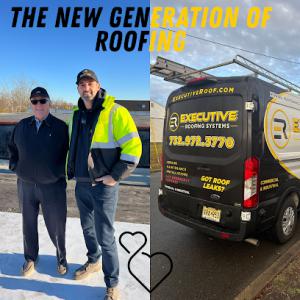
Executive Roofing Systems
(732) 972-3770 www.executiveroof.com
Serving
4.6 from 65 reviews
Executive Roofing is a trusted commercial roofing advisor empowering building owners & property managers with tailored roofing solutions that protect their most valuable assets. We provide informed guidance, responsive communication, and an unwavering commitment to quality & integrity. Family owned & operated for over 35 years, we have built long term relationships by consistently exceeding expectations. Our team is certified by leading roofing manufacturers & brings proven expertise to every project. Services include repairs, maintenance, installations, roof replacements, detailed inspections, and 24 hour emergency response. We partner with our clients from assessment through completion, delivering safe, reliable, and long term solutions.
Dynamic Home Improvement
(855) 446-6887 dynamichomeimprovements.org
Serving
5.0 from 109 reviews
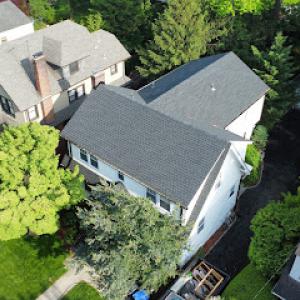
Dynamic Home Improvements is a trusted provider of roofing, gutter, siding, chimney, and masonry services. Our experienced professionals use only top-quality materials and advanced techniques to deliver outstanding results that enhance the functionality and appearance of your home. We pride ourselves on our exceptional customer service, personalized solutions, and competitive prices. Contact us today for a consultation and discover why homeowners in New Jersey trust us for their home improvement needs.

Amore Homes Roofing & Siding
(732) 648-2195 amorehomesllc.com
Serving
5.0 from 69 reviews
Amore Homes Roofing & Siding is your trusted, full-service roofing and siding contractor based in Monroe Township, NJ. With over 20 years of experience serving homeowners across Monmouth and Middlesex Counties, we specialize in roof replacements, repairs, vinyl siding installations, double as home remodeling contractors. Our team is fully GAF-certified, licensed and insured ensuring top-tier workmanship and lasting results. We offer free, no-pressure estimates, competitive pricing, and fast turnaround times and as proud members of the community, we stand by our work and are committed to delivering honest service, quality craftsmanship, and real value on every job. With over 20 years of experience, we are confident in any home project!
Property Management General Contracting
Serving
5.0 from 19 reviews
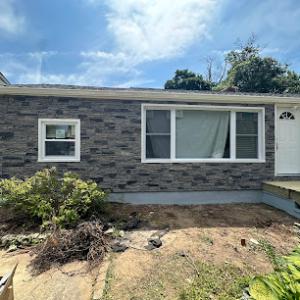
Located in East Brunswick, NJ, Property Management General Contracting (PMGC) is a trusted name in full-service residential remodeling and construction. With 36+ years of experience, we specialize in roofing, siding, windows, kitchens, bathrooms, basements, decks, additions, home remodeling, and demolition. Known for quality craftsmanship, clear communication, and reliable project management, we serve homeowners and property managers across Middlesex and Monmouth counties with a commitment to safety, satisfaction, and lasting results.
Gsr & Sm
(732) 808-3838 gardenstateroofers.com
Serving
5.0 from 30 reviews
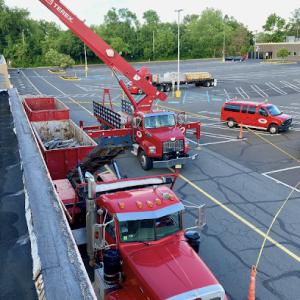
Since 1988, we have combined craftsmanship and technology to deliver reliable commercial and residential roofing across New Jersey. With 35+ years of excellence, we’re committed to quality, service, and lasting protection for every client.

Lightning Construction
(862) 972-3610 lightningconstructionnj.com
Serving
4.9 from 246 reviews
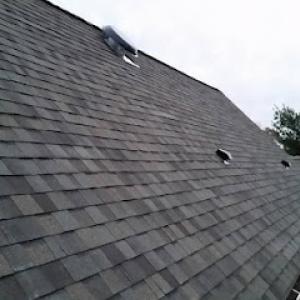
Lightning Construction, a preferred contractor of Decra Metal Roof, offers a modern take on the classic metal roof that combines elegance and durability. Take advantage of our affordable, one-of-a-kind roofing solutions and discover our high-quality laminated architectural shingles. These heavyweight shingles offer weather protection in vibrant, high-definition colors and feature copper-coated granules that prevent unsightly algae stains
MLM Renovations
(908) 887-6414 www.mlmrenovations.com
Serving
4.9 from 57 reviews
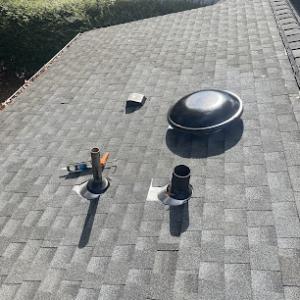
MLM Renovations provides quality roofing and gutter installation & repairs to Middlesex and Monmouth County NJ and the surrounding areas. Contact us today to schedule a free estimate.
GSC Manalapan Roofing & Siding
(732) 941-5816 roofingcontractormanalapantownship.com
Serving
5.0 from 39 reviews
GSC Manalapan Roofing has 20+ years of experience, and Siding provides top-quality roofing contractor services in the Manalapan Township NJ area. For more information about our pricing, feel free to give us a call.
Old Bridge experiences inland Central Jersey winters that swing between freezing nights and thaw cycles, paired with hot, humid summers. That combination isn't kind to a roof that's pushing its limits on aging underlayment, ventilation, and attic design. In this climate, your roof isn't just about keeping rain out-it's about managing moisture from outside and inside, controlling heat gain, and resisting the wear from repeated freeze-thaw cycles. The roof you choose should tolerate cold snaps without cracking and hold up to long stretches of humid heat without the attic turning into a sauna. The right fit balances these demands so you don't pay for a system that's optimized for one season only.
Asphalt shingles are the dominant roofing material in this town, aligning with the township's large stock of conventional pitched residential roofs. They're familiar, easier to insulate over, and typically simpler to replace in porch-light weather windows. Beyond asphalt, you'll find metal, clay and concrete tile, wood shakes, and synthetic/composite options. Heavier systems-like clay or concrete tile and dense metal-bring real considerations for older suburban homes, particularly where roof framing, attic ventilation, and access for installation are already tight. If you're evaluating alternatives, you should be honest about whether the existing structure can handle extra weight, and whether the ventilation strategy in the attic will keep moisture from backing up into insulation and sheathing during damp summers and freeze-thaw cycles.
In Old Bridge, a successful replacement or upgrade won't optimize for one extreme at the expense of the other. A chilling wind in January can stress sealant failure and trip a roof's age; the same roof must resist heat buildup in July and reduce attic humidity over long humid seasons. This means prioritizing proper venting, ridge and soffit balance, and a well-sealed underlayment. If you're leaning toward heavier materials, plan for additional structural checks and, ideally, an upgraded ventilation strategy to prevent ice dams in winter and mold risk in summer. For asphalt, choose architectural or dimensional shingles with a reflective or cool-roof option to help with heat aging. For metal, ensure coatings and fasteners are rated for freeze-thaw movement and that panels are properly insulated at the eave line to minimize condensation.
Start with an attic assessment-look for insufficient ventilation, signs of moisture, or sagging decking. If you're early in the replacement window, consider combining a vented ridge system with upgraded soffit returns to keep air moving year-round. When choosing a material, weigh how much internal attic heat affects sheathing and how the chosen system will fare across winter moisture and summer humidity. For older homes with limited headroom, a lighter, well-ventilated asphalt or synthetic option may deliver the most predictable performance without overwhelming the structure. Engaging a contractor who understands the seasonal cycles and the local housing stock will help ensure the installation supports long-term durability rather than short-term appearance.
In this market, asphalt shingles sit at the entry point of most roof projects, with other materials climbing toward the higher end, especially tile systems. When you compare local quotes, use the provided per-square ranges as your baseline: asphalt shingles generally around the lower end, while clay or concrete tile sit near the top. If a bid comes in near the mid to high range for a lighter-weight system, double-check the attached factors like ventilation and flashing work, since those can swing costs in this climate.
Spring through fall in this area often brings storm activity that tightens contractor calendars. When crews are juggling multiple re-roofs due to wind or hail events, you may see longer lead times and higher daily rates. That dynamic can push costs upward even if material prices stay steady. If you're planning a replacement in that window, build in a cushion for scheduling and potential temporary weather-related delays. Seasonal demand also affects supply for underlayment, drip edge, and flashing, which can influence the final tally.
The freeze-thaw winters and humid summers here shorten roof life compared to milder regions, especially for asphalt and wood systems. That means you might reach a point sooner where a full replacement is warranted rather than a cosmetic refresh. During a full re-roof, expect any necessary ventilation adjustments or flashing corrections to surface in the inspection findings and factor into the total cost. If attic ventilation isn't optimal, you'll likely see higher long-term energy costs and faster roof wear, so plan for a ventilation upgrade as part of the project.
Evaluate bids against the per-square ranges: asphalt shingles at the entry level, with tile systems at the top end. For a typical Old Bridge project, a straightforward asphalt install can land toward the lower end of the spectrum, while metal and tile options climb toward the higher end, influenced by structure, attic ventilation, and flashing work flagged during replacement. If a storm-heavy season overlaps your replacement plan, add a contingency for scheduling delays and supply constraints, which commonly appear in spring through fall.
Get a clear picture of your project costs upfront - no commitment required.
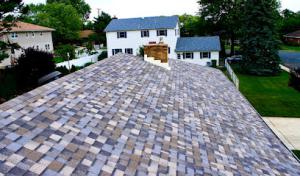

A full re-roof project triggers the township's building permit process, and that isn't just bureaucratic busywork. In this area, the permit is a signal that the work will be checked for critical details beyond the shingles themselves, especially given the freeze-thaw cycles that stress roof assemblies and the humidity that can creep into attic spaces. Getting the permit lined up early helps prevent delays that can push a project into peak season when crews are busiest and inspections tighten up.
The permit is generally applied for by the contractor or homeowner, and the township may require a current contractor license on the permit submission. That license check matters: a legitimate credential reflects adherence to local code and installation standards, including ventilation and flashing requirements. If the party submitting the permit fails to meet those expectations, the town can pause issuance or request additional documentation. Understanding who signs off on the paperwork ahead of time saves a considerable amount of hold-up once materials are staged and crews are ready to work.
A post-completion inspection is required locally to verify installation quality, ventilation, flashing, and flashing details, and scheduling can tighten during peak roofing season. The inspector will look for proper venting to prevent condensation and heat buildup in the attic, correct underlayment and toe-vent placement, and flashing where the roof meets walls, chimneys, and skylines. If any deficiencies are noted, corrective work may be required before the permit can be closed. Planning for this step in the project timeline helps avoid surprises that push a re-roof beyond the expected finish date.
Peak roofing season can compress inspection windows and push back final approvals. In this climate, weather windows are hard to lock in, and a delay in obtaining the final sign-off can leave crews idling or force a return visit after hours. Coordinate with the contractor to line up the permit filing, a clear list of required documentation, and a realistic inspection appointment. Keeping the process tight helps protect the roof transition from lingering moisture during damp summers and settling into the structure before another harsh winter hits.
The combination of inland Central Jersey freeze-thaw cycles and humid summers means roof life in this area wears unevenly. Insurers in this market often rely on documented, storm-specific damage rather than broad catastrophe assumptions. A leak from a wind-driven shingle blow-off in March can trigger a different review than a gradual algae stain from summer humidity. That nuance matters when a full roof replacement is considered or redirected back to repairs.
New Jersey insurers commonly request photos and documentation, and adjusters may review prior repairs and the roof's pre-loss condition before approving replacement. Immediate, high-quality images after a wind or rain event are essential. Keep a dated record of visible damage, attic signs of moisture, and any prior leaks. Include a simple sketch showing affected elevations and nearby trees or runoff that may contribute to future issues. Documentation should tell a clear before-and-after story.
Because local storms often create leak events without automatically producing full-roof approvals, homeowners in Old Bridge need prompt documentation after wind or rain damage. Adjusters assess whether damage is isolated or widespread, how long the roof has been vulnerable, and whether prior repairs addressed underlying causes such as ventilation or flashing. They consider the roof's age, the quality of existing vents, and evidence of freeze-thaw stress. A consistent, honest record helps align expectations with outcomes.
Act quickly to photograph damage from multiple angles, including interior water intrusion and attic conditions. Call the insurer promptly to initiate a claim with notes on when the event occurred and what areas seem affected first. If you've had prior repairs, gather receipts and contractor statements. For any inspection delays, document why and keep a running log of weather patterns that might influence damage progression. Consistency between records across time reduces disputes later.
Connect with contractors who help homeowners navigate the claims process from damage assessment to final approval.
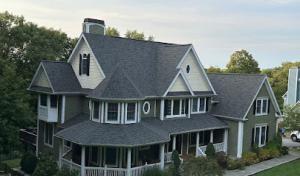

Old Bridge contractors show meaningful local demand for skylight work, which means leak-prone penetrations are a recurring homeowner concern. If you're adding a skylight or retrofitting one, expect extra attention to flashing, curb installation, and proper sealing around the rough opening. The reality is that these penetrations can become failure points after freeze-thaw cycles and during humid summers, so don't assume a skylight is a simple add-on. Plan for robust flashing details and a reliable membrane transition to the surrounding shingles.
Chimneys and their flashing are a common focal point in the local contractor market, particularly on older homes where flashing transitions can fail before the field shingles do. Even a small chimney joint can channel water into the roof deck if deterioration has crept up behind the flashing. When you're assessing a roof's health, inspect chimney undersides, step and counter-flashing, and any mortar gaps that could trap moisture. Regular attention here can prevent broader damage across the ridge line and roof edge.
Flat and low-slope roof specialization is active locally, even though pitched residential roofs dominate. Additions, porches, and mixed-roof sections are common and create unique trouble spots where water can linger or pond. Pay extra attention to transitions between low-slope surfaces and steeper planes, where improper drainage or mismatched membrane seams can invite leaks during heavy summer storms or rapid winter thaw. When planning work, ensure that transitions are continuous, seams are double-checked, and edge detailing is raised above typical field shingles to resist moisture intrusion.
In this town, the climate's freeze-thaw pattern paired with humid summers accelerates wear around penetrations and transitions. Regular inspections focusing on skylight flashings, chimney joints, and low-slope junctions can extend roof life and reduce the cascading effects of a single failure point. If you notice staining, damp spots, or musty attic odors near any skylight or roof penetration, treat it as a red flag and address it promptly before it compounds into a larger repair.
Find contractors experienced in skylight installation, flashing, and leak repairs to bring natural light into your home.
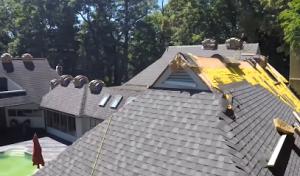
Neighborhood Roofing
(732) 582-5102 neighborhoodroofingllc.com
23 Arden Rd, Old Bridge, New Jersey
5.0 from 50 reviews