
Last updated: Apr 19, 2026
Spring in this market brings sudden hail and high winds that can topple shingles, dent flashing, and loosen vent seals in a single afternoon. As a homeowner, you should treat any mid-spring hail event as a potential roof injury that demands immediate inspection. After a storm, climb into the attic only if you know how to do it safely, or better yet, call a local roofing pro who knows the typical failure points in Marlboro's inland Monmouth County weather pattern. Look for bruised or dented shingles, looser granules in gutters, and any new damp spots on ceilings that weren't there before the storm. If you notice sagging or cracked edging along the eaves, don't delay-water can exploit those weak spots quickly, especially as the season shifts to humid summer heat. When you contact a contractor, ask specifically about hail sizing and wind thresholds for the local area, because Morganville homes respond differently to damage depending on shingle type and age.
Fall in this market carries a heightened risk of wind-driven debris that can strike roofs hard just before winter sets in. Ponder loose flashing, compromised valleys, and missing or torn shingles that occurred during summer or fall storms. Before winter, the goal is to catch those vulnerabilities while weather windows are favorable and before snow and ice become a factor. Schedule a fall inspection soon after the last major wind event, and make sure the assessment covers chimney and vent caps, attic insulation gaps, and the integrity of the ridge line. In a neighborhood with steep slopes, a minor misalignment at the ridge can become a leak under freeze-thaw cycles. If any shingles are curling or cupping, or if hail impressions remain visible, treat them as active damage rather than cosmetic wear. A timely fix in the late-year window can avert an expensive emergency when storms begin to howl again.
Recent hail and wind claim activity in New Jersey can affect premiums and coverage choices, so storm-related roof decisions in Morganville are closely tied to insurance documentation. When a major storm hits, document everything: dates, photos of the damage, weather reports, and any correspondence with the insurer. If an adjuster visits, accompany them around the roof edge to point out vulnerable areas you've already identified. Preserve any temporary repairs with receipts and photos, since insurers often want evidence of ongoing risk mitigation. If a claim is filed, ensure you have a clear, itemized list of damaged components-vent stacks, flashing, shingles, and underlayment-to confirm the scope aligns with the adjuster's notes. Homeowners sometimes underestimate the value of a professional roof inspection for claim support; a qualified roofer can provide a formal assessment that strengthens the documentation without delaying the claims process.
Schedule a pre-storm or post-storm inspection immediately after hail or high-wind events. Start with the most vulnerable areas: valleys, roof-to-wall intersections, and the chest of the ridge. If your roof shows even minor damage, consider prompt temporary protection such as tarping to prevent rain intrusion while you gather repair estimates. When choosing a contractor, prioritize local experience with Monmouth County weather patterns and steep-slope roofs common in this market. Ask for references from neighbors who experienced recent storms, and confirm that the contractor will provide thorough, written repair plans that address both the obvious damage and the underlying vulnerabilities that the climate exposes.
In this climate, timing for re-roofing or full replacement often hinges on the balance between confirming sustained dry periods and the forecast for winter weather. If aging shingles or repeated leaks persist after a storm season, plan ahead for a replacement that matches the local storm profile. Look at roofing materials that handle freeze-thaw cycles well and maintain good wind resistance for your particular slope. Work with a local pro who understands how seasonal shifts interact with common Morganville housing stock, so that future storm events have fewer chances to cause cascading damage. Prioritize proactive inspections and documented safety steps as part of an ongoing plan to keep the roof resilient through the year.
Find local contractors experienced in assessing and restoring roofs after hail, wind, and severe weather events.

Executive Roofing Systems
(732) 972-3770 www.executiveroof.com
316 Tennent Rd Unit 102, Morganville, New Jersey
4.6 from 65 reviews

Gsr & Sm
(732) 808-3838 gardenstateroofers.com
293 Hwy 79, Morganville, New Jersey
5.0 from 30 reviews
Since 1988, we have combined craftsmanship and technology to deliver reliable commercial and residential roofing across New Jersey. With 35+ years of excellence, we’re committed to quality, service, and lasting protection for every client.
Executive Roofing Systems
(732) 972-3770 www.executiveroof.com
316 Tennent Rd Unit 102, Morganville, New Jersey
4.6 from 65 reviews
Executive Roofing is a trusted commercial roofing advisor empowering building owners & property managers with tailored roofing solutions that protect their most valuable assets. We provide informed guidance, responsive communication, and an unwavering commitment to quality & integrity. Family owned & operated for over 35 years, we have built long term relationships by consistently exceeding expectations. Our team is certified by leading roofing manufacturers & brings proven expertise to every project. Services include repairs, maintenance, installations, roof replacements, detailed inspections, and 24 hour emergency response. We partner with our clients from assessment through completion, delivering safe, reliable, and long term solutions.
GenSun Roofing South Jersey
(732) 800-5109 gensunroofingnj.com
Serving
5.0 from 16 reviews
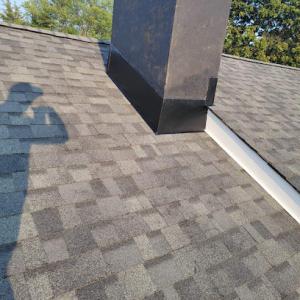
Professional Residential Roof replacements and Free Roof Estimates/Roof Visuals. GenSun Roofing has been servicing Northern New Jersey for many years. Our Virtual Roof Estimate and Roof Visual process will allow you to see your roof as if we completed it. Getting an estimate is convenient, easy, no sales pressure and done remotely. Obtaining a quality new roof has never been easier. Simply go to our site, choose your colors and choose a convenient 20 minute virtual appointment time with one of our qualified roof specialist residential roof specialist. We are much different than other roofing companies. We will not spend 2 hours at your home with a high pressured sales presentation and then try to slam an estimate. Our process is easy
Roof Maxx of Marlboro, NJ
Serving
4.9 from 114 reviews
Roof Maxx of Marlboro, NJ, offers an affordable, eco-friendly alternative to traditional roof replacement. Our plant-based formula restores the flexibility of your asphalt shingles, extending the life of your roof by up to 15 years with three simple treatments. Save thousands, avoid the mess of a full replacement, and reduce landfill waste. Proudly serving Marlboro and surrounding areas, we provide free inspections and estimates. Contact our team for a free inspection and estimate today!
Green Apple Roofing
(732) 504-3035 www.greenappleroofing.com
Serving
5.0 from 30 reviews
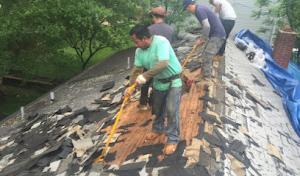
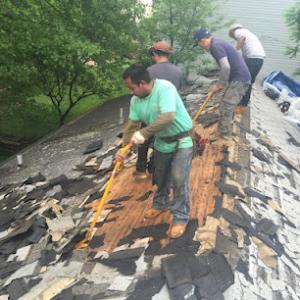
Green Apple Roofing specializes in high-quality roofing solutions for your home. Based in Marlboro, NJ, we offer roof repairs, installations, and inspections tailored to your needs. Our experienced team is dedicated to providing top-notch service and customer satisfaction. Contact us today for a free estimate and ensure your roof is in safe hands!
Fimi Roofing & Siding
(908) 484-9670 fimiroofingandsiding.com
Serving
5.0 from 73 reviews
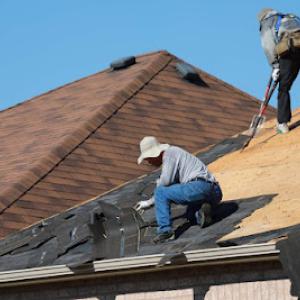
A top notch roofing service that is over 20 years in the business is one phone call away. Reach Fimi Roofing and Siding and we will exceed your expectations.
US Roofing Siding
(732) 772-5956 usroofingsidinginc.com
Serving
5.0 from 69 reviews
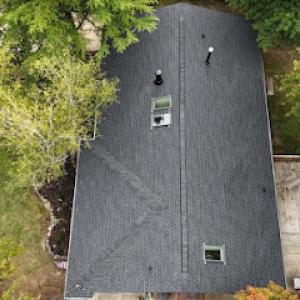
At US Roofing & Siding, we proudly serve Matawan, NJ, and the surrounding areas as a trusted roofing contractor and siding contractor. Our skilled team specializes in delivering high-quality roofing, siding, and gutter solutions tailored to protect and enhance your home. Whether you need a reliable roofer for repairs or a complete exterior upgrade, we are committed to providing exceptional craftsmanship and service. Trust US Roofing & Siding to safeguard your property with durable, lasting results you can count on.

Lightning Construction
(862) 972-3610 lightningconstructionnj.com
Serving
4.9 from 246 reviews
Lightning Construction, a preferred contractor of Decra Metal Roof, offers a modern take on the classic metal roof that combines elegance and durability. Take advantage of our affordable, one-of-a-kind roofing solutions and discover our high-quality laminated architectural shingles. These heavyweight shingles offer weather protection in vibrant, high-definition colors and feature copper-coated granules that prevent unsightly algae stains
Westgate Roofing
(732) 393-2572 www.westgateroofing.com
Serving
5.0 from 29 reviews
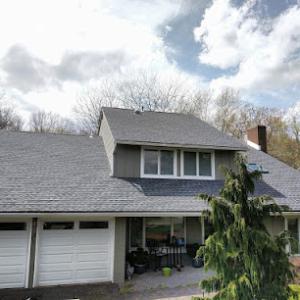
Expert Roofing company Serving Your Area. It's important that you choose an experienced and trustworthy roofing contractor, Westgate Roofing based in Middletown, NJ is here for all your residential & commercial roofing needs. From new roof installation to repairing your existing one, we can handle it all. Call us today for a FREE estimate. At Westgate Roofing, we are committed to delivering top-notch services tailored to meet the unique needs of each customer. Whether you require urgent repairs or are considering a full roof replacement, our team is equipped with the skills and expertise to ensure your roofing project is a success.
GSC Manalapan Roofing & Siding
(732) 941-5816 roofingcontractormanalapantownship.com
Serving
5.0 from 39 reviews
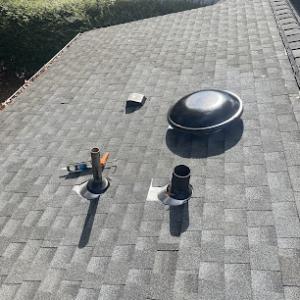
GSC Manalapan Roofing has 20+ years of experience, and Siding provides top-quality roofing contractor services in the Manalapan Township NJ area. For more information about our pricing, feel free to give us a call.
Allstate Contracting
(732) 787-2000 www.allstatecontractingnj.com
Serving
5.0 from 13 reviews
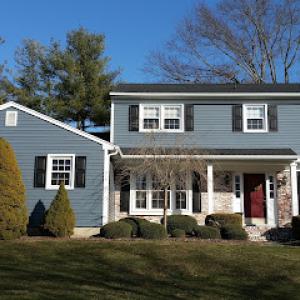
Allstate has been providing homeowners, commercial property owners and other contractors with quality workmanship at affordable prices for roofing, siding, windows and many other services. It is our goal for every customer to feel that we've exceeded their expectations or we haven't done our job. We always strive to do each job as if it were are own home or building & to help provide the information necessary for our customers to understand the benefits of the investment in their project. Customer satisfaction and making the whole process easy is our primary goal. Seeing a happy customer, doing what we say we will do and bringing the customers vision of their project to life is a lot of fun. Doing a great job for our customers is rewarding
Exterior Improvements
(732) 210-9440 www.exteriorimprovements.com
Serving
4.9 from 118 reviews
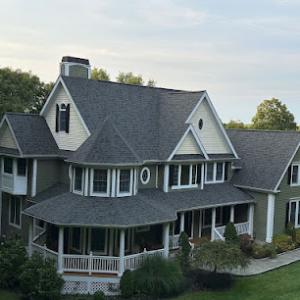
We are a locally owned, licensed and insured contractor known for our community-minded, service-focused, high-quality residential, commercial and multifamily projects.
In this climate, the sweet spot for replacing a roof sits from late spring through early fall. Warm summers, cold winters, and regular precipitation mean you want dry, long stretches of weather to complete the job without the sudden rain delays. A window from late spring into early fall aligns with calmer scheduling, reliable daylight, and enough shoulder-season days to finish tasks before the next cold front. This is the practical rhythm for a steep-slope home typical in this area, where you want a freshly installed roof ready to handle the next round of weather.
Winter freeze-thaw cycles in this area put stress on flashing and fasteners, which can turn minor defects into active leaks. If you suspect damage, plan targeted repairs during milder periods in late winter or early spring, so you're not fighting ice and snow. When a full re-roof is on the table, allow for a window where the ground is not hard with frost and the wind is less biting. The goal is to complete the bulk of the job before the first strong spring storms, so tiny gaps don't become big moisture problems once temperatures swing again.
Summer heat and humidity in central New Jersey accelerate asphalt shingle aging, so older roofs often show wear after hot-weather seasons. Heat can loosen the integrity of underlayment, expose nail heads, and stress sealants. If you're staring at a roof that's already showing signs of wear, plan for replacement before the peak of humidity and heat hits, and choose installation times that avoid the hottest part of the day. Proper ventilation and careful sequencing during installation help the new shingles lay flat and seal properly, reducing the chance of wind-driven issues later in the season.
Begin with a spring inspection to identify flashing, vent pipes, and ridge lines that may need attention before a full replacement. If any flashing shows signs of corrosion or lifting, address those components first, since they can become leaks once the roof is stripped and resealed. When scheduling, pick a stretch of dry, moderate-weather days-ideally several consecutive days without heavy rain-to allow the decking to dry and the underlayment to dry in between steps. Avoid periods of extreme heat when laying shingles to minimize expansion against the nails and to ensure a tight seal at the tabs and seams.
As you move toward replacement, maintain a focus on ventilation and attic condition. A well-ventilated attic reduces heat buildup that accelerates shingle aging and helps the new roof last longer in this climate. If storms are forecast during the installation window, coordinate with the contractor to cover exposed areas promptly and secure edges to prevent wind uplift during gusty conditions.
This approach minimizes vulnerability to winter cycles while leveraging the predictable dry periods of late spring to early fall, so the new roof enters the season ready to withstand the next round of local weather.
The dominant roofing materials in Morganville include asphalt shingles, metal, clay tile, concrete tile, wood shingles or shakes, and slate, which is a broader mix than many nearby suburban markets. That variety reflects a practical balance between curb appeal, performance, and long-term resilience in the inland Monmouth County climate. When you're choosing a roof for a home with a steep slope, you're not just picking a look; you're selecting how the roof handles freeze-thaw cycles, spring wind events, and humid summers. Asphalt shingles remain a common choice for their straightforward repairability and good all-around performance, while metal offers wind resistance and lighter structural loads for newer homes. Clay and concrete tiles provide a classic, durable profile but bring heavier weight and different flashing needs. Wood shingles or shakes offer a natural aesthetic with careful maintenance, and slate delivers exceptional longevity at a higher upfront cost. The local mix means reliability comes from matching the material's strengths to your house's geometry, attic ventilation, and flashing details so that performance aligns with the climate realities here.
Freeze-thaw conditions are especially relevant for flashing details and fastening systems. In a region with regular winter cycles, smaller or thinner components can crack or loosen if the fasteners aren't correctly chosen for heavy frost and temperature swings. Heavier systems, such as tile and slate, demand robust substrate preparation and precisely engineered fasteners to cope with freeze-thaw stress, including secure hip and ridge cap installation and well-sealed step flashing at all intersections. A well-designed flashing plan helps prevent water ingress during spring storms, when wind-driven rain is common. For metal roofs, consider concealed fasteners or corrosion-resistant fasteners and careful panel alignment to reduce leaks at seam intersections. When choosing asphalt or wood, confirm that the underlayment and adjacent flashing around chimneys, plumbing stacks, and skylights are matched to the expected moisture exposure. The climate's tendency toward humid summers means that any roof system should manage condensation and provide a breathable path for vapor to escape from the attic, while still offering a reliable moisture barrier from surface rain.
Humid summers and regular precipitation make ventilation a critical factor for every option. Asphalt shingles rely on adequate attic ventilation to prevent heat buildup that can shorten shingle life and warp sheathing. Metal roofs benefit from soffit-to-ridge ventilation and well-sealed penetrations to prevent condensation forming under panels. Clay and concrete tiles require careful underlayment choices and, often, a breathable deck to handle surface moisture without compromising tile supports. Wood shingles or shakes demand strong moisture management to prevent cupping, warping, and rot beneath the shingle layer; a high-quality, properly installed underlayment paired with ventilation helps extend their life. Slate, while durable, benefits from a precise underlayment strategy and professional flashing details to accommodate its weight and tendency to shift slightly with temperature changes. Across all these options, the goal is a moisture-managed system that respects the moisture-rich summers while delivering reliable performance through winter freezes and spring winds.
Start by evaluating your roof's slope, existing deck, and chimney or skylight penetrations to identify target flashing upgrades. If choosing heavier materials like tile or slate, confirm structural support and consider upgrading fasteners and at least a synthetic underlayment with appropriate slope tolerance. For budget-conscious yet durable options, asphalt shingles paired with a ventilation upgrade can deliver reliable performance with easier repairability in the field. If curb appeal is a priority, metal or clay tile can provide distinctive visuals but plan for longer installation times and careful detailing around penetrations. In every case, coordinate attic ventilation, moisture barriers, and a robust flashing strategy to minimize the risk of leakage during the region's seasonal storm activity.
In Marlboro Township, a full re-roof on a typical Morganville home almost always starts with a building permit. The permit process is centralized through the local construction office, and it's not something to assume will be handled by the contractor alone. You'll want to submit the required forms, plan review details, and any related storm-related documentation if your project coincides with a recent event. The township takes these steps seriously to ensure wind, weight, and drainage are addressed for the inland Monmouth County climate you live in.
Before any work begins, confirm with the Marlboro Construction Office that a full re-roof requires permits for your exact home. Gather a clear set of project details: roof size, chosen roofing material, underlayment plans, ventilation details, and confirmation that the work includes complete removal down to the deck. If storm damage played a role, keep notes and photos ready to accompany the permit application so inspectors understand the scope and timing.
Submit the permit package at the Marlboro construction counter or through the township's online portal if available. The package should include structural notes, installation method, fastener schedule, and any manufacturer's installation instructions required for the selected material. Expect the reviewer to verify that the plan accounts for the local freeze-thaw cycles, wind resistance, and proper roof ventilation to prevent future problems during humid summers. If the plan is missing details, the office will request revisions, which can add days to the timeline.
Once the permit is approved and work begins, the rough-in inspection is the first checkpoint. This visit typically happens during the installation phase when the deck is exposed, underlayment is in place, and the initial roof structure is secured. The inspector will look for correct nailing patterns, proper eave and ridge ventilation, and adherence to the approved plans. Have your contractor on site during this inspection so any adjustments can be addressed on the spot, reducing delays.
After the roofing material is installed and all penetrations are sealed, you'll schedule the final roof inspection. This visit confirms complete coverage, proper flashing at valleys and chimneys, and that drainage and venting meet code requirements. Ensure access is clear and that any temporary shields or protective measures used during construction are removed or properly secured for the final review.
Once the final inspection passes, the building permit is considered closed, and you'll receive documentation suitable for homeowners and future property records. Keep a copy of the inspection reports and a note of the material specifications for your records. In the event of future hail or wind events, this documentation helps demonstrate proper installation and helps with any warranty or insurance inquiries.
In this climate, you can expect asphalt shingles to run about 350 to 650 USD per square, metal around 700 to 1100, clay tile 1000 to 2000, concrete tile 900 to 1700, wood shingles or shakes 600 to 1100, and slate 1800 to 3200 per square. These ranges reflect the mix of standard suburban asphalt roofs and those premium installations that pop up on a few high-end homes with specialty labor needs. When you're comparing bids, the numbers add up quickly once crews have to adapt for steep slopes, attic penetrations, or complex roof lines that characterize many Morganville houses.
Storm-driven demand spikes after hail and wind events push scheduling pressure and pricing upward for both repairs and full replacements. In the aftermath of a damaging hail storm, you may see a surge in temporary tarp work, expedited evaluations, and project starts that compress timelines. If your roof has sustained hail or wind damage, expect faster decision points on shingle replacements, underlayment checks, and ventilation adjustments to prevent moisture issues during spring and early summer. Factor in potential price bumps not just for material, but also for surge labor and emergency-access crews.
Morganville's housing stock includes a lot of standard asphalt roofs, but there are pockets with slate and tile that raise typical costs and lengthen project timelines. Specialty labor for slate or tile can lead to higher per-square rates and longer installation windows, especially when adjacent roof work or scaffolding is required for safe access. If a roof needs custom lath, pattern matching, or precise tile alignment, you should anticipate a noticeable price swing, sometimes toward the upper end of the slate or tile ranges. The mix of standard and premium materials means an upfront evaluation helps pinpoint whether you're looking at a straightforward shingle replacement or a more intricate upgrade that leverages a premium system.
Start with an honest assessment of roof slope, accessibility, and existing underlayment when estimating costs. If the job involves repairs after a storm, set aside extra for expedited scheduling and potential temporary repairs that protect interior spaces during a busy spring season. For new installations, consider the long-term value of premium options like metal or tile in this climate, where wind and freeze-thaw cycles can impact longevity. In all cases, obtain multiple bids to compare material grades, warranty terms, and scope of work, then align your choice with both current weather patterns and expected future storms.
Don't let upfront costs delay a critical repair - these contractors offer payment plans to fit your budget.

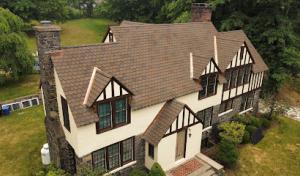
New Jersey insurers monitor weather-related roof claim patterns, and Morganville homeowners may see coverage decisions influenced by recent hail and wind events. When a damaging storm rolls through Marlboro Township, your insurer will look for a clear chain of evidence that the damage is new and caused by the event. If a claim comes after a long stretch without notable hail or high winds, expect closer scrutiny. This means documenting your roof's condition promptly after a storm helps avoid delays or later surprises in claim decisions.
Some carriers in this market have tightened underwriting in higher-risk areas, which can affect roof age tolerance and replacement expectations. If your roof is older or shows prior wear, be prepared for stricter scrutiny or a higher likelihood of denial without substantial damage evidence. The local pace of decisions can vary by carrier and season, so understanding your policy's terms ahead of a storm helps you gauge what might be required for coverage, especially after a severe wind or hail event.
Photos and an adjuster's report are specifically important for speeding claims in this local insurance environment. Take clear, dated photos of any damaged areas from multiple angles as soon as safely possible after a storm. Keep records of maintenance history and any temporary fixes. When the adjuster arrives, having a concise timeline and visual evidence helps bridge gaps between weather-induced damage and coverage expectations, reducing back-and-forth and expediting the review. Stay organized to limit the chance of coverage delays during peak claim periods.
Connect with contractors who help homeowners navigate the claims process from damage assessment to final approval.
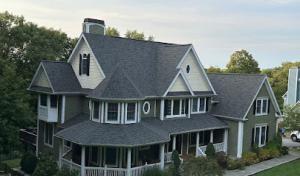
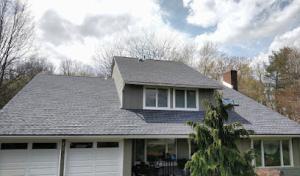
Skylight work is a meaningful specialty in the Morganville market, signaling that leak-prone roof penetrations are a common homeowner concern locally. When a skylight cradle shows seepage, it's often not just the glass but the surrounding flashing and the shared seal with the roof plane that falters after winter's freeze-thaw cycles. You'll notice valley and plane transitions near skylights catching wind-driven rain in spring, especially on steeper suburban homes where the roof edge meets the skylight curb at awkward angles. If you see condensation forming inside the skylight or a drip near the trim, treat it as a sign that attention is needed before the next freeze.
Chimney-related roofing work is also prevalent among contractors serving this market, which fits the established suburban housing stock with numerous brick or masonry cores pointing up through asphalt or tile coverings. The chimney-to-roof transition is a frequent pressure point for leaks, particularly where flashing has aged or where mortar gaps widen with seasonal expansion. In Morganville's climate, that transition endures more stress during winter storms, when the combination of wind, rain, and freeze-thaw cycles can push moisture beneath the flashing and into the attic. Regular inspection of the chase box, step flashing, and counter-flashing around the chimney is a practical safeguard.
Freeze-thaw stress on flashing is a locally relevant failure mode, making skylight and chimney transitions more vulnerable during winter. When temps swing above and below freezing, tiny cracks in metal or sealant expand, letting water bypass the surface and travel along the hidden seams. The result can be slow, cumulative leakage or a sudden drip after a heavy storm. In practice, this means scheduling targeted inspections after severe winter weather and before the spring rain season. Look for bubbling paint, dark stain along the flashing, or musty attic smells that hint at hidden moisture wicking in around skylights and chimneys.
Find contractors experienced in skylight installation, flashing, and leak repairs to bring natural light into your home.
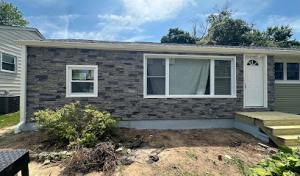
In Morganville, flat-roof specialization is active in the contractor market even though steep-slope systems dominate, shaping how local crews approach additions, porches, garages, and some commercial properties. That mix means you'll find options and pros who understand the nuances of low-slope details in this town's climate and typical home layouts. Drainage performance matters more here because regular precipitation tests the efficiency of any low-slope run.
Low-slope sections need consistent, unobstructed drainage paths. In this area, a minor sag or inadequate edge termination can lead to standing water after a storm. Check that deck seams, perimeter edge details, and scuppers are routed to avoid ponding near parapets or protrusions. Plan for a slight positive slope toward primary drains and ensure membrane laps are weathered properly to prevent edge failures during late-season rain.
Fall debris combined with pre-winter exposure increases edge-detail problems on low-slope roofs. Leaves, needles, and organic debris can clog drains and obscure flashings, accelerating deterioration at counterflashes, terminations, and perimeter caps. Clean and re-secure edge metal or counterflashing where it shows signs of pull-back. Consider upgrading gravel stops or edge trim with corrosion-resistant materials to reduce maintenance cycles during the busy fall and early winter window.
Start with a seasonal inspection focusing on drainage outlets, scuppers, and the condition of the roof membrane seams near the edges. After storms, inspect for signs of wind-driven debris collecting along parapets. Schedule a professional inspection before the winter season to confirm slope integrity, flashing seals, and penetration flashings are intact. If you anticipate adding or modifying a low-slope surface on a porch or garage, plan early with a contractor who can ensure proper transitions from steeper sections and verify that deck-level drainage remains unobstructed through freeze-thaw cycles.
Find specialists in TPO, EPDM, and built-up flat roofing systems for residential and commercial properties.
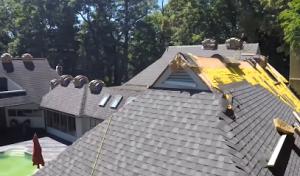
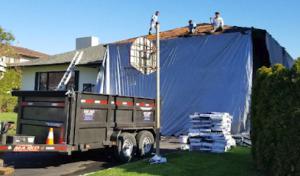
In this area of Marlboro Township, the weather pattern brings freeze-thaw cycles, spring winds and hail, and humid summers that influence both roof integrity and solar system performance. Solar-ready planning isn't just about adding panels; it's about designing a roof and an installation sequence that minimize storm-disruption risk and maximize energy capture over the long term. For homeowners with steep-slope suburban homes common to the local housing stock, the timing of any reroof or major repairs can directly affect solar integration, since a proper roof surface is essential for mounting and wiring a reliable system.
Material choice matters locally because asphalt, metal, tile, wood, and slate are all present in Morganville, and not every roof type is equally straightforward for solar integration. Asphalt shingles often pair most smoothly with standard mounting hardware and lightweight string inverters, but panel arrangement and ventilation must be considered on steeper pitches. Metal roofs can offer solid mounting options and fastener accessibility, yet certain panel racking systems require care to prevent leaks at seam locations. Clay and concrete tiles present attractive durability but require careful load assessment and attachment methods to avoid tile breakage and preserve roof integrity. Wood shingles and slate introduce additional weight and fastening complexities, making professional assessment crucial before any solar plan. The local mix means you should discuss system layout with a installer who can tailor mounting choices to your roof's age, slope, and existing ventilation.
Storm-response planning should account for how a solar install may be staged around potential hail or high-wind events. In practice, that means coordinating panel placement to avoid vulnerable periods in the shoulder seasons and ensuring the roof is weather-tight before panels go up. If re-roofing is already on the horizon due to wear, consider a combined approach that sequences roof replacement and solar wiring to minimize rework and protect both roof and array from weather exposure during construction. A trusted local installer can map a plan that aligns with your roof's material and slope, ensuring reliable performance once the sun returns full exposure.
Find contractors who integrate solar panels or solar shingles into your roof for long-term energy savings.