
Last updated: Apr 19, 2026
Perth Amboy sits directly on Raritan Bay, so roofs are exposed to wind-driven rain and coastal moisture rather than purely inland weather patterns. That means every storm arrives with a gusty push that can lift loose edges, drive water under flashing, and push splash water into formerly protected corners. When the bay wind hits, the difference between a minor drip and a full-on ceiling leak is measured in minutes. The effect is not just in one spot but across the roof line, where seams, valleys, and edges bear the brunt of salt-saturated spray and quick temperature swings. If your roof was designed around inland patterns, you'll feel the shift quickly once the first Nor'easter rolls through.
Nor'easters are a more locally relevant roof threat than hail, with spring and fall storms testing flashing, ridge caps, and shingle edges. The combination of heavy rain, pounding wind, and coastal humidity creates a perfect system for water to exploit weak points. Look for loose or aged flashing around chimneys, vent stacks, and where two roof planes meet at ridges. Ridge caps that aren't properly sealed can shed water even during moderate downpours, and edge fasteners can corrode or back out over years of salt exposure. When a Nor'easter slides in, a seemingly tiny edge lift becomes a path for weather to chase along the roof plane, then into the attic.
The city has many older attached and closely spaced homes, which can make leak tracing harder when water enters at party-wall transitions, chimneys, or rear low-slope sections. Water may travel along a party wall or inside the wall cavity before it makes a visible appearance on the ceiling far from the source. Rear low-slope or flat sections often hide failing seam caulking or compromised metal edging, especially where adjacent units share a roof line. In these environments, suspect a hidden leakage route even if the visible drip point seems distant from the likely entry area. A careful, methodical approach-checking each transition, collar, and seal along the roof perimeter-avoids chasing the wrong culprit.
Start with a high-pressure inspection focusing on the most exposed edges: ridge caps, upper edge of step-flashed joints, and any areas where old or mismatched flashing resides. Pay special attention to vent pipe boots and chimney bases, as salt-laden winds exploit any tiny gap. In crowded layouts, perform a thorough internal check around the party walls, attic access points, and soffits to locate where moisture first appears. If moisture is found near a shared wall, inspect the interior side of the wall for staining or bubbling paint, which signals a hidden transfer path. Finally, ensure that any maintenance or repair plan prioritizes secure fasteners and proper sealant compatibility with coastal moisture to resist wind-driven water entry over the long term.
Assessment and planning
Flat rear additions in this city often sit behind a front pitched roof, and those older urban homes tend to age unevenly. The rear low-slope section is usually the first to show wear from coastal humidity and nor'easter winds. When inspecting, start at the parapets and wall intersections where flashing bears against drywall or masonry. Pay close attention to scuppers, drain sumps, and any built-in parapet caps that may have settled or cracked. In tight streets, access constraints mean you should map out staging zones before bringing materials up the side or through a yard path. Prioritize deterring standing water, because a shallow pool on a flat roof invites residue, rust, and accelerated seam failure.
Materials choice and detailing
Choose a material that handles humidity and wind stress without excessive weight or height. A proven seamless approach is a well-sealed single-ply or modified bitumen membrane on the flat portion, with mechanical fasteners and integrated portfolio flashings at wall junctions. For a coastal environment, select membranes with robust UV resistance and good granule or cap sheet protection where exposed. Flashing should be continuous and mechanically secured along parapets, transitions, and vent penetrations, using corrosion-resistant fasteners. Edge details matter: curb-mounted units, drip edges, and counter-flashing at side walls reduce the risk of wind-lift and backsplash leaks behind wall fins. Since space is tight, prefabricated components that lock into place can speed up installation and reduce the need for heavy maneuvering on small properties.
Installation sequence and staging
Begin with a clean roof deck, removing debris that can trap moisture. Install a full-coverage tear-off if the existing roof shows widespread seam failure or water staining, then apply a moisture barrier as a first ply. Lay the chosen membrane in a consistent direction, ensuring overlaps and heat-weld or adhesive seals are uniform. At parapets, install a continuous metal cap or sealant bead to resist wind-driven spray. Where the flat section meets a front-pitched roof, seal transitions with a step-down detail that diverges water toward the interior drains rather than letting it pond at the seam. Access constraints require coordinating with neighbors when bringing materials to the back alley or through driveways-keep paths clear and use drop sheets to catch debris.
Maintenance and storm readiness
After installation, set up a simple inspection protocol: after heavy storms, check for pooled water, lifted seams, or disturbed flashing-address these areas promptly. In moisture-rich weather, visually inspect the inside edge of the parapet for any signs of moisture wicking and address before it travels to the interior. Keep scuppers and downspouts clear of leaves and silt, which can create backflow pressure during high tides or strong winds. Debris control becomes part of the routine; in tight lots, schedule quick debris runs during daylight with a clear path to the rear section to minimize labor time and staging.
Access, debris, and staging
Because many homes are tightly spaced, organize a small, controlled debris zone near the rear addition. Use rope or mesh barriers to contain materials and prevent them from blowing onto neighboring property or the street. If scaffolding is needed, plan the setup to minimize street obstruction and protect doorways from wind-driven grit. The goal is to complete the more vulnerable flat rear section with precise flashing and clean seams, so the rest of the roof remains customers' first line of defense against a storm.
Find specialists in TPO, EPDM, and built-up flat roofing systems for residential and commercial properties.

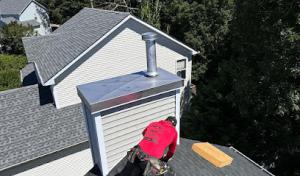

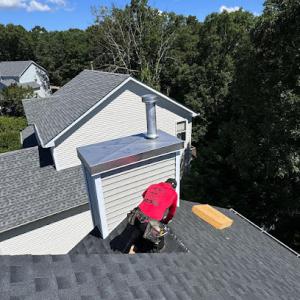
Erick home improvement
(908) 583-4298 erickhomeimprovementcorp.com
Perth Amboy, New Jersey
4.9 from 34 reviews
Roof deck
Seamless Gutters / Roofing Calco
Serving
5.0 from 27 reviews
We specialize in high-quality roofing and seamless gutter solutions for both residential and commercial properties. With years of experience and a reputation for excellence, our licensed and insured team is committed to protecting your home with expert craftsmanship and durable materials. Whether you need a full roof replacement, minor repairs, or custom seamless gutters that perfectly match your home’s exterior, we deliver dependable service with honest pricing and clear communication. We work with asphalt shingles, metal roofing, flat roofs, and more—always focusing on long-term performance and curb appeal. ✅ Free Estimates ✅ Storm Damage & Insurance Claims Assistance ✅ Seamless Aluminum & Copper Gutters ✅ Local, Family-Owned Business
L&B General Contractor
(973) 866-7190 www.landbgeneralcontractor.com
Serving
5.0 from 36 reviews
License number: 13VH12305300 L&B General Contractor was built with the commitment to ensure cost-effectiveness and high-quality in every home improvement project we are hired to work on for the community of Orange, NJ and the surrounding areas. Our company was founded under the great values of: • Professionalism • Commitment • Diligence • Cost-Effectiveness Contact our team today and get a free estimate for any of the services that we offer. We are more than ready to start working on your projects, our goal is to exceed your expectations and always provide you with the best quality. Contact our professional and reliable company today to save time and money on your upcoming home improvement project!

Elite Roofing & Restoration
(908) 338-0782 njtrustedroofers.com
Serving
4.9 from 172 reviews
Elite Roofing Solutions is all about peace of mind, we specialize in roofing replacements, siding, windows, doors, decks and gutters. The quality of our workmanship is superior and our customer service is outstanding, this way we can guarantee peace of mind through out your entire project and for years to come.
Joseph S Galante & Son Contracting
(917) 613-6351 www.statenislandcontractor.com
Serving
4.8 from 52 reviews
At Joseph D. Galante & Son Contracting, we offer a full range of contracting services tailored to meet the unique needs of our clients. No matter the size or complexity of your project, we have the expertise to deliver exceptional results. Our services include: Kitchen Renovations, Bathroom Remodeling, Roofing, Siding and Exterior Work. Baseme

Revive Home Remodeling Group
(908) 844-8447 www.revivehrg.com
Serving
5.0 from 66 reviews
We’re more than just a home improvement company, we’re a team of passionate experts dedicated to transforming your vision into reality. Founded by industry veterans who witnessed the shortcomings of both small, unreliable companies and large, impersonal powerhouses, we knew there had to be a better way. Our mission is to bridge the gap, offering you the best of both worlds: the personalized service of a small business with the expertise and reliability of a large firm.
All Pro Roofing & Siding
(718) 967-6630 allproroofingsi.com
Serving
4.7 from 84 reviews
Family Owned & Operated for 29 years. We Specialize In Roofing, Siding, Windows, Doors, & Gutters
Right Service 08 Roof Repair & Replacement
(848) 216-0923 rightsroofrepair.com
Serving
4.9 from 40 reviews
Backed by over two decades of industry experience, Right Service 08 Roof Repair and Replacement excel in flat and shingle roofing, skylight repairs and installations, chimney maintenance, and comprehensive roof services. Our skilled team is dedicated to providing exceptional, long-lasting solutions for both residential and commercial clients.
Top Supreme Construction Roofing & Decking
(201) 749-7627 topsupremeconstruction.com
Serving
5.0 from 57 reviews
Top Supreme Construction is your trusted source for affordable roofing and construction services in New Jersey. We offer a variety of services, including roof leak repairs, chimney repairs, seamless gutter installations, masonry restoration, stoop and step repairs, retaining wall installations, and custom deck building. We pride ourselves on quality craftsmanship and outstanding customer service, providing free estimates and 24/7 roof repair services, which includes roof leak repair, collapsed chimneys, and roof tarp installation.

A1 Dependable NJ Roofing Chimney Gutter Masonry
(201) 290-2289 a1dependablenj.com
Serving
4.9 from 75 reviews
With nearly three decades of dedicated service since 1996, A1 Dependable NJ Roofing Chimney Gutter Masonry stands as a cornerstone of reliability. They are a premier contractor in Metuchen, specializing in a full spectrum of exterior home solutions. Their experienced team provides expert craftsmanship in roofing, chimney, masonry, and gutter services. From meticulous repairs to complete installations, A1 Dependable ensures the structural integrity and aesthetic appeal of your home with a steadfast commitment to quality.
All Trade Construction
(201) 561-3672 alltradeconstructionllc.com
Serving
5.0 from 40 reviews
At All Trade Construction, we are dedicated to providing top-notch roofing, siding, chimney, masonry, and gutter services throughout New Jersey. Although our company is newly established, founded just one month ago, our team comprises seasoned professionals with years of experience in the construction industry. We bring fresh energy and modern techniques to every project, ensuring your home’s exterior is both beautiful and durable.
Bayshore Roofing
(732) 853-5153 bayshoreroofing-llc.com
Serving
5.0 from 58 reviews
Bayshore Roofing has been delivering trusted roofing services since 1987, helping homeowners and businesses protect their properties with quality workmanship. Specializing in residential roofing, commercial roofing, roof repair, leak repair, flat roof installation, roof replacement, shingle repair, and flat roof repair, the team focuses on durable materials and proven installation methods. With decades of hands-on experience, Bayshore Roofing is known for reliable service, clear communication, and long-lasting roofing solutions designed to withstand harsh weather and everyday wear.
Asphalt shingles are a common sight on the bayfront and in the dense older housing stock nearby, prized for their familiarity and ease of repair. Yet in summers that feel like a furnace and winters that bring wet cold, their service life can bite the dust faster if attic ventilation is weak or uneven. In this climate, hot air and humidity trapped in the attic accelerates shingle degradation, lifts tabs, and invites premature granule loss. If asphalt is your choice, prioritize a balanced ventilation plan: a combination of soffit intake vents and ridge or high-side exhausts, plus a deck seal and proper underlayment that stands up to salt-laced air. Insist on flashing details that seal against wind-driven rain-especially around chimneys, dormers, and vents. Regular inspection after heavy storms helps catch early signs of moisture migration from the attic into the roof deck, which can compound leaks along bay-facing walls and gutters.
Metal roofing has clear appeal in a coastal, wind-facing market where fastening quality and flashing details matter most. A metal roof with tightly fastened panels and robust sealant lines resists the kind of uplifting gusts that sweep across urban and bayfront roofs. The better-equipped installations employ continuous eave and rake trim, wind-clip fasteners, and well-sealed penetrations for vents, skylights, and HVAC curbs. On simpler rooflines, metal can be a straightforward upgrade that reduces maintenance cycles and expands long-term durability. If metal is under consideration, focus on panel profiles and fastener patterns designed for lateral wind loads, plus a well-designed drainage plan to prevent ice dams and ponding in flatter sections. The local climate rewards a thoughtful, detail-focused approach to flashing around valleys and transitions, where salt-laden air can corrode or loosen poorly sealed joints.
Tile and synthetic options appear on the market, but their weight and the intricacies of installation demand careful planning in an older neighborhood with aging framing. Clay and concrete tiles bring acclaimed durability and a distinct look, yet their heft requires reinforced decking and accurate spacing to avoid structural stress. Synthetic or composite shingles offer lighter weight and flexible design choices, but still hinge on proper ventilation and a solid underlayment to weather coastal humidity and wind-driven spray. For homes with historic character or irregular framing, the installation complexity grows: roof geometry, chimney details, drip edge alignment, and compatibility with existing venting and insulation all influence long-term performance. Before choosing tile or synthetics, assess whether the existing framing has the capacity to carry the load without compromising attic air flow or insulation continuity. In tight bayfront streets, where wind lines and street salt can reach vulnerable joints, it's prudent to pair any heavy roofing with a meticulous, wind-aware flashing plan and a roof deck inspection schedule.
In this climate, a roof's performance hinges on ventilation, flashing integrity, and a durable, wind-conscious installation. Regardless of material, prioritize continuous eave and ridge ventilation, high-quality underlayment, and flashing around penetrations. For aging homes, insist on a detailed assessment of deck condition, structural compatibility, and the potential need for reinforcement when selecting heavier or more complex roof systems. A well-chosen roof type paired with precise detailing can endure the bayfront humidity, resist wind-driven leaks, and preserve the home's character for years to come.
Cold wet winters in Perth Amboy create freeze-thaw stress that can open up flashing joints and worsen small shingle cracks before spring rains arrive. On bayfront roofs, where coastal humidity keeps everything damp, a passing gust can push moisture into the very seams that hold the roof together. When temperatures swing from above freezing to just below, that moisture freezes, expands, and pries at metal flashings and underlayment. The effect is incremental but real: a minor joint leak today compounds into a bigger drip after a few cold snaps, especially on aging roofs that already show wear.
Roofs that already hold moisture from coastal humidity are more vulnerable when temperatures swing around freezing. The salt air, higher UV exposure, and urban wind corridors along the water mean shingles and underlayment may already be softened or lifted in corners and eaves. As ice forms along rakes and hips, wind-driven rain can exploit gaps created by prior staining, granule loss, or tiny cracks. The result is a repeated cycle of dampness followed by rapid cooling, which stresses sealants and flashing where roofs meet walls, chimneys, and vent penetrations.
Replacement timing matters here because winter emergency work may stabilize leaks, but full tear-offs are easier to schedule around the city's wetter cold-season conditions. If a leak appears in late autumn, addressing it promptly with temporary stabilizers can buy you time, yet a complete mid-winter overhaul may stall until spring weather clears. Planning ahead helps you balance securing a dry interior with coordinating crews, materials, and favorable conditions for a proper, long-lasting repair.
Inspect exposed flashings after storms and inspect around vent pipes and chimneys for displaced sealant. Look for tiny shingle cracks and areas where moisture remains pooled along the eaves. If you notice damp ceilings or accelerated staining, treat the issue as urgent but conserve heat in living spaces while arranging a repair window. When you choose a contractor, ask about their approach to cold-weather installations and how they protect underlayment from repeated freeze-thaw cycles.
When you can't wait, these contractors offer fast response times to stop leaks and prevent further damage.
Erick home improvement
(908) 583-4298 erickhomeimprovementcorp.com
Perth Amboy, New Jersey
4.9 from 34 reviews

In this market, per-square pricing for the listed materials must reflect Perth Amboy's mix of older, layered homes and frequent tear-offs. A standard field shingle replacement can become a two-step job when the contractor has to remove several layers or navigate overhangs and chimney details. Expect labor to push the lower end of the field-range upward by a noticeable margin when crews are re-covering or re-flashing around existing structures. Per-square costs should be read as a baseline that grows with complexity driven by the roof-to-chimney detailing and the stubborn remains of older underlayment.
Dense neighborhoods with tight lot lines and attached structures complicate material handling and cleanup. In Perth Amboy, staging space is often limited, so crews may need extra manpower or a secondary pass to stage shingles and waste. That added logistics work translates into higher labor hours per square, especially for steep parts of the roof or when ridge lines require careful navigation around nearby walls. When you see a quoted price, ask for a breakdown that shows the impact of extra waste removal, ladder setup, and car-to-roof transport in cramped spaces.
Nor'easters and coastal storms drive demand spikes that can shift scheduling and pricing quickly. Emergency dry-in and fast-turn re-roofs can command premium timelines, and supply of certain roof types (like clay or concrete) may tighten after a storm. If a storm is forecast, expect some adjustment in both timeline and per-square pricing, not just material costs. The best plan is to lock in a reasonable window for weather-ready work and clarify what happens if delays push work into less favorable conditions.
Asphalt shingles remain a common choice, but older homes often need enhanced detailing around chimneys and edge systems, which adds to the per-square labor cost. Metal roofing can offer durability benefits but may require more meticulous flashing around historic detailing, impacting overall pricing. Clay and concrete tiles bring higher material costs plus heavier handling requirements in tight spaces. Wood and synthetic options vary by installation depth and underlayment needs, both sensitive to bayfront humidity and wind loads.
Get a clear picture of your project costs upfront - no commitment required.
Erick home improvement
(908) 583-4298 erickhomeimprovementcorp.com
Perth Amboy, New Jersey
4.9 from 34 reviews
The City of Perth Amboy requires a building permit for a full roof replacement rather than treating it as permit-free maintenance. This is especially important for older, bayfront homes that face coastal humidity and wind-driven exposure. Treat the permit like a first line of defense against leak-prone detailing and storm-related damage. If a project starts without approval, it can complicate repairs and future resale.
Permit issuance follows project review, so scope clarity matters before work begins. Before filing, gather a clear plan showing roof type, materials, attic ventilation, flashing details, and any structural work. The Building Department will assess whether the replacement matches zoning, historic considerations for older houses, and required wind-resistance upgrades. Be prepared to note any attic access changes, roof curbs for vents, or skylight work. Submitting precise details speeds the review and reduces back-and-forth delays.
Inspections are conducted during tear-off and again after completion, and scheduling runs through the city's Building Department. Expect a tear-off inspection once old roofing is removed to verify sheathing condition and any approved repairs. A second final inspection confirms proper installation, flashing, and ventilation and ensures it meets local codes for wind resistance. Coordinate timing with the department to avoid overlapping trades or weather-related delays. If weather pushes a tear-off, inform the inspector and keep clear documentation of work progress.
Set the appointment window early in the process and confirm the exact inspection days as soon as the permit is issued. Keep records of all communications and receipts handy in case the Building Department requests clarification. On the job site, maintain easy access for inspectors and ensure safety equipment and debris control align with city expectations.
Coastal humidity and nor'easter winds shape the way insurers view roof damage in this area. The emphasis is on whether a leak or failure followed a storm event or reveals long-standing wear from aging, especially on bayfront homes where gulls, salt air, and wind gusts compound deterioration. When a claim is triggered by a blowing shingle or a popped seam, the adjuster will scrutinize whether the roof met basic storm resistance standards for the local climate. If a roof has already shown recurrent vulnerability to wind-driven blows, the consequence is often tighter scrutiny and a higher demand for supporting documentation.
When a claim is filed, expect to provide roof age, prior repair history, and a clear trail of what happened during the storm. Photos taken before and after the event help establish a baseline and illustrate new damage rather than aging wear. The insurer may also request contractor warranty information to validate the workmanship and the credibility of subsequent repairs. Having these details organized saves time and reduces the chance of disputes about whether a particular issue is storm-related or a preexisting condition.
Detailed cost breakdowns are especially useful here because adjusters may want support separating storm-related repairs from older wear on aging city roofs. In practical terms, assemble a simple ledger of what was damaged, when the damage occurred, and which areas were repaired or replaced. Include notes on weather patterns from the week of the incident and any interim maintenance performed. Clear, consistent documentation helps ensure that a claim addresses the immediate storm impact without lumping in longstanding roof fatigue. If a contractor stands behind a warranty, have that documentation ready to demonstrate coverage and responsibility for future maintenance.
Connect with contractors who help homeowners navigate the claims process from damage assessment to final approval.
Older housing stock often features masonry chimneys that extend through tight, humid bayside air. This combination creates recurring leak points at flashing and counterflashing, especially where mortar has softened or where the chimney flue meets the roof plane. Start with a careful inspection of the base where masonry meets roofing material. Look for hairline cracks, loose or missing flashing metal, and any mortar deterioration that exposes gaps. In spots where the chimney shoulders against a steeper slope or a low-slope urban roof, wind-driven spray can lift flashing edges and drive water inward. If gutters are full or downspouts are pulling rain toward the chimney base, water will find its way around even solid flashing. When inspecting, test the shingle or tile return around the chimney by gently lifting a few shingles or tiles at the edge; if there is any movement or dark staining behind, treat it as a sign of flashing weakness. Plan to reseal promptly if there is evidence of cement-like sealant failure, rusted metal, or cracked counterflashing that exposes the base of the masonry.
Skylights are a meaningful specialty in this market, and on older roofs they often fail at curb flashing before the glazing itself is the problem. The curb is exposed to constant temperature swings and salty coastal humidity, which can cause fasteners to loosen and flashing to hinge away from the curb. Pay attention to the curb's sealant joints and the condition of step flashing along the sides. When leaks appear, symptoms on wood rafters can show up far from the skylight's edge because water travels along rafters before dripping. If you notice peeling paint on the ceiling or warped decking near a skylight, check whether the curb flashing is intact and whether the roof-to-skylight sealant is still flexible. On older installations, glazing units may still look sound while the curb shows signs of age or improper footing.
On tightly built city homes, leak symptoms around chimneys and skylights can travel along rafters and appear far from the actual entry point. Don't chase the spot's drip line alone; trace the water path up the attic or crawlspace toward where rafters converge near the penetration. In crowded rooflines, wind can push moisture laterally under shingles or around eaves, so inspect the ridge line and the sides of the chimney or skylight for pooling water or dampness that migrates. When planning repairs, consider both the flashing layout and the surrounding roofing materials; replacing only a flashing strip without resealing the curb or re-flashing adjacent joints invites repeated leaks under storm pressure.
Find contractors experienced in skylight installation, flashing, and leak repairs to bring natural light into your home.
Right Service 08 Roof Repair & Replacement
(848) 216-0923 rightsroofrepair.com
Serving
4.9 from 40 reviews