
Last updated: Apr 19, 2026
Howard Beach sits along Jamaica Bay, and that bayfront setting means roofs sit in constant coastal humidity and wind-driven rain. Those conditions creep into flashing joints, chimney penetrations, and any roof penetrations where water can find even a hairline path. The combination of salty air, seasonal humidity swings, and the persistent breeze from the bay accelerates wear on seals and sealants. After a long winter, freeze-thaw cycles can crack or lift flashing edges, while spring rain arrives with stronger, wind-driven gusts that push moisture through any marginal seal. In other words, bayfront exposure turns roof vulnerabilities into rapid, visible leaks when the weather shifts.
The neighborhood's low elevation and waterfront setting makes water intrusion feel immediate, not theoretical. A single heavy rain event can saturate roof decks, overwhelm poorly draining valleys, and push moisture toward interior walls and ceilings. That moisture doesn't stay outside; it works its way into attic spaces, soffits, and the top of board-and-batten or gypsum assemblies before leaking into living areas. The result is not just a drip on the ceiling but a dampened, mold-prone envelope that can take hold quickly if not addressed.
Many homes here blend a main pitched roof with low-slope rear or porch sections. Those transitions are the real trouble spots. A common pathway: water rides up the slope, finds the low-slope field, and then slips across the joint where the two roof types meet. The bayfront wind can force rain against the windward side, driving it under edges that would otherwise shed moisture on a taller, continuous surface. Transition points-where flashing turns or cap flashing meet a low-slope field-are especially prone after the winter and into spring. Even small misalignments or worn sealants at these junctures can become persistent leaks.
After winter freeze-thaw, moisture can be trapped in decking or under shingles, and tiny gaps expand as materials move with temperature changes. Then spring brings wind-driven rain that can push across the roof edge more aggressively than typical summer showers. In other words, the same roof area may leak more in early spring than in mid-summer due to combination of material movement and gusty downpours. The risk is highest along anything that acts as a transition or edge-valleys, step-backs, dormer interfaces, and porch roof connections.
You should perform targeted checks after any major storm and at the change of seasons. Start with the bay-facing sides: look for loose or degraded flashing along high-wind edges, bent or missing step flashing where the roof meets walls, and any gaps at vent penetrations or where pipes pass through the roof deck. Inspect the joints at transitions between pitched main sections and low-slope rear or porch areas; use a ladder safe for the height, and don't ignore the underside of eaves and soffits where condensation and moisture tend to hide. If a deformed shingle edge, lifted granules, or dark staining near the edges appears, treat it as a red flag. Pay attention to signs of interior moisture in the attic directly above these areas, including damp insulation, staining, or a musty odor.
First, address obvious gaps or loose flashings with proper sealant compatible with the roof material, and ensure any vent or penetrant flashing sits flush against the deck with a continuous seal. Clean gutters and downspouts so water flows away from the house rather than pooling at eave lines. If you notice recurring leaks at a transition, consider upgrading the flashing treatment there-more robust cap flashing, continuous metal counterflashing, or resurfacing the low-slope area with a compatible membrane. For persistent issues, a professional roofer with bayfront experience can reconfigure the transition to improve drainage and install high-quality flashing that withstands wind-driven rain. In this coastal setting, proactive maintenance is the best defense against the rapid moisture escalation that can follow the winter-to-spring shift.
Flat and low-slope roofing is highly relevant in this market, reflecting the prevalence of attached, semi-detached, and extension roof sections common across Queens housing. The rise of coastal moisture and regular rainfall means drainage matters more here than in drier inland neighborhoods. A small ponding area or a misdirected drip can become a persistent leak, especially after a winter freeze-thaw cycle followed by spring winds. Understanding where trouble tends to start helps you spot issues before they become full-blown leaks.
In Howard Beach, low-slope sections often sit beside parapets, chimneys, and party-wall transitions where ponding and flashing failure can start leaks. Parapets create edge details where water can sit and creep under flashing if sealants crack or if counter-flashing pulls away. Chimney-to-roof junctions are notorious for cold-weather cracking and wind-driven rain sneaking behind counter-flashing. Party-wall connections can trap water between two structures, amplifying movement and widening any seam gaps. Inspect these interfaces after heavy rain or strong winds, paying close attention to sealant reliability, flashing integrity, and any staining on interior ceilings beneath these spots.
Drainage performance on low-slope roofs matters more here than in drier areas. Look for standing water that lingers for more than 48 hours after a rain event, or any gullies and scuppers that appear blocked by debris, pollen, or seasonal grit. Gutters and downspouts must carry runoff away from foundations, but when the roof deck is flat, even small obstructions cause a ripple effect of water migration into joints and seams. Check that drainage paths align with roof planes and that any cross-ventilation or scupper changes are not creating areas of water catchment near wall transitions.
Seams are the weak link on low-slope roofs. In a coastal climate, salt-laden air accelerates the deterioration of asphalt, underlayment, and metal flashings. Look for hairline cracks in the membrane, loose or missing fasteners, and any compression-set along lap joints. Sealing becomes compromised as the roof expands and contracts with temperature swings, so repetitive wind-driven rain can pry open seams that seemed fine after the last season. Pay particular attention to flashings around vent pipes, skylights, and any rooftop equipment, since these penetrations are prime leak routes when misaligned or not properly sealed.
After winter, start with a thorough top-down inspection: walk the surface with clear footwear, check for granule loss on exposed roofing material, and test for any unusual softness or delamination that could signal compromised substrate. In spring, re-check the same spots after wind events, since rain-driven gusts can lift unsecured edges and reveal flashing flaws. A simple flashlight scan along parapet edges and along flashing toe-kicks can reveal hairline gaps that a damp cloth test would miss.
Begin with clearing debris from around penetrations and edge channels, then verify that all flashings remain securely fastened and sealed. Apply a quality sealant suitable for coastal environments along known seam lines, but avoid over-application that traps moisture. When drainage is suboptimal, consider reconfiguring downspout outlets to improve flow away from party walls and foundations. If any section shows persistent dampness, map the area, take photos, and plan a targeted repair rather than a full roof replacement. Regular, focused inspections after freeze-thaw cycles and spring rainstorms keep you ahead of leaks and help protect the underlying structure.
Find specialists in TPO, EPDM, and built-up flat roofing systems for residential and commercial properties.
Five Star Roofing
(718) 795-6640 fivestarroofingny.net
Serving
4.8 from 443 reviews
Five Star Roofing is a fully licensed and insured commercial and residential roofing company located in Queens, NY. Since 2008, we have provided top-quality roofing services to Queens, Brooklyn, and Long Island homeowners. Our team of experienced and certified roofing professionals specializes in flat, shingle, tile, and metal roofs, as well as urgent repairs. Whether you need roof repairs, replacements, or installations, we have you covered! With a strong emphasis on excellent customer service and premium craftsmanship, we have built a reputation as one of the most trusted roofing companies in the area.
A&E Queens Roofers
(646) 681-3979 aequeensroofing.com
Serving
4.9 from 119 reviews
If you're in Queens and looking for a solid solution to your roofing problem, we are the roofers to call. We specialize in new roof installations and can help you now . Lets get full control of that roofing issue - call us now - we are the top roofers of Queens! We also handle siding, window installation and skylight installation as well!
William & Hugh Roofing
(347) 699-2260 www.queensnyroofingcontractor.com
Serving
4.9 from 53 reviews
If you're looking for a roofer in Queens, NY, the professionals from William & Hugh Roofing is just a phone call away. We're a locally owned and operated business that will work hard to complete your next job according to your timeline and budget.

Metro roofing
(347) 748-2500 themetroroofingcompany.com
Serving
4.8 from 52 reviews
Our company strives for quality and reasonable pricing . We pride our selves on our reputation and continue to work up to it
Edward's Roofing Company
(718) 757-5693 www.edwardsroofingcompany.com
Serving
4.5 from 66 reviews
Serving Brooklyn for over 40 years with fast, affordable emergency roofing solutions. Residential and commercial experts. Whether it’s time to replace your flat roof or you need emergency repair services, you can count on Edward's Roofing Company to meet your needs. We provide flat roof services for residential and commercial clients, which include roof installation, repair and maintenance work. Whatever you need, you'll have peace of mind working with us. Call now to schedule flat roof services.
Power Roofing & Stucco Queens
(516) 995-8006 powerroofingnyc.com
Serving
5.0 from 30 reviews
Discover Power Roofing & Stucco Queens, the ultimate destination for your roofing and stucco needs. Based at 111-32 147th St, Jamaica, NY, our team of expert craftsmen are committed to delivering exceptional craftsmanship and customized solutions. With a focus on both roofing and stucco services, we empower homeowners and businesses alike to achieve their desired aesthetic and structural integrity. Trust Power Roofing & Stucco Queens for unparalleled quality and service, promising a safe and stunning exterior for your property.

Santamaria Roofing
(516) 808-7872 santamariaroofingservices.com
Serving
5.0 from 34 reviews
We haves the best materials
EA Chimney & Roofing
(718) 480-8350 eachimneyroofing.com
Serving
5.0 from 106 reviews
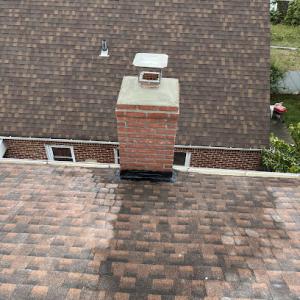
EA Chimney And Roofing has been safeguarding homes since 2009. Specializing in roofing services, we bring expertise and dedication to every project. Located in Jamaica, NY, we're committed to providing reliable solutions, ensuring the safety and beauty of your home's essential structures. Trust EA Chimney And Roofing to protect what matters most.
Daniel's Roofing:Best roofing contractor Queens/Brooklyn Ny
(917) 204-2906 danielsroofingnyc.com
Serving
5.0 from 78 reviews
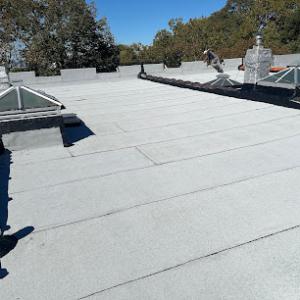
Fourth-generation roofing contractor that does the job right! Serving New York and surrounding areas since 1987. I have developed a fantastic reputation in customer service and fast but neat quality work at a price that won’t break the bank. When you call for a free estimate or just to ask some questions, you get to talk right to me, the owner. I’ll repair your home like it’s MINE!
Royal Renovators
(718) 414-6067 www.nycrenovators.com
Serving
4.8 from 262 reviews
Royal Renovators is a trusted roofing contractor in Queens, serving homeowners and businesses throughout Queens, Brooklyn, Manhattan, the Bronx, and Long Island. We specialize in flat roof repairs and roof replacements for both residential and commercial properties. Since 1988, our licensed and insured team is BBB A+ Accredited and GAF Master Elite certified, working with flat and shingle roofing systems built to last. We also provide professional siding, masonry, and gutter services. From Brooklyn’s historic brownstones to Queens residential properties, clients choose us for honest, reliable roofing that withstands New York’s toughest weather. We offer emergency services for urgent leaks and storm damage. Call for Free Estimate today.
NY's ELITE ROOFING & SIDING
Serving
3.7 from 63 reviews
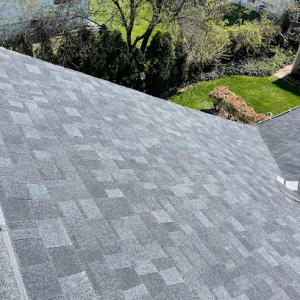
NY's ELITE ROOFING & SIDING INC. is a family owned and operated Company in NY, USA. We Service ALL Areas off NY, Long Island, Brooklyn, Queens, Bronx, Staten Island, Westchester, Suffolk and Nassau Country and Other Location's within the vicinity. Our Team has been expertly providing Roofing and Siding Installations for Over 25 Years- Making US the TOP CHOICE among ALL the other contractors providing Similar Services in the Area. We are FULLY EQUIPPED and LICENSED & INSURED Roofing and Siding Contractors. Our Team Specializes in ROOF INSTALLS, ROOF REPAIRS, ROOF REPLACEMENTS in Areas of NYC, LONG ISLAND, BROOKLYN, Westchester, Suffolk and Nassau County Plus Many Other AREAS of NY, USA 🇺🇸🇺🇸 2022 The Year of making it HAPPEN
J C Master Inc Roofing & siding
(347) 400-2611 jcmasterinc.net
Serving
4.0 from 92 reviews
JC Master is a licensed, insured roofing & siding contractor serving New York City—Brooklyn, Queens & Long Island—since 1997. We specialize in roof repairs & full replacements (shingle, flat/TPO/EPDM), gutters, leak detection, storm-damage assessments and insurance-claim support. Most of our work comes from referrals because we show up fast, document the damage, and handle the paperwork with your carrier. Free same-day inspections, clear pricing, and crews you can trust for family homes and multi-family buildings. Call for a visit today.
Asphalt shingles remain the dominant practical option for many Howard Beach homes. They handle the bayfront moisture and wind-driven spring rains with straightforward installation and a familiar repair path. However, hot humid summers and strong UV exposure can shorten the life of lower-grade products, particularly on low-slope sections that are more prone to coating wear and early granule loss after a harsh winter. For bayfront exposure, focusing on higher quality or engineered asphalt shingle options helps maintain a watertight roof through freeze-thaw cycles and spring gales. Regular inspection after the thaw and after major storms makes a real difference in catching hail-scale granule loss before leaks appear.
Clay tile and slate are common in older or more distinctive Queens homes, where appearance and long-term durability matter as much as performance across coastal conditions. These materials resist seasonal moisture and wind relatively well, but require a solid roof deck and careful flashing detail at chimneys and vents to prevent penetration through low-slope transitions. Copper and aluminum bring excellent longevity and a refined look that fits many bayfront homes. Copper, in particular, handles salt-laden air with grace, while aluminum offers a lighter option that can still resist corrosion. For houses with a more ornate roof profile or heritage value, these metals can be a wise long-term investment, provided the underlying structure is prepared for their weight and expansion behavior.
Wood shingles and shakes are part of the local material profile, adding a natural warmth that suits many Queens-era homes. However, in a humid coastal environment where moisture retention accelerates deterioration, wood requires vigilant maintenance. Expect faster surface wear and potential rot if ventilation under the roof isn't adequate or if a leak begins in a low-slope pocket and bypasses the ventilation plane. Treated or naturally rot-resistant species can help, but these roofs demand proactive inspections, prompt flashing replacements, and regular sealing to keep moisture from wicking into the deck. If choosing wood, plan for more frequent maintenance cycles and a careful assessment of the roof geometry to minimize persistent damp spots after winter melt and spring rains.
Cold winters with snow create freeze-thaw stress on flashing, fasteners, and roof edges, especially where melting snow refreezes near eaves and low-slope transitions. In Howard Beach, those areas bear the brunt when moisture wicks under shingles or underlayment and then expands as temperatures dip again. Snow that lingers along the edges can push at roof joints, loosening fasteners and widening small gaps into channels for leaks. If your roof has any low-slope sections or valley conditions, a routine check of flashing joints, boot seals, and edge details after each heavy snowfall pays off. Pay attention to stained or damp ceiling spots that appear after a thaw cycle, which often signal freeze-thaw damage already at work.
Spring storms in the Queens area bring high winds and heavy rain that often turn minor flashing defects into active interior leaks. In this setting, even a small crease in step flashing around a chimney, vent pipe, or along a dormer can become a primary leak path when wind drives rain under the shingles. Low-slope sections, already vulnerable from winter stress, tend to show failures first as wind-ripples in underlayment and compromised sealant joints start to fail under pressure. If you notice damp patches traveling along a ceiling seam or along a wall shared with an attic, inspect for wind-driven infiltration at the roofline. The most practical response is timely resealing and precise resealing around flashing, then re-fastening any loose shingles before the next storm season.
Summer heat and humidity accelerate shingle aging and underlayment wear, making late summer and early fall a common time to discover roofs that are near replacement. UV exposure and thermal cycling push asphalt shingles brittle and widen existing gaps at edges and penetrations. In a bayfront environment, that aging is compounded by coastal moisture that lingers in the air and condenses on cooler roof surfaces at night. If curled edges, granule loss, or noticeable fleece showing through at underlayment seams appear, the risk of future leaks increases, particularly during the first strong autumn windstorms. Regular midseason inspections help catch surface wear early and guide preventive resealing or patching before the next weather peak.
Find contractors experienced in skylight installation, flashing, and leak repairs to bring natural light into your home.
Daniel's Roofing:Best roofing contractor Queens/Brooklyn Ny
(917) 204-2906 danielsroofingnyc.com
Serving
5.0 from 78 reviews
Full re-roof pricing should be read against the per-square ranges shown for common materials, with the understanding that Queens labor, staging logistics, and disposal rules can materially affect the final number. In practice, a typical full replacement tends to be quoted per square (100 square feet) rather than per roof face, and the listed ranges reflect the material choice as well as the local market. Asphalt shingles sit in a lower-to-mid range, while clay tile, slate, and copper push costs higher; aluminum is another option that blends durability with a moderate price. For a standard house, expect the project to land within these per-square bands once material selection is locked in and staging is planned with local conditions in mind.
Costs often rise on homes with multiple roof planes, dormers, chimneys, or mixed systems that combine steep-slope shingles with low-slope sections over additions or porches. The bayfront exposure and the wind-driven weather patterns of Jamaica Bay translate into more frequent weather-related delays and more labor to ensure flashing and transitions hold up under spring storms. If a roof layout includes difficult-to-access sections, or if the crew has to navigate tight yards, driveways, or shared walls, labor time climbs and so does the overall tally. In these Howard Beach jobs, the roof's geometry often matters as much as the material itself.
Planning considers staging logistics and disposal needs that are particular to Queens neighborhoods. Scaffold or dumpster coordination can influence scheduling pressure and cash-flow timing, even when the project scope is straightforward on paper. Expect a few extra moving parts when the home has porches, additions, or nonstandard eaves, since waste removal and material delivery must thread through local access constraints. When you price options, map out the anticipated staging footprint and confirm that the chosen material can sit and cure within the site's constraints without obstructing neighbors or drive lanes. This approach helps keep the project on schedule after the initial material choice is set and reduces the chance of cost creep from iterative changes.
Get a clear picture of your project costs upfront - no commitment required.
Daniel's Roofing:Best roofing contractor Queens/Brooklyn Ny
(917) 204-2906 danielsroofingnyc.com
Serving
5.0 from 78 reviews
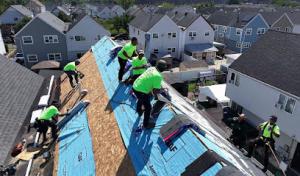
A full re-roof in Howard Beach typically requires a Building Permit filed through the New York City Department of Buildings because the neighborhood is part of Queens. The permit process is not just a formality; it anchors the project in city code and helps ensure that the new roof system meets local wind, fire, and drainage requirements that are critical for this bayfront area. Before tearing off old roofing material, you should confirm that the permit is active and that the scope of work aligns with what the plans show. A lot of the missteps in this neighborhood come from starting work without a proper permit or submitting a plan that doesn't reflect the actual roof configuration, especially on homes with mixed pitched and low-slope sections.
Homeowners should expect DOB oversight during and after the project, with inspections used to verify code compliance rather than relying only on contractor signoff. Inspections are typically scheduled at key milestones: after scaffold is in place, after tear-off and underlayment installation, and again once the new roofing is installed and fastened. Keeping a detailed record of material types, roof slopes, and drainage details helps the inspector correlate the work with the plan. In a coastal setting, inspectors look closely at wind uplift provisions, flashing details around skylights and chimneys, and transitions where low-slope sections meet steeper areas. Expect clarifications or required revisions if the plan diverges from the actual roof geometry the city sees on site.
Queens roofing jobs may also involve scaffold and dumpster requirements, and permit review timing can affect start dates in ways homeowners should plan for before tear-off. Scaffolding must be inspected and kept up to standard for worker safety, and dumpsters need appropriate placement and permits if the project will generate debris over multiple days. The permit review process can introduce delays between plan submission and the first day of tear-off, so align the project schedule with anticipated DOB milestones. Coordinating with the contractor on inspection windows and any necessary temporary protections helps minimize weather-related setbacks during the transition from old to new roofing.
New York insurers commonly want clear documentation of roof condition, age, and project scope, which matters in Howard Beach where storm-related leak claims can be tied to wind and water intrusion. The bayfront exposure means a few inches of rain or a brisk gale can show up as interior staining or ceiling puddles after a winter thaw. If a claim is triggered by a spring wind event or a lingering leak, the carrier will want a precise story: when the damage began, what areas were affected, and how the repair would stop new intrusion. Honest, granular records help a claim move smoothly and reduce delays.
Carrier scrutiny can be higher for older roofs or specialty materials, making pre-project photos and contractor scope sheets especially important for Queens homeowners. Take dated photos of the entire roof, addressing both high-slope sections and the low-slope areas that tend to leak first after freeze-thaw cycles. Note any existing penetrations, flashing details, and signs of water staining in the attic. A contractor's scope should clearly identify materials, locations, and a repair strategy that closes wind-driven gaps and reseals joints vulnerable to salt spray and moisture.
When spring wind events or winter damage trigger leaks, Howard Beach homeowners benefit from documenting interior staining, exterior damage, and temporary protection measures immediately. Photograph visible leaks from multiple angles, capture attic indicators like condensation or mold pockets, and preserve damaged shingles or flashing pieces. Use tarps or boards to shield exposed ceilings and walls until a permanent fix is underway. This proactive documentation supports faster adjustments to the claim and reduces the risk of a disputed scope.
A detailed contractor scope sheet matters more than ever when storms have left a tangle of wind-driven gaps or water pathways through low-slope sections. Include a materials list, a clear sequence of repairs, and every area that will be resealed or replaced. This clarity helps insurers and adjusters track exactly what was done and why, reducing back-and-forth and helping homeowners move toward a durable, long-term fix after a harsh season.
Connect with contractors who help homeowners navigate the claims process from damage assessment to final approval.
Daniel's Roofing:Best roofing contractor Queens/Brooklyn Ny
(917) 204-2906 danielsroofingnyc.com
Serving
5.0 from 78 reviews
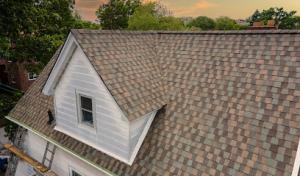
The local market is crowded and heavily re-roof focused, so you want contractors who routinely work within Queens permit and inspection processes. In a bayfront setting with coastal moisture and wind-driven spring rain, a roofer's track record in this area matters as much as the punch list they bring to a job. Look for firms that show up with a clear plan for emergency leaks and a reliable cleanup timeline after the last shingle is set.
Fast response and prompt cleanup are major hiring priorities, reflecting how often homeowners deal with active leaks rather than purely elective upgrades. When you call, note how quickly the response lines up with rain events and how the crew stages equipment to minimize property intrusion. On the back end, insist on a thorough cleanup and a solid handover of guarantees. A job that drags weeks after the last storm is over creates needless stress.
Established and family-owned firms are a visible part of this market, which matters in a neighborhood where homeowners value continuity and accountability after the job is complete. Favor crews who can point to repeat customers, long-tenure crews, and direct owner involvement. You'll find that the strongest teams treat repairs as long-term protection for your home, not a one-off transaction.
Start with two or three referrals who have completed recent work on bayside or low-slope sections, then ask for photos of recent leak repairs and a written outline of the proposed approach. Prioritize contractors who communicate clearly about weather-related scheduling and who provide a defined follow-up plan to address any post-installation concerns. This approach helps avoid common pitfalls in this area.