
Last updated: Apr 19, 2026
Many houses in southeast Queens blend a main pitched roof with low-slope rear additions, enclosed porches, dormers, and detached garages. That combination creates multiple transition points where leaks start and spread. In this neighborhood, the places to watch aren't just the big visible seams; they're the little junctions where flashing from a main roof meets a low-slope section, where a dormer meets the roof deck, and where an old porch roof overlaps a garage roof. Each transition acts like a potential funnel for wind-driven rain and humid air trapped by the coastal climate. When rain brushes in from Jamaica Bay or is pushed in by a coastal breeze, those joints work overtime, and over time the flashing, fasteners, and edge details can fail long before the rest of the roof shows obvious wear. The result is damp ceilings, peeling paint, and hidden moisture that spreads along the attic and into living spaces.
The neighborhood's proximity to JFK Airport and Jamaica Bay means salt-tinged air that accelerates corrosion and edge-wear on metal flashing, as well as faster degradation of sealants around penetrations. Wind-driven rain digs at exposed fasteners and laps around edge metal. Low-slope sections are especially vulnerable because drainage is slower and ponding can form around scuppers, roof drains, and patched-over penetrations. Older Queens homes often exhibit more pronounced failures in these areas because previous repairs were cosmetic rather than structural, leaving vulnerable waterproofing beneath newer patches. If you notice water staining on ceilings in rooms adjacent to a low-slope addition, start by inspecting the transition zones where the low-slope meets the main roof and where any dormer or porch roofing ties in. Don't overlook the underside of overhangs; wind-driven spray can force moisture into poorly sealed edge details long after a rain stops.
Focus on the rear additions, enclosed porches, and detached garages that sit directly under or beside the main roof line. Look at the flashing along the abutting planes where metal transitions to shingle or flat deck. Inspect boot flashings around vent pipes, as well as the sealant lines along valleys and around skylights if present. In porch and garage areas, check for uneven drainage, ponding near scuppers, and any evidence of prior patchwork that chimney-chimney-like joints or membrane laps. The face of dormers-especially those with brick or siding transitions-can hide cracked mortar or compromised step flashing that allows wind-blown rain to seep into the roof-to-wall junctions. When a period of heavy rain follows a windy day, be extra vigilant for fresh staining at these joint lines.
Start with a close, staged inspection after storms. Check the main roof-to-low-slope transitions first, then inspect dormers, enclosed porches, and garage roofs in sequence. Resolve any loose or missing fasteners around edge metal and flashing seams; reseal with compatible, coastal-grade sealant and ensure the sealant beads are continuous and without gaps. If flashing is curled, torn, or lifted, plan a targeted fix rather than a full roof replacement-local repairs at the trouble spots can extend life and reduce hidden moisture buildup. Improve drainage by keeping scuppers and drains clear of leaves and debris and by ensuring the downspouts extend away from the foundation. In the long term, coordinate with a roofer who understands the unique combination of housing stock found here: main pitched roofs, mixed low-slope sections, and the vulnerable piping and penetrations that sit at the heart of these leaks. A proactive, spot-focused approach now prevents water damage from creeping into ceilings, insulation, and attic spaces. Stay vigilant after seasonal shifts, especially when the coastal winds shift from southwest to north, driving rain toward those critical junctions.
Springfield Gardens sits in the flight-path and open-air corridor of southeast Queens, where gusty conditions can be stronger than in more sheltered interior neighborhoods. That exposure means storms leave more punch in a shorter window, and roofs that look fine from the curb can hide compromised seams, flashings, and edge details. When a storm roars through, you're not just worrying about the visible shingles-wind-driven rain and hail can corrode metal flashings, dent or displace vent and skylight perimeters, and push water under low-slope areas that travelers often overlook. If your home has multiple roof planes or a separate garage roof, the risk footprint expands: damage on the secondary structures may be harder to notice and easier to ignore until the leak shows up inside.
Late spring through summer in New York City brings storms that pack more than a quick shower. The wind can lift and peel shingles, especially on older or more sun-exposed sections, while hail can nick the surface and create micro-cracks that only get worse with every rain event. Low-slope extension roofs, porch coverings, and garage roofs are particularly vulnerable because their seams and flashing are already stressed by movement and temperature swings. In these conditions, a small seam gap can become a persistent leak that travels along the underside of the deck before you notice a damp spot on the ceiling. Skylight perimeters and chimney/vent boot flashings are common failure points where wind-driven rain finds its way inside. The result is not dramatic single-event failures only; cumulative wear from successive storms can create widespread, hard-to-trace damage.
If you have a detached garage or a complex roof plan with several planes, map out all the vulnerable zones before the season ramps up. Inspect after each moderate storm for dislodged shingles, lifted edges, or flashing that looks misaligned. Pay attention to the extensions around skylights and vents-these are the pulse points that signal trouble when rain pours in. After wind events, do a careful exterior check from ground level and, if safe, climb to look at edge trim and drip edges for evidence of movement or gaps. When signs of damage appear-loose granules in gutters, lifted shingles, or damp spots that don't track to a single source-treat it as urgent. Addressing small issues quickly can prevent a larger, more invasive repair later and protect the home's interior from storm-driven moisture.
Find local contractors experienced in assessing and restoring roofs after hail, wind, and severe weather events.

Royal Roofing & Siding - Long Island
(516) 252-3001 www.gafroofinglongisland.com
Serving
5.0 from 26 reviews

Power Roofing & Exteriors Far Rockaway
(516) 995-4007 powerroofingnyc.com
Serving
5.0 from 33 reviews
Asphalt shingles fit the dominant detached and semi-detached housing stock in Springfield Gardens, where quick, reliable coverage matters for a neighborhood that sees humid coastal air and wind-driven rain. For most homeowners, a standard two- or three-tab asphalt shingle roof delivers predictable performance, straightforward repairs, and compatibility with the typical attic ventilation found in older Queens framing. When you're evaluating curb appeal and maintenance ease on modestly pitched roofs, asphalt remains the practical baseline for this area. The key to longevity here is regular inspection of valleys, edge detailing, and the drip edge where wind-driven spray can undermine sealant over time.
Tile, slate, copper, and aluminum appear more selectively on higher-end or accent applications. If those materials are part of the plan, treat them as specialty upgrades rather than the default choice. Clay tile and concrete tile, for example, bring a distinct look and durability, but they also demand a sturdy underlying structure and careful integration with existing framing. In Southeast Queens, older homes often sit on framing that isn't automatically prepared for heavy loads; verify rafter spacing, span, and fastener patterns before choosing heavy materials. Slate offers longevity but adds substantial weight and demand on decking and supports. If you aim for a premium aesthetic, copper or aluminum can enhance flashings and rake edges, but require precise workmanship to resist the area's coastal humidity and salt exposure.
Heavy materials such as clay tile, concrete tile, and slate require attention to structural loading on older Queens framing before replacement decisions are made. Before choosing these options, have a qualified roofer assess the attic and ceiling joists, as well as any ceiling height constraints that affect load distribution. If the home's structure isn't up to the load, options like lighter-weight alternatives or reinforced framing may be necessary. In Springfield Gardens, where many properties blend low- and mid-slope roofs, match roof material to the existing deck load and consider staged reinforcement if you're upgrading a section rather than the entire roof.
Metal details and flashings matter in this neighborhood because coastal humidity and wind exposure can punish valleys, chimney flashings, and edge metal faster than the field of the roof. Pay particular attention to transitions where water can collect: hips, valleys, around vents, and along eaves. Copper accents and aluminum edge metal look great on the right house, but they require precise sealing and corrosion-resistant fasteners in the salty air. A small upgrade to refine flashing geometry and sealant choices can reduce leak risk substantially, especially on roofs with multiple extensions or porch connections typical of the area.
Low-slope and extension roofs are a common maintenance focal point here, as those surfaces are more prone to leakage with the humid breeze and driving rain. These sections benefit from robust waterproofing details, continuous edge protection, and disciplined membrane installation. If the goal is durability with minimal fuss, consider materials and assemblies that pair well with existing shingles or underlayment, minimizing transitions that can trap moisture. Regular inspections of these less-visible areas-where porch roofs meet the main structure-help catch trouble before it becomes a leak.
In Springfield Gardens, many homes aren't a simple rectangle. A main roof often sits alongside low-slope additions, porches, and even detached garages. That multi-part layout pushes costs up because each section requires its own detailing, flashing, and potential connections to the main roof. When planning, expect more edges, valleys, and tie-ins to inspect, and plan for a longer project window that can affect debris management and access.
Queens labor and residential access present distinct challenges. Tight driveways, frequent on-street parking, and limited staging space can slow work and complicate material handling. Debris containment and clean-up are more involved than in broader suburban settings, where crews can stage easily and remove waste in larger loads. These factors push the overall project complexity higher and can reflect in the per-square pricing and in the added cost of safer work zones and scaffolding.
Material choice ranges locally from lower-cost asphalt shingles to premium slate and copper. Asphalt shingles remain common for cost-conscious replacements, especially on multi-part roof plans where portions may be low-slope and require careful flashing. Clay and concrete tiles are seen on some homes with Mediterranean or larger footprints, and copper or aluminum options appeal for long-term durability on vented or high-traffic areas. Pricing will vary with how many sections exist, the need for custom flashing around chimneys, dormers, skylights, or low-slope tie-ins, and the extent of tear-off versus overlay required.
When calculating, start with the main roof area and then add the low-slope additions, porches, and detached garage sections. Count each plane that requires its own flashing and drainage plan. Expect higher waste management costs due to stair-stepped removal of materials across multiple roof pieces. For budgeting, use the local cost spectrum and consider that larger, more intricate layouts will push per-square costs above standard suburban estimates, particularly if premium metals or complex flashing details are needed.
Get multiple quotes that break out main roof vs. additions and specify labor for debris handling and staging. Demand a written plan that shows how each section ties into the main roof, including details for chimneys, dormers, skylights, and any low-slope ties. If choosing premium materials, request sample flashing details and a clear schedule for tear-off and disposal. Remember that the overall project feasibility hinges on the coordination of multiple roof planes, access constraints, and the accuracy of flashing around multi-section joins.
EA Chimney & Roofing
(718) 480-8350 eachimneyroofing.com
Serving
5.0 from 106 reviews
EA Chimney And Roofing has been safeguarding homes since 2009. Specializing in roofing services, we bring expertise and dedication to every project. Located in Jamaica, NY, we're committed to providing reliable solutions, ensuring the safety and beauty of your home's essential structures. Trust EA Chimney And Roofing to protect what matters most.

Santamaria Roofing
(516) 808-7872 santamariaroofingservices.com
Serving
5.0 from 34 reviews
We haves the best materials
Island Roofing
(516) 303-7663 www.islandroofingus.com
Serving
5.0 from 190 reviews
With over 25 years of proven expertise, Island Roofing is a roofing company delivering top-tier solutions for commercial, industrial, and residential projects. We serve Long Island, New York, and 30 other states in the Eastern U.S. As a reliable roofing contractor, we’re known for our use of top-grade materials, expert craftsmanship, and honest service. We handle it all, from residential roofing, commercial roofing, multi-family roofing, and preventative roof maintenance to leak repairs and emergency service. We also provide gutter installation, gutter cleaning, and gutter maintenance, all with precision and care. What sets us apart is our commitment to customer satisfaction and our relentless focus on excellence in everything we do.
Power Roofing & Siding Queens NY
(718) 908-8851 powerroofingnyc.com
Serving
5.0 from 20 reviews
Power Roofing & Siding Queens NY delivers top-quality roofing and siding solutions to homeowners throughout the Queens region. We handle everything from minor repairs to complete roof replacements and siding installations, ensuring lasting protection and curb appeal. Choose us for our commitment to reliable service, transparent pricing, and exceptional workmanship backed by years of experience. What sets us apart is our dedication to exceeding customer expectations and using only premium materials for durable, long-lasting results. Contact us today for a free quote and let us enhance your home's safety and value.
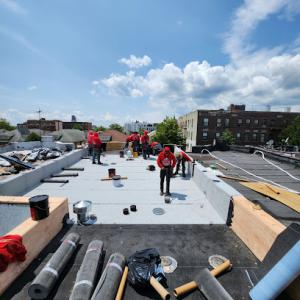
Royal Roofing & Siding - Long Island
(516) 252-3001 www.gafroofinglongisland.com
Serving
5.0 from 26 reviews
Royal Roofing Long Island, a division of Royal Renovators, provides reliable roofing and exterior services to homeowners and businesses across Nassau and Suffolk County. Our licensed and insured team specializes in roof replacement, flat and shingle roofing, leak repair, siding, gutters, and 24/7 emergency roof service. Backed by one of NYC’s most respected roofing companies, we bring trusted craftsmanship, transparent pricing, and lasting results to Long Island properties. Our mission is to protect homes and businesses with quality roofing built to last. Trust Royal to ensure complete customer satisfaction. Call Royal today for a free estimate!
Strong Island Seamless Gutters
(347) 729-9020 strongislandexteriors.com
Serving
4.9 from 43 reviews
Strong Island Seamless Gutters is Long Island’s trusted contractor for roofing, siding, and seamless gutter systems. With over 20 years of hands-on experience, we deliver high-quality craftsmanship, durable materials, and dependable service on every project. We specialize in roof replacements and repairs, vinyl siding installation, and 5” & 6” seamless aluminum gutters, including soffit, fascia, and custom trim work. From small repairs to full exterior upgrades, we work directly with homeowners to ensure every job is completed on time, on budget, and built to last. Proudly serving Nassau and Suffolk County, Strong Island Seamless Gutters is built on strong work, strong values, and long-lasting results. 📞 Call for a free estimate.

Reliable Seamless Gutters
(347) 416-0771 reliableguttersroofers.com
Serving
4.9 from 94 reviews
Reliable Seamless Gutters is your trusted partner for professional roofing and gutter services that not only enhance the overall aesthetics of your home but also provide essential protection against the most challenging weather elements. Our team consists of highly trained contractors who take pride in their workmanship and go the extra mile to ensure your satisfaction. We specialize in installing quality gutters and roofing systems tailored to your needs. When you choose us, you can expect a thorough consultation to assess your home and discuss the best options. Our meticulous installation ensures every component fits perfectly for optimal effectiveness and durability. Trust us to provide a reliable roofing and gutter system for years.
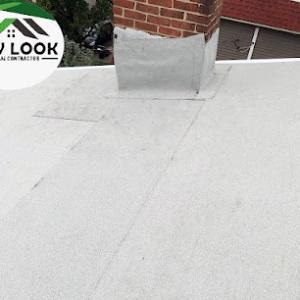
New Look Roofing
(929) 528-1881 www.newlook.nyc
Serving
4.4 from 39 reviews
We are your dependable and trustworthy go-to roofing contractor in Valley Stream, NY. With a legacy of excellence spanning years, our skilled team of roofing professionals brings unparalleled expertise to every project. Whether it’s installing a new roof or repairing a damaged one, we’re committed to safeguarding your property from the elements while enhancing its curb appeal. Moreover, we are also renowned for flawless chimney flashing installation in Lawrence, NY. With meticulous attention to detail, we seamlessly integrate flashing systems that protect your home from moisture and accentuate its architectural beauty. Count on us to secure your chimney and add a touch of elegance. So, if you need our expert assistance, call us today.
Abraham Roofing
(516) 990-6548 www.abrahamroofing.com
Serving
4.7 from 112 reviews
Located at 23 Blake Ave in Lynbrook, Abraham Roofing serves Nassau County and Queens with over two decades of expert roofing and siding services. Specializing in roof replacement, repair, installation, and more, our certified team provides top-notch solutions for "roofing and siding companies near me" searches. From tackling "roof leak repair long island" to "vinyl siding installation," we emphasize quality, safety, and customer satisfaction. As a GAF Master Elite® Contractor, we offer exceptional roof service repair and leader system installations. For prompt and professional "roofing in New York," choose Abraham Roofing—where your needs always come first.
Prodigy Contracting
(516) 318-0105 www.prodigycontracting.net
Serving
4.9 from 38 reviews
Prodigy Contracting is a Veteran owned business servicing Long Island, New York since 2005. As a GAF Presidential Master Elite Roofer, we offer our clients exceptional quality and a lifetime warranty. Our siding designs feature innovative looks, with rustic contemporary touches and attention to detail service. We use Drone Technology to provide a 360 degree rendering of your project before and highlight your beautiful results after. We look forward to meeting you. Let us transform your home into you Dream Home
Paragon Chimney & Roofing of Queens
(347) 544-9554 paragonchimneyandroofing.com
Serving
5.0 from 482 reviews
Paragon Chimney & Roofing is dedicated to providing top-quality chimney and roofing services. Our team ensures safety, reliability, and customer satisfaction. Serving New York, we pride ourselves on expert craftsmanship and prompt service. Trust Paragon for all your chimney and roofing needs.
Roof Eval
Serving
5.0 from 23 reviews
Roof Eval delivers professional roof inspection services based in East Rockaway and serving the whole of Long Island. With a focus on Nassau County, Specially East Rockaway and other neighborhood areas such as Bay Park, Oceanside, Hewlett, Hewlett Harbor, and Lynbrook. We are Infrared Certified, NRCIA, and CCPIA certified, bringing top expertise to residential and commercial properties. Our inspections cover forensic analysis, leak-free assurance, installation oversight, building condition checks, leak detection, and solar panel evaluation. We also offer HVAC mapping, thermal imaging, and moisture scanning for complete roof health assessments. Scheduled your virtual or in person consultations now to insure your roofing safety with us.
When a roof project is planned, the work falls under New York City Department of Buildings oversight rather than a separate village or town office. A full re-roof in New York City typically requires a building permit, with plan review and inspections handled through the DOB and additional safety or scaffold compliance depending on scope and height. For homes here, the reality is that shedding the weight of scaffolding, wind-driven spray, and the coastal humidity brings extra scrutiny. If the project involves low-slope or porch extensions, expect the DOB process to consider more than just the roof surface; it will look at edge protection, egress paths, and any temporary barriers needed to keep pedestrians safe on crowded sidewalks.
On attached or closely spaced Queens properties, site logistics can become part of the compliance picture even for residential roofing. In Springfield Gardens, the sidewalk is a shared workspace during a project, and materials must be staged without blocking pedestrian flow. Scaffold design, toe boards, and debris nets aren't optional add-ons-they are integral to the permit package. Access to the roof may require temporary street-side coordination with neighbors and, in some situations, coordination with the building's landscaping or fence lines. The weather patterns here-humid coastal air and wind-driven rain-mean plans should anticipate frequent wind gusts and sudden showers, which can complicate material handling and temporary protection measures.
Begin with a detailed plan set that shows roof type, slope, penetrations, and drainage details, since the DOB will want clarity on how the project maintains weather tightness and safe egress. Engage a contractor who understands the city's scaffold and protection requirements, not just the roofing basics. Expect inspections to occur at key milestones: after framing, once underlayment is in place, and upon completion, to verify that all safety features and weatherproofing meet code. If any modification affects fire separation, venting, or insulation, the review may extend to interior elements as well. Keep the work area clean and well-lit to ease the inspector's review and to minimize the risk of debris leaving the site onto the sidewalk or neighboring properties.
Failing to secure the proper permit or skipping inspections can lead to costly delays, stop-work orders, and the requirement to revert unsafe practices. In densely built areas with low-slope or extension roofs, the city's inspectors scrutinize how edge details and drainage are maintained during all phases. A prudent approach is to align scheduling with expected inspections and to communicate any weather-driven changes promptly to the DOB through your licensed contractor. By treating the permit process as an integral part of a durable, long-lasting roof, you reduce the chance of moisture intrusion from a poorly executed transition between roof planes and extensions.
In this coastal Queens neighborhood, insurers commonly want detailed photo documentation, contractor licensing information, and an adjuster inspection before finalizing roof claims. Take clear close-ups of damaged shingles, flashing, vent pipes, and any interior staining that tracks to the roofline. Keep a dated sequence showing the progression of damage after storms or heavy rain. If a contractor can't meet you on site for a photo walk-through, request an assessor's checklist and provide them with high-resolution images that label each area.
For a home with several roof sections, homeowners should document the main roof, low-slope additions, garage roofs, skylights, and interior leak staining separately so no damaged area is missed. The low-slope portions are particularly prone to wind-driven leaks in this climate, so capture edge details, valley intersections, and any failed sealant joints. Photograph attic conditions, including roof deck staining, mold, or compressed insulation, to connect exterior issues with interior effects. Label each shot by area and date to keep the narrative cohesive for the insurer.
Replacement cost coverage is common in this market, but claim outcomes depend heavily on proving storm-related damage versus long-term wear on older roof systems. If a storm or high-wlood event appears to be the trigger, document wind, hail, or overt storm pathways with dated dates and weather reports. Conversely, if wear shows up gradually, highlight prior repairs, material aging, and consistent leakage patterns. Present a concise timeline that links the exterior condition to observable interior leaks for the adjuster.
Before calling the insurer, assemble a single folder with organized sections: main roof, additions, garage roof, skylights, and interior staining. Include license and contractor contact details, plus an on-site quick video walk-through for reference. A careful, organized package increases clarity and reduces back-and-forth, helping the claim reach a timely resolution.
Cold New York City winters bring freeze-thaw stress that can worsen cracked shingles, brittle seal strips, and flashing movement before spring repairs begin. In areas with low-slope porch roofs and garage extensions, those stresses show up as small leaks that don't fully manifest until a thawing cycle exposes weakened joints. If you're noticing hairline cracking or hairline gaps around vent flashing, plan for a professional assessment after the deepest freezes but before the most persistent snow melts-this helps prevent a sudden cascade of drip issues once spring rains arrive.
Spring storm periods and heavy rain can delay tear-offs and expose low-slope sections to active leaks if scheduling is too aggressive. In this flat, coastal-influenced climate, rain can swirl under edge details and pooled water can creep into seams on older low-slope roofs connecting to porches or extensions. For homeowners targeting a spring repair, choose a window that allows for a dry week or two of protected conditions. Coordinating with a contractor who uses rapid tarping and staged removal can keep interior spaces dry while exterior work progresses, reducing the chance that a mid-job shower forces a rushed repair.
Dry, temperate months are generally the best replacement window because summer heat can affect material handling and cure times on both shingles and low-slope systems. Heat can make underlayment and sealants sag or cure unevenly, and it can shorten the workable time for asphalt, clay, or metal components. When planning, aim for a stretch of consistently mild days, ideally with humidity levels that don't spike, so crews can lay underlayment and set flashing with predictable adhesion. For low-slope areas, this steadiness helps ensure gradual slope drainage is preserved and that roof penetrations remain watertight as the system cures. If a storm window is the only feasible option, insist on meticulous temporary sealing around all transitions to protect living spaces during the dry-out and cure phases.
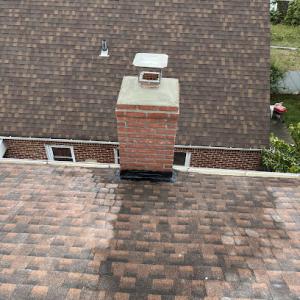
Springfield Gardens homes commonly have masonry chimneys and multiple roof intersections, which are frequent leak points during Queens wind-driven rain events. Start with a careful inspection of flashing where chimneys meet the roof surface, as well as the kick-out flashing at the side walls. Look for loose masonry mortar, chipped bricks, and any gaps that could allow water to migrate behind the flashing. If you spot cracked mortar or shifting bricks, plan a targeted repair before the next heavy rain or wind event. Regularly reseal the chimney crown and ensure the chimney cap is intact to prevent moisture from funneling down into the flue and around the flashing.
Skylights and sunroom-style additions are especially vulnerable where older flashing details meet newer reroofed sections. Check the skylight curb and surrounding flashing for signs of aging, such as water staining, cracked sealant, or lifted edges. When reroofing, confirm that flashing is stepped correctly to transition from the skylight to the main roof surface, reducing the chance of water tracking along the curb. For older skylights, consider upgrading to a high-performance flashing kit and a drip edge that directs water away from the curb. If you have a sunroom with a low-slope section feeding into a pitched roof, ensure the transition flashing maintains a continuous seal and uses compatible sealants that tolerate humidity and salt air exposure from Jamaica Bay.
Transition lines between pitched shingles and low-slope membranes are a recurring weak spot on neighborhood homes that have been expanded over time. Inspect these junctions for any ridging, fish-mouth gaps, or lifted membrane edges. When repairs are needed, reinforce the transition with a properly integrated membrane underlayment and a compatible flashing saddle that bridges the different roof planes without creating a trap for water. Pay attention to edge details where the membrane meets the gutter or fascia, as improper termination there is a common source of slow leaks. For best results, coordinate any transition work with a dry spell window, ensuring proper curing of sealants and membrane overlaps before the next wind-driven rain.
Find contractors experienced in skylight installation, flashing, and leak repairs to bring natural light into your home.

Paragon Chimney & Roofing of Queens
(347) 544-9554 paragonchimneyandroofing.com
Serving
5.0 from 482 reviews
The local market signals that homeowners need quick response times, thorough cleanup, and solid re-roofing know-how more than flashy new-construction specialization. Look for a contractor who treats responsiveness as a core service, not an afterthought, especially after a wind-driven rain or an active leak incident. A Springfield Gardens job often involves mixed roof types on a single property, so prioritize contractors who can handle both pitched roofing and low-slope details with consistent quality.
Homes in this community commonly blend shingles on main roofs with low-slope porch, extension, and garage sections. Before hiring, ask for recent projects that included low-slope work, penetrations, and edge flashing on similar structures. A reliable roofer should demonstrate a methodical plan for seam protection, drainage awareness, and debris control that keeps the yard clean in humid coastal conditions and windy weather.
Verify that the roofer maintains current licensing and carries adequate liability coverage, plus workers' compensation for crew safety. Request copies of insurance certificates and a written project outline, including start and expected completion dates. In this market, contractors should be familiar with DOB inspection expectations, produce necessary documentation promptly, and be prepared to address any city-required notices without delaying the project.
Start with at least three local references who had similar roof types and weathered conditions. Ask specific questions about on-site safety practices, trash containment, and how the crew protects low-slope details and edge flashings. Compare written proposals for scope clarity, material compatibility, and warranty terms. Finally, confirm the contractor's ability to coordinate with any existing interior or exterior renovations to ensure a cohesive, leak-resilient result.