
Last updated: Apr 19, 2026
Valley Stream sits on Long Island's South Shore in Nassau County, where nor'easters and occasional tropical systems bring wind-driven rain that can force water under aging shingles and flashing. Those conditions stress roof lines fast, especially on homes with older underlayment or aging vents and chimney flashing. When a storm sweeps through, water can track along eaves and ridge lines, finding any seam or crack to exploit. The risk is highest on roofs with mixed steep-slope sections and low-slope additions, where rain can surge under the interface between roof planes and transitioned flashing.
The local contractor signal mix shows unusually strong demand for emergency repair and storm damage work, indicating homeowners here often need rapid tarping and leak response after regional storms. After a blow-through storm, a delayed response doubles the damage potential: wind-driven rain can saturate attic spaces, seep around vent collars, and travel along soffits into ceilings. If a leak appears in the attic or along the interior wall line after a storm, treat it as urgent access for tarping and temporary sealing. In Valley Stream, quick action minimizes interior damage and buys time for a proper fix.
Autumn storm season is especially relevant in Valley Stream because residual tropical activity can overlap with nor'easter conditions, creating back-to-back roof stress before winter. That pattern leaves shingles and flashing more vulnerable than during a calm year. Pay attention to roof overshading and accumulated debris in gutters, which can trap moisture against vulnerable seam seals. If leaks appear with the first hard rain of autumn, treat it as a warning sign rather than a single incident-there may be multiple paths for water to intrude during successive storms.
Look first at transitional roof areas where shingles meet flat decks, such as extensions and porches, and around skylights or dormers where flashing can lose its seal under pressure from wind gusts. Chimneys, vent pipes, and penny-and-flashing joints often harbor slow leaks that worsen after a storm event. Inspect eaves and soffits for signs of peeling paint, rust, or dampness that indicate moisture edge infiltration. In periods of heavy rain, monitor attic hatch and access doors for signs of condensation or unexpected warmth, which can signal hidden leaks.
As soon as the storm passes, perform a rapid exterior check: look for lifted shingles, damaged flashing, or displaced drip edges. If you notice active leakage or a saturated attic, cover exposed areas with a sturdy tarp anchored to secure points, ensuring edges overlap to shed water away from vulnerable seams. Document damage with photos and notes, including locations of any bubbling ceiling, peeling paint, or moisture-stained walls. If possible, keep the interior as dry as possible by placing buckets under drips and removing valuables from the water's reach. When you call for help, share precise storm timing, observed leak paths, and any prior repairs to the area so crews can prioritize the most critical leaks and stabilize the situation fast.
Island Roofing
(516) 303-7663 www.islandroofingus.com
1085 Rockaway Ave, Valley Stream, New York
5.0 from 190 reviews
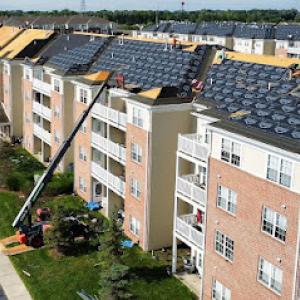
With over 25 years of proven expertise, Island Roofing is a roofing company delivering top-tier solutions for commercial, industrial, and residential projects. We serve Long Island, New York, and 30 other states in the Eastern U.S. As a reliable roofing contractor, we’re known for our use of top-grade materials, expert craftsmanship, and honest service. We handle it all, from residential roofing, commercial roofing, multi-family roofing, and preventative roof maintenance to leak repairs and emergency service. We also provide gutter installation, gutter cleaning, and gutter maintenance, all with precision and care. What sets us apart is our commitment to customer satisfaction and our relentless focus on excellence in everything we do.
Royal Roofing & Siding - Long Island
(516) 252-3001 www.gafroofinglongisland.com
70 Sunrise Hwy Suite 500, Valley Stream, New York
5.0 from 26 reviews
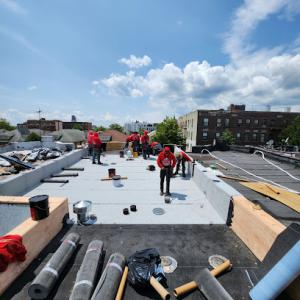
Royal Roofing Long Island, a division of Royal Renovators, provides reliable roofing and exterior services to homeowners and businesses across Nassau and Suffolk County. Our licensed and insured team specializes in roof replacement, flat and shingle roofing, leak repair, siding, gutters, and 24/7 emergency roof service. Backed by one of NYC’s most respected roofing companies, we bring trusted craftsmanship, transparent pricing, and lasting results to Long Island properties. Our mission is to protect homes and businesses with quality roofing built to last. Trust Royal to ensure complete customer satisfaction. Call Royal today for a free estimate!
New Look Roofing
(929) 528-1881 www.newlook.nyc
131 Gibson Blvd, Valley Stream, New York
4.4 from 39 reviews
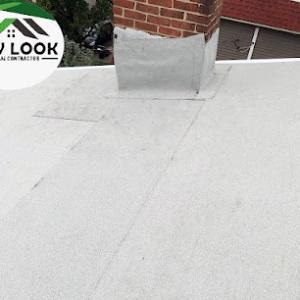
We are your dependable and trustworthy go-to roofing contractor in Valley Stream, NY. With a legacy of excellence spanning years, our skilled team of roofing professionals brings unparalleled expertise to every project. Whether it’s installing a new roof or repairing a damaged one, we’re committed to safeguarding your property from the elements while enhancing its curb appeal. Moreover, we are also renowned for flawless chimney flashing installation in Lawrence, NY. With meticulous attention to detail, we seamlessly integrate flashing systems that protect your home from moisture and accentuate its architectural beauty. Count on us to secure your chimney and add a touch of elegance. So, if you need our expert assistance, call us today.
Strong Island Seamless Gutters
(347) 729-9020 strongislandexteriors.com
Serving
4.9 from 43 reviews
Strong Island Seamless Gutters is Long Island’s trusted contractor for roofing, siding, and seamless gutter systems. With over 20 years of hands-on experience, we deliver high-quality craftsmanship, durable materials, and dependable service on every project. We specialize in roof replacements and repairs, vinyl siding installation, and 5” & 6” seamless aluminum gutters, including soffit, fascia, and custom trim work. From small repairs to full exterior upgrades, we work directly with homeowners to ensure every job is completed on time, on budget, and built to last. Proudly serving Nassau and Suffolk County, Strong Island Seamless Gutters is built on strong work, strong values, and long-lasting results. 📞 Call for a free estimate.
Abraham Roofing
(516) 990-6548 www.abrahamroofing.com
Serving
4.7 from 112 reviews
Located at 23 Blake Ave in Lynbrook, Abraham Roofing serves Nassau County and Queens with over two decades of expert roofing and siding services. Specializing in roof replacement, repair, installation, and more, our certified team provides top-notch solutions for "roofing and siding companies near me" searches. From tackling "roof leak repair long island" to "vinyl siding installation," we emphasize quality, safety, and customer satisfaction. As a GAF Master Elite® Contractor, we offer exceptional roof service repair and leader system installations. For prompt and professional "roofing in New York," choose Abraham Roofing—where your needs always come first.
Roof Eval
Serving
5.0 from 23 reviews
Roof Eval delivers professional roof inspection services based in East Rockaway and serving the whole of Long Island. With a focus on Nassau County, Specially East Rockaway and other neighborhood areas such as Bay Park, Oceanside, Hewlett, Hewlett Harbor, and Lynbrook. We are Infrared Certified, NRCIA, and CCPIA certified, bringing top expertise to residential and commercial properties. Our inspections cover forensic analysis, leak-free assurance, installation oversight, building condition checks, leak detection, and solar panel evaluation. We also offer HVAC mapping, thermal imaging, and moisture scanning for complete roof health assessments. Scheduled your virtual or in person consultations now to insure your roofing safety with us.
Prodigy Contracting
(516) 318-0105 www.prodigycontracting.net
Serving
4.9 from 38 reviews
Prodigy Contracting is a Veteran owned business servicing Long Island, New York since 2005. As a GAF Presidential Master Elite Roofer, we offer our clients exceptional quality and a lifetime warranty. Our siding designs feature innovative looks, with rustic contemporary touches and attention to detail service. We use Drone Technology to provide a 360 degree rendering of your project before and highlight your beautiful results after. We look forward to meeting you. Let us transform your home into you Dream Home
Rapid Roofing
(631) 801-4827 www.rapidrestoreny.com
Serving
5.0 from 81 reviews
Getting a new roof or roof repair shouldn’t be a headache – that’s why at Rapid Roofing, we make it easy. As a roofing company built on trust, our expert roofer contractors deliver seamless roofing services with zero hassle and no shortcuts. Whether it’s routine maintenance or emergency roof repair, our residential and local roofers get the job done right – every time. We don’t just claim to be the best roofers, we prove it! From affordable roofing solutions to BBB-accredited roofing contractors, we’re the good roofing company homeowners rely on. A roofing business that stands behind its work, delivers results, and redefines what it means to hire top-rated roofers.
John G Hubler & Sons
(516) 764-6437 johnghubler.com
Serving
4.8 from 68 reviews
Founded by John G. Hubler Sr. in 1973, we have over 45 years of experience. Our family is from Rockville Centre and we proudly operate our home office on North Park Avenue We strive to run a business that does truly care for our customers by offering professional service throughout every step of every project. Our team’s experience makes us the right choice for your home makeover. From full roof replacements to roof repairs, we are your local GAF Master Elite Roofer. Our family and roots are based in Rockville Centre, New York but our service area extends beyond the village. We are licensed in Nassau County, Suffolk County, Queens, and the Hamptons.

Reliable Seamless Gutters
(347) 416-0771 reliableguttersroofers.com
Serving
4.9 from 94 reviews
Reliable Seamless Gutters is your trusted partner for professional roofing and gutter services that not only enhance the overall aesthetics of your home but also provide essential protection against the most challenging weather elements. Our team consists of highly trained contractors who take pride in their workmanship and go the extra mile to ensure your satisfaction. We specialize in installing quality gutters and roofing systems tailored to your needs. When you choose us, you can expect a thorough consultation to assess your home and discuss the best options. Our meticulous installation ensures every component fits perfectly for optimal effectiveness and durability. Trust us to provide a reliable roofing and gutter system for years.
EA Chimney & Roofing
(718) 480-8350 eachimneyroofing.com
Serving
5.0 from 106 reviews
EA Chimney And Roofing has been safeguarding homes since 2009. Specializing in roofing services, we bring expertise and dedication to every project. Located in Jamaica, NY, we're committed to providing reliable solutions, ensuring the safety and beauty of your home's essential structures. Trust EA Chimney And Roofing to protect what matters most.
Power Roofing & Siding Queens NY
(718) 908-8851 powerroofingnyc.com
Serving
5.0 from 20 reviews
Power Roofing & Siding Queens NY delivers top-quality roofing and siding solutions to homeowners throughout the Queens region. We handle everything from minor repairs to complete roof replacements and siding installations, ensuring lasting protection and curb appeal. Choose us for our commitment to reliable service, transparent pricing, and exceptional workmanship backed by years of experience. What sets us apart is our dedication to exceeding customer expectations and using only premium materials for durable, long-lasting results. Contact us today for a free quote and let us enhance your home's safety and value.
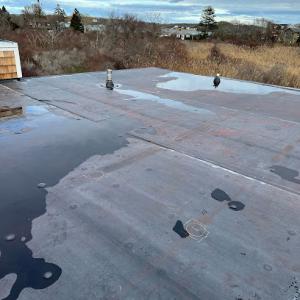
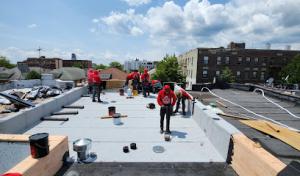
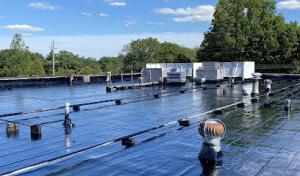
Flat-roof specialization is highly prevalent in this market, fitting rear additions, porch roofs, dormers, and mixed-pitch sections. Those low-slope corners tend to fail differently than the main roof, so a leak that starts at a porch or extension often shows up far from where the shingles end. In this climate, wind-driven rain from nor'easters or tropical remnants can push water toward seams, edges, and flashing, making these spots particularly prone to leaks when drainage isn't solid.
On Long Island, transitions around extensions and attached garages are frequent leak points during wind-driven rain because water can back up at seams, wall flashings, and drainage edges. In practice, that means the first places to check after a storm are the seam lines where the flat portion meets a vertical wall, the edge flashing at the wall-to-roof junction, and any shared seams with the main roof. If an extension uses a different roofing material or orientation, the flashing needs to be continuous and properly sealed, without gaps that allow wind-driven water to slip underneath.
Freeze-thaw cycles in winters can worsen ponding-related wear on low-slope sections, especially where older drainage layouts leave standing water after snowmelt. Eyes on the site after a storm show if water isn't draining toward the internal gutter or scupper. Standing water that remains for more than a few hours signals a drainage red flag. Over time, that water can degrade the roof surface, loosen fasteners, and push water into base flashing or edge seams.
After a nor'easter or tropical remnant, perform a quick triage: walk the back or side elevations with a flashlight at dusk to spot wet spots that reflect light poorly, then check all exposed seams and flashing around extensions first. If a leak is suspected at a seam or flashing, avoid delaying repairs-clean the seam, re-caulk with a compatible sealant, and apply a temporary patch to hold water back until a professional can seal it properly. Clear any debris from gutters and downspouts so water can vent away from the building. For porch roofs and rear additions with flat or low-slope sections, inspect the edge terminations where flashing meets wall materials; misalignment here is a common leak path.
Set a routine to inspect these low-slope zones after heavy rain events, after windstorms, and during snowmelt periods. Prioritize areas around extensions, attached garages, dormers, and transitions, even if the main roof looks sound. Early detection and prompt, targeted repairs help prevent water intrusion that can travel along insulation and framing long before a visible drip appears inside the home.
Find specialists in TPO, EPDM, and built-up flat roofing systems for residential and commercial properties.
Island Roofing
(516) 303-7663 www.islandroofingus.com
1085 Rockaway Ave, Valley Stream, New York
5.0 from 190 reviews
Royal Roofing & Siding - Long Island
(516) 252-3001 www.gafroofinglongisland.com
70 Sunrise Hwy Suite 500, Valley Stream, New York
5.0 from 26 reviews
In Valley Stream, asphalt shingles remain the most practical fit for much of the detached housing stock. They match the area's common steep-slope suburban roof forms, are widely serviced by local crews, and offer a straightforward repair ecosystem after Nor'easters and tropical remnants pass through. When choosing asphalt, look for architectural or dimensional shingles that provide better wind resistance and a longer service life. Rely on local roofers who understand the regional climate and can install with proper nail patterns and attic ventilation to minimize leak risk when gutters get overwhelmed during heavy rain followed by fast freezing.
Metal roofing can appeal in this climate for wind resistance and snow shedding, which matters after coastal storms and during winter thaws. However, installer availability is more limited locally than asphalt-focused crews, so planning ahead matters. If metal is on the radar, work with a contractor who specializes in valley and hip-and-ridge detailing to ensure flashings, penetrations, and transitions are sealed for long winters. Metal's light reflectivity and quick shedding can help with heat management and moisture control, but consider the long-term maintenance cycle and the need for precise sealing around chimneys, skylights, and vents to prevent creeping leaks after heavy precipitation events.
Tile and wood options exist in the market, yet in this area they demand careful assessment. Clay or concrete tiles bring durability and a distinct look, but their weight requires a structural check and a strong supporting deck-not every existing home will be ready for that upgrade. Wood shingles or shakes offer aesthetic appeal but carry higher maintenance needs and a more aggressive weather footprint in a climate with regular precipitation, salt-influenced coastal air, and winter freeze-thaw cycles. In regions with salt exposure, wood can be more susceptible to moisture-related issues and surface checking. If considering these materials, verify structural readiness, plan for ongoing rake and fascia maintenance, and align with a contractor who can detail water diversion around eaves, gutters, and valley configurations to prevent moisture intrusion.
Nor'easters and tropical remnants can stress roof systems through rapid temperature swings and driving rain. In Valley Stream, the detailing around roof-to-wall joints, penetrations, and transitions to porches or extensions deserves extra attention. With steep-slope forms common in the area, ensure that any chosen material is paired with proper underlayment, deck ventilation, and flashing that can handle salt-laced air and freeze-thaw cycles. For low-slope sections, particularly on extensions, prioritize materials and assemblies known for robust seam protection and leak resistance, since these areas can become weak points during heavy storms.
The decision framework here centers on matching the roof to the house profile and the local climate while ensuring there's a reliable local crew for maintenance and repairs. Asphalt shingles offer broad compatibility with traditional Long Island rooflines and easy access to service. Metal provides wind and snow shedding advantages but hinges on finding experienced installers. Tile and wood bring distinctive looks and longevity when properly supported and maintained, yet their demands are higher and less forgiving in this coastal climate. For a homeowner facing the next storm season, the best approach is to select a material aligned with the house geometry, ensure compatibility with local detailing practices, and partner with a Valley Stream-focused contractor who understands how seasonal weather and coastal exposure influence ongoing performance.
Valley Stream pricing is affected by Nassau County labor and operating costs, which are typically higher than many inland markets. When you hear a contractor quote per square, think "per 100 square feet." Across the options, the price ranges reflect both material quality and the local market's premium. Asphalt shingles run roughly from 350 to 750 USD per square, while metal roofs span about 900 to 1400 USD per square. Clay tile often lands between 1100 and 1900 USD per square, with concrete tile close behind at 1000 to 1600 USD per square. Wood shingles or shakes typically fall in the 600 to 1000 USD per square band, and synthetic or composite shingles hover around 500 to 900 USD per square. All of these figures assume standard geometry and typical fastening details on a mid-sized home.
Storm-driven demand spikes after nor'easters and strong regional wind events can tighten scheduling and push reroof and repair pricing upward in the short term. In a market like this, a busy season means labor availability is tight and crews may charge premium for rapid turnarounds, especially when a leak needs to be stopped before more interior damage develops. Homes with multiple roof planes, dormers, chimneys, skylights, and low-slope tie-ins common in older Long Island remodels tend to incur higher costs. Each additional plane or feature adds complexity: extra edge detailing, more fasteners, potential ventilation changes, and longer roof runs that raise both material waste and labor time. If your home has a combination of steep pitches and low-slope sections, expect the mid-to-upper end of the listed ranges, and plan for possible per-square adjustments when special flashing or leak barriers are required.
To get a reliable number, request a written proposal that itemizes material type, square count, and the scope of work, including replacement versus repair, underlayment, flashing, ridge detail, and any roof penetrations. In this market, timing matters: scheduling a roof assessment immediately after a storm can help you avoid additional water damage while still letting the contractor lock in a fair price rather than a rush-rate quote. If a plan includes multiple roof planes or a remodel tie-in, budget for potential increases tied to extra waste disposal, scaffolding, and safety equipment. For any material choice, compare the long-term value against the upfront cost, particularly in the context of Nassau County's typical operating costs and the risk of repeat leaks in older structures.
On a straightforward asphalt shingle roof with a single plane, the lower end might land near 350 to 450 USD per square, while a more feature-rich Valley Stream home with dormers or low-slope tie-ins can push into the 600-800 USD per square territory. A metal roof with clean geometry and standard flashing often runs 1100 to 1400 USD per square, reflecting durability and the ability to shed wind-driven rain efficiently. Clay or concrete tile on a multi-plane house commonly sits in the 1200 to 1800 USD per square range, factoring in heavier materials and more intricate flashing requirements. Wood shingles or shakes sit around 700 to 1000 USD per square for typical layouts, with synthetic options edging toward 600 to 900 USD per square. In all cases, plan for higher end figures if the roof includes complex detailing or extended work beyond a simple replacement.
Get a clear picture of your project costs upfront - no commitment required.
Royal Roofing & Siding - Long Island
(516) 252-3001 www.gafroofinglongisland.com
70 Sunrise Hwy Suite 500, Valley Stream, New York
5.0 from 26 reviews
A full reroof in Valley Stream generally requires a permit through the local building department. The town's weather patterns-reasserting after nor'easters and tropical remnants-mean crews must demonstrate that the new roof installation will meet structural and waterproofing standards. That process helps ensure the roof can shed wind-driven rain and survive seasonal shocks common in this microclimate. Your project scope should be clear to the building department: are you replacing like-for-like, or adding a new deck, radiant barrier, or heavier shingle class? That distinction drives the plan review and the level of scrutiny during permitting.
Inspections are not optional bells to skip; they are part of the permit process and provide a formal checkpoint that your roof installation conforms to current codes and manufacturer requirements. Typically, a permit will require a series of site visits: an initial rough-inspection of underlayment and flashing details, mid-project checks if structural components change, and a final roof inspection upon completion. The final inspection confirms that the installed materials and workmanship align with the approved plans and safety standards. Because storm activity can expose weaknesses quickly, scheduling inspections promptly when windows are weather-friendly helps prevent delays.
Processing times vary with department workload, and plan review may be added when structural changes are proposed rather than a like-for-like reroof. If the project includes adding rafters, changing roofline geometry, or altering attic ventilation, anticipate a more thorough review. In such cases, the building department may request structural calculations, product data sheets, and detailed flashing details to verify the roof can resist local wind loads and precipitation patterns. Keeping a clean set of drawings and product spec sheets on hand speeds the review and reduces the risk of repeat visits.
Valley Stream homeowners benefit from coordinating timing with the seasonal weather cycle. After nor'easters or tropical remnants, roofs may need rapid inspection follow-ups to verify that temporary measures (like tarps or protective underlayment) are correctly replaced once permanent materials are installed. If a permit is active during severe weather, communicate with the contractor about storm-related contingencies and the expected inspection windows. Clean debris, accessible eaves, and clear pathways to attic access points help inspectors perform a smooth, on-time evaluation.
When scheduling inspections, have the approved plans, material specifications, and a concise summary of changes from the original scope available. Bring proof of licensed contractor work, warranty documents for underlayment and shingles, and any manufacturer installation bulletins relevant to climate exposure here. Keeping these documents organized saves you and the inspector time, reduces the chance of delays, and supports a timely final approval.
Wind and hail claims are common after the big storms that sweep through the South Shore. After a powerful event, the first step is documentation: date-stamped photos of the roof from ground level and attic shots of any leaks, records showing the roof age, and notes of prior repairs. These records help separate new storm damage from long-standing wear, which insurers scrutinize closely when the weather turns chaotic.
In this market, multiple bids are often requested, and the adjuster will compare what happened to the roof versus what would have happened from gradual deterioration. The line between storm-related damage and aging is carefully drawn, especially on older or extended sections that tend to leak first. If a roof has mixed slopes or porch extensions, that assessment can become even more nuanced. Being proactive with clear documentation helps keep the process honest and reduces surprises during review.
Recent regional claim activity can influence underwriting terms, so timing matters. Before making temporary repairs, gather and organize the evidence of damage, including any prior repairs and their dates, to present a coherent narrative to the insurer. After a storm, the goal is to establish a clear, dated record of what happened, to support a fair determination for repair or replacement. If the roof shows active leaks or signs of storm impact, prioritize timely communication with the insurer and with qualified local roofers who can provide coordinated documentation for the claim.
Connect with contractors who help homeowners navigate the claims process from damage assessment to final approval.
HK Builders: Best Roofing Company in Flushing
(718) 479-8888 hkbuilderscorp.com
Serving
4.8 from 119 reviews
In Valley Stream, timing a roof replacement around the local weather patterns matters more than in drier regions. The hot summers can slow shingle handling and reduce crew productivity, with heat-and-glare making careful installation and safety checks harder. Winter cold and freeze-thaw cycles stress older roofs, making brittle shingles and flashing more prone to sudden leaks if a replacement is attempted during an abrupt cold snap or a thaw. Plan for a window when temperatures stay above freezing and the ground is solid enough to support material and crew traffic.
Spring storms can interrupt tear-off schedules and raise moisture risk during open-roof phases. If a replacement must start in spring, expect occasional delays and a need for careful tarping and progressive protection of interior spaces. In practice, the best window tends to be late summer into early fall, when heat has not pushed crews to fatigue yet and autumn nor'easters haven't started bringing higher wind and rain. Schedule with a contingency for a damp spell, but aim to complete before the first strong wind storms begin.
Evaluate whether the roof has reached a point where a reroof will prevent ongoing leaks under wind-driven rain. If leaks appear during or after nor'easters, that signals a high-priority timeline. Confirm that gutters, fascia, and attic ventilation are ready to support a full tear-off; misaligned ventilation or clogged eaves can complicate installation and undermine long-term performance. When setting dates, lean toward a dry stretch with steady temperatures, allowing the crew to remove, lay, and seal without rushing through the finish. If you can't secure a dry stretch, consider temporary protective measures that minimize interior moisture until permanent work can proceed.
In Valley Stream, the market strongly favors reroofing, quick response, and cleanup-included service, so homeowners tend to value execution and post-job cleanliness as much as price. When a storm hits, you want a crew that can show up fast, cover every attic vent, and leave the yard as tidy as possible to avoid blowing debris into neighboring properties. Look for firms that advertise rapid mobilization and a guaranteed cleanup with brush and debris hauled away in one pass.
Valley Stream's contractor landscape includes many long-established and family-run companies, which matters in a market where storm callbacks and warranty follow-through are important. Prioritize teams with a multi-decade track record, references you can reach, and a clearly stated warranty policy. Ask how they handle unusual weather windows, such as back-to-back nor'easters, and whether they assign a single point of contact for scheduling, inspections, and post-installation service.
Because chimney work appears frequently alongside roofing in this market, homeowners with older Long Island homes should verify whether flashing and masonry interfaces are handled in-house or subcontracted. If a chimney flashing upgrade is needed, confirm who completes the masonry details and whether the same crew will back it up if leaks reappear. A dedicated chimney and flashing plan prevents mismatches between roofing materials and masonry joints, which is a common leak point after storms.
When you receive a proposal, insist on a thorough inspection that documents venting, skylights, and any low-slope extensions connected to the roof. Request a written scope that clearly separates the work on steep-slope sections from any low-slope additions, so you can track progress and avoid surprise call-backs. A well-documented plan helps you compare crews fairly and ensures the job stands up to the next nor'easter.