Last updated: Apr 19, 2026
Sunnyside's housing stock is dense-attached brick rowhouses and small multifamily buildings with low-slope rear sections or full flat roofs. That layout concentrates water and stress on the parapet edges and rear drainage planes. When rain comes heavy or melting snow lingers, ponding water can sit on these sections long enough to start seeping through even small membrane gaps. The risk isn't a dramatic roof collapse; it's slow, creeping damage that appears as stains at party walls, top-floor ceilings, or around parapets. In short: the next rainstorm can reveal a leak that was quietly growing for weeks.
On tight Sunnyside blocks, roof drains, scuppers, and internal drainage are comingled with neighboring properties and shared parapets. Debris-leaves, grit, even portable planters from a second-story deck-can back up critical outlets and force water to back up into the interior. Leaks often show up where you'd least expect: along a party wall, through a ceiling seam on the top floor, or at the edge of the parapet where flashing has to deflect water away from brickwork. The pattern is not a single visible hole; it's a web of slow seepage that travels along framing or insulation and then drips into living spaces.
New York winters make small membrane or flashing defects grow. The freeze-thaw cycle tends to widen seams and lift flashing just enough to create a pathway for water once spring arrives, even if fall conditions looked fine. A minor wet spot in late autumn can become a full interior leak by the end of winter if the roof hasn't received targeted attention. In Sunnyside, the timing is predictable: drainage issues that seem minor in November often turn into significant ceiling staining by March.
Look for damp patches at the top corners of rooms with flat-roof overhangs or around the parapet line. Pay attention to any new staining near the party walls, especially after heavy rain or rapid temperature swings. Chronic dampness or a musty odor near internal gutters or ceiling joints on upper floors signals that water is finding a route through the membrane or flashing. If you notice increased attic warmth, unusual attic condensation, or ice dams forming along the parapet in winter, those are red flags that require prompt investigation.
Start with a careful walkaround after a storm-check along the parapet edges, scuppers, and drain outlets for standing water or debris buildup. Inspect the interior ceilings under the flat sections for new cracks, bulges, or staining that aligns with a rooftop area. If any of these symptoms appear, address the drainage blockages and consider a targeted flashing inspection before the next freeze. For multi-unit buildings, coordinate a joint rooftop assessment with neighboring units to map shared drainage paths and identify recurring trouble spots, since failures here often reveal themselves at common walls rather than at isolated field areas.
Eagle Express Contractor
(347) 362-0008 eagleexpresscontractor.com
Serving
5.0 from 82 reviews
At Eagle Express Contractor, we pride ourselves on delivering top-notch roofing services with a commitment to excellence and customer satisfaction. With extensive experience in the roofing industry, our skilled team is equipped to handle projects of all sizes, from minor repairs to large-scale installations. We believe no job is too big or too small for us, and we take every project seriously, ensuring high-quality results every time. Our motto, "One call does all," reflects our dedication to providing comprehensive solutions for all your roofing needs. Contact us today to experience the Eagle Express difference!
N.V. & Roman Commercial Roofing Brooklyn
(917) 440-1800 commercialroofingbrooklyn.com
Serving
5.0 from 97 reviews
Established in 1987, N.V. & Roman Commercial Roofing Brooklyn has been the premier choice for professional roofing services across New York City. As a fully licensed, insured, and bonded team of experts, they specialize in top-rated commercial roof installations and comprehensive property management solutions. Their commitment to quality and unmatched expertise ensures every project is completed to the highest standards, providing reliable and durable roofing for businesses throughout the five boroughs.
Astoria Roofing
(718) 285-6273 www.astoriaroofingny.com
Serving
5.0 from 78 reviews
For over three decades, Astoria Roofing has been a reliable roofing contractor servicing Queens, Brooklyn, and the greater NYC region. With an unwavering commitment to excellence, our skilled professionals specialize in residential and commercial projects, expertly handling various services such as roof replacements, leak repairs, flat roofs, waterproofing, and professional maintenance. Utilizing top-grade materials, our licensed and insured team provides durable and long-lasting solutions, ensuring superior protection for your property and peace of mind. For exceptional customer service, fast response times, and honest communication, Contact us today for a free estimate and see why New Yorkers trust Astoria Roofing.
Neat Services
(718) 880-4080 www.neatservicescorp.com
Serving
5.0 from 143 reviews
Neat Services is a licensed roofing and siding contractor in Queens, NY, serving Maspeth, Jackson Heights, Astoria, Forest Hills, and Brooklyn. We specialize in roof replacement, roof repair, siding installation, and window replacement with premium materials (GAF, CertainTeed) and a 25-year workmanship warranty. Bilingual team (English/Español), Directorii-backed, BBB A+, and 143+ five-star Google reviews. Need a roofing contractor near me or siding contractor near me? Call Neat for fast estimates, clear communication, and clean, professional work done right.
Brooklyns Best Roofing Williamsburg
brooklynsbestroofingwilliamsburg.com
Serving
5.0 from 121 reviews
Brooklyns Best Roofing Williamsburg delivers exceptional roofing solutions for homes and businesses. As a trusted leader, we are dedicated to providing top-quality residential and commercial roofing services in NYC. Our commitment to excellence shines through in every project, ensuring durability and complete customer satisfaction. From expert installation to meticulous repairs and ongoing maintenance, our skilled team uses only the best materials and provides reliable craftsmanship tailored to your specific needs. Choose us for roofing projects done right, every time.
Paragon Chimney & Roofing
(646) 844-2022 www.paragonchimneyandroofing.com
Serving
5.0 from 806 reviews
Since 1994, Paragon Chimney and Roofing has been Brooklyn’s premier choice for expert home exterior and heating solutions. With a skilled team of professionals, they specialize in a full range of services, including meticulous chimney sweeping, masonry work, and comprehensive roofing installations. Paragon is committed to delivering unparalleled craftsmanship and reliable service on every project, whether it involves a shingle, metal, or flat roof. Trust their proven expertise to enhance the safety and integrity of your home's most vital systems.
Williamsburg Roofing
(718) 690-7084 www.williamsburgroofingny.com
Serving
5.0 from 55 reviews
Williamsburg Roofing proudly serves Brooklyn NY and surrounding areas with expert roofing solutions built to last. With over 30 years of experience, we specialize in all types of roof replacements, flat roofs, leak repairs, waterproofing, and routine maintenance for both residential and commercial properties. Our licensed and insured team delivers high-quality craftsmanship using premium materials designed to withstand NYC’s tough weather. Whether you're dealing with storm damage or planning a full roof upgrade, we offer fast turnaround times, honest pricing, and free estimates. Trust Williamsburg Roofing for reliable service and results you can count on—done right the first time. Call us today for a free estimate!
S. Elite Roofing & Construction
(718) 255-5254 www.seliteconstructionllc.com
Serving
5.0 from 69 reviews
Company providing roofing and waterproofing services.
Nice & Fast Construction
Serving
4.9 from 63 reviews
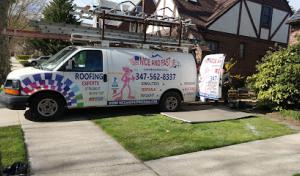
Jaime J Duchi has been working as a local New York roofing contractor installing new roofs, vinyl siding, replacement windows and seamless gutters for over14 years. We have a great reputation for high quality workmanship, and also install roofing products with a lifetime warranty. Your roof protects your home, all of your personal belonings and most importantly your family so don't take any chances, call Nice and fast construction today!
Guaman Roofing Services
(917) 891-4164 guamanroofing.com
Serving
4.9 from 65 reviews
Guaman Roofing Services has provided quality services to residential and commercial owners in New York City. We know that you deserve the best quality service, that’s why our team executes precise and safe projects, always guaranteeing a professional service.
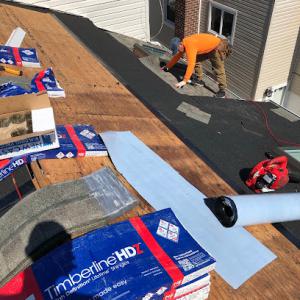
George's Roofing
(718) 747-4954 www.georgesroofing.com
Serving
4.8 from 38 reviews
For over three decades, George's Roofing has been a family-owned and operated business dedicated to providing top-tier roofing solutions. Based in Astoria, our expertise extends beyond simple repairs to include comprehensive new roof installations, meticulous masonry work, and professional pressure washing services. We take pride in our commitment to quality, ensuring every project, big or small, is completed with the highest level of craftsmanship. Trust our seasoned professionals to protect and enhance your home, guaranteeing exceptional results that stand the test of time.
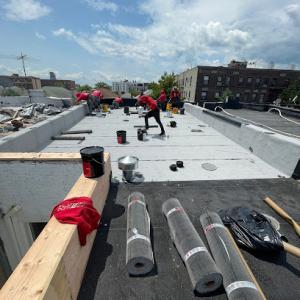
Bushwick Roofing
(718) 285-7841 www.bushwickroofingny.com
Serving
5.0 from 44 reviews
Bushwick Roofing, established in 1988 and conveniently located on Knickerbocker Avenue in Brooklyn, is your dependable source for any and all roofing solutions. Our highly skilled and experienced team of roofing professionals offers extensive knowledge in both residential and commercial roofing, including repairs, replacements, and installations. From traditional shingle roofing to specialized flat roofing systems, we've got you covered. Bushwick Roofing is committed to providing top-notch quality work with free price quotes, a warranty for your peace of mind, and our status as a fully licensed and insured contractor, which ensures reliability and professionalism. Contact us today for a free estimate.
Sunnyside roofs face wind-driven rain that can force water into flashing laps, parapet caps, and roof penetrations even when the main roof covering looks largely intact. In rowhouses and small multifamily buildings, a single compromised flashing seam on a flat or low-slope roof can channel moisture inward along a wall line, across parapet edges, or into vent pipes and scuppers. The risk is not limited to obvious blows of shingles or tiles; a slight lift along a vertical flashing seam during a gust can create a path for water to sneak in behind the outwardly solid surface. In practical terms, a routine eye on the condition of metal edge details, sealant joints, and the intersection where the parapet meets the roof is essential after heavy storms.
In this densely built neighborhood, insurers often ask for dated photos, contractor scopes, and repair estimates after major storms. Keeping pre-loss documentation for your attached home becomes especially valuable in Sunnyside's high-density housing stock. A clear, timestamped set of images showing the roof surface, flashing laps, parapet caps, and penetrations before a storm provides a reference point that can streamline claims and support timely, accurate assessments. Consider organizing seasonal photos by roof plane, plus notes on any visible wear at edges, inside corners, and along deck-to-flashing transitions. A simple, up-to-date record can save days or weeks during a claim, and it helps a neighbor-facing wall area that might show water signs only after the primary roof area has shed water.
Because attached homes share walls and rooflines, storm-related damage often migrates beyond the exact spot where wind first lifted material. Water can travel across a parapet cap edge, along a fascia drip, or down a party-wall line, presenting as staining or damp spots that seem to appear "after the fact." In Sunnyside, where roofs are frequently low-slope, that migration is common and can involve multiple units. When inspecting after a storm, look for damp patches along interior corners, along ceiling lines meeting exterior walls, and at junctions where roof edges meet brick or siding. A careful survey should include attic and crawlspace access points, as well as the rhythm of moisture along the roof edge that can reveal hidden migration paths.
If a wind event has just passed, prioritize safety and a focused exterior check: examine visible flashing seams, the precise condition of parapet caps, and any penetrations such as vent stacks, plumbing stacks, or skylights. Document any new lifting, cracking, or gaps with photos and notes. Because water can travel beyond the visually affected area, expand the inspection to adjoining units when feasible, coordinating with neighbors to share observations. If you detect moisture intrusion, avoid delaying professional assessment-early intervention reduces the risk of hidden mold, wood rot, and accelerated deterioration of wall assemblies. A targeted approach that couples timely documentation with a careful perimeter audit tends to yield the most reliable path to a solid, long-term repair.
Find local contractors experienced in assessing and restoring roofs after hail, wind, and severe weather events.
N.V. & Roman Commercial Roofing Brooklyn
(917) 440-1800 commercialroofingbrooklyn.com
Serving
5.0 from 97 reviews
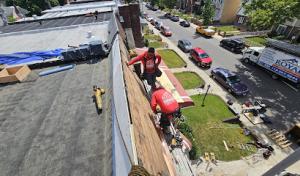
Paragon Chimney & Roofing
(646) 844-2022 www.paragonchimneyandroofing.com
Serving
5.0 from 806 reviews
When you're planning a full reroof or a major roof replacement on an attached home or small multifamily building, the permit landscape in this neighborhood is unique. A New York City Department of Buildings permit is required rather than a village or town permit, and submissions typically include scope details plus drawings or product documentation for plan review. The city's approach reflects the tight rowhouse blocks and shared walls that define much of the area, with a strong emphasis on how a new roof will perform with the existing structure.
In Sunnyside, the scope of work can drive DOB review more than the color or style of shingles. A change in roofing assemblies, or the addition of heavier materials, triggers deeper scrutiny. The DOB examines underlayment choices, ventilation strategy, and roof-load implications before approval. If you're switching from a lighter to a heavier system-say, upgrading from asphalt to a heavier metal or concrete tile-expect the review to be more thorough. Even modest changes to insulation or venting layout can draw questions about airflow and condensation, so plan documentation accordingly.
Begin with a clear project description that outlines the current roof assembly, the proposed changes, and the anticipated benefits for durability and moisture control. Include drawings or product documentation that show the new layers, fasteners, and flashing details. For Sunnyside's climate-freeze-thaw cycles and humid summers-focus on drainage, ventilation, and flashing designs that prevent standing water and leakage around low-slope sections. If the project affects parapets, penetrations, or transitions to interior spaces, include details that demonstrate watertight continuity and compatibility with existing masonry or deck structures.
Roof work in this area is commonly inspected in stages during installation and again at completion. Scheduling can be affected by DOB timing as well as the contractor's crew availability. Expect inspections to verify waterproofing integrity before proceeding to intermediate stages and to confirm that the final installation matches the approved plan. The inspector will look closely at edge flashing, drip edges, scuppers or internal drains for flat sections, and the way new material ties into existing drainage paths. If any deviations from the approved plan arise, a supplemental review may be required, which can extend the timeline.
Work with a contractor who understands NYC DOB processes and has recent experience with Sunnyside projects. Confirm in advance how the schedule aligns with the permit review timeline, and build in buffer for inspections that may pause work. For roofs with mixed slopes or multiple built-up sections, rent or secure access equipment early and ensure that the staging area accommodates inspection points without blocking neighboring properties. Communicate clearly with neighbors about staged drainage and any temporary changes to egress near the roofline, since many Sunnyside blocks share closely spaced walls and may require coordination around scaffolding and debris containment.
Typical residential roofing in this neighborhood follows compact rows and tight access. Asphalt shingles run about 550 to 1100 dollars per square, metal 900 to 1800, clay tile 1100 to 2100, concrete tile 800 to 1600, wood shingles or shakes 900 to 1700, and synthetic or composite shingles 700 to 1100. Those ranges reflect Sunnyside's urban footprint, where crews juggle narrow streets and limited staging space, plus the need to protect parapets, chimneys, skylights, and adjacent structures during every lift.
Costs can rise when every step must be choreographed around adjacent properties. Debris handling on narrow streets adds waste management time, and safety measures around parapets and skylights slow the process. Heavy materials also demand structural checks, which in practice translates to longer mobilization and smaller crews working in concert.
If choosing asphalt shingles, expect a practical budget in the lower to mid part of the range, while premium laminated products push higher. Metal roofs, favored for long life and humidity tolerance, sit at the upper end, as do clay and concrete tiles that resist freeze-thaw cycles but demand careful flashing and more staging space. Wood shingles bring distinct aesthetics but can cost more to install and maintain in humid summers. Synthetic shingles aim for a balance of price and performance and suit limited access jobs.
Weather windows matter here. Delays can extend the project beyond a straightforward tear-off and replacement, especially when crews time the work to avoid summer humidity spikes and winter freezes. Extended project windows drive labor costs, equipment rentals, and occasional overtime, all of which affect the bottom line.
Get a clear picture of your project costs upfront - no commitment required.
Asphalt shingles remain common on pitched sections in Sunnyside, but many local buildings also need low-slope solutions on rear additions, porches, or full flat roofs, so material choice often depends on mixed roof geometry rather than one roof plane. When you evaluate your options, focus on how the shingles perform across different slopes, and how they tie into the more challenging edges where a flat or low-slope segment meets a steeper section. A reliable surface under these circumstances should prioritize a solid drip edge, precise field seams, and a roof-to-wall transition that minimizes wind uplift and water intrusion at the boundaries of varying planes.
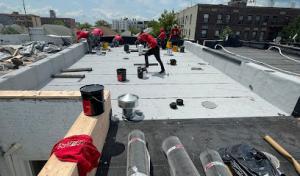
Low-slope and flat-roof solutions are essential in tight urban lots where rear additions or porches create a second, parallel plane. Materials designed for low-slope use benefit from a proven seam system and a dependable membrane layer beneath the finish. In dense blocks, the drainage plan matters as much as the membrane choice, because poor drainage is a common trigger for recurrent leaks. When selecting a low-slope system, insist on a robust edge detail, integrated flashing at penetrations, and a carefully engineered interface where the low-slope roof meets adjoining walls or parapets. The best results come from a coordinated approach that treats the flat portion as part of a single, continuous roof system rather than a patchwork.
Clay and concrete tile are available in the market but can trigger added scrutiny in NYC because material weight matters more on older urban structures than on newer suburban framing. If you are contemplating clay or concrete tile, verify the underlying structure's ability to carry the heavier load and plan for upgraded framing if needed. On mixed roof geometries, tile edges and fasteners require meticulous detailing to prevent cracking at transitions and to maintain reliable drainage. For many Sunnyside homes, a lighter-weight or reinforced alternative can deliver the look of heavier materials without compromising the existing framing or the long-term performance of the roof system.
Synthetic roofing can appeal in Sunnyside when homeowners want the look of heavier or specialty materials while limiting structural load and simplifying replacement logistics in dense blocks. Modern synthetics can imitate clay, concrete, or metal without the same weight penalties, which helps with re-roofing tight, multi-plane assemblies. Pay attention to the warranty and the manufacturer's guidance on headlap and flashing at transitions, especially where old flashing sits against a new, low-slope section. For porous urban layouts, a synthetic system paired with a high-quality underlayment and precise flashing detail often delivers durable performance with easier maintenance over time.
The most popular roofing material in the US. Find pros who install, repair, and replace asphalt shingles.
S. Elite Roofing & Construction
(718) 255-5254 www.seliteconstructionllc.com
Serving
5.0 from 69 reviews
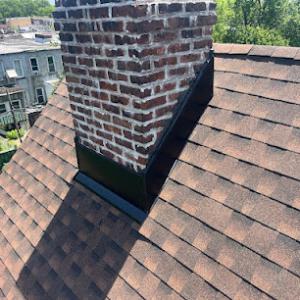
Chimneys that intersect rooflines are a common sight on older Queens homes, and their masonry poses a persistent risk for leaks. In Sunnyside, recurring flashing and counterflashing points around chimney bases can fail when the surrounding roofing surface shifts or the masonry settles. Pay attention to where the chimney meets asphalt, metal, or flat transitions, not just the cap. Regularly inspect the step flashing along the slope and the counterflashing behind any mortar joints. A small crack here or there can mirror quickly into a wider, stubborn leak after a winter thaw. If you notice damp patches near a chimney, don't assume it's only the flashing-the masonry itself can draw moisture upward and overwhelm even a good metal flashing job over time.
Skylight repairs matter locally because low-slope and mixed-slope roofs in dense housing often develop leaks at curb flashings and transitions rather than through the glazing itself. In tight rowhouse blocks, curb flashings are squeezed into limited space, which makes proper sealant, counterflashing, and boot integrity crucial. Check the flashing joint where the curb meets the roof deck, then inspect the surrounding bitumen or membrane for signs of peeling or wrinkles after heavy rain. If water seeks the curb, it often travels laterally toward joist cavities and can wreck finishes far from the original glare of the skylight.
Parapet walls are a distinctly urban leak source in Sunnyside, where cap flashing, coping joints, and wall-to-roof transitions can fail independently of the main roof covering. Inspect the parapet coping for loose mortar, cracking, or unsightly efflorescence, and test the sealant at every joint. Water can sit on a parapet edge and wick down into wall ties if the cap flashing isn't tight. In dense single- and multi-family blocks, neglect here translates quickly into interior stains and mold boundaries that are costly to remediate. If a parapet shows any seepage or dampness after storms, treat it as a high-priority leak path until repaired.
Find contractors experienced in skylight installation, flashing, and leak repairs to bring natural light into your home.
N.V. & Roman Commercial Roofing Brooklyn
(917) 440-1800 commercialroofingbrooklyn.com
Serving
5.0 from 97 reviews
Paragon Chimney & Roofing
(646) 844-2022 www.paragonchimneyandroofing.com
Serving
5.0 from 806 reviews
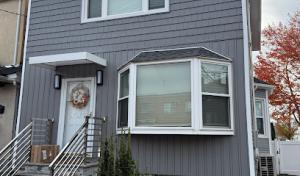
Replacement windows are a big project that sits shoulder-to-shoulder with roof work on attached homes and small multifamily blocks. Spring through fall is the preferred replacement window in Sunnyside because the local pattern of winter snow and thaw cycles increases moisture-control risk during tear-off and installation. Start planning right after the last thaw and before you hit peak summer humidity to minimize seasonal stress on sealants and flashing around the rough opening. If a winter window swap is necessary, expect longer drying times and tighter scheduling to guard against moisture intrusion when meltwater recharges the exterior envelope.
Humid summers in New York City can affect asphalt and synthetic shingle handling and adhesive performance, so crews need to manage storage, timing, and installation pace carefully during heat waves. A practical approach is to set a shaded staging area and rotate crews to avoid overheating sealants, especially on fasteners and glazing tapes. Keep exterior openings protected with temporary weather barriers, and coordinate interior work so the interior humidity stays under control while the trim and casing go in. If a heat spell aligns with a critical sealant cure, push the most vulnerable steps to cooler hours or a cooler day.
Fall in Sunnyside can still be productive for reroofing, but wind events and sharp temperature swings make flashing quality and day-to-day weather planning more important. When installing windows in windy fall conditions, ensure proper temporary sheathing and secure fasteners before sealing. Use compatible flashing and backer materials, and verify that caulk and sealants cure within the recommended temperature range. Schedule windows with a flexible window of clear weather, and avoid multi-day interruptions that leave rough openings exposed to shifting winds and rapid temperature changes. This approach helps minimize post-install gaps and moisture entry around the sill and perimeters.
After a major storm, insurers in the NYC area may tighten wind and hail terms. Sunnyside homeowners should review whether cosmetic damage is treated differently from functional damage before authorizing work. Cosmetic issues like superficial granule loss or minor surface staining can become a point of dispute if a claim later exposes structural concerns. Be clear about what you are approving for repair and how it affects structural integrity, drainage, and flashing. This is not the time to underplay issues that could later trigger coverage questions.
Because adjusters commonly request contractor quotes, photos, and repair estimates, you should document roof conditions meticulously. Take dated photos and notes before any storm impact, and again after any temporary repairs are completed or removed. In Sunnyside, where many roofs are low-slope or flat, drainage channels and flashing details are often the first to show trouble. Focus on the condition of transitions, terminations at parapets, and any signs of moisture intrusion around penetrations. The goal is to create a clear, timestamped record that supports the scope of work the contractor would perform.
On attached or multifamily properties in Sunnyside, interior leak staining and water migration paths can reveal more than exterior inspection shows. Parapet damage, interior ceiling spots, and staining that travels along joints may not align with the exterior entry point. Photograph the affected ceilings, mints of water marks, and any interior detailing around party walls. This careful documentation helps ensure that the claim reflects the true extent of damage and guides the proper repair sequence without gaps between interior and exterior observations.
For low-slope roofs with attached homes and small multifamily blocks, restoration options may be considered when the roof deck and drainage layout are still serviceable. In Sunnyside, repeated leaks at parapets, penetrations, or ponding areas often point to broader assembly failure rather than just surface wear. If the existing insulation and underlayment show signs of aging but the overall deck is solid and the drainage plan still directs water away from living spaces, a targeted restoration can extend life without a full tear-off. The goal is to preserve a functioning water barrier while repairing the most vulnerable spots, especially where flashings or terminations meet parapets.
Urban reroof decisions are driven more by recurring leak history, prior patch layers, and whether the system still meets expected underlayment and ventilation standards than by shingle age alone. In tight Queens rows, leaks near roof-to-wall transitions or around vent stacks can reveal hidden flaws in how the original assembly was vented and drained. Before opting for reroofing, assess whether past repair patches have been structurally sound or simply masking deeper failures. If patching has accumulated multiple layers without addressing the root cause, a more comprehensive approach may be warranted.
A full reroof becomes prudent when several indicators point to a fatigued or mismatched assembly: widespread water intrusion after雨heavy storms, sustained ponding that nourishes deck rot, or deteriorated flashings that refuse to seal despite multiple repairs. In Sunnyside, the combination of freeze-thaw cycles and humid summers makes drainage and flashing details critical. If underlayment is delaminated, ventilation is insufficient for the attic or roof space, or the existing system no longer aligns with the current climate demands, replacing the roof with a cohesive, properly vented assembly often delivers a more reliable defense against future leaks.
Roof coatings are most relevant locally on certain low-slope systems and should be evaluated against drainage performance and seam condition rather than used to mask chronic structural or flashing defects. If a coating is considered, its success hinges on a clean, dry surface, intact seams, and a drainage plan that remains effective under seasonal temperature shifts. Coatings should be part of a broader strategy, not a substitute for fixing underlying failures that drive recurring leaks.
Extend the life of your existing roof with reflective or waterproof coatings that protect against UV and moisture.