Last updated: Apr 19, 2026
Cold snaps paired with wind-driven precipitation slam roofs here, stacking stress on flashing, chimneys, skylights, and edge ventilation. Nor'easter interiors push moisture toward the eaves, making ice dams a recurring risk when heat escapes from the attic and meets cold roof decking. That combination-high gusts, drifting snow, and repeated freeze-thaw cycles-means any weak seam or missing shingle bite can become a leak source within hours after a storm. Prioritize systems that resist wind uplift, maintain continuous snow retention paths, and keep attic air balanced to minimize heat loss into the roof plane. If the roof has multiple penetrations, expect more potential failure points around chimneys, vents, and skylights where ice dams can form and backflow water can travel laterally across deck seams.
West Hempstead experiences a tight weather calendar: spring storms disrupt tear-offs, summer humidity can stall work, and autumn nor'easters suddenly narrow the window for a proper roof replacement. Waiting for perfect conditions invites moisture intrusion and mismatched shingle exposure, which under freeze-thaw cycles can reveal problems quickly. Plan tear-offs to ride within a clear sequence of dry, moderately cool days, with one or two dry days forecasted after the last rain before chill sets in. A well-timed replacement avoids prolonged exposure of the roof deck to winter moisture and reduces the risk of wind-driven debris compromising the newly installed materials during late-season storms.
Insurers in Nassau County often require wind-rated materials and thorough documentation after weather-related roof work. This directly ties storm resilience to future claims handling. When choosing components, ensure the selected products have validated wind resistance for the specific wind zones that Nor'easters bring inland. After a replacement or major repair, assemble a concise file: product specs showing wind rating, installation method notes, and a final inspection checklist with date-stamped photos of all critical areas-valleys, flashing around chimneys and skylights, and edge detailing. Having this documentation ready can streamline claims if a severe winter storm hits after work is completed.
Tackle attic insulation and roof ventilation with urgency. Inadequate attic insulation lets heat creep to the roof, feeding ice dam formation; improving R-value and ensuring soffit vents pair with ridge or turbine vents keeps the roof cooler in winter. Consider upgrading underlayment and flashing around penetrations to resistant, continuous barriers that deter wind-driven moisture from seeping into seams. For roofs with flat or low-slope sections, install snow guards and ensure proper drainage paths to prevent fast-moving snow from piling at valleys or eaves. When a storm looms, trim back overhanging branches that could crack into the roof or shed ice onto vulnerable sections. If a repair or replacement happens during late fall, prioritize a roof system with a robust ice dam defense and a test-fit on the edge to confirm wind-driven rain will shed cleanly rather than back up under shingles.
In Nassau County's suburban blocks, replacement options aren't locked to a single material. Asphalt shingles sit alongside clay tile, concrete tile, wood shingles or shakes, synthetic or composite shingles, and slate. West Hempstead homeowners should plan for a blend that suits the attic framing, chimney and skylight layouts, and the overall roof pitch. The common mix means choosing a system that plays well with existing penetrations and flashing details rather than chasing a one-size-fits-all solution. If a home has multiple penetrations-chimneys, dormers, and skylights-verify that flashing transitions are designed to handle abrupt changes in slope and material at every joint.
Clay tile, concrete tile, and slate bring long-term durability, but they demand more from the roof structure. A replacement on older suburban homes often requires careful assessment of deck support, rafter spacing, and the potential need for additional framing. When a heavy system is selected, confirm the existing structure can bear the load without compromising soffits, gutters, or the exterior fascia. For tile and slate, strong, properly flashed valleys and step-flashing around chimneys are essential. Since these materials resist wind better than others when correctly installed, the installation must emphasize secure fasteners and verified nailing patterns to prevent uplift during nor'easter winds.
Warm, humid summers can push underlayment stress and influence how a system behaves through winter storms. Choose an underlayment with proven compatibility to your chosen surface, particularly if a hybrid approach is planned (for example, an overlay over existing shingles or a transition from wood to synthetic). Material compatibility matters: a roof that combines heavy tiles with lightweight underlayment must account for expansion, contraction, and moisture movement across seasons. In practice, verify that fasteners, sealants, and flashing at joints and penetrations are rated for both high humidity in the summer and freezing cycles in the winter, so ice dams don't gain purchase at the eaves or around skylight flashings.
Older homes in the area often feature multiple chimney stacks and skylights. Each penetration becomes a potential failure point if not properly flashed and sealed. When replacing, inspect all flashing boots, step flashing, counter-flashing, and the integrity of the drip edge. Consider upgrading to a continuous eave and improved attic ventilation to reduce condensation and ice dam risk. If an existing roof shows signs of moisture intrusion around penetrations, plan for a more robust flashing strategy and a higher-quality sealant system that remains pliable in cold snaps.
Start by confirming the roof's current load capacity and the roof pitch. Next, align your choice with the heaviest expected loads you're willing to support, then map out all penetrations to design a cohesive flashing plan. Finally, pair the chosen material with an underlayment and ventilation strategy that respects West Hempstead's summer humidity and winter snowfall, ensuring the system maintains performance across seasons.
Local contractor signals show unusually common chimney-related roofing work in this market, pointing to flashing and masonry-adjacent leak management as a real homeowner concern in West Hempstead. Nor'easter winds grab at chimneys and their flashing, while old masonry joints can spall under freeze-thaw cycles. When winter pressure builds, those familiar chimney gaps become quiet culprits until a leak becomes obvious-often after a heavy snowfall or a brisk wind event. The result is more than a drip; it can mean attic staining, insulation saturation, and the kind of interior damage that sneaks up on households already juggling storms and daily use. So, the first reality to accept is that chimney flashing isn't a one-and-done fix. It needs regular attention, especially after a harsh season or a nearby chimney rebuild.
Skylight service is also highly prevalent among local roofers, which fits a housing stock where penetrations and curb details can become failure points during nor'easters and winter freeze-thaw cycles. Skylights introduce another convergence of risks: compromised curb seals, degraded flashing around the frame, and condensation-driven moisture migration at the edges. In practice, minor lens fogging or a small drip at the edge of a skylight is often the early warning sign that the surrounding flashing or curb is no longer performing as designed. With the number of storms typical to this area, those early signs should prompt a proactive check rather than waiting for a full-on leak to develop. A quick evaluation after winter or after a heavy snow load can prevent a much larger repair down the line.
Town inspections for full replacements verify flashing and ventilation, so chimney and skylight detailing is not just a workmanship issue but part of passing final approval. That means choosing skilled tradespeople who understand how these penetrations interact with roof decking, waterproofing systems, and attic ventilation. When planning repairs or replacements, you'll want to ensure flashing terms are properly integrated with masonry joints and curb mounting, and that skylight seals are tested for pressure and temperature cycling. Expect to address both the surface flashing and the hidden, where moisture tends to travel. In this market, addressing these details diligently is less about flagging a potential problem and more about preventing a costly, disruptive failure years down the line.
Find contractors experienced in skylight installation, flashing, and leak repairs to bring natural light into your home.
Prodigy Contracting
(516) 318-0105 www.prodigycontracting.net
Serving
4.9 from 38 reviews
Prodigy Contracting is a Veteran owned business servicing Long Island, New York since 2005. As a GAF Presidential Master Elite Roofer, we offer our clients exceptional quality and a lifetime warranty. Our siding designs feature innovative looks, with rustic contemporary touches and attention to detail service. We use Drone Technology to provide a 360 degree rendering of your project before and highlight your beautiful results after. We look forward to meeting you. Let us transform your home into you Dream Home
MasterCraft Chimney Sweep & Cleaning
Serving
4.9 from 36 reviews
Chimney Sweep & Repair Services
John G Hubler & Sons
(516) 764-6437 johnghubler.com
Serving
4.8 from 68 reviews
Founded by John G. Hubler Sr. in 1973, we have over 45 years of experience. Our family is from Rockville Centre and we proudly operate our home office on North Park Avenue We strive to run a business that does truly care for our customers by offering professional service throughout every step of every project. Our team’s experience makes us the right choice for your home makeover. From full roof replacements to roof repairs, we are your local GAF Master Elite Roofer. Our family and roots are based in Rockville Centre, New York but our service area extends beyond the village. We are licensed in Nassau County, Suffolk County, Queens, and the Hamptons.
Abraham Roofing
(516) 990-6548 www.abrahamroofing.com
Serving
4.7 from 112 reviews
Located at 23 Blake Ave in Lynbrook, Abraham Roofing serves Nassau County and Queens with over two decades of expert roofing and siding services. Specializing in roof replacement, repair, installation, and more, our certified team provides top-notch solutions for "roofing and siding companies near me" searches. From tackling "roof leak repair long island" to "vinyl siding installation," we emphasize quality, safety, and customer satisfaction. As a GAF Master Elite® Contractor, we offer exceptional roof service repair and leader system installations. For prompt and professional "roofing in New York," choose Abraham Roofing—where your needs always come first.
R&M Roofers
(516) 233-9506 rnmroofersllc.com
Serving
4.8 from 24 reviews
At R&M Roofers, we’ve proudly served Hempstead, NY and surrounding areas since 2007 with reliable roofing services and top-notch craftsmanship. From roof repairs to full roof replacements, our experienced team uses durable materials that stand the test of time. We also offer expert gutter installations and siding solutions to protect and enhance your home. Based in Hempstead, we serve nearby communities including Uniondale, Garden City, West Hempstead, Freeport, Baldwin, Rockville Centre, Valley Stream, Elmont, Franklin Square, and Lynbrook, as well as across Nassau and western Suffolk County. Whether you’re in Long Beach, Oceanside, Massapequa, or East Meadow, we’re committed to keeping your home safe, beautiful, and built to last.

Delta Roofing Long Island
(516) 689-0889 deltaroofinglongisland.com
Serving
5.0 from 74 reviews
Delta Roofing Long Island is your trusted roofing contractor, serving residential and commercial clients across Long Island, New York. We specialize in metal roofing, roof repairs, cleaning, and maintenance services. Our fully licensed roofing expert team offers quality roof inspections, leak repairs, and complete replacements. Whether it's a new roof installation or a routine checkup, we use premium materials to ensure lasting results. We are proudly serving Long Island and surrounding areas. Contact us today for a free estimate and professional roofing solutions you can trust!
Island Roofing
(516) 303-7663 www.islandroofingus.com
Serving
5.0 from 190 reviews
With over 25 years of proven expertise, Island Roofing is a roofing company delivering top-tier solutions for commercial, industrial, and residential projects. We serve Long Island, New York, and 30 other states in the Eastern U.S. As a reliable roofing contractor, we’re known for our use of top-grade materials, expert craftsmanship, and honest service. We handle it all, from residential roofing, commercial roofing, multi-family roofing, and preventative roof maintenance to leak repairs and emergency service. We also provide gutter installation, gutter cleaning, and gutter maintenance, all with precision and care. What sets us apart is our commitment to customer satisfaction and our relentless focus on excellence in everything we do.
Rapid Roofing
(631) 801-4827 www.rapidrestoreny.com
Serving
5.0 from 81 reviews
Getting a new roof or roof repair shouldn’t be a headache – that’s why at Rapid Roofing, we make it easy. As a roofing company built on trust, our expert roofer contractors deliver seamless roofing services with zero hassle and no shortcuts. Whether it’s routine maintenance or emergency roof repair, our residential and local roofers get the job done right – every time. We don’t just claim to be the best roofers, we prove it! From affordable roofing solutions to BBB-accredited roofing contractors, we’re the good roofing company homeowners rely on. A roofing business that stands behind its work, delivers results, and redefines what it means to hire top-rated roofers.
Responsible Remodeling
(516) 481-1723 www.responsibleremodeling.com
Serving
4.7 from 62 reviews
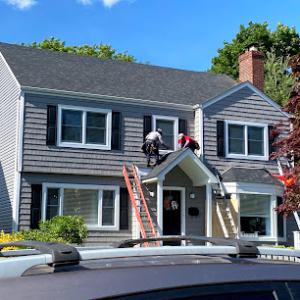
Responsible Remodeling provides roofing, siding, gutters, windows, doors, and decks to Baldwin, NY and surrounding areas.
Royal Roofing & Siding - Long Island
(516) 252-3001 www.gafroofinglongisland.com
Serving
5.0 from 26 reviews
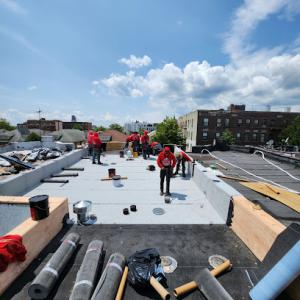
Royal Roofing Long Island, a division of Royal Renovators, provides reliable roofing and exterior services to homeowners and businesses across Nassau and Suffolk County. Our licensed and insured team specializes in roof replacement, flat and shingle roofing, leak repair, siding, gutters, and 24/7 emergency roof service. Backed by one of NYC’s most respected roofing companies, we bring trusted craftsmanship, transparent pricing, and lasting results to Long Island properties. Our mission is to protect homes and businesses with quality roofing built to last. Trust Royal to ensure complete customer satisfaction. Call Royal today for a free estimate!
Mk Best Roofing
(516) 615-1791 mkbestroofing.com
Serving
4.9 from 57 reviews
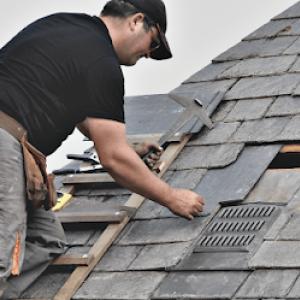
MK Best Roofing is a trusted GAF certified roofing company based in Roosevelt, NY. Since 1998, we have proudly served all of Long Island, especially Nassau County, along with nearby neighborhoods such as Merrick, North Merrick, South Hempstead, Freeport, and Uniondale. Whether residential or commercial, we handle every roofing need such as installation, repair, maintenance, and replacement. Our roofing options range from metal, flat, and shingle to solar and cedar roofs. We are also specialize in providing professional siding and gutter installation for your house. All of our work is fully licensed, insured, and backed with 100% financing options. LICENSED & INSURED
TMT Roofing
Serving
5.0 from 69 reviews
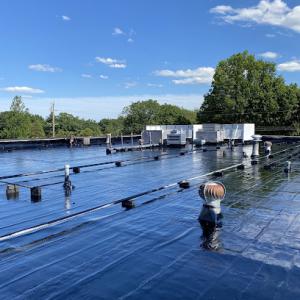
Established in 1963, TMT Roofing is your top choice for all commercial and residential roofing needs in Long Island, NY. We specialize in commercial roofing, gutter services, and siding, ensuring our dedicated team provides unparalleled expertise and exceptional customer service. We offer comprehensive roofing solutions, including silicone coatings, EPDM, shingles, and metal roofing. Whether you require a new roof installation or urgent repairs for leaks or damage, we have you covered. Trust TMT Roofing for high-quality materials, expert craftsmanship, and affordable rates—your satisfaction is our top priority.
A full roof replacement in West Hempstead typically requires a permit through the Town of Hempstead in Nassau County rather than being handled only at the contractor level. The process is designed to ensure the work aligns with local wind, snow load, and ice-dam resilience standards, as well as energy-code requirements. The building department expects clear coordination between the scope of work, chosen materials, and the structural implications of a replacement roof. Understanding this upfront helps avoid delays and keeps the project on track through the busy seasons.
The permit package is not a one-pager. It usually includes a detailed scope of work and material details, with an itemized plan that shows roof deck replacement, flashing details, ventilation, and any penetrations such as chimneys or skylights. In Nassau County, the package may also require proof of contractor licensing verification before approval. Be prepared to supply documentation that confirms licensing status, professional credentials, and any local endorsements the Town may request. Having organized drawings or schematics ready can streamline submission and help the building department assess compliance with wind-rated components and flashing requirements.
The building department may request verification of the contractor's licensing before granting approval. This step protects homeowners and ensures the contractor meets local standards for workmanship and safety. If your project involves energy-code-related requirements or specific wind-resistance enhancements, have accompanying documentation from the contractor or an engineer ready to demonstrate compliance. Coordination between the contractor, municipal reviewer, and any design professionals is crucial to avoid rework and last-minute changes that slow down approvals.
Inspections can occur at rough-in, mid-project when applicable, and final. The rough-in inspection checks that framing and deck repairs (if any) are correctly installed and that ventilation provisions are in place. Mid-project inspections, when applicable, focus on adherence to wind-rated components, flashing around penetrations, and overall moisture control. The final inspection confirms code compliance, proper installation of flashing systems, correct energy-code-related features, and that all standards for wind and snow resilience are met. Scheduling early with the building department helps ensure inspectors can coordinate visits around weather windows and avoid project stalls.
Keep line-of-communication open between you, the contractor, and the building department. Have a clearly labeled package with all required documents, including licensing verification, scope details, and material specifications. If your roof plan includes chimneys or skylights, double-check flashing and venting details to meet local expectations for wind resistance and energy performance. Remember that permit review times can vary; starting early and aligning your timeline with municipal review cycles reduces the likelihood of weather-driven delays.
Typical local pricing runs about 350 to 600 USD per square for asphalt shingles, 900 to 1700 for clay tile, 800 to 1400 for concrete tile, 600 to 1200 for wood shingles or shakes, 350 to 700 for synthetic or composite shingles, and 1000 to 2500 for slate. In practice, the common suburban roof you're likely facing sits toward the middle of these ranges, with material choice driving most of the spread. A straight square-count quote without accounting for local penetrations or weather-driven access can look appealing, but the labor mix and material delivery realities in Nassau County push costs higher when storms or nor'easter winds tighten up schedules.
Costs in West Hempstead can rise when storm-driven demand surges after nor'easters and spring wind events, tightening scheduling and labor availability across Nassau County. During those spikes, lead times lengthen, crews may charge a premium for expedited start dates, and subcontractors outside the core shop may come in with higher daily rates. If a replacement coincides with a known storm season, expect a partial premium for weather protection, material staging, and temporary safety measures. Planning a replacement in a calm window helps avoid these surcharges and reduces the risk of delays that compound labor costs.
Permit processing, inspection coordination, and the detailing needed around common local penetrations such as chimneys and skylights can add complexity beyond simple square-count pricing. West Hempstead homes regularly feature brick or stone-adjacent chimneys, multiple skylights, and older flashing details that need upgrading during a full replacement. The extra work to reseal and reflash around these features can add several hundred to several thousand dollars to the project, depending on number and condition. A thorough assessment should map these penetrations and anticipate the labor hours required to seal them robustly against wind-driven rain and ice dams.
Start with a material scenario that matches the house's age and exposure: asphalt shingle if budget is tight, or higher-end tile or slate if long-term durability against wind and snow is the priority. Add a contingency for weather-driven scheduling and penetrations. Compare quotes from several installers who provide detailed breakdowns for decking repair needs, flashing upgrades, and chimney or skylight detailing. Ensure the chosen option includes a plan for adequate ice dam protection, proper underlayment, and ventilation considerations to handle West Hempstead's Nor'easter and winter snow loads.
Get a clear picture of your project costs upfront - no commitment required.

Royal Roofing & Siding - Long Island
(516) 252-3001 www.gafroofinglongisland.com
Serving
5.0 from 26 reviews
After a damaging storm, insurers in Nassau County typically want solid documentation of the roofing project. This means clear photos before, during, and after the work, detailed invoices, and a contractor statement of work that outlines what was done and why. Having this ready can smooth the claim process when weather-related damage is involved and can help prevent disputes over scope or costs.
Wind-resilient materials are watched closely by carriers in this market, especially given the nor'easter winds and the way they interact with chimneys and skylights common to the area. If your project includes wind-rated offerings, keep the documentation that confirms product ratings and installation methods. Carriers may request proof of final inspections or confirmations that the work meets expected standards before they finalize a claim or underwriting change. Organized records-photos of the finished install, product data sheets, and a concise contractor statement-reduce the chance of misinterpretation or delays.
Coverage availability is described as stable locally, but wind and weather events can still influence how policies are evaluated, sometimes affecting premiums or deductibles. When reports show elevated claims activity, insurers may tighten underwriting or request additional verification. To minimize surprises, maintain a complete dossier: dates, contractor contact details, material specifications, and post-work inspection notes. If a claim stems from wind or ice events, be prepared to provide evidence that the roof was restored to a weather-resilient condition and that installations align with the project scope agreed upon in the contractor statement.
Before work begins, ensure the contractor commits to supplying a comprehensive final invoice and a statement of work that aligns with the project plan. Take high-resolution photos from multiple angles, documenting existing damage, the installation process, and the completed roof. Save any correspondence about the project timeline and confirm receipt of all reports once the job is finished. Keeping these records organized can protect you when insurers review weather-related claims or adjust coverage in the future. West Hempstead homeowners should view this documentation as part of the essential steps after a storm, not an optional extra.
Connect with contractors who help homeowners navigate the claims process from damage assessment to final approval.
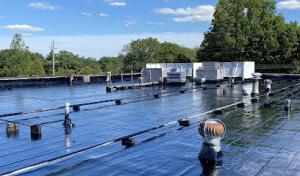
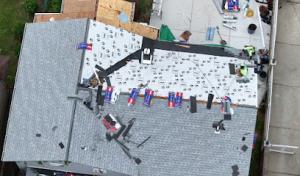
Flat-roof specialization is meaningfully present in the West Hempstead market even though the dominant citywide material list is steep-slope focused, suggesting many homeowners are dealing with low-slope sections on additions, porches, or mixed-roof homes. This means you are likely balancing existing chimney and skylight penetrations with a tighter, seam-focused system. Planning should start with the integration points where a flat section meets the rest of the roof.
These low-slope areas are especially vulnerable during local snow accumulation and ice-dam conditions because drainage problems can compound moisture intrusion at transitions. Pay attention to how the parapet, gutter lines, and scuppers interface with the main roof. A simple drip edge at the edge of the flat plane can reduce damming, but only if the slope is maintained and drainage paths are kept clear during storms.
Summer heat and humidity in West Hempstead can also affect membrane and underlayment performance on low-slope sections, making section-by-section roof design important during replacement. Choose membranes with proven heat-aging performance and compatible underlayment systems. Consider a reinforced membrane that resists punctures from foot traffic during maintenance and from debris carried by seasonal winds.
The most common failure points occur where flat sections meet existing sloped roofs, parapets, or crown moldings. Use continuous flashing details at these junctions and consider a drip edge or cant strip to create a reliable water separation. When replacing sections, match the new materials to the neighboring roof to avoid conflicting movement and differential settling.
Flat roofs in this climate crave proactive maintenance. Schedule seasonal inspections to check for punctures, seam lift, and edge fastener integrity. Keep an eye on penetrations around chimneys and skylights, and address any signs of moisture intrusion at the first hint of staining or softening plywood behind the membrane.
Find specialists in TPO, EPDM, and built-up flat roofing systems for residential and commercial properties.