
Last updated: Apr 19, 2026
Oceanside sits on Nassau County's South Shore, where nor'easters and coastal wind events are a recurring roofing concern rather than an occasional anomaly. When a storm rolls in, the first priority is to treat the roof as a dynamic system: damaged flashing, lifted shingles, and wind-driven debris can propagate leaks quickly, even if the visible damage seems small. In this setting, untreated breaches in the roofline can allow salt-air moisture to intrude, accelerating corrosion on metal components and degrading underlayment. You need to judge risk not just by what's visibly damaged, but by what the storm's edge forces-gusts, rain rate, and debris field-could have done to hidden areas under shingles or around vents and chimneys.
Fall storm season compounds risk because debris exposure overlaps with scheduling backlogs. The moment you sense wind-driven gusts or see branches and soffit debris, lay down temporary protection. A sturdy tarp strapped securely over damaged sections can prevent rain-driven infiltration while you arrange more permanent repairs. Focus protection on penetrations-vent stacks, chimneys, skylights-and any flashing that shows lifted edges. If you notice condensation or damp insulation after a storm, treat it as a leak risk even before a professional climbs the ladder. This phase emphasizes speed: temporary covers that can withstand salt-laden wind and spray will minimize interior damage while you coordinate a licensed inspection.
Long Island insurers see regular wind and hail claim activity, so date-stamped roof photos and post-storm documentation sooner than in lower-claim inland markets. Start a photo log the day after the storm, capturing wide shots of the roof, then close-ups of flashing, shingles, gutters, and skylights. Note the date, time, and wind direction if possible. Keep a simple written diary of observed leaks, attic moisture, and any interior staining. If access is limited by debris or contractor scheduling backlogs, document the reason and the blocking conditions with dated images. This documentation is critical when pursuing a claim, and it helps prioritize the order of repairs, especially with crowded service calendars in the fall.
After the weather settles, arrange a fast, professional inspection focusing on high-risk components: ridge and cap shingles, step flashing at walls and chimneys, and vent penetrations. In this coastal environment, nail pops and shingle lift from wind are common culprits, but salt exposure can corrode metal flashings and fasteners over time, so don't dismiss seemingly minor metal distortion. Your inspector should verify roof deck integrity and ensure underlayment remains dry beneath the surface layer. If damage is confirmed, request a prioritized repair plan that addresses not only the visible leaks but also the potential for secondary damage-attic condensation, drywall staining, and mold risk in damp, salty air.
The overlap of debris exposure and scheduling backlogs in fall means planning ahead is essential. Build a response window that allows for a same-day or next-day assessment after wind events, weather permitting. If a storm system creates multiple call-backs in a single week, your approach should emphasize triage: immediate temporary protection for exposed areas, followed by rapid inspection, then staged repairs to prevent insulation and interior damage while waiting for materials or permits to move through the local queue. In this coastal market, quick action preserves both structural integrity and the home's interior comfort, reducing the ripple effects of a storm on heating, humidity, and occupant safety.
Find local contractors experienced in assessing and restoring roofs after hail, wind, and severe weather events.
Rapid Roofing
(631) 801-4827 www.rapidrestoreny.com
2949 Long Beach Rd 2nd floor, Suite 7, Oceanside, New York
5.0 from 81 reviews
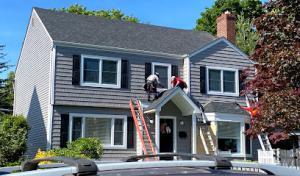
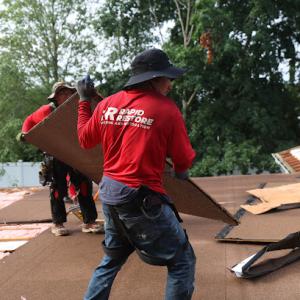
Getting a new roof or roof repair shouldn’t be a headache – that’s why at Rapid Roofing, we make it easy. As a roofing company built on trust, our expert roofer contractors deliver seamless roofing services with zero hassle and no shortcuts. Whether it’s routine maintenance or emergency roof repair, our residential and local roofers get the job done right – every time. We don’t just claim to be the best roofers, we prove it! From affordable roofing solutions to BBB-accredited roofing contractors, we’re the good roofing company homeowners rely on. A roofing business that stands behind its work, delivers results, and redefines what it means to hire top-rated roofers.
Citywide Roofing & Gutters
(516) 726-3212 www.citywideroofingny.com
Serving
4.8 from 46 reviews
We are a full-service roofing contractor specializing in residential and commercial roofing solutions. Our scope of work includes complete roof replacements, repairs, leak investigations, preventative maintenance, and roof inspections. We work with a variety of roofing systems such as modified bitumen, EPDM, asphalt shingles, and other flat and low-slope applications. Our team is committed to quality craftsmanship, safety, and project efficiency. We take pride in providing honest assessments, durable roofing solutions, and professional service from project planning through completion. Our goal is to protect our clients’ properties while delivering long-term value and peace of mind.
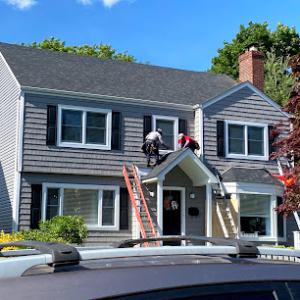
Responsible Remodeling
(516) 481-1723 www.responsibleremodeling.com
Serving
4.7 from 62 reviews
Responsible Remodeling provides roofing, siding, gutters, windows, doors, and decks to Baldwin, NY and surrounding areas.
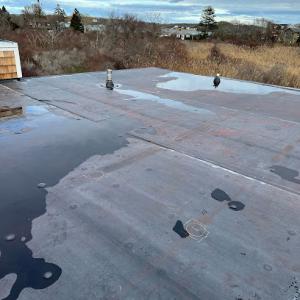
Roof Eval
Serving
5.0 from 23 reviews
Roof Eval delivers professional roof inspection services based in East Rockaway and serving the whole of Long Island. With a focus on Nassau County, Specially East Rockaway and other neighborhood areas such as Bay Park, Oceanside, Hewlett, Hewlett Harbor, and Lynbrook. We are Infrared Certified, NRCIA, and CCPIA certified, bringing top expertise to residential and commercial properties. Our inspections cover forensic analysis, leak-free assurance, installation oversight, building condition checks, leak detection, and solar panel evaluation. We also offer HVAC mapping, thermal imaging, and moisture scanning for complete roof health assessments. Scheduled your virtual or in person consultations now to insure your roofing safety with us.

John G Hubler & Sons
(516) 764-6437 johnghubler.com
Serving
4.8 from 68 reviews
Founded by John G. Hubler Sr. in 1973, we have over 45 years of experience. Our family is from Rockville Centre and we proudly operate our home office on North Park Avenue We strive to run a business that does truly care for our customers by offering professional service throughout every step of every project. Our team’s experience makes us the right choice for your home makeover. From full roof replacements to roof repairs, we are your local GAF Master Elite Roofer. Our family and roots are based in Rockville Centre, New York but our service area extends beyond the village. We are licensed in Nassau County, Suffolk County, Queens, and the Hamptons.
Integrity Remodeling Roofing & Siding
(516) 373-0095 integrityremodelingny.com
Serving
5.0 from 99 reviews
Integrity Remodeling Roofing & Siding in Long Beach, NY specializes in roof and siding replacement, residential roofing and siding services designed to protect homes from coastal weather and heavy winds common to the area. Our experienced team provides durable roofing and siding solutions that address salt air exposure, storm damage, and aging shingles while enhancing curb appeal and energy efficiency. From tear-offs to complete replacements, we ensure every roof and siding project is built for lasting performance and local conditions. Homeowners across Nassau rely on our trusted roofing and siding expertise for quality workmanship, honest communication, and professional results that stand the test of time.
All Island Renovators
(516) 232-5116 www.allislandrenovators.com
Serving
4.8 from 24 reviews
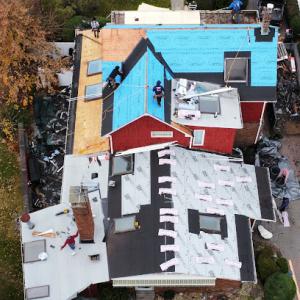
All Island Renovators is a family owned roofing and siding business. We have over 10+ years of experience. we specialize in residential roofs as well as flat roofs. Using only the best roofing brands there is on the market. We also do small roof leak repairs. Siding is also key to a beautiful house renovation. We use everything from vinyl siding, to azek trim and Hardie boards. Servicing all of Long Island NY.
Abraham Roofing
(516) 990-6548 www.abrahamroofing.com
Serving
4.7 from 112 reviews
Located at 23 Blake Ave in Lynbrook, Abraham Roofing serves Nassau County and Queens with over two decades of expert roofing and siding services. Specializing in roof replacement, repair, installation, and more, our certified team provides top-notch solutions for "roofing and siding companies near me" searches. From tackling "roof leak repair long island" to "vinyl siding installation," we emphasize quality, safety, and customer satisfaction. As a GAF Master Elite® Contractor, we offer exceptional roof service repair and leader system installations. For prompt and professional "roofing in New York," choose Abraham Roofing—where your needs always come first.
Island Roofing
(516) 303-7663 www.islandroofingus.com
Serving
5.0 from 190 reviews
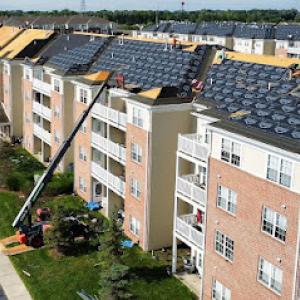
With over 25 years of proven expertise, Island Roofing is a roofing company delivering top-tier solutions for commercial, industrial, and residential projects. We serve Long Island, New York, and 30 other states in the Eastern U.S. As a reliable roofing contractor, we’re known for our use of top-grade materials, expert craftsmanship, and honest service. We handle it all, from residential roofing, commercial roofing, multi-family roofing, and preventative roof maintenance to leak repairs and emergency service. We also provide gutter installation, gutter cleaning, and gutter maintenance, all with precision and care. What sets us apart is our commitment to customer satisfaction and our relentless focus on excellence in everything we do.
Strong Island Seamless Gutters
(347) 729-9020 strongislandexteriors.com
Serving
4.9 from 43 reviews
Strong Island Seamless Gutters is Long Island’s trusted contractor for roofing, siding, and seamless gutter systems. With over 20 years of hands-on experience, we deliver high-quality craftsmanship, durable materials, and dependable service on every project. We specialize in roof replacements and repairs, vinyl siding installation, and 5” & 6” seamless aluminum gutters, including soffit, fascia, and custom trim work. From small repairs to full exterior upgrades, we work directly with homeowners to ensure every job is completed on time, on budget, and built to last. Proudly serving Nassau and Suffolk County, Strong Island Seamless Gutters is built on strong work, strong values, and long-lasting results. 📞 Call for a free estimate.
Royal Roofing & Siding - Long Island
(516) 252-3001 www.gafroofinglongisland.com
Serving
5.0 from 26 reviews
Royal Roofing Long Island, a division of Royal Renovators, provides reliable roofing and exterior services to homeowners and businesses across Nassau and Suffolk County. Our licensed and insured team specializes in roof replacement, flat and shingle roofing, leak repair, siding, gutters, and 24/7 emergency roof service. Backed by one of NYC’s most respected roofing companies, we bring trusted craftsmanship, transparent pricing, and lasting results to Long Island properties. Our mission is to protect homes and businesses with quality roofing built to last. Trust Royal to ensure complete customer satisfaction. Call Royal today for a free estimate!
Mk Best Roofing
(516) 615-1791 mkbestroofing.com
Serving
4.9 from 57 reviews
MK Best Roofing is a trusted GAF certified roofing company based in Roosevelt, NY. Since 1998, we have proudly served all of Long Island, especially Nassau County, along with nearby neighborhoods such as Merrick, North Merrick, South Hempstead, Freeport, and Uniondale. Whether residential or commercial, we handle every roofing need such as installation, repair, maintenance, and replacement. Our roofing options range from metal, flat, and shingle to solar and cedar roofs. We are also specialize in providing professional siding and gutter installation for your house. All of our work is fully licensed, insured, and backed with 100% financing options. LICENSED & INSURED
Late spring through early fall is typically the preferred installation window in Oceanside because Long Island's cold-season freeze-thaw pattern can interfere with replacement timing and sealing performance. That window aligns with more predictable drying conditions, steadier temperatures, and fewer freeze-thaw cycles that could compromise underlayment, shingle sealing, and flashing work. Planning work to hit that window helps crews complete tear-offs, installs, and resealing before the next winter cycle.
Spring rains on the South Shore increase moisture risk and stop-start scheduling, which matters for tear-offs and underlayment exposure. If a roof lives with exposed decking on a rainy day, compromised underlayment can trap moisture and invite edge rot or mold. The practical approach is to stage tear-offs for a clear spell; avoid leaving open decking during forecasted wet periods. If a storm rolls in mid-project, be prepared to tarp and pause rather than press ahead to keep flashing and nail seals from leaking. In Oceanside, coastal humidity can magnify small leaks quickly, so tradespeople should verify that roof-to-wall transitions are fully sealed once rain subsides and the deck has dried.
Summer heat and humidity in coastal Nassau County can slow crews and affect material handling even when the calendar looks favorable. Asphalt shingles can expand when it's hot, while metal and tile systems may require additional bracing or temporary heat-aware placement to prevent warping. Humidity can slow adhesive cures and sealant performance, so crews often adjust application times to cooler parts of the day and schedule more frequent checks for moisture buildup behind vent collars and dormer valleys. If a project runs long into a hot stretch, ensure ample ventilation in attic spaces during work breaks to prevent worker overheating and to protect interior components from rapid temperature swings.
Coordinate near-term weather forecasts with crew lead times, aiming for two to three contiguous dry days for roof work. For tear-offs, confirm that the existing roof is structurally sound enough to support a rapid, continuous removal and deck inspection. When rain is likely within a project window, consider a plan B that prioritizes tasks less exposed to moisture-such as flashing inspection, drip edge replacement, and insulation checks-so that critical sealing work can resume promptly after a lull. For coastal homes with salt-air exposure, emphasize corrosion-resistant fasteners and flashing along the ridge and hips, and confirm that the contractor will flush and reseal any ventilation terminations once the roof layer is in place.
Clear, pre-event communication with the contractor keeps timing tight during Oceanside's unique weather cycles. Confirm the target installation day range within late spring to early fall and have contingency dates for a week of unsettled weather. Ensure crews bring storage tarps and wind-approved fasteners to manage sudden gusts typical of coastal settings. When the sea breeze picks up and moisture rises, a quick check of attic-driven humidity indicators helps determine if interior zones are staying dry enough to prevent mold risk during the project. A well-planned sequence reduces exposure time for underlayment and deck, minimizes the chance of early-seal vulnerabilities, and keeps the project moving toward a durable, weather-ready finish.
A full roof replacement in Oceanside typically requires a permit through the Town of Hempstead Buildings Department rather than a city-run building office. Before any material is ordered or work begins, you or your contractor should file the permit application with the town and confirm which documents are required for plan review. The town's process is designed to ensure that the project aligns with local storm and wind standards, which is especially important for coastal sites that face frequent wind-driven rain and freeze-thaw cycles. Expect to establish who is the primary contractor, the project scope, and the expected completion timeline up front so the plan review can move smoothly.
The local process commonly requires proof that the contractor is properly licensed and that debris disposal will be handled correctly before approval moves forward. Have your contractor provide current license information, bonding, and a clear method for on-site refuse containment and removal. The town will want to see that debris from the replacement, including old shingles, underlayment, and any damaged roof components, will be disposed of in accordance with waste-management rules. If temporary protections or containment are proposed for storm-season windows, include those details in the submission to avoid delays.
Inspections are generally staged through rough and final sign-offs, and some scheduling availability depends on specific inspection days, which can affect project sequencing. The rough-in inspection typically occurs after roofing components are installed but before shingles or tiles are fastened in place. The final inspection confirms that all work complies with code, including flashing details, venting, and drainage. In coastal Oceanside, inspection scheduling can hinge on weather windows and the town's posted inspection calendars, so plan for potential pauses if a major weather event occurs or if an inspection slot is not immediately available. It helps to coordinate with your contractor to align the critical milestones with the town's inspection days to prevent backlogs.
Begin by contacting the Town of Hempstead Buildings Department to obtain the current checklist and any fee schedules. Prepare to supply licensed contractor details, a project description, and debris-management plans. Once the permit is approved, keep all approval numbers and inspection dates accessible on site, and post them where the crew can reference them. If any changes to the scope arise during work, promptly resubmit amendments for town review to avoid triggering additional delays.
Asphalt shingles remain the dominant practical choice in Oceanside, but the local market also supports metal, tile, slate, and copper on higher-end or architecturally distinctive homes across Nassau County's South Shore. For most residential re-roofs, asphalt shingles offer a balanced blend of cost, ease of installation, and local wind performance. If a homeowner is aiming for a traditional look with dependable protection against coastal humidity and salt air, shingles are typically the default path.
In this market, asphalt shingles run roughly from 350 to 700 USD per square installed, depending on quality and warranty. Metal roofing sits higher, about 600 to 1,100 USD per square, and can be a favorable long-term choice for homes with strong wind exposure or future energy savings. Heavier systems are available locally but come with added labor and handling requirements; clay tile ranges roughly 900 to 1,800 USD per square, concrete tile 800 to 1,500 USD per square, slate 1,200 to 2,600 USD per square, and copper roofing 1,800 to 4,800 USD per square. The coastal setting and freeze-thaw winters can influence material longevity and roof deck considerations, especially for lighter or more fragile tile options.
Costs in Oceanside can rise when storm demand tightens contractor schedules, when permit processing stretches timelines, and when coastal-weather planning requires tighter staging and protection. If a coastal storm or nor'easter hits during project windows, crews may need to devote additional time to water protection, temporary coverings, and secure staging zones, which translates into higher labor hours and sometimes expedited crew shifts. When choosing a material, you'll want to weigh the upfront material premium against potential storm-season delays and the practical longevity benefits under salt-air exposure.
Heavier systems such as clay tile, concrete tile, slate, and copper are available locally but can carry added labor and handling complexity compared with standard shingle re-roofing in this market. For coastal homes with higher wind loads or more fragile roof decks, metal and certain higher-end shingle options may provide better resistance to wind-driven rain and faster installation timelines. If aesthetics drive the project, consider how tile or slate complements the home's architecture while acknowledging the potential for longer installation times and staging needs during busy storm seasons.
In this town, flat-roof work isn't an afterthought. The Oceanside-area contractor market shows clear demand beyond the familiar steep-slope shingle projects, and that specialization matters. When choosing a crew, expect teams that advertise flat-roof and low-slope expertise, not just a quick add-on to a standard residential lineup. That focus can translate into better detailing around edge drains, parapets, and interface with porches or additions, but it also means you'll be facing a market where performance hinges on experience with low-slope nuance rather than a generic roofing toolkit.
Long Island summers bring heat, humidity, and frequent rain interruptions, and low-slope sections carry the highest risk if drainage is compromised. Look for roof assemblies that deliberately address ponding potential and prove durable overflow paths for continued summer downpours. The consequence of neglect is not only localized leaks but accelerated deck and substrate rot, which can propagate into framing if ignored over multiple seasons. In practice, that means emphasizing reliable slope, properly placed scuppers or internal drains, and consistent edge detailing to keep moisture moving off the surface rather than pooling near seams or transitions.
Local firms that advertise commercial projects often bring flat-roof experience that benefits homes with porches, additions, or low-slope rear sections. That breadth can be a strength, offering more aggressive flashing strategies and longer-term performance review. But it also invites variability: some crews may treat residential flat roofs as lighter-duty jobs, while others bring heavy-duty waterproofing mindset. When choosing a contractor, ask for specifics about completed residential low-slope projects, the type of membranes favored for humid coastal conditions, and how they address root causes of past failures typical to coastal environments.
Inspect parapets for proper cap flashing and seamless transitions where the roof meets vertical elements. Check for evidence of membrane deterioration around HVAC curbs, skylights, and penetrations common on rear flat sections. Ensure every seam and transition receives a robust sealant plan that accounts for salt-air exposure, wind-driven moisture, and freeze-thaw cycles. In this Coastal Long Island setting, a cautious, detail-focused approach to flat-roof maintenance and repair can prevent cascading damage that sneaks up between cycles of rain.
Find specialists in TPO, EPDM, and built-up flat roofing systems for residential and commercial properties.
In Oceanside, winters bring repeated freeze-thaw cycles that push and pull at vulnerable roof details, especially at roof-to-wall transitions, chimneys, and vent flashing. Over time, cycle-induced microcracks can develop in sealants and joints, allowing moisture to migrate under shingles, tiles, or metal flashing. Asphalt shingles may show accelerated granule loss at ridges and edges after multiple freezes, while standing-seam metal roofs can develop loose fasteners or seam cap deformation if screws and clips have been stressed by thawing and refreezing. The key is to inspect transitions annually after winter storms and prior to the heavy spring rain, focusing on any looseness, lifting edges, or dark staining that suggests moisture intrusion.
The humid, salt-air environment on the South Shore attacks exposed metal components and flashing more aggressively than inland Nassau locations. Flashing around chimneys, skylights, and roof-to-wall connections often bears the brunt of corrosion, which can lead to slow leaks even before a dramatic storm. Look for corrosion spots, white or green oxidation on metal, and any softened or blistered sealant lines. Gutters and drip edges can accumulate salt-laden debris that traps moisture against the underlayment. When performing a midseason check, pay close attention to areas where metal meets other materials, such as step flashing against masonry or siding, and consider upgrading to corrosion-resistant alloys where appropriate.
The local material mix ranges from common asphalt shingles to premium slate and copper, so failure patterns vary by roof type. Asphalt shingles tend to wear at the nose lines and around penetrations, with increased risk of granule loss after long wet seasons. Metal roofs experience paint and coating degradation and fastener fatigue, particularly on exposed ridges and near overhangs. Clay and concrete tiles are prone to cracks from freeze-thaw stress at corners and edges, while slate shows high impact sensitivity at nails and rock edges. Copper, though durable, can develop verdigris and seam wear in salt air, potentially increasing the chance of micro-leaks if flashing details aren't thoroughly maintained. Regular, detail-focused inspections that match the roof type will catch problems earlier and reduce escalation during coastal storm seasons.
Coastal storms bring wind-driven rain and flying debris that can exploit minor lapses in flashing, sealant, and edge protection. After a storm, check for lifted shingles, displaced tiles, or loose flashing in exposed exposures. On slate or tile roofs, inspect for hairline cracks that may propagate under subsequent freeze-thaw events. For copper or metal roofs, inspect seam lines and fastener seals for any signs of movement or corrosion. Because the mix includes premium options, ensure that any repair approach respects the original installation method and material behavior, preserving the roof's long-term performance in this climate.
Skylight repair is a common specialty among local contractors, and that recurring focus matters for you. In the coastal pattern of Oceanside, penetrations and flashing details are a frequent homeowner concern because salt-air exposure and seasonal humidity can push existing gaps into leaks faster than you expect. A small sign on a windy day can become a bigger issue if left unchecked.
Chimney-related work is also heavily represented among local crews, matching the leak-prone roof-to-masonry intersections found on older Long Island housing stock. When the roofline meets brick or stone, even a solid cap can fail after years of freeze-thaw cycles and salt spray. Expect that flashing, mortar joints, and crown detailing will need careful attention as part of any skylight or vent project.
Wind-driven rain during coastal storms changes the game. Calm-weather leaks rarely tell the full story, but a sustained gust can expose weaknesses at skylights, chimneys, and other penetrations in a matter of minutes. If you notice damp patches after a storm or hear dripping when the wind howls, the culprit is often a compromised flashing or a poorly sealed penetration-points that can deteriorate quickly in this climate.
In practical terms, treat skylight and chimney penetrations as a paired risk. Have a trusted local contractor perform a targeted inspection after major storms, focusing on flashing integrity, sealant aging, and the effectiveness of any drainage paths around the openings. If repairs are needed, prioritize fixes that restore continuous, weather-tight transitions from roof to masonry and from skylight curb to roof surface, not just surface-level patching.
Find contractors experienced in skylight installation, flashing, and leak repairs to bring natural light into your home.
Rapid Roofing
(631) 801-4827 www.rapidrestoreny.com
2949 Long Beach Rd 2nd floor, Suite 7, Oceanside, New York
5.0 from 81 reviews
Integrity Remodeling Roofing & Siding
(516) 373-0095 integrityremodelingny.com
Serving
5.0 from 99 reviews
Long Island's wind and hail claim environment means Oceanside homeowners should expect insurers to scrutinize roof condition, maintenance history, and storm timing more closely than in lower-claim regions. In practical terms, a claim can hinge on whether ordinary wear and tear is evident, whether the roof showed signs of aging before the last storm, and whether the loss coincided with a documented event rather than a slow leak hiding for months. The coastal exposure puts roofs under extra stress from salt air, repeated freeze-thaw cycles, and brisk Atlantic winds, making the insurer's review more rigorous.
Carriers may ask for detailed roof photos, wind-mitigation information, and proof that permits and licensed contractors were used on replacement work in coastal parts of the market. You should have a clear record of the roof's age, the last major service, and any repairs done after prior events. When a storm hits, timing matters: if work was completed in the wake of a claim window, insurers may examine the sequence and whether repairs were performed to a code-appropriate standard. Keep dated photographs from before and after each major wind event, and organize contractor records in a single file you can share quickly.
Because some insurers have adjusted pricing or product availability over time in coastal areas, Oceanside homeowners often need to think about insurability alongside material choice and replacement timing. If a carrier tightens underwriting, be prepared to demonstrate ongoing maintenance, suitable wind resistance, and a proven track record of compliant workmanship. Being proactive about documenting protection measures and contractor credentials can influence both coverage options and how smoothly a claim moves through adjuster reviews.
In this shoreline cluster, storms move fast and debris can pile up quickly on driveways and gutters. The market emphasizes crews that can mobilize promptly, handle cleanup as part of the package, and manage a re-roofing project without dragging out the timeline. When a storm hits, you'll want a crew that can stage on short notice, protect landscaping, and keep neighborhoods from becoming a long-running construction zone. Local homeowners value crews that arrive with a prepped plan for rapid tarping, debris containment, and solid waste removal as standard practice.
Long-established and family-owned firms are common in this Nassau County pocket, and tenure translates to accountability and local cadence. A firm with a multi-generational presence often understands the salt-air effects on decking, underlayment, and flashing, and can recommend board-friendly materials that hold up under recurring coastal winds. Look for a local ledger of projects that includes similar house styles-sloped asphalt, metal, or low-profile tile-as these indicate familiarity with Oceanside homes' common configurations and access needs for ladders and staging.
During a quote meeting, prioritize questions that reveal practical experience with coastal conditions. Ask whether crews carry portable containment and on-site cleanup tools, how they protect landscaping and driveways, and their plan for minimizing sampling or disruption to neighbors. Seek specifics on installation sequences tailored for salt-laden air, and whether the crew includes a supervising foreman who will be present during key operations. Clarify whether the contractor can provide references from nearby streets with similar exposure and roofing materials.
Because timing and reliability are top concerns, prefer firms that present a clear calendar, a defined start date, and a realistic site-access plan. Verify that they allocate sufficient crew members for safer, faster project completion, especially after storms when property access may be limited. In the end, a locally trusted team with a track record of cleanup efficiency and re-roofing know-how provides the most predictable, neighbor-friendly experience for a Oceanside home.
Get a clear picture of your project costs upfront - no commitment required.
Rapid Roofing
(631) 801-4827 www.rapidrestoreny.com
2949 Long Beach Rd 2nd floor, Suite 7, Oceanside, New York
5.0 from 81 reviews

Royal Roofing & Siding - Long Island
(516) 252-3001 www.gafroofinglongisland.com
Serving
5.0 from 26 reviews