Last updated: Apr 19, 2026
Spring thunderstorms with hail and high winds are a major local scheduling disruptor and a common trigger for urgent roof repairs in Brunswick. When a storm hits, the clock starts ticking on your roof's ability to keep water out and your home's structure safe. Hail can leave behind subtle dents and granule loss that lenders and adjusters scrutinize closely, while wind can lift flashing and loosen shingles in minutes. The risk isn't theoretical: a fast-moving storm can turn a minor shingle lift into a full-on leak before a homeowner even notices.
After a hail event, inspect visually from ground level and then closer if you can safely access the attic or a ladder. Look for soft dents on shingles, granule loss in gutters or downspouts, or new dark spots that indicate moisture intrusion. High winds can peel back roof edges, uplift fasteners, or peel flashing away from chimneys, vents, and skylights. In the attic, check for new drip lines or damp spots on the underside of decking. If any of these signs exist, treat the situation as urgent and document thoroughly. Local claim reviews specifically concentrate on hail resistance and wind uplift, so capturing the extent of impact matters.
In this market, insurers commonly request detailed documentation, contractor estimates, and both pre- and post-storm photos. Start compiling immediately: photograph damaged shingles up close, capture roof edge conditions, and record any missing or displaced flashing. Maintain a simple log of when you noticed issues, the storm date, and any temporary measures you've taken to prevent water intrusion. Take wide-angle exterior shots that show the roof's overall condition and close-ups of affected areas. File these images with the claim and keep copies for your records. If a contractor provides an estimate, ensure it itemizes underlayment, ventilation, flashing, and roof deck repair or replacement-adjusters often compare this specificity against the scope of loss.
Storm timing in this area is brutal on scheduling: spring hail and wind events disrupt appointments, push back inspections, and compress repair windows. The best approach is to initiate the claim promptly, but plan for potential weather gaps. If a contractor identifies damage beyond an initial assessment, be prepared to adjust the scope to include full replacement or targeted repairs around the most vulnerable areas. Proactive triage-prioritizing leaks, deck damage from ice, and wind-driven blow-off risk-helps prevent secondary issues like attic mold or ceiling staining that complicate claims later.
Look for local experience with both storm-specific damage and the city's high scrutiny on tear-off, underlayment, ventilation, flashing, and nailing on full replacements. Ask about adherence to standard detailing-especially at fascia lines, chimney flashing, and vent collars-and request recent customer references within the area. A strong contractor will help you assemble the necessary documentation, provide a detailed, line-item estimate, and coordinate pre- and post-storm photo packages for the insurer. Their guidance on roof edges, shingle type, and wind-rated components should align with the claim's emphasis on hail resistance and wind uplift performance. The goal is a repair or replacement that not only restores protection but stands up to the next spring storm without repeated visits.
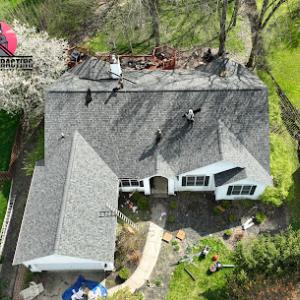
Cure Contracting
(330) 880-6627 www.curecontractingllc.com
Brunswick, Ohio
5.0 from 21 reviews
Damaged roofs, aging siding, and worn-out exteriors leave your property vulnerable to the elements. At Cure Contracting, we are a construction company in Akron, OH, specializing in roofing services and siding installation to enhance both durability and curb appeal. Whether your home needs a new roof, updated siding, or exterior services, we’re here to deliver high-quality craftsmanship.
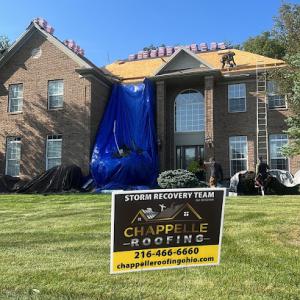
Chappelle Roofing
(330) 558-1036 chappelleroofingohio.com
1638 Diana Dr, Brunswick, Ohio
4.6 from 58 reviews
Chapelle Roofing is a licensed and established roofing company located in Brunswick, OH. As a trusted roofing contractor, we offer a wide variety of high-quality roofing services that include commercial and residential roofing, roofing repair, roof replacement and installation, storm roof repair, shingle, tile, and metal roofing. It means you can rely on our roofing team for any issue you may have and for all roofing projects that you have in mind. We are here to keep you safe and protected, so don’t hesitate to contact us today and schedule a free estimate! You can count on us at any time!
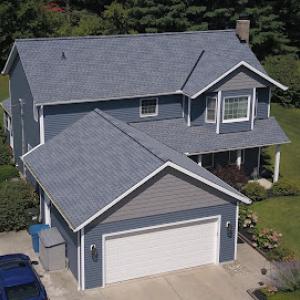
One Time Construction
(330) 220-5000 1timeconstruction.com
1460 W 130th St suite b, Brunswick, Ohio
4.7 from 40 reviews
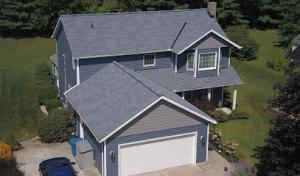
Choosing One Time Construction assures that you are dealing with an expert and dependable professional roofing, siding and window contractor. Our company has earned CertainTeed Select ShingleMaster and Owens Corning Preferred Contractor credentials. We also have an A Plus rating with the BBB. Check our reviews! Let us help you compare home improvement companies, proper installation, quality of materials and manufacturer’s warranties. We’ll explain and demonstrate the differences; you’ll gain the facts needed to make a confident, informed choice that pleases your style and budget. Locally owned and operated. Our staff has the expertise to work with your insurance company to be sure you get the correct reimbursement for storm damage.
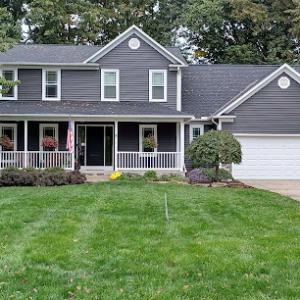
Roofing Nation
4904 Orchard Dr, Brunswick, Ohio
5.0 from 15 reviews
Since 1996, Roofing Nation has been proudly serving the greater Cleveland metropolitan and Northeast Ohio area including Lorain, Cuyahoga, Medina, Summit, Portage, Geauga and Lake counties. We specialize in residential single-family and multi-family roof replacements. Our team handles all small commercial roofing repairs and installations such as apartments and office buildings. We use premium vinyl and composite siding products manufactured by Alside, including Odyssey, Charter Oak and Alside Ascend composite siding. Our installation includes the full line of energy-efficient vinyl replacement windows and patio doors manufactured by Alside.
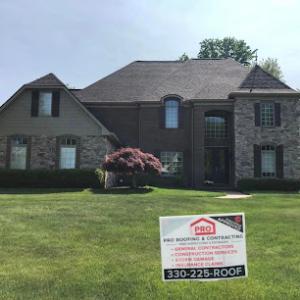
Pro Roofing & Contracting
4014 Center Rd, Brunswick, Ohio
4.4 from 14 reviews
Pro Roofing & Contracting provides 24/7 residential roofing and emergency roofing services to Northeast Ohio.
M&B Roof & Exteriors
696 N Carpenter Rd, Brunswick, Ohio
5.0 from 2 reviews
Do you want a roof, siding or windows? Well M&B Exteriors has you covered. We specialize in bringing your outdoor project to life. From complete and total tear off and replacements to new installations and repairs. We have your best interest in mind at all times! Give us a call and let us make your project a reality.
Buckeye State Roofing
(330) 421-0271 www.buckeyestateroofing.com
Serving
4.9 from 289 reviews
Buckeye State Roofing is Northeast Ohio’s trusted roofing company, known for quality, honesty, and lasting results. As a local roofing contractor, we specialize in expert roof repair, roof replacementt, and new installations built to handle Ohio’s tough weather. Our friendly, experienced team focuses on craftsmanship and clear communication every step of the way. Whether you need a small fix or a full replacement, you can count on us for reliable service, long-term protection, and a roof that’s built to last.
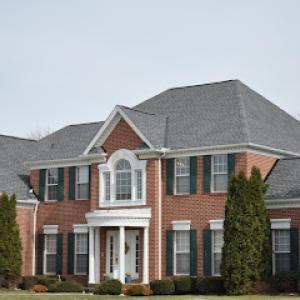
Priebe Roofing
(330) 273-2700 prieberoofing.com
Serving
4.0 from 42 reviews
The Priebe family is proud to have served the Brunswick, Medina, Cleveland and Northeast Ohio area for over 50 years, since 1956. For two generations we have offered excellent service and a commitment to quality for all our customers. Buying a new roof or having your roof repaired is an important investment and deserves a professional roofing company. We are trusted, committed to safety, insured and experienced to carry out the largest roofing projects. Priebe Roofing and Remodeling offers a full line of residential and commercial roofing services plus, gutters, siding, leaf guards, and roofing ventilation systems. We are authorized to offer extended warranties that other companies cannot. Contact us today for a free quote.
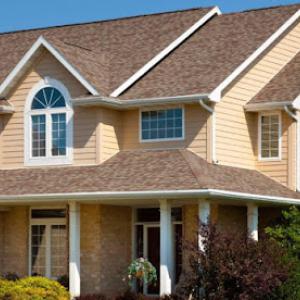
CLE Roofing & Siding
(216) 369-6960 cleroofandsiding.com
Serving
4.7 from 63 reviews
CLE Roofing and Siding in Strongsville, OH provides professional roofing replacement and exterior services tailored to Northeast Ohio homeowners. Our experienced roofers specialize in tear-offs, re-roofs, and new installations that stand up to local challenges like heavy lake-effect snow, high winds, and seasonal rainstorms. We also repair storm damage, address leaks, and replace worn shingles to restore lasting protection and curb appeal. With a focus on quality workmanship and responsive service, we help Strongsville residents protect their homes year-round. CLE Roofing and Siding is licensed, insured, and trusted as experienced roofing contractors serving communities across Greater Cleveland.
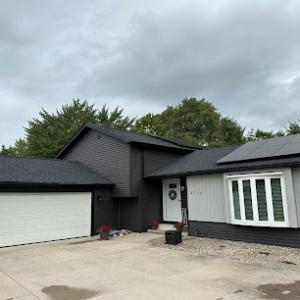
Expert Renovations
(440) 745-5933 expertrenovationsllc.com
Serving
5.0 from 32 reviews
Looking for a trusted roofing and siding contractor in Northeast Ohio? Expert Renovations provides professional roof repair, roof replacement, siding services, and gutter installation for homeowners throughout the Cleveland and Akron/Canton regions. ✔ All Jobs Done In-House (No Subcontractors) ✔ Locally owned and operated in Northeast Ohio ✔ Licensed and insured roofing contractors ✔ Fast response for storm damage and insurance claims ✔ Honest pricing and expert craftsmanship ✔ Serving homeowners across Cleveland, Akron, and surrounding areas
Tri County Roof Cleaners / TRT Power Washing
(330) 631-5827 tricountyroofcleaners.com
Serving
4.9 from 97 reviews
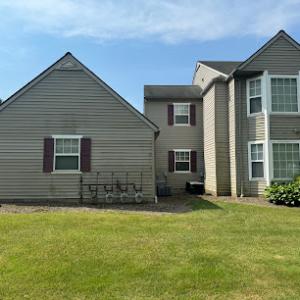
TRT Power Washing (formally know as) Tri County Roof Cleaners is your soft wash specialists! We offer a variety of cleaning services including but not limited to removing black algae, moss, and lichens using a non-pressure, soft wash system. In business since 2008, we are experienced in multiple roof surfaces. We also offer house cleaning (either using pressure or a soft wash), oxidation removal, spot/streak-free window cleaning, gutter brightening / whitening, surface concrete cleaning, cement sealing, wood fence/deck restoration, and more much
Choice One Restoration
(330) 688-7663 www.choice1restoration.com
Serving
4.9 from 99 reviews
Northeast Ohio's Local Roofing Experts. Ranging from Free inspections & estimates on your old roof, to dealing with storm damage from wind & hail, Choice 1 Restoration is your one stop shop to tackle your roofing needs! 330-688-ROOF
Brunswick experiences cold winters with snow and thaw cycles that repeatedly wet and re-freeze roof systems, accelerating wear compared with milder Ohio locations. That pattern cans surfaces in a way that hides damage until a larger failure appears. Shingles that look fine from the street may be bowing, cupping, or lifting at the edges after a few cycles, especially where flashing meets the ledger and chimney. Keep an eye on granule loss in test areas on the southeast and southwest slopes, where sun and wind expose the asphalt mat to faster aging. In plain terms: the same spot on the roof can be sound after a dry spell and then suddenly vulnerable after a few days of thaw and freeze.
Warm, humid summers in Brunswick add moisture stress after winter cycling, influencing shingle aging and the timing of replacement decisions. Humidity combined with thermal cycling makes underlayment and ventilation work harder to dry and dry out the interior attic space. Look for persistent damp attic odors, higher than usual condensation on the underside of decking, or staining near penetrations. If shingles have lost their protective coastal-like granules or show a chalky fade in the exposed surface, early aging signs may be underway. The goal is to separate normal weathering from active system deterioration that signals a replacement window rather than cosmetic fixes.
Seasonal access is a real local issue because winter snow and freezing temperatures can slow roofing work and limit safe tear-off windows. When cold spells lock in, contractors may delay roof removals, and tarps or temporary protection may be the best short-term solution to keep water out. Spring ground conditions can muddy access points, restricting heavy equipment movement and storage. If you anticipate needing a full tear-off, plan in late spring or early summer when days are longer and temperatures more predictable, but still be mindful of summer storms that can interrupt progress. For active repairs, coordinate with neighbors to minimize blockages and ensure material deliveries can reach the job site on clear days.
Because damage from hail and wind can appear suddenly after a hailstorm or a strong gust, keep a post-storm checklist close at hand. Inspect for lifted tabs, bruised granules, or nail pops near the rake edges and valleys. Look for moisture streaks in the attic after a heavy rain, particularly around penetrations and joints. If early signs surface, address them promptly rather than waiting for a scheduled replacement window. In many Brunswick homes, the best strategy is to build a diagnostic plan that aligns storm-season awareness with the freeze-thaw pattern, so a qualified contractor can verify whether the roof simply needs targeted repairs or a full replacement when the weather permits.
The most popular roofing material in the US. Find pros who install, repair, and replace asphalt shingles.
One Time Construction
(330) 220-5000 1timeconstruction.com
1460 W 130th St suite b, Brunswick, Ohio
4.7 from 40 reviews

Asphalt shingles dominate Brunswick, and that reality shapes how homeowners experience granule loss, seal strip fatigue, and age-related replacement timing. The local freeze-thaw cycles stress shingles that have seen many winters, so you'll notice granules washing away after heavy storms and one-too-many cycles of wet-snow melt. In routine inspections, focus on checking for bald patches, exposed underlayment, and softened edges near gutters and vents. If your roof shows multiple damaged areas, consider whether a full replacement or staged repairs fits best with the seasonal constraints and the city's typical winter weather.
Metal is a meaningful local specialty and is often considered by homeowners seeking improved performance through snow, thaw cycles, and wind events. In Brunswick winters, metal can shed sliding snow more predictably and resist impact from hail better than some lighter options. It also holds up well against strong gusts that sweep across Medina County. When evaluating metal, pay attention to the quality of flashing, panel seams, and fastener corrosion potential in areas with salt exposure or driving wind from open exposures. A properly installed metal roof can reduce the risk of water intrusion during rapid thaw cycles, but edge details and roof-to-wall transitions must be carefully engineered to avoid leaks.
Higher-end materials exist in the market, yet they are less common and can complicate sourcing, crew skill needs, and repair matching locally. Slate and clay tile offer exceptional longevity, but their weight demands structural assessment and precise fastening to withstand Brunswick's wind and freeze-thaw patterns. Wood shakes provide a distinct aesthetic but require vigilant moisture management and regular treatment to resist rot in wet springs. Synthetic products can mimic the look of natural materials with sometimes easier installation, yet local repairs may still hinge on finding compatible profiles and color-matching materials. If considering these options, confer early with a contractor about local supply chains, potential lead times, and the availability of matching replacement pieces for future repairs.
Your climate makes timely inspections after hail, wind events, or rapid freeze-thaw transitions crucial for any roof type. For most homes in town, asphalt shingles remain the practical baseline due to availability and repair practicality, but metal can be a strong upgrade for wind-prone or heavily snow-accumulated sites. If considering premium materials, plan for longer lead times and ensure the crew has proven experience with the specific product and with local weather considerations. Either way, prioritize ventilation, proper underlayment, and precise nailing patterns during installation to protect against Brunswick's typical seasonal stresses.
A full roof replacement in Brunswick requires a permit through the City of Brunswick Building Department. The process ensures tear-off, underlayment, ventilation, flashing, and nailing patterns meet local standards and the city's expectations after a harsh winter and spring wind events. Before any hammering starts, your contractor should confirm the permit path and have the project address ready for the city portal or in-person submission. This step protects you from delays and possible violations when the job is near a property line or a historic district setback.
For standard re-roof projects in Brunswick, the contractor typically files the permit, and plan review is usually not required. That said, it is still crucial to have clear documentation on the proposed underlayment type, roof venting plan, and flashing details. If the contractor encounters a local nuance-such as a nearby alley setback or a shared gutter system-the city may request a quick plan check or notes confirming compliance with nailing patterns. Being proactive about these details helps prevent unnecessary back-and-forth with the Building Department.
Inspections in this area commonly occur after tear-off and underlayment, and again at final completion. The first inspection checks that the deck is clean and the underlying structure is sound, that underlayment is properly installed, and that ventilation provisions are in place to handle Medina County's freeze-thaw cycles. The second, final inspection focuses on how flashing integrates with walls, penetrations, and chimneys, plus the accuracy of nail patterns and shingle alignment. If the inspector notes any missing documentation, or gaps in ventilation or flashing, a re-inspection will be triggered. Plan to have your contractor present for both inspections and ensure all required photos, product certifications, and permit details are on site or readily accessible.
Keep a centralized folder with permit numbers, inspection dates, and corrective actions if any corrections were requested. Since hail and wind can lead to insurance questions after a replacement, having complete, organized permit and inspection records helps with claims documentation and future property disclosures. If a weather delay pushes a project past a permit expiration date, coordinate with the Building Department promptly to avoid renewal fees or re-issuance delays. Remember, missing or incomplete paperwork is the most common cause of re-inspection in this city.
When you're budgeting a full replacement, the rough brackets you'll encounter in this area line up with the local housing mix and climate. Asphalt shingles run about 350 to 650 per square, which is a common starting point for many Brunswick homes. If you're choosing metal, plan for roughly 650 to 1200 per square. Clay tile sits higher, typically 1100 to 2300 per square, and wood shingles or shakes usually fall in the 450 to 900 range. Synthetic or composite shingles come in around 350 to 700 per square, and slate commonly lands between 1400 and 3200 per square. These ranges reflect the mix of older and newer homes in town, as well as the winter testing they endure and the spring storm activity that can drive the need for upgrades.
Brunswick sees periodic spikes in demand after hail and strong winds, which tighten contractor availability and can push both pricing and scheduling higher for full replacements and urgent repairs. In the days and weeks after a significant storm, you may find shorter timelines and busier crews, especially if a crew is juggling multiple nearby projects. If you're aiming for a spring or summer replacement after a damaging event, factor in potential lead times for materials and labor, and plan for a quick decision window so you're not left with weather-delayed delays when the next round of storms rolls through.
Costs in Brunswick can rise when corrections to ventilation, flashing, or nailing are required to satisfy inspection checkpoints. These systems matter for long-term performance, especially given Medina County's freeze-thaw cycles, which stress underlayment and flashing the most. If a contractor encounters moisture pockets, improper nail patterns, or inadequate roof ventilation, they'll need to address those issues to pass post-work checks. That work adds to material and labor hours, and can push the project past the initial quote.
Start with a clear plan for your replacement window that considers the typical storm cadence and the potential for busy times after a hail event. Have your chosen shingle type pinned down, and discuss potential upgrade paths (such as improved ventilation or upgraded flashing) upfront so you're not rewinding work later. When you receive quotes, ask for a breakdown of material costs, labor, and any anticipated corrections tied to ventilation, flashing, or nailing. That transparency helps you compare apples to apples across Brunswick options and weather the storm-driven swings in schedule and price.
Get a clear picture of your project costs upfront - no commitment required.
Chappelle Roofing
(330) 558-1036 chappelleroofingohio.com
1638 Diana Dr, Brunswick, Ohio
4.6 from 58 reviews
One Time Construction
(330) 220-5000 1timeconstruction.com
1460 W 130th St suite b, Brunswick, Ohio
4.7 from 40 reviews
Brunswick sits in an Ohio insurance environment with standard recurring hail and wind claim activity rather than a low-claim roofing market. That reality shapes how claims are evaluated and how quickly decisions move. If a storm hits, expect adjusters to compare new damage to the roof's existing condition. Being prepared with clear documentation helps you tell a precise story about what was caused by a weather event versus what is typical wear.
Because adjusters may ask for pre-loss and post-storm photos, Brunswick homeowners benefit from documenting roof condition before spring storm season and again immediately after events. Start a simple folder or photo log that captures shingles, flashing, vents, and any visible sag or curling. Store these images with dates and weather notes. When a hail or wind event occurs, snap fresh images from multiple angles and keep copies off-site. This practice reduces gray areas for the insurer and speeds the review process, which matters when time is of the essence for temporary repairs and loss settlement.
Insurer scrutiny of hail impact and wind uplift means Brunswick homeowners often need contractor documentation that clearly separates storm damage from age-related wear caused by local freeze-thaw and humidity exposure. A reputable contractor should provide a written assessment that ties observed damage to specific storm features-whether hail bruising, lifted shingles, or wind-driven edge damage-while noting the roof's age, previous repairs, and typical wear patterns from the climate. Avoid conflating normal aging with storm impact, as misattribution can delay or complicate settlements and may affect recommended repairs or replacements.
Connect with contractors who help homeowners navigate the claims process from damage assessment to final approval.
Chappelle Roofing
(330) 558-1036 chappelleroofingohio.com
1638 Diana Dr, Brunswick, Ohio
4.6 from 58 reviews
One Time Construction
(330) 220-5000 1timeconstruction.com
1460 W 130th St suite b, Brunswick, Ohio
4.7 from 40 reviews
Brunswick final inspections specifically verify flashing and ventilation, making detail work at penetrations and transitions a local compliance and leak-prevention issue. From torn vent stacks to misrouted underlayment at dormers, the emphasis is on a continuous, well-sealed path for water. When planning repairs, prioritize meticulous flashing at every transition-chimneys, skylights, and roof-to-wall interfaces-and ensure ventilation paths remain unobstructed and properly sealed.
Chimney-related work is a noticeable part of the local contractor market, suggesting many homeowners need roof repairs coordinated around masonry intersections and flashing details. Check the chimney flashing for step and counter flashing integrity, especially where it meets brick or stone. If mortar joints show deterioration, address them in tandem with the flashing to prevent water ingress during spring storms or thaw cycles. At the base, verify the kick-out flashing directs water away from siding and crown moldings, and replace any compromised roofing cement with compatible sealants to maintain a clean, continuous barrier.
Skylight service is an active local specialty, which matters because penetrations become more vulnerable during wind-driven rain, snow, and thaw cycles. Inspect skylight curb flashing for rust, splits, or flashing lift. Reseal perimeters with an appropriate sealant, and reseat if the curb shows movement. For any vent- or pipe-penetrations, confirm the step and flashing detail are properly integrated with the underlayment so water is directed toward the drain planes and away from interior ceilings.
Begin with a visual scan of all penetrations: vents, stacks, skylights, and chimney warrants. Trace the water path from the exterior to the interior during a controlled rain test or simulated drip, noting any deck uplifting or flashing gaps. In repairs, replace compromised underlayment, re-flash at transitions, and test the system with a focused water test to confirm seal integrity before finishing. Keep attention on ventilation paths to prevent moisture buildup in attic spaces after thaw cycles.
Find contractors experienced in skylight installation, flashing, and leak repairs to bring natural light into your home.