
Last updated: Apr 19, 2026
The winter in this area brings a relentless mix of snow, ice buildup, and repeated freeze-thaw cycles that push aging shingles to their breaking point. Minor wear that went unnoticed in previous seasons can rapidly turn into active leaks by late winter, when the weight of ice and the pressure of thawing water collide with deteriorating edge flashings and granule loss. You'll want to audit roof lines after every major thaw to catch a hidden drip before it migrates into ceilings or walls.
Storm seasons don't stay away here. Periodic hail and strong winds can slam roofs that already show signs of aging, stirring up new concerns and triggering temporary tarping needs. After a hail event, the image of dented metal edges and damaged shingles is common, but the lasting damage often lies beneath the surface: compromised underlayment, lifted fasteners, and bent flashing that allow moisture to creep into the attic. In this climate, it's not just a cosmetic hit-it's a structural prompt to evaluate the entire roof system for vulnerabilities.
Older suburban roofs in North Olmsted tend to present damage in patterns that aren't obvious at first glance. Granule loss accumulates over years, leaving shingles more susceptible to UV degradation and wind uplift. Flashing fatigue-especially around chimneys, vents, and dormers-becomes a frequent source of leaks after a heavy snow season. Ventilation deficiencies compound the problem by trapping moisture in the attic, which accelerates wood rot and attic condensation that can show up as dark stains on ceilings. If your roof is more than 15-20 years old, treat every new storm or freeze-thaw cycle as a potential trigger for a targeted inspection of these weak points.
Immediate action after a storm or ice event is crucial. Start with a careful exterior walk-around to spot lifted shingles, cracked tabs, displaced flashing, and signs of granule accumulation in gutters or on the ground. Inside, check ceilings and walls for sudden damp spots, especially near interior corners and along exterior walls. If you notice a stain that grows after a thaw, don't hesitate to call a local roofer for a same-day inspection to determine whether temporary measures, like tarping, are needed to slow water intrusion while a more thorough repair plan is developed.
Winter weather patterns also mean you should document storm impact for future reference. Photograph any visibly damaged areas from multiple angles after a storm, keep a log of dates when leaks appear or worsen, and note any changes in attic moisture or insulation performance. This documentation will help when working with an insurer and a trusted North Olmsted area contractor, who can verify whether damage aligns with ice-related deterioration or isolated storm impact, and which components-shingles, flashing, underlayment, or ventilation-require immediate attention.
In moments of doubt, prioritize safety and rapid assessment. If there is active dripping, obvious structural warping, or signs of ice damming near the eaves, address urgent mitigation quickly and arrange a professional inspection without delay. Because the combination of snow, ice buildup, and age-related roof wear is common here, staying proactive with targeted inspections after storms will reduce the risk of escalating leaks and more extensive repairs later in the season.

Royalty Roofing
(440) 732-4477 www.royaltyroofs.com
25047 Lorain Rd, North Olmsted, Ohio
4.9 from 573 reviews
Royalty Roofing is a full-service residential and commercial exterior contractor serving Northeast Ohio. We are locally owned and operated and focus on quality installation of the best products in the industry. We have a dedicated staff that is experienced in working with Insurance Agents on claims as well as helping Real Estate Agents meet closing dates. As a GAF President’s Club Master Elite Contractor, Royalty Roofing is proud to offer the best warranty in the roofing industry, the GAF Golden Pledge Warranty. We also offer a wide range of products including Davinci Roofscapes, James Hardie Siding, Royal Vinyl Siding, Mule-Hide Flat Roofing Systems, Velux Skylight Certified Contractor Plus and Seamless Gutters w/Xtreme Guards.
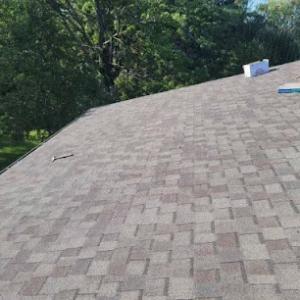
Falcon Roofing & Siding
(440) 656-9977 www.falconohio.com
24933 Deerfield Dr, North Olmsted, Ohio
5.0 from 59 reviews
Specialists in residential and commercial exterior construction services, we are dedicated to providing customer service that is second to none. Whether you have a new construction project or it's time for repairs, we offer the roofing, siding, and gutter services you need.
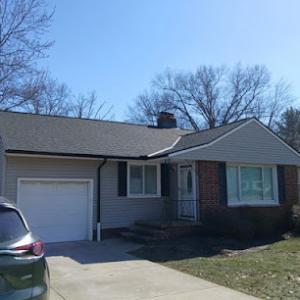
GRT Roofing
25118 Lorain Rd Suite 1, North Olmsted, Ohio
4.9 from 39 reviews
GRT Roofing, located in western Cleveland suburbs, excels in roofing repair and replacement, gutter replacement, gutter screen installation, cleaning and repairs. Our uniqueness lies in not just advising on essential repairs but also in honestly informing you about unnecessary services. We respect that your home is a significant part of your life and investment, and we commit to offering only what's needed. Our foundation is built on quality, customer satisfaction, and community dedication. With over 100 years of combined expertise, we guarantee top-notch workmanship from start to finish. Considering a roof or gutter job? Let GRT Roofing in North Olmsted, OH offer expert inspection and advice. Choose us for quality and integrity.
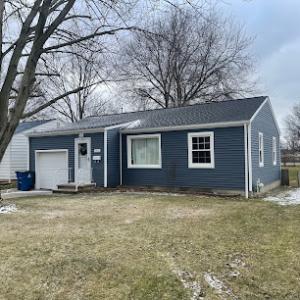
Wright Home Renovations
(440) 465-5834 www.wrighthomerenovations.com
4428 Birch Cir, North Olmsted, Ohio
4.8 from 40 reviews
We pride our business on delivering high quality workmanship, using the best roofing and siding products, and providing our customers the highest level of customer service. Wright Home Renovations specializes in both Residential & Commercial Roofing replacement & Siding replacement services. We provide Roofing & Siding Inspections, Rebuilds & Installation. We specialize in Wind and Hail Damage and will walk you through your Roof & Siding Insurance Claims step by step. Our roofing experts are professional, experienced and will take care of your roofing needs on time and will exceed your expectations. Give us a call today to schedule your free onsite no obligation estimate!
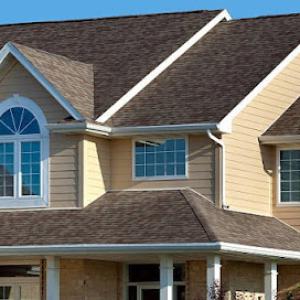
Grant Roofs Ohio
(216) 223-1234 www.grantroofsohio.com
North Olmsted, Ohio
5.0 from 5 reviews
Grant Roofs Ohio is Northeast Ohio’s trusted roofing contractor, specializing in roof replacements, repairs, and maintenance for both residential and commercial properties. We offer free, no-obligation estimates, including support with insurance claims and referrals. Need more than just roofing? We also install and service gutters and flashing to keep your property protected year-round. Dependable service, honest pricing, and local expertise—that’s the Grant Roofs difference.
Top Gun Roofing
Serving
5.0 from 29 reviews
Top Gun Roofing is a trusted roofing company specializing in insurance restoration. We help homeowners navigate the insurance claims process while providing high-quality roofing solutions to restore and protect their homes. With expert craftsmanship and a commitment to customer satisfaction, we ensure a seamless experience from inspection to completion.
ARG Roofing
(440) 210-2047 www.arg-roofing.com
Serving
4.9 from 308 reviews
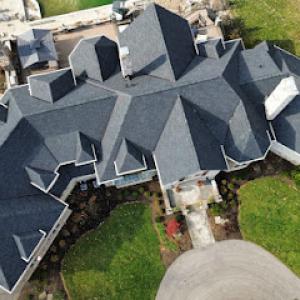
ARG Roofing provides residential and commercial roofing services to the Berea, OH area.
Legacy Roofing Services North Ridgeville
(440) 739-3498 www.legacyroofing.com
Serving
4.9 from 168 reviews
Legacy Roofing North Ridgeville is an award-winning roofing company specializing in repairing and replacing residential and commercial roofs. We also offer vinyl sliding and seamless gutter installation and give homeowners complete project transparency so they can choose the right roofing materials and appearance that fits their budget. Our emergency service technicians assess damage and begin making repairs so your business can be up and running promptly. We offer extended warranties and work with leading roof material manufacturers to provide the highest quality materials. Our specialties include wind damage assessment and infrared technology to help home and business owners save money. Contact us for a free estimate.
Winding River Construction
(216) 816-7475 www.windingriverconstruction.com
Serving
4.9 from 76 reviews
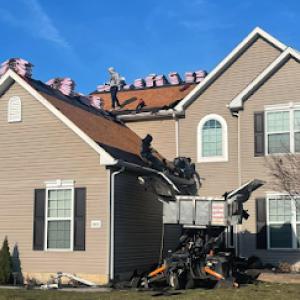
At Winding River Construction, we are committed to delivering top-quality workmanship and exceptional customer service across every project. Since 2021, our experienced team has proudly served Northeast Ohio’s residential communities, specializing in roofing, siding, and gutter installation, repair, and replacement. We provide free estimates and flexible scheduling to ensure a seamless customer experience from start to finish. Our skilled professionals are trained in multiple aspects of construction and use only high-grade building materials installed to manufacturer specifications—guaranteeing durable, reliable results every time.
Pro Roofing & Siding Restoration
(844) 776-2349 www.proroofingandsidingrestoration.com
Serving
4.9 from 104 reviews
Pro Roofing & Siding Restoration is Northern Ohio’s trusted choice for expert roof replacement, repair, and siding services. We proudly install top roofing brands such as GAF, Owens Corning, and CertainTeed, ensuring long-lasting protection and curb appeal. Our siding specialists work with a variety of materials, including vinyl siding, fiber cement, engineered wood, and insulated siding, to give your home a durable and beautiful finish. Homeowners count on us for free roof inspections and free estimates, especially after severe weather. If your property has suffered wind or hail damage, our team makes storm recovery easy by guiding you through the insurance claims process from start to finish.
First Rate Roofing & Exteriors of Medina
(330) 944-6836 www.medinaroofandexteriors.com
Serving
5.0 from 28 reviews
If your home or business is in need of a new roof or facelift on its exterior shell then look no further than the experts at First Rate Roofing & Exteriors of Medina. We have the knowledge and expertise to handle all of your residential and commercial roofing and siding needs. Whether your just need a quick roof repair or are in need of replacing your roof or siding our contractors will handle your job as if it was our own home. We also handle gutter installs, chimney rebuilds and repairs and window installations too. We look forward to helping you with your next home or commercial renovation next!
West Bay Construction
Serving
5.0 from 73 reviews
West Bay Construction is a premier roofing and siding contractor serving Westlake and the wider Northeast Ohio region. We specialize in comprehensive exterior solutions for residential, multifamily, and commercial properties. Our expert services include roof replacement, flat and low-slope commercial roofing systems, fiber cement siding, and vinyl siding installation. Our projects are designed to endure challenging local weather conditions, ensuring long-term durability and performance for every building.
The most reliable replacement window is typically late spring through early fall, when crews can avoid the city's cold-weather sealing and shingle-handling problems. In this period, decking is drier, sealants cure properly, and ventilation paths remain clear of frost-related blockages. If a full roof replacement is planned, aim for a stretch when overnight temperatures reliably stay above freezing and daytime highs stay comfortably warm enough to work without constant heating and dew complications. This helps the crew manage underlayment, flashing, and ventilation more predictably, reducing the chance of moisture being trapped during install.
Winter work is more likely to be delayed by snow cover, frozen decking conditions, and precipitation swings common in the Cleveland area. When snow piles or thaw-refreeze cycles dominate the forecast, crews may pause tear-off phases to prevent damage to the ridge line and to avoid risky shingle handling on slick surfaces. If a project must continue in colder months, expect shorter work days, more sanding and de-icing precautions, and potential temporary weatherproofing measures to bridge gaps between stages. Ice-related deterioration on older roofs can become more visible after a thaw, which may necessitate additional inspections of flashing and edge detailing once temperatures rise.
Scheduling flexibility matters locally because spring storms and variable summer rain can interrupt tear-off and inspection timing even during the preferred season. Plans should allow for a few contingency days to accommodate an isolated afternoon downpour or an extended gale with blowing debris. For older suburban roofs, where flashing integrity and underlayment condition are often key concerns, the window for a clean tear-off and a precise inspection cadence is narrower than it might seem. Coordinate with the contractor to reserve a block of days rather than a single start date, and prepare for potential quick re-seambers if a storm rolls through mid-project.
Storm damage tends to surface after the most energetic winter events, so it helps to schedule an inspection window soon after the lull between severe cold snaps. Look for accelerated wear along eaves, damaged shingles, or dented gutter lines that signal wind or hail exposure. Ice-related deterioration often shows up along the ridge and in joints where ice dams could form; plan a thorough assessment of attic ventilation and roof edge details as part of the replacement discussion. When documenting damage for insurance, keep a dated set of photos from multiple angles, including interior attic signs of moisture intrusion, to support a smooth claim process later.
Start with a pre-inspection in late spring to confirm existing conditions and identify high-risk areas such as vent pipes, chimney flashings, and valley intersections. Next, schedule the tear-off during a dry, warm stretch, prioritizing days with moderate humidity to help sealants cure properly. During installation, expect the crew to verify attic ventilation and install high-quality flashing around penetrations, while carefully laying underlayment to manage any residual moisture. Finally, arrange for a follow-up inspection shortly after completion to confirm that flashing and ventilation are performing as intended and to catch any subtle issues before they harden into leaks.
Get a clear picture of your project costs upfront - no commitment required.
GRT Roofing
25118 Lorain Rd Suite 1, North Olmsted, Ohio
4.9 from 39 reviews
Wright Home Renovations
(440) 465-5834 www.wrighthomerenovations.com
4428 Birch Cir, North Olmsted, Ohio
4.8 from 40 reviews
Asphalt shingles remain the dominant fit for North Olmsted's suburban housing stock because they balance cost with acceptable performance under snow, hail, and freeze-thaw exposure. For homes that see repeated winter cycles, a high-quality asphalt roof paired with proper underlayment and ventilation can resist ice dams and wind uplift if installed with good flashing details around valleys, chimneys, and roof-to-wall transitions. Consider shingles with good durability ratings for temperature swings and enhanced granule adhesion to endure hail impacts while keeping repair work manageable after a storm. When choosing asphalt, pay attention to shingle warranties and the installer's track record with full-application flashing and proper attic ventilation to mitigate moisture buildup during the heating season.
Metal roofing has local appeal for homeowners prioritizing snow shedding and long service life, but detailing at penetrations and flashing is especially important in a climate with repeated winter expansion and contraction. In this area, metal panels can shed snow quickly, reducing the risk of ice buildup on upper slopes. However, where metal meets skylights, vents, or chimney penetrations, precise flashing and sealant choices matter more than on a typical dry-season roof. If choosing metal, look for profiles that minimize panel overlap at the eaves and ensure a robust, continuous drip edge. Installers should plan for proper drainage and consider a secondary ice-and-water shield in valleys and along eaves to guard against ice dam pressure during heavy snows. Budget for a snow guard system if the property has wide overhangs or a history of icicles forming along the soffits.
Slate, clay tile, concrete tile, and synthetic alternatives appear on select higher-end or style-specific homes in the broader Cleveland market, but their weight, repair complexity, and insurance scrutiny make material selection more consequential here than in a simple shingle-only market. Heavy tile systems demand a structurally reinforced deck and careful roof planning to accommodate loads, especially on aging suburban framing. Repairs can be more intricate and expensive, because tiles break and require specialist replacement, and the underlayment and flashing must be compatible with the tile's weight and movement under freeze-thaw cycles. Insurance considerations can be more stringent when evaluating these materials; document the roof's load capacity, attic ventilation, and flashing details to support coverage decisions after a storm. If a tile roof is pursued, ensure the support structure is verified for the weight and that the installation includes a proven method for re-seating and replacing damaged tiles without compromising the underlayment.
Storm events, hail, and lingering freeze-thaw cycles in this area mean that a roof plan should emphasize robust flashing, solid underlayment, and reliable ventilation. After a damaging hail event or a heavy snow episode, inspect for granule loss on asphalt shingles, lifted edges, punctures, and damaged flashing around chimneys and skylights. For metal roofs, review sealants and seam closures around penetrations, especially where roof runs meet walls and other transitions. When evaluating any higher-end option, preemptively assess weight, structural suitability, and the potential need for insurance documentation to support future claims or replacements. The right choice in this climate balances performance under winter stress with ease of maintenance and long-term reliability, while still reflecting the home's architectural style.
North Olmsted pricing reflects a suburb with a broad mix of standard asphalt roofs and a smaller share of premium-material homes. That blend tends to widen the gap between basic replacements and specialty installs, so a straightforward asphalt rebuild can sit at one end while metal, tile, or slate options pull higher. In practice, this means you'll find a broad spread in bids after a storm, and the final number often hinges on the house type, roof pitch, and attic ventilation needs uncovered during the project window.
Asphalt shingles remain the most common choice for North Olmsted roofs, with typical per-square costs in the mid to upper end of the published range depending on shingle class and installer. Metal roofing, while less common on aging suburban stock, can push higher if a homeowner is chasing durability and a longer warranty. Tile options-whether clay or concrete-sit well above asphalt in price, especially when premium underlayment and careful deck preparation are required. Synthetic or composite shingles offer a middle path with performance advantages in freeze-thaw cycles. Slate remains the premium tier, often exceeding most homeowner expectations for both cost and installation complexity. In practice, a basic replacement on a standard home can stay near the asphalt range, while premium materials and complex decks can push well past it.
Storms drive demand in the Cleveland area, and North Olmsted is not immune to that pattern. After hail or high-wind events, contractor availability tightens and pricing can shift quickly. If a storm hits during peak season, expect shorter bidding windows, expedited schedules, and higher urgency charges from crews trying to meet accelerated timelines. This variability is especially pronounced on older suburban roofs where aging decking or flashing proves larger once moisture exposure is evaluated.
Tear-off complexity matters here. If the existing roof requires a full tear-off, additional disposal and decking repairs uncovered after winter moisture exposure can add to the project cost. On homes with damaged or soft decking, early replacement of sections or full decking upgrades may be advised, increasing both labor time and material needs. These factors help explain why two similar houses in nearby blocks can land in noticeably different pricing after a storm or during a busy installation season.
When scheduling, line up bids from two or three local crews who understand the region's freeze-thaw cycle and typical attic ventilation needs. Ask for a detailed breakdown: per-square material cost, tear-off scope, decking repairs, flashing and underlayment, and any extra charges tied to storm windows or emergency scheduling. A careful comparison helps to distinguish a fair premium driven by demand from an inflated estimate, and it supports choosing a solution that aligns with the home's age, roof pitch, and expected longevity.
Don't let upfront costs delay a critical repair - these contractors offer payment plans to fit your budget.
Royalty Roofing
(440) 732-4477 www.royaltyroofs.com
25047 Lorain Rd, North Olmsted, Ohio
4.9 from 573 reviews
A full roof replacement in North Olmsted typically requires a building permit issued through the city Building Department. The process is designed to ensure that major work-especially on aging suburban roofs facing freeze-thaw stress and periodic hail-meets current code standards for underlayment, flashing, ventilation, and overall installation quality. When planning a replacement after a harsh winter or a severe storm, this permit acts as a checkpoint that helps confirm that chosen materials and installation methods will hold up under local conditions.
In practice, the roofing contractor usually handles permit submission and coordination. This streamlines scheduling and helps align the project with the city's inspection timeline. Your role is to provide needed documentation, such as project scope and the planned shingle or panel system, and to confirm contact details for the permit notices. Because inspections rely on proper sequencing-underlayment first, then flashing and ventilation-having clear communication about the proposed materials and ventilation strategy early in the permit phase avoids delays.
Local inspections are commonly scheduled during and after installation, with attention to underlayment, flashing, ventilation, and overall installation compliance. Expect inspectors to verify that the roof deck is sound, underlayment is properly installed without gaps, and that flashing around chimneys, skylights, and vents is sealed to resist wind-driven rain and ice dam formation. Ventilation checks ensure adequate attic airflow, which reduces ice-related deterioration and condensation issues that can undermine new installations after south-facing sun and winter cold cycles. If a concern arises, the contractor will be asked to address it before a permit can be closed.
Homeowners usually see the roofing contractor handle permit submission and coordination, but the city's inspection checkpoints still affect project timing and closeout. Any remedial work identified by inspectors will need timely attention to keep the project moving toward final approval. After the last inspection, keep a copy of the permit completion and any warranty documentation. This record can be valuable when documenting storm-related repairs or insurance claims, especially for older suburban roofs that have shown ice-related deterioration over time.
Storm clusters leaving Cleveland-area suburbs energized the local insurance workflow. Hail and wind events can spark meaningful claim volume, especially when a line of storms rips through suburban roofs with aging shingles and worn flashing. In this environment, a single high-wall hail hit or wind-driven shingle lift can trigger a wave of inland claims, creating a crowded field for adjusters and contractors alike. The dynamic means patience and timely documentation matter, since a delayed or unclear report often translates into a tougher recovery for homeowners with older roofs.
Insurers commonly weigh the roof's age, documented pre-loss condition, and visible wear when deciding how much damage is covered. A roof that already showed granule loss, curling edges, or staining before a claim can be viewed as a higher-risk renewal item, which can influence coverage decisions. In this market, the line between hail, wind, and ordinary wear sometimes requires careful discussion with the adjuster to separate storm-driven damage from pre-existing conditions. Expect closer scrutiny if the home features older underlayment or signs of attic moisture, and be prepared to justify any changes in the roof's condition since the last inspection.
Claims involving slate, tile, or other premium materials can face closer adjuster review, making photo documentation, inspection notes, and detailed bids especially important. Premium roofing often carries nuanced wear patterns that resemble storm effects, so clear images of edges, fasteners, and flashings, paired with a concise summary of observed conditions, helps the process move more smoothly. For homes with decorative or heavier materials, anticipate a more deliberate review path, and plan for additional documentation to support your claim's scope.
Connect with contractors who help homeowners navigate the claims process from damage assessment to final approval.
Royalty Roofing
(440) 732-4477 www.royaltyroofs.com
25047 Lorain Rd, North Olmsted, Ohio
4.9 from 573 reviews
Falcon Roofing & Siding
(440) 656-9977 www.falconohio.com
24933 Deerfield Dr, North Olmsted, Ohio
5.0 from 59 reviews
GRT Roofing
25118 Lorain Rd Suite 1, North Olmsted, Ohio
4.9 from 39 reviews
Repeated freeze-thaw cycling in this area commonly exposes weaknesses first at flashing transitions, eaves, and other areas where water can back up under winter ice. When ice dams form, water has nowhere to go but under the edge of shingles and around vent boots, which can lead to slow leaks that sneak into attic spaces. You may notice minor staining on ceiling sheets or behind insulation before a full roofing failure becomes obvious. The key danger is gradual moisture intrusion that weakens structural components and invites mold if left unchecked.
Aging roofs in the city are especially vulnerable in spring, when hail and heavy rain exploit shingle brittleness and winter-created seal failures. Shingles that looked intact after winter can crack, curl, or shed granules in a single storm, exposing the underlayment and decking to moisture. In homes with older ventilation, rapid moisture movement through attic spaces can amplify condensation-related problems, especially where attic access is limited or insulation is uneven.
Ventilation and moisture-management details matter locally because inspections in this area specifically look at ventilation quality during full replacement projects. Poorly balanced attic ventilation can trap heat and humidity, accelerating deck deterioration and increasing the risk of ice dam formation along eaves in subsequent winters. When planning a full roof replacement, ensure that soffit, ridge, and under-eave vents are sized correctly for the attic volume, and that baffles or blocking maintain clear airflow from soffits to vents. A meticulous approach to underlayment, flashing paint-to-metal interfaces, and nail flashing can make the system more resilient to repeat freeze-thaw cycles and seasonal storms.
Find contractors experienced in skylight installation, flashing, and leak repairs to bring natural light into your home.
Royalty Roofing
(440) 732-4477 www.royaltyroofs.com
25047 Lorain Rd, North Olmsted, Ohio
4.9 from 573 reviews
Legacy Roofing Services North Ridgeville
(440) 739-3498 www.legacyroofing.com
Serving
4.9 from 168 reviews
In North Olmsted, storm-response contractors and re-roofing teams are plentiful, and competition often centers on speed, cleanup, and helping with insurance rather than on rare specialty systems. The local market is dominated by residential work, which aligns with the town's aging suburban roof stock and frequent tear-off seasons after storms. This means you'll likely see quick-response promises and bundled cleanup services as standard offerings.
Look for teams that explicitly advertise fast response times, comprehensive cleanup, and proactive insurance liaison. Ask how they handle tear-offs during winter wind events and how they protect landscaping and driveways during debris removal. Check that crews include final teardown and haul-away as part of the bid, not as a costly add-on. Experience with typical suburban layouts, single-family roofs, and common venting configurations matters more than large-commercial credentials in this market.
When reviewing proposals, request a clearly staged plan: pre-inspection, debris containment, roof removal sequence, underlayment and flashing details, and a post-installation walk-through. Confirm that the contractor will document any storm-damaged decking, flashing failures, or compromised ventilation, and that they can provide insurance documentation and a lien waiver. Ensure the bid specifies cleanup methods, disposal routes, and how waste will be managed during tear-off season to minimize disruption in established neighborhoods.
After installation, insist on a thorough debris cleanup, final inspection, and a written warranty that covers workmanship for several years. Ensure the crew leaves a clear path for future inspections and that any flashing, ventilation, or underlayment concerns identified during the project are addressed before sign-off. In this market, reliable insurers often look for visible, methodical cleanup and a documented final walk-through as proof of a quality job.