
Last updated: Apr 19, 2026
Spring hail events in this neighborhood and the broader Northeast Ohio market routinely trigger shingle and flashing damage, followed by sharp surges in insurance claim activity. The combination of rapid temperature swings, wind-driven impacts, and our local roofing materials means that neighbors often discover damage days after a storm rather than at first inspection. When a hail or wind event hits, acting quickly to document and coordinate repairs can prevent long-term leaks and accelerated wear in winter freeze-thaw cycles.
Local insurers commonly require thorough photo documentation, detailed estimates, and adjuster review for hail and wind claims rather than approving work from a brief visual inspection alone. After a storm, walk the roof safely with a ladder and a buddy to capture wide-angle shots of all elevations, then close-ups of damaged flashing, edges, and any lifted or cracked shingles. Photograph attic signs of water intrusion, such as dark stains, and capture roof-to-wall connections where flashing ties into siding. Keep a dated record of all hail sizes seen on vehicles and decks near the home as corroborating context. This documentation helps establish a solid claim package rather than a best-guess repair approach.
Claim outcomes in this market are often influenced by whether the roof shows pre-existing wear before the most recent storm event, so separating old deterioration from new impact damage is especially important. Look for new bruise patterns, granule loss, curling edges, or lifted tabs that align with the most recent storm. Compare current photos to any available older pictures of the roof or exterior, and note any changes in ventilation, attic moisture, or interior staining since the prior inspection. Insurance reviewers want to see what is directly attributable to the latest hail or wind event, not extended wear from years of sun and freeze-thaw cycles.
Before an adjuster appointment, assemble a concise file: storm date, location, and description; a complete set of dated photos; a detailed, itemized estimate from a licensed contractor; and any prior roof work records. Ensure the contractor's estimate includes flashing replacement, underlayment assessment, and ventilation checks, since these elements are scrutinized in this market. If the adjuster notes inconclusively on flashing or vent integrity, be ready to advocate for a re-inspection or a supplemental adjustment that reflects the full scope of replacement necessary after the storm. A calm, organized presentation often helps moves the claim toward a timely resolution.
Begin with a safe roof inspection, focusing on damaged shingles, lifted tabs, and compromised flashing around chimneys and vent stacks. Build a clear before-and-after narrative with photos taken immediately after any subsequent wind or storm events. Contact a local roofer who understands Strongsville's typical material performance under Northeast Ohio conditions to produce a transparent, line-item estimate that aligns with what the adjuster will expect. If you suspect hidden damage, request a professional infrared or moisture assessment to identify concealed leaks that could become invasive later. Acting decisively now helps protect both your home and your claim integrity.
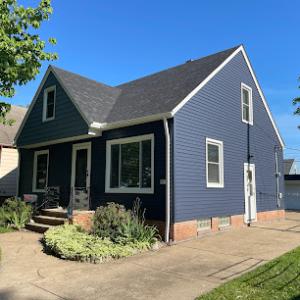
Eames & Sons Roofing
(440) 256-6245 eamesandsonsroofing.com
13760 Blazey Trail, Strongsville, Ohio
5.0 from 71 reviews
Roofing, siding, gutter repair and installation. It's all about Family, Flexibility, and Freedom for our owner, Tom Eames. Having four boys, he wants to raise them to be men that are generous, humble, honest, and hard working. We want to live those values out for every homeowner we work with. For us, it's about families helping families.
Price Rite Roofing & Siding
(440) 238-7663 www.priceriteroofing.com
15110 Foltz Industrial Pkwy Unit B, Strongsville, Ohio
4.9 from 153 reviews
We are the premier roof and siding installer located in Strongsville, Ohio. We specialize in residential new roof installation and new roof sales, roof repair, vinyl siding, vinyl siding repair, and seamless gutters. We proudly service Strongsville, North Royalton, Columbia Station, Brunswick, Brunswick Hills, Berea, Brook Park, Middleburgh Heights, Medina, North Royalton as well as all of northeast Ohio.

LevelUp Renovations
(330) 612-0721 levelup-reno.com
Strongsville, Ohio
5.0 from 38 reviews
LevelUp Renovations is Northeast Ohio's choice for home and business remodeling and improvement projects. Our team of professionals will work with you from design concept to job completion, matching your vision and exceeding your expectations at every step. Whether you are thinking of a new roof or siding or adding more space to your home, creating a floor plan that’s customized for your lifestyle, improving energy efficiency with new windows and doors, or increasing the resale value of your home, we can help!
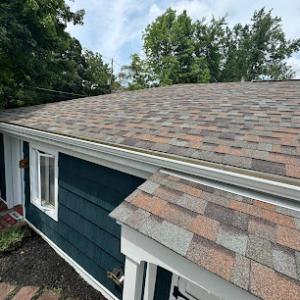
OGS Roofing & Restoration
Strongsville, Ohio
5.0 from 25 reviews
OGS Roofing and Restoration is a trusted roofing and siding company proudly serving homeowners across Cuyahoga, Lake, Geauga, Lorain, and Medina Counties. We specialize in roof repair, roof replacement, and storm damage restoration solutions that protect and enhance your home. Our team provides honest inspections, quality craftsmanship, and exceptional customer care from start to finish. Whether you need minor roof repairs or a complete replacement, we ensure the job is done right the first time. Call OGS Roofing and Restoration today for a roof inspection and reliable roofing services near Strongsville, Parma, Westlake, Lakewood, Shaker Heights, Brecksville, Broadview Heights, North Olmsted, Middleburg Heights, and surrounding regions.
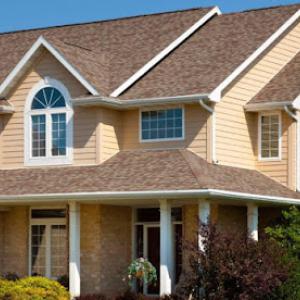
CLE Roofing & Siding
(216) 369-6960 cleroofandsiding.com
17579 Drake Rd, Strongsville, Ohio
4.7 from 63 reviews
CLE Roofing and Siding in Strongsville, OH provides professional roofing replacement and exterior services tailored to Northeast Ohio homeowners. Our experienced roofers specialize in tear-offs, re-roofs, and new installations that stand up to local challenges like heavy lake-effect snow, high winds, and seasonal rainstorms. We also repair storm damage, address leaks, and replace worn shingles to restore lasting protection and curb appeal. With a focus on quality workmanship and responsive service, we help Strongsville residents protect their homes year-round. CLE Roofing and Siding is licensed, insured, and trusted as experienced roofing contractors serving communities across Greater Cleveland.
Professional Roofing Service
(440) 572-7500 proroofingservices.com
11911 Prospect Rd, Strongsville, Ohio
4.8 from 20 reviews
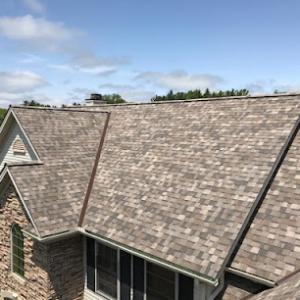
Professional Roofing Service has been covering the roofs of Northern Ohio since 1983. We specialize in commercial, industrial and residential roofing installation, maintenance and repair. Professional Roofing Service has installed and repaired roofing systems ranging from single family homes to high-rise commercial buildings. We are an approved applicator for the leading manufactuers of roof shingles, all high tech roofing systems, single-ply and multi-ply modified roofing systems as well as energy efficient roofing systems for the residential, industrial and commercial building markets. Professional Roofing Service is dedicated to educating and helping our roofing customers select the type of roofing service that best suits their needs.
Chappelle Roofing
(440) 276-1157 chappelleroofingohio.com
18328 Stony Point Dr, Strongsville, Ohio
4.4 from 35 reviews
Chapelle Roofing is the #1 roofing contractor in Strongsville, OH. We have built a sterling reputation among the local community thanks to our dedication, hard work, and affordability, making sure that every project is 100% successfully completed. Our crew of experienced roofing professionals use only the best materials and most advanced industry tools available, ensuring absolute customer satisfaction. Chapelle Roofing provides a wide variety of roofing services, including residential roofing, commercial roofing, metal roofing, roof installation, replacement, repair, inspection and much more. Whatever type of roofing services you may need in Strongsville, OH, reach out to Chapelle Roofing at any time and we will be happy to help!
Blue Line Restorations
Serving
5.0 from 45 reviews
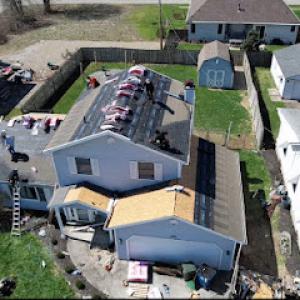
Proudly serving Northeast Ohio for all your Roofing, Siding and Gutter needs. Owned and operated by Public Servants and veterans! Free estimates and inspections! Storm damage, repairs, full replacements, new construction - We do it all! "Excellence guaranteed, we nail it every shingle time!" Discounts to First responders (Police, Fire/EMS, Corrections etc), Military, Teachers, and Healthcare professionals (nurses, doctors, etc)
Expert Renovations
(440) 745-5933 expertrenovationsllc.com
Serving
5.0 from 32 reviews
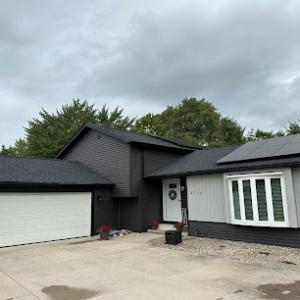
Looking for a trusted roofing and siding contractor in Northeast Ohio? Expert Renovations provides professional roof repair, roof replacement, siding services, and gutter installation for homeowners throughout the Cleveland and Akron/Canton regions. ✔ All Jobs Done In-House (No Subcontractors) ✔ Locally owned and operated in Northeast Ohio ✔ Licensed and insured roofing contractors ✔ Fast response for storm damage and insurance claims ✔ Honest pricing and expert craftsmanship ✔ Serving homeowners across Cleveland, Akron, and surrounding areas
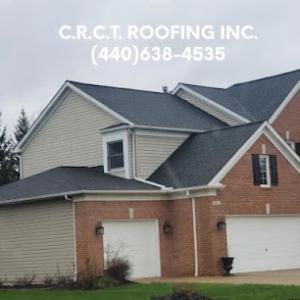
C.R.C.T. Roofing
19395 Knowlton Pkwy apt 304, Strongsville, Ohio
5.0 from 1 review
At C.R.C.T. Roofing, First, we commit to you, our customer, total SATISFACTION. Our work is top notch, and we finish the job in a timely manner. We Install New Roofs, Roof repairs, Gutters and Gutter Guards, Drywall and Drywall repairs, Windows and Window repairs, Construction, Chimney and Tuck point work. Please call us today, (440) 638-4535 or email us at crctroofinginc@gmail.com
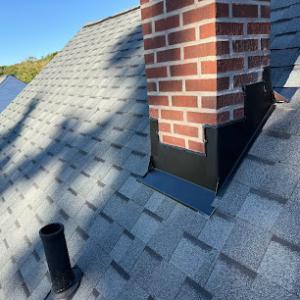
Homestyle Home Improvements
(216) 200-6265 www.homestylehhi.com
Serving
5.0 from 171 reviews
Homestyle Home Improvements is a Roofing Company located in Cleveland, OH that services Cleveland & the surrounding areas. We specialize in Roofing Contractor, Siding Contractor, Skylight Contractor, Window Replacement, Roof Replacement, Siding Installation, Roofing Service, Siding Service, and Gutter Services. Here at Homestyle Home Improvements, our mission is to always provide quality service at an affordable price. Our Roofers are highly trained professionals with years of experience. The success of our company is due to the dedication we provide to our customers. No matter the job, customer satisfaction is always our number one priority! Give us a call today for a FREE estimate!
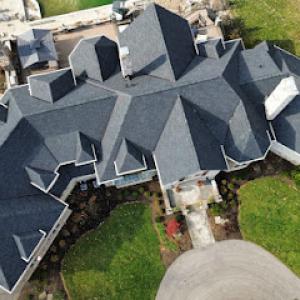
ARG Roofing
(440) 210-2047 www.arg-roofing.com
Serving
4.9 from 308 reviews
ARG Roofing provides residential and commercial roofing services to the Berea, OH area.
Late spring and early fall are the most practical replacement windows in Strongsville because they reduce the weather delays common in winter freezes and autumn rain. Planning for these seasons aligns with the local climate, where cold-season work becomes complicated by snow, freezing temperatures, and material performance concerns that can affect installation quality and scheduling. Summer brings hotter days and peak demand after storm-driven booking spikes, which can slow crews and stretch project timelines. The goal is to avoid extreme temperatures that stress sealants and glazing compounds, while also steering clear of the busiest stretch when supply lines and crews are most stretched.
In Northeast Ohio, window performance matters as much as installation timing. Aluminum and vinyl frames offer low maintenance and good energy efficiency, but in areas with strong sun and heat, a tinted or coated exterior can help reduce heat gain on long summer days. For homes with older siding or brick, matching the profile and sightlines of the existing windows helps preserve curb appeal after a replacement. If a home has historic features, consider sash profiles and grille patterns that blend with the era of construction. Insulated glass with a low-E coating helps manage heat in the summer and reduce glare, while a tight, well-sealed unit improves comfort in the harshest winter days.
If storm damage is a factor, begin with a thorough assessment of window frames, sashes, and panes. Take clear photos of any cracks, delamination, warped trim, or moisture between glass and spacer. Note any drafts or cold spots that persist after weather changes. Keep a written list of affected openings, including rough measurements and current operability. Documentation should include exterior weather barriers and flashing details around openings, since these elements influence long-term performance and moisture control. In Strongsville, where freeze-thaw cycles stress installation details, clients benefit from showing how existing units behave through seasonal transitions.
Coordinate windows to avoid the coldest part of winter and the peak heat of midsummer. If a storm event has damaged the exterior envelope, prioritize a plan that sequences weatherproofing and interior finishes to minimize exposure. When possible, schedule installations in stretches of stable weather, with contingency windows in late spring or early fall. This approach minimizes the risk of rapid temperature shifts impacting sealants and coatings and helps ensure a more predictable completion timeline.
Look for a local contractor with a track record of completed window projects in similar home styles and with proven performance in Strongsville weather patterns. Ask for finished-project photos that show alignment with historic or architectural features if applicable. Request a detailed installation plan that specifies flashing, insulation, and interior trim works, ensuring the crew commits to maintaining the integrity of the building envelope through every step.
Get a clear picture of your project costs upfront - no commitment required.
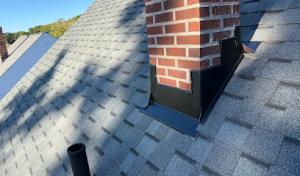
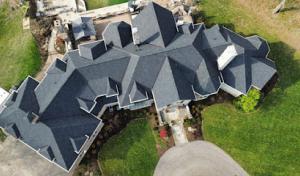
Asphalt shingles remain the dominant roofing material in your neighborhood, but the local mix also includes metal, clay tile, concrete tile, wood shakes, and slate on higher-end or older homes. That variety reflects the long history of housing styles in the area and the range of performance you get from each option. If you're planning a full replacement, you'll encounter choices that balance initial installation considerations with long-term behavior, including how each material handles seasonal changes and wind-driven debris from late spring storms.
Strongsville experiences cold winters, warm summers, and regular precipitation, which makes moisture management and seasonal expansion-contraction more important than in drier climates. Shingle roofs tolerate this climate well when installed with proper underlayment and ventilation, but heavier materials respond differently to the cycle of freeze-thaw. Clay and concrete tiles, for example, shed moisture efficiently but require solid support and careful edge detailing to accommodate thermal movement. Metal roofs offer excellent wind resistance and rain noise reduction when properly integrated with flashing and gutters, yet room for expansion still matters in a region where temperature swings are common. Wood shakes bring a natural curb appeal but demand attention to dry rot, insects, and fastener exposure, especially after wet winters. Slate provides exceptional longevity and a refined look, but its weight and installation complexity demand precise structural assessment and skilled flashing detailing.
Some Strongsville replacement projects involve structural and flashing complexity beyond a basic shingle tear-off because of heavier materials such as slate, clay tile, and concrete tile. If your roof deck must support extra weight, a licensed contractor will check framing, attic ventilation, and insulation to ensure expected performance under seasonal load. Tile and slate installations often require secondary drainage considerations and more intricate flashing around chimneys, vents, and skylights. When a roof transition includes different materials along eaves or hips, the flashing geometry must be carefully planned to prevent water intrusion at terminations. In older homes, concealed damage beneath the surface may emerge once the new material is exposed, so a thorough inspection of decking, underlayment, and flashings is essential before work begins.
Spring hail and wind activity can stress any roof, and the local pattern emphasizes the need for robust underlayment and correctly installed drip edges. Even with metal or tile, wind uplift resistance relies on the right fastener cadence and sealant choices at penetrations. Moisture management is not just about shedding water; it's about allowing for seasonal movement between materials and the structural deck. Ventilation plays a central role: too little can trap humidity and accelerate deck deterioration, while too much can complicate thermal performance. A well-planned roof replacement in this area considers the specific blend of materials in your home, coordinates flashing to connect with existing gutters and siding, and prioritizes a detail-rich approach around joints, vents, and chimneys to keep the interior watertight throughout the region's varied weather.
In Strongsville, the city's approach to replacement work zeroes in on details that can make or break a roof's long-term performance. The underlayment must be snug and continuous, allowing no gaps where moisture can sneak in during a Northeast Ohio winter. Ventilation is not a luxury but a necessity; without it, heat and humidity can delaminate decking and accelerate shingle deterioration after a harsh spring. Flashing around valleys, chimneys, and joints is where many failures begin, especially if a contractor rushed through sealant or omitted counter-flashing. When documenting storm damage for insurance, focus on these exact elements: are there gaps, loose edges, or signs of wrinkled underlayment? Are attic temperatures cool and damp enough to indicate proper venting? If any of these are off, that trouble shortly becomes costly water intrusion once winter returns.
Spring hail in this area commonly affects shingles and flashing first, making metal transitions and penetrations a frequent focus during inspections and insurance reviews. Granule loss on shingles, dimpling, or puckering at the edges are red flags that hail has compromised the roof surface. Pay close attention to flashing around skylights, vents, and chimneys-the kind of damage that isn't always obvious from ground level but can cause leaks when wind-driven rain comes through. Insurance adjusters will scrutinize if flashing was installed with proper overlaps and sealed with corrosion-resistant materials. If metal transitions show loose fasteners or misalignment, that's a sign to pause and reassess the roof's readiness for a full-season cycle.
Freeze-thaw exposure compounds trouble for vulnerable roof details once winter sets in. Water that infiltrates through compromised joints or eroded sealants can freeze and expand, creating micro-cracks that widen over time. In Strongsville, where temperature swings are common, even small defects in valleys, step flashing, or around roof-to-wall transitions can become persistent leaks. When documenting storm damage, homeowners should look for surface moisture after a windy rain, ice dam indicators near eaves, and any attic signs of condensation that point to inadequate ventilation. The decision about replacing that roof hinges on whether these weak points have been adequately repaired and whether new roofing materials will install over a solid, continuous layer of weather protection. Leaving these details unaddressed invites repeated cycles of damage, claim disputes, and frustrated winters.
Find contractors experienced in skylight installation, flashing, and leak repairs to bring natural light into your home.
Eames & Sons Roofing
(440) 256-6245 eamesandsonsroofing.com
13760 Blazey Trail, Strongsville, Ohio
5.0 from 71 reviews

Concrete reality: roofing options in this area come with predictable stair-steps in cost. For asphalt shingles, the local range sits around $400 to $700 per square. Metal roofing tends to run higher, typically $700 to $1100 per square. Clay tile projects push into the higher end, about $900 to $1700 per square, followed by concrete tile at roughly $900 to $1400 per square. Wood shingles or shakes land between $450 and $900 per square, while slate sits at the top end, roughly $1300 to $2400 per square. Those figures reflect typical installs in the neighborhood, where the balance of labor, material choice, and old roof condition matter as much as the sticker price.
Storm-driven demand spikes after hail and wind events can push scheduling pressure and labor availability. When a hailstorm rolls through, contractors may shift from routine replacements to urgent storm work, which can tighten the timeline and compress the window to wrap a job. In Strongsville, the cycle tends to amplify demand in the weeks immediately following a big hail event or a strong wind spell, impacting both availability and potential price movement. If a project is perceived as high-priority by the crew or if material logistics tighten, a homeowner may see longer lead times and, occasionally, incremental price adjustments tied to logistics and overtime needs.
If a fast return on investment matters, asphalt shingles remain the most economical entry point, with the caveat that severe spring storms can shorten lead times for most contractors and affect material stock. Metal roofs offer longer longevity and better wind resistance, but cost more upfront. Clay and concrete tiles provide excellent durability in the Northeast Ohio climate, yet require careful handling and longer installation windows. Wood shingles or shakes bring a rustic look and moderate cost but can be more maintenance-intensive. Slate delivers exceptional longevity and a premium feel, but demands the highest upfront investment and specialized installation. For a Strongsville homeowner, the decision often hinges on how long you plan to stay in the home, local wind history, and tolerance for scheduling fluctuations during storm seasons.
Don't let upfront costs delay a critical repair - these contractors offer payment plans to fit your budget.

In Strongsville, a full roof replacement typically requires a building permit through the City of Strongsville Building Department. The process is designed to ensure that underlayment, flashing, ventilation, and final installation meet local expectations after the harsh Northeast Ohio winters and spring storm activity. The department sits up for accuracy, and the permit path includes validating project scope and site access, so plan accordingly. This pathway also signals to neighbors and insurance carriers that the upgrade aligns with current municipal standards and community safety practices.
Either the contractor or homeowner can apply, but the department may require proof of contractor licensing and insurance before approving the work. Keeping these documents current and readily available helps avoid delays when the inspector schedules the review. If a third-party contractor handles the submission, ensure that the permit application notes any temporary protection for landscaping and driveways during removal and replacement to minimize exposure to spring hail and wind. The permitting office often favors clear communication about work hours, staging areas, and waste disposal plans that respect neighboring properties and curbs.
Inspections are typically scheduled during and after the project to verify underlayment, ventilation, flashing, and final material installation meet local code expectations. Expect at least one tear-off inspection if a full replacement occurs, plus another to confirm the new ventilation and attic air sealing perform properly. The weather in Northeast Ohio can complicate timing, so coordinate with the inspector if a spring thaw or freeze-thaw cycle affects material installation. It helps to have a pre-inspection checklist addressing vent placement, ridge vent continuity, and chimney flashing integration.
Keep a detailed record of contractor communications, material deliveries, and any weather-related work pauses. In Strongsville, inspectors pay close attention to how the flashing around chimneys and vent pipes integrates with new underlayment, especially in homes with older roof lines or multi-hip configurations. If ever the permit notice arrives with requested corrective actions, address them promptly to keep the project on track and to avoid lien risk or penalties. Ensure that final inspections confirm proper attic ventilation and that any city sticker or documentation is visibly posted once work completes.
In this Northeast Ohio setting, hail and wind claims are common enough that adjuster coordination is a routine part of many roofing jobs. That means you'll likely be navigating multiple conversations: your contractor, the insurer, and sometimes a separate third-party adjuster. Expect a timeline that hinges on how quickly documentation lines up with what the insurer considers storm-driven damage rather than preexisting wear. Preparation now helps keep the process from stalling after a fast-moving weather event.
Homeowners in this market should expect insurers to compare recent storm damage against older wear, deferred maintenance, and prior repairs before finalizing scope. The insurer's eye is on whether the roof's current condition is a consequence of the latest event or a cumulative result of long-term exposure. Because Strongsville roofs often bear a patchwork of repairs over the years, be ready for questions about prior leaks, shingle age, and flashing history. A precise history helps keep the scope aligned with reality rather than with assumptions.
Detailed documentation from the first leak or storm event onward is especially important in Strongsville because claim approval often depends on proving timing and extent of damage. Start a storm diary: note dates, weather alerts, and visible effects like dented gutters or lifted shingles. Save photos that show progression after each incident, and keep receipts for temporary repairs. When the paperwork shows a clear link between the event window and observed damage, the adjuster can assess the claim with fewer gaps, reducing the risk of denial or unnecessary scope disputes.
Strongsville's mix of spring hail, wind, autumn rain, and winter snow means temporary protection often matters before a full replacement slot opens. A fast response to new leaks can stop attic condensation and plywood soaking from worsening. When a storm hits, water can travel along rafter tails and through vent connections before any visible drip appears, so act quickly the moment you notice a stain or hear dripping, especially after hail or high winds.
If you discover a fresh leak, shield the area below with a tarp or thick plastic and stack buckets under drips to limit interior damage. Keep heat and humidity under control in the attic by running a fan to vent moisture toward exits, not into unsealed cavities. Document with clear photos: roof edges, flashing joints, attic vent areas, and any shingle displacement. These images support claim handling and help a contractor size temporary fixes accurately. Do not delay calling a local contractor who handles storm-related claims; scheduling may fill quickly as crews respond to multiple households.
Fast temporary dry-in is especially important heading into Northeast Ohio freeze periods, when trapped moisture can worsen roof and attic problems. A temporary seal around the most vulnerable penetrations-vent stacks, plumbing stacks, and chimney flashings-reduces ice dam risk and limits freeze-thaw damage. Keep a log of weather and leak changes, and coordinate with a trusted contractor to align a dry-in window with the anticipated full-replacement timeline.
When you can't wait, these contractors offer fast response times to stop leaks and prevent further damage.
Chappelle Roofing
(440) 276-1157 chappelleroofingohio.com
18328 Stony Point Dr, Strongsville, Ohio
4.4 from 35 reviews
While the town is primarily a residential re-roofing market, local contractor signals show a meaningful number of companies also handle flat and low-slope sections. In this climate, these areas on additions, porches, and attached structures demand careful attention to drainage and flashing because regular precipitation and winter conditions increase water-management risk. The added vulnerability of Northeast Ohio winters means any pooled water or ice dam risk on a low-slope section can impact the primary roof system if not addressed during replacement.
Low-slope areas often shoulder a disproportionate share of water flow, so plan for continuous drainage away from the interior and toward established gutters. Check that the addition's deck or parapet design integrates with the main roof drainage, avoiding sudden changes in slope that can trap water. In Strongsville's freeze-thaw cycles, you want positive pitch where possible and a reliable emergency overflow path. The goal is to prevent water from lingering at the transition where the steeper roof ends and the flat section begins.
On mixed roofs, flashing must bridge differing surfaces reliably. Pay particular attention to the perimeter and vent penetrations where the low-slope portion meets the main roof. In this market, used-to-be-typical caulk seals can fail with winter moisture; consider integrated flashing metal and compatible sealants rated for cold weather. Ensure the edge detail around skylights or vents on the low-slope segment is continuous with the main roof to minimize seam leakage.
Choose flat- or low-slope-appropriate membranes or built-up systems that integrate with the steep-slope material used on the primary roof. When addressing an addition, verify that fasteners, underlayment, and edge metal are matched to the overall assembly so the two sections perform as a single roof, not separate, competing layers. This cohesion matters for overall durability through Strongsville's seasonal cycles.
Find specialists in TPO, EPDM, and built-up flat roofing systems for residential and commercial properties.

Allslopes - Roofing, Gutters, & Restoration
Serving
4.5 from 44 reviews
First Rate Roofing & Exteriors of Medina
(330) 944-6836 www.medinaroofandexteriors.com
Serving
5.0 from 28 reviews