
Last updated: Apr 19, 2026
Storms in Olmsted Falls pack a seasonal punch that looks almost like two storms in one calendar year. Winter ice dam pressure sits right beside warm-season thunderstorm damage, creating a complex risk profile for roofs that have already weathered Northeast Ohio freezes. Ice dams push leaking into attic spaces and ceilings when meltwater refreezes at the eaves, while summer storms bring sudden shingle blows, hail impacts, and wind uplift that can bend gutters, loosen flashing, and loosen shingles on steep slopes. The result is a roof that can look solid in late spring and suddenly fail under the next harsh freeze-thaw cycle or the next derecho-driven downpour. The local reality is that claim activity can spike as winter moisture compounds existing leaks, then jump again after a summer storm when insurers review the condition and scope of replacement needs.
Insurers in the Northeast Ohio market commonly expect photo documentation of pre-existing roof conditions before approving storm-related replacement scopes. In practice, that means a clear, dated set of images showing the roof as it stood before the storm event, including attic photos that reveal any pre-existing water intrusion, warped decking, or prior repairs. For an Olmsted Falls roof, focus on the raised concerns that often accompany steep residential reroofing: edge conditions where ice dams form, flashing around chimneys and skylights, hip and ridge lines, and any signs of algae or moss that can mask underlying rot. High-resolution shots taken from multiple angles help an adjuster understand the baseline, reducing back-and-forth delays. Preparing and presenting this documentation promptly after a storm can shorten the path to a replacement scope, especially when the claim hinges on whether the damage is storm-driven versus pre-existing.
Winter snow loads, combined with freezing temperatures, can turn small leaks into persistent, escalating problems. Ice dams push melted water back under shingles, entering through nail holes, roof penetrations, and joints. In Olmsted Falls, where homes often sit under heavy ice loads, leaks can appear in the most visible interior spots weeks after a freeze event, creating a false sense of relief when the weather warms. This dynamic matters for insurance-it's not just about a single heavy storm. It's about an ongoing process where evolving damage may require a staged approach to replacement, sequencing work to address structural integrity first, then finish work that restores weather-tightness. If an interior area has visible staining, feel warmth in a ceiling when a late-winter sun melts remaining ice, or detect a musty odor after attic access, treat those signs as urgent indicators to engage the insurer and contractor promptly.
Full replacement scheduling often hinges on seasonality and safety. In Olmsted Falls, the safest window for completing a full roof replacement is typically spring through fall, when temperatures, daylight, and drying conditions support proper installation and long-term performance. Winter work carries additional risk due to freezing conditions and shortened daylight hours, which can delay decking exposure, flashing correction, and underlayment installation. When a claim is approved, a phased plan may be necessary: address the active leak and damaged structural components first, then complete the full reroof once weather and access permit safer working conditions. Communication with the insurer should emphasize the need for a clear scope that distinguishes emergency repairs from cosmetic or non-urgent elements, ensuring the project progresses without gaps that could invite further water intrusion.
Act quickly after a significant storm or ice dam event to prevent further damage. Start with a documented inspection-photo evidence of the roof's state before the event, interior signs of water intrusion, and any pre-existing damage. Prioritize mitigation to limit secondary damage, such as tarping exposed areas and covering tech-heavy penetrations where safe and feasible. If interior leaks are present, capture those moments with time-stamped photos to help corroborate the urgency with the insurer. When dealing with a claim, maintain a running log of communications, set expectations for a scope that accounts for both immediate emergency repairs and full replacement planning, and align with a contractor who understands the steep slopes typical of Olmsted Falls homes. The goal is to secure a reliable, weather-tight roof that can endure the dual threat of winter ice and summer storms while family living remains uninterrupted.
Spring to early fall is typically the most favorable reroofing window in Olmsted Falls because crews can avoid the worst freeze-thaw complications of winter. That period gives shingles a better environmental environment for sealing, faster attic ventilation adjustments, and fewer delays from lingering snowmists. If a storm has disrupted winter scheduling, this window also serves as a reliable fallback, since crews are typically available after the first true thaw and before the late-season frost cycles return.
Spring storms and hail in the Cleveland-area market can create scheduling backlogs just as replacement season opens. Plan ahead by setting a target start date several weeks after the first reliable ground thaw and after the local weather pattern stabilizes. If a major storm hits, expect a brief surge in inquiries and crew availability being tight for a couple of weeks. Having a ready-to-go crew, a preferred shingle type, and a rough project timeline can help you ride out the initial surge without sacrificing quality or pace.
Summer heat and humidity in Olmsted Falls can affect crew productivity and material handling even though it remains a primary installation season. Hot afternoons can slow work, especially on steep roofs, so many crews shift more labor to cooler morning hours and late afternoons. Plan for longer days only if you have favorable attic ventilation and shaded access for staging materials. Inspect skylights, vents, and exhaust outlets ahead of time to minimize on-roof adjustments during peak heat. Hydration, sun protection, and short breaks help maintain steady progress and reduce the risk of heat-related issues.
In a historic suburban community, the reroofing sequence benefits from early coordination with neighbors and a clear access plan for material laydown on narrow driveways. If your home is on a steep pitch, confirm the crew's method for safe ladder positioning and edge protection before the timeline is locked in. Rely on a window that avoids the deepest freeze risk but still aligns with the local spring-to-fall rhythm to limit the chance of weather-related delays. Coordination with any existing attic insulation improvements or ventilation upgrades during this window can help stabilize indoor comfort while work is underway.
Set a flexible start date within the favorable window, confirm the crew's availability for a contiguous installation block, and reserve a backup plan if an unseasonal storm shifts the schedule. Ensure you have a clear plan for debris containment and safe disposal, particularly in a tree-lined neighborhood where yard cleanliness matters. By aligning your reroof project with these seasonal patterns, the process stays predictable and durable through Olmsted Falls' distinctive climate.
Get a clear picture of your project costs upfront - no commitment required.
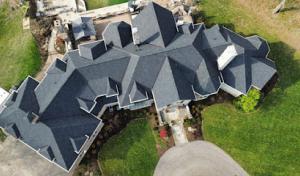
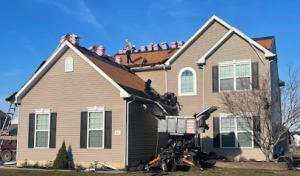
Winding River Construction
(216) 816-7475 www.windingriverconstruction.com
Serving
4.9 from 76 reviews
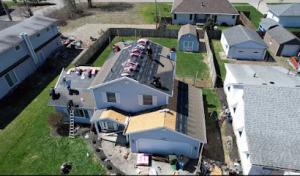

Top Gun Roofing
7684 Columbia Rd, Olmsted Falls, Ohio
5.0 from 29 reviews
Top Gun Roofing is a trusted roofing company specializing in insurance restoration. We help homeowners navigate the insurance claims process while providing high-quality roofing solutions to restore and protect their homes. With expert craftsmanship and a commitment to customer satisfaction, we ensure a seamless experience from inspection to completion.
Olmsted Optimal Roofing & Exteriors
8397 Metropolitan Blvd, Olmsted Falls, Ohio
5.0 from 3 reviews
Olmsted Optimal Roofing & Exteriors is the top dog in all things roof, siding and window related throughout The Falls and surrounding area. Our team of experts have the knowledge and know how to bring your exterior to life and provide the protection it needs and deserves from these sometimes unpredictable and extreme conditions that Northeast Ohio sometimes throws at us. So if you're home is in need of a minor roof or siding tune up or full on replacement please don't hesitate - call the pros at Olmsted Optimal and we'll be out to help you ever step of the way.
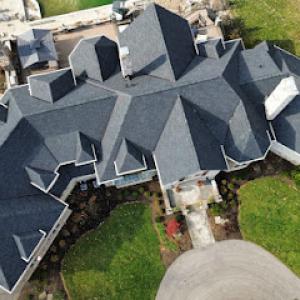
ARG Roofing
(440) 210-2047 www.arg-roofing.com
Serving
4.9 from 308 reviews
ARG Roofing provides residential and commercial roofing services to the Berea, OH area.
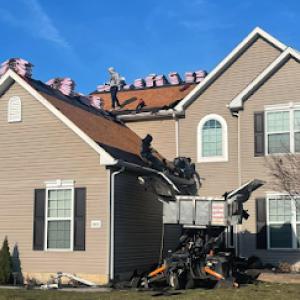
Winding River Construction
(216) 816-7475 www.windingriverconstruction.com
Serving
4.9 from 76 reviews
At Winding River Construction, we are committed to delivering top-quality workmanship and exceptional customer service across every project. Since 2021, our experienced team has proudly served Northeast Ohio’s residential communities, specializing in roofing, siding, and gutter installation, repair, and replacement. We provide free estimates and flexible scheduling to ensure a seamless customer experience from start to finish. Our skilled professionals are trained in multiple aspects of construction and use only high-grade building materials installed to manufacturer specifications—guaranteeing durable, reliable results every time.
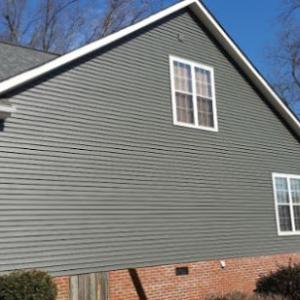
First Rate Roofing & Exteriors of Medina
(330) 944-6836 www.medinaroofandexteriors.com
Serving
5.0 from 28 reviews
If your home or business is in need of a new roof or facelift on its exterior shell then look no further than the experts at First Rate Roofing & Exteriors of Medina. We have the knowledge and expertise to handle all of your residential and commercial roofing and siding needs. Whether your just need a quick roof repair or are in need of replacing your roof or siding our contractors will handle your job as if it was our own home. We also handle gutter installs, chimney rebuilds and repairs and window installations too. We look forward to helping you with your next home or commercial renovation next!
Allslopes - Roofing, Gutters, & Restoration
Serving
4.5 from 44 reviews
Allslopes is an established leader in the Cleveland and Northeast Ohio roofing and exterior construction industry. Our team will walk you through each step, helping you not only pick out the decor (color, shape, and design) but find the right grade of material to meet your goals & budget. No roofing project is too big or too small for Allslopes' roofing experts. Whether you have big leaks or small ones the roofing contractors and experts at Allslopes in the Cleveland and Northeast Ohio area can handle any roofing project, large or small. We’ve built a solid reputation among satisfied customers and are excited to add you to the Allslopes family.
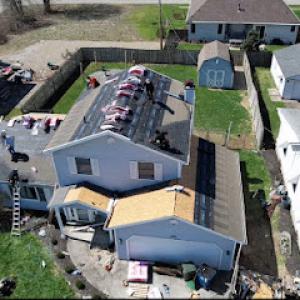
Blue Line Restorations
Serving
5.0 from 45 reviews
Proudly serving Northeast Ohio for all your Roofing, Siding and Gutter needs. Owned and operated by Public Servants and veterans! Free estimates and inspections! Storm damage, repairs, full replacements, new construction - We do it all! "Excellence guaranteed, we nail it every shingle time!" Discounts to First responders (Police, Fire/EMS, Corrections etc), Military, Teachers, and Healthcare professionals (nurses, doctors, etc)
Homestyle Home Improvements
(216) 200-6265 www.homestylehhi.com
Serving
5.0 from 171 reviews
Homestyle Home Improvements is a Roofing Company located in Cleveland, OH that services Cleveland & the surrounding areas. We specialize in Roofing Contractor, Siding Contractor, Skylight Contractor, Window Replacement, Roof Replacement, Siding Installation, Roofing Service, Siding Service, and Gutter Services. Here at Homestyle Home Improvements, our mission is to always provide quality service at an affordable price. Our Roofers are highly trained professionals with years of experience. The success of our company is due to the dedication we provide to our customers. No matter the job, customer satisfaction is always our number one priority! Give us a call today for a FREE estimate!
Price Rite Roofing & Siding
(440) 238-7663 www.priceriteroofing.com
Serving
4.9 from 153 reviews
We are the premier roof and siding installer located in Strongsville, Ohio. We specialize in residential new roof installation and new roof sales, roof repair, vinyl siding, vinyl siding repair, and seamless gutters. We proudly service Strongsville, North Royalton, Columbia Station, Brunswick, Brunswick Hills, Berea, Brook Park, Middleburgh Heights, Medina, North Royalton as well as all of northeast Ohio.
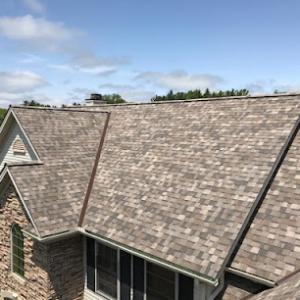
Professional Roofing Service
(440) 572-7500 proroofingservices.com
Serving
4.8 from 20 reviews
Professional Roofing Service has been covering the roofs of Northern Ohio since 1983. We specialize in commercial, industrial and residential roofing installation, maintenance and repair. Professional Roofing Service has installed and repaired roofing systems ranging from single family homes to high-rise commercial buildings. We are an approved applicator for the leading manufactuers of roof shingles, all high tech roofing systems, single-ply and multi-ply modified roofing systems as well as energy efficient roofing systems for the residential, industrial and commercial building markets. Professional Roofing Service is dedicated to educating and helping our roofing customers select the type of roofing service that best suits their needs.

Royalty Roofing
(440) 732-4477 www.royaltyroofs.com
Serving
4.9 from 573 reviews
Royalty Roofing is a full-service residential and commercial exterior contractor serving Northeast Ohio. We are locally owned and operated and focus on quality installation of the best products in the industry. We have a dedicated staff that is experienced in working with Insurance Agents on claims as well as helping Real Estate Agents meet closing dates. As a GAF President’s Club Master Elite Contractor, Royalty Roofing is proud to offer the best warranty in the roofing industry, the GAF Golden Pledge Warranty. We also offer a wide range of products including Davinci Roofscapes, James Hardie Siding, Royal Vinyl Siding, Mule-Hide Flat Roofing Systems, Velux Skylight Certified Contractor Plus and Seamless Gutters w/Xtreme Guards.
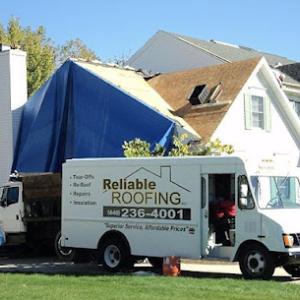
Reliable Roofing
(440) 389-3964 reliableroofingohio.com
Serving
5.0 from 13 reviews
If you need a commercial or residential roofer with experience, you can count on Reliable Roofing. We offer a variety of asphalt shingle roofing services in Columbia Station & Strongsville, OH. We use only top-quality materials and guarantee our workmanship for a full 10 years. You can trust us to take care of your landscaping and handle all of the cleanup. We even have the experience to help you navigate through insurance claims.
Asphalt shingles are the dominant practical choice for Olmsted Falls homes because they fit the area's residential reroofing-heavy housing stock and cost expectations. They handle the freeze-thaw cycles that characterize Northeast Ohio winters, and their install timelines line up well with typical storm-season claims windows. For homeowners facing frequent spring storms, asphalt shingles offer a straightforward repair pathway without requiring extensive structural changes. In this market, the familiarity of local roofers with asphalt installations translates into reliable performance, predictable teardown-to-replacement timelines, and proven winter resilience when paired with proper underlayment and venting.
Metal roofing is an active specialty in this market and is often considered by homeowners trying to improve durability against Northeast Ohio weather swings. Metal can shine in Olmsted Falls when winter ice and wind exposure are a concern, thanks to its high wind resistance and faster shedding of snow and ice. The longer service life can align well with homes that have steeper pitches or historically sensitive roof lines where frequent reroofing would otherwise be anticipated. When evaluating metal, focus on panel profiles, attic condensation management, and the compatibility of flashing with existing valleys and chimneys. A note for bungalows and modest two-story homes: the weight and the required structural checks matter more than in larger, updated frame constructions.
Tile, wood shake, and synthetic products exist in the market but require closer review of structural fit, flashing details, and winter performance in freeze-thaw conditions. Clay and concrete tiles can deliver distinctive curb appeal, but weight considerations and roof deck strength must be verified, especially on older or smaller homes common in the area. Wood shakes bring a classic texture, yet their performance under extended freeze-thaw exposure and potential for fire risk or moisture-related issues needs careful assessment. Synthetic options mimic the look of tile or shake while offering lighter weights and sometimes better dimensional stability; however, winter performance depends on the product's actual composition and installation details. In Olmsted Falls, a meticulous review of flashing at valleys, skirting around dormers, and ridge lines is essential to preserve watertight performance in freeze-thaw cycles.
With steep residential reroofing dominating the local scene, the choice often hinges on how well a material integrates with existing architectural cues and the home's structural realities. For historic or suburb-style homes, asphalt remains the reliable, technically straightforward choice that supports timely repairs after storms or hail and aligns with expected replacement cycles. Metal stands out for durability-focused upgrades on weather-exposed elevations, while tile and shakes deliver distinctive aesthetics at the cost of higher maintenance and stronger structural requirements. In practice, the best-fit decision balances the roof's existing framing, the expected winter load, and how the chosen material will respond to the typical spring storm sequence seen around here.
In this neighborhood, replacement pricing moves with the weather as much as with the shingle choice. Storm-driven demand spikes after hail and strong winds push contractor schedules and material lead times, which can squeeze a project into a tighter window and push prices higher than typical calm-season bids. When a hail event clips a block of homes, the rush to secure crews and materials can surface in Olmsted Falls pricing more than in nearby suburbs with similar homes. Understanding that dynamic helps you read bids: the same roof in the same condition can come in noticeably different numbers depending on when you schedule.
Costs in Olmsted Falls can rise when winter damage forces temporary repairs first and full replacement later in the season. If ice and wind create urgent needs, a quick temporary fix may be necessary to stop leaks and prevent interior damage, followed by a full replacement once temperatures stabilize. This sequence often adds labor mobilization charges and two rounds of material handling, which can translate into a higher total than a straight-through fall or spring replacement. Factor in the possibility that a late-season roof, after a cold snap or heavy snows, may require expedited ordering of materials and expedited scaffold setup, both of which influence the bottom line.
Material choice ranges locally from lower-cost asphalt shingles to higher-cost metal, tile, wood shake, and synthetic systems. Asphalt shingles remain the most common starting point for many Olmsted Falls homes, especially on steeper residential reroofs where tear-offs are routine. Metal, clay tile, concrete tile, wood shingles or shakes, and synthetic composites offer higher durability and specialty aesthetics, but each comes with a steeper per-square cost. The typical cost spectrum you'll see reflected in bids aligns with the city's mix of historic homes and newer builds, with steep pitches and careful, code-compliant ventilation pushing final totals upward. Expect that a higher-end system will pay off over time through longer service life and improved thermal performance, which matters when winter freezes recur.
When assembling estimates, expect crews to quote by the roof's square, with elevation and pitch playing a big role in handling and safety costs. A higher final total often mirrors not just material choice, but the need for full tear-offs, debris containment, and robust ventilation to mitigate ice dam risk during cold snaps. Remember that the plan to address storm-related damage promptly can shorten the gap between assessment and replacement, but may also compress payment timing and material procurement, influencing how bids line up. In Olmsted Falls, a clear line between storm urgency and the normal pricing rhythm helps you compare options and choose a system that balances upfront cost with long-term performance.
Don't let upfront costs delay a critical repair - these contractors offer payment plans to fit your budget.
A full roof replacement in Olmsted Falls typically requires a permit issued by the City of Olmsted Falls Building Department. The permit application is generally submitted by a licensed contractor with project details rather than handled informally after work begins. That means you should expect your contractor to bring drawings, venting plans, and material specifications to the table before any shingle is lifted. If a contractor attempts to push a project forward without proper paperwork, the risk is not just a fine part of the process-it can mean delays that stretch into the scheduling of other needed repairs and even future code compliance issues that complicate resale.
Relying on a permit as a backstop for quality helps protect the house against the Northeast Ohio freeze-thaw cycles and spring storm impacts. The Building Department tends to look closely at how the roof integrates with attic ventilation, drainage, and the overall structural design. If your home has a historic profile or steep pitches common in this community, the permit review can be meticulous about how skylights, vents, and chimney flashing are treated. Work started without permits can trigger enforcement steps and costly rework later, so make sure your contractor has the paperwork lined up before the first shovel of shingle is removed.
City inspections are conducted during and after roofing work, with attention to ventilation, flashing, and overall code compliance. Expect at least one interim inspection while the project is underway to verify ventilation adequacy, attic air intake, and proper underlayment installation. The final inspection confirms that flashing around chimneys, dormers, and valleys maintains a water-tight seal and that any repair or replacement of decking adheres to current standards. In a climate where ice dam risk increases with winter conditions, proper attic and venting setup becomes a focal point of the review. If something doesn't pass, plan for corrections that can extend timelines and require re-inspection, so coordinate carefully with the contractor to avoid reactive fixes after weather events.
The Northeast Ohio storm environment means roofs routinely face wind-driven hail, freeze-thaw cycles, and spring claim season. Carriers in this market commonly require licensed contractors, detailed estimates, and adjuster involvement to validate damage. Before you file, separate clearly what is new storm damage from preexisting wear, and collect date-stamped evidence from multiple angles.
Keep a running photo log starting with the day of impact. Photograph all elevations, attic signs of leaks, and any interior damage. Use a consistent date stamp and annotate each shot with location, weather conditions, and observed moisture or gaps. Maintain records that show storm-related damage distinct from older wear, so the claim picture reads clearly to the adjuster.
Choose a licensed contractor familiar with steep residential reroofing and local weather patterns. When you present a bid, ensure it includes scope, materials, underlayment, and fastening details. Provide the adjuster with the same documentation your contractor supplied, plus any notes about attic ventilation or insulation changes observed during inspection.
File promptly after a storm event, and expect the insurer to send an adjuster to verify damage. Your documentation should support both the scope of repairs and any temporary fixes you made to prevent further damage. If damage is disputed, your organized photos and a clear timeline can help the adjuster distinguish hail or wind impact from wear.
After the claim settles, keep final contractor invoices, warranty documents, and any supplement requests organized for future questions, and store copies in cloud storage accessible by you or a representative.
Connect with contractors who help homeowners navigate the claims process from damage assessment to final approval.
Winding River Construction
(216) 816-7475 www.windingriverconstruction.com
Serving
4.9 from 76 reviews
In this climate, flashing and ventilation are your line of defense between a dry attic and costly damage. Small gaps at chimney, vent stacks, roof-to-wall transitions, and step flashings can become big problems after a freeze-thaw cycle. Local inspections emphasize that these details hold up better when installed with clean, tight seams and reinforced sealant. If a contractor spots loose or damaged flashing, it's not just cosmetic-water can seep behind soffits, turn into rot, and invite ice dam back-up during cold snaps. You want visible hits to flashing repaired promptly, and you want proper intake and ridge ventilation to keep attic temperatures closer to outside air. A missed lap or a mis-seated shingle edge often shows up as a softened area along a valley or near a chimney after a heavy rain.
Autumn leaf drop can complicate both debris clearance and ventilation checks on residential roofs. When leaves pile up in valleys, gutters, and around soffit vents, airflow is stifled and moisture lingers where it shouldn't. A routine inspection should include clearing down to the eave line, ensuring gutters remain free-flowing, and confirming that soffit vents aren't blocked by clogging debris. In this area, wind-carried debris can accumulate more quickly, making it easy to miss a subtle ridge or hip vent obstruction. Expect a careful sight line across each ventilation path and a thorough cleaning plan to keep the roof breathing and the attic dry year-round.
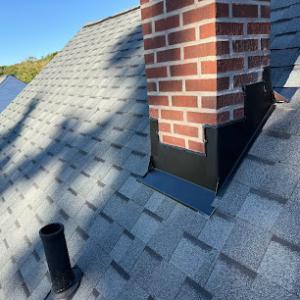
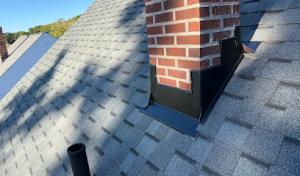
Chimney work appears frequently in the local contractor market, and chimney-related roof intersections are a meaningful point of failure. The transition from brick to shingle, the flashing at the chimney throat, and the seal around any chase all demand meticulous attention. Poorly flashed chimneys invite water penetration at the worst moments, particularly after heavy rains or freeze-thaw cycles. Reinforced, well-sealed step flashing and compatible sealants matter, as does regular inspection for cracking mortar or loose cap tiles. If you notice damp spots near the chimney or interior staining that tracks to the chimney line, treat it as a priority area for targeted repair rather than a general roof fix.
Find contractors experienced in skylight installation, flashing, and leak repairs to bring natural light into your home.
Legacy Roofing Services North Ridgeville
(440) 739-3498 www.legacyroofing.com
Serving
4.9 from 168 reviews
Although steep-slope residential reroofing dominates locally, Olmsted Falls has enough low-slope projects to support a visible flat-roof specialty segment. You'll see low-slope sections on additions, covered porches, and especially attached garages. These surfaces behave differently than shingle roofs during freeze-thaw cycles, and they demand attention to detail in flashing, drainage, and edge detailing. Expect more focus on membrane choices that handle ponding and seasonal pressure from spring rainfalls.
Low-slope and garage roofs in this area face repeated freeze-thaw cycles that can stress seams, penetrations, and edging. Ice dam risk translates differently on flat- or low-slope assemblies: standing water can back up against wall flashings and counterflashes, forcing water under the membrane. In addition, porch and garage roofs often have complex transitions where multiple planes meet, making them prone to leaks if not properly integrated with parapets, scuppers, or internal drains. A durable installation prioritizes robust drainage, heat-initiated edge detailing where feasible, and reliable interior drainage paths for any water that makes it past the surface.
Homeowners comparing bids should distinguish between contractors who mainly replace shingle roofs and those who regularly handle low-slope assemblies. Look for evidence of experience with torch-applied or cold-applied membranes, reinforced seams, and rooftop edge detailing that accommodates seasonal movement. For additions and garages, verify that the bid includes comprehensive flashing at wall interfaces, corner terminations, and proper drainage planning. Prioritize bidders who outline a clear plan for ice-dam prevention near penetrations and along parapet lines, as these are common failure points in this market.
When evaluating existing low-slope areas, inspect edge strips, flashings at walls, and any existing drainage outlets. In rebuilds following storm events, insist on confirming that membrane laps are fully sealed and that any parapet caps are enumerated in the plan. For seasonal maintenance, plan for post-winter checks focusing on standing-water-prone zones, ensuring scuppers and interior drains are clear. A well-detailed, correctly installed low-slope system can extend service life and minimize emergency repairs after heavy spring rains.
Find specialists in TPO, EPDM, and built-up flat roofing systems for residential and commercial properties.
First Rate Roofing & Exteriors of Medina
(330) 944-6836 www.medinaroofandexteriors.com
Serving
5.0 from 28 reviews

Allslopes - Roofing, Gutters, & Restoration
Serving
4.5 from 44 reviews