
Last updated: Apr 19, 2026
Spring in this neighborhood brings sudden hail and fierce thunderstorms that can topple shingles from wind gusts you didn't see coming. When a hail event hits, wind-driven damage can appear overnight, and the insurance inspection process often follows quickly after a storm. If you notice loose granules, curling, or missing shingles, treat it as an urgent wake-up call: do not delay a roof assessment. In the days after a storm, wind directions can shift, and gaps may form around vents, edges, and transitions to chimneys. A prompt roof check helps catch wind-damaged areas before interior leaks become visible and weather tightness deteriorates. Document the scene with clear photos, focusing on shingles blown off, bruising, or any granule loss, and keep a simple log of dates and observations for insurance conversations.
Northeast Ohio winters lay a stubborn groundwork: freeze-thaw cycling can turn small, almost unnoticeable weaknesses in the roof into visible leaks by spring. A single winter can push moisture into micro-cracks and underlayment seams, and spring sun can reveal the resulting staining, swelling, or soft spots. In North Royalton, many replacements end up scheduled in late spring or early fall precisely because those windows align with the most predictable load on the roof and safer outdoor conditions for full tear-off work. If spring inspections uncover soft spots near flashings or chimney crickets, treat those as high-priority, even if they seem minor. Early detection reduces the risk of widespread interior damage and lets crews coordinate a proper sealant cure and venting restoration before the heat of summer settles in.
Summer storms bring hot days and sudden downpours that can stall installation schedules, especially when crews juggle multiple projects or contend with humidity that makes ventilation and nailing more challenging. Heat can also impact sealants and membrane integrity around vents, flanges, and skylights, so timing is crucial. If a reroof is underway during a stretch of consecutive hot days, confirm with the contractor that underlayment, nail patterns, and venting are being installed to withstand prolonged sun exposure. Clear communication about weather-impacted milestones helps prevent delays from turning into gaps in protection and moisture intrusion.
As temperatures swing into fall, sealants and venting performance can degrade if installation lags or weather windows close too early. In North Royalton, the fall shoulder season is a strategic period to complete reroofs after hot summer days but before the first hard freeze. If inspection reveals compromised venting or marginal sealant conditions, address them promptly so the roof surface can seal properly before winter. Planning around these windows reduces the risk of leak pathways forming as temperatures drop and humidity shifts.
Insurance-driven roof inspections are common after substantial storm activity here. When a claim is involved, gather a concise, dated record of damage right away, focusing on wind uplift, hail impact points, and any interior signs of moisture. File photos, a simple diagram of affected areas, and a short timeline showing the storm event, subsequent rains, and any interim repairs. If a contractor recommends a full replacement or targeted repairs, coordinate timing so that a temporary protective measure is in place and the work aligns with favorable spring or fall weather-minimizing exposure to summer heat and early winter cold. Acting quickly, yet methodically, helps ensure the damage is documented accurately and the project proceeds with fewer weather-driven interruptions.
Expert Renovations
(440) 745-5933 expertrenovationsllc.com
17601 W 130th St Suite #6 PMB #9, North Royalton, Ohio
5.0 from 32 reviews
Looking for a trusted roofing and siding contractor in Northeast Ohio? Expert Renovations provides professional roof repair, roof replacement, siding services, and gutter installation for homeowners throughout the Cleveland and Akron/Canton regions. ✔ All Jobs Done In-House (No Subcontractors) ✔ Locally owned and operated in Northeast Ohio ✔ Licensed and insured roofing contractors ✔ Fast response for storm damage and insurance claims ✔ Honest pricing and expert craftsmanship ✔ Serving homeowners across Cleveland, Akron, and surrounding areas
Jarrell Roofing
(440) 610-2804 www.jarrellroofing.com
North Royalton, Ohio
5.0 from 24 reviews
Jarrell Roofing in Grafton, OH is a top-rated roofing contractor, providing expert repair and replacement services to keep your home or business protected. Our team of experienced professionals is equipped to handle any roofing issue, from simple repairs to complex installations. We use only the finest materials and the latest techniques to ensure a strong, durable, and weather-resistant roof. Our commitment to excellence and customer satisfaction sets us apart, making Jarrell Construction Company the go-to choice for all your roofing needs in Grafton, OH. Contact us today for a free estimate.
Roof Pro Construction
(330) 766-3464 roofpro330roofing.wixsite.com
7575 Creekwood Dr, North Royalton, Ohio
5.0 from 13 reviews
Roofing
TKO Roofing
(330) 907-0612 www.tkoroofingusa.com
Serving
5.0 from 36 reviews
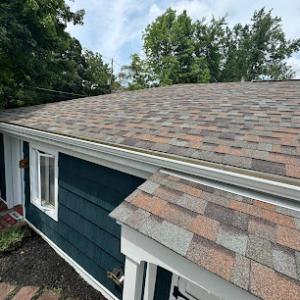
We're your trusted partner for all your roofing needs. Whether you're a homeowner seeking a beautiful, long-lasting roof or a business owner requiring a durable, weather-resistant solution, we've got you covered. Our experienced team specializes in both residential and commercial roofing, offering top-quality materials, expert installation, and exceptional customer service. We handle everything from roof repairs and replacements to storm damage restoration. Enjoy peace of mind knowing your property is protected by our craftsmanship. Contact us today for a free estimate!
OGS Roofing & Restoration
Serving
5.0 from 25 reviews
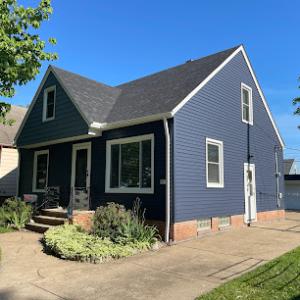
OGS Roofing and Restoration is a trusted roofing and siding company proudly serving homeowners across Cuyahoga, Lake, Geauga, Lorain, and Medina Counties. We specialize in roof repair, roof replacement, and storm damage restoration solutions that protect and enhance your home. Our team provides honest inspections, quality craftsmanship, and exceptional customer care from start to finish. Whether you need minor roof repairs or a complete replacement, we ensure the job is done right the first time. Call OGS Roofing and Restoration today for a roof inspection and reliable roofing services near Strongsville, Parma, Westlake, Lakewood, Shaker Heights, Brecksville, Broadview Heights, North Olmsted, Middleburg Heights, and surrounding regions.
Eames & Sons Roofing
(440) 256-6245 eamesandsonsroofing.com
Serving
5.0 from 71 reviews
Roofing, siding, gutter repair and installation. It's all about Family, Flexibility, and Freedom for our owner, Tom Eames. Having four boys, he wants to raise them to be men that are generous, humble, honest, and hard working. We want to live those values out for every homeowner we work with. For us, it's about families helping families.

LevelUp Renovations
(330) 612-0721 levelup-reno.com
Serving
5.0 from 38 reviews
LevelUp Renovations is Northeast Ohio's choice for home and business remodeling and improvement projects. Our team of professionals will work with you from design concept to job completion, matching your vision and exceeding your expectations at every step. Whether you are thinking of a new roof or siding or adding more space to your home, creating a floor plan that’s customized for your lifestyle, improving energy efficiency with new windows and doors, or increasing the resale value of your home, we can help!
Strongsville Roofing & Exterior Repairs
(216) 505-4530 strongsvilleroofrepairs.com
Serving
5.0 from 71 reviews
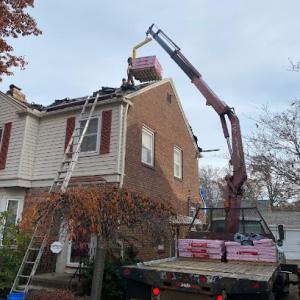
We are a Strongsville-owned and operated residential and commercial roofing company serving Strongsville and the Cleveland suburbs for over 30 years. From roof repair to roof inspections and installations - we do it all. In addition to roofing, we do exterior house repairs of all kinds: we repair gutters, skylights, decks, siding, chimneys, and more. We respond to calls quickly and will be there fast in case of any emergency. Hire Strongsville Roofing & Exterior Repair services to get your home into shape fast! Give us a call today!
Cruz Roofing company
(216) 202-0654 cruzroofingcompany.com
Serving
5.0 from 18 reviews
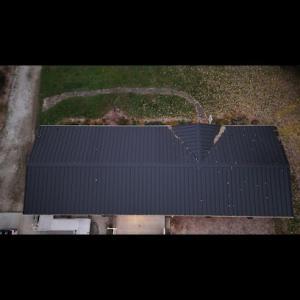
Cruz Roofing Company is a reliable contractor that specializes in providing high-quality roofing solutions for residential and commercial properties. With a focus on metal and asphalt shingle roofing systems, they are dedicated to craftsmanship and customer satisfaction, delivering impeccable results that ensure peace of mind for their clients.
Second To None Roofing
(440) 842-0823 www.secondtononeroofing.com
Serving
4.6 from 63 reviews
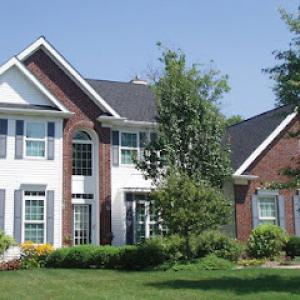
Second To None Roofing provides residential roofing, siding and gutter services to the Greater Cleveland, OH area.
Tri County Roof Cleaners / TRT Power Washing
(330) 631-5827 tricountyroofcleaners.com
Serving
4.9 from 97 reviews
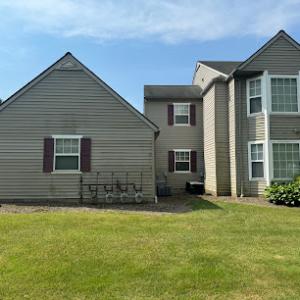
TRT Power Washing (formally know as) Tri County Roof Cleaners is your soft wash specialists! We offer a variety of cleaning services including but not limited to removing black algae, moss, and lichens using a non-pressure, soft wash system. In business since 2008, we are experienced in multiple roof surfaces. We also offer house cleaning (either using pressure or a soft wash), oxidation removal, spot/streak-free window cleaning, gutter brightening / whitening, surface concrete cleaning, cement sealing, wood fence/deck restoration, and more much
Buckeye State Roofing
(330) 421-0271 www.buckeyestateroofing.com
Serving
4.9 from 289 reviews
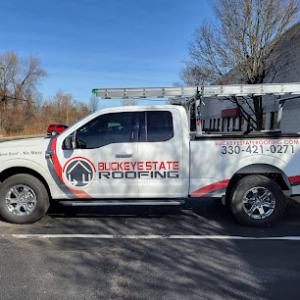
Buckeye State Roofing is Northeast Ohio’s trusted roofing company, known for quality, honesty, and lasting results. As a local roofing contractor, we specialize in expert roof repair, roof replacementt, and new installations built to handle Ohio’s tough weather. Our friendly, experienced team focuses on craftsmanship and clear communication every step of the way. Whether you need a small fix or a full replacement, you can count on us for reliable service, long-term protection, and a roof that’s built to last.
For residents of North Royalton, the roofing landscape is shaped by frequent hail, pounding spring thunderstorms, and gusty winds that leave uneven wear across the neighborhood. A single storm isn't the only trigger for claims; insurers commonly see activity tied to multiple events over a season, especially when a winter and spring cycle overlaps with nastier storms. That means you may be weighing repair options after a sequence of smaller impacts rather than waiting for one obvious catastrophe. The practical reality is that a roof can look relatively intact from the street and still tell a different story up close, especially on older asphalt or mixed-material homes that carry decades of prior wear.
Insurers serving this market expect documentation that anchors the claim in verifiable facts. When a storm hits, you'll want date-stamped photos that show the extent of damage as it appeared at the time, not after a few days of wind and sun altered the look. A roof age estimate helps put the condition in perspective for the adjuster, since the remaining life of the roof influences whether a patch or a full replacement is appropriate. A professional assessment from a local roofer, ideally one who understands Northeast Ohio's freeze-thaw cycle, adds credibility to the claim by detailing underlayment condition, nail-fastening integrity, and venting effectiveness. This isn't a guesswork step; insurers frequently align their evaluation with an expert who can differentiate hail impact from aging wear, and separate cosmetic issues from structural concerns.
Depreciation versus replacement-cost coverage can materially change the reroofing decision after a storm loss. In practice, that means the gap between what the insurer will pay and the actual cost to restore a roof can hinge on the policy type and the roof's current condition. When older asphalt roofs show widespread granule loss or creasing, the decision isn't simply "patch or replace" but a careful calculation of whether replacement is warranted to restore predictable performance. In this market, the consequence of choosing depreciation-based claims can be substantial, affecting long-term reliability, attic ventilation balance, and future energy efficiency.
Expect the adjuster to focus on how well the roof was maintained prior to the storm, the visible impact to shingles and flashing, and whether underlayment and vents were compromised. They'll want to verify the roof's remaining life and assess any secondary damage to decking or interior spaces. Given the local weather patterns, evidence of granule loss on asphalt shingles is a common detail that influences the conclusion about replacement versus repair. A thoughtful, well-documented presentation that includes expert input can streamline the process and reduce back-and-forth delays.
To position yourself well, gather your photos promptly after a storm, secure a certified roof evaluation, and share a clear timeline of events with your insurer. If the roof shows mixed signs-minor surface wear in some areas and severe impact in others-rely on an assessment that maps these zones to potential repair strategies. In this market, timing matters: aligning documentation, expert evaluation, and insurer expectations can help avoid protracted disputes when hail and wind have left a neighborhood-wide footprint.
Connect with contractors who help homeowners navigate the claims process from damage assessment to final approval.
Expert Renovations
(440) 745-5933 expertrenovationsllc.com
17601 W 130th St Suite #6 PMB #9, North Royalton, Ohio
5.0 from 32 reviews
Roof Pro Construction
(330) 766-3464 roofpro330roofing.wixsite.com
7575 Creekwood Dr, North Royalton, Ohio
5.0 from 13 reviews
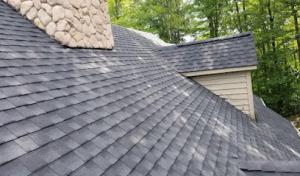
Asphalt shingles remain the dominant practical choice for many homes in this area, thanks to familiar installation methods and broad availability. However, repeated winter freeze-thaw stress and spring wind events make installation quality and sealing especially important. When you choose asphalt, pay particular attention to proper nailing, adequate attic venting, and an underlayment that can handle the moisture cycles common in Northeast Ohio springs. A well-sealed edge detail around eaves, ridges, and dormers helps prevent wind-driven leaks during late-season storms. In this climate, choosing a shingle with good granule retention and a sturdy adhesive mastic is worth the extra diligence during installation and inspection after the first winter.
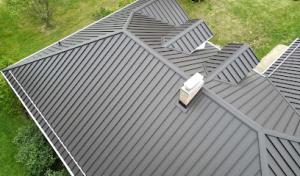
Metal roofing is active in this market and appeals to homeowners looking for durability through snowy winters and storm seasons common across Northeast Ohio. Metal panels perform well under freeze-thaw cycles and shed snow more predictably, which reduces ice dam risk on less-than-ideal soffit ventilation. To maximize performance here, ensure a solid deck, continuous ventilation, and properly fastened panels with water-tight seams along valleys and transitions. While metal often carries a higher upfront cost, its long-term resistance to wind, hail, and seasonal moisture can be a practical hedge against recurring storm events. Pay attention to:
Tile, wood shake, and synthetic/composite options exist locally, but their performance and cost need to be weighed against North Royalton's seasonal temperature swings and the structural realities of existing homes. Clay and concrete tiles can offer excellent longevity and a distinct look, but heavier weight requires a solid structural assessment and potentially more robust framing. Wood shakes bring aesthetic appeal but may demand more maintenance to resist moisture, rot, and insect pressure in wet springs. Synthetic/composite shingles often provide a middle ground in weight, durability, and maintenance, yet still require attention to underlayment and proper attic ventilation. If you lean toward these options, plan for a careful evaluation of roof deck condition and potential reinforcement before installation.
Across all options, climate-specific considerations should guide the final choice. Northeast Ohio's seasonal temperature swings mean that a high-quality installation matters as much as the material itself. Focus on accurate underlayment installation, correct nailing patterns for your chosen roof type, and meticulous venting to manage moist air in spring and summer. A reroof in this market is a joint effort between material choice and rigorous craftsmanship, aimed at resisting wind uplift, ice migration, and the relentless cycle of freeze-thaw that a North Royalton winter can bring.
Storm-driven demand spikes after hail and wind events in Northeast Ohio can tighten scheduling and push reroof pricing toward the upper end of local ranges. In North Royalton, it's common to see crews booked weeks out after a major storm, especially for homes with detached garages or multi-story rooflines. Plan for weather windows that allow safe tear-off, underlayment, and venting work, and build in a small buffer for potential delays caused by storm cleanup or unexpected moisture in attic spaces.
Homes in this market often need full tear-off and code-conscious venting corrections rather than simple overlay work, which can raise project totals beyond base per-square material pricing. A full tear-off clears damaged underlayment and flashing and makes it easier to install proper venting, attic baffles, and ridge vents. Expect the crew to inspect decking as part of the process, with replacement or repair of any warped or rotten boards as needed. This approach reduces the risk of ice damming and buckling during North Royalton's freeze-thaw cycles.
Asphalt shingles remain a common, cost-conscious choice, with typical pricing in the lower-to-mid range. Metal roofing sits higher but offers long-term durability against hail and wind. Tile options (clay or concrete) and synthetic shingles fill the upper tiers, influenced by roof complexity and required venting work. In practical terms, the base material pricing per square (100 square feet) often sits within the following bands: Asphalt Shingles roughly 350 to 650 USD, Metal 600 to 1100 USD, Clay Tile 900 to 1800 USD, Concrete Tile 800 to 1500 USD, Wood Shingles/Shakes 700 to 1200 USD, and Synthetic/Composite 550 to 900 USD. Remember, these are base material ranges; actual totals typically add labor, tear-off, underlayment, flashing, and venting corrections.
Shingle color and profile, attic venting strategy, and the need for enhanced underlayment in freeze-thaw zones can move bids upward. If a roof has multiple penetrations (vents, skylights, chimneys) or a complex layout, labor hours rise quickly. In Northeast Ohio, careful attention to ventilation and decking condition matters as much as the top-surface material to prevent future storm damage and energy costs.
When evaluating bids, compare not just the per-square price but the scope of work: tear-off included? decking inspection and repairs? venting upgrades? waste disposal? A lower bid may appear attractive but could omit essential steps that protect against future weather damage. If storm season is approaching, expect some urgency in scheduling; plan for a contingency in the final total.
Don't let upfront costs delay a critical repair - these contractors offer payment plans to fit your budget.
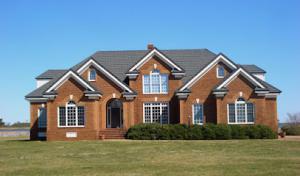
Residential roof replacements in this city typically require a building permit through the Building Department. The local process is straightforward, but it helps to know who handles the paperwork: the contractor usually files the permit locally, and the city staff will guide any document needs or code references specific to your street or home type. Expect the permit review to cover tear-off scope, materials proposed, and general safety compliance. Having your contractor pull permits early can prevent delays once crews are ready to start and keeps all work in step with city expectations.
After tear-off, a rough inspection is commonly conducted. This is the stage where the inspector checks that the roof deck is sound, the underlayment is properly installed, and early nailing patterns align with code requirements. In Northeast Ohio's climate, proper underlayment sits at the center of long-term performance, especially through freeze-thaw cycles and spring storm events. A smooth rough inspection hinges on clear access for the inspector, neat staging of materials, and confirmation that the chosen underlayment and fastener schedule align with both manufacturer specs and city standards.
North Royalton inspections typically verify venting, nailing pattern, and underlayment installation. Proper venting ensures attic moisture is managed during warm spells and rapid temperature swings, while the nailed pattern impacts wind uplift resistance-a critical factor in our storm-prone springs. To minimize inspection hiccups, coordinate with the contractor to confirm vent placement aligns with the chosen roofing system and that fasteners are installed as shown on the permit drawings. Scheduling can slow down during peak reroofing seasons after major weather events, so plan with some flexibility and maintain open lines of communication with the contractor and inspector.
A final inspection is performed upon completion to confirm the entire system meets code, including flashing transitions, ridge and hip details, and venting finalizations. This step ensures the roof is weather-tight and ready to withstand the local freeze-thaw stress that marks Northeast Ohio winters. Expect the inspector to verify that the roof installation adheres to the permit scope and that any concealed work, such as interior penetrations or attic ventilation, remained compliant throughout. If adjustments are needed, the contractor will address them under the permit's final sign-off, so keep a clear line of contact for any post-inspection items.
Keep copies of all permit-related documents and inspection approvals in a readily accessible folder. Before work starts, confirm the contractor's license status and the city's current inspection schedule, noting that peak seasons can push calendars out. If a storm or weather event triggers expedited work for recovery, ask the contractor to communicate with the Building Department about anticipated timelines and any temporary variances. Understanding the sequence-permit filing, rough inspection, venting and nailing verification, then final inspection-helps homeowners anticipate delays and coordinate weather-aware scheduling.
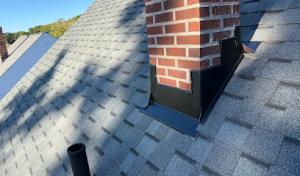
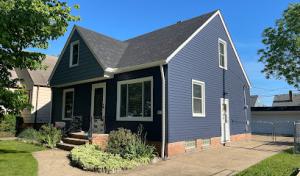
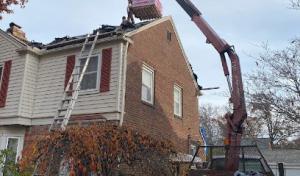
In Northeast Ohio's freeze-thaw cycle, flashing around skylights and chimneys tends to be a frequent weak point. Winter expansion and contraction can open narrow pathways for water, so those vertical transitions deserve careful attention. When a roof line meets a dormer or a boxed-in chimney, even small cracks or loose sealant can translate into attic drips after a heavy melt or a late-season storm. The roof deck itself may stay solid, but a marginal flashing detail can turn into a stubborn leak that shows up only after enough moisture accumulates in a living space.
Storm season often exposes the reality that targeted leak work is more common than wholesale reroofs. High winds, hail, and driving rain can lift or kink flashing, gutters, and drip edges, letting water ride along the underlayment until it finds a seam to breach. In spring and the shoulder seasons, a rapid warm spell followed by a drop in temperature can stress joints that looked fine in summer. The result is moisture lingering in places you don't routinely inspect, turning attic condensation into visible staining on ceilings.
Fall venting and sealant problems tend to become winter leak complaints when moisture and temperature swings expose marginal flashing work. If soffit vents or attic gable vents aren't paired with proper seals, air movement can drive moisture into the roof line. Deteriorating sealant around vent boots or a poorly caulked chimney crick can allow water to bypass a seemingly intact roof surface. Look for powdery mineral deposits, dark stains along flashing seams, or soft spots near vent jacks after recent storms.
Start with the most visible joints: skylights, chimney-to-flashing interfaces, and vent pipes. Check for loose or cracked sealant, raised flashing folds, and rusting or bent metal. When moisture shows up after storms, prioritize resealing and re-flashing rather than immediate full replacement, if the deck remains sound. If interior staining repeats after successive storms, address the interior side first with temporary measures while arranging a professional assessment.
Persistent leaks that track along a seam, seep into an interior cabinet, or recur after repair attempts suggest a targeted leak project is needed. A knowledgeable local roofer will verify underlayment integrity, confirm proper nailing patterns, and ensure venting and flashing are performing under real weather swings. Prompt attention to marginal flashings can prevent further interior damage and keep a roof system performing through another harsh Ohio winter.
Find contractors experienced in skylight installation, flashing, and leak repairs to bring natural light into your home.

Strongsville Roofing & Exterior Repairs
(216) 505-4530 strongsvilleroofrepairs.com
Serving
5.0 from 71 reviews
Storm swings and the Northeast Ohio freeze-thaw cycle put unusual emphasis on workmanship. In North Royalton, a roof's ability to perform through winters hinges on more than the shingles chosen; underlayment, nailing, and venting details are routinely checked during reroof inspections. A warranty that clearly defines who is responsible for leaks caused by installation gaps, improper nailing patterns, or vent blockages can be the difference between a temporary fix and decades of reliable service.
When evaluating proposals, confirm who bears responsibility for storm-related repairs and what constitutes an eligible claim. Look for explicit coverage of workmanship, including how defects in nailing, underlayment, and venting are handled and whether those guarantees extend beyond the first year. Clarify how long the workmanship warranty lasts, what events cause voidance, and whether the coverage includes labor and replacement materials. For storm work, ensure the contract delineates whether repairs follow the same standards as the original installation or if a separate modification is required to maintain coverage.
A locally competitive reroofing market means warranty language can be a meaningful differentiator. Ask how storm-damage repairs influence manufacturer warranties on asphalt and metal proposals, and whether a retrofit must meet current standards to preserve coverage. If a contractor offers a workmanship guarantee, verify its scope: does it cover fasteners, sealants, and flashing, or only the core shingle installation? Confirm whether there is a requirement for documented inspections after hail events or severe storms, and whether the warranty transfers if you sell the home. Finally, request written procedures for filing claims, including what proof is needed and who conducts the assessment.