
Last updated: Apr 19, 2026
Rocky River sits directly on the Lake Erie shore, so winter wind exposure and lake-influenced moisture make ice dam formation and wind-driven water intrusion a primary roofing concern. The pattern here is a cold, heavy snow followed by rapid freeze-thaw swings, which can back water up at eaves and around valleys even when shingles still look serviceable from the ground. That means problems may hide in plain sight until a storm reveals the damage, and the damage often travels from a few shingles to attic leaks in a single afternoon.
Lake-effect winds push drifting snow up against the soffit line, then meltwater refreezes at the colder eaves. When ice builds along the rake and valley gutters, heat escaping from living spaces or attic spaces can intensify the dam, pushing water under shingles and into the sheathing. You'll notice damp ceilings, stained walls, or frost at the underside of the roof deck when temperatures swing. From ground level, shingles may look intact, but the interior scene can be far worse than the exterior appearance suggests. Quick action is essential before hidden rot and mold set in.
Wind-driven storms bring rain hard against the prevailing winds, potentially forcing water under the drip edge where it meets the fascia. In Rocky River, roofs with undersized or aged flashing around chimneys, vents, and along the hips are especially vulnerable. When a storm hits, that water finds any small gap-chimney crown cracks, vent boot failures, or deteriorated step flashing-and starts a cascade that travels along the roof plane and into the attic. The risk isn't only from direct impact; it's from the accelerated movement of moisture under protection layers that seemed sound from the ground.
Because local contractor activity strongly clusters around storm damage, emergency repair and insurance claims are common after events. Homeowners often need rapid tarping and photo documentation immediately after wind or hail events. If a storm hits and a roof section sustains obvious damage or there is attic condensation after a wind event, arrange temporary tarping to keep rain out while you coordinate contractor access. Photograph all affected areas from multiple angles and document dates and weather conditions. These records speed up claims and help determine prioritization during busy periods.
Inspect after a storm only if it's safe; otherwise, do not climb onto a compromised roof. Look for lifted shingles, missing flashing, and loose gutters from ground level or a balcony. If you find visible damage or ongoing leaks, place a sturdy tarp over the affected area and secure it to prevent wind displacement. Clear debris from gutters and downspouts when safe to do so, because clogs worsen ice dam risk and water backup. Keep night-time temperatures in mind: warm attic conditions can intensify melting during the day, so early-season attic insulation and sealing become a practical line of defense.
Prioritize proper insulation and air sealing in the attic to minimize heat loss that fuels ice dam formation. Ensure step flashing, valley flashing, and chimney or vent terminations are sound and properly integrated with the roofing material. For aging roofs or high-risk areas (valleys, low-slope sections, and along the eave line), plan a proactive evaluation before winter storms hit, rather than waiting for leaks to prove the damage. A well-sealed, properly flashed roof is your best defense against the twin threats of ice dams and wind-driven water intrusion on the lakefront.
Late spring through early fall is the typical replacement window in this area, a practical rhythm driven by Lake Erie's practical spell of winter and the freeze-thaw cycle. Snow and ice can delay tear-offs and push crews off track, so planning ahead matters. A homeowner with a plan should align tear-offs with the calmest stretches of weather, aiming for mid-spring to early summer when the lake weather eases and the ground dries reliably. That timing reduces the chance of damage from rushing installations and minimizes the risk of shingle or underlayment exposure during late-season cold snaps.
Spring storms, especially those that roll off the lake, can create sudden demand spikes in this market. When a batch of homes hits the market for replacement in a short window, lead times for full replacements and temporary dry-in work can stretch. Expect a tighter schedule if a late-season cold snap breaks into a warm spell, or if a hail event stirs immediate need for assessments and quick bids. In this environment, it helps to secure a detailed project timeline early, with explicit milestones for the dry-in stage, material delivery, and final teardown. Having flexibility in start dates within the preferred window can keep the project moving when storm activity creates a burst of demand.
Autumn on the Lake Erie shore can bring tighter weather windows from wind and rain. Wind-driven fronts and frequent showers compress the time available for continuous work, and that pressure can affect crews and material handling. Homeowners who wait too long into fall may face compressed installation schedules, with less buffer for delays or unexpected repairs. If autumn work becomes necessary, prioritize early bids and confirm contingency plans for drying-in and protection against late-season storms. A practical approach is to schedule critical milestones (dry-in, underlayment, and roof-cover installation) with clearly defined weather allowances so the project can adjust without losing momentum.
Ice dam formation remains a decisive factor for replacements near the shore, where Lake Erie's winter pattern can drive sudden reevaluation of an existing roof. Early assessment of attic ventilation, insulation quality, and drainage routes helps prevent ice-dam risk once the warm spells return. For a replacement, ensure that the chosen system addresses wind uplift considerations common to exposed ridge lines and shorefront gusts. A coordinated plan that includes temporary protective measures during winter storms-if a project lingers into shoulder seasons-keeps interior spaces cleaner and minimizes exposure to weather-driven delays.
Start by confirming that the chosen contractor can accommodate a spring-to-summer schedule with clear dry-in and weather contingency points. Build a realistic sequence: tear-off, flashing checks, underlayment, and final shingle or panel installation, followed by a thorough inspection and debris removal. Communicate with neighbors about any staged work to manage debris and noise across the street, especially when working along stubborn lake winds. In peak season, expect some flexibility in start dates, but keep the overall replacement plan anchored to the calm, predictable stretch of late spring through early fall.
Get a clear picture of your project costs upfront - no commitment required.

Peak & Valley Roofing
(216) 777-9876 www.peakandvalleyroofing.com
20545 Center Ridge Rd # 470, Rocky River, Ohio
5.0 from 169 reviews
Peak & Valley Roofing is roofing the way it should be—done by people who show up, shake your hand, and stand behind their work. No pressure. No gimmicks. Just dependable professionals who know the trade and take care of their customers. Cleveland homeowners choose us for our reliability, transparency, and a commitment to service that goes far beyond the last shingle.
Elite Exteriors CLE
(440) 305-0081 www.exteriorscle.com
20545 Center Ridge Rd #201, Rocky River, Ohio
5.0 from 37 reviews
Cleveland's local roofing, siding and window experts. Restoring the Land one Roof at a Time. We specialize in restoration, roofing, siding, windows, gutters, storm damage, and insurance claims.
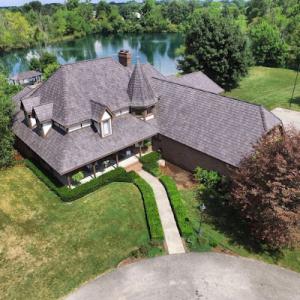
Great Roofing & Restoration
(440) 499-6313 greatroofing.com
Serving
4.9 from 122 reviews
We specialize in residential, commercial, and multi-family roofing services. Our team of experienced contractors are dedicated to providing high quality workmanship and customer service to all our customers. We understand the importance of a secure roof for your home or business, and take pride in working with you to develop a plan that works for your home or business & within your budget. From repairs to full roof replacement, Great Roofing and Restoration has you covered. Contact us today for more information!
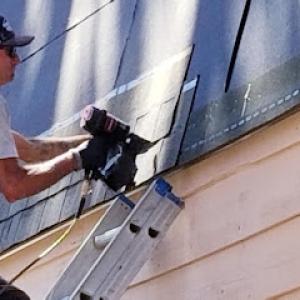
Cleveland Roofing Pros
(216) 293-8705 allclevelandroofingpros.com
Serving
5.0 from 29 reviews
At Cleveland Roofing Pros, we provide reliable roof repair services for homeowners and businesses across Cleveland, OH. A damaged roof can quickly lead to leaks, structural issues, and costly repairs if not addressed promptly, which is why our skilled roofing team is ready to act fast with trusted solutions. We specialize in repairing leaks, replacing damaged shingles, fixing storm-related roof damage, and restoring overall roof integrity. Using durable materials and proven repair techniques, we make sure your roof remains strong and long-lasting, protecting your home or business year-round. Our technicians also conduct thorough inspections to identify hidden issues and prevent future problems.
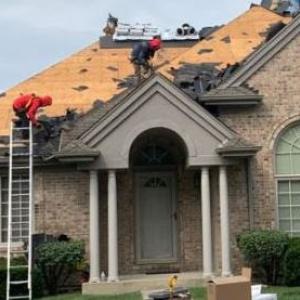
A&L Royalton Roof & Siding
(440) 259-6434 royaltonroofandsiding.com
Serving
5.0 from 13 reviews
A&L Royalton Roof & Siding specializes in roofing replacement, roof repairs, siding replacement, gutter installation, chimney rebuilds and repairs, and windows! We have served many customers over the years and we look forward to making your our next happy client! So whether you have a residential or commercial property you can count on us to get the job done right the first time! Call now for your free estimate.
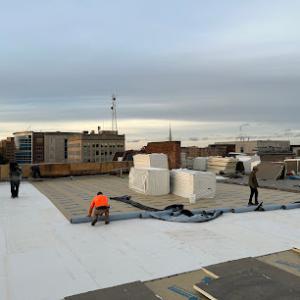
West Bay Construction
Serving
5.0 from 73 reviews
West Bay Construction is a premier roofing and siding contractor serving Westlake and the wider Northeast Ohio region. We specialize in comprehensive exterior solutions for residential, multifamily, and commercial properties. Our expert services include roof replacement, flat and low-slope commercial roofing systems, fiber cement siding, and vinyl siding installation. Our projects are designed to endure challenging local weather conditions, ensuring long-term durability and performance for every building.
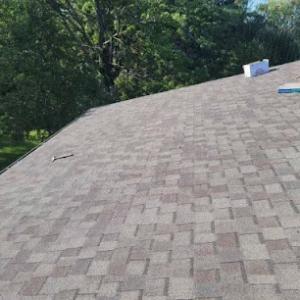
Falcon Roofing & Siding
(440) 656-9977 www.falconohio.com
Serving
5.0 from 59 reviews
Specialists in residential and commercial exterior construction services, we are dedicated to providing customer service that is second to none. Whether you have a new construction project or it's time for repairs, we offer the roofing, siding, and gutter services you need.
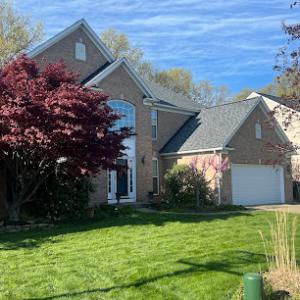
Pring Roofing
(216) 941-6298 pringroofing.com
Serving
4.9 from 94 reviews
Pring Roofing, a trusted BBB accredited business, has been proudly serving Cleveland and surrounding areas since 1936. Specializing in residential, commercial, and industrial roofing, we offer a comprehensive range of services, including shingle roof replacement and installation of systems such as EPDM, TPO, metal, built-up, and modified bitumen. Our experienced team of professionals is dedicated to delivering quality workmanship and tailored solutions to meet the unique needs of each project. With over eight decades of experience, Pring Roofing is your go-to roofing partner for all your needs. We understand the importance of a reliable roof for your home or business and strive to exceed expectations with every project.
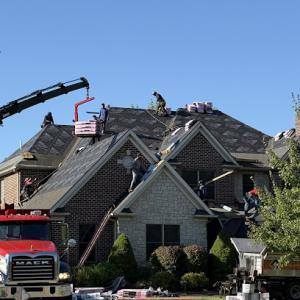
ARC Roofing & Home Improvements
Serving
4.9 from 118 reviews
ARC Roofing & Home Improvements – Cleveland’s Trusted Roofing Experts Since 1985 ARC Roofing & Home Improvements is a family-owned roofing contractor proudly serving Cleveland, Lakewood, Parma, Strongsville, and surrounding Northeast Ohio neighborhoods for over 40 years. We specialize in residential and commercial roofing, including roof replacements, shingle roofing, leak repairs, flat roof solutions, gutter installation, and storm damage restoration. We are A+ rated by the BBB for 15 years, known for our commitment to quality craftsmanship and reliable customer service. Whether you need an emergency roof repair, a full roof replacement, or a free inspection, our team delivers fast, professional, high-quality results

Royalty Roofing
(440) 732-4477 www.royaltyroofs.com
Serving
4.9 from 573 reviews
Royalty Roofing is a full-service residential and commercial exterior contractor serving Northeast Ohio. We are locally owned and operated and focus on quality installation of the best products in the industry. We have a dedicated staff that is experienced in working with Insurance Agents on claims as well as helping Real Estate Agents meet closing dates. As a GAF President’s Club Master Elite Contractor, Royalty Roofing is proud to offer the best warranty in the roofing industry, the GAF Golden Pledge Warranty. We also offer a wide range of products including Davinci Roofscapes, James Hardie Siding, Royal Vinyl Siding, Mule-Hide Flat Roofing Systems, Velux Skylight Certified Contractor Plus and Seamless Gutters w/Xtreme Guards.
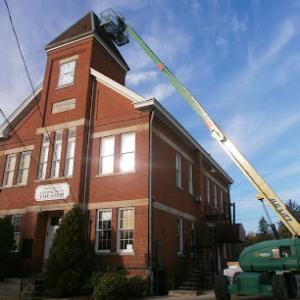
Cleveland Ohio Roofing
(216) 815-7663 www.clevelandroofing.com
Serving
4.5 from 8 reviews
Cleveland Ohio Roofing specializes in commercial roof maintenance plans, roof repairs, and roof restorations. A maintenance agreement includes regular inspections and routine upkeep, helping to extend the lifespan of the commercial roof. By addressing minor issues before they escalate, the roof can continue to function effectively for its intended lifespan.
Smart Fix Roofing
(440) 782-1231 www.smartfixroofing.com
Serving
4.9 from 51 reviews
Smart Fix Roofing is a locally owned roofing contractor serving Cleveland, Westlake, Bay Village, and surrounding Northeast Ohio communities. We provide residential and commercial roof replacement, roof repairs, siding, gutter, and skylight services for homeowners and businesses. Our team performs professional roof inspections and addresses wind or hail damage when present, including assistance with insurance-related documentation when needed. Every project is completed using high-quality materials and verified through quality control. Smart Fix Roofing is BBB A+ rated and known for honest recommendations, clear communication, and dependable workmanship.
The dominant residential roofing mix here includes asphalt shingles, metal, clay and concrete tile, slate, and synthetic slate, reflecting both standard suburban homes and older upscale properties near the lake and river corridor. This blend means you'll encounter a broader range of maintenance needs and replacement options than in many neighboring communities. When choosing a roof, you're balancing familiar suburban practicality with the demands of heavier legacy materials that still look appropriate on older, lakeside properties. The goal is to pair a material that delivers reliable performance with a profile that harmonizes with surrounding homes and the visual rhythm of the neighborhood.
Slate and tile remain especially relevant for replacement planning because the area maintains a substantial stock of older, higher-value homes. These structures often require materials that echo the original architectural language, while delivering modern performance. If a historic or upscale home features slate or clay elements, matching that heft can protect curb appeal and resale value. Synthetic slate offers an option that preserves the aesthetic while easing installation and weight considerations, but real slate or high-quality clay can still be preferred where structural reinforcement is feasible and the historical look is a priority. In Rocky River, the decision often hinges on blending weight, period accuracy, and long-term durability in a way that suits the home's footprint and roofline.
Lakefront and exposed streets increase the importance of fastening quality, flashing details, and material choice for wind resistance, especially on metal systems and steep-slope shingle roofs. Wind-driven rain and storm events make robust edge fasteners, underlayment, and venting critical. For metal roofs, consider profiles with strong sealant lines and concealed fasteners to minimize wind uplift risk, and ensure the installation includes properly integrated gutters and downspouts to manage surge during storms. For steep-slope shingles, verify that ridge caps, step flashing, and drip edges are continuous and well-sealed, particularly where the roof abuts the chimney or dormers. A thoughtful approach to flashing transitions around skylights and vents reduces the likelihood of ice dam-related leaks once temperatures swing.
Winter conditions here lean toward freeze-thaw cycles that can drive ice dam formation. The best choices emphasize good thermal bridging control, attic insulation, and a roof system that works with a balanced ventilation strategy. In homes with heavy clay or slate, sealing around penetrations and ensuring consistent attic temperature helps minimize ice dam risk without compromising historical aesthetics. For asphalt shingles and synthetic options, look for products with proven hail and wind resistance ratings and reroofing compatibility with the home's existing roofline. Overall, compatibility with the surrounding architectural language and the ability to withstand lake-exposed winds should guide every material decision.
For asphalt shingles, expect pricing in the neighborhood of 350 to 650 USD per square, depending on installers and exact materials. Metal roofs typically run 600 to 1100 USD per square, with the higher end reflecting premium finishes and longer warranties. Clay tile sits around 800 to 1500 USD per square, concrete tile 600 to 1200, slate 1200 to 2500, and synthetic slate 700 to 1200. These ranges align with Rocky River's blend of older, high-value homes and modern rebuilds along Lake Erie's edge.
Costs can trend upward when homes have steep rooflines or complex flashing around chimneys and skylights. West-side Cleveland suburbs often feature layered eaves and ornate brick connections that demand careful detailing. If the roof deck needs extra ventilation or advanced ice-dam mitigation, expect incremental increases. In short, the more intricate the geometry and detailing, the more labor time and specialized materials matter.
Lake Erie's winter brings ice dams that stress gutters and fascia, especially on mid-century builds with valley layouts. After hail or high-wind events, storm-driven demand surges, which tightens contractor availability across Rocky River and nearby Cuyahoga County communities. This can push labor pricing higher and compress scheduling windows. Planning ahead for shoulder-season windows can help avoid peak pricing spikes.
If budgeting is tight, asphalt shingles offer the lowest upfront cost, but metal and synthetic slate deliver long-term performance against freeze-thaw cycles and wind. Clay and concrete tile provide durability with a heavier footprint that may require structural checks. Slate remains the premium, with a noticeable premium in both material and installation complexity. Consider local exposure and the anticipated storm load when selecting materials.
Obtain three detailed estimates that itemize decking, flashing, underlayment, and ventilation. Ask for references on ice-dam mitigation and storm-response speed. Confirm warranty details, including workmanship and weather-related exclusions, and request a storm-season readiness plan to keep timing predictable during volatile winter periods.
Don't let upfront costs delay a critical repair - these contractors offer payment plans to fit your budget.

When planning a full roof replacement, the practical first check is whether a building permit is required. In this area, permit issuance is typically tied to a full roof teardown and re-cover. Missing or late permitting can stall your project, invite unexpected requests from the Building Department, and complicate storm-response timelines after ice dam season. Before any tear-off begins, verify permit status with the City Building Department to avoid a halt that could stretch into the cold next season.
Inspections are not a chore to be wished away; they're a safeguard against hidden leaks, improper ventilation, or incorrect installation that may cost you more later. In Rocky River, inspections are scheduled through the City Building Department at defined milestones. Expect at least a frame-and-underlayment check, a roof-covering inspection, and a final inspection to close the permit. Having your chosen contractor present at each milestone helps prevent back-and-forth timing that can delay weather-safe work, particularly as lake-effect winds and freeze-thaw cycles intensify the risks of delayed projects.
Because this municipality operates independently from broader county procedures, permit handling and inspection coordination follow city-level processes rather than a one-size-fits-all regional path. A practical approach is to map out the permit calendar early-note when the Building Department opens for new projects, the typical inspection windows, and any required documentation (plans, product certifications, and contractor credentials). Relying on a regional template can leave you blindsided by a local requirement, and winter weather can tighten schedules quickly. Plan for a buffer period between permit approval and roofing work start to accommodate any required amendments.
Engage a contractor who is familiar with Rocky River's climate realities-ice dams, wind-driven rain, and freeze-thaw cycles mean that inspection-ready details matter. Have your contractor submit the project package well in advance of the planned tear-off date, including marked roof venting details and attic insulation provisions, so the Building Department can review without slows. Maintain open lines of communication with city staff; a quick call when a milestone approach is near can keep the project moving instead of stalling at the worst possible moment when fall storms are on the horizon. Remember: the permit is not just a box to check-it's the framework that keeps your roof project compliant, timely, and capable of withstanding the season's tougher conditions.
After a hail or high-wind event, the claim process in this area shifts quickly. Insurance activity spikes, and adjusters see many similar claims in a short period. You should have date-stamped photos from multiple angles, and interior leak evidence mapped to each affected area. If you had emergency tarping, keep records and any receipts ready. Clear, slope-by-slope damage notes help the adjuster see the full picture rather than a single "patch" view.
When you photograph, include the entire roof line and each plane (rise of the roof) to show where damage piles up from where shingles or panels are seated. For Rocky River homes with Lake Erie's exposure, wind-driven rain can create hidden damage along eaves and flashings. Note attic moisture, stained decking, and condensation that might indicate slow leaks. If interior water shows up after a storm, photograph those spots and log the time of discovery to align with meteorological records.
In a market where many contractors advertise insurance-claim help, you should still control what is documented and when. Bring the documentation to the adjuster visit and reference it during the inspection. Ask the adjuster to walk you through slope-by-slope damage findings and request a written scope that covers all affected areas before any repair authorization. If several homes in the neighborhood share similar issues, emphasize the cumulative impact rather than isolated spots so the claim reflects total roof exposure.
After the adjuster's report, compare their findings with your own records. If discrepancies appear, request an on-site re-inspection or provide additional photos that pinpoint missing or overlooked sections. The pattern of storm-response hiring means clarity on each roof plane matters; a precise, documented map helps ensure a fair settlement that covers the actual damage, including ice dam potential and wind-driven failure along eaves and ridges.
Connect with contractors who help homeowners navigate the claims process from damage assessment to final approval.

Peak & Valley Roofing
(216) 777-9876 www.peakandvalleyroofing.com
20545 Center Ridge Rd # 470, Rocky River, Ohio
5.0 from 169 reviews
Elite Exteriors CLE
(440) 305-0081 www.exteriorscle.com
20545 Center Ridge Rd #201, Rocky River, Ohio
5.0 from 37 reviews
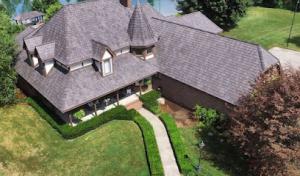
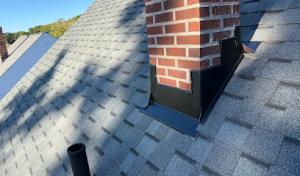
Chimney-related roofing work is notably common in this market, which fits Rocky River's older housing stock where masonry penetrations create recurring flashing and counterflashing leak points. Ice and water tests often show that the joint between brick or veneer and the roof edge is the first place to fail after a harsh winter. Skylight service is also an active specialty locally, making curb flashing and surrounding shingle integration a meaningful issue for Rocky River leak investigations. When moisture works its way around these penetrations, failures tend to show up first at the flashing transitions rather than far from them, especially after repeat freeze-thaw cycles.
Freeze-thaw conditions in northeast Ohio can worsen water entry around masonry and roof penetrations, so leak tracing in Rocky River often centers on chimneys, valleys, and skylight transitions rather than field shingles alone. Look for stained ceiling areas that align with the brickwork, or moisture spots that travel along the flashing line up the chimney chase or skylight curb. A careful check of sealant joints, mortar joints, and the step flashing where the roof meets masonry is essential, since ice dams push water laterally and pressure edges that are normally dry.
When a leak is suspected, start the inspection at the chimney, valley intersections, and skylight perimeter before widening the search to the field. Document any missing or deteriorated flashing and note where shingles overhang curb edges. Schedule weather-aware checks after significant freeze-thaw events, since those are when deterioration accelerates. Timely resealing and coordinated flashing work around penetrations can prevent escalating damage that affects attic ventilation, interior ceilings, and nearby trim.
Find contractors experienced in skylight installation, flashing, and leak repairs to bring natural light into your home.
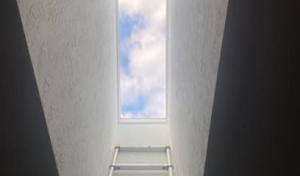
Although the city is known for its steep-slope residential market, local contractor signals show meaningful flat-roof activity. Garages, porches, additions, and mixed roofline sections frequently need separate attention because these spaces age differently and fail on a different timeline. In this climate, those low-slope areas sit at the edge of Lake Erie's bite and require attention that mirrors the main roof, not a cursory glance. Understanding how these additions tie into the home helps prevent small slow leaks from turning into costly interior damage.
These low-slope sections are especially vulnerable during wet summers and spring storm periods, when drainage problems can expose seams and flashing details. Ice and wind-driven rain can exploit marginal sealants and deteriorated joints, leading to leaks that travel along rafter bays and into soffits. Regular drainage checks-especially around scuppers, downspouts, and interior gutters-help restrict water backing up onto the deck and into attic-accessible spaces. In addition, keep an eye on any transitions between old roofing materials and newer flat decking, since aging materials meet changing weather patterns more rapidly at these joints.
Homeowners replacing only the main shingle roof should still inspect attached low-slope sections because they often age differently and fail on a different timeline. Look for grass-like debris buildup in drains, softened flashing at transitions from shingles to flat decking, and any staining along interior ceilings that matches late-season storms. If a garage or porch roof shares a valley or a common gutter with the main roof, treat its maintenance with equal seriousness to prevent cross-flow leaks. When a space adds height or changes slope, dedicate a separate inspection cycle for that segment to catch small issues before they cascade.
Keep a clear crown for low-slope gaps and ensure proper sealant renewal schedules. In mixed roofline homes, verify that roof-to-wall connections are continuously flashed, and that vent stacks on lower sections are sealed and vented properly. When storms approach, pay attention to the weakest entry points first, since those often dictate the extent of any needed storm-response work. Regularly schedule professional inspections after harsh winter cycles to catch unseen ice dam impacts on these sections.
Find specialists in TPO, EPDM, and built-up flat roofing systems for residential and commercial properties.
Peak & Valley Roofing
(216) 777-9876 www.peakandvalleyroofing.com
20545 Center Ridge Rd # 470, Rocky River, Ohio
5.0 from 169 reviews
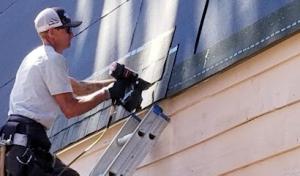
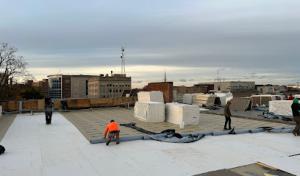
Local patterns show homeowners prize rapid arrival after a storm and a crew that cleans up every trace of work. In practice, this means choosing a roofer who commits to on-site arrival windows, clear storm-response timelines, and post-storm debris removal as part of the contract. Ice dam season and wind-driven rain make timing critical, so ask for a written minimum-response standard and a defined cleanup checklist that includes tarping, disposal of damaged materials, and spill-free disposal of old shingles or tiles. A contractor with a dedicated storm-responsive crew often matters more than a low starting quote.
Long-established firms that stay active in this market provide a sense of continuity and accountability that resonates with homeowners who have older, valuable housing stock. Look for locally known names that have weathered multiple winters and shown reliable service in the aftermath of heavy storms. Local crews familiar with typical Rocky River rooflines-gable, low-slope, and deteriorated flashing-tend to perform better because they carry the same crews season after season. If a company can reference repeat customers within a few blocks, that's a tangible sign you'll get predictable service and easier follow-up if something needs adjustment.
Warranty advertisements appear, but the emphasis is often on storm response rather than sustained workmanship coverage. Before agreeing to any contract, verify precisely what workmanship warranties cover (installation errors, flashing, leaks) and the duration, then compare that to manufacturer warranties on materials. In this climate, ice-dam resilience and wind resistance are key warranty touchpoints. Confirm who handles warranty claims, how long repairs take, and whether the same crew will return if a claim requires follow-up. Document the exact scope of work in writing to prevent ambiguity after a leak call or storm event.