Last updated: Apr 19, 2026
Lakewood sits directly on Lake Erie, so winter lake-influenced cold, snow, and wind drive more ice buildup along eaves than inland parts of Greater Cleveland. The result is sharper freeze-thaw cycles that push water up under shingles and into soffits, rafter tails, and sometimes onto interior ceilings. The typical old house in dense blocks adds multiple trouble spots: steep rooflines meet dormers, gutters hang off masonry chimneys, and every transition point becomes a favorite path for backed-up ice or meltwater. When a single eave wavers between saturated and frozen, a small ice dam can cascade into a costly leak that travels through attic insulation and into living spaces.
Much of the housing stock predates modern attic air-sealing and ventilation practices, so uneven roof temperatures are a common recipe for ongoing ice dam leakage during those dramatic freeze-thaw swings. Warm attic pockets melt snow near the ridge while colder eaves refreeze, forming dams that trap water behind them. As shingles age, granules loosen and gutters clog, both of which worsen the problem. The result is not a one-off repair, but a cycle that can repeat every winter if the underlying airflow and moisture control aren't addressed.
Look for lines of staining along ceilings beneath dormers or where a gutter meets a masonry chimney. In Lakewood, the combination of steep rooflines and numerous transitions means ice can back up at several points simultaneously. Pay attention to icicles that form along ridge-to-eave paths, as well as melted water that travels along eave lines and down into fascia boards. Inside, check for damp insulation in attic corners, dark streaks along ridges, and a musty smell that travels from attic to living spaces after a thaw.
Prioritize improving attic ventilation to balance roof temperatures across the entire span. Ensure soffit vents stay clear, and add or upgrade baffles so air can move from soffit to ridge without obstruction. In colder pockets, consider a careful reconfiguration of attic insulation to avoid blowing hot air into the attic-keep insulation below the vent chutes and away from the soffit intakes. Seal gaps around attic hatches, chimney chases, and penetrations where warm air can escape upward. If dormers exist, inspect their flashing and ensure step or counter flashing is intact where roof planes intersect masonry. Clean gutters and downspouts so meltwater moves freely away from the house rather than backing up against eaves. For homes with repeated issues, a professional inspection of the entire roof edge, including chimney flashings and dormer connections, can reveal overlooked transfer points that invite ice dams.
Persistent ice dam formation after a cold snap, or repeated interior leaks near the same eave, signals a need for a targeted assessment. A local roofer will verify attic air-sealing performance, ventilation balance, and flashing integrity at all transitions-especially around dormers and chimneys. In older Lakewood homes, addressing these areas often stops the cycle of repeated damage before it becomes widespread. If a leak is actively present, prioritize temporary water control measures to protect ceilings and insulation while arranging a thorough, site-specific plan.
Spring storms in this tight-knit neighborhood are notorious for delivering hail and fierce winds just as shingles, flashing, and gutters have endured the harshest winter. The result is a sudden mix of lifted shingles, dented metal flashing, and misaligned gutters that can cascade into interior leaks if not addressed quickly. In these homes, the pattern is predictable: a quiet March gives way to high-speed gusts and hail-driven damage that compounds pre-existing wear. The window to catch this damage before it miles beyond repair closes quickly-especially when a regional event overwhelms local crews. You should treat any new impact marks, granule loss, or lifted edges as an emergency, not a nuisance.
Ohio insurers commonly expect photo documentation, roof age records, and detailed estimates. Lakewood homes often carry roofs with decades of wear, which can complicate claim approvals if the evidence isn't clear and comprehensive. Take clear, timestamped photos of all damaged areas from multiple angles, plus close-ups of flashing joints, vents, and chimneys. Gather any records you can find about the roof's age, previous repairs, and past storm-related damage. When you file, ensure your contractor's estimate is precise, itemized, and includes temporary tarping where needed. The insurer will scrutinize the pre-storm condition closely, so you must present a tight, well-documented case that distinguishes new damage from existing wear.
Because this is a compact, built-out city, storm demand spikes quickly after a regional event. Rapid tarping and prompt inspection are essential to prevent interior plaster and wood trim from absorbing moisture and deteriorating further. Arrange a roofing professional to perform an expedited assessment within 24 to 48 hours of notice, prioritizing high-risk areas around chimneys, skylights, and transition points where flashing typically leaks. If you see active leaks, water staining, or mold beginning to form in upper rooms, treat it as an emergency and secure temporary measures immediately. A quick, documented response not only protects the home's structure but also strengthens your position with insurers, who value timely evidence of active damage.
Find local contractors experienced in assessing and restoring roofs after hail, wind, and severe weather events.
Heartland Construction Services
(614) 623-4809 buildingwithheart.com
1436 Olivewood Ave, Lakewood, Ohio
5.0 from 12 reviews
American Roofing
(216) 226-0123 www.americanroofing.com
15228 Madison Ave, Lakewood, Ohio
4.2 from 25 reviews
Heartland Construction Services
(614) 623-4809 buildingwithheart.com
1436 Olivewood Ave, Lakewood, Ohio
5.0 from 12 reviews
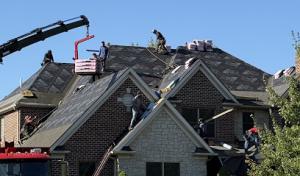
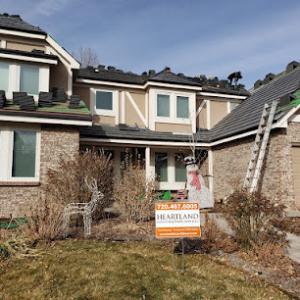
HCS provides Roofing & Gutter services for insurance claim hail-restoration projects, as well as carpentry, painting, siding, stucco, windows and more. Where other contractors only want the roof, we handle EVERYTHING to ensure you get great service and a quality product throughout all aspects of your repairs.
American Roofing
(216) 226-0123 www.americanroofing.com
15228 Madison Ave, Lakewood, Ohio
4.2 from 25 reviews
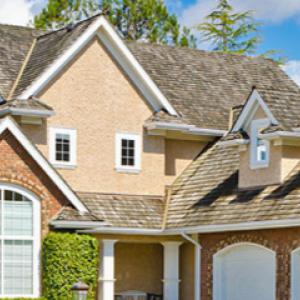
American Roofing is the only place to go to get residential and commercial roofing for your property in the Greater Cleveland area. Since 1996, American Roofing has brought home and building owners within a 50-mile radius of Cleveland a wide range of exceptional residential roofing, as well as commercial and industrial low slope roofing systems and steep-slope shingles and metal systems. We have been widely trusted for our capability to deliver extraordinary value for decades – a result of our consistent dependability, quality, efficiency, and utmost professionalism.
ARC Roofing & Home Improvements
Serving
4.9 from 118 reviews
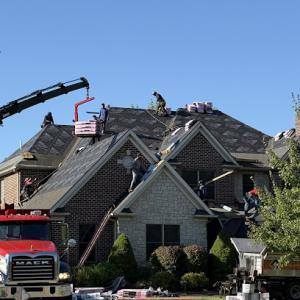
ARC Roofing & Home Improvements – Cleveland’s Trusted Roofing Experts Since 1985 ARC Roofing & Home Improvements is a family-owned roofing contractor proudly serving Cleveland, Lakewood, Parma, Strongsville, and surrounding Northeast Ohio neighborhoods for over 40 years. We specialize in residential and commercial roofing, including roof replacements, shingle roofing, leak repairs, flat roof solutions, gutter installation, and storm damage restoration. We are A+ rated by the BBB for 15 years, known for our commitment to quality craftsmanship and reliable customer service. Whether you need an emergency roof repair, a full roof replacement, or a free inspection, our team delivers fast, professional, high-quality results
Cleveland Roofing Pros
(216) 293-8705 allclevelandroofingpros.com
Serving
5.0 from 29 reviews
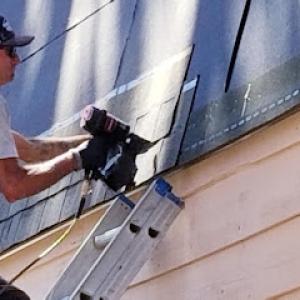
At Cleveland Roofing Pros, we provide reliable roof repair services for homeowners and businesses across Cleveland, OH. A damaged roof can quickly lead to leaks, structural issues, and costly repairs if not addressed promptly, which is why our skilled roofing team is ready to act fast with trusted solutions. We specialize in repairing leaks, replacing damaged shingles, fixing storm-related roof damage, and restoring overall roof integrity. Using durable materials and proven repair techniques, we make sure your roof remains strong and long-lasting, protecting your home or business year-round. Our technicians also conduct thorough inspections to identify hidden issues and prevent future problems.
1st Choice Roofing Company
(216) 227-7755 1stchoiceroofing.com
Serving
4.6 from 147 reviews
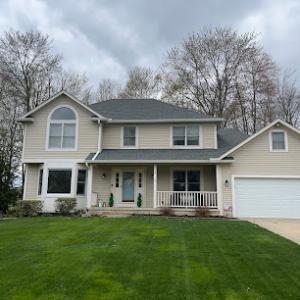
We are a Cleveland owned and operated residential and commercial roofing company serving Northeast Ohio and surrounding areas for almost 30 years. From commercial roofing to historical specialty roofing to service and maintenance we can do it all. In addition to flat roofs, we repair and service copper roofs, slate roofs and other metal roofs. We're experienced with installation of EPDM roof systems, TPO roof systems and PVS roof systems as well.

Peak & Valley Roofing
(216) 777-9876 www.peakandvalleyroofing.com
Serving
5.0 from 169 reviews
Peak & Valley Roofing is roofing the way it should be—done by people who show up, shake your hand, and stand behind their work. No pressure. No gimmicks. Just dependable professionals who know the trade and take care of their customers. Cleveland homeowners choose us for our reliability, transparency, and a commitment to service that goes far beyond the last shingle.
Elite Exteriors CLE
(440) 305-0081 www.exteriorscle.com
Serving
5.0 from 37 reviews
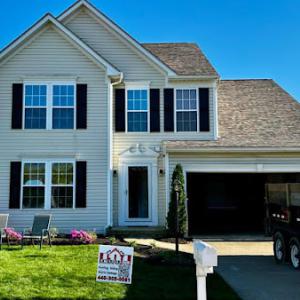
Cleveland's local roofing, siding and window experts. Restoring the Land one Roof at a Time. We specialize in restoration, roofing, siding, windows, gutters, storm damage, and insurance claims.
Pring Roofing
(216) 941-6298 pringroofing.com
Serving
4.9 from 94 reviews
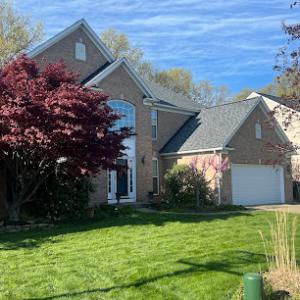
Pring Roofing, a trusted BBB accredited business, has been proudly serving Cleveland and surrounding areas since 1936. Specializing in residential, commercial, and industrial roofing, we offer a comprehensive range of services, including shingle roof replacement and installation of systems such as EPDM, TPO, metal, built-up, and modified bitumen. Our experienced team of professionals is dedicated to delivering quality workmanship and tailored solutions to meet the unique needs of each project. With over eight decades of experience, Pring Roofing is your go-to roofing partner for all your needs. We understand the importance of a reliable roof for your home or business and strive to exceed expectations with every project.
Barahona Roofing
(216) 324-2258 barahonaroofing.com
Serving
5.0 from 34 reviews
At Barahona Roofing, we are proud to be a Cleveland-based family business with 5 years in operation and over 15 years of industry experience. As a GAF-certified roofer, we specialize in roofing, carpentry, and siding, offering services for new construction, renovations, and home performance upgrades. Our team is dedicated to delivering top-quality work and maintaining clear communication throughout every project.
A&L Royalton Roof & Siding
(440) 259-6434 royaltonroofandsiding.com
Serving
5.0 from 13 reviews
A&L Royalton Roof & Siding specializes in roofing replacement, roof repairs, siding replacement, gutter installation, chimney rebuilds and repairs, and windows! We have served many customers over the years and we look forward to making your our next happy client! So whether you have a residential or commercial property you can count on us to get the job done right the first time! Call now for your free estimate.
A Jenkins
(216) 631-4800 www.jenkinsexteriors.com
Serving
4.9 from 64 reviews
For 45 years, A Jenkins has been a premium home improvement and exteriors construction company serving countless customers throughout the Greater Cleveland / Akron community. Robert Jenkins has received Certification as a “Shingle Master” from CertainTeed, a leading US-based manufacturer of exterior building materials including roofing, siding, decking, and much more. The company has an A+ Rating from the Better Business Bureau, and is over 25 years an Accredited Business. The company has been registered and inspected in many Northeast Ohio cities including Akron, Bath, Brecksville, Broadview Heights, Brunswick, Hinckley, Medina, Medina Township, North Royalton, Richfield, Strongsville, Valley City, Wadsworth and more.
Great Roofing & Restoration
(440) 499-6313 greatroofing.com
Serving
4.9 from 122 reviews
We specialize in residential, commercial, and multi-family roofing services. Our team of experienced contractors are dedicated to providing high quality workmanship and customer service to all our customers. We understand the importance of a secure roof for your home or business, and take pride in working with you to develop a plan that works for your home or business & within your budget. From repairs to full roof replacement, Great Roofing and Restoration has you covered. Contact us today for more information!
Asphalt shingles are the practical choice for the dense, early-20th-century housing stock that characterizes Lakewood's roofs. They pair well with steep-sloped gables and are relatively forgiving when revising a roof over aging framing. When planning a replacement, focus on shingles with good ice-damming resistance and a solid wind rating, and work with a contractor who understands Lakewood's winter moisture patterns. The key is to match the shingle profile to the existing roof line so the upgrade doesn't fight the house's character. Durable underlayment and a well-sealed drip edge help prevent winter intrusion at the eaves, especially where snow loads are common.
Some older or high-character homes sport slate, clay tile, concrete tile, or wood roofs, which adds a layer of complexity in replacement or repair. These materials offer long life and distinct curb appeal, but their weight can stress century-era framing. Before choosing one of these, verify that the structure can handle the load or that the roof structure can be reinforced without compromising historic features. Flashing around chimneys, valleys, and outdated trim is a frequent trouble spot in Lakewood, where winter moisture can exploit tiny gaps. If a match to the house's original detail matters, work with a roofer who can reproduce original profiles and cresting while integrating modern flashing and ventilation. Expect higher maintenance around fasteners and valley work, and plan for more precise acclimation and long-term repair strategies to address potential movement in older framing.
Metal roofing is relevant for full replacements and for homeowners seeking better snow shedding and durability. It can mitigate winter-related moisture issues if installed with proper underlayment and attic ventilation. However, detailing around chimneys, valleys, and older trim remains critical in Lakewood. Ensure the metal install includes continuous edge and valley flashing with compatible sealants, and confirm that chimney cricket or flashing adjustments can accommodate the metal's expansion and contraction. If the home has narrow eaves or oversize soffits, coordinate the trim to avoid gaps that frost over in deep freezes. For best results, choose a profile and color that closely complements the house's existing architecture, and insist on a methodical, continuous flashing plan that avoids seams at high-moisture junctions.
Across all material types, emphasize a well-sealed perimeter, comprehensive attic ventilation, and an integrated ice dam strategy. In older homes, prioritize a roof replacement plan that preserves important architectural details while upgrading underlayment, fasteners, and flashing to modern standards. Note that winter moisture can creep where chimneys and flashing meet the roof deck, so insist on careful detailing at these transitions. A well-coordinated replacement that respects the house's character-and addresses Lakewood's specific snow and ice patterns-will reduce service calls and extend the roof's life.
Older homes in this market often have more penetrations than newer subdivisions. Chimneys, vent stacks, skylights, and multiple dormers can complicate tear-off and reflash, pushing labor time well beyond a straightforward replacement. Every additional penetration requires careful sealing detail and higher material usage for coordinated flashing transitions. Expect labor to rise when three or more vent pipes share a ridge line or when layered flashing around a chimney involves multiple courses of step flashing and counter-flashing. Material cost for shingle replacements can stay within standard ranges, but the extra seams and potential for misfit components adds to overall waste and installation complexity.
Tight lot lines, detached garages, and dense neighborhood access in Lakewood affect staging and cleanup logistics. Waste containment, driveway protection, and crane or ladder setup may be limited by neighboring properties and street width. If crews must extend scaffolding into a narrow alley or maneuver through a single driveway, you'll see incremental increases in both time and equipment needs. These constraints tend to nudge the project above a simple tear-off and replace, even when the roof itself is of standard size. When soliciting bids, ask for a staging plan that preserves landscaping and minimizes street debris, and confirm how debris piles will be contained and hauled away without blocking adjacent driveways.
Freeze-thaw cycles and occasional storm surges in this climate compress the preferred replacement window into late spring through early fall. Delays caused by unexpected cold snaps, rain, or late-season storms can push schedules into peak pricing periods for labor and materials. In practice, this translates to a tighter bidding window and sometimes higher subcontractor availability costs if crews are booked out. If timing matters for inside work like attic ventilation upgrades or insulation adjustments, coordinate with the contractor to lock a realistic start date and to identify contingencies for weather-related delays.
For a ballpark reference, asphalt shingles often run in the lower end of the range, with metal, clay tile, concrete tile, wood shingles, and slate showing progressively higher cost pressure, especially when penetrations and flashing details multiply. In dense neighborhoods with the described site constraints, allowances for staging, waste management, and extended labor for detail work should be included in the estimate. When you see bids that appear unusually low, scrutinize whether the plan accounts for extra penetrations, flashing work, and cleanup logistics, which are routinely the driver of final out-the-door pricing.
Get a clear picture of your project costs upfront - no commitment required.
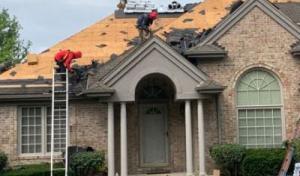
In this market, the permitting and inspection process is a real part of the project, not an afterthought. In Lakewood, a full roof replacement typically requires a permit through the City of Lakewood Building Department. Working without a permit can cause delays, require rework, and complicate any future resale. Start by checking the department's current application requirements and any neighborhood-specific rules that might apply to historic homes or updated energy codes.
Before any hammer hits shingles, you need to have the project scope and your chosen contractor information ready for submission. The permit review looks for a clear description of the work, including tear-off methods, new material type, attic ventilation strategy, underlayment choices, flashing details, and any changes to roof geometry or drainage features. Have a detailed roof plan or notes prepared, and ensure the contractor's license, insurance, and disclosures are up to date. In Lakewood, the Building Department will want to verify that the scope aligns with local code requirements, especially around ventilation and flashing in areas prone to winter moisture and wind-driven events.
Inspections are typically scheduled after tear-off and again after completion. The first inspection occurs once the old roof is removed and the underlying decking is exposed. This is your checkpoint for deck integrity, drip edge, and the basic layout of underlayment and ventilation components. A thorough inspector will look at attic access, intake and exhaust ventilation, and the preparation work that supports a durable installation against Lake Erie's winter conditions. If issues are found at this stage, corrections will need to be addressed before proceeding, so factor in a small buffer in the schedule.
The second inspection happens after installation is complete. The focus shifts to the integrity of the finished system: the installation of underlayment and flashing, proper alignment and fastening of shingles or other materials, and the correct integration of ridge and hip details. Flashing around chimneys, vent pipes, skylights, and along walls must be carefully reviewed to withstand ice dams and wind-driven moisture. In areas with older housing stock, inspectors may pay special attention to any retrofits or repairs performed on the deck and eaves to ensure there are no gaps that could trap moisture or create heat loss pathways.
Keep a single, clearly labeled project binder with permit numbers, contractor contact information, and a timeline. Schedule interim walkthroughs with the contractor to confirm that ventilation, underlayment, and flashing correspond to the inspection findings. If weather or supply delays arise, keep the Building Department informed to maintain schedule alignment and avoid resubmissions. Finally, ensure all contractor work is signed off by the inspector on the day of the final completion, so the permit can be closed without complications.
In this storm-claim environment, insurers scrutinize whether damage results from a sudden storm event or long-term wear. Hail and wind losses are common enough that a claim may be questioned if the evidence suggests gradual deterioration rather than an abrupt incident. Precise documentation can make the difference between a smooth adjustment and a drawn-out dispute, especially on older listings where repeated repair history clouds the picture.
Detailed photos should cover all affected areas: roof surfaces, flashing around chimneys, vents, and skylights, along with any nearby gutters and downspouts showing impact or moisture signs. Include close-ups of any hail hits, lifted shingles, curling edges, and signs of shingle granule loss. Gather maintenance records, previous repair invoices, and any contractor notes that demonstrate the roof's age and prior condition. A clear timeline helps insurers separate sudden damage from chronic leaks, which is a frequent point of contention on older systems.
Roof age matters a lot in Lakewood, where many homes feature aging roofing systems and an ongoing history of patch repairs. If the roof is near or beyond its expected life, insurers may require stronger justification that a loss was caused by a specific storm event rather than gradual wear. Present a concise narrative that ties observed damage to a discrete incident, supported by dated photos and a line-by-line repair log. Avoid gaps in documentation; unanswered questions invite additional review or denial.
Higher-end materials used on some older homes, such as slate or tile, can trigger added insurer review or pre-approval requirements for replacement scope. Document the material type, installation date if known, and any previous replacements or repairs. If newer materials were blended with older ones, note where transitions occur and how that affects performance under winter ice and wind conditions. Clear, organized documentation reduces surprise reviews and helps move the claim toward a fair adjustment.
Connect with contractors who help homeowners navigate the claims process from damage assessment to final approval.
Heartland Construction Services
(614) 623-4809 buildingwithheart.com
1436 Olivewood Ave, Lakewood, Ohio
5.0 from 12 reviews
American Roofing
(216) 226-0123 www.americanroofing.com
15228 Madison Ave, Lakewood, Ohio
4.2 from 25 reviews
Lakewood's older housing mix often includes porches, additions, and garage sections that introduce low-slope details separate from the main steep roof. These areas can fail differently, especially when meltwater backflows from the main slope or ice damming pushes water toward transitions. When inspecting, pay close attention at the juncture where the low-slope section meets a vertical wall, as half-fallen shingles or worn edge flashing can invite moisture intrusion. For repair, replace damaged gravel stops, ensure the interior edge is properly sealed, and verify that any parapets or porches have adequate counterflashing where they meet masonry or siding. In winter, ice dams tend to form along these transitions first, so consider supplemental insulation under the attic hatch and around access doors to reduce warm air leakage that feeds dam formation.
Many older masonry homes in the area rely on brick or stone chimneys that culminate in complex roof-to-wall transitions. Counterflashing can deteriorate under freeze-thaw cycles, mortar joints fracture, and the roof flashing may not extend correctly around irregular chimney footprints. Regularly inspect the areas where chimney masonry meets shingle or metal roofing for hairline cracks, loose mortar, or missing sealant. When resealing, remove failed mortar, repoint with a compatible mix, and install continuous counterflashing under the chimney's base and up the sides. Ensure the step flashing along the chimney is continuous and tightly embedded behind the shingles. If there is a chase or vent stack near the chimney, verify that both share a clean, watertight interface with properly flashed penetrations.
Skylights and other roof penetrations demand careful flashing in a climate with freeze-thaw movement and wind-driven rain from the lakefront. Use an integrated step-and-boot flashing approach that ties into the neighboring shingles with corrosion-resistant metal. Pay special attention to the ridge line near skylights, where wind pressure can lift flashing edges; apply a secondary sealant or adhesive-backed flashing strip to bridge minor gaps. Replace degraded seals around skylights promptly, and check for condensation-driven staining on the interior side of skylight units, which can signal overlooked flashing or poor drainage. When installing or replacing, ensure the skylight sill is properly sloped away from the interior and that the roof deck around the unit is solid and dry.
Winter storms and rapid freeze-thaw cycles demand a proactive cadence. Schedule mid-season inspections focusing on transitions between flat or low-slope sections and the steeper roof, around chimneys, and at all penetrations. After heavy snows, remove ice buildup carefully to avoid dislodging flashing or pulling shingles. Keep gutters clear so meltwater can flow away from roof-to-wall interfaces, and verify that attic insulation is uniform, with no warm spots that could encourage ice dam formation at critical outlets. A thoughtful, targeted maintenance plan reduces the likelihood of small issues becoming major leaks in the next thaw.
Find specialists in TPO, EPDM, and built-up flat roofing systems for residential and commercial properties.