
Last updated: Apr 19, 2026
Avon Lake's shoreline position means roofs face frequent lake-effect moisture that drives rapid moisture intrusion risks during the winter and spring. Ice damming can form quickly along eaves and around flashing, causing meltwater to back up under shingles and into soffits, fascias, and ceilings. When lake winds drive additional moisture into the attic, a small leak can become a structural problem in a hurry. Start every late-fall and late-winter cycle with a proactive plan: inspect the eaves, gutters, and downspouts for ice accumulation, and keep drainage paths clear so meltwater has somewhere to go. If you notice ice buildup across roof edges, address it before it expands into fascia or insulation damage.
Freeze-thaw cycling is a dominant wear pattern in this area, especially when snowmelt refreezes at the eaves and around flashing details. This repeated freezing and thawing weakens seals, loosens shingles, and widens gaps around vent pipes and chimney flashing. You'll want to monitor any places where water can pool or back up: valley intersections, step flashing at walls, and where roof decks meet soffits. If you see cracking, curling shingles, or granule loss along the lower roof line after a warm spell, treat it as a warning sign. Schedule a targeted roof check before the next thaw cycle, and consider a professional assessment of insulation and ventilation to reduce ice dam risk.
Spring hail and strong winds are frequent triggers for roof claims in this region, and Avon Lake experiences notable storm activity that tests roofing systems. After a storm, conduct a focused exterior inspection for lifted shingles, dented metal, displaced flashing, and damaged gutters. Inside, check ceilings and upper walls for new stains or damp spots that align with roof valleys or penetrations. If a leak is found, map its path to identify vulnerable roof areas and prioritize temporary mitigation-cover exposed openings, redirect water with tarps, and minimize attic moisture exposure until a professional can reassess. Keep an eye on rapid temperature swings after storms; the combination of wind-driven rain and hail can accelerate edge damage.
Because Avon Lake roofs contend with wind-driven moisture and recurring freeze-thaw cycles, maintenance should be targeted and timely. Clean gutters and downspouts in late autumn and after heavy storms to prevent standing water from backing up under the edge. Ensure attic ventilation is balanced with insulation so warm attic air doesn't melt snow at the wrong spots and create ice dams. Replace damaged flashing promptly and verify sealant longevity around vents, skylights, and chimneys. If gutters pull away or flashing pulls loose, address it early to prevent water intrusion that can lead to rotted roof deck or damaged interior finishes.
If moisture issues persist after addressing obvious blockages, or if ice damming recurs season after season, it's time for a trusted local inspection. A nearby roofer will understand the zone's typical damage patterns-from wind-struck shingles to flashing failure at joints-and can implement targeted repairs, not just patchwork. In the weeks following a heavy storm, schedule a thorough roof and attic assessment to confirm ventilation adequacy, flashing integrity, and the condition of any ice barriers. A timely, expert evaluation can stop small leaks from becoming major structural concerns.
Replacement timing in this area is best planned to avoid winter installation conditions and to get ahead of damage from freeze-thaw cycles. Schedule installations in late spring, early summer, or early fall when temperatures are moderate and crews can work consistently without the rush that comes with snow and ice. Winters bring rapid temperature swings that stress new seals and cause brittle framing if installed in the heart of freezing weather. By aligning the project with these shoulder seasons, you protect the new units from long exposure to freezing cycles during the install and give sealants a full cure window in climate conditions typical to the Lake Erie corridor.
Warm, humid summers in the Lake Erie corridor can accelerate material aging and affect sealants, so delaying too long after visible wear can compound problems. If you notice deteriorating seals, drafts, or condensation between panes, address them sooner rather than letting sun and humidity compound the issue. Waiting beyond late summer increases the risk that heat and moisture will degrade the new sealants before they have a chance to fully cure and set, potentially shortening the life of the installation.
Autumn leaf drop and wind can stress gutters and flashing, which matters in a city with many established residential neighborhoods near mature trees. Choose a window package that pairs well with a robust flashing and drainage plan, and plan a gutter and downspout check before installation. A clean, well-sealed perimeter helps prevent wind-driven water intrusion as leaves accumulate and gutters run full during this season.
Look for high-performance, low-maintenance units with tight, durable seals and reinforced frames. The best options in this climate include double- or triple-pane designs with low-emissivity coatings and inert gas fills. A Scratch-resistant exterior surface resists hail and wind-driven debris common to spring storms, while reinforced joints reduce the chance of seal failure during freeze-thaw cycles. Consider tilt-in sashes for easier cleaning and better condensation management, especially on elevations exposed to lake vapor and seasonal fog.
Water management matters as much as the window itself. Choose flashing systems and window-perimeter membranes that integrate with existing roof-to-wall transitions. A continuous exterior gasket and a properly flashed sill help prevent water intrusion during heavy rains or rapid thaw events. If the home has a history of ice dams, seek windows with airtight frames and advanced sealants that maintain performance after repeated freeze cycles. A manufacturer with a proven warranty and local service support is especially valuable for addressing seal failures without long downtime.
In seasoned neighborhoods with mature trees, access and downtime during installation can be as important as the window choice. Select a contractor who coordinates with roof and gutter work, ensuring that flashing around the window integrates with the surrounding roof edge and sidewall detailing. Confirm a staged plan for weather windows; avoid extending installation into wet, humid stretches that can trap moisture behind interior trim. A well-coordinated team will protect interior spaces from dust and moisture, using drop cloths and careful sealing to minimize disruption to family routines during the project.
After installation, perform a quick interior check for drafts or condensation. Maintain interior humidity levels to slow sealant aging and monitor staining or discoloration around the window frame, which can signal earlier moisture intrusion. In autumn, keep gutters clear and downspouts directed away from the new units to minimize water pooling near the sill. Regular exterior inspections after spring storms help catch wind-driven damage early, preserving the performance of the replacement and the long-term integrity of the roof-into-wall transition.
Get a clear picture of your project costs upfront - no commitment required.

Legacy Roofing Services North Ridgeville
(440) 739-3498 www.legacyroofing.com
Serving
4.9 from 168 reviews
Pro Roofing & Siding Restoration
(844) 776-2349 www.proroofingandsidingrestoration.com
Serving
4.9 from 104 reviews
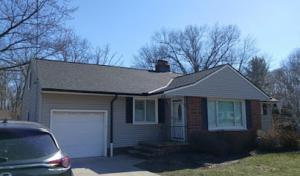
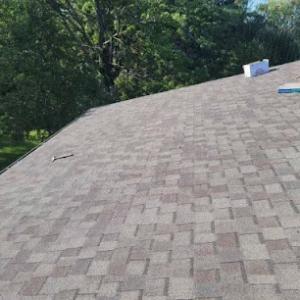
Asphalt shingles are the dominant practical choice for homeowners facing Lake Erie's shoreline exposure. In this climate, granule loss and seal strip integrity matter a lot because freeze-thaw cycles can expose the underlayment sooner than elsewhere. When you're evaluating shingle options, look for higher granule ballast that can resist granule shedding after winter storms, and choose products with robust self-sealing and a reinforced nailing strip to improve wind resistance along lakeside winds. In Avon Lake, proper attic ventilation and well-sealed edges help keep moisture from lingering under shingles during the melt season, reducing the risk of ice damming at eaves. Consider with your roofer how the flashing around chimneys, vents, and skylights will handle rapid temperature swings, and whether additional edge/valley detailing is warranted for windy conditions along the shore. Routine maintenance-clearing gutters and inspecting granule loss after heavy lake-effect storms-goes a long way toward extending life in this specific setting.
Metal roofing is a meaningful local option because it handles snow shedding and moisture well, but detailing at fasteners, penetrations, and edges matters in windy lakeshore conditions. If choosing metal, pay attention to the underlayment choice and the color contrast with nearby siding to minimize thermal cycling effects on fastener seals. In this climate, metal panels can shed snow more predictably, reducing ice buildup on upper roof planes; however, the lower eave region still needs careful flashing and closure around soffits to prevent meltwater intrusion. Fastener patterns, sealant compatibility, and venting around ridge lines should be planned with a local installer who understands how Lake Erie winds push snow and moisture against corners and edges. Regular inspections focusing on seam integrity, edge flashing, and corrosion-prone areas near salt exposure will help keep a metal roof performing well for many winters.
Tile, wood shake, and synthetic products are present in the market, but heavier systems can raise structural and installation complexity on homes not originally designed for them. If considering concrete or clay tile, verify that the deck structure, rafter spacing, and seismic-related bracing meet the anticipated loads; a heavier roof can change the dynamics of a burst of lake-effect wind or a heavy ice event. Wood shakes offer character but are more vulnerable to moisture-related expansion, warping, and potential rot if not properly dried and treated, and their maintenance schedule is more demanding in this climate. Synthetic products provide versatility and often improved resistance to moisture, but installation still requires careful detailing at fasteners, penetrations, and eave/valley transitions to manage heat buildup and wind-driven water intrusion. In all cases, discuss with a local installer how the chosen system will handle edge closures, chimney and vent flashing, and the seasonal moisture fluctuations that define this shoreline area.
Typical local pricing ranges run about $350-$700 per square for asphalt shingles, $550-$1100 for metal, $900-$1800 for clay tile, $800-$1700 for concrete tile, $500-$1000 for wood shingles or shakes, and $600-$1100 for synthetic or composite shingles. For a standard suburban roof with common shapes, these ranges map closely to what local crews see when they inventory the job and assess the deck. If the roof already shows moisture damage, deck rot, or unusual geometry, expect bids to drift toward the higher end as tear-off work and staging become necessary. A mid-size asphalt job often lands near the $450-$600 per square range, while dense or steeper alpine-style roofs with multiple dormers push toward the upper end of any material category.
Costs in Avon Lake can rise after spring and summer storm events when regional demand for re-roofing and emergency work spikes across northern Ohio. Storms along Lake Erie drive sudden need for rapid shingle replacement, ice dam mitigation, and temporary protection, all of which can compress scheduling and raise labor rates. When a contractor's calendar fills with storm-related projects, the backlog can translate into shorter windows for material delivery and higher upfront mobilization charges. If a replacement is planned outside peak months, there is a practical chance to secure more favorable staging and reduce rush-order penalties, especially on common shingle types.
Project pricing is also affected by permit processing, tear-off scope, moisture-damaged decking from ice dams or leaks, and the roof shapes common in suburban residential re-roofing work. Ice damming near the shoreline can leave pockets of warped plywood or rotten fascia that require replacement or reinforcement, adding to material and labor costs. Roof shapes typical in Avon Lake homes-combining hips, ridges, and occasional flared eaves-tend to complicate installation and protection framing, nudging bids upward relative to flatter, simpler roofs. When bids include full tear-off and reroof, verify what's included: disposal fees, underlayment upgrades, and any additional drip edge or ventilation work designed to handle Lake Erie's moist air.
Start with a best- and worst-case price range for the chosen material, then add a contingency for decking repairs if moisture was present. If spring or late-summer storms loom on the horizon, discuss phased options or prioritizing critical replacement sections to minimize downtime while preserving warranty alignment. Compare bids that itemize tear-off, deck repair, underlayment, and drip edge, so price reflects true scope rather than a bundled estimate. A well-documented assessment helps keep the project on a predictable path through Avon Lake's spring and summer demand cycles.
Don't let upfront costs delay a critical repair - these contractors offer payment plans to fit your budget.


Newcastle Roofing & Remodeling
(440) 930-2399 www.newcastleroofing.net
759A Avon Belden Rd, Avon Lake, Ohio
4.6 from 40 reviews
NewCastle Roofing & Remodeling is a small family owned business that is able to help you with small residential repairs to large scale commercial buildings. We specialize in residential tearoffs. Other services we can offer...gutters installation, leaf guards, masonry work, ventilation, skylights, siding, windows, doors, painting (exterior & interior), garage doors (replacement & motors), and interior remodeling. Let one of our sales associates help guide you through your next project.

Franciscus Roofing
(440) 353-3141 1866staydry.com
Serving
4.8 from 544 reviews
Franciscus, founded in 1991, is Northern Ohio’s premier roofing contractor, offering affordable, top-rated roofing solutions. Specializing in roofing services, including new roof installation, roof repair, roof replacement, and emergency roofing services, we ensure your property is protected. Our expertise extends to roof inspections, and roof maintenance, providing comprehensive care for your roofing needs. As local roofers, we proudly serve communities across Northern Ohio's top markets including: Lorain, Lakewood, Westlake, Strongsville, Parma, North Olmsted, Cleveland Heights, Avon, Aurora, Solon, Grafton, Berea, Beachwood, Middleburg Heights, Garfield Heights, Mayfield Heights, Euclid, Brooklyn, North Royalton, Medina and More!
Maddocks Construction
Serving
4.7 from 23 reviews
Maddocks Construction is your go-to for exceptional Ohio siding and roofing services. Our team of certified roofing and siding specialists delivers expert services designed for both residential and commercial needs. We pride ourselves on providing professional service that combines high-quality materials with expert craftsmanship to ensure your roof or siding stands the test of time. Whether you need roof repairs or a new installation, trust us for dependable, top-notch service. Contact us today for a free inspection and discover why we are a leader in Ohio roofing solutions!
Avon Complete Roofing Solutions
(216) 208-9744 avonroofingandconstruction.com
Serving
5.0 from 15 reviews
We know that you deserve quality when it comes to improving your residential or commercial space. We have without a doubt roofing, siding, door and window contractors south of Lake Erie. If your residential or commercial space needs a face lift and a boost of curb appeal call us and get the job done right.

Smart Fix Roofing
(440) 782-1231 www.smartfixroofing.com
Serving
4.9 from 51 reviews
Smart Fix Roofing is a locally owned roofing contractor serving Cleveland, Westlake, Bay Village, and surrounding Northeast Ohio communities. We provide residential and commercial roof replacement, roof repairs, siding, gutter, and skylight services for homeowners and businesses. Our team performs professional roof inspections and addresses wind or hail damage when present, including assistance with insurance-related documentation when needed. Every project is completed using high-quality materials and verified through quality control. Smart Fix Roofing is BBB A+ rated and known for honest recommendations, clear communication, and dependable workmanship.
West Bay Construction
Serving
5.0 from 73 reviews
West Bay Construction is a premier roofing and siding contractor serving Westlake and the wider Northeast Ohio region. We specialize in comprehensive exterior solutions for residential, multifamily, and commercial properties. Our expert services include roof replacement, flat and low-slope commercial roofing systems, fiber cement siding, and vinyl siding installation. Our projects are designed to endure challenging local weather conditions, ensuring long-term durability and performance for every building.
4D Construction
(440) 552-2340 cleveland4dconstruction.com
Serving
5.0 from 6 reviews
Whether it's a residential or commercial job, roofing, siding, insulation, gutters or another construction project, you can count on 4D Construction. At 4D Construction we believe in delivering the four basics on every construction job. With 4D you can expect the next level of quality, service and communication. 100% Customer Satisfaction as we ensure the customer is up-to-date along each step of the project. 100% Responsive you have the owner's cell phone and a promise to get back to you within 24 business hours. 100% Transparent pricing means no games with math to make it look like you're getting a good deal, no surprises and no hidden fees. 100% Customized to the customers job.
AllPro Exteriors
Serving
5.0 from 16 reviews
AllPro Exteriors, LLC is the roofing company to call for quality roof repair, replacement, and 24/7 Emergency services. We work with materials like Spanish tile and wood shake, to make your home the pride of the neighborhood.
Great Roofing & Restoration
(440) 499-6313 greatroofing.com
Serving
4.9 from 122 reviews
We specialize in residential, commercial, and multi-family roofing services. Our team of experienced contractors are dedicated to providing high quality workmanship and customer service to all our customers. We understand the importance of a secure roof for your home or business, and take pride in working with you to develop a plan that works for your home or business & within your budget. From repairs to full roof replacement, Great Roofing and Restoration has you covered. Contact us today for more information!
Legacy Roofing Services North Ridgeville
(440) 739-3498 www.legacyroofing.com
Serving
4.9 from 168 reviews
Legacy Roofing North Ridgeville is an award-winning roofing company specializing in repairing and replacing residential and commercial roofs. We also offer vinyl sliding and seamless gutter installation and give homeowners complete project transparency so they can choose the right roofing materials and appearance that fits their budget. Our emergency service technicians assess damage and begin making repairs so your business can be up and running promptly. We offer extended warranties and work with leading roof material manufacturers to provide the highest quality materials. Our specialties include wind damage assessment and infrared technology to help home and business owners save money. Contact us for a free estimate.
Pro Roofing & Siding Restoration
(844) 776-2349 www.proroofingandsidingrestoration.com
Serving
4.9 from 104 reviews
Pro Roofing & Siding Restoration is Northern Ohio’s trusted choice for expert roof replacement, repair, and siding services. We proudly install top roofing brands such as GAF, Owens Corning, and CertainTeed, ensuring long-lasting protection and curb appeal. Our siding specialists work with a variety of materials, including vinyl siding, fiber cement, engineered wood, and insulated siding, to give your home a durable and beautiful finish. Homeowners count on us for free roof inspections and free estimates, especially after severe weather. If your property has suffered wind or hail damage, our team makes storm recovery easy by guiding you through the insurance claims process from start to finish.
Falcon Roofing & Siding
(440) 656-9977 www.falconohio.com
Serving
5.0 from 59 reviews
Specialists in residential and commercial exterior construction services, we are dedicated to providing customer service that is second to none. Whether you have a new construction project or it's time for repairs, we offer the roofing, siding, and gutter services you need.
For full roof replacements, the permit is typically required and handled through the City of Avon Lake Building Department. The permit ensures the work meets local codes that address storm exposure, ice damming, and moisture control-common concerns for homes along the lakefront. The permit is filed by the roofing contractor, not by the homeowner, and the filing includes key project details before any shingle removal or underlayment goes on. Having the permit in place before work begins helps prevent delays that can arise if a job is halted for lacking approvals during a busy storm season.
The contractor's filing usually outlines roof structure changes, material type, ventilation strategy, and any alterations to drainage or eaves that are important for Avon Lake's climate. Because lake-effect moisture and freeze-thaw cycles challenge roof systems, the permit review often focuses on proper underlayment, ventilation, and flashing details that protect against ice damming and wind-driven moisture. You should expect to provide or confirm access to the attic space, roof deck condition, and any previous wind or hail damage notes. Clear, accurate drawings and product specifications help the department move the review along.
Permit review commonly takes about 1-2 weeks depending on department workload. During peak storm season, extensions or holds can occur, so it's wise to plan for a window between ordering materials and starting removal. The contractor will coordinate a schedule that aligns with favorable weather and the city's inspection windows. If moisture issues or ice dam risk are observed on a prior roof, the permit process may incorporate stricter sequencing or temporary protective measures until inspection clearance is granted.
After the roof is installed, a final inspection is scheduled to verify code compliance. The inspector will check that deck, underlayment, flashing, ventilation, and eave details align with current code requirements and local amendments relevant to Avon Lake's climate. The process confirms that waterproofing practices withstand spring storms and freeze-thaw cycles, and that proper attic ventilation is in place to mitigate moisture buildup. Ensure access is available for the inspector, including attic access points and any interior penetrations that were part of the project. Any deviations found during inspection can require adjustments before a certificate of occupancy or final approval is issued.
Have the final roofing contract, material specs, and any manufacturer warranties on-site for review. If the job involved ice-and-water shield or advanced flashing around chimneys, skylights, or vent stacks, keep documentation ready to show compliance with installation standards. After inspection, you receive final clearance and the project can be formally closed with the city, assuming all conditions are met. This closure helps ensure long-term performance against Avon Lake's lakefront exposure and moisture challenges.
Severe spring and summer storms bring hail, high winds, and rapid moisture changes that can leave the roof with unseen damage. In Avon Lake, those effects are felt sooner and more noticeably because of Lake Erie's shoreline influence. Ice damming during cold snaps can compound the damage, and hidden granule loss on shingles may show up only after days of drying. When a storm hits, the aftermath is often more corrosive than the visible moment of impact, so sticking to a measured plan is essential.
Ohio roof claims are common after these storms, and the process typically centers around documentation and inspection. Insurers typically expect photo documentation, a professional roofing estimate, and may send an adjuster to inspect the roof before approving replacement. The adjuster's visit can confirm whether damage is surface-level or more extensive, including deck or insulation concerns that appear after a thorough check. Understanding that some carriers require a written estimate from a licensed roofer helps prevent delays.
Because claim handling can vary by carrier and storm severity, Avon Lake homeowners benefit from documenting damage quickly after local storm events. Start with clear photos from multiple angles, including close-ups of hail marks, lifted shingles, and any leaks inside the attic. Keep a simple record of dates when rain or wind gusts were strongest, and note any accompanying power outages or sudden temperature swings that could worsen moisture penetration. Rapid, organized documentation reduces back-and-forth and helps the claim move toward a timely resolution.
Coordinate a professional inspection promptly after a significant storm, and obtain a detailed estimate that identifies both repair and replacement needs. If shingles show curling, missing granules, or if attic condensation is persistent after rain, flag these issues early in the claim. Communicate clearly with the insurer about any preexisting conditions that could affect coverage. This proactive approach helps ensure that recovery is based on accurate damage assessment rather than impressions formed after the storm.
Connect with contractors who help homeowners navigate the claims process from damage assessment to final approval.
Newcastle Roofing & Remodeling
(440) 930-2399 www.newcastleroofing.net
759A Avon Belden Rd, Avon Lake, Ohio
4.6 from 40 reviews


Eaves near the shoreline take the brunt of Lake Erie's weather, with snowmelt running down the edges and refreezing into sharp ice sleeves along the edge. Valleys collect storm-driven rain and drifting snow, which pushes moisture into the fascia and underlayment if flashing is stressed. In this market, those corners and transitions see the most freeze-thaw cycling, so inspect for lifted shingles at the edge, granule loss along the gutter line, and any dark staining that hints at moisture wicking under the roof plane. A practical check is to run a hand along eave and valley ridges after a storm and feel for moisture seepage behind the drip edge. When gutters sag or misdirect water, the extra runoff pauses at weak points and accelerates wear at flashing, making timely resealing and re-fastening essential. If you notice loose nails or curled shingles along these regions, plan a targeted repair before the next thaw cycle.
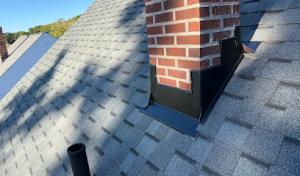
Chimney intersections deserve attention in this market because chimney-related work appears frequently in local contractor offerings. The chimney chase and the flue-vent area sit at a natural moisture sump where wind-driven rain can drive behind the counter-flashings. Look for hairline cracks in the step or apron flashing, loose mortar gaps that trap moisture, and any signs of staining on siding or stucco at the base. During inspection, peel back a small section of roofing felt near the chimney to verify dry underlayment and confirm that counter-flashing overlaps properly with the top flashing. If there are mismatched sealants or flashing that looks aged, budget for a targeted reflash and reseal to reduce ice dam risk where snowmelt concentrates.
Skylight penetrations can become leak points during freeze-thaw and storm cycles, making inspection of curb and flashing details important in Avon Lake. The curb should be properly sealed to the roof with a continuous bead of sealant and a clean, smooth transition between the skylight flange and the surrounding roof deck. Inspect for any worn or cracked booting around the skylight edges, and check for any membrane gaps that could allow moisture to creep under shingles. In winter, icy wind-driven rain can force water toward the flashing corners; a tight, well-formed seal plus regular cap flashing checks help prevent slow leaks that worsen with time. If flashing shows corrosion or deterioration, plan for timely resealing and, if needed, replacement of the skylight flashing kit to restore a true rain barrier.
Find contractors experienced in skylight installation, flashing, and leak repairs to bring natural light into your home.
Newcastle Roofing & Remodeling
(440) 930-2399 www.newcastleroofing.net
759A Avon Belden Rd, Avon Lake, Ohio
4.6 from 40 reviews
Legacy Roofing Services North Ridgeville
(440) 739-3498 www.legacyroofing.com
Serving
4.9 from 168 reviews
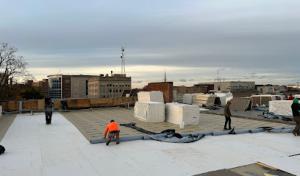
Although pitched roofs dominate the residential market, there is enough flat- and low-slope demand to warrant tailored guidance. Low-slope sections face standing moisture and slow drainage during the freeze-thaw cycles that lake exposure drives along Lake Erie's shore. In Avon Lake's typical home mix, flat portions often sit adjacent to attached garages, porches, or additions, creating transition details where leaks tend to show up before the main roof field fails. Expect more rapid wear where dew points and wind-blown spray meet these transitions.
Flat or low-slope roofs accumulate meltwater and storm runoff differently than steep sections. Ensure the primary drainage plan moves water toward the gutter system and away from walls and vents. Slope, even when modest, should be maintained or improved with minimally visible tapering to avoid ponding. In winter, standing water becomes a reservoir for ice damming; prioritize reliable scuppers, interior drains, and robust membrane termination at all edges. For the home with a porch or garage extension, treat the transition as a moisture-control zone: a continuous, well-sealed vapor barrier beneath the deck or roof deck helps prevent capillary seepage into framing.
When selecting materials, consider membranes and underlayments rated for long-term freeze-thaw resilience and wind-driven moisture. In tight spaces and penetration-heavy areas-around chimneys, vents, and flashing-use mechanically fastened metal edge details and redundant flashing to guard against wind uplift and ice-related shedding. Insulation should be sufficient to reduce condensation on the underside of the roof deck, and ventilation must be balanced to avoid condensation while still limiting heat loss. For attached garages, porches, and additions, attention to air sealing at the wall-to-roof junctions pays dividends over multiple winters.
Schedule semi-annual checks, with extra focus after winter storms and spring showers. Look for surface blisters, pooling water, cracked seals at transitions, and rust on edge metals. Address any signs of moisture intrusion promptly, as small leaks in transition zones tend to preface larger issues in the main field if ignored. Regular maintenance of low-slope sections protects the structural envelope where a homeowner can least afford a slow drip that travels unseen.
Find specialists in TPO, EPDM, and built-up flat roofing systems for residential and commercial properties.
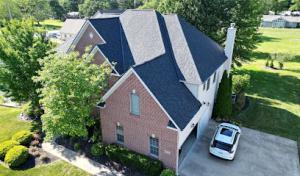
In Avon Lake, homeowners notice that reliable crews often specialize in re-roofing rather than pushing new-construction work. You'll see familiar, well-reviewed teams that repeatedly handle storm-related damage, ice dam mitigation, and moisture control, which translates to smoother scheduling and fewer surprises after a project begins. When interviewing, prioritize contractors with documented re-roofing experience in lake-exposed climates and with crews that stay on-site through the full process, including tear-off, insulation checks, and attic ventilation assessments. Local familiarity matters: crews that understand how Lake Erie winds and freeze-thaw cycles stress shingles and underlayment can spot trouble spots early and tailor venting and flashing details accordingly.
Cleanup speed and responsiveness sing loudly in storm season here. Expect debris removal, tarping, and roof-to-ground protection to be a baseline, but weigh how quickly a contractor can mobilize after a storm and how they handle leaks that appear during repairs. On established streets with tight driveways and mature landscaping, the ability to minimize disruption while containing dust and nails matters as much as the project timeline. Ask for a written disruption plan, including daily end-of-day cleanup and a clear path for accessing attic hatches and exterior gates. Local teams that offer finish-day walkthroughs help homeowners verify workmanship and spot any runoff or moisture concerns before crews depart.
The Avon Lake market blends affordable operators with longer-established firms, so homeowners often balance price with responsiveness and reliability after a storm. Look for references from neighbors who experienced similar lake-effect conditions, and ask how the contractor prioritizes emergency calls, flap and damming solutions, and warranty coverage on flashing and underlayment. A dependable firm will provide transparent scheduling, prompt debris removal, and post-project follow-up to confirm that moisture control improvements hold up through spring storms and the rapid warm spells that follow.