Last updated: Apr 19, 2026
In Elyria, storm-related roofing demand is unusually prominent in the contractor market, with storm damage, emergency repair, and insurance-claims assistance all appearing at high prevalence. The two biggest culprits are Northeast Ohio wind and hail events, which routinely drive roof claims after the spring storm season and during sudden squalls in summer. This isn't a generic problem-neighborhoods with older roofs, frequent freeze-thaw cycles, and pounding spring rain all feel the pressure. The result is a market where speed and documentation can decide who covers the cost of repairs, not just who arrives first.
Photo documentation after every storm is nonnegotiable. Shoot wide angles to capture the overall roof condition and close-ups of shingles, flashing, vents, and gutters. Keep a dated record of any new dents, lifted shingles, granule loss, or visible leaks on ceilings inside the home. Roof-age records matter, especially if the structure is nearing or past the mid-life point for common Elyria materials. If a contractor arrives claiming emergency coverage, verify the extent of the damage with a second opinion before authorization. A concise, written list of damaged components helps paint a clear picture for insurers and avoids back-and-forth disputes over what was "visible" on day one.
Insurers scrutinize whether damage is sudden storm loss or longer-term wear, so documenting prior repairs is essential. Pay extra attention to vulnerable areas such as flashing around chimneys and skylights, edges of shingles, eaves, and valleys. In a climate with regular precipitation and freeze-thaw stress, those zones commonly show wear that can be mistaken for storm-induced damage. If a prior repair exists, gather receipts or notes from the contractor who performed it, along with photos showing the state before the latest storm. This helps insurers distinguish incremental aging from a clean storm event affecting a single severe area.
The Elyria contractor market can feel crowded after a big wind or hail event, and not every roofer is equipped to manage insurance claims smoothly. When selecting a contractor, look for a team that prioritizes documentation, warranty specifics, and transparent communication. Ask for a written damage assessment that aligns with your photos, and request a clear scope of work that includes temporary protection, debris removal, and a detailed roofing plan. Ensure the contractor is prepared to guide you through the insurer's process, provide itemized materials and labor breaks, and follow up promptly on any claim revisions. If an emergency tarp is necessary, confirm who covers the cost and how long the cover will stay in place.
After a storm, your first priority is safety and protecting the home from further damage. Then you pivot to the claim: contact your insurer promptly, reference the documented damage, and supply the photo log and repair history. Maintain a steady line of communication with both the insurer and the contractor, and set expectations for timelines-especially since Northeast Ohio weather can prolong temporary fixes. If a claim seems disputed or delayed, your documentation becomes the leverage to request a re-inspection or a broader assessment. In this market, staying organized, acting quickly, and leaning on solid records keeps you from getting caught in the middle of a storm repair scramble.
Find local contractors experienced in assessing and restoring roofs after hail, wind, and severe weather events.
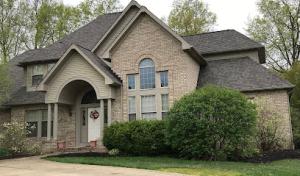
M&T Roofing & Restoration
(440) 201-4341 mtroofingandrestoration.com
114 Lindsay Ct, Elyria, Ohio
5.0 from 75 reviews
Coates Bros Roofing
(440) 595-4675 www.coatesbrosroofing.com
7516 W River Rd S, Elyria, Ohio
4.9 from 60 reviews
Bill Jackson Roofing
(440) 577-5082 billjacksonroofing.com
7516 W Ridge Rd, Elyria, Ohio
4.9 from 41 reviews
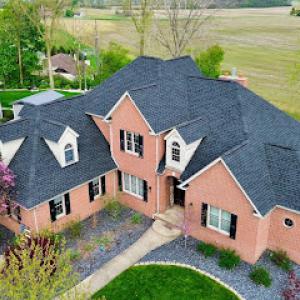
M&T Roofing & Restoration
(440) 201-4341 mtroofingandrestoration.com
114 Lindsay Ct, Elyria, Ohio
5.0 from 75 reviews
M&T Roofing and Restoration is a trusted, family-owned roofing company based in Elyria, OH, proudly serving Northeast Ohio. As a GAF Master Elite® certified contractor, we specialize in residential and commercial roofing, siding, and storm damage restoration. From full roof replacements to emergency repairs, we deliver expert craftsmanship, premium materials, and industry-leading warranties. Our team services Elyria, Avon, Strongsville, Lakewood, Cleveland, and surrounding areas. We offer free estimates, fast response times, and a strong commitment to customer satisfaction—reflected in our 5-star reviews. Whether you need asphalt shingles, metal roofing, or siding work, M&T Roofing and Restoration is here to protect your home or business.
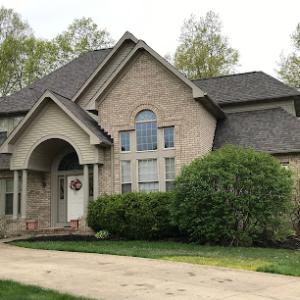
Coates Bros Roofing
(440) 595-4675 www.coatesbrosroofing.com
7516 W River Rd S, Elyria, Ohio
4.9 from 60 reviews
Coates Bros. Roofing is located in Lorain County and serves the Cleveland area. We specialize in commercial and residential roofing and gutters. We have built our reputation on quality workmanship and look forward to helping you with all of your roofing needs. Whether you are in need of a small repair or a complete tear-off, we are here to assist you from the beginning phase through completion with professionalism and integrity!
Bill Jackson Roofing
(440) 577-5082 billjacksonroofing.com
7516 W Ridge Rd, Elyria, Ohio
4.9 from 41 reviews
Bill Jackson Roofing is a roofing contractor in Elyria, OH serving Avon, Sheffield Lake, Amherst, North Olmsted, Bay Village, and nearby areas. Our roofing company offers residential roofing, asphalt shingle roofing, metal roofing, residential roof repair, residential roof replacement, commercial roofing, and more. Customers love us because of our comprehensive roof warranties and our affordable roof financing options. We also have industry affiliations and certifications such as Owens Corning Platinum Preferred Contractor and many more. If you want to experience how your most trusted Elyria, OH roofing company embraces our motto "Protect Your Home or Business With Expert Roof Installation Services", call us now for a free estimate!
Kleenwork Construction
(440) 670-6003 www.facebook.com
151 Yorkshire Ct, Elyria, Ohio
5.0 from 5 reviews
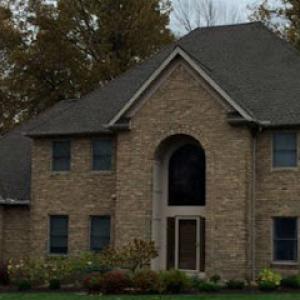
Being in business for over 15 years has given us an unparalleled advantage over our competition and allowed us to provide the finest and most efficient customer service possible. We strive to ensure you’re confident and satisfied with our work. We look forward to providing excellent customer service to you!
Relief Roofing & Restoration
210 Bayberry Dr, Elyria, Ohio
4.0 from 21 reviews
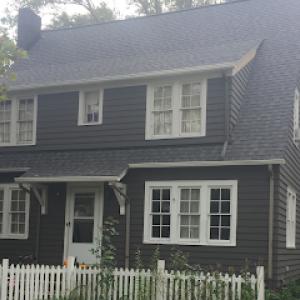
Established in 2008, Relief Roofing and Restoration serves Elyria and the greater Cleveland Metropolitan Area. We specialize in residential roof repair and roof replacement, alongside home remodeling projects and handyman services. From leaky roofs to bathroom remodeling, Relief Roofing and Restoration can tackle your home improvement needs.
Dan Williams Roofing
(440) 282-6006 www.danwilliamsroofing.com
Elyria, Ohio
4.1 from 9 reviews
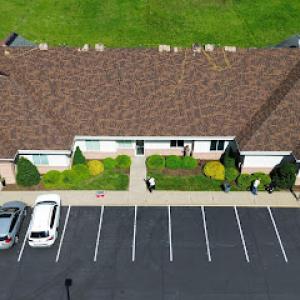
If you need roof repair after a storm or a complete roof replacement, Dan Williams Roofing in Lorain, OH can get your property back in shape. These roofing contractors have been providing expert roofing services since 2000, and they have the skills, experience, and knowledge to complete any project—large or small—safely and properly. When you need roofing services from a contractor who works hard and will get the job done right then contact Dan Williams Roofing. In addition to roof installation and repair, they also provide gutter replacement and skylight installation. To request a free estimate, call (440) 282-6006 or go online.
Upper Level Roofing & Construction
(330) 410-5320 www.gotheupperlevel.com
Serving
4.9 from 29 reviews
The experts at Upper Level Roofing and Construction, Inc have decades of combined experience providing superior roofing, siding and construction repairs and installation. Our professional, reliable exterior service experts have your complete satisfaction in mind. From new roof installation and repairs through replacement windows and premium siding and additions, our team has real world experience servicing countless customers.
Kaminski Roofing
15 Hawthorne St, Elyria, Ohio
3.7 from 3 reviews
Unmatched A+ BBB rating for over 25yrs.
Countywide Roofing
(440) 246-3328 www.countywideroof.com
533 Whitman Blvd, Elyria, Ohio
5.0 from 1 review
Serving Lorain County for over 25 years; A+ Rating with BBB; Slogan - Quality Pride and Tradition;
Farley's Roofing
(440) 322-1142 www.roofinglorain.com
Serving
5.0 from 33 reviews
Farley's Roofing, Inc., based in Elyria, OH, is the leading roofing specialist in the region, serving Lorain, Amherst, Oberlin, Elyria, and neighboring areas since 1994. We offer expertise in commercial and residential roofing, including re-roofs, tear-offs, flat roofs, and metal roofs. For all your roofing requirements, reach out to Farley's Roofing, Inc. in Elyria.
Legacy Roofing Services North Ridgeville
(440) 739-3498 www.legacyroofing.com
Serving
4.9 from 168 reviews
Legacy Roofing North Ridgeville is an award-winning roofing company specializing in repairing and replacing residential and commercial roofs. We also offer vinyl sliding and seamless gutter installation and give homeowners complete project transparency so they can choose the right roofing materials and appearance that fits their budget. Our emergency service technicians assess damage and begin making repairs so your business can be up and running promptly. We offer extended warranties and work with leading roof material manufacturers to provide the highest quality materials. Our specialties include wind damage assessment and infrared technology to help home and business owners save money. Contact us for a free estimate.
AllPro Exteriors
Serving
5.0 from 16 reviews
AllPro Exteriors, LLC is the roofing company to call for quality roof repair, replacement, and 24/7 Emergency services. We work with materials like Spanish tile and wood shake, to make your home the pride of the neighborhood.
Winter cold and repeat freeze-thaw cycles compress workable installation hours. In practice, that means you may lose days when temperatures sit near or below freezing, and seal-down performance on some materials can falter if joints are exposed to alternating thaw and refreeze. This is not a hypothetical; elderly neighborhoods and older homes with long roof runs feel the impact first. Plan for a shorter daily work window when frost lingers in the mornings, and avoid pushing material installation when dew point and overnight lows collide with midday heat in the late afternoon. By aligning the crew's schedule with mid-morning warmth and avoiding days that swing from freezing to above-freezing too quickly, you reduce the risk of shingle curl, fastener loosening, and misaligned flashing.
Late spring through early fall is the practical replacement window for most Elyria projects. Dry, moderate conditions help maintain roof dryness during the critical phases of installation and sealing. This timing minimizes moisture entrapment in underlayment and reduces weather-driven delays that commonly crop up in spring rainstorms or late-summer humidity spikes. If leaks are present, a temporary patch can buy you time without tying up a long dry-out period, but plan the major work for the dry stretch of late spring, summer into early fall. The goal is to complete multiple consecutive days of favorable weather so the crew can finish without restarting due to sudden rain.
Spring thaw introduces slush and soft ground that can slow access to the roof and complicate debris management. Summer thunderstorms bring sudden cooling or wind shifts that can interrupt installations and stress components being set in place. Fall winds are notorious for lifting loose materials and stressing edge details as trees shed and gusts pick up. Each of these shifts matters more in this climate than in milder regions because older rooftops often present complex fastening requirements and longer run lengths. Build a buffer into the schedule for half-days of work during unsettled patterns and have a contingency plan for postponing nonessential steps when a storm is forecast within 48 hours of planned work.
Cold mornings can make sealants and asphalt products slower to set, while high heat can accelerate drying to a point where seal-down pressure must be adjusted to prevent over-tightening. For metal and tile options, consider the heat expansion and contraction cycle and how it interacts with flashing and ridge caps. Ensure that scaffolding and ladder access stay secure for the full length of a project, as windy autumn days can intensify risk on multi-story older homes. When scheduling, prioritize mid-season days with stable temperatures and low wind, and arrange sequence planning to minimize recurring weather-related interruptions.
Coordinate with the contractor to lock in a delivery window that aligns with a stretch of dry days, avoiding early spring starts that hit thaw events, and steering away from late fall when winds intensify. Confirm that weather forecasts are monitored for at least a week, with a plan to pause work if a substantial storm is forecast. Ensure crews have a clear sequence: underlayment first, flashings next, then ridge and vent components. Communicate readiness to switch to temporary protective measures if a sudden shower arrives, and designate a daily nail-down target to keep seal-down progress reliable. This region's climate rewards disciplined scheduling and clear, shared expectations between homeowners and contractors. The right window minimizes rework and helps a roof reach its long-term performance goals.
Asphalt shingles are a dominant choice for many older neighborhoods in this area because they fit the typical re-roofing projects you see around Lorain County. In Elyria, they handle the frequent freeze-thaw cycles and spring moisture reasonably well when installed correctly, but they are not immune to wind uplift, granule loss, or aging acceleration from repeated freezing and thawing. To maximize their life, you'll want a quality underlayment and proper nailing patterns for your roof pitch, plus a good seal around vents and chimneys. Keep an eye on the granule sheath along the rake and eave edges after storms, and plan for timely replacement of damaged tabs before leaks form. Regular inspections after windy weather help catch loose or missing shingles before a small issue becomes a big one.
Metal roofing has a meaningful local specialty presence and can be an appealing option in Elyria for its snow-shedding advantages and strong durability in cold snaps. The metal profile can resist wind and hail better than many alternatives when installed with attention to flashing and fastener layout. The key here is detailing around fasteners, penetrations, and condensation control, especially in winter conditions. In practice, that means using sealant-compatible closures at any chimney or vent penetration, ensuring proper slope and attic ventilation, and selecting fasteners rated for cold-weather use. A well-sealed ridge line and manufactured closures help prevent ice dam activity and moisture intrusion. If you're considering metal, request a detailed drainage plan and a path for condensation management that fits your attic's ventilation profile.
Clay tile, concrete tile, and slate bring a long lifespan and a distinctive curb appeal, but they require attention to structural support and load calculations. In the Northeast Ohio climate, these heavier systems can be more sensitive to cracking or breakage during freeze-thaw cycles and winter service work. Before committing to any heavy material, confirm that the existing framing and roof deck can handle the additional weight, especially on older homes with retrofit or addition histories. During installation, flashing around edges and penetrations must be meticulous, because a significant weight with imperfect detailing can magnify the risk of leaks after a late-winter freeze. When these materials are used, expect higher scrutiny during seasonal inspections to catch hairline cracks or loose fasteners that appear after cold snaps.
In this market, storm events can create concentrated damage patterns. After a hail or wind event, perform a careful roof scan for lifted shingles, displaced tiles, or dented metal pieces. In all material types, maintain a routine around attic ventilation, as poor moisture control compounds aging on any surface exposed to Elyria's winter and spring moisture. Keep exterior painted or coated surfaces in good repair where applicable, since exposed edges and fastener lines are natural entry points for moisture during thaw cycles. For any roof type, consider a drip-edge and gutter health check as part of the annual rhythm, since backed-up gutters with heavy spring rainfall can magnify issues on vulnerable seams or fasteners. This approach helps deliver consistent performance through the region's characteristic blend of storm activity and cold-season demands.
Typical Elyria material pricing runs about $350-$650 per square for asphalt shingles, $700-$1200 for metal, $900-$1700 for clay tile, $800-$1500 for concrete tile, $1100-$2600 for slate, and $450-$750 for fiber cement shingles. When budgeting, it's common to think in "squares" (100 square feet). A re-roof on an average detached home in older neighborhoods often touches the lower end if asphalt is chosen, while a full replacement using premium materials can push costs higher quickly, especially on ramblers or two-story homes with complex rooflines.
In this market, storm activity creates demand spikes for re-roofing crews and emergency repairs. When a nor'easter or line of strong winds tears through Lorain County, crews are tied up, and material lead times stretch. That means you might see upward pressure on both labor and material costs for a few weeks after a significant wind or hail event. On a typical storm season, it's not unusual for prices to trend toward the upper end of the range for the first wave of replacements, then normalize as crews redistribute across the county. If a wind event hits older two-story homes with steep pitches, plan for a modest bump to cover extra crew time and potential additional tear-off labor.
The labor involved in tear-off on older homes is a frequent driver of cost, since decking may be fragile or warped from long-term moisture. Venting or structural considerations can trigger a plan review style check, which can add time and small costs during the job. On clay or slate installs, the material itself is premium, but handling is more delicate, increasing labor hours. Even fiber cement shingles, while affordable compared with natural slate, can require careful match-ups at roof edges and transitions. Ultimately, choosing a heavier or more durable option-like metal, concrete tile, or slate-will shift the budget from the asphalt baseline toward the upper tier, particularly on homes with complex rooflines or modernized venting needs.
Don't let upfront costs delay a critical repair - these contractors offer payment plans to fit your budget.
Bill Jackson Roofing
(440) 577-5082 billjacksonroofing.com
7516 W Ridge Rd, Elyria, Ohio
4.9 from 41 reviews
A full roof replacement in Elyria typically requires a permit through the City of Elyria Building Department rather than being handled informally. This means that the project starts with a formal application, and the plans are reviewed for compliance with local codes and safety standards before any roof work begins. Skipping this step can trigger fines, stop-work orders, and delays that ripple through a storm-repair schedule when quick turnover is essential.
Elyria inspections are generally performed at key milestones, including during underlayment or roof installation and again at final completion. Expect inspectors to verify proper ventilation, nailing patterns, and the integrity of flashing around dormers, chimneys, and vents. The timing of these checks matters: a delay in one milestone often pushes the entire project back, which can leave a vulnerable roof exposed to spring moisture or a new round of wind events. Coordinating your contractor's schedule with the inspector's window helps avoid unnecessary rework.
Plan review may be required in Elyria when venting changes or structural considerations are involved, so homeowners should account for a modest fee and processing time before work begins. If the project alters roof ventilation-adding or reconfiguring soffit vents, ridge vents, or power venting-expect a formal plan review. Likewise, any structural modifications, such as adding skylights, changing the roof pitch, or reinforcing trusses, will trigger deeper scrutiny. Understanding that process in advance helps avoid surprises that slow down a repair after a storm.
To navigate the process smoothly, gather all relevant documents in advance. This includes detailed roofing plans, venting specifications, and any structural change notes. Be prepared to submit evidence of contractor licensing, proof of insurance, and estimated timelines. The Building Department typically communicates milestones and any required corrective actions, so staying responsive during the review period can save days or weeks.
If a permit is pursued after storm damage, ensure the contractor coordinates timing so that inspections align with installed stages, not just calendar dates. A stop-work order for failure to pass an inspection can suddenly extend the repair schedule, leaving a vulnerable roof exposed to elements longer than necessary. By understanding Elyria's permit and inspection steps, homeowners can better manage risk and keep a storm-repair plan on track.
In a neighborhood pattern where wind and hail events are common enough to shape the contractor scene, insurers look closely at documentation. Your files should tell a clear, date-stamped story of what happened to the roof and what was done to fix it. The goal is to remove uncertain gaps that can slow settlement or lead to dispute over what was covered and what wasn't.
Keep dated photos from before the storm, during the event, and after repairs. Include wide shots and close-ups of damaged shingles, flashing, and gutters. Gather contractor scopes of work that itemize each repair step, plus any replacements. Have proof of roof age from a previous certificate, invoice, or installation receipt. Include records of any prior damage, even if unrelated to the most recent claim, and keep warranty paperwork for all materials and labor. These documents become especially useful if a claim spirals into questions about pre-existing wear versus new storm damage.
If an adjuster questions the extent of damage, you will want to show that the roof was already aging and that storm damage accelerated necessary replacements. In Elyria, where freeze-thaw cycles compound wear, insurers often look for a side-by-side of post-storm damage versus age-related deterioration. Having a complete set of records helps demonstrate the connection between the event and the required repairs.
Document contractor warranties and keep track of any post-installation inspections or City or county inspections that occurred during or after repairs. This is especially important when a roof has both storm-related damage and age-related wear from freeze-thaw exposure. Store these records in a place you can access quickly if the insurer requests them, and confirm contact details for the contractor in case further verification is needed. A clear, organized file reduces back-and-forth and speeds your settlement.
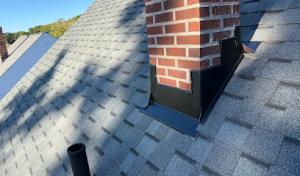
Chimneys in older neighborhoods are a frequent trouble spot because the chase and surrounding brickwork settle over time, creating gaps where water can creep in. In Elyria, wind-driven rain and freeze-thaw cycles mean flashing around the chimney joints often fails first, especially where clay brick or concrete block has spalled or where mortar has cracked. Inspect the flue collar and step flashing where it meets the roof deck, and pay attention to deteriorating chimney caps that allow water to bypass the flashing. When leaks trace to these areas, resealing with proper copper or aluminum flashing and repointing masonry seams is a practical step you can plan for in a staged repair, not a full roof replacement.
Skylights offer a valuable light source in older homes with shallow roof lines, but their penetrations are a recurring repair category in this market. In your attic, look for staining around skylight frames, condensation on the glazing, and signs of dry-rot in curb corners. The curb itself can crack or settle, letting moisture wick into plywood and insulation. Tightening fasteners, re-sealing with high-quality sealant, and ensuring proper shingle overlap over the curb are essential maintenance actions. For older builds, consider upgrading to a curb-mounted unit with integrated flashing that matches your roof slope to reduce recurrent leaks.
Vent stacks, bathroom fans, and furnace vent pipes intersect roof planes where sealants degrade first. In places with heavy winter moisture, the wax or asphalt seal around pipe collars can crumble, leaving pinholes for water to enter along the vent line. Regular inspection of boot feet, flashing around pipe penetrations, and the alignment of vent stacks with the roof ridge helps detect issues early. Replacement with modern, flexible boot materials and proper step flashing ensures better resilience against freeze-thaw cycles and wind-driven rain.
The valley and eave areas receive the greatest exposure to accumulation and runoff. In older homes, missing granules, curling shingles, or compromised underlayment expose roof decking at these critical junctions. Debris-filled gutters back up water, forcing it behind fascia boards and into soffits. Clean gutters each season, check for loose drip edges, and ensure proper shingle overhang to shed water away from roof-to-wall intersections. This targeted maintenance reduces the risk of cascading leaks through the roofing system.
Find contractors experienced in skylight installation, flashing, and leak repairs to bring natural light into your home.
M&T Roofing & Restoration
(440) 201-4341 mtroofingandrestoration.com
114 Lindsay Ct, Elyria, Ohio
5.0 from 75 reviews
Lake Erie Roofing Solutions
(440) 657-9976 www.lakeerieroof.com
8988 Murray Ridge Rd, Elyria, Ohio
5.0 from 31 reviews
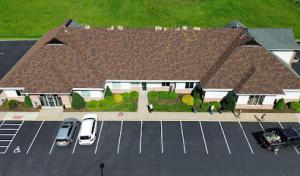
Flat and low-slope roofing is a visible but secondary specialty in Elyria, relevant for certain home additions, porches, garages, and mixed residential-commercial properties. The combination of regular precipitation and winter freeze cycles puts extra emphasis on drainage, edge detailing, and material compatibility. A low-slope section can look fine for years and then reveal its weaknesses after a heavy rain or a snap freeze.
Elyria's wet springs and lake-effect dryness swings mean ponding on low-slope roofs is more than a cosmetic concern. When water sits, it can accelerate wear on membranes, flashings, and penetrations. Check each roof plane after a rain: does water shed toward scuppers, gutters, and downspouts, or does it puddle along the eaves? If ponding persists, it often signals either insufficient slope or blocked drainage, both of which demand proactive repair before damage migrates to adjacent walls or insulation.
Because many Elyria contractors focus primarily on residential re-roofing, homeowners with low-slope sections should verify that the crew handles both steep-slope and flat-roof details correctly. Look for portfolios or references showing mixed-project experience, including edge termination, membrane seams, and penetrations around dormers, skylights, or porch brackets. Ask about the crew's experience with vapor retarders, transitions to adjacent roofing types, and how they protect existing structures during flat-roof work.
Inspect existing edge details, penetrations, and flashing for signs of wind-driven leaks, especially near transitions to steeper sections. Plan for a careful, layered approach that prioritizes reliable drainage paths and robust termination details. If a low-slope area adjoins living spaces or frequent occupancy, insist on a demonstration of ponding control during a follow-up roof assessment. This local climate rewards a meticulous eye and a careful, comprehensive repair plan.
Find specialists in TPO, EPDM, and built-up flat roofing systems for residential and commercial properties.