
Last updated: Apr 19, 2026
In Westland, the winter grind wears roofs differently than milder climates. Snow collects, then thaws, refreezes, and repeats. That freeze-thaw cycling pushes shingle tabs loose, weakens edges, and slowly opens up gaps around flashing and ventilation. When spring arrives, high winds and hail become the daily headlines, and those damaged areas don't wait. Your roof's first signs of trouble often appear at aging shingle tabs, along the roof edges, at valleys, and around attached features like chimneys and skylights. This is not theoretical here-these patterns show up every season in this neighborhood, and delays mean bigger headaches down the line.
Spring hail storms are a meaningful local trigger for roof damage reports. Hail can puncture or crack shingle surfaces, and wind can lift edges that are already fatigued from colder months. In this market, the really concerning damage isn't always a single obvious hole; it's a network of compromised spots that let moisture creep into decks, underlayment, and attic spaces. If a storm hits and you don't inspect soon after, small issues can compound into interior leaks and sudden ventilation or insulation problems during the next cold snap.
Because many postwar and late-20th-century suburban homes populate the area, storm damage often reveals itself first at the most vulnerable spots. Aging shingles with curled tabs or lifted edges create open pathways for water, especially where valleys converge or where two roof planes meet at a chimney, vent, or skylight. This means you should treat any post-storm report of moisture near those features as a red flag, even if the visible damage looks minor from the ground. The reality is that hidden damage behind shingles can progress quickly in Westland's climate.
What you should do right after a storm
When you see damage or after a significant storm, schedule a professional inspection promptly. A local roofer understands how Westland's freeze-thaw cycles interact with postwar roof lines and can confirm whether flashing, ventilation, or shingle replacement is warranted. Early attention to these weak points not only protects your home this season but helps prevent cascading leaks in next year's thaw and storm cycles.
In Westland, the most favorable replacement season is typically late spring through early fall, when crews can avoid winter ice conditions and still complete city inspection steps without weather delays. This window gives your crew a solid stretch to pull through materials, install confidently, and wrap up before the next cold snap. Plan your project to start as soon as the frost is gone and the forecasts look steady for multiple days of dry weather. Aligning with this window helps ensure shingles seat properly and underlayment seals without repeated freeze-thaw cycles interrupting progress.
Summer heat in southeast Michigan can affect installation pace and material handling, so scheduling earlier in the warm season can be preferable for both asphalt workability and crew productivity. Asphalt shingles, in particular, become more pliable when temperatures are moderate, reducing the risk of tearing or improper nailing during steep roof runs. If your schedule allows, book the earliest practical dates in June or early July to avoid the peak heat stretch, when blistering afternoons can slow crew movement and affect quality control on steep pitches or complex ridges. Plan for shorter daytime sessions if heat forecasts spike, with a clear safety plan for workers and proper hydration for everyone on site.
Autumn leaf drop in established Westland neighborhoods can hide drainage and moisture issues, which makes pre-winter inspections especially useful before freeze-thaw conditions return. Before coverage is replaced, walk the roof with the contractor and check for clogged gutters, missing granules, and signs of trapping moisture near eaves and dormers. Ensure snow guards or ice-damming precautions are integrated if your area tends to heavy early-season snows. In late fall, a thorough attic inspection can reveal ridge vent or soffit blockages that would compromise ventilation once colder air arrives. If replacement extends into autumn, request a detailed drainage plan and a follow-up teardown or inspection appointment to verify that water flows are clear and the flashing remains sealed as temperatures dip.
Coordinate the project to minimize overlap with high-wind stretches common after spring storms. Confirm that the roof deck has remained dry for several days prior to work and that gutters are cleared so that downspouts won't trap water during the replacement. Have a backup plan for a sudden rain event, including tarping vulnerable areas and securing exposed fasteners. After the installation, schedule a quick post-work inspection to verify flashing around chimneys, skylights, and vent stacks, especially if any freeze-thaw risk is anticipated in the coming months. This targeted check helps catch issues early, when they are easiest to fix before winter sets in.
Get a clear picture of your project costs upfront - no commitment required.
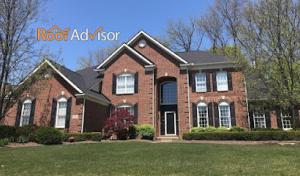
In this area, the dominant roofing options include asphalt shingles, metal roofing, clay tile, concrete tile, slate, and fiber cement shingles. Asphalt remains the most practical fit for much of the suburban housing stock, balancing cost and ease of replacement on homes that already have lighter framing. Metal offers durability and a slimmer profile, while clay and concrete tiles bring long life but can weigh more and may call for structural checks on older homes. Slate and fiber cement shingles sit toward the higher end of the spectrum, with slate providing striking longevity and weight considerations, and fiber cement offering a middle-ground option that lands between asphalt and heavier tile products. When choosing, you'll compare the long-term value with the upfront install costs listed below to match your home's framing and attic space.
Prices reflect the typical range you'll see for replacements after the spring storm season, when regional demand spikes across Wayne County and nearby metro Detroit communities. That surge can tighten labor availability and push contractor schedules, so plan for a slightly longer lead time if a hail event or high-wind season hits. The per-square costs (a square being 100 square feet) are as follows: asphalt shingles 350-550 USD per square; metal roofing 700-1200 USD per square; clay tile 1100-1800 USD per square; concrete tile 900-1400 USD per square; slate 1500-2500 USD per square; fiber cement shingles 550-900 USD per square. These ranges reflect both product quality and installation complexity that often varies with roof pitch, alignment of hips and valleys, and attic access for material handling.
Material choice matters more when the home's original framing was built for lighter systems. Heavier options like slate, clay tile, and concrete tile may require a structural review before replacement. If the attic or ceiling joists aren't already rated for extra load, you might face reinforcing work or a revised layout that spreads weight more evenly. In practical terms, heavier roofs can mean extended project timelines and higher labor coordination costs, especially if a crew needs to bring in additional equipment or temporary support structures. For an aging suburban roof, you'll want to weigh the benefit of extended life and aesthetics against the potential need for structural upgrades, or at least a detailed evaluation from a qualified roofer who understands how older framing responds to new loads.
When spring storms are fresh in memory, schedules fill quickly. If you're considering a full replacement, contact multiple local roofers to gauge availability and to compare material warranties, especially for asphalt and fiber cement, which tend to offer faster installs and solid defense against freeze-thaw cycles. For heavier options, request a preliminary structural assessment before committing to a material upgrade, so you're not surprised by reinforcement needs after the first round of rain and thaw. Budget a contingency for possible staggered work if weather or access issues arise, and confirm warranty terms that cover both product and install.
Gabriel’s Roofing Construction
(248) 383-3449 www.gabrielsroofingconstruction.com
28500 Warren Rd, Westland, Michigan
4.9 from 96 reviews
Your trusted home Improvement expert for a lifetime. We pride ourselves on presenting the best quality replacement Roofing, Gutters, Vinyl siding, Windows. We install these products in your home as if we were putting them into our own. Should those products ever need service, we will always be there to take care of any problems. It’s our lifetime guarantee.

Tato Renovations
(734) 635-7045 tatoyardking.com
2423 S Wayne Rd, Westland, Michigan
5.0 from 20 reviews
Tato Yard King Construction Specializes in Roofing and Landscaping.
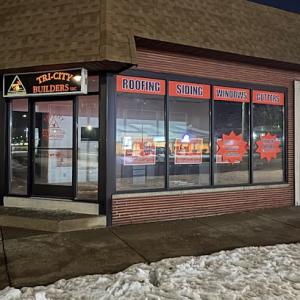
Tri City Builders
(734) 453-2222 tricitybuildersonline.com
38790 Warren Rd, Westland, Michigan
4.7 from 78 reviews
As the top roofing contractor in Westland, Tri City Builders helps our community bring their building visions to life with expert craftsmanship and outstanding customer service from start to finish. Specializing in everything from roofing to siding, our priority is to ensure total customer satisfaction, meeting your needs, matching your style, adhering to your budget, and completing deliverables on time. With our expertise as a roofing contractor in Westland, we handle every detail with precision and care so that you can feel confident every step of the way. Trust Tri City Builders, the best roofing contractor in Westland, to expertly handle your project today!
Tom's Residential Roofing Company
(844) 367-3037 www.tomsresidentialroofing.com
Westland, Michigan
3.8 from 10 reviews
At Tom's Residential Roofing, we specialize in providing high-quality roofing solutions for homeowners. With years of experience in the industry, our dedicated team combines expert craftsmanship with premium materials to ensure your roof is durable, reliable, and aesthetically pleasing. We offer a range of services, including roof installations, repairs, and maintenance, tailored to meet the unique needs of each home. We also offer siding and gutter services as well. Customer satisfaction is our top priority. We pride ourselves on clear communication, punctual service, and competitive pricing. Whether you're upgrading your roof or need urgent repairs, you can trust Tom's Residential Roofing to protect your home with integrity and profess...

CentiMark Corporation
(734) 641-7060 www.centimark.com
6330 Commerce Dr, Westland, Michigan
3.7 from 9 reviews
Based in Westland, MI, CentiMark is a leading provider of all-inclusive commercial roofing services for Detroit, broader Michigan areas and Northern Ohio, including Toledo. We recognize the unique roofing challenges caused by Michigan's severe weather and are committed to delivering first-rate solutions. Our skilled team offers services in roof repair, replacement and maintenance, designed to withstand the area's harsh winters, heavy snowfall and storm damage. We also provide urgent roof leak services to minimize business interruption. Choose CentiMark for your roofing requirements; we blend local knowledge with the reliability of a nationwide brand.
Big Al's Roofing
Serving
4.9 from 74 reviews
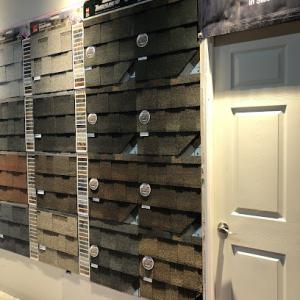
ROOFING & ROOF INSTALLATION OF LIVONIA, MI. Big Al’s roofing is a family owned and operated business. With over 29 years in the business. We are rated A+ through the BBB and we never sub-contract out work.

Garden City Roofer
(734) 224-5646 www.roofingandsidingdetroit.com
Serving
5.0 from 36 reviews
Garden City Roofer goes beyond roof repair and replacement. They offer a comprehensive suite of exterior home services, including roof rejuvenation, siding installation, gutter cleaning and repair, and insulation, including spray foam. Their service area extends beyond Garden City to encompass Westland, Dearborn Heights, Livonia, Plymouth, and more.
BTG Gutters
Serving
5.0 from 35 reviews
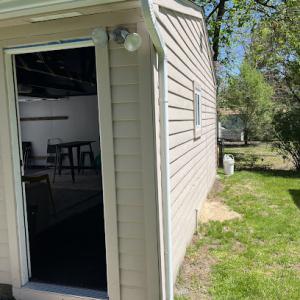
We install Gutters, Downspouts, Gutter Guards, and Metal Fascia Trim. BTG Gutters is a Father & Son small business installing Seamless Gutters all across Michigan. Based in Garden City and operate often in Livonia, Westland, Wixom, and Farmington Hills. Match to any of our 50 Colors we have available for your project. Heavy focus on making sure you are satisfied with our work before we collect payment or leave the jobsite. This week estimate, next week installation.
Kroll Construction
Serving
4.4 from 583 reviews
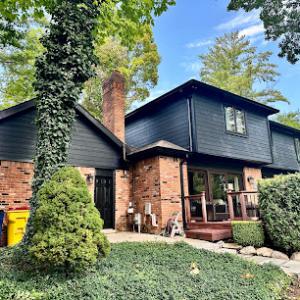
Kroll Construction offers a full array of home repair, renovation and improvement services, all delivered using top quality products and materials, installed with professional craftsmanship and responsive customer service. Our services include roofing, siding, windows, gutter and gutter protection, and kitchen and bath remodeling. Our goal is to make your home improvement project a rewarding and enjoyable experience from start to finish, whether you are installing the kind of windows that local homeowners prefer, or are dreaming of completing the best kitchen remodeling in the Michigan area.
MacDermott Roofing
(734) 422-1990 www.macdermottroofing.com
Serving
4.9 from 201 reviews
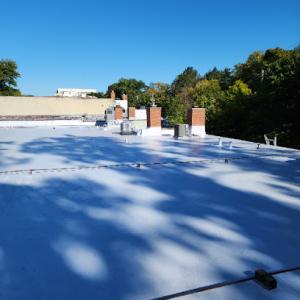
MacDermott Roofing: Southeast Michigan's Commercial Flat Roof Experts. Thanks for stopping by! With 45 years on the job, McDermott Roofing is Southeast Michigan's trusted source for commercial flat roof installation and repair. Talk to us before you replace your roof! Unlike those who rush to replace, we first assess your roof to determine if repairs can effectively extend your roof's lifespan at a fraction of the cost. Why Choose Us? Built in Michigan, for Michigan: Locally manufactured solutions tailored to our environment. Flat roof specialists: Extensive knowledge of all flat roof materials & techniques. Duro-Last Platinum Contractor since 1995: More than 10 million square feet installed!
Leo's Construction & Remodeling
Serving
5.0 from 12 reviews
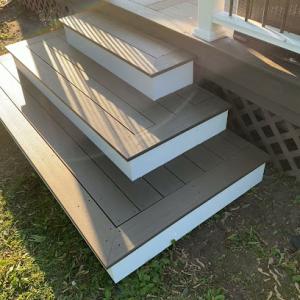
Leo's Construction and Remodeling is going on 10 years of providing superior construction skills for majority of home projects. We can handle all your home needs from finishing your basement to building you a beautiful composite deck to framing you a new home. Theres no job that we cant handle!

Horizon Roofing & Construction
(734) 585-7160 horizonroofingconstruction.com
Serving
5.0 from 78 reviews
Horizon Roofing and Construction brings over 25 years of experience to homes in Northville, Michigan. This family-owned company offers a comprehensive range of services, including repairing old roofs and new roof installation. Horizon also can replace siding and install new window. Horizon focus lies on craftsmanship, ensuring both the beauty and functionality of your home's exterior. Horizon prides themselves in making a weatherized, functional and safe environment inside and outside your home.
In this local climate, full roof replacements typically require a building permit through the City of Westland Building Department, rather than being treated as a no-paperwork job. The permit process helps ensure that the project accounts for the neighborhood's aging suburban roof stock and the region's freeze-thaw cycles. Before work begins, verify with the contractor that the permit is pulled in the name of the company handling the installation, and that the project scope includes the expected roof type, underlayment, and ventilation strategy. The city uses this paper trail to track progress, protect property values, and confirm compliance with local regulations after winter conditions stress roofs each season.
The permit is generally issued to the contractor, and the city expects project details along with proof that the contractor holds the required licensed status. For homeowners, this means you should obtain a copy of the contractor's license, ensure their insurance is current, and request a written summary of the installation plan. Submittals typically cover roof decking, underlayment type, ventilation plan, and anchor points for ice barriers in areas prone to heavy snowfall. If the contractor anticipates changes during work, these should be documented and re-approved by the Building Department to avoid permit amendments that could stall the project.
Westland inspections are commonly scheduled during and after installation, with attention to underlayment, ventilation, and the completed roofing system before final approval. Inspections often occur at key milestones: after decking and underlayment, once the ventilation and attic space are addressed, and at final completion when the roofing system is visible and finish details are in place. The inspector will look for proper nailing patterns, alignment, and flashing details around chimneys, vents, and skylights. If deviations are found, the contractor must correct them before the final sign-off, which helps prevent future leaks after the next spring storms.
Coordinate with the contractor to set anticipated inspection dates and ensure access for the Building Department. Prepare a folder with the permit number, contractor license, and any notice of inspection specific to your address. After installation, keep the final inspection record in a safe place alongside warranty information and maintenance tips so that weather events and seasonal inspections can be aligned with the system's approval history. If weather pauses work, confirm a revised inspection window with the city and the contractor to keep the project on track.
Michigan insurers serving Westland generally remain available for standard roof replacement coverage, but hail and wind events can create seasonal surges in claim volume and slower adjuster response times. After a harsh spring storm, it is common to see a backlog of inspections and repairs, so expecting a slower pace is prudent. Homes in this area often feature aging asphalt shingles and integrated flashing that can show wind uplift or hail bruising in the first warm days following a storm. Planning for longer timelines and keeping a steady line of communication with your insurer can help prevent small problems from turning into bigger leaks, especially when cold snaps follow rapid warmups. Remember that the first week after a severe event is not the time to rely on guesswork about what the claim should cover; documentation and professional evaluation will anchor the process.
Westland homeowners are more likely to need thorough photo documentation, contractor estimates, and date-stamped storm evidence after spring weather events than in lower-claim markets. Take clear photos of any visible damage to shingles, flashing, vents, and gutters, both from the ground and up close with a ruler or known object for scale. Keep a dated diary of when damage is noticed, when rain leaks appear, and when temporary fixes or tarps are deployed. Gather professional estimates from two reputable local contractors who understand the common vulnerabilities of suburban roofs in this climate. If hail is involved, document hail size and distribution on driveways, vehicles, and landscaping as supporting context. This level of detail helps the adjuster assess the scope quickly and reduces back-and-forth requests during a busy period.
Because claim timing can stretch during busy storm periods in southeast Michigan, temporary leak protection and prompt documentation are especially important after visible shingle or flashing damage. Use sturdy tarps over any vulnerable spots, and secure loose flashing or edge shingles to limit wind-driven water intrusion while a longer-term repair plan is arranged. Communicate with your contractor about the expected timelines for temporary measures and the sequence of permanent repairs so the insurer recognizes ongoing vulnerability rather than isolated incidents. If a delay in adjuster inspection becomes evident, proceed with documented temporary measures and keep your insurer informed, since missing or misaligned information at the outset often slows resolution later on.
Connect with contractors who help homeowners navigate the claims process from damage assessment to final approval.
Gabriel’s Roofing Construction
(248) 383-3449 www.gabrielsroofingconstruction.com
28500 Warren Rd, Westland, Michigan
4.9 from 96 reviews

Tato Renovations
(734) 635-7045 tatoyardking.com
2423 S Wayne Rd, Westland, Michigan
5.0 from 20 reviews
Asphalt shingles are the most broadly compatible option for the common ranch, bungalow, and colonial styles found on the western banks of Wayne County. In the freeze-thaw cycles that define Westland winters, the balancing act between initial cost and long-term performance matters more than glossy novelty. Asphalt shingles tolerate those repeated freezes and thaws well when the roof deck is sound, ventilation is adequate, and gutters and drainage are kept clear after the spring wind and hail events. For homes with modest to moderate roof slopes, asphalt remains a straightforward, proven choice that many local crews can install with efficiency and predictability.
Metal roofing can be attractive in Westland for snow shedding and durability, and it has earned favor on homes facing heavier winter loads or where a long service life is a priority. The metal's smooth surface helps snow move off, which can reduce ice dam risk on certain eave configurations. However, detailing around penetrations, flashing, and ventilation remains important in a climate with winter condensation risk. If a metal option is considered, ensure the design accounts for attic ventilation, roof penetrations, and compatibility with existing soffit and ridge vent layouts to minimize condensation-related concerns.
Clay tile, concrete tile, slate, and fiber cement shingles exist in the market, but in Westland they are more specialized choices because many homes were not originally built around the weight, profile, or installation complexity of those systems. Clay and concrete tiles, in particular, bring substantial weight and wind considerations; slate and fiber cement require precise framing and underlayment strategies to perform well under freeze-thaw and spring storm loads. If choosing one of these, detailed assessment of structure, roof pitch, and local hail history is essential to avoid premature failures.
Explore specialists in steel, aluminum, and standing seam metal roofs built to last 50 years or more.
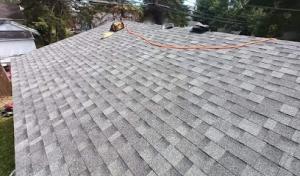
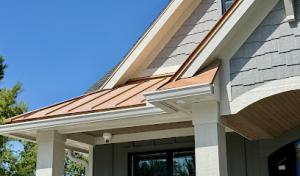
Edges and rafter tails on aging suburban roofs in this market are among the first places to show wear after a cold winter. Freeze-thaw cycles push and pull at shingles and underlayment, loosening fasteners and exposing deck edges to moisture intrusion. If you notice impatient shingle curling or gaps where the edge meets the gutter, address it quickly-water tracking from the eave can worsen attic condensation and invite rot.
Valleys are high-traffic zones for water flow, and in mature neighborhoods those channels tend to collect more leaf debris and sediment. When debris accumulates in autumn, moisture sits longer in the valley and along flashing transitions, increasing the risk of leaks once winter arrives. Regular spring and fall checks to clear debris and verify proper valve pitch can prevent hidden damage that only becomes obvious after a heavy thaw.
Flashings at transitions between roof planes, around skylights, and along chimneys are often where leakage starts, especially if contractors overlapping chimney work advertise related services. Masonry joints contract and expand with temperature shifts, frequently creating hairline cracks that let moisture seep into attic spaces. If you see stained ceiling spots near a chimney or hear a faint dripping sound after a thaw, inspect the flashing and masonry adjacency promptly.
Ventilation systems can be stressed by repeated freeze-thaw movement, particularly on older homes with tight eave soffits and undersized intake vents. Poor attic ventilation traps warm, moist air that condenses on cold roof surfaces, promoting ice dam pressure and moisture buildup in sheathing. Confirm that soffit vents, baffles, and ridge vents align, and that ducts are sealed to prevent condensation from migrating into attic spaces.
Leaf debris from mature tree cover can trap moisture in gutters and valleys during autumn, creating inspection and drainage problems before winter sets in. Clogged gutters back up water and accelerate flashing degradation, while wet leaves in valleys can freeze into stubborn ice blocks that pry shingles loose. Proactive gutter cleaning and timely valley checks help avert larger leaks once snow arrives.
Find contractors experienced in skylight installation, flashing, and leak repairs to bring natural light into your home.
Gabriel’s Roofing Construction
(248) 383-3449 www.gabrielsroofingconstruction.com
28500 Warren Rd, Westland, Michigan
4.9 from 96 reviews
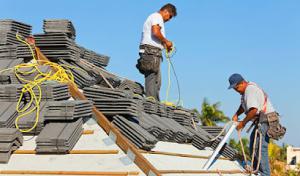
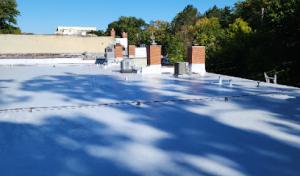
While the area is known for pitched residential roofs, local contractor activity shows a meaningful need for flat-roof expertise on additions, porches, and garage sections. Flat and low-slope portions in aging suburban homes are common, and they behave differently from the main shingles. In Westland, snowmelt and spring winds stress these areas, and standing water can linger after storms. That combination accelerates membrane wear and edge delamination if not monitored.
Start with a post-winter inspection of the flat or low-slope garage roof. Look for pooled water that doesn't drain within two to three days, blisters or wrinkles in the membrane, and any signs of edge or seam failures. Check flashing at converging walls and around any mechanical penetrations, since those seams see the most stress from freeze-thaw cycles. Pay special attention to the transition from the main roof to the low-slope section, where debris tends to trap moisture and create slow leaks.
Ensure the drainage path is clear and directs water toward downspouts or internal scuppers. If water sits along the edge, consider improving slope slightly or adding a temporary swale to guide meltwater away. For concrete or asphalt-based low-slope substrates, verify that pavers or gravel are not blocking drainage paths. Regularly remove debris after storms or heavy winds to prevent ponding.
Older mixed geometries benefit from a clear plan that distinguishes the flat portions from the main field. Small membrane repairs may suffice for isolated pinholes or seam lifting, but widespread wear or multiple failed seams often signals the need for a full or partial replacement with a compatible low-slope membrane system. Consider edge detailing that resists wind uplift, especially near porches or added garage bays. Coordination with any adjoining roof work helps ensure a seamless, long-lasting result.
Find specialists in TPO, EPDM, and built-up flat roofing systems for residential and commercial properties.

You're shopping in a dense contractor market where quick response, affordability, cleanup, and true re-roofing experience matter more than niche luxury. In this climate, a long-standing, family-owned company often proves steadier on timing, cleanup, and follow-through after the install. Look for a crew that can demonstrate consistent work across multiple neighbors within your block, not just a flashy sales pitch. In Westland, where aging suburban stock and freeze-thaw cycles test roofs year after year, nearby references and a visible local footprint count.
Start by confirming that the contractor handles city paperwork and scheduling for inspections, and that the project will be managed under the company's name rather than rolled to you as the homeowner. Ask who will be the on-site supervisor, and request the contact method for after-hours questions during the project. Verify years in business, how they handle storm-related repairs, and whether they provide a written warranty that covers materials and workmanship for the full term advertised. Request a detailed project plan with anticipated milestones, cleanup procedures, and a plan for protecting landscaping and driveway surfaces during debris removal.
Communicate clearly about weather-sensitive windows and the sequence of tasks, since spring wind and hail events can dictate timing. Ensure the crew protects your home's interior with tarps and keeps debris contained to minimize disruption to nearby properties. Clarify how re-roofing will affect nearby structures, and what happens if underlying decking needs repair. A reliable contractor should offer transparent progress updates and a clear process for handling any incidental damage discovered during removal or installation, with swift remedy timelines.
Expect a thorough walk-through with the supervisor to confirm warranty details, material specs, and maintenance guidance. Confirm how service calls for potential post-install issues are handled and the provider's process for honoring warranty claims long after the crew has left the site.