
Last updated: Apr 19, 2026
You are living in a landscape where wind-driven storms roll across flat Downriver terrain with little to slow them down. The proximity to Detroit Metropolitan Wayne County Airport means gusts can surge from a dozen directions, catching shingles, edges, and flashing off guard. In this environment, roof damage often begins with edge lifting, loose granules, and sudden leaks after a fast-moving squall. The roofs most exposed are those with standard asphalt shingles, thin-edge slopes, or poorly sealed transitions near vents and chimneys. The risk isn't just from a single storm; it's the cumulative stress from repeated wind events that makes quick, decisive action essential.
When a storm rolls through, your first move is to protect the interior. If you see water intrusion or hear active wind uplift around the eaves, cover exposed areas with heavy-duty tarps secured to the gutter line or fascia, not to shingles themselves. Avoid climbing on a roof during or immediately after a storm unless you're trained and equipped; slick surfaces and loose shingles mean a fall hazard is real. After the wind dies down, inventory what you can reach safely from the ground: damaged flashing, lifted shingles at edges, torn vent boots, or dented gutters. Photograph any visibly damaged areas from multiple angles, including the roof line and near penetrations. These images should clearly show the extent of uplift and edge damage for your records.
Documentation is your strongest ally after a wind event. Start a dated log of each storm incident, noting wind speeds if you can, the time of day, and which parts of the roof show distress. Take dated photos from ground level and, when safe, from a ladder that a qualified contractor uses. Keep all receipts for temporary repairs, tarping, and any urgent services that prevent further interior damage. Your notes should map out vulnerable sections: eaves, rake edges, and any skylight or chimney flashings where water could begin to intrude. If a contractor identifies wind uplift as the trigger for existing vulnerabilities, ask for a written assessment that explains how secure fasteners and edge protection were compromised, and what a proper repair plan entails to prevent recurrence.
Edge damage and uplift often signal a need for a fast, targeted repair rather than a full replacement, especially in the immediate aftermath of a storm. Approach this as a two-stage process: temporary stabilization to stop further weather exposure, followed by a comprehensive evaluation once the roof can be safely accessed. Prioritize sealing gaps around penetrations and re-fastening loose shingles to curb additional leakage risks. If your roof is already near the end of its service life, a professional evaluation should help you determine whether a full re-roof or a partial repair makes more sense in terms of long-term reliability and wind resistance. A respectful contractor will outline how each option addresses edge protection, wind uplift, and the specific exposure challenges posed by the airport-adjacent corridor.
Seek a contractor who has solid experience with wind-damage scenarios and understands the local exposure. Ask for an on-site inspection that focuses on edge fasteners, underlayment integrity, flashing around vents, and chimney abutments. A practical approach is to request an assessment that includes testing of roof decking where visible, plus a plan to re-secure edges and improve sealing to resist gusts. In this market, emergency repair is common, but look for a firm that pairs quick stabilization with a clear, staged plan for a durable, wind-resistant solution. Verify references, and prioritize contractors who can provide a written repair schedule and evidence of proper edge control and drainage considerations for the Downriver wind pattern.
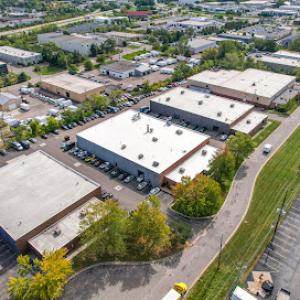
MW Morss Roofing
(734) 942-0840 www.morssroofing.com
15423 Oakwood Dr, Romulus, Michigan
4.5 from 8 reviews
Since 1972, M.W. Morss Roofing, Inc. has been a leader in the commercial roofing industry in Southeast Michigan. From small repairs to large re-roofing projects, we are dedicated to ensuring complete customer satisfaction. We specialize in Duro-Last, a single-ply, pre-fabricated mechanically-attached roofing system.
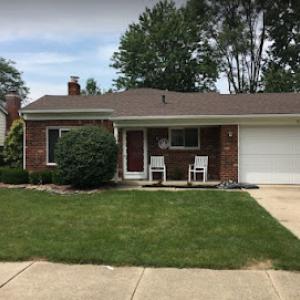
Canton Construction Corporation
(734) 844-8420 cantonconstructioncorp.com
Romulus, Michigan
4.0 from 14 reviews
Canton Construction Corporation is a family owned and operated business that offers a wide range of roofing services in Canton, MI and surrounding areas. We have over 20 years of roof repair and replacement experience. Navigating the insurance claim process can be a challenge. We'll work with your insurance company and make sure that your roof damage insurance claim gets filed properly. After your claim is filed, our roofing contractor can repair or replace your roof with skill and efficiency. If you need seamless gutters, gutter guards or a roof installed on your new construction home, we can handle that, too.
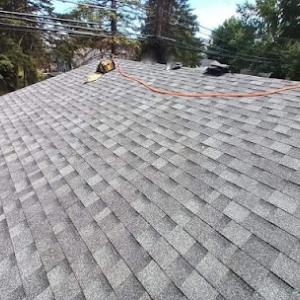
Detroit Roofers of Belleville
Serving
4.9 from 17 reviews
Detroit Roofers of Belleville proudly serves Belleville, Romulus, Wayne, Westland, and surrounding areas with expert residential and commercial roofing solutions. Whether you need a small repair, a complete roof replacement, or a new installation, our licensed and insured team delivers high-quality work built to last. We specialize in asphalt shingles, flat roofs, metal roofing, and more—each project supported by strong warranties and 5-star customer reviews. Property owners in Belleville rely on us for fair pricing, responsive service, and durable craftsmanship. When you want a roofing partner you can trust, choose Detroit Roofers of Belleville.
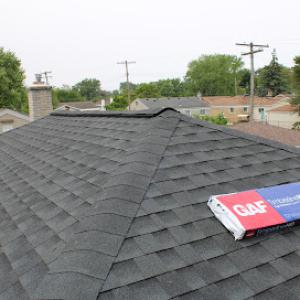
Uncle Arnie's Exteriors
(734) 277-8939 www.unclearnies-exteriors.com
Serving
4.7 from 12 reviews
General Contractor, Design & Build Seamless Gutters, Roofing, Siding, Custom Trim & more! Professional seamless gutters up to any length and color are offered. A Licensed and Insured small business working in the Wayne county - Detroit area.
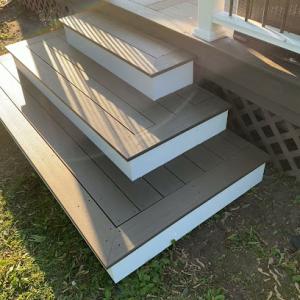
Leo's Construction & Remodeling
Serving
5.0 from 12 reviews
Leo's Construction and Remodeling is going on 10 years of providing superior construction skills for majority of home projects. We can handle all your home needs from finishing your basement to building you a beautiful composite deck to framing you a new home. Theres no job that we cant handle!

Tato Renovations
(734) 635-7045 tatoyardking.com
Serving
5.0 from 20 reviews
Tato Yard King Construction Specializes in Roofing and Landscaping.
NorthGate Construction
(734) 340-3208 northgate-construction.com
Serving
4.8 from 428 reviews
Looking for the best roofing company near you? NorthGate Construction is the trusted roofing company in Canton, MI, specializing in insurance roofing claims and storm damage repair. When severe Michigan weather strikes, we provide fast, expert roof assessments, work directly with your insurance company, and install high-quality, durable roofs built to last. As your local roofing experts, we ensure a hassle-free process, maximizing your claim while delivering top-tier craftsmanship. Whether you need emergency roof repair or a full replacement, NorthGate Construction is the roofing company you can trust for superior service and results." This version improves keyword density while keeping the messaging clear and compelling. Let me know if yo
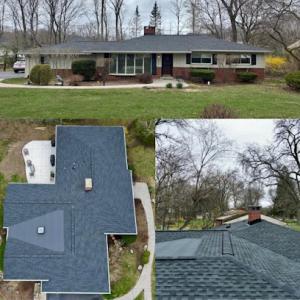
Jimmy Roofing
(734) 444-5457 jimmyroofingmi.com
Serving
5.0 from 63 reviews
Jimmy Roofing is a company in Belleville, MI that offers affordable and quality roofing service. Contact us for more information and free estimates.
Barnett Roofing & Siding
(734) 397-8122 www.barnettroofing.com
Serving
4.6 from 66 reviews
Barnett Roofing & Siding is a trusted roofing construction contractor in Plymouth, MI, specializing in residential and commercial roofing, premium siding installation, and seamless gutter systems. With decades of local experience, we deliver durable, weather-resistant solutions tailored to Michigan’s climate. Our licensed and insured team ensures quality craftsmanship, from storm damage repairs to full roof replacements using top-tier materials. As a full-service roofing contractor, we prioritize customer satisfaction, timely project completion, and transparent pricing. Proudly serving Plymouth and surrounding Wayne County communities, we stand behind every job with industry-leading warranties. Contact Barnett Roofing & Siding to...
Victors Home Solutions
Serving
4.8 from 4613 reviews
From our free 21-Point Roof Inspection to our 50-Year Leak Free Guarantee, we’ll protect your home and family for years to come. With almost two decades of roofing experience and a BBB Accredited A+ rating, Victors Home Solutions is the superior roofing and home improvement company across Michigan, Ohio, Kentucky, and Indiana. We provide the highest quality workmanship for residential roof repairs and replacements, vinyl windows, seamless gutters, and attic insulation services.
Rapid Roofing
(734) 875-8373 rapidroofing.com
Serving
4.6 from 246 reviews
Rapid Roofing installs most roofs in just a day, with a full warranty. And we always offer fast, prompt delivery and exceptional customer service. Trust Rapid Roofing, the #1 rated roofer in your hometown of Canton or Ann Arbor, MI for over 30 years. We’re your neighborhood roofing contractors, recognized for delivering fast roofing services, installing new roofs in about one day, offering lifetime warranties and affordable financing arrangements, and serving residential and commercial roofing customers.

Horizon Roofing & Construction
(734) 585-7160 horizonroofingconstruction.com
Serving
5.0 from 78 reviews
Horizon Roofing and Construction brings over 25 years of experience to homes in Northville, Michigan. This family-owned company offers a comprehensive range of services, including repairing old roofs and new roof installation. Horizon also can replace siding and install new window. Horizon focus lies on craftsmanship, ensuring both the beauty and functionality of your home's exterior. Horizon prides themselves in making a weatherized, functional and safe environment inside and outside your home.
In this part of the metro, winter behaves like a stubborn clock that keeps resetting. Freeze-thaw cycles hammer the roof's edges and flashing transitions, especially on aging asphalt systems that are common across the area. When temperatures swing above and below freezing, water that has seeped into tiny gaps freezes, expands, and pries a little more each cycle. Over several seasons, that can loosen shingles at the eaves, lift delicate step flashing along dormers, and push against vent seals. The result isn't dramatic all at once, but the cumulative stress dries out the bonding and invites leaks where you can least afford them.
Snow drifts and then a sudden warm spell can send meltwater racing toward the gutters, only to refreeze when it hits the cold eaves. This is the classic setup for ice dams in this climate. The ice acts like a dam that backs up water behind it, finding any tiny path it can-under shingles, behind soffits, or around transitions-and forcing it to refreeze in places that weren't designed to handle standing moisture. The gutters themselves become vertical highways for moisture that repeatedly cycles through freeze and thaw, loosening fasteners and corroding metal edges. You'll notice the telltale signs when shingles near the top of the eaves begin to cup, or when you see consistent icicles forming where they shouldn't.
Leaf buildup in the fall is more than an aesthetic sore spot when winter comes, because those leaves trap moisture at the eaves and in the gutter system just before freezing weather arrives. Wet debris can insulate ice against melting heat, creating micro-dams that push more water under the edges of shingles and into the soffit line. If your gutters are already loaded with leaves, you're stacking the deck against a harsh cycle of melt, refreeze, and seepage. Clearing that debris, while not glamorous, reduces the likelihood of ice dam formation and the edge wear that follows.
Start with edge protection. Inspect the fascia and the edge where the roof meets the wall; small gaps there become large problems after several freeze-thaw events. Ensure flashing transitions around chimneys, vents, and skylights are tight and continuously sealed. When you notice a possible gap, address it before the next stormy spell. Inside the attic, look for daylight near the eave line or signs of moisture tracking along the underside of the roof deck. That's a red flag you don't want to ignore.
During the shoulder seasons, perform a deliberate pre-winter inspection focusing on the eaves, gutters, and any slope changes where water tends to pool. Investing in proactive maintenance now can blunt the worst of the seasonal stress, reducing the chance that a single winter storm shifts from a nuisance to a costly repair later.
In this market, asphalt shingles are the dominant practical choice, balancing affordability with the need to re-roof after typical Downriver weather. You'll see most homes with asphalt because the initial outlay fits a wide range of budgets and re-roof timing aligns with faster project cycles after wind or storm events. The cost range for asphalt shingles sits around 350 to 650 USD per square, installed, which keeps projects manageable even when emergency scheduling compresses labor. If you're looking for a straightforward, predictable option for a flat-to-typical pitched roof, asphalt remains the baseline.
Costs can rise after winds, hail, or heavy snow events that spike contractor demand across the Detroit metro area. When a storm hits, crews may juggle multiple jobs, and scheduling can get tight. In Romulus, that dynamic translates into higher quotes or shorter lead times, as crews chase storm cleanups and repairs. If you're replacing after a recent event, expect some premium due to surge pricing and the need for expedited material procurement, even before any warranty considerations. Planning ahead, when you can, helps mitigate these timing-driven cost jumps.
Romulus includes a mix of residential neighborhoods, airport-influenced commercial properties, and low-slope structures, so roof complexity and tear-off conditions can vary more than in a purely residential suburb. A simple gable on a low-slope house will cost closer to the lower end, while a multi-hip, steeply pitched roof or one with multiple navigational challenges (turndowns, skylights, vents) pushes costs up toward the higher end. Tear-off thickness and the potential for damaged sheathing or insulation also influence price, particularly if the old roof has sustained wind-driven uplift or moisture intrusion.
Beyond asphalt, other options are available but less common for the typical budget-conscious homeowner. Metal roofing can run higher, and tile options push costs further still, with per-square ranges from roughly 700 to 1,100 USD for metal and 1,100 to 1,900 USD for clay or 900 to 1,700 USD for concrete tiles. In this market, those materials are generally reserved for specific aesthetic goals or longer-term durability considerations, rather than the default path. Remember that the roof's slope, accessibility, and the existing deck condition will steer the final figure as much as material choice.
Storm-related damage often intersects with insurance documentation needs. When a claim is involved, you'll want thorough, dated records of wind, hail, or snow impacts, plus a clear scope of repair or replacement. This helps streamline approvals and reduces back-and-forth delays that can push costs upward through extended labor windows or temporary housing considerations if the project extends. Having a documented path for material approvals and a solid teardown-to-installation timeline can keep the replacement aligned with budget expectations even during peak demand.
Get a clear picture of your project costs upfront - no commitment required.
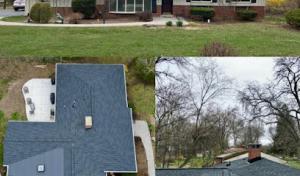
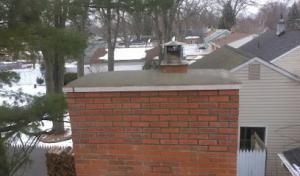
A full roof replacement in Romulus typically requires a permit, with the contractor or homeowner submitting the application and listing project scope and materials. Because the area sits in a flat, wind-exposed Downriver landscape near Detroit Metro Airport, the city expects clear documentation of the roof system being installed, including underlayment type, flashing details, and the chosen roofing material. Do not skip the permit because it seems routine; outages or misunderstandings about scope can complicate later insurance claims after a storm or resale inspection. Make sure the permit application names every component that will be replaced or upgraded, from decking to vents, and that the permit number is kept with the project paperwork until closeout.
Inspections in Romulus are not merely ceremonial checkpoints; they help verify that the installation is resilient to winter ice, spring storms, and wind load typical of this corridor. An inspector will typically come in during critical milestones-before shingles go down to confirm deck conditions and underlayment, and again after flashing, venting, and ridge lines are in place. Scheduling these inspections in coordination with the contractor helps ensure issues are caught early, avoiding rework that can delay the project. If weather pushes work on, ask the contractor to arrange a follow-up inspection window so the project doesn't drift out of compliance due to seasonal delays.
Because permit closeout can matter later during resale or insurance review, homeowners should confirm that the final inspection is completed rather than assuming the contractor handled it. A Romulus final inspection verifies that the installation meets code requirements for wind resistance, drainage, and ventilation, and confirms that utilities such as attic vents and static roof penetrations are correctly sealed. Obtain a copy of the final inspection report and keep it with the permit paperwork and your home files. If the inspector notes deficiencies, address them promptly with the contractor and schedule a reinspection. Missing a final inspection can complicate insurance documentation after a storm or affect resale credibility when you present records to a prospective buyer.
Coordinate permit issuance with your contractor early, especially if a neighbor's permit is already active, to avoid conflicts that draw out the timeline. Keep a dedicated binder with permit applications, inspection notices, and the final report, so you have ready access for future warranty or insurance reviews. If a storm season looms, align the inspection schedule with anticipated weather windows to minimize delays. Finally, verify that the final inspection result is recorded as closed in the city system and that you receive the official closeout documentation for your records.
In southeast Michigan, wind, hail, and snow events are the main roofing claim drivers, making Romulus a documentation-heavy market rather than a low-claim environment. From shingles torn by gusts to granule loss after a winter storm, the weather keeps adjusters busy. You'll find that the more your roof shows signs of weathering, the more critical your documentation becomes. Clear, dated evidence helps set expectations and reduces the back-and-forth that slows payouts.
Insurers in the Detroit metro area generally remain available, but adjusters often scrutinize roof age, material type, and photo evidence when estimating payouts. A roof nearing the end of its life, or one with newer material that's already showing wear, can influence the final number. Photos should capture the entire roof, close-ups of damaged areas, and any prior repairs. If your shingles or panels are a specific type-especially those more sensitive to wind or hail-the adjuster will weigh that against typical life expectancy and local climate history. Expect questions about previous storms and any prior claims.
Because storm-related roofing work is common locally, homeowners in Romulus should keep before-and-after photos, permit records, and material details ready for claim review. Start with a current, dated exterior shot of the entire roof, then focus on damaged spots, flashing, and any interior signs of leaks. Maintain a simple inventory: roof type, shingle or panel grade, year installed, and any known prior repairs. When you file, present this data alongside your photos to help the adjuster gauge scope, avoid delays, and support a fair evaluation of the payout. If you anticipate a dispute, documenting a clear timeline of storm events can prevent misinterpretation of damage vs. wear.
Connect with contractors who help homeowners navigate the claims process from damage assessment to final approval.
Canton Construction Corporation
(734) 844-8420 cantonconstructioncorp.com
Romulus, Michigan
4.0 from 14 reviews

In Romulus, the local housing stock leans toward practicality: roofs need to stand up to flat, wind-exposed Downriver winds, winter ice, and spring storm activity while keeping installation and repair cycles reasonable. Asphalt shingles fit the dominant market because they balance cost with the need for periodic storm repair and replacement in southeast Michigan weather. You'll often see these shingles perform well under the region's freeze-thaw cycles, with straightforward maintenance and repair when a wind-driven shingle or impact occurs. The weather patterns also mean a roof should be paired with a sturdy underlayment and sound ventilation to manage moisture and heat buildup across varying seasons.
Asphalt shingles are a practical baseline for most homes in this market. They install relatively quickly, are familiar to many local roofers, and offer a broad range of colors to match existing siding or brick. In a storm-prone area, look for a roof system that emphasizes a reinforced installation and reliable sealing against wind uplift. A well-installed asphalt roof paired with a strong attic ventilation plan helps keep ice dams from forming in harsher winters and reduces the overall risk of storm-related damage, making this option a dependable first choice for the majority of Romulus homes.
Metal roofing is present but far less common locally, suggesting it is a selective upgrade rather than the default choice in this market. Metal can provide excellent wind resistance and durability and may benefit homes facing higher wind exposure or heavier snow loads, but installation expertise is more selective and the upfront cost is higher. If a metal roof is pursued, ensure the installer can address the specific airport-adjacent wind patterns, secure fastener details, and compatibility with the existing structure. Maintenance needs are different from asphalt and should be planned for in the long term.
Tile and cedar-style systems exist in the broader material mix but are niche in Romulus contractor specialization, so homeowners may face a smaller pool of installers and repair specialists. Tile systems offer strong longevity and a distinctive look, but weight, wind resistance in local gusts, and potential for breakage during winter storms must be weighed. Cedar shakes provide aesthetic appeal and natural insulation but require diligent maintenance to prevent rot, insect damage, and rapid weathering in exposed conditions. If choosing these options, verify installer experience with your roof's slope, deck strength, and the local risk of ice and wind-driven debris.
Regardless of the primary material, prioritize underlayment quality, proper sealing at eaves and penetrations, and a roof design that encourages thorough drainage and ventilation. In the context of airport-adjacent exposure, wind-rated shingles, secure fastening patterns, and a robust attic ventilation strategy can meaningfully reduce storm damage risk and accelerate post-storm repairs.