
Last updated: Apr 19, 2026
Spring hail and severe storm activity are a real pattern in this area, and the roof takes the first hit. If you hear hail or strong winds, you should inspect the primary roof surface as soon as safely possible. Look for dented or loose shingles, visible granule loss, cracking, or lifted edges. If damage is visible from the ground or with a quick ladder check, you are not overreacting by treating it as urgent-time matters after a hail event because delayed assessments can complicate insurance claims and backing documents.
In Ohio claim handling, the first days after a storm are when adjusters weigh photo evidence, attic ventilation observations, and underlayment conditions. Gather clear, timestamped photos from multiple angles: ridge lines, valleys, eaves, and any interior staining or moisture signs on ceilings. For any displacement or impact marks, close-up shots are essential. Keep a weather log for the storm window, noting wind speeds if available from local outlets. A concise, organized album of before-and-after shots helps a claim move quickly and reduces back-and-forth with the adjuster.
A claim often hinges on attic details and what lies beneath the visible shingles. Inspect the attic for fresh optimal ventilation after a storm: balanced venting, no active leaks, and no signs of moisture intrusion in insulation. Underlayment condition matters too; torn or exposed underlayment in the attic can shift a claim toward replacement rather than minor repair. If the attic shows any moisture staining, take interior pictures and note the location relative to roof lines. This documentation supports the claim that the roof system performed or failed in ways the adjuster needs to evaluate.
Storm-damaged roofs create a tight market for reliable local contractors who understand Avon's climate and typical house styles. Reach out to at least two reputable roofers with a track record of prompt, storm-related work. Request their on-site evaluations promptly and insist on written scope of work that includes decking, underlayment, and ventilation considerations. When a contractor provides an assessment, compare it to the insurer's expected line items, focusing on whether the repair plan accounts for wind uplift resistance, hail impact zones, and attic ventilation integrity. Clear, consistent communication between you, the contractor, and the insurer shortens timelines and reduces omissions.
Do not delay reporting a hail event to your insurer because time limits can apply to claim validity. Be aware that insurers may request interior moisture observations and shed light on hidden damage through attic access. Delays can lead to disputes about coverage area or replacement necessity. If a contractor identifies necessary emergency repairs-like a compromised vent boot, flashing, or severely damaged shingles-coordinate temporary protection quickly to prevent further water intrusion while the claim progresses. In high-storm seasons, staying proactive with documentation, fast contractor engagement, and direct insurer communication helps ensure the roof's resilience aligns with the region's demanding winter and hail cycle.
Find local contractors experienced in assessing and restoring roofs after hail, wind, and severe weather events.
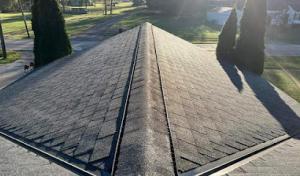
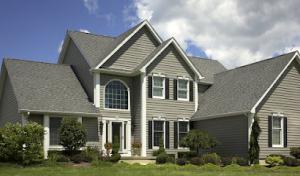
AllPro Exteriors
Avon, Ohio
5.0 from 16 reviews
AllPro Exteriors, LLC is the roofing company to call for quality roof repair, replacement, and 24/7 Emergency services. We work with materials like Spanish tile and wood shake, to make your home the pride of the neighborhood.

Maddocks Construction
36951 Detroit Rd, Avon, Ohio
4.7 from 23 reviews
Maddocks Construction is your go-to for exceptional Ohio siding and roofing services. Our team of certified roofing and siding specialists delivers expert services designed for both residential and commercial needs. We pride ourselves on providing professional service that combines high-quality materials with expert craftsmanship to ensure your roof or siding stands the test of time. Whether you need roof repairs or a new installation, trust us for dependable, top-notch service. Contact us today for a free inspection and discover why we are a leader in Ohio roofing solutions!
4D Construction
(440) 552-2340 cleveland4dconstruction.com
3403 Spruce Ct, Avon, Ohio
5.0 from 6 reviews
Whether it's a residential or commercial job, roofing, siding, insulation, gutters or another construction project, you can count on 4D Construction. At 4D Construction we believe in delivering the four basics on every construction job. With 4D you can expect the next level of quality, service and communication. 100% Customer Satisfaction as we ensure the customer is up-to-date along each step of the project. 100% Responsive you have the owner's cell phone and a promise to get back to you within 24 business hours. 100% Transparent pricing means no games with math to make it look like you're getting a good deal, no surprises and no hidden fees. 100% Customized to the customers job.
Newcastle Roofing & Remodeling
(440) 930-2399 www.newcastleroofing.net
Serving
4.6 from 40 reviews
NewCastle Roofing & Remodeling is a small family owned business that is able to help you with small residential repairs to large scale commercial buildings. We specialize in residential tearoffs. Other services we can offer...gutters installation, leaf guards, masonry work, ventilation, skylights, siding, windows, doors, painting (exterior & interior), garage doors (replacement & motors), and interior remodeling. Let one of our sales associates help guide you through your next project.
Legacy Roofing Services North Ridgeville
(440) 739-3498 www.legacyroofing.com
Serving
4.9 from 168 reviews
Legacy Roofing North Ridgeville is an award-winning roofing company specializing in repairing and replacing residential and commercial roofs. We also offer vinyl sliding and seamless gutter installation and give homeowners complete project transparency so they can choose the right roofing materials and appearance that fits their budget. Our emergency service technicians assess damage and begin making repairs so your business can be up and running promptly. We offer extended warranties and work with leading roof material manufacturers to provide the highest quality materials. Our specialties include wind damage assessment and infrared technology to help home and business owners save money. Contact us for a free estimate.
Pro Roofing & Siding Restoration
(844) 776-2349 www.proroofingandsidingrestoration.com
Serving
4.9 from 104 reviews
Pro Roofing & Siding Restoration is Northern Ohio’s trusted choice for expert roof replacement, repair, and siding services. We proudly install top roofing brands such as GAF, Owens Corning, and CertainTeed, ensuring long-lasting protection and curb appeal. Our siding specialists work with a variety of materials, including vinyl siding, fiber cement, engineered wood, and insulated siding, to give your home a durable and beautiful finish. Homeowners count on us for free roof inspections and free estimates, especially after severe weather. If your property has suffered wind or hail damage, our team makes storm recovery easy by guiding you through the insurance claims process from start to finish.

Franciscus Roofing
(440) 353-3141 1866staydry.com
Serving
4.8 from 544 reviews
Franciscus, founded in 1991, is Northern Ohio’s premier roofing contractor, offering affordable, top-rated roofing solutions. Specializing in roofing services, including new roof installation, roof repair, roof replacement, and emergency roofing services, we ensure your property is protected. Our expertise extends to roof inspections, and roof maintenance, providing comprehensive care for your roofing needs. As local roofers, we proudly serve communities across Northern Ohio's top markets including: Lorain, Lakewood, Westlake, Strongsville, Parma, North Olmsted, Cleveland Heights, Avon, Aurora, Solon, Grafton, Berea, Beachwood, Middleburg Heights, Garfield Heights, Mayfield Heights, Euclid, Brooklyn, North Royalton, Medina and More!
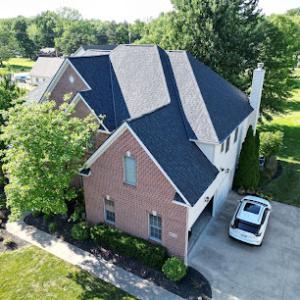
Pring Roofing North Ridgeville
(216) 526-3612 pringroofing.com
Serving
5.0 from 17 reviews
Pring Roofing, a trusted BBB accredited business, has been proudly serving Cleveland and surrounding areas since 1936. Specializing in residential, commercial, and industrial roofing, we offer a comprehensive range of services, including shingle roof replacement and installation of systems such as EPDM, TPO, metal, built-up, and modified bitumen. Our experienced team of professionals is dedicated to delivering quality workmanship and tailored solutions to meet the unique needs of each project. With over eight decades of experience, Pring Roofing is your go-to roofing partner for all your needs. We understand the importance of a reliable roof for your home or business and strive to exceed expectations with every project.
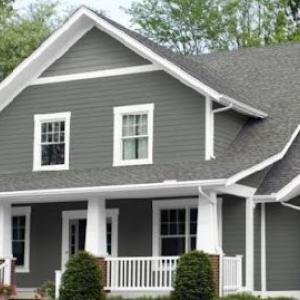
Avon Complete Roofing Solutions
(216) 208-9744 avonroofingandconstruction.com
Serving
5.0 from 15 reviews
We know that you deserve quality when it comes to improving your residential or commercial space. We have without a doubt roofing, siding, door and window contractors south of Lake Erie. If your residential or commercial space needs a face lift and a boost of curb appeal call us and get the job done right.
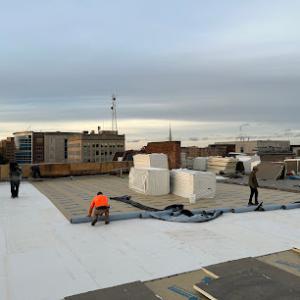
West Bay Construction
Serving
5.0 from 73 reviews
West Bay Construction is a premier roofing and siding contractor serving Westlake and the wider Northeast Ohio region. We specialize in comprehensive exterior solutions for residential, multifamily, and commercial properties. Our expert services include roof replacement, flat and low-slope commercial roofing systems, fiber cement siding, and vinyl siding installation. Our projects are designed to endure challenging local weather conditions, ensuring long-term durability and performance for every building.
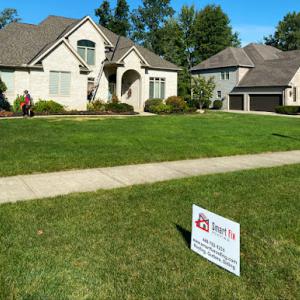
Smart Fix Roofing
(440) 782-1231 www.smartfixroofing.com
Serving
4.9 from 51 reviews
Smart Fix Roofing is a locally owned roofing contractor serving Cleveland, Westlake, Bay Village, and surrounding Northeast Ohio communities. We provide residential and commercial roof replacement, roof repairs, siding, gutter, and skylight services for homeowners and businesses. Our team performs professional roof inspections and addresses wind or hail damage when present, including assistance with insurance-related documentation when needed. Every project is completed using high-quality materials and verified through quality control. Smart Fix Roofing is BBB A+ rated and known for honest recommendations, clear communication, and dependable workmanship.

Royalty Roofing
(440) 732-4477 www.royaltyroofs.com
Serving
4.9 from 573 reviews
Royalty Roofing is a full-service residential and commercial exterior contractor serving Northeast Ohio. We are locally owned and operated and focus on quality installation of the best products in the industry. We have a dedicated staff that is experienced in working with Insurance Agents on claims as well as helping Real Estate Agents meet closing dates. As a GAF President’s Club Master Elite Contractor, Royalty Roofing is proud to offer the best warranty in the roofing industry, the GAF Golden Pledge Warranty. We also offer a wide range of products including Davinci Roofscapes, James Hardie Siding, Royal Vinyl Siding, Mule-Hide Flat Roofing Systems, Velux Skylight Certified Contractor Plus and Seamless Gutters w/Xtreme Guards.
Northeast Ohio winters bring a pronounced freeze-thaw cycle that can widen small roofing defects if flashing or shingle seals are already compromised. In Avon, a repeated sequence of freezes and thaws during late December through February tends to reveal marginal spots first: cracked seals around vent flashings, lifted shingle edges, and minor granule loss. A practical approach is a focused winter inspection after the heaviest snows melt and before the next freeze. Look for waviness along ridge lines, frost heaves at penetrations, and any unusual moisture staining inside attic spaces after a warm day followed by a cold night. If any suspect areas are found, schedule a professional assessment as soon as outdoor conditions allow safe access, because delaying can let small defects grow into leaks or ice dam stress that compounds existing damage.
The preferred replacement window aligns with stable outdoor conditions and predictable temperatures. In this season, consider planning for tear-off, fastening, and sealing when temperatures stay above freezing and daylight is reliable. High humidity in warmer months can reveal attic ventilation gaps more clearly during inspections and insurance reviews, so be prepared to evaluate air movement and insulation depth along with shingle alignment. If a hail event or wind storm hits in spring or summer, the post-storm evaluation should happen promptly while the roof is accessible and before heavy rains or sustained heat complicate measurements. Remember that long stretches of dry weather support cleaner fastener driving and more precise sealing around penetrations. Use the calmer months to complete any required flashing upgrades or sealant reapplications that irritate during a wet season.
During warm, humid summers, asphalt roofs absorb more heat, accelerating granule loss and softening sealants in the upper shingle layers. This can exaggerate the appearance of wear during inspections, making attic ventilation performance more visible to both homeowners and insurers. If attic access reveals high roof temperatures or noticeable fan or ridge vent strain, address ventilation improvements sooner rather than later. A well-ventilated attic helps keep shingle temperatures lower, reduces attic moisture buildup, and improves the accuracy of any moisture readings taken during a storm-damaged assessment. In this season, plan inspections after heat spikes or heavy rain events when the roof surface has cooled enough to safely handle a quick, hands-on check of flashing integrity and shingle edge seals.
After a damaging storm, the emphasis shifts to rapid, safe assessment. In Avon, storm debris, hail residues, and wind-driven damage often appear first along eaves, hips, and valley areas where water flow concentrates. Conduct a quick exterior scan from the ground to identify torn or lifted shingles, dented gutters, or bent flashing flanges. If you suspect hidden damage, arrange a professional roof inspection soon after the storm and before conditions deteriorate or concealment occurs. Having a documented, timely assessment helps determine the need for temporary protections and sets the stage for a proper, code-respecting repair or replacement during the next suitable window.
Asphalt shingles remain the dominant choice for many homes in this area. The local climate drives a steady aging tempo: bright summer UV exposure and repeated winter freeze-thaw cycles test shingles year after year. In Avon, you'll often see asphalt products that balance cost, repairability, and ease of installation with performance in mixed seasons. When evaluating asphalt, look for dimensional or architectural shingles with good granule adhesion and a warranty that covers impact resistance and wind uplift. A well-chosen option can absorb hail impacts more gracefully than older, cheaper blends, and you'll typically find broad compatibility with existing roof decks, which helps during post-storm assessments.
Metal roofs have carved out a meaningful niche for Avon homeowners seeking stronger performance against recurring hail and snow shedding, plus long-term weather exposure. Steel and aluminum profiles provide robust wind uplift resistance and excellent susceptibility to shedding wet or granular debris during rapid springtime thaws. In areas with heavy freeze-thaw cycles, metal often shows benefits in edge detailing and fastener longevity, though installation quality matters greatly. Metal can also offer a lighter load on the structure compared with some tile options, which can matter if the attic or deck shows signs of structural strain. If hail is a primary concern, consider standing-seam or concealed-fastener profiles designed for impact resistance and a minimal risk of panel puncture.
Clay tile, concrete tile, and slate are present in the local material mix, but heavier systems require careful evaluation of structure and fastening. Northeast Ohio winter loading and freeze conditions are part of the service environment, so evaluating roof framing, deck condition, and fastening methods is essential before choosing these materials. Clay and concrete tiles deliver distinct curb appeal and good longevity, yet their heavier weight demands a solid, well-supported deck. Slate offers exceptional durability and a classic look but comes with significant weight and cost considerations, plus the need for precise workmanship to maintain weather-tight seams. If considering these options, plan for a professional assessment of load capacity and a fastening strategy designed to endure freeze-thaw cycles without microfractures.
Synthetic and composite shingles provide a practical middle ground between traditional asphalt and heavier tile systems. They can emulate the appearance of more premium materials while delivering enhanced impact resistance and lighter weight. In Avon, this balance can translate to improved storm resilience without forcing a major structural upgrade. When selecting synthetics, prioritize UV stability and dimensional stability to minimize expansion, contraction, and edge wear through hot summers and cold winters. A well-chosen synthetic option can be a reliable choice for homes needing a durable, lower-maintenance roof without the structural considerations of heavier tile.
Slate brings a premium aesthetic and long service life, but its installation demands exacting workmanship and a solid structural assessment. In areas with repeated freeze-thaw cycles, any movement or misalignment can create cracks or leaks at seams and fasteners. If slate is contemplated, ensure the underlying structure, sheathing, and fastener plan are designed to handle moisture-driven stresses over decades, and work with a roofer who has proven experience with this material in similar climates.
Explore specialists in steel, aluminum, and standing seam metal roofs built to last 50 years or more.
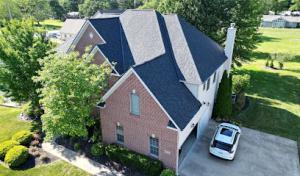
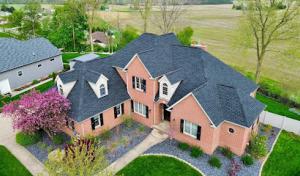
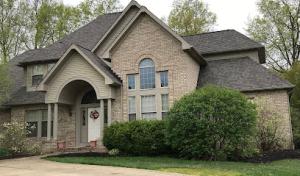
A full roof replacement typically requires a building permit filed with the City of Avon Building Department. The permit may be submitted by the contractor or by you, the homeowner, depending on who is overseeing the project. In Avon, starting the process early helps prevent delays caused by missing paperwork or plan clarifications. Before any tear-off begins, confirm with the contractor who will be responsible for submitting the permit and keeping the permit record up to date. If a building permit is issued, keep a copy accessible at the project site and note the permit number for quick reference during inspections.
Inspections in Avon are part of the safety and code compliance fabric that protects your home through harsh winters, spring hail, and routine suburban wear. Two primary checkpoints are typical: after the tear-off stage and after installation. The first inspection verifies that the old roof has been removed to a clean deck and that any necessary ventilation, drip edge, and underlayment are in place and ready for the new roofing system. The second inspection confirms that the finished roof meets local codes, including proper fastening methods, underlayment coverage, ventilation accuracy, and alignment of ridge vents or other exhaust components. Both inspections emphasize weather-resilient details that perform under Avon's freeze-thaw cycles and wind uplift conditions.
Because the city inspects both the exposed deck stage and the completed roof stage, it is essential to confirm scheduling responsibility before work starts. Clarify with the contractor whether they will arrange the inspections or if you, as the homeowner, must coordinate. Delays can stall a project, especially during busy spring and summer windows when inspection slots fill quickly. Have a plan for documenting inspection approvals, including any re-inspection requirements that may arise if a minor issue is found. On the job site, keep a visible checklist that tracks permit numbers, inspection dates, and the status of ventilation, fastening, and flashing details so nothing slips through the cracks.
Maintain a running file of all permit documents, inspection reports, and corrective action notes. If a city inspector highlights a ventilation shortfall or a fastening concern, address it promptly with the contractor and request a written confirmation that the item was remedied before the final inspection. Clear lines of communication reduce the risk of misunderstandings and ensure the project remains on track toward a compliant, storm-resilient roof. In areas with frequent hail events, confirming that the installation method and material choices align with local code requirements helps avoid post-storm complications and potential reinspection.
When planning a roof replacement, your first move is to anchor expectations to Avon cost ranges rather than broad national numbers. For asphalt shingles you'll typically see about 450 to 750 USD per square, metal between 900 and 1300 USD per square, clay tile 1100 to 1700 USD, concrete tile 1000 to 1700 USD, synthetic/composite shingles 700 to 1100 USD, and slate 1500 to 2300 USD per square. Use these figures as your baseline to compare bids, because local pricing reflects the Northeast Ohio climate, the common housing stock, and the way crews estimate material waste and tear-off. If a contractor doesn't align with these ranges, you have a clear reason to push for itemized adjustments or a second quote.
Storm activity in the region can tighten scheduling after hail or high-wind events. In Avon, that means you may face shorter lead times or busier crews, which can nudge total project cost upward modestly and affect timing. When a storm hits, expect a rush to secure materials, coordinate drop-off windows, and align crews with permit inspections that follow a swift post-storm process. If you're weighing bids after a hail event, ask prospective contractors for a transparent timeline breakdown and a worst-case scenario for delays so you're not surprised by a compressed schedule or added labor charges.
The local market commonly features full tear-off re-roofing, especially on older homes or those with moisture concerns. That approach adds labor and disposal costs but can prevent future leaks and warranty trouble. The combination of tear-off scope, the chosen material, and alignment with the inspector cadence can materially affect total project cost in Avon. Additionally, factor in the project's contingency for weather holds, supply chain shifts, and potential batch differences in shingle color or tile texture that may cause minor pricing swings. Having a detailed, line-item contract helps you compare apples to apples across bidders.
Get a clear picture of your project costs upfront - no commitment required.

Legacy Roofing Services North Ridgeville
(440) 739-3498 www.legacyroofing.com
Serving
4.9 from 168 reviews
Pro Roofing & Siding Restoration
(844) 776-2349 www.proroofingandsidingrestoration.com
Serving
4.9 from 104 reviews
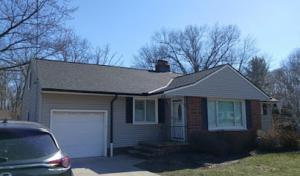
Avon homeowners are in an Ohio insurance environment where periodic hail and wind events regularly generate roof claims. The way a given carrier handles settlements can vary, and that variance often shows up in how different roof materials are valued or depreciated after a claim. Material choice can become a factor in the insurance decision, so your roofing decision should consider not just durability but how it might influence potential coverage and payout patterns after storm damage.
Adjusters in this market routinely inspect attic ventilation and underlayment when assessing damage. A roof that performed well for ventilation and had a quality underlayment installed during the last replacement may influence how a claim is evaluated, especially after a hail event or strong wind. If the interior shows signs of hidden damage, such as seepage behind attic insulation, this can shift the focus of the claim toward more comprehensive remediation rather than a surface patch.
Before filing, gather interior leak photos, exterior damage photos, and installation records. Having clear images of attic spaces, roof deck conditions, and any prior repairs helps the adjuster see the full picture. The more organized the packet, the smoother the review process. Include any manufacturer warranties and notes from recent inspections or service calls, because those details can affect how a claim is processed and how replacement components are evaluated.
In Avon, prompt action matters. Delaying a roof assessment after a hail or wind event can complicate claims, since moisture intrusion may worsen quickly. Keep a chronological set of reports from your roof contractor and insurer, and be ready to provide access to the attic and exterior framing if requested. A careful, timely, and complete documentation trail reduces the chance of misinterpretation and supports a fair settlement aligned with the actual damage.
Chimney-related roof work shows meaningful prevalence in the local contractor market, suggesting flashing and masonry roof intersections are a common homeowner concern. Freeze-thaw cycles in Northeast Ohio stress mortar joints and metal flashings, so small cracks can become larger leaks after a mid-winter thaw or a spring hail event. If you notice staining or a damp ceiling near the chimney, treat it as a priority issue rather than a cosmetic blemish.
Skylight service is active but secondary in Avon, making it a relevant specialty issue when tracking leak sources after storms or winter weather. A skylight can fail at the flange or around the curb, sometimes hiding through the attic, especially where flashing was not overlapped with adjacent shingles. After a heavy rain, inspect for glossy water trails on decking or light leaks around edge joints.
After a hail or heavy snow, perform a cautious exterior walk to check for lifted shingles near penetrations. Inside, look for stains, musty odors, or peeling paint. Do not rely on a single quick fix; persistent moisture deserves a professional assessment to determine if flashing, masonry, or a skylight curb needs resealing or replacement.
Keep flashing seams clean and re-sealed where needed, especially where the roof meets a chimney chase or a skylight curb. Schedule targeted inspections after storms, and choose a local crew with a track record of storm work and proper flashing details. Quick, measured action protects both the roof and interior rooms during harsh seasons.
A stubborn leak around a chimney or skylight is rarely resolved by one sealant call. Moisture can travel across sheathing and show up far from its source. When uncertain, request a two-stage evaluation: a weather-tightness check to identify active pathways, followed by a detail-focused repair plan that addresses flashing, masonry joints, and curb fittings for durability.
Find contractors experienced in skylight installation, flashing, and leak repairs to bring natural light into your home.
Legacy Roofing Services North Ridgeville
(440) 739-3498 www.legacyroofing.com
Serving
4.9 from 168 reviews
Flat and low-slope roofing exists in the local housing mix, but it is not the dominant residential roof type. These sections commonly show up on additions, porches, and some garage parts. When you review a roof plan or an insurance claim after a storm, pay close attention to shingles transitioning onto a flat or nearly flat surface, as this is where water can sit or pool if flashing shifts.
Winter brings Northeast Ohio's typical freeze-thaw cycle, and spring can bring rapid transitions from snow and ice to rain. Low-slope portions on a home can be among the first spots affected by these swings. Ice dam formation and water backup are more likely where layering of snow and meltwater encounters a surface that doesn't shed water as quickly as a steep main field. In Avon's climate, these vulnerabilities often show up sooner on porch roofs or garage extensions that tie into the main roof system.
After a significant storm, inspect low-slope transitions separately from the primary shingle field. Look for lifted or loose flashing, opened seams, and any edge deterioration where the low-slope area meets vertical walls or flashing terminations. Notice unusual staining or damp spots on ceilings or interior walls beneath these transitional zones. Because these areas are more prone to water watch-outs, a targeted inspection helps identify issues that might not be obvious from the main roof.
Homes with mixed-slope rooflines should receive focused attention on the transitions once the weather clears. Even if the main shingle field appears intact, a compromised low-slope connection can permit moisture intrusion that travels into attic planes or outer walls. In Avon, coordinate a surface-to-flash inspection that emphasizes these joints and test for wind-driven uplift, particularly on sections aligned with prevailing weather patterns.
Schedule to reseal and reflash critical joints at the first sign of aging, and keep gutters and downspouts clear so water from the low-slope areas isn't backed up. For additions or porches, consider upgrading flashing materials where the section meets the main roof to reduce seam vulnerability during rapid weather shifts. Regular, targeted scouting after storms helps catch issues before they escalate.
Find specialists in TPO, EPDM, and built-up flat roofing systems for residential and commercial properties.
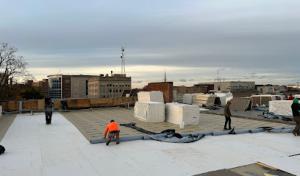

The Avon market is crowded with contractors promoting quick response and cleanup, so you should verify who handles permit filing and city inspection coordination rather than assuming it is included. In a town where spring hail and lake-influenced freeze-thaw cycles stress roofs, you want a team that treats storm response as a structured process, not a one-time visit. Look for crews that describe their on-site protection plan and how they keep driveways and landscaping intact during a tear-off, rather than promising a flawless job with no attention to site impact.
Because re-roofing dominates the local market, homeowners should ask specifically about tear-off practices, site protection, and debris cleanup instead of focusing only on new-construction experience. Confirm that the contractor will contain waste at the property line, use roof blow-off containment if debris could travel, and remove shingles in manageable sections to minimize damage to gutters and nearby edging. A practical check is whether they bring a designated dumpster or stacked containment and how frequently they haul debris off the site. In neighborhoods with close-set homes, clear a plan for protecting siding, windows, and landscaping during the worst weather days Avon can dish out in spring.
Long-established, family-owned, and locally owned firms are present, but many listings also compete on affordability, so scope clarity matters more than headline price alone. Seek a contractor with a proven local track record and references you can contact within a reasonable radius. Ask who will supervise the project daily, and whether the same crew returns after a hail storm or if the job is handed to a rotating crew. A dependable Avon roofer will outline who handles materials, waste disposal, and final inspections in clear terms, not just the broad claims of experience.
Ask for a written project plan that covers tear-off scope, protection methods, daily cleanup routines, and who conducts final inspection. Request a sample of the protection materials they use and a brief explanation of how they coordinate with a city inspection when the job nears completion. If a name appears repeatedly in the neighborhood for storm responses, compare notes with neighbors about speed, reliability, and how well the crew communicated throughout the process.