
Last updated: Apr 19, 2026
Doylestown homes ride a harsh cycle: winter's freeze-thaw stress followed by spring wind-driven rain. That sees two distinct failure modes in your roof. First, shingles can crack or curl as water freezes in tiny gaps and expands. Second, flashing around chimneys, valleys, and dormers can loosen from repeated temperature swings and shifting eaves. In between storms, crews note edge detailing and ventilation as key weak spots-places where cold air and moisture meet warm attic space, coaxing ice dams, condensation, and accelerated wear. If your roof hasn't had a careful once-over after a brutal cold snap, you're already living with latent risk that can burst open with the next gale.
Local insurers report recurring wind and hail claim activity, and after major storms, photos and pre-loss documentation matter more than ever. Do not rely on memory when a claim is possible; gather a current, high-quality set of images showing all roof surfaces, edges, skylights, vents, and flashing details. Time-stamp the shots with date and location so you have a clear before-picture for any adjuster. Keep a simple home roof diary: note any signs of abnormal attic humidity, sudden loss of shingles along edges, or granule accumulation in gutters after a wind event. When a claim is anticipated, you want to present a coherent story: what happened, when, and what components showed visible distress. This evidence helps avoid delays and supports coverage for critical repairs-like a staggered flashing refresh or a patch before larger leaks develop.
Spring weather in Bucks County can be deceptive. A roof might look fine after a winter cold snap, yet a mid-March wind event can push rain behind marginal flashing or at unsecured edge details. In this market, early flashing work makes a big difference. Pay special attention to valley intersections and around any protrusions that collect runoff. Pay attention to the drip edge and fascia; if snowmelt sits on a shallow overhang, you risk gradual soffit intrusion from hidden leaks. If a spring storm hits before a newly installed roof settles, the temporary seals and fasteners may fail prematurely. Prioritize edge seams, underlayment integrity, and properly seated shingles at rake and valley intersections to stand up to the next round of storms.
First, schedule a rapid, professional roof inspection after any heavy storm, especially if wind or hail was reported in the forecast. Seek an inspector who understands Bucks County construction quirks: slate and steep-sloped shingle roofs, mixed roofing materials, and the unique attic ventilation balance that prevents condensation. Ask the inspector to document roof status comprehensively: shingle condition, edge integrity, flashing around chimneys and skylights, vent boot seals, attic ventilation adequacy, and any signs of previous over-tight flashing that could trap moisture.
Second, create a simple, ready-to-share damage report package. Include recent storm dates, nearby property reports, and any attic signs of moisture. If potential leaks exist, mark them with color-coded tape from inside the attic or ceiling to pinpoint exterior sources. This clarity helps a contractor target flashing fixes, edge detailing, and vent resealing without delay.
Third, prioritize a proactive edge-and-flashing refresh for aging roofs. In Doylestown, where two-season wear compounds, addressing marginal flashing, loose fasteners, and compromised drip edges now prevents larger leaks when spring delivery winds return. Consider a targeted seal around flashing seams, re-seating and securing roof edges, and upgrading underlayment where the deck has shown wear from freeze-thaw cycles.
Finally, maintain a proactive maintenance cadence between storms. Gentle, periodic inspections after mild spells can catch creeping issues-loose granules, lifted shingles, or early rust on metal flashings-before they escalate. Keep gutters clear to prevent ice dam formation and ensure downspouts direct runoff away from the foundation, reducing exterior moisture exposure to soffits and fascia.
If you notice daylight through attic rafters, damp or musty attic spaces, or dripping indoors after a rainstorm, escalate immediately. A licensed local roofer who understands Doylestown weather patterns can advise on whether a flashings refresh, ridge vent maintenance, or a full edge retrofit is warranted. In this climate, timely attention to storm-driven damage and freeze-thaw wear is not optional-it's the difference between a quick fix and a costly, protracted repair.
Find local contractors experienced in assessing and restoring roofs after hail, wind, and severe weather events.
Apex Roofing & Sheet Metal
(215) 360-7764 apexroofexperts.net
4951 Gayman Rd, Doylestown, Pennsylvania
5.0 from 91 reviews

AAA Storm Repair
(833) 329-3349 www.aaastormrepair.com
4387 W Swamp Rd #59, Doylestown, Pennsylvania
5.0 from 79 reviews
GP Roofing & Gutters
231 Beek St, Doylestown, Pennsylvania
5.0 from 59 reviews
Apex Roofing & Sheet Metal
(215) 360-7764 apexroofexperts.net
4951 Gayman Rd, Doylestown, Pennsylvania
5.0 from 91 reviews
Based in Bucks County, PA, we are a premier roofing contracting company that specializes in metal roofing, cedar roofing, slate roofing, and asphalt shingles, we bring unparalleled expertise and craftsmanship to every project. We keep our company small in order to commit ourselves to quality over quantity. We pride ourselves on our meticulous attention to detail with great communication to satisfy each and every customer.. Whether you’re looking for the timeless elegance of slate, the natural beauty of cedar, the durability of metal, or the versatility of asphalt shingles, we have the skills and experience to exceed your expectations.We service Bucks County, Montgomery County and the surrounding areas.

AAA Storm Repair
(833) 329-3349 www.aaastormrepair.com
4387 W Swamp Rd #59, Doylestown, Pennsylvania
5.0 from 79 reviews
AAA Storm Repair is a locally and family-owned and operated roofing contractor. Customer service is our priority. At AAA Storm Repair, we offer a full line of roof repair and restoration services in Doylestown, Pennsylvania, using only the highest quality materials for our work. You can expect the highest quality of workmanship and the highest level of expertise to finish your projects properly. Trust us to handle all your residential and commercial roofing needs. Many times people do not even know that they have roof damage, or the extent of the roof damage that they have sustained. This is why we offer a no-obligation storm damage assessment. Our AAA Storm Repair team knows where to look for evidence of damage especially roof damage tha
GP Roofing & Gutters
231 Beek St, Doylestown, Pennsylvania
5.0 from 59 reviews
Your Roofing & Gutter Experts in Doylestown, PA Beyond the roof’s practical purpose, your roof can also make a statement about who you are and what you value. It can be a beautiful addition to your home’s aesthetic, enhancing its curb appeal and adding value to your property. That’s why at GP Roofing company, we believe that a great roof is more than just a functional necessity – it’s a source of inspiration. We’re passionate about roofing, and it shows in everything we do.
William Penn Roofing
(215) 977-7663 williampennroofing.com
1795 S Easton Rd, Doylestown, Pennsylvania
4.9 from 127 reviews
Need reliable roofers in Doylestown, PA? William Penn Roofing is the leading roofing company serving Montgomery County and Eastern PA. We're experts with over 20 years in the field, offering professional roofing services such as roof repair, roof replacement, and new roof installation. Serving Doylestown and Bucks County, we provide free estimates for residential and commercial roofing projects. Not all roofing contractors in Bucks County, PA, are on the same level. With 20 years of experience, you can trust our Doylestown roofers to protect and increase your building's value and curb appeal. For your next home improvement project, rely on a professional roofing company. Reach out and let us exceed your expectations!
RAM Roofing & Exteriors
52 E Oakland Ave Suite 3A, Doylestown, Pennsylvania
4.9 from 182 reviews
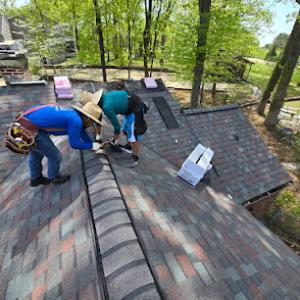
For over 30 years, RAM Exteriors has been a trusted roofing, siding, and exterior remodeling company serving Perkasie, Sellersville, and surrounding areas. Our fully licensed and insured roofers are experts in roof repairs, roof replacement, siding repair, and window repair. We also offer 24-hour emergency service for urgent needs. As one of the local leading service providers, we are committed to delivering top-quality workmanship and excellent customer service. Contact RAM Exteriors today to schedule an appointment and experience our reliable home improvement solutions.
M & S Roofing & Contracting
(215) 489-4245 www.msroofing1.com
26 E Swamp Rd, Doylestown, Pennsylvania
4.9 from 87 reviews
M & S Roofing & Contracting is a trusted, family-owned company proudly serving Doylestown, PA, and surrounding areas in Bucks and Montgomery Counties. With over 40 years of experience, we specialize in residential and commercial roofing, siding, gutters, window replacement, and full exterior remodeling. Whether you need roof repair, vinyl siding installation, seamless gutters, or energy-efficient windows, our expert team delivers quality craftsmanship and dependable service. Homeowners throughout the area count on M & S Roofing & Contracting for honest work and lasting results. Contact us today for a free estimate!
Allied Roofing Solutions
(267) 736-0576 www.alliedroofingsolutions.com
4163 E Swamp Rd, Doylestown, Pennsylvania
4.9 from 27 reviews
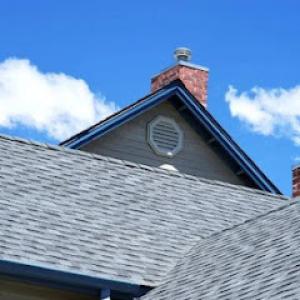
Allied Roofing Solutions is an experienced and highly rated licensed roofing company offering free estimates for roof repairs and total roof replacements. Serving Bucks County, Montgomery County, Monroe County,, Abington, Allentown, Cheltenham, Doylestown, Easton, Horsham, Lower Merion, Lower Providence, Nazareth, Norristown, Upper Dublin, Upper Merion, Whitepain,, Whitemarsh, and the surrounding Pennsylvania areas.
Impriano Roofing & Siding
220 Farm Ln, Doylestown, Pennsylvania
4.9 from 22 reviews
Since 1973, Impriano Roofing & Siding has been the Doylestown area's go-to company for comprehensive exterior home solutions, including top-tier roofing and siding. Jack Impriano, along with his sons Greg, Brad, Eric, and Jack, are dedicated to delivering the highest quality roofing, siding, windows, doors, skylights, and gutter products on the market. We believe in empowering customers through advanced technology, including Computer Color Analysis, allowing them to visualize and customize every detail of their home improvement project. Our steadfast legacy of excellent customer service ensures a seamless, satisfying experience from consultation to project completion.
John B Anderson Roofing
Serving
3.9 from 21 reviews
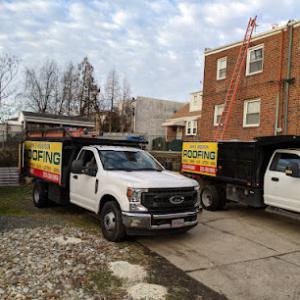
At John B Anderson Roofing, we've been fixing and replacing roofs for over thirty years. Based in Ivyland, Pennsylvania, we've worked with standard timberline shingles and flat roofs as well as more exotic roofing materials such as slate and custom copper work.
Roof Repair & Replacement New Hope
(267) 753-4090 roofreplacementandrepair.com
Serving
5.0 from 18 reviews
Welcome to Roof Repair & Replacement New Hope, your trusted roofing contractor in New Hope, Pennsylvania, and beyond. We're here to revolutionize your roofing experience, providing customized solutions tailored to your unique needs. Our team of skilled professionals is dedicated to delivering exceptional results, ensuring your roof remains robust and safe while enhancing your home's aesthetic appeal. Trust us to make your roofing journey seamless, from initial consultation to final installation and maintenance. We proudly serve the entire United States, ready to exceed your expectations!
Eiseman Exterior Experts
(215) 345-9159 www.eiseman.biz
Serving
4.7 from 105 reviews
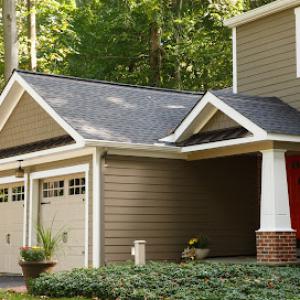
A full-service contractor specializing in roofing and exterior remodeling, Eiseman Construction has served residential clients across Pennsylvania and New Jersey for close to 60 years. From its headquarters in Doylestown, Pennsylvania, Eiseman provides services for a variety of projects, from residential housing and multi-family townhouses to historic repairs and renovations. Eiseman has got you covered, always.
Summit Roofing & Siding Contractors
(215) 667-8988 www.summitroofers.com
Serving
4.8 from 20 reviews
Summit Roofing & Construction specialize in roof repair, roof replacement, siding, gutters & downspouts, skylights, and much more. Call or visit us for a free estimate if you live in Bucks County, Chester County, Delaware County, Montgomery County, and Nearby Areas.
Doylestown's housing mix supports both standard asphalt re-roofs and higher-end slate, tile, and metal work more than many nearby suburban markets. The mix reflects Bucks County's architectural heritage and the practical needs of a climate with freeze-thaw cycles. In this setting, an effective roof plan blends dependable, familiar asphalt shingles with the durability and longevity of premium materials where appropriate. The region's winter weather can drive seasonal cycles of expansion and contraction, so a roof system needs thoughtful ventilation, robust flashing, and careful detailing around roof penetrations to minimize leaks after heavy snows or rapid thawing.
This setting also emphasizes the importance of a well-documented roof history. Beyond replacing shingles, keeping track of prior repairs, material changes, and flashing updates helps you anticipate future maintenance. In this climate, a sound insulation and ventilation strategy matters just as much as the surface layer, since improper venting can accelerate moisture buildup in attic spaces during fluctuating temperatures.
Older homes in and around central Bucks County feature steep rooflines, chimneys, and complex flashing transitions that raise replacement difficulty. Steeper pitches demand careful shingle installation or alternative roof coverings to maintain water shedding efficiency and wind resistance. In addition to standard asphalt shingles, clay tile, concrete tile, slate, and metal options all find a place in this market, depending on architectural style, roof footprint, and long-term performance goals. Each material has its own installation nuances, maintenance profile, and expected service life, so choosing a system is not a one-size-fits-all decision.
Slate remains locally relevant, prized for its natural beauty and long life when properly installed. It resists hail and wind well but requires meticulous flashing around valleys, chimneys, and transitions to other roof planes. Tile options-both clay and concrete-offer distinct aesthetics and strong durability, yet their weight, compatibility with existing framing, and roof slope requirements must be assessed. Metal roofing provides a modern contrast or complements traditional designs while offering excellent wind and hail resistance, though flashing transitions and panel seams demand precise detailing to prevent leaks in complex roof geometries.
In homes with historic or distinctive rooflines, minor repairs may be feasible for localized damage, but the decision to repair versus replace should weigh the roof's age, the condition of underlayment, and the integrity of flashing systems. Steep roofs with multiple penetrations and transitions can complicate both repair and material matching, particularly when pursuing a seamless aesthetic on an older structure. When slate or tile presents cracked or missing components, careful assessment is needed to determine whether patching is a viable interim fix or if a more comprehensive replacement preserves performance and curb appeal.
Ventilation and attic conditions influence long-term outcomes across material types. A roof built to accommodate a cold-season climate should include adequate intake and exhaust ventilation, with attention to soffit, ridge, and turtleback details where applicable. Condensation, ice dam formation, and ice backup under shingles are common concerns in this region, making proper attic ventilation an essential companion to any surface work. In practice, projects often pair material selection with targeted flashing upgrades, improved attic air flow, and reinforced transitions at chimneys and dormers to extend roof life and reduce the likelihood of recurring storm-related damage.
A full re-roof in this area typically requires a permit through the local building department serving Doylestown Township/Bucks County. Start the process before any ladder work or material deliveries begin. The permit helps ensure that new underlayment, ventilation, flashing, and nailing patterns meet local code and climate-specific expectations. Check whether the project will trigger additional reviews for historic homes or properties in conservation areas, as those can add a layer of timing and documentation. If your contractor has a strong permit track record, they should flag any unusual requirements early so scheduling isn't disrupted.
Local review and inspection focus is not just on the finished roof. Inspectors closely evaluate underlayment quality, attic ventilation, proper flashing at valleys, chimneys, and eaves, as well as nailing details that secure the roof assembly against wind uplift and freeze-thaw stress. In this region, attention to ventilation helps prevent moisture buildup and ice dam risk during sharp temp swings. Expect multiple touchpoints: a pre-flashing rough-in check, a mid-installation assessment if required, and a final closeout inspection that confirms the roof system is properly sealed and vented. Have your contractor document key steps, such as shingle nailing patterns, underlayment seam sealing, and flashing installation, to streamline the review.
The review and inspection window is usually short, so project timing must align with township inspection timing rather than open-ended job pacing. Coordinate with the contractor to lock in inspection dates as soon as the roof deck is prepared and weather windows allow lifting of shingles. In spring and fall, when freeze-thaw cycles are most challenging, a tight inspection cadence helps catch issues before they compound. Build in buffer time for weather delays, but keep the permit active and avoid long gaps between stages, which can trigger re-inspection or fees.
Gather the usual project details: a scope of work, roof dimensions, and venting plan, plus any historically sensitive features if applicable. Have contractor letters or certifications ready that confirm compliance with local underlayment, ventilation, and flashing standards. Take photographs of the existing roof at critical junctions (edges, penetrations, and valleys) to support the application and provide a baseline for inspectors. If the attic is accessible, an airflow assessment or schematic showing intake and exhaust paths can help demonstrate that ventilation will meet or exceed code expectations.
During installation, keep copies of all inspection approvals, shop drawings for underlayment and flashing, and any amendments to the plan. After the final inspection, store the permit closure and any warranty documentation in a readily accessible location. If a storm event precedes completion, preserve dated photos of the work in progress and any temporary protections; these records can be valuable for insurance and future maintenance discussions about the weather-induced wear typical of this climate.
Spring and fall are the sweet spots for replacing a roof in this area. The shoulder seasons avoid the harshest winter ice and the peak heat of summer, making installation safer for crews and more predictable for attic ventilation performance. If a storm or leak forces a late-season roof project, aim for early spring or late fall when temperatures sit between the mid-40s and mid-60s during most work hours. Cool mornings and mild afternoons help sealants and underlayments cure without rapidly drying out or freezing.
Cold winter conditions can complicate brittle roofing materials and ice-related detailing during active installation. In practice, this means coordinating crews to avoid freeze-thaw cycles that could crack shingles or loosen flashing. Temporary heat may be used for critical sealpoints, but excess moisture from freezing rain can compromise underlayment. If winter work is unavoidable, plan for shorter days with material storage protected from blowing snow, and be prepared for occasional delays when storms roll through Bucks County.
Warm, humid summers accelerate underlayment aging and place greater emphasis on attic ventilation after replacement. Ventilation should be evaluated as part of a comfort-focused retrofit plan: adequate soffit, ridge, and gable vents help balance heat buildup behind the attic. In the field, expect more aggressive fastener and sealant work to resist heat-induced expansion. A summer installation benefits from scheduling morning and late-afternoon sessions to avoid the hottest midday strain on workers and to reduce exposure of roof membranes to peak sun.
When planning, align material selection with seasonal realities. Slate, clay, and concrete tiles demand careful handling in heat but resist moisture damage, making spring or fall ideal for steep-slope slate or heavy tile projects. Asphalt shingles offer flexibility across seasons but benefit from moderate temperatures for sealing. For metal roofs, consider cooler morning install windows to manage expansion and contraction. In all cases, establish a ventilation check as part of the project brief and verify attic airflow post-install to ensure long-term performance through the next freeze-thaw cycle.
In this market, asphalt shingles run from about 350 to 700 USD per square. The mid-Atlantic climate, with freeze-thaw cycles, means you'll want good underlayment and careful ventilation to extend life. On older or steeper homes, expect higher install complexity and occasional add-ons-like transitional detailing around chimneys-that can push costs toward the upper end of this range. Storm activity can also tighten scheduling, so plan for possible short lead times after a wind or hail event.
Metal roofs typically fall in the 700 to 1300 USD per square range. Metal pays back with durability and faster installation, but steep pitches and long roof lines common in Bucks County homes can increase labor time. If your home has multiple transitions or a tall ridge line, anticipate near the higher end of the spectrum. After a severe storm, metal crews may be in high demand, which can extend timelines and pressure pricing.
Clay tile clocks in around 1000 to 2000 USD per square. The weight, required substrate, and precise rafter spacing drive this higher cost. Historic and steeper roofs, with complex rake details and chimneys, commonly push projects toward the top of the range. Cracking or broken tiles after a storm often means careful replacement by experienced tile crews, which can affect both price and lead times.
Concrete tile often sits between 800 and 1500 USD per square. Weighs more than clay, so structure checks are essential, especially on older homes. In tighter or reinforced roof lines, labor can add up. Steeper roofs and intricate flashing transitions raise the bill, and storm windows can cause scheduling bottlenecks similar to other premium materials.
Slate commands a wide range, roughly 1600 to 3000 USD per square. It's revered for longevity, but installation is labor-intensive and demands skilled masons. Older homes with irregular geometry, multiple dormers, or historic detailing push costs toward the higher end. After hail or wind, finding qualified slate crews quickly becomes a constraint, affecting both timing and price.
Fiber cement shingles run about 500 to 900 USD per square. They balance durability with cost, and are often favored on mid-century homes with a similar aesthetic. Steeper or chimney-rich rooftops still benefit from careful flashing work, which can nudge final costs higher in practice. Storm-driven demand can tighten calendars across all concrete/composite options.
Get a clear picture of your project costs upfront - no commitment required.
William Penn Roofing
(215) 977-7663 williampennroofing.com
1795 S Easton Rd, Doylestown, Pennsylvania
4.9 from 127 reviews
M & S Roofing & Contracting
(215) 489-4245 www.msroofing1.com
26 E Swamp Rd, Doylestown, Pennsylvania
4.9 from 87 reviews
Allied Roofing Solutions
(267) 736-0576 www.alliedroofingsolutions.com
4163 E Swamp Rd, Doylestown, Pennsylvania
4.9 from 27 reviews
Doylestown sits in a local insurance environment where wind and hail exposure regularly drives roof claim activity after major storms. When a squall rolls through Bucks County, shingles can lift, flashing can fail, and granules can wash away. That means the claim landscape can shift quickly from routine maintenance to documented damage, especially on steep-sloped shingle and slate roofs common here. If a claim is filed promptly after a storm, the adjuster will expect to see evidence beyond interior signs, so prepare for a higher level of scrutiny than a calm-season leak case.
Adjusters in this market may ask for condition reports, contractor photos, and pre-inspection estimates, so homeowners benefit from documenting the roof before storm season. A clear, dated record helps demonstrate pre-existing conditions and distinguishes aging wear from new storm damage. Have a trusted roofer provide a current visual report and high-resolution photos of shingles, flashing, valleys, and any hail impact marks. Include attic and interior photos only as supplementary context, not the primary proof of exterior damage.
Because claim support often depends on visible evidence of shingle, flashing, or impact damage, local homeowners should not rely only on interior leak signs. Create a simple, illustrated file that shows roof elevations, valleys, hips, and any irregular flashing. Store dated photos from ground level and from reachable eaves, plus a brief note after each storm event. Share this documentation with your insurer and, if possible, with a respected local contractor who understands our climate and typical Bucks County materials. Being proactive here reduces the risk of later disputes and helps ensure a fair adjustment.
Connect with contractors who help homeowners navigate the claims process from damage assessment to final approval.
AAA Storm Repair
(833) 329-3349 www.aaastormrepair.com
4387 W Swamp Rd #59, Doylestown, Pennsylvania
5.0 from 79 reviews
M & S Roofing & Contracting
(215) 489-4245 www.msroofing1.com
26 E Swamp Rd, Doylestown, Pennsylvania
4.9 from 87 reviews
Impriano Roofing & Siding
220 Farm Ln, Doylestown, Pennsylvania
4.9 from 22 reviews
Autumn in Bucks County brings a heavy leaf drop that can clog gutters and downspouts quickly. In this area, blocked gutters mean moisture backup that sits along roof edges, accelerating edge deterioration and increasing the risk of ice dam development in cold snaps. Check gutters after peak leaf fall, clear small debris by hand if possible, and ensure downspouts drain a safe distance from the foundation. Keep screens intact to minimize future buildup without restricting flow.
The local emphasis on ventilation reflects how attic airflow matters when summer heat compounds winter moisture. In a humid summer, poor intake or exhaust ventilation makes the attic a heat sink, which can soften shingles and force moisture into sheathing. In winter, trapped humidity increases the risk of condensation and frost-related issues. Regularly verify that soffit vents, ridge vents, and attic fans are free of obstructions and operable.
Edge deterioration often starts where debris sits against the fascia or along the eave line. When inspecting, look for granular loss on shingles near the gutters, lifted edges, or visible rust on metal flashing where water can pool. If vents or soffits are clogged with leaves, air movement drops, and moisture pockets form. Address blockage promptly to restore balanced attic pressure and reduce heat buildup in summer.
Perform a light, walk-around after each major storm and after leaf drop to spot loose shingles, loose flashing, or dislodged gutter hangers. In late summer, test attic ventilation by feeling for cool air near the soffits and warmer air near the ridge. If airflow seems weak, plan a targeted cleaning or professional assessment to keep the roof performing through the freeze-thaw cycle.
In Doylestown, many homes feature steep slopes, chimneys, and other penetrations that act as frequent leak points when the freeze-thaw cycle hits. Complex roof details matter here because ice, wind-driven rain, and shifting mortar can exploit small gaps around masonry and edges. A mismanaged flashing transition around a chimney or vent stack often becomes the quiet culprit behind hidden leaks that only show up after a cold snap or a heavy thaw.
Skylight installations are a meaningful specialty in this market, since leak-prone roof penetrations are a recurring homeowner concern locally. Skylight seals, flashing, and curb connections endure more wear than the surrounding field shingle in these winters. If a skylight shows condensation, interior staining, or soft framing, the warning signs are not isolated to one season-they reflect ongoing exposure to moisture and temperature swings that can undermine interior finishes and attic ventilation.
On older homes, flashing transitions around masonry and roof penetrations can be as important as the field roofing material itself. Improperly dressed counter-flashing, compromised step flashing, or poorly sealed transitions encourage water intrusion at the exact points freeze-thaw cycles stress most. The result can be delayed interior damage that quietly compounds over time if not addressed promptly.
When addressing leaks, treat skylights, chimneys, and penetrations as a package rather than isolated spots. Inspect for rusted or kicked-out flashings, cracked mortar at the chimney base, and loose shingles near the penetration. Timely resealing and precise flashing repairs now save larger, more disruptive repairs later, especially when winter returns with sharp freezes.
Find contractors experienced in skylight installation, flashing, and leak repairs to bring natural light into your home.
Apex Roofing & Sheet Metal
(215) 360-7764 apexroofexperts.net
4951 Gayman Rd, Doylestown, Pennsylvania
5.0 from 91 reviews
GP Roofing & Gutters
231 Beek St, Doylestown, Pennsylvania
5.0 from 59 reviews
William Penn Roofing
(215) 977-7663 williampennroofing.com
1795 S Easton Rd, Doylestown, Pennsylvania
4.9 from 127 reviews
In this market, the local rhythm favors re-roofing specialists and crews that can mobilize quickly after leaks or storms. When a roof shows signs of wind damage, ice damming, or a freeze-thaw cycle accelerates wear, a contractor with proven storm-response and tear-off crews will minimize your exposure to weather and further damage. Look for a company that can outline a rapid delivery window, a staged plan for removal and replacement, and a clean, predictable workflow that preserves your property while the crew works.
Cleanup is a major local hiring priority, so set expectations early. Ask about debris containment, tarps, and daily cleanup routines that keep gravel, nails, and shingle fragments from driveway, landscaping, or neighbor yards. A reputable contractor should provide a clear procedure for protecting siding, windows, and landscaping, along with a daily end-of-day sweep and a final site check before crew departure. In this climate, thorough protection during installation matters as much as the roof itself.
Established and family-run companies remain visible in this market, so responsiveness and a solid local track record often carry as much weight as price. Seek references from nearby homes with similar roof types-steep-sloped shingle or slate-and ask how the contractor handled cold snaps and wind events. A dependable contractor will offer a straightforward scope, confirm material compatibility with existing roofing, and provide a clear timeline that accounts for the region's freeze-thaw cycles.
Storm documentation and insurance-ready records are essential. Choose a contractor who assigns a dedicated contact for your claim, can photograph and timestamp damage, and supplies an itemized project dossier-before, during, and after photos, material specs, and warranty details. This collaboration helps streamline your claim and speeds recovery after a weather event.
Winter snow and ice shape every decision you make about the roof, from snow guards to attic ventilation. In this area, a roof should shed meltwater efficiently while avoiding ice dams, which means sound deck ventilation, properly sealed eave and rake lines, and a durable underlayment. Humid summers compound moisture concerns, so materials and flashing must stand up to both driving rain and seasonal temperature swings. The practical outcome is that a well-ventilated attic, a watertight flashing plan, and durable underlayment are not optional extras but core requirements for long-term performance.
Doylestown features a mix of standard suburban roofs and older Bucks County homes where steep slopes, slate remnants, and asymmetric ridge lines are common. This diversity supports a broader palette of premium materials than typical tract-home communities. Slate remains cherished for its durability and historic look, while clay and concrete tiles offer enduring beauty with higher early-care costs and careful structural considerations. Metal roofs provide a modern counterpoint with exceptional longevity and wind resilience. In practice, selecting materials that align with the roof's slope, exposure, and historically appropriate appearance yields the best balance of performance and curb appeal.
Steep slopes demand staging and safety planning for any inspection or repair, especially after winter storms. Flashing around chimneys, skylights, and vent pipes must be robust enough to handle freeze-thaw cycles, and any existing gaps should be prioritized for timely sealing. Inspections after significant weather events should focus on wind uplift damage, loose shingles, displaced flashing, and moisture intrusion at transitions. Documenting storm impacts with clear photos and notes supports accurate assessments and helps with planning repairs that preserve a roof's integrity across multiple seasons.
In this market, choosing a roof is about aligning the roof's geometry, climate resiliency, and historical character. A steep, well-ventilated design with corrosion-resistant flashing and durable fasteners tends to outperform setups that overlook condensation, ice dam risk, or improper shingle overhang. For homes with existing historic lines or slate remnants, preserving aesthetic integrity while upgrading to modern underlayment and moisture control can deliver both lasting protection and enhanced curb appeal.