Last updated: Apr 19, 2026
Warrington roofs are exposed to winter freeze-thaw cycling that can open flashing joints and stress aging shingle tabs after repeated temperature swings. When nighttime temps dip below freezing and daytime sun climbs high, moisture in roofing materials and underlayment expands and contracts. Over a season, those micro-movements pry apart seals around vents, chimneys, and valley flashings. The result is slow but steady moisture intrusion that may not show up as a full leak right away, yet weakens the roof deck from the inside. If you've noticed granule loss, hairline cracking, or a sheen on ceiling sheets after a cold snap, that's a sign to act. The key: intervene early with a careful inspection of flashing seams, pipe penetrations, and gutter drainage to prevent a small problem from becoming a full-scale leak during the next cold snap or a thaw cycle.
Spring hail and wind events in southeastern Pennsylvania are a major local trigger for roof inspections, temporary tarping, and insurance documentation. After a hailstorm, even if you don't see obvious damage from the ground, you can have dented shingles, compromised tabs, or bruised underlayment beneath intact surfaces. Damaged or loosened flashing around skylights and vents lets moisture silently creep in with the next warm, humid day. Wind can lift edges of shingles or push moisture under the eave overhangs where you might not expect it. The immediate actions you should take: conduct a thorough visual check from ground level and, if safe, climb to inspect the ridge line and flashing detail; document any missing tabs, lifted edges, or granule loss; and arrange a professional inspection promptly for possible temporary tarping, especially after a heavy wind event. Insurance documentation becomes a critical step if hail damage is suspected, so keep photos and notes ready and share them with your insurer.
Warm, humid summers in Bucks County can trap moisture in roof assemblies and complicate drying after leaks or underlayment exposure. Even if a leak is localized, high humidity slows the drying of attic spaces and can promote mold and wood rot behind walls or in the roof deck. This means that a seemingly small repair or patch could take longer to dry and may require more extensive ventilation work or underlayment replacement to fully restore a dry, stable roof system. Pay attention to attic ventilation: excessive heat and moisture buildup reduces the effectiveness of any repair and can accelerate aging of shingles and sealants. If you notice persistent condensation on sheathing, musty odors, or damp insulation, treat it as a warning sign rather than a one-off inconvenience and bring in a pro to assess ventilation adequacy, deck condition, and the need for targeted underlayment or venting improvements.
Begin with a scheduled inspection after any major storm or thaw cycle, prioritizing flashing joints and edge details. Keep a simple damage log with dates, photos, and specific locations-this supports quicker decisions if the roof needs temporary tarping or a full replacement. For homes with visible wear around chimneys, vents, or valleys, plan for an upfront assessment of flashing integrity and potential resealing needs before a freeze-thaw sequence or a heavy rain season tests the system again. If leaks appear, address them promptly to minimize interior moisture exposure and protect the attic and ceiling finishes from long-term damage. Stay vigilant for changes that linger beyond a few days of sun or after a storm-these are the early signals that your roof could be edging toward a larger failure if left unchecked.
Asphalt shingles remain the practical backbone for most homes in this market. They install quickly and shed storm moisture reliably when properly vented and sealed. In fall, when temperatures swing from warm afternoons to chilly nights, installation timing and sealing performance can shift. A realistic plan is to schedule shingle work for a window that avoids the coldest snaps and the hottest, driest days, so adhesive tests and sealants can set fully before winter. Pay attention to roof edge details, ridge vent alignment, and drip edge quality, since small lapses in those areas become costly when a freeze-thaw cycle hits.
Tile and heavier roofing systems sit higher on the tech ladder. In this market, their installations often trigger added township review because complex installations can require plan review before approval. If a home already has low-slope sections, broken eave lines, or retrofit vents, the decision to go with concrete, clay, or metal tile needs careful coordination with the installer. Expect stricter underlayment and furring requirements, and a thorough check of flashings around chimneys, skylights, and dormers. For Warrington homes with historic elements or distinctive rooflines, anticipate extra attention to detailing, especially at transitions and roof-to-wall connections.
Wood shingle and synthetic products appear in the local market, but moisture exposure and freeze-thaw stress make detailing, ventilation, and flashing quality especially important in this region. Wood shakes demand solid ventilation to prevent moisture buildup under the deck, which accelerates rot and warping during damp winters. If choosing synthetic options, respect their compatibility with existing underlayment and flashing, and ensure a tight seal around vent stacks and skylights. In either case, confirm that the roof deck has a clean, dry surface before installation and that the roof lines maintain consistent fall to gutters to avoid water pooling during thaw cycles.
Across these material choices, proper ventilation is non-negotiable. A balanced attic ventilation plan helps manage moisture and temperature swings that stress shingles and underlayment through winter. Ridge vents paired with soffit intake, plus a careful inspection of baffles near eaves, helps maintain a dry attic and reduces wind-driven leaks during storms. Flashings around chimneys, vents, and penetrations require continuous integrity, since the combination of humidity and cold can cause sealant failures or deck movement over time. Pay particular attention to the transitions where roof planes meet walls or dormers, and upgrade flashing materials if a project involves heavier roofing or retrofits.
When planning replacement or extensive repair, consider the season as part of the strategy. Fall projects should target days with predictable temperatures above freezing for adhesive cures, while avoiding late-season freezes that can compromise sealants and asphalt glass seals. Spring work benefits from milder days but watch for rapid storms that can add moisture to a fresh install. For any heavy or complex system, ensure the contractor has a clear plan for staging underlayment, fasteners, and flashing so that every seam seals tightly before the next freeze. In all cases, the chosen material should align with existing roof geometry and attic ventilation, ensuring long-term performance through Warrington's winter-spring transition.
In Warrington, replacement pricing is best evaluated per square (100 square feet) rather than guessing from a lump sum. Asphalt shingles sit in a practical range of 350 to 650 USD per square, reflecting the wear from Bucks County winters and the need for reliable average performance through freeze-thaw cycles. Metal roofing tends to run higher, at 700 to 1200 USD per square, but offers longer life and stronger resistance to wind events that are not unusual after late-spring storms in this part of Pennsylvania. When you're comparing bids, ask each contractor to present material and installed costs per square, then multiply by the total number of squares in your attic's footprint. This helps you see apples-to-apples comparisons across options.
Your roof's job is to shed snow, resist moisture intrusion, and hold up through rapid temperature swings. In this market, synthetic or composite shingles bring a mid-range option at roughly 600 to 1100 USD per square, which can be appealing when you want a balance of durability and cost. Clay tile and concrete tile are less common on typical Warrington stock but can appear on updates or custom builds; expect a wide disparity in price-clay tile often lands well above asphalt as a premium choice, while concrete tile sits between, depending on weight-bearing structure and installation specifics. Wood shingles and shakes add character but require extra attention to moisture and wind concerns, commonly landing around 600 to 950 USD per square. If you're considering metal for its longevity, remember that panel profiles and coatings influence price-planning for a longer service life can pay off after a few heavy storms.
Storm-driven demand spikes are a reality in this part of Pennsylvania. After hail or strong wind events, scheduling can tighten quickly and pricing may reflect the surge in demand. If your area has endured a recent storm, you might see contractors with fuller calendars and tighter windows. Planning ahead for the replacement, rather than reacting in the immediate aftermath of a storm, can help you lock in crews and materials at more stable rates. When bids come in after a hail event, verify warranty coverage and confirm that the installer will address moisture concerns and ice dam prevention as part of the project scope.
Beyond the material price, consider the cost implications of proper venting and insulation, especially given our freeze-thaw patterns. A well-vented roof reduces heat buildup in summer and minimizes condensation in winter, which protects sheathing and helps maintain the roof's longevity. If a contractor flags upgrades to baffles, soffits, or ridge vents as part of the replacement, include those line items in your per-square calculations to avoid surprises later.
Request bids that break out material, underlayment, labor, disposal, and any add-ons per square. Compare the total cost per square across options, then multiply by the roof's total square footage. If your roof has complex features-multiple dormers, valleys, or extra venting-the per-square cost may be higher due to installation complexity. In Warrington, a cautious approach favors verifying long-term value: warranty terms, expected lifespan, and how the chosen system performs in freeze-thaw cycles and humid summer conditions.
M&S Roofing & Contracting
(215) 489-4245 www.msroofing1.com
2839 Highland Ave, Warrington, Pennsylvania
5.0 from 9 reviews
Family owned and operated with 35 years of experience you can count on.
William Penn Roofing
(215) 977-7663 williampennroofing.com
Serving
4.9 from 127 reviews
Need reliable roofers in Doylestown, PA? William Penn Roofing is the leading roofing company serving Montgomery County and Eastern PA. We're experts with over 20 years in the field, offering professional roofing services such as roof repair, roof replacement, and new roof installation. Serving Doylestown and Bucks County, we provide free estimates for residential and commercial roofing projects. Not all roofing contractors in Bucks County, PA, are on the same level. With 20 years of experience, you can trust our Doylestown roofers to protect and increase your building's value and curb appeal. For your next home improvement project, rely on a professional roofing company. Reach out and let us exceed your expectations!
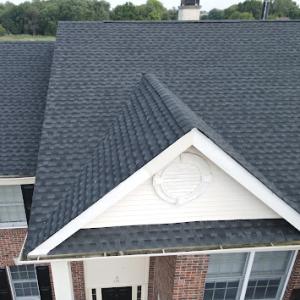
Roofworks Construction
(888) 606-6260 philadelphiaroofworks.com
Serving
4.8 from 35 reviews
ROOFWORKS CONSTRUCTION IS A COMPETENT ROOFING COMPANY AND EMPLOY THE BEST ROOFERS WITH OVER 24 YEARS OF EXPERIENCE IN ROOF REPAIR AND NEW ROOF INSTALLATION IN THE PHILADELPHIA AREA AND SURROUNDING COUNTIES
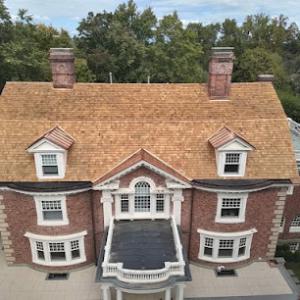
M. Green Construction
(267) 810-2681 mgreenconstructionllc.com
Serving
5.0 from 89 reviews
M. Green Construction specializes in Roofing, Siding, Exteriors, and Remodeling. We are here to help guide you through the process from start to finish with choosing between products, designing, and completing your projects professionally with someone you can trust. We are GAF Certified which is only offered to 5% of companies in the US. We go above and beyond to make our customers feel happy, comfortable, and informed throughout the entire process. We offer high quality work for very reasonable prices. We believe that our customers are lifetime customers. Contact us today to schedule a free estimate and get started with the the project you have always wanted!
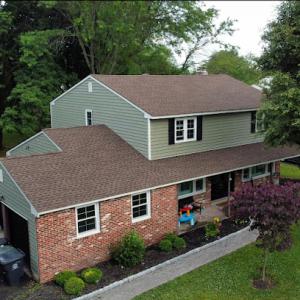
Proper Roofing
Serving
5.0 from 140 reviews
Proper Roofing is a company specializing in shingle roofing, flat roofing, siding, windows, decks, gutters, and exterior remodeling. We service Bucks County, Delaware County, Montgomery, Chester, South Jersey and Philadelphia. Call today for your free, no obligation inspection & estimate! Financing options available!
New Era Exteriors
(215) 706-9260 www.neweraexteriors.com
Serving
5.0 from 80 reviews
New Era Exteriors is a trusted roofing and siding contractor serving Montgomery County, Delaware County, Bucks County, and the surrounding areas of PA. Licensed in Pennsylvania and New Jersey with years of experience in the industry, we specialize in handling storm damage repairs, providing top-notch installation services, and delivering exceptional customer service. Our experts are dedicated to helping homeowners and business owners alike protect and beautify their properties with our reliable roofing and siding solutions.

Tufano & Sons Roofing
(215) 645-2964 www.tufanoroofing.com
Serving
5.0 from 212 reviews
Tufano & Sons Roofing provides roofing, siding, and gutter services in Philadelphia, Bucks, and Montgomery counties.
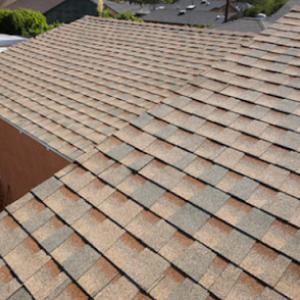
Als Roofing, Installation & Repair
Serving
5.0 from 24 reviews
AL’S UNION ROOFING is fully licensed and insured company. Our goal is to satisfy every customer. We do residential and commercial roofing. We install and service all types of roofs, windows, siding and gutters. We work hard to find and repair roof leaks, install new roofing system if needed. We provide up to 20 years of written warranty. Please feel free to contact us for free roofing consultation and estimate.
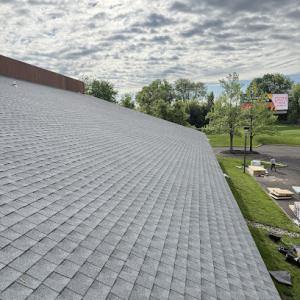
GP Roofing & Gutters
Serving
5.0 from 59 reviews
Your Roofing & Gutter Experts in Doylestown, PA Beyond the roof’s practical purpose, your roof can also make a statement about who you are and what you value. It can be a beautiful addition to your home’s aesthetic, enhancing its curb appeal and adding value to your property. That’s why at GP Roofing company, we believe that a great roof is more than just a functional necessity – it’s a source of inspiration. We’re passionate about roofing, and it shows in everything we do.
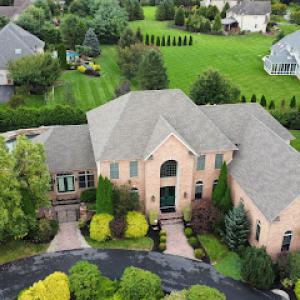
Sangiuliano Roofing
(267) 547-5146 sangiulianoroofing.com
Serving
5.0 from 116 reviews
Voted Best in Bucks County. Roofing company servicing Bucks and Montgomery county. Specializing in Insurance Roofing we offer free inspections! We offer Full Roof replacements, Metal, Shingles, Flat, Slate and Cedar Shake. If you have any storm damage make sure to get your free inspection! Ask about our Siding and Gutter replacements! A+ rating BBB accredited business.
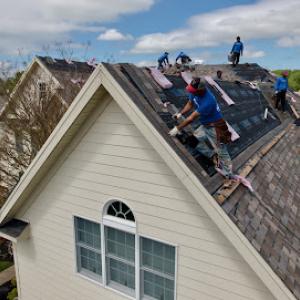
Pro Storm Repair
(833) 344-7767 www.prostormrepair.com
Serving
5.0 from 334 reviews
Need roof repair? Has your home recently had hail damage and needs storm damage repair? Pro Storm Repair is locally owned and operated with an A+ rating on BBB, insured in PA, NJ, DE, NY, & CT, and is the roof repair company that can offer 50-year roofing guarantees on materials and labor as a prestigious Owens Corning Platinum Preferred Contractor. Pro Storm Repair is committed to and specializes in one-day roof repair, vinyl siding repair, or replacement of any part of your home which may have storm damage by a hail or wind storm. Our hard work, use of quality materials, integrity, reliability, quality craftsmanship, and desire to become the best storm repair specialist make us stand out from the rest. Call today for a free assessment!
RAM Roofing & Exteriors
Serving
4.9 from 182 reviews
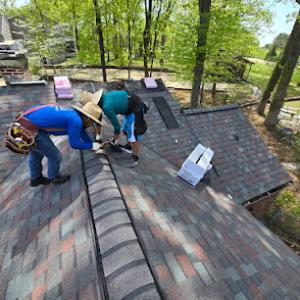
For over 30 years, RAM Exteriors has been a trusted roofing, siding, and exterior remodeling company serving Perkasie, Sellersville, and surrounding areas. Our fully licensed and insured roofers are experts in roof repairs, roof replacement, siding repair, and window repair. We also offer 24-hour emergency service for urgent needs. As one of the local leading service providers, we are committed to delivering top-quality workmanship and excellent customer service. Contact RAM Exteriors today to schedule an appointment and experience our reliable home improvement solutions.
A full roof replacement in Warrington Township generally requires a building permit through the Warrington Township Building Department. The permit process is designed to ensure the roof system is vented correctly, uses appropriate flashing details, and integrates with existing attic and interior drainage. The township places emphasis on proper roof ventilation and moisture control, especially after freeze-thaw cycles and humid summer weather that can reveal insulation gaps or vent blockages. If you're planning a larger job, including structural work or integrated tile systems, expect the permit review to be more thorough and potentially routed to plan review before issuance.
Inspections are typically scheduled during and after the roofing work to verify installation details and roof venting rather than relying only on contractor signoff. A common sequence starts with an inspection after the roof deck and underlayment are installed, then another to confirm the venting plan is in place and operating as designed, followed by a final inspection once the finished roof and flashings are complete. In storms-prone and freeze-thaw climates, inspectors will check that ridge and soffit vents are unobstructed and that any attic baffles are correctly installed. Being present for the inspections or choosing a knowledgeable representative can help address minor discrepancies on site and avoid a reinspection cycle that delays the project.
Complex roof systems and some tile installations may be routed for plan review before permit issuance in this township. If your project includes a multi-hip configuration, clay or concrete tile, or a roof with unusual venting or chimney connections, expect review of mechanical details, vapor barriers, and lateral ventilation paths. Plan review helps confirm compatibility with existing attic space, attic access, and clearance requirements around supplementary ventilation devices. Gather product spec sheets and installation diagrams ahead of time, and be prepared to provide attic cross-sections or roof framing details if asked. Understanding these expectations up front reduces the chance of delays when the permit reaches review.
Before submitting, double-check that all relevant drawings, venting calculations, and material specifications are complete and labeled clearly. If replacing or upgrading roof vents, coordinate with the building department to ensure the new configuration meets ventilation standards for the local climate. Keep a dedicated project file that includes permit numbers, inspection dates, and any correspondence with the Building Department. If weather windows are tight-particularly after harsh winter cycles-work with your contractor to align the sequencing so inspections can be scheduled promptly and you're not left waiting for a weather-delayed stage to pass.
Pennsylvania insurers in this market treat hail and wind as meaningful roof-claim drivers, which can lengthen adjuster response times after regional storm events. In practice, that means you may experience longer waits for on-site inspections and more thorough file reviews before any settlement discussion moves forward. The delay isn't a reflection of your roof's value or condition, but of the heightened scrutiny that storm-driven claims carry in Bucks County townships like Warrington. Stay patient, but stay proactive: once a storm hits, begin chronicling the event and its effects so you aren't left scrambling when an adjuster finally arrives.
Homeowners in Warrington should expect requests for prior-condition photos, roof condition reports, and detailed contractor estimates when supporting a claim or policy review. Prior-condition photos aren't just a courtesy; they anchor what is considered damage versus wear. If you don't have a recent record, request a quick evaluation from a qualified roofer to capture the roof's baseline condition before the next storm. A concise roof condition report from a reputable contractor helps clarify which areas were already compromised by moisture exposure or freeze-thaw cycles and which issues arose from the latest hail or high winds. When you assemble estimates, ensure they itemize replacement versus repair and clearly identify materials, underlayment, and ventilation components. Consistency across photos, notes, and estimates reduces back-and-forth with the insurer and speeds the process.
Because claim activity affects documentation standards locally, it is especially important to separate fresh storm damage from older wear caused by freeze-thaw and moisture exposure. Warrington roofs often show subtle aging-soft spots, granule loss, and exposed nails-that blend with new impact marks after a storm. A thorough, independent assessment can help determine what issues are attributable to the latest event and what predated it. If you notice underlying moisture intrusion, sagging sections, or repeated leaks, document when and where these first appeared, then compare to the storm dated photos. Misattributing preexisting wear to a recent event can complicate a claim and slow resolution, so clarity in photos, reports, and contractor notes is essential.
Begin with a focused safety check: avoid walking on weakened sections and cover exposed areas to prevent further water intrusion when feasible. Take timestamped photos from ground level and, if safe, from the attic to capture signs of moisture or trapped heat. Contact a roofer you trust for a quick, thorough assessment rather than relying solely on insurer-directed inspections. Present the contractor's documentation alongside your own records to the insurer, ensuring the timeline clearly shows when damage occurred relative to the storm and when wear started to accumulate. This careful approach helps protect your claim from misclassification and supports a more accurate restoration plan.
Connect with contractors who help homeowners navigate the claims process from damage assessment to final approval.
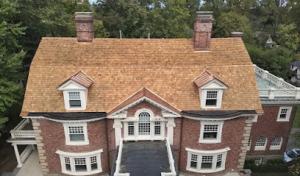
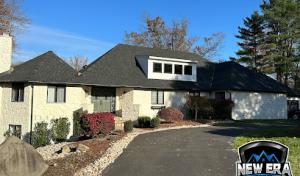
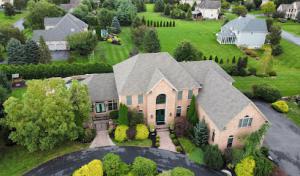
Repeated freeze-thaw movement in this region makes flashing transitions around penetrations and roof-wall intersections a recurring leak source. In practice, that means attention to the joints where the roof meets walls, chimneys, and skylight curbs should be part of every inspection, not an afterthought. When you notice hairline cracks or shifting flashing, address them before the next thaw, because even small gaps can widen with frost and melt cycles. If a contractor notes loose or lifted metal step flashings, treat it as a red flag rather than a cosmetic issue.
Skylight-related service is notably active in the local contractor market, indicating that repairs around curb details and surrounding shingles are a common homeowner concern in Warrington. The curb flashing should be sealed to the boot and to the roof surface with backer rod and compatible sealant. Pay particular attention to the transition from plastic or metal skylight frames to the surrounding shingle line. Over time, sealants dry and crack, and that tiny seam can become a moisture highway during humidity-heavy summers. If you're replacing a skylight, consider curb-mounted units with properly sized flashing and a shallow, clean slope to shed water toward the drip edge. When a repair is possible, ensure the surrounding shingles are sealed and not cracked or bent under the curb, because lifting shingles here invites wind-driven rain indoors.
Humidity and summer rainfall in this area can turn small flashing failures into interior moisture problems if repairs are delayed. After heavy rain, check ceilings near skylights and along attic eave lines for damp spots or musty smells. In attic spaces, verify that ridge and soffit vents remain unobstructed so that humidity can vent properly rather than condensing on cold roof surfaces. For penetrations, use a flashlight to inspect the interior side of flashing seams for condensation or staining after storms. If you see moisture around any penetration, treat it as an urgent priority-delays increase the risk of mold and structural rot in the attic and ceiling assemblies.
Find contractors experienced in skylight installation, flashing, and leak repairs to bring natural light into your home.