Last updated: Apr 19, 2026
North Wales, PA has cold winters with snow and repeated freeze-thaw cycles that can open shingle seals, stress flashing, and worsen small leaks over a single season. This is not a dry-cold winter; the pattern here blends winter snow load with regular precipitation, so roofs face frozen moisture and wet-weather drainage demands. That combination pushes every roof surface toward rapid deterioration if drainage, ventilation, and flashing are not kept in peak condition.
Older Montgomery County homes often ride with aged sealants, compressed under decades of weather. Freeze-thaw cycles pry at shingles and underlayment, especially where sealants have weakened and valley flashings are past their prime. Ice backup along eaves can back up gutters and downspouts, forcing water to infiltrate the roof line and toward attic vents. The result is a season-long scrape between leaking and hidden moisture that quietly rots sheathing and insulation from the inside out.
During January thaws and late-season storms, look for small, persistent drips that appear after a warm day followed by a freezing night. Check for lifted shingle tabs near peaks or along edges after heavy snowfall. Ice dams commonly form where attic ventilation is insufficient or where insulation is sparse, allowing warm attic air to melt snow that refreezes at the cold roof edge. Inside, you may notice drywall stains, paint peeling near ceiling corners, or musty attic smells that travel through vent channels.
Replacement timing in North Wales is strongly affected by winter conditions because snow, ice, and cold-weather sealing limits can delay tear-offs and extend active leak risk. A rushed tear-off in mid-winter invites ice- and snow-bound crews, while waiting for safer-but quicker-spring weather can leave you exposed to repeated thaw cycles that push moisture deeper into decking. A well-planned replacement window targets a dry, non-freeze period, but must still contend with the persistent moisture load that winter leaves behind.
Start with attic ventilation: verify soffit and ridge vents are clear and balanced so warm air does not accumulate and melt roof snow internally. Add insulation if the attic floor is under-insulated; even a modest upgrade reduces heat escaping to the roof deck, cutting melt-water at the source. On the exterior, inspect flashing around chimneys, vents, and skylights; if metal flashing is loose or corroded, patching should not wait until spring. Ensure fascia and drip edge are intact to direct meltwater into gutters; compromised edges invite water to bypass the drainage plane and creep under shingles.
Keep drainage paths clear before big storms: remove excess snow from the roof edge with a roof rake, targeting overhangs and valleys where ice tends to accumulate. In snow-heavy sections, consider temporary heat cables or targeted ice dam interventions, but only after a professional assessment confirms compatibility with the roof design. Ensure gutter systems are clean and pitched correctly so water can flow freely away from the fascia; clogged or sagging gutters create backup that freezes and worsens leaks at the eaves.
Set a winter inspection cadence paired with post-storm checks. After each big melt or thaw cycle, run a quick exterior audit for loose flashings and shingle edges; inside, test for damp spots in the attic and around chimney penetrations. In the spring, schedule a full professional assessment to map out any concealed damage and plan a coordinated replacement if required. A proactive, season-first approach minimizes active leak risk and preserves the overall health of an older roof through successive winters.
In Pennsylvania, roof-related claims are common after wind or hail events, making storm documentation a practical issue for North Wales homeowners rather than a rare edge case. If a nor'easter rattles your shingles or a hail storm pounds the ridge cap, the damage isn't always visible from the ground-yet insurers will want a precise account. This borough sits on older Montgomery County housing stock, where steep snow-shedding rooflines meet the realities of wind-driven debris and vibration from heavy rain. When a storm hits, the clock starts ticking on documentation: fallen granules, dented metal, lifted shingles, and even attic moisture that didn't exist last week. Your goal is to capture evidence quickly and clearly so the claim isn't dismissed as cosmetic or inconsequential.
Insurers in this market commonly review roof age and material type, which matters in a borough where the local mix includes standard asphalt and premium systems like slate, tile, and metal. Age-related wear-soft spots, flashing corrosion, or fastener rust-can push a claim into a more scrutinized category. Premium materials, while attractive for their durability in winter freeze-thaw cycles, can shift coverage expectations: a slate or tile roof is not universally treated the same as asphalt on every claim, and a carrier may question the need for certain repairs if the material's inherent life expectancy is already shorter due to environmental exposure. This is especially true after a wind or hail event that creates localized impact damage, openings that invite moisture, or microcracking in a surface that looks intact from the street.
Begin with a rapid photo log: close-ups of missing granules, punctures, cracked tiles, lifted edges, and any interior signs of moisture in the attic. Map the affected area on the roof with clear angles and scale references, noting wind directions if possible. Keep dated notes from the day after a storm, including weather conditions and any temporary repairs you made to prevent further moisture intrusion. For premium materials like slate, tile, or metal, photograph characteristic features that distinguish the system-seam integrity, seam overlaps, and rust or corrosion at fasteners. When speaking with your insurer, reference the roof age and material type as part of the narrative, and provide third-party assessments from qualified contractors who can attest to the condition and the necessary scope of repair. If a contractor certification is part of the claim conversation, have those credentials ready and up to date.
A proactive homeowner reduces friction by performing an early, careful inspection after every significant wind or hail event and pressing for a professional assessment when there are any signs of moisture or unusual attic temperature changes. If premium materials are present, anticipate questions about maintenance history and any previous repairs, and be ready with warranty documentation where applicable. In this market, a careful balance between documenting wind- or hail-related damage and demonstrating the ongoing integrity of the roof structure matters. When choosing a contractor for the documentation or repair work, prioritize those with verifiable experience in the local mix of asphalt, slate, tile, and metal-particularly projects involving steep profiles and snow-loading conditions that characterize Montgomery County roofs. Act quickly, keep precise records, and engage a proven local professional to navigate the insurer's review with credibility.
Find local contractors experienced in assessing and restoring roofs after hail, wind, and severe weather events.
North Star Roofing
(484) 302-7663 northstarext.com
506 Dekalb Pike, North Wales, Pennsylvania
4.9 from 312 reviews
Penn Pro Roofing
(267) 990-9190 www.pennproroofing.com
103 N 2nd St, North Wales, Pennsylvania
5.0 from 56 reviews

G. Fedale Roofing & Siding
(215) 515-8260 www.gfedale.com
1454 Bethlehem Pike, North Wales, Pennsylvania
4.8 from 214 reviews
North Star Roofing
(484) 302-7663 northstarext.com
506 Dekalb Pike, North Wales, Pennsylvania
4.9 from 312 reviews
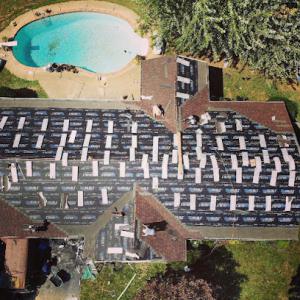
North Star Roofing, located at 506 Dekalb Pike, is your premier choice for exceptional roofing services. Specializing in roof installation and storm damage roof repair, we cater to both residential roofing needs and offer a variety of solutions including metal roofing and shingle roof installation. As trusted local roofing contractors, we are committed to delivering affordable roofing services without compromising quality. Whether you search for "roofing near me" or need expert advice, North Star Roofing guarantees durable, reliable, and aesthetically pleasing outcomes. Choose us for unparalleled craftsmanship and peace of mind for your home’s protection.
Penn Pro Roofing
(267) 990-9190 www.pennproroofing.com
103 N 2nd St, North Wales, Pennsylvania
5.0 from 56 reviews
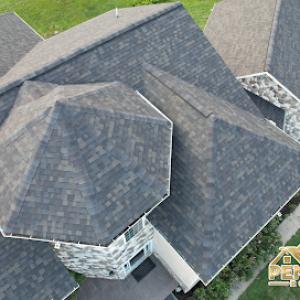
Your roof is your home's main defense against the elements. Let us walk you through the best options to fit your needs and once you feel comfortable with your choice, we'll handle the complete installation. If you're looking to update or upgrade your roofing and gutters, we've got you covered. Book a free consultation to discuss our different types of roofing composition and environmentally friendly options!

G. Fedale Roofing & Siding
(215) 515-8260 www.gfedale.com
1454 Bethlehem Pike, North Wales, Pennsylvania
4.8 from 214 reviews
G. Fedale Roofing & Siding has been a competitive leader in the home improvement and commercial roofing industry since 2002. Gaining a major market share through the specialized talents of our employees, we pride ourselves on the success of our rapidly growing company. We are dedicated to the highest install and repair standards and our extended workmanship warranties guarantee coverage long after work is completed. Our mission at G. Fedale is to provide the best value and craftsmanship for our customers and the communities we serve through service, education and commitment.

Volpe Enterprises
217 Church Rd suite a, North Wales, Pennsylvania
4.8 from 568 reviews
Volpe Enterprises, Inc. is a locally established roofing company based in North Wales, PA, providing professional roof replacement services to homeowners across Bucks, Montgomery, and Chester Counties. Family-owned since 1970, our team specializes in roof replacement, roof repair, metal roofing, and shingle roof installation, with a deep understanding of Southeastern Pennsylvania’s weather challenges, including heavy storms, seasonal temperature swings, and aging roof systems. In addition to roofing, we offer siding installation, window replacement, and full home renovation services.
William Penn Roofing
(215) 977-7663 williampennroofing.com
Serving
5.0 from 25 reviews
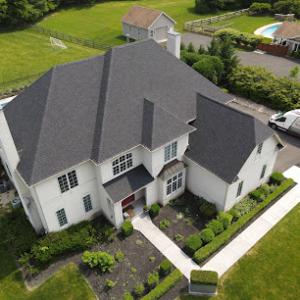
William Penn Roofing provides expert roofing, siding, gutters, skylights, windows, and stucco services across Montgomery County, PA. Whether you're in Norristown, King of Prussia, Pottstown, Horsham, or Abington, our team delivers high-quality residential and commercial solutions you can trust. For 15+ years, we’ve earned over 100 five-star reviews by using top materials, offering honest pricing, and standing behind our work. From quick repairs to full roof replacements, we’re known for precision, reliability, and customer-first service. Call today for a free estimate.
Nealman Construction
(215) 834-1587 nealmanconstruction.com
Serving
5.0 from 126 reviews
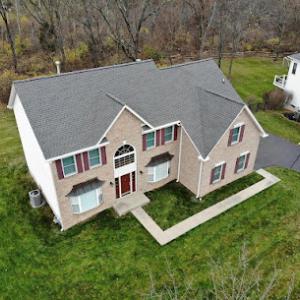
Nealman Construction is a Roofing Contractor in Lansdale, PA serving all of Montgomery County, Bucks County, Delaware County & Philadelphia PA. Your Local Roofer providing roofing installation, roof repairs, seamless gutter system installation, siding installation, roof inspections, metal roofing, chimney repairs, window installation, door installation and more! Commercial TPO and EPDM Roofing also available. If you’re looking for Roofer Near Me with excellent reviews, extensive experience, competitive prices and outstanding customer service, trust the experts at Nealman Construction. The #1 roofer near me in the area! Better Business Bureau Accredited GAF Certified Weather Stopper Contractor HIC#135858
Dexteriors Roofing & Siding
(215) 995-2887 www.dexteriors.co
Serving
5.0 from 48 reviews
Dexteriors Home Remodeling is the premier choice for Roofing, Siding and Gutters in Montgomery County, PA and surrounding areas. Trust your home to the exterior experts with over 15 years in custom residential construction. Experience the Dexteriors Difference with our customer-centered process to bring a pleasant experience to all your outdoor remodeling services. Connect with our team today to schedule your free consultation to begin elevating your outdoors.
Janville Home Improvement
(215) 368-5200 janvillehomeimprovements.com
Serving
4.4 from 27 reviews
Established in 2003, Janville Home Improvement brings nearly two decades of expertise to every project. Specializing in roofing, siding, windows, and gutters, we are committed to enhancing your home's exterior with quality craftsmanship. Our dedicated team ensures every installation is completed to the highest standards, backed by a comprehensive workmanship warranty. We partner with leading manufacturers to provide durable, long-lasting products, offering you peace of mind and enduring value. Choose Janville for a superior home improvement experience.
East Coast Elite Roofing
(215) 954-5781 eastcoasteliteroofing.com
Serving
5.0 from 34 reviews
At East Coast Elite Roofing, we provide reliable roof replacements, roof repairs, flat roof systems, and emergency storm damage service across Philadelphia, Bucks County, Delaware County, and South Jersey. We specialize in shingle roofs, torch down, EPDM, custom metal work, vinyl siding, gutters, and full exterior home protection. Our crew doesn’t cut corners — we get it done right the first time with clean work and honest communication. Call today for a free roof inspection and same-day estimates.

Tufano & Sons Roofing
(215) 645-2964 www.tufanoroofing.com
Serving
5.0 from 212 reviews
Tufano & Sons Roofing provides roofing, siding, and gutter services in Philadelphia, Bucks, and Montgomery counties.
Shelby Roofing Services
(215) 847-3522 www.shelbyroofingservices.com
Serving
5.0 from 91 reviews
We are a top-rated roofing company in Pennsylvania, specializing in comprehensive roofing services. At Shelby Roofing and Exteriors, we offer expert roof replacement, repair, and maintenance tailored to your needs. Our skilled contractors are adept in handling everything from copper roof installations to skylight solutions, ensuring high-quality craftsmanship. We also provide reliable gutter and downspout repair, home siding repair, and replacement services. Trust us for detailed roof inspections and consultations free of charge. Choose us for durable, efficient, and aesthetically pleasing exterior solutions in Pennsylvania. Partner with Shelby Roofing for exceptional roofing and exterior services across Pennsylvania.
Restore Roofing
(267) 263-2262 www.restore-roofing.com
Serving
5.0 from 55 reviews
Full service residential & commercial roofing contractor with expertise installing all types of roofing systems. We specialize in total roof replacement with a strong focus on residential work. We serve Bucks County, Delaware County, Montgomery County and Lehigh County.
North Wales has an unusually broad active material mix for a small Pennsylvania market: asphalt shingles, metal, clay tile, concrete tile, wood shingles/shakes, and slate all appear in local replacement work. That mix points to a housing stock where simple asphalt re-roofs coexist with heavier legacy materials like slate and tile, making structural load, flashing transitions, and partial-match repairs more important here than in single-material markets. When planning a replacement, take inventory of what stays and what goes. If second-story or attic space exists above an older, heavier roof, your subcontractor should verify framing and existing load paths before selecting a replacement. This is not the time to assume a one-size-fits-all approach; a thoughtful assessment of what your home can bear is essential.
Freeze-thaw cycling is a key local selection issue because brittle or water-absorbing assemblies can age differently in this climate. In practice, that means prioritizing assemblies that resist cracking and manage moisture well. For lighter, newer structures with asphalt or metal, ensure the underlayment and ventilation strategy are robust enough to handle sudden temperature swings. For heavier materials like slate, clay, or concrete tile, scrutinize the deck's condition and flashing transitions where it meets walls, skylights, and chimneys. Proper moisture control starts with a well-sealed, continuous underlayment, followed by carefully integrated flashing that accommodates potential movement without leaks. In homes with mixed materials, transitions between a slate or tile section and a lighter re-roof must be planned with compatible flashing angles and overlapping drip edges to avoid cold-weather leaks along the seams.
Older North Wales roofs often combine multiple materials, and the best approach honors that history while preserving performance. Where a lighter re-roof is possible, consider asphalt or metal for portions that don't bear heavy loads, but don't force a full-surface conversion if attic or ceiling cavities show signs of moisture retention or inadequate ventilation. For historically important or architecturally distinctive homes, matched color and texture can matter as much as performance. In these cases, plan for careful field blending and selective replacement-retaining a portion of original material where feasible and using compatible, code-compliant alternatives for the rest. The goal is to minimize cold-weather vulnerabilities by ensuring that any material used in a partial replacement aligns in both weight and movement with the surrounding structure.
If the roof is relatively modern with good ventilation and a simple layout, asphalt or metal can offer straightforward, durable service with fewer companion issues. For properties with visible legacy materials or heavy slope lines, slate, clay tile, or concrete tile may be appropriate, provided structural support, flashing transitions, and drainage are addressed. In all cases, ensure that you have a clear plan for gutters and downspouts, ice barriers at eaves and penetrations, and a ventilation strategy that maintains an even temperature across the roof surface during winter months. This targeted approach helps reduce ice backup and moisture problems that are especially prevalent in older North Wales homes.
Typical North Wales pricing runs about $350-$650 per square for asphalt shingles, $700-$1100 for metal, $1100-$1700 for clay tile, $1000-$1600 for concrete tile, $600-$1000 for wood shingles/shakes, and $1200-$1900 for slate. These figures reflect the valley of older Montgomery County homes that often carry steeper pitches and snow-shedding roofs, where labor and material handling can influence the bottom line. When you're budgeting, start with the asphalt range as a baseline: it's the most common retrofit and often the easiest way to establish a month-by-month plan for a full reroof.
Costs in North Wales can rise when a project involves heavier materials like slate or tile that are already active in this market, because tear-off handling, deck evaluation, and detail work are more involved than a basic asphalt overlay replacement. A slate or tile job typically requires more precise framing checks, additional underlayment, and careful staging to avoid breakage. That means not only higher per-square prices but more time on site, which pushes total project cost and scheduling into longer timelines.
Freeze-thaw cycles, ice backup, and interior moisture control are the realities on older roofs here. When selecting material, consider how well the system will drain and ventilate after a harsh winter. Clay and concrete tiles offer durability but demand careful lattice support and proper underlayment to handle temperature fluctuations. Metal can shed ice efficiently but may need additional attic venting to manage condensation. These factors influence both cost and long-term performance.
Montgomery County weather patterns-winter snow, spring rain, and summer heat-can affect both price and timing. Expect potential delays tied to weather windows, especially for heavy installs. Coordination with crews and staging of materials around seasonal rain will influence the overall project timeline, alongside the base material costs outlined above.
Get a clear picture of your project costs upfront - no commitment required.
For a full re-roof, a building permit is typically required within Montgomery County jurisdiction. This isn't merely a paperwork step; it's a checkpoint that helps ensure attic ventilation, drainage, and water-shedding details are designed to handle the local climate, especially during the freeze-thaw cycles that shape older homes here. The process prioritizes safe, long-lasting moisture management, which is crucial on steep snow-shedding roofs common in the area.
When you apply, you'll need a clear scope of work and plan details. A straightforward, yet thorough, set of drawings or sketches should show the roof replacement outline, the type of underlayment, venting strategy, and how eaves, soffits, and ridge vents will work with the new decking and shingles. The reviewer in Montgomery County will look for a coherent drainage plan-how water will shed from all high-to-low points, especially along valleys and hips that are common on older stock. Attic airflow paths should be easy to inspect in the drawings: where air enters, where it circulates, and how it exits. This visibility helps prevent hidden moisture pockets that can worsen ice backup and wood rot after a heavy winter.
The local process generally involves scheduling inspections at rough-in and final. Rough-in inspection checks the structural readiness, vent locations, and underlayment installation before the new roofing is installed. The final inspection verifies that everything is properly connected, including the venting system, drainage outlets, and any flashing details around chimneys or skylights. In communities with older homes, inspectors pay close attention to how the new roof ties into existing ventilation pathways and drainage routes, because proper compatibility reduces moisture buildup during freeze-thaw cycles.
During review, the drainage and ventilation details become visible parts of the approval. Roof replacements that fail to address attic airflow or fail to present a coherent water-shedding strategy are more likely to see delays or require design revisions. If your home has limited attic space or irregular roof planes, consider staged venting and ridge ventilation that align with the natural airflow currents through the attic. Proper sealing around penetrations, improved soffit intake, and strategic placement of vents can help keep attic moisture in check, reducing ice dam risk and promoting longer roof life.
In this area, insurers commonly want photos and a condition assessment after roof damage, so you should document issues before any temporary repairs and again after storms. Start a simple photo log from ground level and from attic vantage points, capturing structural sag, ice dams, and moisture on ceilings. When you call in a claim, your file should show the progression from pre-storm condition to post-event condition, and then any permanent fixes. This isn't just paperwork-it can determine whether wind and hail damage are covered or treated as wear and tear on an older roof.
Adjusters may evaluate both roof age and material type, which matters because North Wales markets include premium materials that can be treated differently from standard shingles. If you have a steeper, older roof with metal accents or clay or slate components, expect questions about underlying decking, ventilation, and drainage updates that were done or needed before a full re-roof. Be prepared to share recent maintenance records and any moisture mitigation measures you've implemented, as these details influence how the loss is categorized and paid.
Some carriers may require contractor certifications in specific cases, making paperwork and installer qualifications part of the roofing decision in this market. If a supplier or installer carries specialized credentials, have copies ready for your insurer and adjuster. Claims can hinge on the credibility of the crew and the documented quality of installation, especially on older homes with complex rooflines and problem areas like ice backup and moisture intrusion.
Before a claim, photograph suspected damage from multiple angles and note the date of the event. After temporary repairs, re-photograph the scene to show the mitigation steps taken. When talking to your adjuster, reference the age and material-type considerations and provide any contractor certifications you hold or have access to, to expedite review and ensure your benefits align with the roof's design and condition.
Flat and low-slope roofing is an active specialty in the North Wales contractor market, even though the area is better known for pitched residential roofs. That means you'll find more porch roofs, additions, and mixed residential-commercial structures with flat or near-flat decks than in many neighboring towns. The range of existing membranes and coating options is broader than you might expect for a neighborhood that looks richly traditional from the street.
Winter brings snow and ice that can delay work and stress membranes, especially on low-slope surfaces. Freeze-thaw cycles have a way of sneaking into edge details and penetrations, so confirm that flashing, curb covers, and drainage details are robust before winter installation. Spring rains and humidity slow drying times and can affect sealants and coatings. Plan for a window of dry weather to complete adhesion-dependent steps, and be prepared for postponed sealants or coatings if a wet spell persists.
Homes with enclosed or partially enclosed porches, adapters between additions, and small commercial-leaning spaces often use low-slope systems in this market. Expect a mix of modified bitumen, single-ply membranes, and lightweight coatings on these surfaces. Integrity around penetrations-vents, skylights, HVAC curbs-needs extra attention given temperature swings and drift from nearby tree cover that can trap moisture.
Roof coatings are a meaningful option in this market, not an afterthought. A coating can extend life for a decade or more when applied over a sound substrate and paired with proper surface prep. For North Wales roofs facing freeze-thaw cycles, select coatings that resist UV degradation, maintain flexibility in low temperatures, and tolerate seasonal moisture. A thoughtful coating plan can buy time on older membranes while you address substrate health.
Find specialists in TPO, EPDM, and built-up flat roofing systems for residential and commercial properties.