
Last updated: Apr 19, 2026
Palmyra uses a climate that cycles through cold winters, hot humid summers, and precipitation in every season. Roofing here ages from repeated wet-dry and freeze-thaw cycling rather than from a single dominant hazard season. That pattern means the approach to replacement is less about waiting for one weather event and more about recognizing cumulative moisture, material behavior, and drying potential after tear-off.
Replacement activity tends to go more smoothly in drier, lower-humidity periods. Winter snow and spring rain complicate tear-off work, deck drying, and shingle sealing, so planning around the driest stretch of late summer into early autumn-or the late-spring lull after the wet season-often yields better results. If a roof is near the end of its service life, aim for a window where the forecast shows several dry days in a row, with temperatures comfortable for shingles to seal without risking early shrinkage or adhesive failure. In Palmyra's climate, that typically means avoiding the core of winter and the wet early spring, and targeting late summer or early autumn where humidity dips and rain chances are lower.
Before any removal begins, check for signs of prolonged moisture in the sheathing, decking, and underlayment. Warped or soft plywood, staining, or a musty smell can indicate hidden rot. In older homes with cedar, metal, or simulated slate, pay special attention to fastener corrosion and any rust on metal components that may signal ongoing moisture ingress. If decking is suspect, schedule additional drying time after removal to ensure a stable base for new roofing. This is especially important in Palmyra's shoulder seasons, when a few warm, damp days can fool the eye but leave dew and humidity lingering longer than anticipated.
Summer heat and humidity can speed asphalt aging, accelerate adhesive cure times, and influence shingle sealing. When re-roofing in a hot, humid stretch, ensure the roof is completely dry before applying new shingles. Work during the cooler portions of the day-early morning or late afternoon-and manage ventilation and airflow in closed attics to prevent heat buildup. For metal, tile, or composite systems, heat can affect panel expansion and sealants, so schedule installation with attention to expansion gaps and manufacturer guidance on adhesive temperatures. If a re-roof project must occur in peak summer, you may need longer opportune windows and more diligent moisture control on the deck to avoid slow seals or trapped moisture.
In winter, the combination of cold temperatures and frequent precipitation makes tear-off risky. Adhesives may not cure properly, and ice buildup can hinder access and safety. In spring, continued rain and high humidity can compromise sealant performance and decking drying. If a replacement spills into late winter or early spring, you'll want a contingency plan for drying time, potential attic venting changes, and temporary protection for exposed decking. In Palmyra, the key is to pick a stretch where the forecast shows several dry days and moderate temperatures, avoiding days with freezing nights or heavy rainfall.
Begin with a thorough inspection to map out the roof's moisture profile, noting any soft spots or staining. Remove existing shingles during a dry spell, then promptly address underlayment and deck drying if moisture is detected. If you encounter damp decking, allow extra air circulation in the attic and deck areas, use dehumidification if necessary, and schedule the subsequent roof-assembly steps to follow once the deck is fully dry. Keep ventilation in mind during installation to prevent trapped moisture after completion. When possible, stagger the project so that sealing and flashing work occurs during the same dry window, reducing the chance for moisture intrusion between steps.
Post-installation, keep an eye on seasonal transitions. Palmyra's moisture pattern means the roof will endure repeated wet-dry cycles over time, so inspect seals, flashing, and ridge vent provisions after heavy spring rains and after the heat of summer. A routine review of gutters and downspouts helps reduce moisture surcharge on the roof edge, minimizing standing water along eaves. By aligning replacement timing with Palmyra's drier spells and addressing deck moisture promptly, you extend the life of the new roof and reduce the likelihood of early edge wear, adhesive failure, or hidden rot.
Storm season in this area brings a tight window of urgency. Hail and wind claims are common enough that insurers expect documentation beyond a simple complaint. Photos, dates of loss, and contractor scopes matter for approval, and delays can stall a claim. This means that when a gusty storm passes, you should prepare to document damage the moment it's safe to do so, and move quickly to keep costs and further damage down.
Because winter snow, spring rain, and summer storms converge across the year, leaks often start where flashing or shingle-edge failure first shows up. A visible gap around a vent boot, a lifted shingle edge, or a seam that seems slightly deformed can be the first clue. If water stains appear on ceilings after a rain, or if attic dampness shows up even with dry outdoor days, treat it as urgent. Acting early reduces the chance that a small problem becomes a costly interior repair.
When you notice even a suspected leak during active moisture, secure the area to prevent further damage. If safe to reach the roof, do a quick, careful inspection from ground level or with proper ladder safety to identify obvious misses around edges, flashing, or penetrations. At the first sign of trouble, call a local contractor who handles emergency repair and storm work, and request tarping or a dry-in plan for the next few wet days. Temporary protection can prevent water intrusion while you arrange full repair or replacement.
In Palmyra, expect the insurer to want photos, a dated loss report, and a clear contractor scope before authorizing a full repair. Collect and organize your documentation: dates of storms, timeframes of leaks, and any interior water intrusion evidence. Have a contractor's written scope ready that outlines immediate tarping, temporary shingle-edge protection, and the longer-term repair strategy. Clear, prompt communication reduces back-and-forth delays and helps you recover faster from a wet spell.
The local contractor signal mix shows strong demand for emergency repair and storm work, which aligns with the need for rapid tarping and a temporary dry-in during wet stretches. If a contractor suggests rapid mitigation for the next 24-48 hours, prioritize it. A timely dry-in can prevent secondary issues like mold or framing damage and buys you essential time to finalize a full-season repair plan. Stay proactive and keep the lines of communication open with both your insurer and your chosen contractor.
Find local contractors experienced in assessing and restoring roofs after hail, wind, and severe weather events.
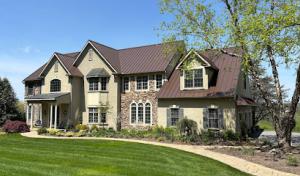


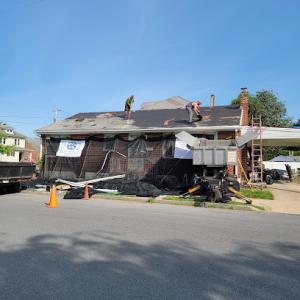
Nxt Gen Exteriors
(717) 798-0373 www.nxtgenexteriors.com
371 S Center Ave, Palmyra, Pennsylvania
4.5 from 24 reviews
Attentive, Responsive, Top-Notch commercial and residential roofing contractor. Call us for all of your exterior needs. From basic repairs to a full replacement we are experienced in working with various types of roofing materials including shingles, metal and rubber roofing. We also provide specialty roofing services such as copper, cedar, slate and other tile roofing repairs and installation.
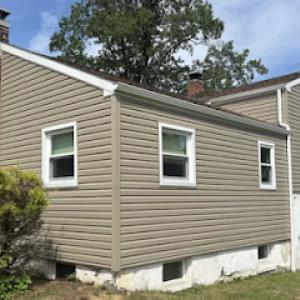
KAF Built
(717) 635-5515 www.kafbuilt.com
Serving
5.0 from 5 reviews
KAF Built, we are more than just an exterior home remodeling provider; we are central Pennsylvania natives with a deep passion for construction and a strong commitment to serving our community. Based in Hummelstown, PA, and serving the surrounding sreas, our journey began with two lifelong friends and a shared vision of making our community better, one home at a time, and we have remained true to our founding principle: Quality Always.
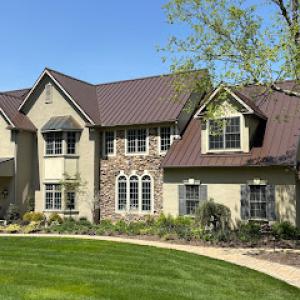
Roof Ninja
(717) 945-9787 www.roofninjallc.com
Serving
5.0 from 32 reviews
Roof Ninja is your trusted partner for all roofing needs, offering expert services in both residential and commercial sectors. Specializing in roof installation, repair, and maintenance, our skilled team tackles everything from minor fixes to major storm damage repairs. Whether you're dealing with a leaky roof or need a complete overhaul, Roof Ninja provides prompt, reliable solutions tailored to your specific needs. Conveniently located to serve your area, we pride ourselves on delivering top-notch craftsmanship and exceptional customer service. Choose Roof Ninja for peace of mind and a roof that stands the test of time.

Roof Riders
(717) 813-8054 www.roofridersunlimited.com
Serving
5.0 from 105 reviews
Roof Riders Unlimited is a Contractor located in Lebanon, PA. We offer Roof Repair, Roof Maintenance, Roof Installation, Roof Replacement, Roofing Services, Roofing Replacement, Shingle Roofing, and other Contractor Services. We can handle all types of roof replacements and repairs with an excellent turn around time. We also install seamless gutter and gutter guard. We are experts at tackling challenging exterior issues from shingle blow offs, gutter repairs, to Full Lifetime Roof Systems. Call now!
Gassert Roofing
(717) 273-0703 www.gassertroofing.com
Serving
5.0 from 107 reviews
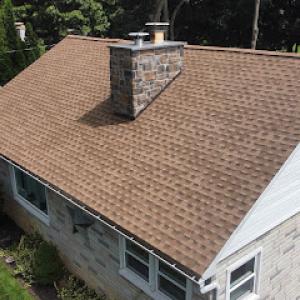
established in 1985, is a second generation, professional roofing company dedicated to providing the very best roofing systems and services. With our factory certification, our customers receive a much higher quality factory warranty (up to 4x the upfront coverage) that covers the entire roofing system (not just the shingles) and the labor cost.

ROOFX Roofing
Serving
5.0 from 133 reviews
Roofx Roofing & Siding, nestled in the heart of Harrisburg, PA, is the premier destination for top-tier roofing and siding solutions. Specializing in a comprehensive range of services, we expertly cater to your needs with precision and excellence. Our seasoned team excels in seamless roof replacement, swift and efficient roof repairs, cutting-edge metal roofing installations, and tailored solutions for commercial roofing projects. Elevating aesthetics and durability, we also offer premium vinyl siding services to enhance the curb appeal of your property. At Roofx, we're not just roofing experts; we're your trusted partners in safeguarding and enhancing the integrity of your home or business. Contact us today!
Long Home Products
Serving
4.7 from 646 reviews
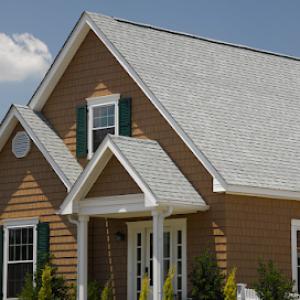
For over 8 decades, Long Home has helped families throughout the East Coast enjoy safer, more beautiful homes. From durable roofs to stunning baths, our quality products, outstanding craftsmanship, and dedication to customer satisfaction are at the core of our philosophy. We work with customers to make home improvement projects more affordable through competitive loan rates and flexible payment plans that fit your budget.
Joyland Roofing
(717) 276-4699 joylandroofing.com
Serving
4.9 from 697 reviews
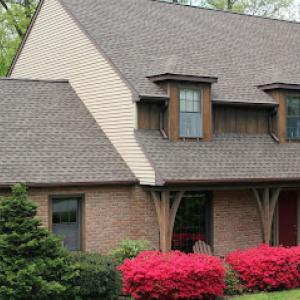
Established in 1991, Joyland Roofing is a full-service Elizabethtown, PA contractor specializing in residential and commercial roofing, siding, gutters, windows, doors, and chimney restoration. Their team prioritizes clear communication, on-time completion, and upfront, transparent pricing to ensure a stress-free home improvement experience.
Docherty Roofing
(804) 543-7014 www.dochertyroofing.com
Serving
4.3 from 12 reviews
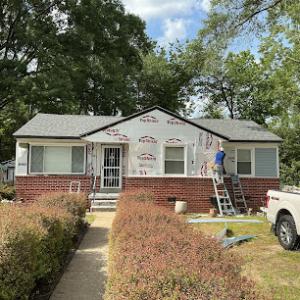
In need of a roof replacement or repair? Look no further! Docherty Roofing & Coatings offers professional roofing services. Call today for a free estimate!
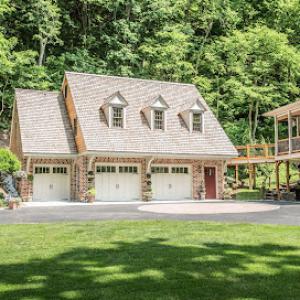
MR Roofing
Serving
5.0 from 120 reviews
MR Roofing was founded in 1994 in East Petersburg, Pennsylvania. MR Roofing has experience in many facets of the construction industry, but is a specialist in standing seam copper, standing seam steel, cedar shake, and asphalt shingle roofs. Our crews love their job, and have good character and work ethic. Many of our customers get to know us on a first name basis while we work on their home. We love our jobs, and we want you to love your roof!
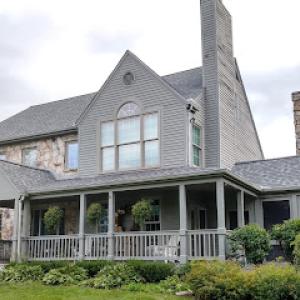
Equity Roofing
(717) 629-0392 equityroofs.com
Serving
4.9 from 115 reviews
Equity Roofing is a trusted residential roofing contractor, located in Harrisburg, and serving the surrounding Central Pennsylvania communities. We specialize in full roof replacements, storm damage roof repairs, roof inspections, and Owens Corning roofing systems backed by industry-leading warranties. Whether you're dealing with a leaking roof, hail damage, or planning a full roofing upgrade, our experienced team delivers reliable, high-quality service from start to finish. If you're searching for a dependable roofing contractor, Equity Roofing is ready to help protect your home or business. We are proudly serving Harrisburg, Marysville, Hummelstown, Camp Hill, Mechanicsburg, Enola, Lemoyne, Carlisle, Hershey, and Middletown, Pa.
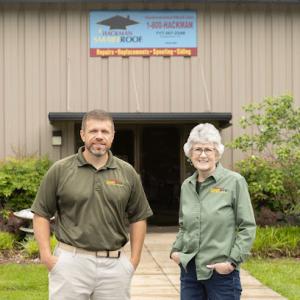
Hackman SmartRoof
(717) 367-2348 hackmanroofing.com
Serving
4.8 from 57 reviews
Hackman SmartRoof, located in Elizabethtown, PA, is known for offering value and quality after-sales service. We are your top choice for exceptional roofing services, including roof replacement, general roofing, repairs, gutters, siding, and storm damage restoration. Committed to superior craftsmanship, our dedicated team ensures each project surpasses manufacturer standards and is backed by our robust HSR Craftsman Guarantee. Experience hassle-free scheduling with our live phone support and precise appointment times, eliminating the uncertainty of callback waits. Choose Hackman SmartRoof for dependable, high-quality roofing solutions that safeguard and enhance your property.
Palmyra's year-round moisture and winter freezing create a climate where every roof must handle more than just shedding rain. Heavy snow load possible in winter, spring rains that linger, and humid summers mean that how a roof behaves between bouts of weather matters as much as what it's made of. This is why underlayment, flashing details, and drainage considerations are essential complements to the visible roof covering. The local mix of homes-with asphalt still dominant but real presence of metal, tile, cedar, and composites-reflects homeowner demand for options that balance curb appeal, long-term performance, and compatibility with existing structures. When planning a replacement, think about how the system will respond to moisture at the eave, in valleys, and around penetrations like vents and skylights.
Asphalt shingles remain a familiar baseline, but the neighborhood sees meaningful activity in metal, clay tile, concrete tile, cedar shakes, and synthetic/composite shingles as well. Clay and concrete tiles bring substantial longevity and a distinctive profile, yet they require a reinforced roof deck and precise fall-through drainage to avoid ice-related issues in winter and pooling during wetter springs. Metal roofs offer excellent wind resistance and rapid shedding of meltwater, which helps during light-to-moderate snow events and humid summers when condensation can become a concern on cooler nights. Cedar shakes provide a textured look that pairs well with older, custom homes, but they demand meticulous maintenance to prevent moisture intrusion and decay. Synthetic or composite shingles bring a lower-weight option with versatile aesthetics, often delivering improved durability against expansion and contraction driven by seasonal humidity fluctuations.
In Palmyra, the roof system is only as strong as its connections to the house. Pay particular attention to underlayment quality and installation, as this is your first line of defense against moisture migrating into the attic space during wet winters and spring rains. Flashing around chimneys, skylights, vents, and along transitions to gutters should be continuous and well-sealed, with attention to freeze-thaw performance in the detailing near eaves and rake edges. Drainage design matters: ensure proper slope, high-quality gutters, and downspouts that move water away from the foundation to prevent basement or crawlspace moisture issues that can mimic roof problems.
Whichever material you choose, plan for regular inspections, especially after heavy rain events or thaw cycles when freeze-thaw stress is most active. Look for lifted shingles, corroded or loose metal pieces, cracked tiles, or deteriorating sealants around penetrations. In older or custom homes, the surrounding roof geometry can introduce hidden moisture traps; address those areas proactively to extend roof life and maintain consistent performance through Palmyra's seasonal shifts.
Typical Palmyra pricing runs about 360 to 650 USD per square for asphalt shingles, 700 to 1200 for metal, 1000 to 2100 for clay tile, 800 to 1600 for concrete tile, 500 to 950 for wood shingles or shakes, and 420 to 750 for synthetic or composite shingles. In practice, those numbers reflect not just material costs but the local labor market and the borough's scheduling realities. Costs in Palmyra can rise when replacement demand bunches into the borough's drier work windows after wet or stormy periods, especially for quick-turn leak jobs and full tear-offs. The local market's strong re-roofing focus means many Palmyra jobs involve removal, disposal, deck repairs, flashing updates, and cleanup rather than simple overlay pricing.
Moisture-driven aging is the dominant factor in this area. Winters are damp, springs bring frequent rain, and summers stay humid, which accelerates shingle deterioration and deck rot when covered by a worn roof deck. If a roof leaks during a cold snap, the damage can spread to sheathing and framing quickly, pushing replacements into a tighter, higher-demand window. Expect prices to spike when the crew's schedule compresses after storms or when a storm season creates a backlog of tear-offs. In Palmyra, a full tear-off with deck repair and flashing updates is a common scenario, not a merely cosmetic overlay. Plan for weather-driven delays and stacked work, especially after heavy rains.
Start with a clear assessment of current roof age, material type, and visible wear. Obtain multiple onsite quotes to compare not just price but scope-confirm whether removal, disposal, decking checks, and flashing updates are included. When choosing timing, consider late winter to early spring or early fall windows, but be prepared for short-notice demand spikes after storms. Budget for debris removal, underlayment replacement, vent and skylight flashing, and cleanup-these elements frequently rise with re-roofing projects in this market. For older homes near the Hershey-Lebanon corridor, expect a mix of materials on the same street; pricing can reflect both the complexity of rare tile or cedar jobs and the straightforward install of asphalt over existing decks when permitted. Your plan should factor in material choice, anticipated labor intensity, and potential access constraints, all of which influence final cost.
The housing stock includes asphalt dominates but metal, tile, cedar, and composites appear on older and custom homes. That mix means you may be weighing a higher upfront cost for long-term durability against shorter-term savings with asphalt. In practice, most Palmyra replacements lean toward a deliberate, full-coverage approach that addresses deck integrity, flashing updates, and thorough cleanup, rather than a quick jack-of-all-trades overlay.
Get a clear picture of your project costs upfront - no commitment required.
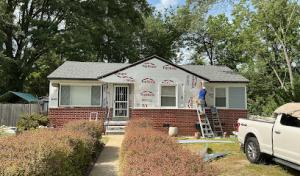
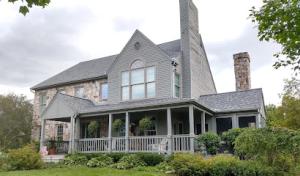
When a full roof replacement is on the docket, the permit trail starts with the Palmyra Borough Building Code Official. The process is designed to protect homes during wet winters, spring rains, and humid summers, but it can stretch a project timeline if the steps aren't accounted for in advance. A permit is usually required before any work begins, and skipping this step can trigger bond claims, fines, or delays that ripple through weather-sensitive scheduling. Treat the permit as a critical part of the project plan, not an afterthought.
In Palmyra, the borough review usually happens before ground is broken, but processing times can vary with the season and staff workload. Because the review period isn't guaranteed to be instantaneous, you should build in a buffer for approval in your construction calendar. Missing this window often pushes the start date, which, in turn, can collide with forecasted storms or unexpected moisture. Prepare the application with complete details-materials, roof pitch, drainage plans, and any structural add-ons-so the borough can move efficiently. If components require adjustments, respond quickly to avoid compounding delays.
The building department coordinates inspections in Palmyra, with an on-site inspection during the job and a final inspection after completion. The on-site check is your opportunity to confirm that flashing, ventilation, and decking appear correct under real conditions, not just on paper. If concerns arise during the live inspection, the contractor and the homeowner should be prepared to address them promptly to avoid rework that could extend exposure to moisture and poor curing conditions.
Because weather in this region is a constant variable, align inspections with a realistic weather window. The on-site inspection should occur while the roof is actively open or being worked on, but the final inspection should not be delayed simply to chase an ideal sunny day. If rain is forecast, coordinate the crew, delivery of materials, and any temporary protective measures so that moisture intrusion remains limited throughout the process. Remember that even a well-timed project can suffer setbacks if borough processing lags aren't anticipated. Communicate openly with the contractor about anticipated inspection dates and any required corrections so that the project can progress with as little downtime as possible.
In this market, insurers expect clear documentation of damage before approving major payouts. Gather dated photos that show the full extent of the roof, attic, and exterior transitions, with close-ups of shingles, flashing, and any signs of water intrusion. A defined scope of work, listing each affected area and recommended repair or replacement tasks, helps the claim move forward. Keep a simple, dated log of any storm events, rainfall amounts if available, and resulting changes to the roof's condition. This approach matters in Palmyra where moisture and year-round humidity can blur the line between wear and storm damage.
Hail and wind are the most relevant claim types for homes in this area. Hail damage may affect shingle surface granules and granule loss, while wind can lift edges or expose underlayment. Even if damage seems localized, insurers often scrutinize the broader roof profile and attic humidity indicators. Document not only the exterior damage but any interior signs such as ceiling stains or warped decking, especially after heavy spring rains. A professional assessment that differentiates aging wear from storm-driven damage helps avoid dispute during the payout review.
Older roofs face closer insurer scrutiny, so prior condition matters. Provide history of regular maintenance, previous repairs, and any prior storm-related changes. Photographs from different seasons help establish baseline condition. If a claim involves partial replacement, be prepared to explain how the chosen repair or replacement aligns with the existing roof system, particularly on mixed-material homes where asphalt dominates but metal, tile, or cedar accents exist nearby. Early, thorough documentation can support a smoother, more predictable review.
Start with a quick, objective assessment after a storm, noting any new discrepancies or leaks. Contact the insurer with your documented photos and a written scope of work from a trusted contractor or adjuster. If a third-party inspection is requested, provide the same documentation to avoid duplication and ensure consistency. Maintain copies of all correspondence, inspection reports, and receipts. After approval, coordinate dates for repair or replacement, ensuring the scope aligns with the insurer's findings and the actual roof condition observed during work.
Connect with contractors who help homeowners navigate the claims process from damage assessment to final approval.
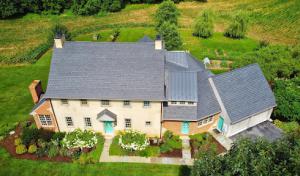
In Palmyra, autumn leaf drop makes gutter and valley drainage a recurring roof concern because debris can hold water against shingles during seasonal transitions. Each fall, inspect gutters for clogs and ensure downspouts discharge away from foundations. During wet springs, verify that valley intersections stay clear and that flashing at transitions remains unburdened by debris. Remove leaves promptly and keep a light sweep through the system after heavy storms to prevent standing water.
The local contractor signal mix includes meaningful skylight and chimney-related work, suggesting leak-prone roof penetrations are a real service category here. Treat these areas as high-risk during annual checks. Inspect skylight seals and flashing from the outside and interior around the frame for any micro-cracks or softened putty. Around chimneys, look for mortar cracks, loose coping stones, and rusted or displaced flashing. If you notice any moisture streaks along interior ceilings near these penetrations, arrange a prompt professional diagnostic before interior damage grows.
Spring thaw and heavy rains in Palmyra increase the chance that small flashing defects around skylights, chimneys, and wall intersections show up as interior leaks. Inspect wall intersections where the roof meets siding for any gaps or deteriorating caulk. Pay attention to lace-like efflorescence or damp spots on ceilings just below these areas after rainstorms. Address seemingly minor flashing issues promptly to avoid bigger, colder-season problems.
Develop a seasonal ritual: pre-winter gutter and flashing check, mid-winter moisture watch, and post-winter clean-up to reset drip points. Keep a simple notebook of problem spots and track corrective actions. In Palmyra, timely attention to these penetrations often spares larger roof and interior water damage during the region's wet winters and humid summers.
Find contractors experienced in skylight installation, flashing, and leak repairs to bring natural light into your home.
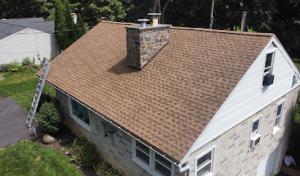
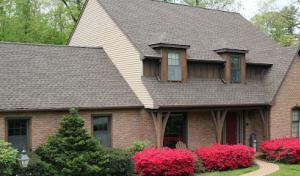
Although Palmyra is primarily a residential re-roofing market, the contractor base shows active flat-roof and roof-coating specialties, indicating a meaningful subset of low-slope homes, additions, porches, and small commercial buildings. The year-round precipitation makes drainage and ponding control especially important on low-slope sections compared with the borough's more common pitched roofs. In this local climate, understanding how moisture moves across a surface is the first step toward choosing a practical, durable path forward for any low-slope area.
On low-slope roof areas, coating and restoration options are often a prudent first step to extend life without a full re-covering. Start with a careful water-intrusion assessment: track where dampness or staining appears after wet months, and identify flashing seams, penetrations, and transitions to steeper sections. If surface blisters, widespread membrane degradation, or persistent ponding persist after targeted repairs, restoration options become more compelling. In Palmyra's mix of older homes and newer additions, you may find a combination where coatings handle minor leaks and still-operable roofs keep wetter seasons from accelerating aging on critical zones.
Low-slope surfaces demand meticulous prep: remove loose granules, clean organic deposits, and dry any damp spots before applying coatings or sealants. Choose products designed for horizontal, ponding-prone areas with compatible primers and reinforcing fabrics when joints or laps exist. Since moisture management is central here, ensure that any coating system includes a seamless edge detailing and a durable topcoat that resists UV exposure and temperature swings. For older or custom homes near the Hershey-Lebanon corridor, compatibility with existing materials-whether EPDM, TPO, asphalt-modified membranes, or metal transitions-reduces the risk of delamination and future call-backs.
With year-round precipitation, schedule seasonal inspections focusing on low-slope sections after heavy rains and during spring thaws. Look for micro-cracks, uplift at flashings, or new ponding patterns that worsen over time. Establish a simple maintenance routine: clean drainage paths, re-seal vulnerable seams, and address debris build-up before it becomes a burden on the system. When a restoration approach is chosen, plan for re-coating intervals based on the roof's exposure, traffic, and performance history to keep you ahead of premature aging.
Find specialists in TPO, EPDM, and built-up flat roofing systems for residential and commercial properties.
How Palmyra homeowners are hiring in a market where affordability, quick response, and cleanup are selling points rather than luxury specialization. The contractor mix leans toward re-roofing and residential work, so expect bids from crews focused on replacement efficiency rather than custom new-build roofing. Long-established, family-owned firms have a visible presence, which matters in a borough where callbacks and closeout can affect the overall experience.
Palmyra experiences moisture, with winters and spring rains that press aging roofs into faster degradation. When comparing bids, look for crews that emphasize moisture management, proper underlayment, attic ventilation, and gutters coordination. Ask for a clear plan on decking assessment, patching, and roof-to-wall detailing, since tight-knit neighborhoods favor durable workmanship over flashy installations. This is common in humid summers.
Begin with two to three local firms known for residential replacement work. Check references from nearby homes with similar roof types, including asphalt, metal, or clay tile on older houses near the Hershey-Lebanon corridor. Request a concise timeline, a cleanup protocol, and a staged work plan that minimizes exposure to weather during wet months. Confirm why chosen fasteners, underlayment, and flashing details fit the Palmyra climate.
A long-standing, family-owned firm can ease the process because they typically know local crews, ordering patterns, and common site logistics. In a borough that values dependable callbacks and smooth final inspections, prioritize contractors who articulate a clear closeout sequence and a point person for post-install questions. If a crew offers extended warranties, verify what is covered for moisture-related aging and seasonal transitions.
For many homes in Palmyra, older structures mix asphalt, metal, or clay tile on the same block. When selecting a contractor, ask how they handle transitions between roof faces, color-matched sealants, and flashing that stands up to humidity and freeze-thaw cycles. Prioritize crews that offer proactive maintenance follow-ups after the first heavy spring rain, including gutter checks and shingle lift inspections, so the roof stays sound through humid summers.