
Last updated: Apr 19, 2026
In this area, hail and wind insurance claims are common enough that how you document damage and the line-item detail of a roofing estimate can decide whether a replacement is approved. The insurer wants to see a clear chain from damaged shingles to the replacement plan, with specific notes on affected roof planes, gutters, vents, and flashings. If your roofer provides a vague report, or if the estimate lumps everything into a single line, you risk delays or denial. Gather before-and-after photos, notes on granule loss, dented shingles, lifted tabs, and any interior signs like staining or cupping from leaks. A detailed, itemized scope of work paired with photographs gives the adjuster a straightforward path to approve a full roof replacement when warranted.
Central Pennsylvania's freeze-thaw cycling can turn small shingle cracks or lifted tabs into active leaks after winter, making late-winter and early-spring inspections especially important. In the attic, look for new condensation, dark staining along rafter bays, or compressed insulation that wasn't washed away by prior storms. On the roof, pay attention to hairline cracks around vents and chimneys, misaligned or loose shingles, and any granule buildup in gutters that signals accelerated wear. After a harsh winter, what seems minor now can turn into a warranty-triggering failure after the next thaw, so prioritize a professional inspection before the full melt cycle begins.
Spring storm season in this part of Lancaster County often tests recently installed roofs with heavy rain and wind before the first full summer heat cycle. A roof may look solid but still be weakened by unseen strata damage, compromised underlayment, or wind-driven uplift on edges and hips. If you've recently replaced, you'll want a post-storm check within a week of a major event, especially after hail or high-wind days. Early detection of moisture intrusion or compromised flashing saves both interior damage and the hassle of insurance disputes later on.
Start with a concrete inspection plan: map roof sections with visible signs of wear, verify attic ventialtion is balanced, and confirm that any exterior patches align with the original roof line. When storm damage is suspected, contact a local contractor who understands Ephrata's common shingle patterns and the specific wind and hail behavior here. Request a detailed, line-item estimate that breaks out shingle replacement, underlayment, flashing, vent work, and attic sealing. If aging components like ridge venting or pipe flashings are implicated, insist on replacements rather than temporary fixes. Keep a log of storm dates, snowfall thickness, and temperature swings, because insurers weigh recent weather and documented conditions heavily when approving a replacement. In the weeks following a major thaw, schedule a quick recheck after rainfall to catch leaks that only appear with a warm, windy day. This proactive stance helps prevent small issues from becoming costly, long-term damage.
Find local contractors experienced in assessing and restoring roofs after hail, wind, and severe weather events.
Mullens Construction
(717) 875-3511 www.mullensconstruction.com
3609 Rothsville Rd, Ephrata, Pennsylvania
4.9 from 85 reviews
Benji's Roofing
(717) 341-4049 www.benjisqualityroofing.com
84 Michael Ct, Ephrata, Pennsylvania
4.9 from 84 reviews
Zimmerman Exteriors
(717) 844-5411 www.zimmermanexteriors.com
501 Alexander Dr Suite 200, Ephrata, Pennsylvania
4.6 from 21 reviews
Mullens Construction
(717) 875-3511 www.mullensconstruction.com
3609 Rothsville Rd, Ephrata, Pennsylvania
4.9 from 85 reviews
We all know the roof of our home is important but it’s also easy to forget just how important it is until something goes wrong. There are many factors that might cause you to need a new roof. Some of these things are age, fire, wind, storms, hail damage, and more. If you have experienced any of these with your home, trust the experts at Mullens Construction to get the job done right. Since 1982, we have serviced Roseville Road, and the surrounding areas. We are licensed and insured and offer discounts for seniors and military members.
Benji's Roofing
(717) 341-4049 www.benjisqualityroofing.com
84 Michael Ct, Ephrata, Pennsylvania
4.9 from 84 reviews
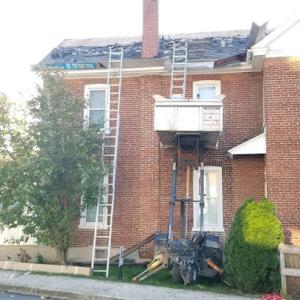
Benji's Roofing is a family owned roofing company and contractor serving Ephrata PA and all of Lancaster County. Benjis Roofing will also serve in surrounding counties and states as well. Benji's Roofing will replace your existing roof with either architectural shingles or corrugated metal panels. There are two particular brands of architectural shingles used by Benji's Roofing which are GAF and IKO Cambridge. However Benji's Roofing may use TAMKO and other brands of architectural shingles as well. Benji's Roofing installs skylights, installs aluminum counter flashing and step flashing. Typically Benji's Roofing installs counter flashing along walls and around chimneys. Benji's Roofing also installs EPDM rubber on flat roofs.
Zimmerman Exteriors
(717) 844-5411 www.zimmermanexteriors.com
501 Alexander Dr Suite 200, Ephrata, Pennsylvania
4.6 from 21 reviews
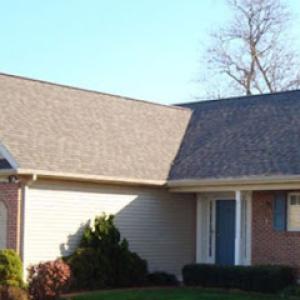
Zimmerman Exteriors is a trusted roofing and siding company serving Lancaster County and Eastern PA. We have over a decade of experience working on homes of all shapes and sizes, so we are sure that our contractors can complete your project on time and budget. If you are looking to upgrade the outside of your home, call Zimmerman Exteriors today for a free quote on our roofing or siding services!
Richard L Sensenig
(717) 733-0364 www.rsensenig.com
183 S Market St, Ephrata, Pennsylvania
4.5 from 18 reviews
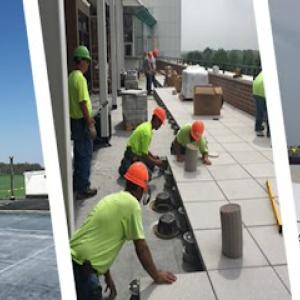
Richard L Sensenig has been serving the commercial, industrial, municipal and educational communities in and around central Pennsylvania with quality roofing and metal fabrication for the past 60 years. The original commitment of offering quality products and superior workmanship at a fair price still is in place today. The proof is that more than just a few customers have been with the Sensenig Company for over 25 years. When you are looking for a reputable and proven company to consider for roof management, service or replacement, please keep Richard L. Sensenig Company in mind. I would be delighted to have a conversation with you or your responsible party, about any of our services.
GSM Roofing
(800) 532-7663 www.gsmroofing.com
345 Reading Rd, Ephrata, Pennsylvania
4.4 from 19 reviews
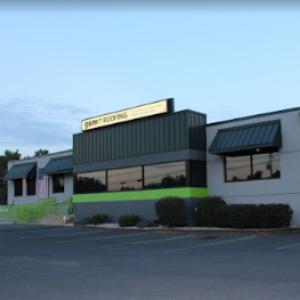
GSM Roofing is a private, family-owned, professional roofing service company, specializing in the installation and maintenance of commercial and specialty roofing. Founded in 1946, we operate in the South Central & South Eastern PA, MD, DE and NJ region with a full scope of services that includes roof service & maintenance, re-roofing, new construction roofing, historic restoration and custom metal fabrication. GSM also offers roof safety solutions and other building envelope products. Commercial and Specialty Roofing Contractor and Service Provider located in Ephrata, Pa and serving all of PA, MD, DE, and NJ.
Strothers & Sons Roofing Company
50 S Maple St, Ephrata, Pennsylvania
4.3 from 7 reviews
Strothers Roofing started in business in 1986 in Ephrata, PA. In the years that have followed, we opened a second office in Lancaster, PA. We can not only handle traditional roofing, but we are experts in flat roofs and rubber roofing.
Topflight Roofing
Serving
5.0 from 27 reviews
TopFlight Roofing is Lancaster, PA's premier roofing contractor, specializing in both commercial and residential roofing solutions. With an unwavering commitment to quality, precision, and reliability, we deliver top-tier roof replacements, installations, repairs, and maintenance services. Our experienced and certified roofing experts handle projects of all sizes, from large-scale commercial flat roofs to residential shingle installations, ensuring each job is completed to the highest industry standards. Locally owned and operated, we pride ourselves on exceptional customer service, integrity, and professionalism. At TopFlight Roofing, we elevate roofing standards—protecting your property with unmatched craftsmanship and peace of...
Meadow Springs Commercial Roofing
(610) 806-0712 www.meadowspringsroofing.com
Serving
5.0 from 17 reviews
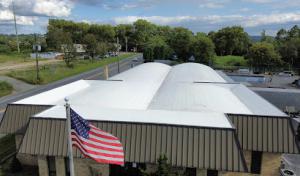
Meadow Springs Commercial Roofing is a commercial roofing contractor serving businesses with reliable roof solutions built for performance and longevity. We handle flat roof installation, roof replacement, leak detection, emergency roof repair, maintenance programs, and coatings for offices, warehouses, retail centers, and industrial buildings. Our team works with TPO, EPDM, metal roofing, and built-up roof systems, focusing on clear communication, fast turnaround, and minimal disruption to your operations. If you need dependable commercial roofing service from a crew that shows up and gets it done right, contact Meadow Springs Commercial Roofing today to request a quote or schedule service.
Shed Roof Repair
(717) 821-7392 www.shedroofrepairs.com
Serving
5.0 from 16 reviews
At Shed Roof Repair we specialize in replacing your shed roof and improving the value of your shed.
Lititz Roofing
(717) 723-7580 www.lititzmetalroofing.com
Serving
5.0 from 22 reviews
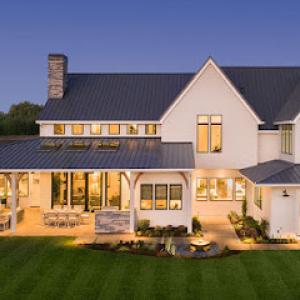
The roofers at Lititz Home Improvement are experts in metal and asphalt shingle roofing. When it comes to roof installations and repairs, our Amish roofing company can take care of everything from start to finish — from the initial inspection to the final cleanup. We are proud to offer top-rated brands for all our roofing services like GAF, so you can trust that your new roof will be built to last. No project is too big or too small for our team to handle. If you need a new roof for your home, contact our metal roofing contractors today for a free quote!
MKS Construction
(717) 324-4497 mksconstructionllc.com
Serving
5.0 from 34 reviews
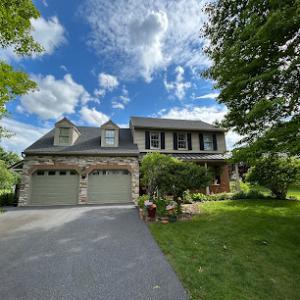
Looking for a reliable roofer in Stevens, PA, or nearby? We’re an Ephrata-based roofing and home improvement contractor serving Berks County, northern Lancaster suburbs, and southern Lebanon County. Our services include roof repair & replacement, home remodeling, additions, vinyl siding, and new construction. Call 717-324-4497 or visit our website for a free quote.
Scenic View Roofing
(717) 875-4192 www.scenicviewroofing.com
Serving
5.0 from 142 reviews
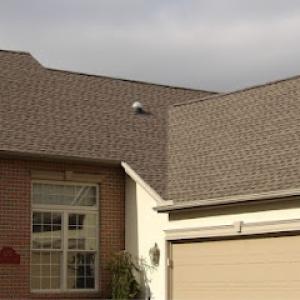
Nobody likes a leaky roof or old siding. Here at Scenic View Roofing, we lay these problems to rest! We offer several different services, such as roofing and gutter installation, among others. Our installations and repairs are both thorough and timely, meaning you get top-notch quality in a short amount of time! Ready to get started? Check out our site today!
Asphalt shingles remain the dominant practical choice for most homes in Ephrata. In this climate, their affordability and straightforward installation help many homeowners respond to storm damage and aging roofs without delaying replacements. The winter cycle of freeze-thaw on granules can speed up wear on older shingles, so if that granule loss is noticeable after a tough winter, it's a strong signal that a full reroof may be wiser than patching repeatedly. When you're assessing an aging roof, pay attention to the edge-grain seal and the presence of granule loss in gutters and downspouts, since those indicators point to reduced UV protection and faster aging. If you choose asphalt, look for options with thicker nailing surfaces and better granule adhesion to withstand Lancaster County winters. Proper attic ventilation and drainage are key to maximizing the life of an asphalt installation in this area, and a roof that drains poorly can accelerate wear even on new shingles.
Metal has strong local relevance for families dealing with regular precipitation and seasonal temperature swings. Snow shedding is a real benefit in the hilly, mid-Atlantic winters, and metal's resistance to hail and wind can translate to fewer immediate repairs after storms. The material's durability helps with the long-term performance you want when winters are harsh and temperature swings are common. For homes with heavier roof structures or limited attic clearance, metal can be a good fit, but it's essential to ensure the framing and deck are prepared for the added weight and the potential for louder indoor spaces during rain or hailstorms. A metal roof also tends to handle moisture fluctuations well, but galvanic compatibility and proper underlayment matter just as much as the panels themselves. Checking for concealed fasteners and ensuring a quality seal around walls and skylights will pay off over time.
Tile, wood shake, and synthetic options exist in the market here, yet their suitability hinges on whether the home's framing and roof design can manage added weight, ventilation needs, or moisture sensitivity in this climate. Clay and concrete tiles bring excellent longevity and wind resistance, but their substantial weight requires a sturdy structural support and often a reinforced roof deck. If a home's attic ventilation is marginal, tile and shake may trap moisture, leading to deck rot or warping over years. Wood shakes offer a classic look but can be vulnerable to moisture and hail impact unless properly treated and maintained; this means more frequent inspections after severe weather. Synthetic shingles mimic the appearance of tile or shake while offering lighter weight and sometimes better hail resistance, but still require appropriate underlayment and venting to perform well in freeze-thaw cycles. In any of these options, a careful evaluation of roof pitch, framing, and attic conditions is essential before committing.
In this climate, the best choice balances local weather demands with the home's structural realities. Consider how well the attic is vented, how drainage is managed on the roof plane, and how the roof will respond to repeated freeze-thaw cycles. For aging roofs exposed to harsh winters, a material with solid granule retention or strong weather resistance can extend intervals between replacements, while preserving interior comfort through better drainage and fewer leaks. For many homes, asphalt remains a sensible baseline, with metal offering a durable alternative when snow shedding and wind resilience are priorities. Tile, wood shake, and synthetics should be evaluated only after confirming the home's framing, ventilation, and moisture handling align with those systems. In Ephrata, making the right material choice means aligning the roof's design and the home's structure with the region's signature winter conditions.
Explore specialists in steel, aluminum, and standing seam metal roofs built to last 50 years or more.
Benji's Roofing
(717) 341-4049 www.benjisqualityroofing.com
84 Michael Ct, Ephrata, Pennsylvania
4.9 from 84 reviews
Meadow Springs Commercial Roofing
(610) 806-0712 www.meadowspringsroofing.com
Serving
5.0 from 17 reviews
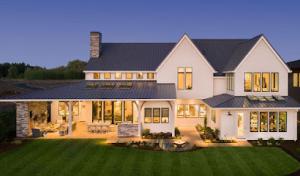
In the Ephrata area, you'll see a spread that mirrors Lancaster County's mix of homes and roofs. Typical costs run about 350-650 USD per square for asphalt shingles, 700-1200 for metal, 1200-2800 for clay tile, 900-2000 for concrete tile, 600-1000 for wood shingles or shakes, and 500-900 for synthetic or composite shingles. Those ranges reflect both the material price and local labor dynamics that drivers of cost will notice when you're comparing bids. For most homes, asphalt remains the baseline, with higher upfront material costs for tile or metal offset by longer life in some cases, depending on your attic ventilation and drainage setup.
Costs in this area can rise when reroofing uncovers drainage corrections or attic venting changes, because those items can trigger more review and inspection attention in local permitting. If your roof replacement reveals undersized or poorly pitched gutters, altered downspouts, or venting that isn't up to current practice, a contractor may need to adjust the plan. Expect modest increases in labor time and material scope if additional metal flashing, nip joints, or soffit-to-ridge venting work is needed. A careful pre-inspection with a trusted roofer helps you anticipate these changes before lifting the old roof.
After regional hail or wind events, demand spikes across Lancaster County can tighten scheduling and labor availability, which can affect both price and replacement timing in Ephrata. If you experience a storm, be prepared for shorter windows to lock in a date and to shop for materials that are in stock. Some crews prioritize damage-driven projects, which can push normal reroofs later in the season. When reviewing bids, ask each contractor to lay out a clear timeline, including any anticipated weather holds, to avoid surprises.
Start with a careful assessment of your roof's condition and a few bid comparisons from reputable local crews who understand the borough-township quirks, like drainage runs and attic venting layouts that influence inspection focus. Use the material-price ranges as a baseline, then factor in potential drainage or venting updates as a separate line item. If you're repairing storm-related damage, document hail or wind impact with photos and notes to help the adjuster and the contractor align expectations on scope and timing. In Ephrata, a well-documented plan that anticipates drainage, ventilation, and possible permitting refinements tends to keep both costs and schedule on a practical, predictable track.
Get a clear picture of your project costs upfront - no commitment required.
Zimmerman Exteriors
(717) 844-5411 www.zimmermanexteriors.com
501 Alexander Dr Suite 200, Ephrata, Pennsylvania
4.6 from 21 reviews
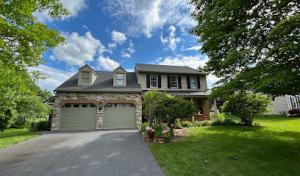
In this area, a full roof replacement typically requires a permit filed with the local building department. The practical path most homeowners see is that the contractor handles the permit application on your behalf, using their familiarity with the local workflow to keep things moving smoothly. The process centers on confirming drainage plans, attic ventilation strategy, and overall weatherproofing approach, rather than treating reroofing as a purely cosmetic update. Because drainage and venting details are scrutinized here, expect that the permit review will align with the project's technical specifics rather than a simple replacement schedule.
Processing commonly takes about 1-2 weeks in this area, which is fairly typical for borough-township landscapes that prioritize thorough review. However, approvals can take longer when the project includes drainage changes or attic venting work. If your plan calls for rearranging roof drainage paths, introducing new vents, or adjusting soffits and ridge outlets, prepare for a longer review window. These elements matter here because they influence both performance during freeze-thaw cycles and compliance with local drainage ordinances. Planning ahead with the contractor helps ensure the permit comes back aligned with the anticipated start date, reducing downtime between tear-off and installation.
Inspections are generally required during and after installation to verify weatherproofing and drainage compliance. In practice, this means you'll see at least one inspection during the roof installation to confirm underlayment, flashing, and venting are correctly installed before shingles go on. A final inspection confirms that the new roof drains properly and that attic venting maintains air flow without creating condensation risks. This is not treated as a no-review cosmetic job; the inspectors focus on performance and long-term durability against the area's freeze-thaw conditions, wind, and hail. Expect the inspector to check attic access, vent placement, and any drainage alterations in detail, so having the installation plan on hand with clearly labeled vent and gutter changes helps avoid back-and-forth.
Coordinate closely with the contractor to align permit submission with planned drainage and ventilation changes. Ask for a copy of the drainage and venting schematics to review before permitting, and keep a small, organized folder of stamped plans and inspector notes. If possible, schedule pre-installation inspections or optional pre-approval walkthroughs with the local building department to anticipate any adjustments the inspectors may request. Being proactive about these elements helps reduce delays and smooths the path from permit issuance to a weatherproof, properly vented roof that will stand up to Lancaster County winters.
Ephrata homeowners are in a Pennsylvania insurance environment where roof claims are broadly insurable, but deductible structures and underwriting rules can vary significantly by carrier and policy year. That variability means your experience can shift year to year, even if the storm pattern in your neighborhood looks similar to the past. The most important outcome is clarity: know your deductible structure, what your policy covers for hail and wind, and how depreciation or replacements may factor into the claim. If a carrier questions an aged roof, you may face careful scrutiny to determine whether repair or replacement best preserves long-term performance.
Because hail and wind claims are common in this region, adjusters typically expect date-stamped photos, elevation-by-elevation damage documentation, and a detailed contractor estimate. When you prepare, start with a clear record of damage across all elevations of your roof and any related interior signs of leaks. Photos should show the impact on shingles, flashing, vents, and gutters, with timestamps that verify when the damage was observed. A professional estimate that breaks down repair versus replacement costs, and notes about material compatibility, helps the adjuster compare your needs against the coverage quickly and fairly. In this environment, missing documentation or vague descriptions can slow or weaken a claim.
In Ephrata, the practical decision is often whether to repair isolated storm damage or pursue full replacement when freeze-thaw wear and prior aging make matching and long-term performance harder. If the roof has staggered wear, older shingles, or inconsistent granule loss, matching new material to the existing roof can be a real challenge-affecting aesthetics and future performance. Consider the likelihood of continued weather exposure, the roof's remaining life, and how a replacement would integrate with attic venting and drainage. A full replacement, while more involved, may yield better efficiency, uniform appearance, and fewer chase-for-leaks in the near term.
Connect with contractors who help homeowners navigate the claims process from damage assessment to final approval.
Zimmerman Exteriors
(717) 844-5411 www.zimmermanexteriors.com
501 Alexander Dr Suite 200, Ephrata, Pennsylvania
4.6 from 21 reviews
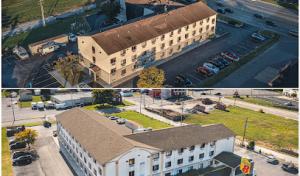
In this climate, ice dam formation is a real concern where attic heat loss and uneven roof temperatures meet snow and refreezing at the eaves. The typical symptom is a melt-and-freeze cycle along the gutter line, which can back up under shingles and into the attic or walls. A straightforward check is to look for warm spots on the attic ceiling on cold mornings, which often point to heat escaping through the roof. Targeted improvements-tightening attic hatches, sealing penetrations, and adding insulation-can reduce the heat that drives those dam-forming cycles. When you notice icicles and damp patches near the ledger or soffit, treat those areas as signals to investigate insulation gaps and vent performance before the next thaw.
Reroofing with attic venting corrections can slow or redirect the approval process in the permit review cycle here, because ventilation and roof performance are tightly linked in this market. Before lifting shingles, map the existing vent network: soffit vents, ridge vents, and any gable or powered exhausts. Plan for continuity-missing a ridge vent section or blocking a soffit inlet during work can recreate the same problem after the job. If the roof deck is accessible, ensure a continuous vent path from soffits to the ridge, with soffit baffles in place to keep insulation from blocking airflow. Consider upgrading venting to a balanced system if the attic has limited natural flow, especially in rooms above garages or additions where heat paths are unusual. This proactive alignment can shorten follow-up work and prevent revisit delays.
Autumn leaf buildup in this region can interfere with drainage and reduce attic airflow performance if ridge, soffit, or roof-adjacent drainage paths are neglected before winter. Clean gutters and downspouts, and remove leaves around the soffit vents to maintain intake airflow. Check that roof edges and the crown gutter remain clear so meltwater can reach drainage paths freely. If leaves accumulate at the ridge line or around any ventilation outlets, clear them before the first heavy snowfall so the roof can vent properly during the cold season. Regular late-fall checks help keep attic air moving and reduce the risk of ice dam development after the first hard freeze.
Skylight penetrations are a meaningful specialty in the local market, and you will notice that leak tracing around roof penetrations is a recurring homeowner concern. In older homes with varied roof ages, the transition from shingles to flashing around skylights often wears unevenly. When a reroof is considered, the way the skylight flashing integrates with the surrounding deck and valley lines can make the difference between a quiet spring and a damp basement. Expect attention to sealant longevity, proper shingle overlap, and consistent drip edges where the skylight meets the roof plane. If your skylight sits near a valley or a heavy snow catch, that area deserves extra scrutiny before any decision to reroof is final.
Chimney-related roofing work appears frequently among local contractors, which fits the older housing stock patterns common across established Lancaster County communities. The chimney flashing often governs whether the roof will stay watertight through spring rain and winter freeze-thaw cycles. Look for a continuous counter-flashing, properly seated step flashing, and a solid kick-out at the brick edge. A common weak point is where old mortar shifts beneath metal flashing, creating micro-dams that push water under shingles. If the chimney is close to a valley or shoulder of the roof, the flashing needs careful detailing to avoid "sleeper" heat spots that accelerate wear.
In reroofing projects, flashing transitions around skylights and chimneys determine long-term watertight performance. Freeze-thaw cycles push water into small gaps, so even a minor misalignment can become a costly drip source after a few winters. Prioritize integrated flashing that extends beyond the immediate seam, with compatible materials that resist corrosion and bond well to both roof deck and brick or siding transitions. Regular inspection after heavy rain or heavy snow melt helps catch issues before they creep into attic insulation or ceiling textures.
Find contractors experienced in skylight installation, flashing, and leak repairs to bring natural light into your home.
Benji's Roofing
(717) 341-4049 www.benjisqualityroofing.com
84 Michael Ct, Ephrata, Pennsylvania
4.9 from 84 reviews
Flat and low-slope roofing exists, but it remains secondary in this market, where residential reroofing drives most activity. You'll see low-slope sections on porches, simple additions, and some mixed-use structures, but the bulk of reroofs are traditional steep-slope homes. That dynamic keeps local crews tuned to how a low-slope section interacts with overall roof geometry and the common Lancaster County freeze-thaw cycle. When a low-slope area stretches into a larger roof, that transition often becomes the deciding factor for whether a full tear-off or a restoration approach makes the most sense.
Where drainage matters, it's usually in those porch roofs or sunrooms that sit flush with finished living space. In Ephrata, regular precipitation across all seasons means standing water on even modestly pitched low-slope surfaces can lead to faster wear around penetrations, edge details, or flashing joints. Focus on a robust edge termination, clear scuppers or internal drains, and a simple, continuous slope that avoids low spots. If you notice ponding after a heavy rain or during snowmelt, that area deserves a closer look before any restoration plan is finalized, because drainage performance often governs the long-term performance of a low-slope assembly.
Roof coating has a meaningful role here, offering a real option for eligible low-slope systems seeking restoration without a full tear-off. Coatings can help seal minor leaks and extend life on certain plastic-fiber or asphaltic membranes, but they require careful surface prep and a weather window. A local contractor with experience in our climate can help evaluate whether a coating system is appropriate for the porch or addition roof, especially when the goal is to address limited damage while preserving the rest of the existing roof structure.
Find specialists in TPO, EPDM, and built-up flat roofing systems for residential and commercial properties.
Benji's Roofing
(717) 341-4049 www.benjisqualityroofing.com
84 Michael Ct, Ephrata, Pennsylvania
4.9 from 84 reviews
Strothers & Sons Roofing Company
50 S Maple St, Ephrata, Pennsylvania
4.3 from 7 reviews
In this market, homeowners value a contractor who can start quickly after a weather event, finish with solid cleanup, and minimize disruption to daily life. The strongest signals are reroofing experience, a prompt response, and a detailed cleanup plan that leaves no nails or debris behind. In practice, that means getting a clear timeline, daily progress updates, and a final walkthrough before and after work is complete.
Long-standing, locally known crews often show up with a consistent crew and a predictable process. You'll notice these teams around town, with recognizable trucks and repeat referrals from neighbors. Their advantage is reliability and a shared reputation built over years of work on familiar housing stock, from small bungalows to mid-century two-stories common around the borough and township edges. When you call, ask who will be on site each day and whether the same crew will handle all phases, from tear-off to final cleanup.
Warranty messaging matters, but it pays to separate two ideas: a contractor workmanship promise and any manufacturer-backed coverage tied to proper installation. You want a documented workmanship warranty that covers shingles, flashing, and ventilation integration, paired with clear terms for what the manufacturer will cover if related defects arise. Read the fine print and confirm who handles what in the event of hail-related damage or wind-driven failures. Ask for written confirmation of both promises and the installation standards they follow.
Ask for a sample of recent local references and specifics on how storms have influenced scheduling in your area. Confirm that cleanup includes disposal and site protection for landscaping and driveways. Finally, request a straightforward plan for handling any unexpected delays, weather holds, or material shortages so you know what to expect as reroofing progresses.
In this region, winter freeze-thaw cycles relentlessly work on shingles, flashing, and underlayment, while spring storms bring wind-driven hail and sudden downpours. The combination means roofs that look fine from the curb can hide micro-cracks, lifted shingles, or degraded venting that only shows up once the weather turns wet again. This guide orients homeowners to the way wind, temperature swings, and heavy precipitation interact with typical Ephrata roofs: aging asphalt and wood systems, low-slope sections, and tile or composite overlays common on older houses. Drying out after a storm and managing attic moisture become part of the seasonal routine, not a one-off concern.
Material choices should be guided by how well a roof handles rain, snow, and thermal cycling. In this area, durable underlayment and robust ventilation are essential for long-term performance. Asphalt remains a practical, DIY-friendly option, but when snow loads and freezing days linger, a proven underlayment and edge-to-edge coverage prevent water infiltration during rapid thaw periods. Metal roofs, while more resistant to wind uplift, demand precise installation and sound detailing to manage attic condensation. If clay or concrete tiles are considered, expect considerations for weight, structural reinforcement, and higher maintenance, since central Pennsylvania climates can test surface integrity with freeze-thaw cycles. Wood products bring warmth and character but demand careful venting and moisture protection to resist cracking in colder, wetter months. Synthetic or composite shingles offer a balance of durability and ease of install, particularly in areas with mixed weather patterns where long-term performance matters.
The local market emphasizes reroofing readiness-homeowners benefit from evaluating the roof as a system: deck condition, ventilation effectiveness, flashing integrity, and drainage paths. Attic venting and drainage details can influence reroof timelines, so plan for accurate inspection of soffits, ridge vents, and attic baffles before making a replacement decision. In central Pennsylvania, a well-vented attic reduces condensation risk and helps extend the life of any chosen roofing material. When a storm leaves visible damage or evidence of moisture intrusion, prompt assessment and a coordinated reroof plan that addresses both surface wear and underlying attic conditions is the most reliable path to lasting protection.