
Last updated: Apr 19, 2026
Collegeville's cold winters and repeated freeze-thaw swings make ice dams, lifted shingle edges, and flashing movement more important here than in milder Pennsylvania markets. The pattern of snow followed by daytime melt and nighttime refreeze pushes water up under shingles at eaves and around roof penetrations. That means the bottom edge of the roof bears the first brunt, and any gaps around vent stacks, chimneys, or skylights can become channels for water intrusion. In practice, that translates to paying close attention to attic warmth, eave insulation, and any signs of moisture intrusion along the eave line after a thaw cycle. If you see stained ceilings near exterior walls, or ice forming under decorative ledges, treat those areas as high-priority targets for inspection and repair.
Even if the exterior looks solid, poor airflow under the roof deck can dramatically worsen winter ice-dam formation and summer moisture buildup. Local homes often rely on long roof valleys and attic hatch access that can disrupt airflow if not properly sized. A practical approach is to verify that soffit vents are clear and that the attic has a balanced exhaust path through ridge or turbine vents, or an appropriately designed gable-end vent system. In Collegeville, a typical attic should feel cooler in winter and drier in summer compared to spaces with restricted airflow. If insulation is piled against the underside of the roof decking or if baffles are missing, warm air from living spaces may short-circuit the attic, accelerating ice dam formation. Plan regular checks for insulation gaps around penetrations, around attic hatches, and at the crossover between living space and attic.
When snow sits atop the roof and then melts during winter days, nighttime freezing can force water back toward the fascia and into the roof edge. This creates repeated freeze-thaw cycles that stress shingles at the eaves and expose flashing to movement from shifting ice and wind. A practical mitigation is to ensure the drip edge and underlayment extend properly past the fascia, with continuous, sealant-free joints that can accommodate slight movement. Check for loose or lifted shingles near the eaves after heavy thaw events, especially around roof penetrations like vent pipes and plumbing stacks. If you notice ice buildup on gutters or on the edge of the roof, address it promptly to prevent further edge damage and potential moisture intrusion.
Flashing around chimneys, vents, and stacks is a common failure point in freeze-thaw cycles. In Collegeville, movement from freeze-thaw can loosen flashing or allow water to seep behind it during rapid temperature swings. A practical step is to inspect flashing for gaps, corrosion, or uplift at joints, particularly where shingles meet the flashing base. Re-seal with a compatible roofing sealant or replace damaged flashing sections as needed. Ensure that any new penetrations or repairs maintain a continuous waterproof path from the roof surface into the attic or exterior drainage plane. Pay special attention to valleys and transition points where vent stacks meet the roof deck, as those are typical leak candidates after seasonal swings.
A proactive homeowner approach in this climate involves seasonal checks rather than waiting for visible leaks. In late fall, before the first heavy snow, inspect attic ventilation paths and insulation coverage. In mid-winter, if solar exposure on the roof is substantial, inspect for ice dams along eaves from ground level or via a safe ladder angle. In early spring, look for signs of moisture intrusion around penetrations and along the roof-to-wall interface after the winter thaw. Keeping a simple log of problem areas-edges, penetrations, and any lifted shingles-helps target future improvements. If shingles show consistent edge lifting or curling in exposed areas, plan a targeted repair or replacement, especially where flashing meets deck transitions.
When repairs are necessary, prioritize methods that restore a continuous drainage plane and restore attic ventilation. Small fixes to eave protection and targeted flashing replacement can prevent major water intrusions during repeat freeze-thaw cycles. For shingles, consider updates that reduce edge exposure to wind-driven moisture, and for attics, ensure insulation is evenly distributed with clear pathways for airflow. In neighborhoods with older roof lines and mixed materials, harmonizing new work with existing systems helps maintain long-term resilience against Collegeville's characteristic winter rhythm.
Spring storms in Montgomery County roll through with a sharp mix of hail, wind-driven rain, and sudden shingle blow-offs. Those conditions aren't tied to coastal hurricane patterns, but they hit Collegeville with the same urgency: a damaged roof can leak in minutes, and a stray nail or torn flashing can lead to attic and ceiling trouble fast. After a storm, your first move is safety-watch for downed branches or power lines around the house, and avoid walking on a wet or sagging roof. If you can access the attic without stepping on fragile areas, look forActive leaks, daylight through the decking, or standing water along the eaves. If you notice any of these signs, prepare to secure temporary protection and call for professional help without delay.
When hail and wind collateral damage hits, quick documentation matters. Collegeville homeowners commonly need clear photo evidence of shingle bruising, ridge damage, flashing displacement, and interior leaks to support an insurance review. Take well-lit photos from ground level and from the ladder line where safe. Include close-ups of bruised or missing shingles, bent or torn flashing, and any interior staining or wet insulation in the attic or along ceiling seams. Keep a simple timeline: the date of the storm, what areas showed new damage, and any recurring leaks that appear with rain. If access is possible, grab photos of the roof's edge line and any gutters or soffits that show impact or movement. This precise documentation helps the claim move through faster and reduces back-and-forth with adjusters who know Collegeville's spring-wind profile.
Post-storm demand spikes are common here, so rapid temporary protection matters. In practical terms, have a plan to cover exposed openings with a sturdy tarp or roofing-grade sheeting, particularly over skylights, vents, and softened ridge lines. Secure fasteners that won't blow loose in gusts, and ensure tarps extend beyond damaged areas to shed water away from the interior. If you're able, arrange temporary covers before a predicted wind gust or hail window arrives, because scheduling with storm-damage teams can compress quickly. A neighborly approach helps: share photos and a quick assessment with your roofer to prioritize urgent leaks and protect vulnerable rooms first.
Because Collegeville storms can cluster-hail today, wet debris tomorrow-having a rapid-response plan pays off. Identify a local roofing professional you trust who can mobilize quickly for temporary protection and on-site assessment. When a storm hits, you should have a clear path to access, safety checks, and a documented damage map ready for the insurer's review. The right team moves fast, minimizes interior damage, and gets you back to a weather-tight roof with the least disruption to your family.
Find local contractors experienced in assessing and restoring roofs after hail, wind, and severe weather events.
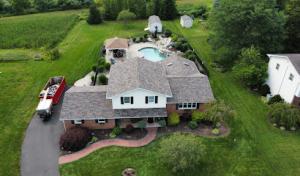
East Coast Roofing Systems
(267) 641-2123 eastcoastroofingsystems.com
373 E Main St Suite M104, Collegeville, Pennsylvania
5.0 from 288 reviews

Home Run Roofing
(484) 206-7599 homerunroofing.com
3818 Germantown Pike Suite A, Collegeville, Pennsylvania
5.0 from 64 reviews
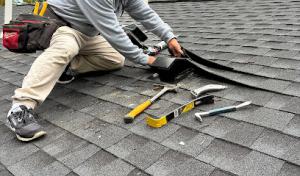
Honest Roofing
(484) 369-0040 callhonestroofing.com
314 W Main St #2, Collegeville, Pennsylvania
5.0 from 51 reviews
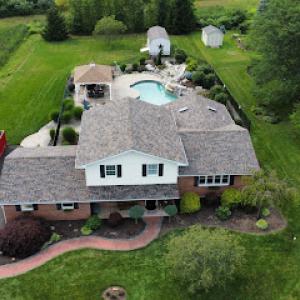
East Coast Roofing Systems
(267) 641-2123 eastcoastroofingsystems.com
373 E Main St Suite M104, Collegeville, Pennsylvania
5.0 from 288 reviews
East Coast Roofing Systems is a premier residential roof repair and replacement company serving Southeastern Pennsylvania. Since our inception, We have strived to give the homeowner a breath of fresh air in the construction space. Providing seamless communication, service and an overall experience that trumps all others. Roofing as an Industry has become antiquated due to lack of technology, customer service and quality. Our mission at East Coast Roofing Systems is to provide a modern approach, with the ultimate goal of providing an exceptional roof inspection, repair, or replacement experience unmatched by anyone. Contact your reliable Southeastern Pennsylvania roofing, siding, window, and gutter contractor for a free estimate!
Home Run Roofing
(484) 206-7599 homerunroofing.com
3818 Germantown Pike Suite A, Collegeville, Pennsylvania
5.0 from 64 reviews
At Home Run Roofing, we knock it out of the park with every project! Serving the greater Philadelphia area, we specialize in top-quality residential roofing solutions. Our services include roof repair, replacement, and new installations using only the highest-grade materials and state-of-the-art techniques. With a team of certified and experienced professionals, we ensure every job is completed on time, within budget, and to your utmost satisfaction. Whether you're dealing with storm damage, leaks, or simply need an upgrade, trust Home Run Roofing to deliver exceptional results that protect and enhance your property. Contact us today for a free estimate and experience the Home Run Roofing difference.
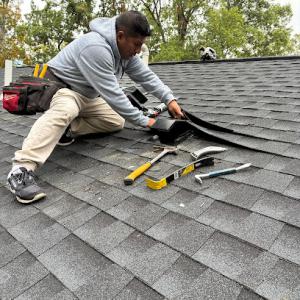
Honest Roofing
(484) 369-0040 callhonestroofing.com
314 W Main St #2, Collegeville, Pennsylvania
5.0 from 51 reviews
At Honest Roofing, we take pride in delivering top-quality roofing and siding services with integrity and expertise. Backed by 40 years of experience, our dedicated team protects your home with durable, high-performance solutions in Pennsylvania. With Honest Roofing, you get craftsmanship you can trust, transparent pricing, and a commitment to excellence.
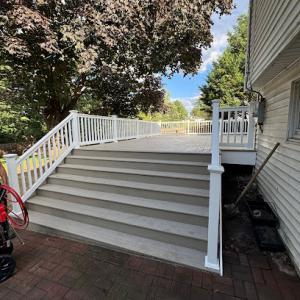
LaBrusciano Roofing & Exteriors
(610) 265-7663 labruscianoexteriorsllc.com
102 W 7th Ave Suite 1, Collegeville, Pennsylvania
4.9 from 75 reviews
LaBrusciano Roofing & Exteriors in Collegeville, PA provides expert roof replacements and exterior services for residential and commercial properties. Our skilled roofing contractors handle tear-offs, re-roofs, and new installations designed to protect against Southeastern Pennsylvania’s weather challenges, including heavy rain, snow, and seasonal storms that can lead to leaks and shingle damage. We also repair storm-damaged roofs and replace aging materials to restore safety and curb appeal. Known for reliable service and craftsmanship, we take pride in serving homeowners and businesses across Montgomery County. LaBrusciano Roofing & Exteriors is licensed, insured, and trusted in Collegeville as experienced roofers committed to quality.

Essential Exteriors
(610) 978-6114 www.essential-exteriors.com
3770 Ridge Pike, Collegeville, Pennsylvania
5.0 from 48 reviews
Essential Exteriors is a local home exterior specialist based in Eagleville, PA, serving Montgomery, Chester, Bucks, Delaware, and Philadelphia counties. We provide expert roofing, siding, gutters, windows, doors, deck/outdoor living solutions, as well as commercial roof coatings services. Our team is committed to quality craftsmanship, honest communication, and reliable service from consultation to completion. Whether you're repairing storm damage or planning an exterior upgrade, we offer tailored solutions and flexible financing to fit your needs. Call now to schedule your estimate!
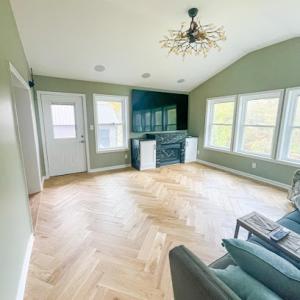
Carranza Roofing & Remodeling
(610) 270-0305 carranzacontracting.com
50 2nd Ave #4, Collegeville, Pennsylvania
4.7 from 128 reviews
Carranza Roofing & Remodeling serves Montgomery, Delaware, Bucks, and Chester County, PA. We provide residents with roofing, siding, windows, doors, kitchen remodeling, bathroom remodeling, additions, decks, patios and more. We have developed an outstanding reputation for unsurpassed reliability, qualified and prescreened employees. No other company comes close in terms of affordable quality with regard to Carranza Roofing & Remodeling’s residential and commercial services. Contact us for a free estimate today!
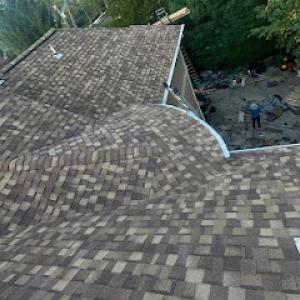
XL Home Improvements
(215) 513-7393 www.xlhomeimprovements.com
Collegeville, Pennsylvania
4.6 from 27 reviews
XL Home Improvements is a full service Residential and Commercial Roofing Company offering Roof Repairs and Replacements. We also offer Seamless Gutters, Skylights, Ventilation and much more. Contact us today!!
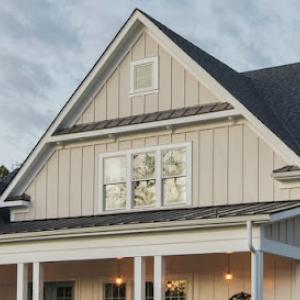
Legacy Exterior
(610) 818-8948 www.legacyexteriorinc.com
3974 Yerkes Rd, Collegeville, Pennsylvania
5.0 from 9 reviews
Welcome to !!LEGACY EXTERIOR!! INCwhere we bring reliable solutions to residential property improvement. As a trusted general contractor in Collegeville, we handle everything from siding and gutters to windows, stucco removal, and exterior upgrades. Our goal is to complete every project with clear timelines, honest pricing, and dependable results. We also operate as the best roofing contractor in Collegeville, offering roof replacement, repair, and inspections that meet both aesthetic and structural standards. Our team is trained to work safely, efficiently, and respectfully while on your property. We believe in straightforward service and quality results you can count on. Contact us today for a consultation!
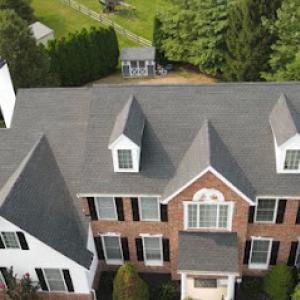
TEK Exteriors
(610) 209-4807 tekexteriors.com
Serving
5.0 from 43 reviews
TEK Exteriors specializes in all things exterior for your home. We offer services for both residential and commercial applications. Whether it's your roof, gutters, or siding, TEK Exteriors is well-equipped and ready for the job. We are family owned and operated, located in Eagleville, PA. Give us a call and find out why we're your #1 choice for anything exterior. Maintenance and financing also available.
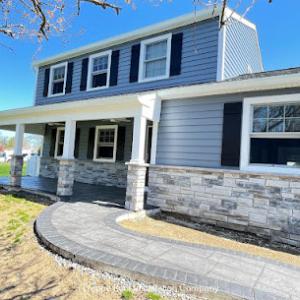
JMS Home Remodeling
(215) 776-5020 www.jmsremodel.com
Serving
5.0 from 105 reviews
JMS Home Remodeling is the go-to company for reliable roof remodeling services. Our company has been serving the Trappe area for decades and has handled many projects. It has made us well-versed in the intricacies of the trade and builds strong relationships with our clients. We start the project with a complimentary consultation and detailed evaluation of your roofing system to determine the best solution. We invest in the highest quality products for your roof’s optimal functionality and longevity. Besides, we obtain the necessary permits to comply with local and state requirements. Feel free to click on our website or contact us for a free estimate.
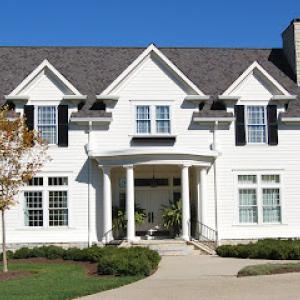
Major Construction Inc Roofing & Siding
(610) 831-1162 www.majorroofingandsiding.com
Serving
4.9 from 83 reviews
Major Construction is a trusted, family-owned business providing top-quality roofing, siding, windows, and decking solutions for residential and commercial properties across Montgomery, Chester, and surrounding counties since 1964. Whether you're located in Royersford, Norristown, Phoenixville, Gilbertsville, or beyond, we deliver long-lasting exterior home improvement services tailored to withstand the test of time. From homes to businesses, we ensure that your property is protected and enhanced with craftsmanship that stands the life of your building.
Supreme Roofing
(484) 522-4248 www.supremeroofingpa.com
Serving
5.0 from 88 reviews
Supreme Roofing is one of the best roofing companies in Pennsylvania providing roof inspection, roof repair, and roof replacement to Montgomery County, PA and beyond. We are the top contractors in PA committed to customer satisfaction.
Asphalt shingles dominate local replacements because they fit the area's common suburban detached homes and handle the price sensitivity seen in this market better than tile systems. They pair well with attic ventilation strategies that curb freeze-thaw damage, since a breathable roof deck helps move moisture out of the attic during warm, humid summers and cold snaps. For Collegeville homes, look for architectural or laminate shingles with a thicker nailing strip and a good warranty, then pair them with ridge vents or soffit-to-ridge ventilation to minimize ice dam risk. In this climate, proper underlayment and accurate drip edge installation matter as much as the shingle profile itself, because even a slightly slower melt rate along the eaves can create ice build-up over time.
Metal roofing is a secondary but active choice for homeowners seeking better snow shedding and longer-term resistance to repeated seasonal temperature swings. In this region, metal shines when the attic is well vented and the roof is designed to handle the thermal movement common to humid summers and freezing winters. Panels or standing-seam configurations with proper fasteners and a through-fastened overlap reduce the risk of leaks at seams and fastener heads as temperatures swing. If choosing metal, invest in a robust ice and water shield at eaves and valleys and ensure the roof deck is solid enough to support the weight in snow-heavy winters. A thoughtful snow-retention plan, such as compatible snow guards where visible, can prevent sudden sliding hazards on steeper slopes.
Clay tile, concrete tile, wood shakes, and synthetic products appear in the market but are more specialized choices that require attention to structural load, fastening, and moisture behavior in southeastern Pennsylvania weather. Clay and concrete tiles bring distinctive curb appeal and excellent longevity, but they demand a reinforced structure and careful fastening to resist freeze-thaw cycling without cracking. They also behave differently in moisture-rich summers, so proper underlayment and ventilation become even more critical to prevent moisture buildup in attic spaces. Wood shakes offer a natural look and decent insulation potential, yet they require meticulous maintenance against moisture penetration and pest exposure in our region's humidity profile. Synthetic shingles can mimic a broader range of aesthetics while delivering improved resistance to warping and color fading, but still rely on sound attic ventilation and a well-sealed installation. In all four categories, the same foundational practice applies: ensure the system is balanced with the attic ventilation strategy to manage moisture and prevent ice dams, especially along eaves where meltwater can refreeze during cold snaps.
In Collegeville, attic ventilation is not a luxury but a critical element of roof longevity. A well-ventilated attic helps equalize temperatures between seasons, reduces peak moisture in humid summers, and slows the formation of ice dams by keeping roofing components closer to their dew point. When evaluating roof types, consider how the chosen material will integrate with existing soffit intake, ridge vent placement, and any mechanical ventilation. A roof that breathes well will protect both the deck and the attic from the cycle of freeze-thaw damage that punctuates our winters, while ensuring that new roofing meets the demands of leaf-heavy falls and seasonal storms.
In Collegeville, many homes are transitioning from aging systems rather than building new ones, which pushes contractors toward full tear-offs more often than piecemeal fixes. That demand at the neighborhood scale means you'll typically see longer lead times and a tighter scheduling window during peak seasons. When a project drags into a storm period, crews can shift into emergency dry-in mode, which may trim the normal pace but raise the overall project cost due to short-notice labor and material coordination.
Asphalt shingles remain the most common option, but the choice matters. For a standard replacement on an older home with typical eaves and ventilation needs, material costs sit within the base ranges listed in local guides, yet the real total per-square cost climbs once the job includes full tear-offs, decking checks, and ice-dam mitigation. Metal roofing, concrete and clay tiles, or synthetic shingles each bring higher base numbers, and in an older Collegeville roof that requires careful ventilation and insulation corrections, you'll see that reflected in the final tally. Expect the entry costs to align with the local ranges you're quoted, but plan for adjustments tied to tear-off scope and retrofit work.
Freeze-thaw cycles and humid summers make attic ventilation a practical necessity. If ventilation upgrades are advised, they add to the project beyond material pricing, especially on homes with compact attic spaces or historically poor venting. Proper attic airflow reduces ice dams and prolongs roof life, but it can require additional soffit, ridge, or gable vent work, plus diagnostic trim on flashing and insulation. Cleanup after replacement-debris removal, tarp containment, and waste disposal-also factors into the final bill.
Plan for a staged budget that accounts for potential storm-season pressure on crews, which can raise hourly rates or shorten scheduling windows. Gather multiple bids that clearly itemize tear-off, decking checks, protective tarping, ventilation upgrades, ice-dam mitigation, and final cleanup. Keep in mind that the total project cost will exceed base material pricing when you include these ancillary but essential components.
Get a clear picture of your project costs upfront - no commitment required.
East Coast Roofing Systems
(267) 641-2123 eastcoastroofingsystems.com
373 E Main St Suite M104, Collegeville, Pennsylvania
5.0 from 288 reviews
Home Run Roofing
(484) 206-7599 homerunroofing.com
3818 Germantown Pike Suite A, Collegeville, Pennsylvania
5.0 from 64 reviews
Carranza Roofing & Remodeling
(610) 270-0305 carranzacontracting.com
50 2nd Ave #4, Collegeville, Pennsylvania
4.7 from 128 reviews
A full re-roof in Collegeville typically requires a permit filed through the local borough or township building department rather than being treated as informal maintenance. That permit path is not something to skip or window-dress, because the review flag shows up when the inspector arrives and finds mismatches between the plan and the actual installation. The planning hinges on the age and structure of the home, the chosen roofing material, and how the underlayment and flashing are conceived to work with the existing eaves and gutters. Before any project begins, call the building department to confirm the specific submittals needed, including roof plan, vent locations, and any snow or ice-detector design assumptions. The goal is to avoid a last-minute stop-work order that disrupts progress and exposes the attic and interior to weather.
Inspections are commonly scheduled during and after installation, with attention to underlayment, fastening patterns, and whether attic ventilation matches local expectations. In Collegeville there is little tolerance for gaps that could invite moisture intrusion or wind uplift; inspectors will verify that fasteners penetrate the roof deck at the correct cadence for the chosen material and that flashing around chimneys, skylights, and ridges is continuous and properly sealed. Attic access and scuttle clearances may also be reviewed to ensure safe, compliant venting paths. Do not treat the process as a formality-timely, thorough inspections reduce the risk of call-backs and rework.
A local quirk is that wind-related ventilation details and attic airflow may be specifically reviewed with the inspector, so ventilation upgrades often need to be discussed before work starts. Attention to attic soffit and ridge vents, baffles, and overall flow is critical in this climate, where freeze-thaw cycles and humidity can stress joints and insulation. If there is any doubt about whether the existing ventilation meets current expectations, raise it early and document recommended upgrades with the permit plan. Expect questions about how the attic space will breathe during hot summer days and icy winter conditions, and be prepared to adjust the design accordingly.
Coordinate timing with the building department to align permits, plans, and delivery of materials. Keep communication clear with your contractor about inspection windows and any pre-inspection checklists the inspector may require. By respecting the permit and inspection path, the project reduces the chance of delays tied to ventilation or underlayment questions that tackle the unique Collegeville climate.
In this area, Pennsylvania coverage remains broadly available, but the process in Collegeville hinges on thorough storm documentation after hail or wind losses. Insurers expect a clear trail of what happened and when, so gather what you can from the storm: dates, wind speeds if known, and the extent of visible damage. A claim that arrives with a precise, storm-specific narrative tends to move more smoothly through the adjuster's desk.
Insurers may request photos, adjuster reports, and evidence of proper materials and ventilation. In a municipality where ventilation is already a permit and inspection focus, you should be prepared to show that your attic system and roof assembly meet the local standards. Take attic temperature readings during hot days, capture air intake and exhaust paths, and document any existing venting upgrades. Having these details ready can speed the review and support a fair assessment of damage versus preexisting conditions.
A roof replacement can affect future insurability, so you will want to compare whether a repair, partial replacement, or full re-roof best supports claim handling and long-term health of the roof. Consider the age of the roof, the type of material, and how much moisture or ice-dam risk remains after a storm. The decision should balance immediate claim resolution with ongoing protection against freeze-thaw cycles and seasonal debris.
Begin with a professional assessment that notes ventilation integrity and any ice-dam risk indicators. Photograph both exterior and attic spaces, focusing on any compromised decking, flashing, or ventilation pathways. When you file, provide a concise storm report, the photos, and a clear map of affected areas to help the adjuster determine the most appropriate repair path.
Autumn leaf debris is a real local maintenance issue in mature neighborhoods, where clogged valleys and gutters can trap moisture and delay accurate roof inspection. In Collegeville, think of the first hard freeze as the signal that gathered leaves in valleys may have hidden ice pockets. Each fall, clear gutters and downspouts, and pay particular attention to valley intersections where debris tends to accumulate. After leaf fall, run a quick inspection from the ground to spot sagging gutters or shingle overhangs that hint at hidden moisture behind debris. Plan a hands-on check after a windy storm, because wind-driven leaves can mask developing issues.
Skylights are a meaningful specialty in this market, and leak diagnosis around skylight curbs and flashing becomes more important after freeze-thaw cycles and wind-driven rain. Start with the curb flashing: look for loose sealant, corroded metal, or gaps where the curb meets the roof. Have a helper gently lift a corner of the skylight while you inspect for daylight at the flashing edges from the attic side. In Collegeville's climate, freeze-thaw cycles can widen even small gaps, so resealing with a compatible sealant and ensuring a secure, continuous flashing strip is a practical preventative step. If the skylight is aged, consider upgrading to an impact-rated model with reinforced flashing to resist wind-driven rain.
Chimney flashing and masonry intersections are common weak points on older southeastern Pennsylvania homes, especially where debris and winter moisture collect together. Inspect the base of the chimney for cracked mortar, efflorescence, or efflorescent staining near the flashing. In the attic, look for staining or moisture around the chimney chase. Clean any built-up debris from around the flashing line and ensure counter-flashing remains embedded behind siding or brick ties. Addressing gaps promptly reduces the risk of ice dam-related water intrusion along these high-risk edges.
Find contractors experienced in skylight installation, flashing, and leak repairs to bring natural light into your home.
Honest Roofing
(484) 369-0040 callhonestroofing.com
314 W Main St #2, Collegeville, Pennsylvania
5.0 from 51 reviews
Carranza Roofing & Remodeling
(610) 270-0305 carranzacontracting.com
50 2nd Ave #4, Collegeville, Pennsylvania
4.7 from 128 reviews
In this market, you'll see steep-slope roofing dominate, but many homes have low-slope sections over additions, porches, garages, or rear transitions that behave differently from the main roof. In Collegeville, these areas are especially exposed to ponding during humid summers and to more pronounced wear after winter freeze-thaw cycles. Treat them as a separate roof system with its own inspection and repair plan.
Low-slope roofs collect water longer, so ponding is a common sign of aging there. Seams become weak points faster, especially where newer add-ons meet the original structure. Underlayment, if aging, can break down unevenly under heat and moisture, leading to small leaks that mimic larger problems on the main roof. Leaf debris from fall can accumulate along parapet edges and in any step-down transitions, promoting moisture retention and deterioration. In Collegeville, these symptoms show up sooner on porch and addition roofs than on the primary steep-slope shingles.
Start with a focused inspection of the low-slope areas after heavy rain or snowmelt. Look for visible ponding that lasts more than 48 hours, blisters in membrane, and any seam or flashing lift at transitions. Check the drip edge and edge detailing where the low-slope roof meets siding or masonry; these junctions are common leak paths in humid summers. If there is an attic or space beneath, inspect for signs of moisture wicking through the ceiling or unusual warmth near the parapet line. Document any mismatched materials between the main roof and the low-slope section.
Because flat-roof specialization is active but not dominant locally, homeowners should separate low-slope repair scope from the main shingle replacement bid. Treat it as its own project with its own materials, flashing details, and underlayment specification. Align expectations on drainage and insulation continuity at transitions so the repairs don't create new cold spots or moisture traps. Schedule the low-slope work with an informed contractor who understands Collegeville's freeze-thaw cycles and humid summers, ensuring correct flashing paint points and seam sealing.
Keep debris cleared from parapet edges and culverts to prevent ponding. Consider periodic torch-down or modified bitumen checks if the area shows persistent moisture signs, but ensure proper installation details for transitions. Re-check attic ventilation near the switch between main and low-slope sections to avoid hidden condensation. Finally, address any early signs of edge rust, seam wear, or flashing movement promptly to prevent larger leaks come next freeze-thaw season.
Find specialists in TPO, EPDM, and built-up flat roofing systems for residential and commercial properties.
East Coast Roofing Systems
(267) 641-2123 eastcoastroofingsystems.com
373 E Main St Suite M104, Collegeville, Pennsylvania
5.0 from 288 reviews
Home Run Roofing
(484) 206-7599 homerunroofing.com
3818 Germantown Pike Suite A, Collegeville, Pennsylvania
5.0 from 64 reviews
Honest Roofing
(484) 369-0040 callhonestroofing.com
314 W Main St #2, Collegeville, Pennsylvania
5.0 from 51 reviews