
Last updated: Apr 19, 2026
Norristown's cold winters bring freeze-thaw cycling that can open roof joints and stress sealants before spring rains expose leaks. On older borough homes, that means the first warm day after a harsh reset can reveal hairline gaps that quietly formed under layers of shingles, underlayment, and flashing. Step-by-step, look for cracked or desaturated sealant at rake edges, around vent pipes, and along chimneys after the season shifts. A practical approach is to start with a thorough attic check once the thawing begins: look for damp spots on the sheathing, and note any frost-etched nails or fasteners that look exposed. If you find staining or musty air, treat it as a warning rather than a surprise. Address smaller leaks early, since they can widen with the next round of cold snaps.
Warm, humid summers with regular rainfall accelerate asphalt shingle aging more than a dry-summer climate would. In this area, shingles endure more frequent saturation and drying cycles, which can cause loose granules, cupping, and accelerated granule loss around the hips and edges of the roof. Practical steps include keeping a careful eye on shaded, moss-prone sections where moisture lingers longest. Clean gutters and downspouts regularly so that moisture can evacuate rather than back up onto the roof plane. When inspecting, pay attention to areas where granules have shed and where you notice dark stains that can indicate underlying moisture penetration. If the attic feels warmer than it should on a sunny day, it can signal degraded ventilation that compounds humidity-related wear; improving airflow to bring daytime temperatures down can slow further aging.
Rapid temperature swings in spring and fall are a known performance issue for tile and slate roofs in this part of southeastern Pennsylvania. Clay and concrete tiles, as well as slate, expand and contract with the thermometer, which stresses the fasteners, bedding, and flashing. For slate roofs, look for cracked or loose slates, and for tile roofs, watch for cracked or chipped units and deteriorating mortar or underlayment. Your practical check plan should include a walk-around after a heavy freeze followed by a rain event, so any displaced pieces become obvious while they're still fixable. On steeper slopes, it helps to set up a safe, compact inspection routine or hire a trusted roofer for a light-weight assessment from the ground and, if needed, from the roof with appropriate safety measures.
Older homes often hide vulnerabilities where roof planes meet walls, around chimneys, and at valley intersections. In Norristown's climate, moisture rests longer in valleys after a rain, and the freeze-thaw cycle can pry flashing away from masonry, creating slow leaks that grow in the spring. A practical rule: inspect flashing at least once per season, especially after a hard winter and after the first heavy rains of spring. If flashing is blistered, lifted, or corroded, plan a targeted repair before the next winter sets in. For homeowners who see mildew in attic corners or damp insulation, a closer look at roof-to-wall connections is warranted, because those spots often signal a longer-standing leak that needs professional attention.
To stay ahead of aging, establish a regular roof health cadence tailored to Norristown's climate. Schedule an annual exterior inspection after winter and before summer rains, with a mid-year check for any new shingles, flashing gaps, or gutter blockages. Keep an eye on the condition of sealants around vents and chimneys, and confirm attic ventilation remains balanced so that warm, moist air doesn't accumulate and accelerate deterioration. In older, steeper roofs, consider a cautious, staged assessment every couple of years to decide whether a minor repair or a more comprehensive refresh aligns with the remaining life of the existing materials.
Spring storms in this borough bring a mix of heavy rains, hail, and shifting temperatures that torment aging roofs. Asphalt shingles, already stressed by freeze-thaw cycles, crack and curl when hail bruises their surface. Exposed metal components-vent pipes, flashing, gutters-suffer from denting, loosening, or corrosion, turning a small leak into a soaked attic or ceiling in short order. The urgency isn't just about a drip; it's about preventing structural rot, soaked insulation, and mold that can escalate quickly with the humidity that follows the rain. In this climate, winter damage tends to reveal itself only after spring rain starts, so a fast response saves you both time and money.
As soon as you suspect a leak, safety comes first. Move valuables away from the area, and if water is actively dripping, place a bucket or trough under the leak and create a clear pathway for responders. Do not attempt ambitious repairs from ladders or in wet conditions. A temporary tarping solution is essential to slow the flow while you await help: cover the affected area with a sturdy tarp secured at the edges, weighing it down with bricks or rocks to resist wind. If you hear or see hail impacts, inspect the attic access for fresh water trails or light shining through from above, which can indicate new damage. Keep a photo log of the leak and any wet spots to share with a contractor when they arrive.
Emergency repair demand is unusually strong in the local contractor market, signaling homeowners often need active leak control rather than waiting for a full replacement. If a leak persists after tarping, or the attic insulation looks damp, a prompt professional assessment is critical. A pro can perform a controlled, temporary fix to stop ongoing water ingress while scheduling a more thorough repair. Expect a rapid response window during the spring rush, and have access to the affected area ready-attic access doors, ceiling panels, and any pets secured to avoid delays. Early intervention keeps water from migrating across ceilings, walls, and into electrical pathways.
A seasoned Norristown-area roofing team will begin with a quick, targeted assessment of the roof edge, flashing, and any exposed metalwork. They'll identify compromised shingles, lifted tabs, or nail heads that have corroded through, and then outline a plan that prioritizes containment and temporary stabilization. Expect them to seal against further intrusion, pad vulnerable vent penetrations, and re-cover with a temporary sealant or tarped patch if a full stopgap is not yet feasible. The goal is to reduce heat and moisture transfer into the attic while a longer-term fix is arranged.
After the immediate leak is controlled, document all damage with clear photos and timelines. A visible pattern of spring leaks-especially around previously stressed shingles or damaged metal components-indicates where aging materials have met their limit. Develop a plan that prioritizes those high-risk areas for repair or replacement in the weeks ahead, coordinating with a contractor who can address both the cosmetic and structural impacts of freeze-thaw cycles and humid summers. In this borough, where weather swings are the norm, building resilience into replacements and reinforcements today helps avert repeated emergency calls tomorrow.
When you can't wait, these contractors offer fast response times to stop leaks and prevent further damage.
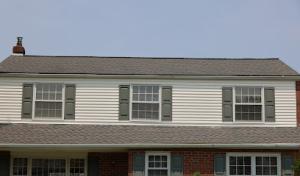
G. Cannon Roofing & Siding
705 General Washington Ave Suite #203, Norristown, Pennsylvania
4.7 from 75 reviews
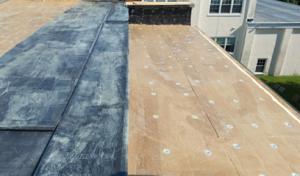
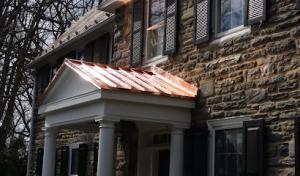
Supreme Roofing
(484) 522-4248 www.supremeroofingpa.com
900 N Park Ave, Norristown, Pennsylvania
5.0 from 88 reviews
Supreme Roofing is one of the best roofing companies in Pennsylvania providing roof inspection, roof repair, and roof replacement to Montgomery County, PA and beyond. We are the top contractors in PA committed to customer satisfaction.
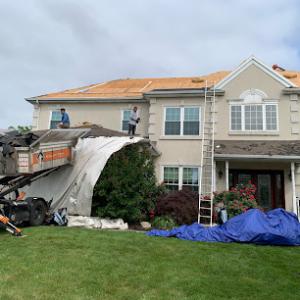
APlus Roofing & Restoration
(484) 535-0559 aplusroofingandrestoration.com
652 E Airy St, Norristown, Pennsylvania
5.0 from 38 reviews
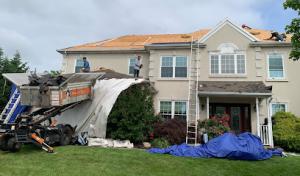
APlus Roofing and Restoration offers residential and commercial installation, commercial roof coatings, residential shingle installation, and gutters. APlus Roofing and Restoration also focuses on storm damage while offering homeowners advice on how to pursue repairs to a catastrophic and total loss to Exteriors as well as Interiors.
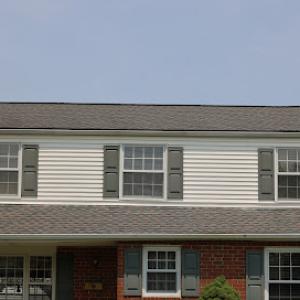
G. Cannon Roofing & Siding
705 General Washington Ave Suite #203, Norristown, Pennsylvania
4.7 from 75 reviews
G. Cannon Roofing & Siding is a top-rated, licensed, and insured family-owned Pennsylvania roofing contractor serving Montgomery, Chester, Delaware, and Bucks counties since 1967. We specialize in residential & commercial roofing, including full replacements, metal roofing, and commercial roof repair. Our team is known for honest pricing, expert craftsmanship, and outstanding customer service. We also offer siding, gutter, and window installation services to protect and upgrade your entire home exterior. Searching for quality commercial roofing contractors in Pennsylvania? We offer free estimates and help guide you through the installation process and cost of your new roof with zero pressure. Call today for a free estimate—we book up fast!
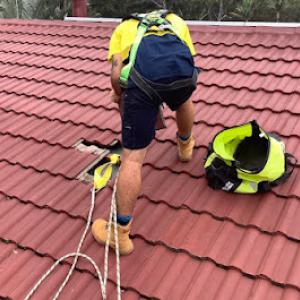
My Havertown Roofing Group
(610) 321-7066 www.myhavertownroofing.com
Norristown, Pennsylvania
4.9 from 15 reviews
Get fast help from the #1 local Havertown roofing and siding experts! Our licensed contractors ensure that your home has a healthy roof that will protect you and property for the long run. Our mission is to provide you with superior customer support, maximum value, and long lasting results that have been proven to withstand the test of time. Our phenomenal customer service is unparalleled, and our exceptional results place us above other roofers in Delaware County PA. Our commitment to excellence, honesty, and professionalism has enabled us to develop lifelong relationships with many of our valued clients, who continue to show their appreciation by trusting us with their repeat business and referrals. Call the #1 Delco roofing experts today
United States Roofing Corporation WAREHOUSE
(610) 272-6600 www.usroofing.com
910 E Main St, Norristown, Pennsylvania
4.2 from 15 reviews
Commercial Roofing Union Contractors
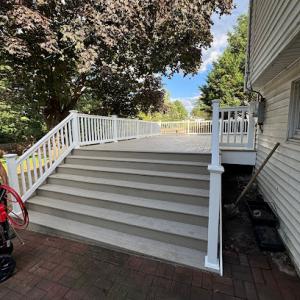
LaBrusciano Roofing & Exteriors
(610) 265-7663 labruscianoexteriorsllc.com
Serving
4.9 from 96 reviews
LaBrusciano Roofing & Exteriors is a trusted leader in the industry, specializing as both a residential and commercial roofing contractor. With a commitment to excellence and durability, we offer top-tier roof repair, complete roofing solutions, and expert siding installation. Our team of skilled professionals is dedicated to providing high-quality craftsmanship and outstanding customer service, ensuring your property not only looks great but is also well-protected for years to come. Trust LaBrusciano Roofing & Exteriors for all your roofing and exterior needs, where integrity and professionalism are at the heart of every project we undertake.
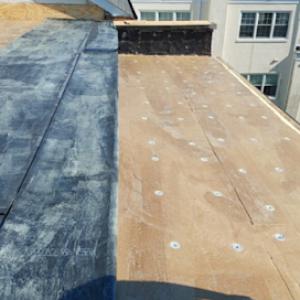
McKeown’s Roofing & Siding
(610) 275-1300 www.mckeownroofing.com
Serving
4.7 from 48 reviews
What sets us apart is our personal, hands-on approach. The owner handles every project from start to finish—no salesmen, just direct communication and quality craftsmanship. This ensures every job meets the highest standards. Trust us to safeguard your most valuable investment with premium workmanship and dedicated service. Let us build lasting protection and lasting relationships with every project.
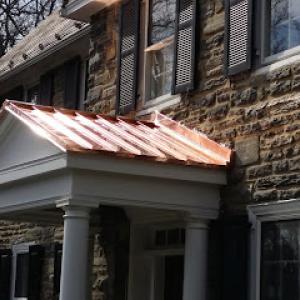
BHC Roofing
(484) 322-5382 www.bhcroofing.com
Serving
4.8 from 73 reviews
Combining years of experience with a dedication to client satisfaction, BHC Roofing has established itself as the local leader in Gutters, Flat Roofing and Shingle roofing.
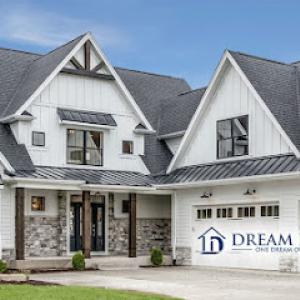
Dream Home Roofers
(610) 569-0275 dreamhomeroofers.com
Serving
4.8 from 188 reviews
At Dream Home Roofers in King of Prussia, VA, we are dedicated to providing high-quality asphalt roof installation and replacement services that keep your home protected and visually appealing. Whether you need a brand-new roof or a full replacement, our experienced team delivers exceptional workmanship and timely project completion. In addition to our roofing services, we offer professional gutter replacements to ensure proper drainage and protect your home from water-related issues. With a focus on durability and customer satisfaction, we back our work with solid warranties, giving you peace of mind for years to come. Reach out today for a free estimate and learn how our asphalt roofing and gutter services can enhance your home.
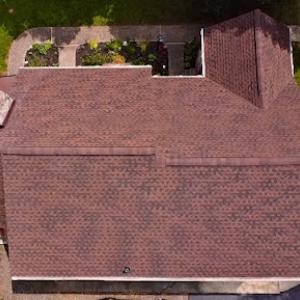
Redeemed Roofing
(484) 213-9792 www.redeemedroofingllc.com
Serving
5.0 from 16 reviews
At Redeemed Roofing, I am committed to delivering top-quality roofing, siding, and gutter replacement services with both integrity and excellence. As a Christian faith-based company, my mission is to provide exceptional workmanship and customer care while upholding the values of honesty, reliability, and respect. With Redeemed Roofing, you can trust that you’re not just getting a service, but a partner who values your home as much as you do. Experience the difference of working with a company that puts faith and excellence at the forefront of everything we do.
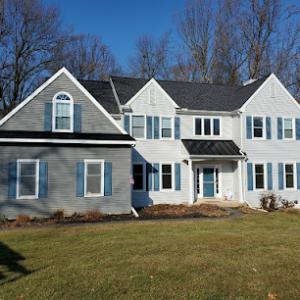
Impriano Roofing & Siding
(215) 654-1990 www.impriano.com
Serving
5.0 from 31 reviews
Established in 1973, Impriano Roofing and Siding, Inc. has been helping the Blue Bell community with their roofing and siding problems for over 50 years. Jack Impriano, with his sons Greg, Brad, Eric and Jack, provides homeowners with the highest quality products on the market for roofing, siding, windows, doors, skylights and gutter installation and repairs. We pride ourselves in using the highest technology standards, which allows us to best help customers to customize their home improvement projects. The Computer Color Analysis that we use will further allow one to view varied options before finalizing their plan. Schedule a free estimate today and learn how we can improve your Blue Bell area home!
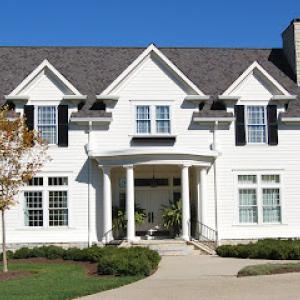
Major Construction Inc Roofing & Siding
(610) 831-1162 www.majorroofingandsiding.com
Serving
4.9 from 83 reviews
Major Construction is a trusted, family-owned business providing top-quality roofing, siding, windows, and decking solutions for residential and commercial properties across Montgomery, Chester, and surrounding counties since 1964. Whether you're located in Royersford, Norristown, Phoenixville, Gilbertsville, or beyond, we deliver long-lasting exterior home improvement services tailored to withstand the test of time. From homes to businesses, we ensure that your property is protected and enhanced with craftsmanship that stands the life of your building.
The dominant local material mix includes asphalt shingles, metal roofing, clay tile, concrete tile, slate, and copper roofing rather than a single-material market. This variety reflects both the older borough housing stock and the evolving options homeowners face as homes age. Each material brings its own strengths, but the Norristown climate-freeze-thaw cycles followed by humid, rainy summers-means aging, inspection, and targeted repairs require careful attention.
Slate, tile, and copper fit the older architectural character found across parts of this area, and they often command respect for their durability and historic appeal. Yet freeze-thaw events can exploit small cracks, brokenfasteners, or worn underlayment, making condition assessment more important than on milder-climate roofs. If your home features slate or clay or concrete tile, plan regular inspections after severe freezes and during damp seasons to catch micro-cracks, slipped fasteners, or broken ridge caps before they propagate.
Asphalt remains common because it is the lowest-cost option in the local price range, but humidity and rainfall can shorten the cosmetic life of lower-grade shingle systems. In a neighborhood with frequent moisture, look for curling, granule loss, and color fading as early warning signs that a shingle set is nearing the end of its cosmetic life or needs targeted sealing and flashing upgrades. For metal roofs, ensure seams and any exposed fasteners are tight enough to shrug off heavy rains and humidity without leaking. Clay and concrete tiles deliver excellent longevity when properly installed, but broken tiles and cracked bedding compound become more likely in freeze events, requiring careful replacement by a skilled craftsman to avoid leaks and wind uplift issues.
In Norristown, a proactive maintenance plan pays dividends. After each harsh winter, inspect ridge lines, valleys, and dormer junctions for ice dam leakage risk or hidden broad cracks that may not be obvious from ground level. For older homes with slate or tile, pay attention to the condition of battens, underlayment, and the compatibility of fasteners with the roof's substrate. If a roof mixes materials-common in historic houses-prioritize sealing transitions between materials and upgrading flashing where different expansion rates can create leaks during the humidity-heavy summers.
Choosing a material should weigh both the house's character and the practical realities of freeze-thaw resilience. The right approach blends authentic look with robust, climate-aware detailing, ensuring the roof remains a reliable shield through Norristown's seasonal swings.
When you're budgeting a re-roof for an older Norristown home, you'll notice that installed prices cluster around these ranges: asphalt shingles about $350-$650 per square, metal $650-$1100, clay tile $900-$1600, concrete tile $850-$1300, slate $1200-$1900, and copper roofing $1700-$2900 per square. These figures reflect the mix of character homes with steep slopes and sometimes delicate decks, where the right choice balances longevity with upfront cost. The average home on block or hillside often leans toward premium options, but a solid asphalt or metal option remains a practical baseline for many crews.
Older roofs in this borough commonly require careful tear-off and some deck repair before a new system can pass the borough inspection. That work can add to your project by a noticeable margin, sometimes pushing total price per square well above the installed material alone. If your current roof has damaged sheathing or irregular rafters, expect a modest bump in both time and cost. A good rule of thumb is to budget for the potential extra labor and materials that come with bringing the deck up to the foundation you'll rely on for a long, weather-tight roof.
Material choice matters more here than in many markets because premium steep-slope options like slate, tile, and copper are commonly considered alongside standard shingles. The climate-with freeze-thaw cycles that stress fasteners and seals and humid summers that promote moisture-related issues-means you'll want accurate underlayment, proper ventilation, and precise flashing details. These factors can influence both the material selection and the final installed price, especially on aging structures where detailing is critical for long-term performance.
Start with a quick survey of roof slope, condition of the existing deck, and the likelihood of any needed repairs. Get three written quotes that clearly break out tear-off, deck work, underlayment, flashing, and waste disposal. If you're choosing premium materials, set aside extra funds for potential scaffold access and specialty installation requirements common with older borough homes. Finally, balance upfront cost against expected lifespan to avoid frequent re-roofs on these highly weathered roofs.
Get a clear picture of your project costs upfront - no commitment required.
G. Cannon Roofing & Siding
705 General Washington Ave Suite #203, Norristown, Pennsylvania
4.7 from 75 reviews
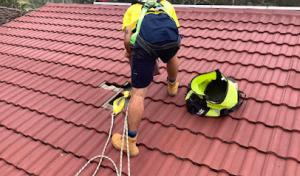
My Havertown Roofing Group
(610) 321-7066 www.myhavertownroofing.com
Norristown, Pennsylvania
4.9 from 15 reviews
A residential re-roof in Norristown typically requires a permit filed with the Norristown Borough Building & Codes Department. The process is not optional here, and starting the project without a permit can lead to stop-work orders, fines, and delays if the borough uncovers noncompliant work during later inspections. Before any shingle or tile is removed, you should confirm the correct permit type for your roof and gather the paperwork the department expects. This keeps the project moving and reduces the risk of costly rework.
The borough process commonly requires contractor license details and a defined project scope as part of the permit submission. Have your licensed roofing contractor submit their business credentials, license numbers, and proof of insurance, along with a clear description of the work to be done, including roof type, materials, and any structural or venting changes. A well-defined scope helps prevent misunderstandings that can trigger inspection holds or code questions during the review.
Inspections are scheduled at milestones and at final completion, with the borough verifying code compliance after installation. Typical milestones include a pre-dry-in check, a mid-progress inspection if tearing off and replacing decking or venting elements, and a final inspection once the new roof is installed and weatherproof. It's important to plan around these windows, because failing an inspection can require uncovering portions of the roof again for corrective work, which disrupts schedules and can push back your occupancy or resale timelines.
On inspection day, have access to the entire roof area and any interior attic spaces that the inspector may request. Be prepared to show how the new roof meets local codes for underlayment, venting, drip edge, flashing, and the installation method for steep slopes or specialty materials. If the inspector notes deficiencies, address them promptly and arrange a re-inspection as soon as possible to minimize project delays.
Keep all permit documents, license details, and the defined project scope readily accessible during construction. Maintain clear communication with your contractor about the permit approval status and anticipated inspection dates. Understanding and coordinating with the borough's process helps you avoid costly delays and ensures your roof meets the region's winter and humidity-driven aging expectations.
Norristown is not considered a uniquely elevated roof-claim market compared with broader Pennsylvania norms, even though wind and hail claims are common statewide. This means your experience with adjusters will mirror nearby counties more than a dramatic local exception. The key takeaway is to align expectations with common PA practices rather than imagining an extraordinary Norristown-specific process. The seasonal cycle-freeze-thaw winters followed by humid, rainy summers-drives aging and vulnerability in older homes, so timing of claims matters, but not in a way that breaks the standard PA claim flow.
When a storm or hail event has occurred, expect adjusters to request date-stamped photos that show the exact damage as it appeared soon after the storm, a rough estimate of the roof's approximate age, and contractor estimates to frame repair or replacement needs. In practice, clear before-and-after images taken in good light, with the date visible, make the evaluation smoother. If shingles show granule loss, curling edges, or cracked flashing after a late-spring rain, document those specifics carefully. Having a single contractor's written estimate ready helps the adjuster compare repair scope against replacement options and forecasted aging from the neighborhood climate.
Because Pennsylvania guidance influences claim timing and coverage decisions, homeowners in Norristown benefit from documenting damage immediately after spring storms or hail. Quick action reduces the risk that subtle, cumulative aging is misclassified as preexisting wear. Store digital copies of photos in the same drive as any notes you take about storm dates, wind speeds observed, and neighbor reports. If possible, pair your documentation with a simple timeline-storm date, observed damage, first mitigation steps taken, and when a claim was filed. This approach keeps the process orderly through the borough's typical review cycle and aligns with PA guidance that shapes whether a claim is paid, delayed, or denied.
Connect with contractors who help homeowners navigate the claims process from damage assessment to final approval.
Supreme Roofing
(484) 522-4248 www.supremeroofingpa.com
900 N Park Ave, Norristown, Pennsylvania
5.0 from 88 reviews
APlus Roofing & Restoration
(484) 535-0559 aplusroofingandrestoration.com
652 E Airy St, Norristown, Pennsylvania
5.0 from 38 reviews
LaBrusciano Roofing & Exteriors
(610) 265-7663 labruscianoexteriorsllc.com
Serving
4.9 from 96 reviews
In Norristown, flat-roof and skylight work often highlights detail-focused leak repair rather than full field replacement. The combination of freeze-thaw stress in winter and humid, rainy summers makes transitions, penetrations, and sealant-dependent details more prone to failure than in milder climates. Expect repeated attention to membranes around parapets, vents, and edge details, even on roofs that look sound from a distance.
When inspecting a flat roof, start with the flashings at penetrations and around skylights. Look for hairline cracks in sealants where the cold freezes moisture in crevices, then expands in the warm, wet months. Check roof-to-wall transitions for shifting or bridging that can trap water. On older homes, solvent-based mastics may have become brittle; plan for targeted repairs rather than wholesale resealing. Document any suspected water trails and test the drainage paths from parapets or scuppers to the gutters or interior drains.
Skylights are common on older Norristown homes and can be a bigger source of leaks than the flat area itself. Inspect the curb flashing and the sealant joints around the skylight flange after winter storms. Sagging or misaligned skylights signal underlying deck movement or flashing failure. When replacing, prioritize properly pitched drip edges and continuous sealant lines that resist thermal cycling.
Roof coatings are a real option on some low-slope roofs, especially where full replacement isn't justified by aging. A reflective coating can buy you time, reduce heat buildup, and seal minor penetrations. However, coatings rely on an intact substrate and proper surface prep. In practice, coatings are most effective as a targeted restoration step rather than a full in-kind replacement, particularly on roofs with multiple penetrations and aging flashings.
Find specialists in TPO, EPDM, and built-up flat roofing systems for residential and commercial properties.
LaBrusciano Roofing & Exteriors
(610) 265-7663 labruscianoexteriorsllc.com
Serving
4.9 from 96 reviews