Last updated: Apr 19, 2026
This part of Montgomery County sees meaningful roofing claim activity tied to wind and hail, making post-storm documentation a first-order issue for Harleysville homeowners. After a storm cell rolls through, the risk of unseen water intrusion rises quickly as shingles lift, granules clog gutters, and flashing shoulders take a hit. The clock starts the moment the wind dies and the next round of weather arrives: insurers want a clear record, and your roof's honest condition is the deciding factor between swift replacement and protracted repair. Staying ahead with timely photos and organized notes can make or break the claim timeline.
Local contractors heavily advertise emergency response and storm damage work, indicating that fast tarping and leak stabilization are a common need after regional storm cells. When water starts dripping from ceilings or you spot daylight near a ridge vent, a quick response matters. A rapid tarping job reduces interior damage and buys you critical time to gather documentation. In our area, you will encounter crews that emphasize response speed, on-site tarp setup, and temporary leak stops, but the quality of those temporary measures matters just as much as the speed. Ask for proof of tarping methods and a clear plan for protecting ceilings, walls, and insulation while permanent repairs are arranged.
Carriers in this Pennsylvania market commonly ask for photos, contractor scopes, and condition documentation before approving replacement, so claim preparation affects project timing in Harleysville. The insurers expect a robust, organized package: before-and-after photos, a detailed contractor scope of work, and notes on existing damage from multiple roof areas. Gather this from the outset. Take wide shots of the entire roof and close-ups of missing shingles, damaged flashing, and any interior signs of leakage. Document gutters, downspouts, and attic insulation for a complete record. When you meet with a contractor, request a written scope that aligns with what the carrier will want-itemized line items, replacement rationale, and a clear link between observed damage and the proposed remedy.
To reduce friction during the claim, prepare a short storm diary: dates of big wind events, hail sizes if known, and any accompanying damage like fallen branches or debris impact. Store digital copies of all communications, receipts for temporary repairs, and the names of every contractor you consulted. For steep-slope homes common in this region, note any ice dam risk, roof pitch considerations, and the condition of valleys and skylights. If a roof's condition is borderline between repair and full replacement, coordinate with your insurer on the preferred approach and expected timelines, since the decision can hinge on the documented condition prior to work starting.
In practice, your best outcome is a seamless blend of prompt stabilization and precise documentation. A reliable tarping crew should stabilize leaks within hours of notification, while you simultaneously build a claim file that leaves no ambiguity for the adjuster. Keep the communication line open: update your insurer with new photos after any weather event or temporary repair, and confirm that the contractor's scope matches the carrier's request for replacement or repair. This approach minimizes delays and keeps your home protected as the roofing decision moves from assessment to action.
Asphalt shingles dominate the local market, delivering a straightforward, cost-effective option for typical Harleysville homes with steep slopes and winter snow loads. In practice, asphalt shingles run roughly from 350 to 650 USD per square installed, making them the go-to choice when price stability and available local labor are priorities. If you're considering alternatives, slate, clay tile, wood shake, and fiber-cement roofs are common enough in town that replacement pricing can swing widely depending on the specific house structure and the labor required. Slate, for example, often lands in the 1000 to 2500 USD per square range, while clay tile tends to sit between 900 and 1800 USD per square, and fiber cement shingles typically run about 600 to 1000 USD per square. Wood shingles/shakes generally fall in the 450 to 900 USD per square band. These numbers reflect not just material cost but the specialty labor, fasteners, and underlayment required for each type.
During cold winters and after wind and hail events, scheduling can tighten quickly. Storm-driven demand spikes in southeastern Pennsylvania push project start times forward, especially for replacement projects that require careful staging and debris management on older, steeper homes common around the area. When a quick turnaround is needed to mitigate leaks, you may see price nudges as crews balance material availability with the urgency of repairs. If your home has a non-standard roof plane, additional coordinating work for access and material handling can add days to the project and small but noticeable cost adjustments. In short, timing matters: a rapid after-storm replacement can carry a premium versus a slower, pre-season planning window.
Heavier systems such as slate and clay tile may add cost in this market because structural demands and specialty labor come into play more often than with standard asphalt re-roofs. Some homes in the region carry longer spans, more complex hip-and-dable configurations, or older framing that requires evaluation by a skilled roofer for load redistribution and fastening compatibility. While the material itself is a primary driver of price, the need for additional bracing, modifications to fascia or roof deck, and confirmatory inspections can shift the bottom line upward. If your roof has unusual geometry or timber details, expect a broader cost range and a longer install timeline.
If you're budgeting after a wind or hail event, start with asphalt as a baseline-that familiar 350 to 650 USD per square band provides clarity when comparing bids. For homes with known slate or clay tiles or where the structure shows signs of age-related weaknesses, plan for higher quotes, with extents potentially widening toward the upper ends of the shown ranges. Keep in mind that winter work can add scheduling friction and, at times, material delays. When insurers are involved, present a documented scope with the expected square footage and the material type, plus notes about any required structural reinforcement. A detailed, material-specific cost estimate helps ensure you're comparing apples to apples across competing bids.
JB Roofing Systems
(215) 515-6997 jbroofingsystems.com
345 Main St Suite 105, Harleysville, Pennsylvania
4.8 from 101 reviews
JB Roofing Systems is fully committed to providing expert installation and repair of any and all types of roofs, both commercial and residential across Southeastern PA. We can accommodate any size job, having to do with roofing and other related services such as windows, gutters, siding, and green services. Our goal is to install not only the best and highest quality roof, but also to achieve a 100% customer satisfaction rating from every customer.
Cooper Roofing Corporation
(610) 275-7663 cooperroofing.net
476 Quarry Rd, Harleysville, Pennsylvania
5.0 from 10 reviews
Family Roofing and exterior company. serving the community for over 40 years!
Paramount Home Solutions
(267) 550-5538 paramounths.com
Serving
5.0 from 316 reviews
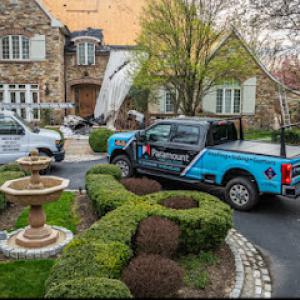
Paramount Home Solutions is proud to offer the best roofing services in Montgomery and Bucks County PA. Paramount also covers Camden, Gloucester, Burlington, Monmouth, Mercer, and Ocean Counties in NJ. Paramount Home Solutions is a fully licensed and insured roofing company located in both Souderton PA and Somerdale NJ. With over 20 years of industry experience, Paramount offers the best solutions for your home to keep it comfortable, clean, safe, and energy-efficient.
Banes Roofing
(215) 723-2888 www.banesroofing.net
Serving
4.8 from 164 reviews
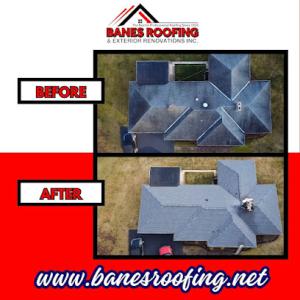
FREE estimates. LIFETIME warranties. Residential and commercial roofing services and repair. We also provide Siding, Windows, Doors and Gutters. We Opened In 1950… Back When Honesty, Integrity & Following Through Mattered. At Banes Roofing, These Values STILL Matter. For 70+ years, we’ve dotted every single I, crossed every single T, and given it our ALL on every single job. It’s why many loyal customers have been with us through multiple generations of their families! Bottom line: We’re the roofer that’s been doing things the right way -- and treating people the right way -- since 1950. Give us a call to see how our “old-school” values guarantee you a stress-free experience… and outstanding results.
Bachman's Roofing
(215) 273-6161 www.bachmansroofing.com
Serving
4.9 from 297 reviews
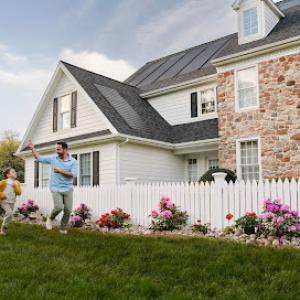
Since 1972, we’ve evolved from a small family roofing company—just a couple of guys and a truck—into the most trusted home improvement company in the tri-state area. With family values at our core, we’ve spent over 50 years setting the standard for dependability, quality, honesty, and professionalism in the roofing industry. Proudly ranked in the top 1% of roofing contractors nationwide, we’re dedicated to delivering top-quality products, exceptional craftsmanship, and sustainable solutions. Our success is a team effort, and we have the best team in the business.
Restore Roofing
(267) 263-2262 www.restore-roofing.com
Serving
5.0 from 55 reviews
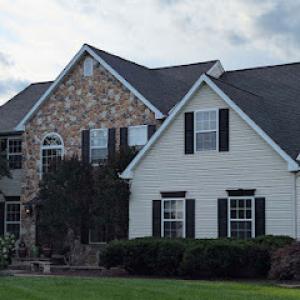
Full service residential & commercial roofing contractor with expertise installing all types of roofing systems. We specialize in total roof replacement with a strong focus on residential work. We serve Bucks County, Delaware County, Montgomery County and Lehigh County.

Flash Roofing LLC : PENNSYLVANIA
(267) 446-3930 www.flashroofingllc.com
Serving
4.7 from 13 reviews
With over 20 years of experience, Flash Roofing PA is a trusted leader in roofing, siding, and gutter services. Our skilled professionals specialize in installation, repair, and replacement, ensuring long-lasting protection and beauty for your property. We proudly serve Pennsylvania, Connecticut, and New York , offering flexible financing options and an industry-leading warranty on every project. Trust us to deliver exceptional craftsmanship and top-tier customer service.
Figueroa Contracting
Serving
4.7 from 29 reviews
Figueroa Contracting is a fully licensed and insured roofing company. We service Pennsylvania and New Jersey.

Volpe Enterprises
Serving
4.8 from 568 reviews
Volpe Enterprises, Inc. is a locally established roofing company based in North Wales, PA, providing professional roof replacement services to homeowners across Bucks, Montgomery, and Chester Counties. Family-owned since 1970, our team specializes in roof replacement, roof repair, metal roofing, and shingle roof installation, with a deep understanding of Southeastern Pennsylvania’s weather challenges, including heavy storms, seasonal temperature swings, and aging roof systems. In addition to roofing, we offer siding installation, window replacement, and full home renovation services.
East Coast Roofing Systems
(267) 641-2123 eastcoastroofingsystems.com
Serving
5.0 from 288 reviews
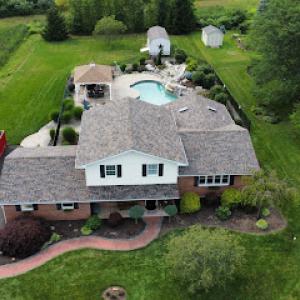
East Coast Roofing Systems is a premier residential roof repair and replacement company serving Southeastern Pennsylvania. Since our inception, We have strived to give the homeowner a breath of fresh air in the construction space. Providing seamless communication, service and an overall experience that trumps all others. Roofing as an Industry has become antiquated due to lack of technology, customer service and quality. Our mission at East Coast Roofing Systems is to provide a modern approach, with the ultimate goal of providing an exceptional roof inspection, repair, or replacement experience unmatched by anyone. Contact your reliable Southeastern Pennsylvania roofing, siding, window, and gutter contractor for a free estimate!

Home Run Roofing
(484) 206-7599 homerunroofing.com
Serving
5.0 from 64 reviews
At Home Run Roofing, we knock it out of the park with every project! Serving the greater Philadelphia area, we specialize in top-quality residential roofing solutions. Our services include roof repair, replacement, and new installations using only the highest-grade materials and state-of-the-art techniques. With a team of certified and experienced professionals, we ensure every job is completed on time, within budget, and to your utmost satisfaction. Whether you're dealing with storm damage, leaks, or simply need an upgrade, trust Home Run Roofing to deliver exceptional results that protect and enhance your property. Contact us today for a free estimate and experience the Home Run Roofing difference.
JMS Home Remodeling
(215) 776-5020 www.jmsremodel.com
Serving
5.0 from 105 reviews
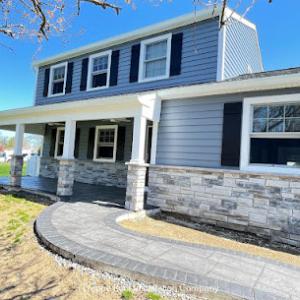
JMS Home Remodeling is the go-to company for reliable roof remodeling services. Our company has been serving the Trappe area for decades and has handled many projects. It has made us well-versed in the intricacies of the trade and builds strong relationships with our clients. We start the project with a complimentary consultation and detailed evaluation of your roofing system to determine the best solution. We invest in the highest quality products for your roof’s optimal functionality and longevity. Besides, we obtain the necessary permits to comply with local and state requirements. Feel free to click on our website or contact us for a free estimate.
In this township area, homeowners often deal with township-level permitting rather than a single citywide process, so requirements can vary depending on the exact municipality tied to the property address. That means your permit experience might feel a little like roulette, with different forms, fee schedules, and review times from one street to the next. The most common scenario for a full re-roof is a building permit filed with a basic application before any shingles come off or new underlayment goes on. Don't assume one package fits all - start by confirming the specific municipality office that handles your address and ask for the current checklist, then compare it side by side with any contractor's permit services.
Before work begins, assemble what you'll likely need: a completed basic building permit application, a description of the roof replacement scope, and any required plan or cross-section drawings that show underlayment, ventilation, attic insulation, and any vent or chimney work tied to the project. Some municipalities will require proof of a licensed contractor and a recent survey or site plan, especially for a full re-roof on older, steep-slope homes. Expect a permit review window that factors in the method of installation and the proposed ventilation strategy. If your roof is on a heavier type like slate or clay tile, be prepared for potential extra reviews or documentation requests.
Submit the permit package to the correct municipal office, ensuring all signatures and stamps are in place. If the township uses an online portal, set up your account early and upload all documents in the requested formats. Pay attention to any required builder's risk or homeowner's disclosure forms, as these can slow things down if missing. Once the permit is accepted, you'll receive a permit number and a start date window. Plan work around any scheduled inspections so you don't push back the project due to a missed window.
As you begin, keep the permit card visible on-site and maintain good records of material receipts, product labels, and installation notes. The contractor should ensure that ventilation and attic intake meet the permit's conditions, especially on steeper profiles common to the area. If a heavier system is chosen, such as slate or clay tile, expect stricter adherence to installation methods and temporary protections, since inspectors will be looking closely at fasteners, underlayment overlaps, and anchor points.
After completion, an inspection will verify that the installation aligns with the permit scope and applicable building codes. Inspectors commonly review overall completion, ventilation adequacy, and flashing details around roof penetrations. For heavier roof types, additional scrutiny or requirements may be noted, so be prepared to provide any final documentation or corrective steps the inspector requests. Having a clear as-built for ventilation and attic space will help the inspector confirm the system functions as intended and avoid rework.
Harleysville's housing stock reflects a unusually broad mix of roofing materials, from asphalt to metal, slate, clay tile, wood shakes, and fiber-cement. This variety matters because each material responds differently to the area's cold winters and humid summers, where seasonal expansion and contraction can drive banner differences in performance. When choosing a roof, you're weighing not just appearance and weight, but how a material breathes, moves with temperature swings, and holds up to the local wind and hail patterns. Preservation of the original roof type is a common decision point, especially when the existing system is still serving well, versus transitioning to a lighter alternative that might ease structural load and future maintenance.
In this market, asphalt shingles are the most common, and they are typically the easiest to retrofit or repair. The cold season tests their rigidity, so proper ventilation and attic air flow help prevent ice damming and premature edge wear. In humid summers, ensure the attic remains adequately ventilated to reduce heat buildup under the decking, which can shorten the shingles' life or cause curling at the edges. If the existing roof is asphalt and in good shape, a high-quality asphalt replacement can keep the look consistent while allowing for modern underlayment and ventilation upgrades.
Metal performs well in wind and hail, and its light footprint often translates to faster repairs. The key concerns here are proper fastening patterns, snow shedding, and the way metal expands and contracts with temperature shifts. In areas prone to heavy ice buildup, flashing and edge details matter more than the coating itself. If the home's structure already carries a substantial load, metal offers a lighter alternative that still provides robust protection when installed with a careful attention to vapor barriers and insulation continuity.
Clay tile and slate bring longevity and distinctive curb appeal, but their weight demands careful assessment of the roof structure. In winters, the freeze-thaw cycle is especially relevant to natural materials, as cracks from temperature shifts can propagate into leaks if the underlayment isn't sound. Both materials perform well in humid summers when ventilation helps reduce heat-driven expansion. If a historic roof or a design preference calls for these materials, ensure the supporting structure is reinforced or consider modern equivalents that mimic the look with reduced weight.
Wood shingles and shakes offer natural aesthetics but require consistent moisture management and sound attic ventilation to prevent warping or rot. In Harleysville's climate, wood benefits from a well-sealed, properly vented attic and regular treatment against mildew. Fiber-cement shingles deliver a compromise between appearance and durability, resisting moisture better than wood while allowing more flexible installation options than slate or clay. When choosing between these, evaluate how the roof's geometry and the home's existing silhouette will respond to the material's weight, texture, and aging characteristics.
Because heavier legacy materials are present locally, replacement decisions are often about whether to preserve the original roof type or convert to a lighter system. If the structural frame and ceiling lines support it, a lighter system can simplify maintenance and ventilation upgrades. If preserving the original look and weight is preferred, select contemporary underlayment and fastening methods that extend life without compromising the aesthetic. In all cases, ensure ventilation, moisture control, and structural compatibility are addressed in tandem with any material change.
When planning a roof project, the milder stretches in spring and fall are the most reliable. Replacement windows are typically scheduled in these seasons, taking advantage of moderate temperatures and predictable conditions. In this area, crews can work with fewer interruptions from freezing temperatures or blistering heat, which helps the project move along more steadily. If a storm-related emergency pushes work into late fall, clear forecasts and shorter daylight hours should be considered to keep crews focused and material handling smooth.
Winter brings real constraints to tear-offs and material handling. Freezes can stiffen sealants, and heavy snow unsettles exposed decking and staging. In Harleysville, those conditions can push a project into longer timelines, especially when crews need to pause for safety or to remove snow and ice from the roof deck. Planning a winter window requires tighter coordination for deliveries and secure staging so shingles or metal panels don't sit exposed too long. When the mercury dips, the goal is to keep the project moving without compromising installation quality or crew safety.
Summer heat and humidity place extra stress on crews and materials. Asphalt shingles can become pliable in extreme heat, which affects handling and alignment, while metal roofs may expand slightly and require precise fastener timing. Humidity can also slow task performance and affect sealants or underlayment. In peak heat, early morning starts and shaded work areas help, but plans should account for possible afternoon cooldowns and hydration needs. Summer storms can interrupt progress, so having a flexible schedule with contingency days reduces the risk of back-to-back delays.
Spring rain adds a layer of complexity to deck exposure and fastening sequences. Exposed decking must stay dry enough for the starter courses and underlayment to perform as designed. Autumn winds can disrupt exposed work areas, especially on steeper slopes. The best approach is to target a window with several clear days in a row, margining the schedule for potential showers and quick drying times. In both seasons, a staged approach that prioritizes vulnerable areas first helps maintain control over the project timeline and protects interior spaces.
With the local climate in mind, coordinate timing around typical weather patterns and the spread-out nature of the community. Ensure crews have secure access to the job site, protected pathways, and clear material staging areas. Communicate contingency dates early for seasonal shifts, especially if a rain event or a cold snap threatens progress. This pragmatic approach keeps the project moving while safeguarding the home and surrounding properties from the upheaval of weather-driven delays.
Wind-driven damage and hail-related granule loss are recurring concerns in the insurance environment, especially on aging asphalt roofs. Shingle tabs can lift or crack under persistent gusts, and granule loss accelerates aging by exposing the underlying mat. In homes with smaller or misaligned valleys, wind-driven debris can wedge into flashing, increasing the risk of leaks after a storm. The consequence is not only a faster path to interior water intrusion but a pattern of accelerated wear that can complicate future claim findings if damage isn't documented promptly.
Snow, freeze-thaw cycles, and humid summers create a local pattern where flashing, ventilation, and moisture management problems can shorten roof life if overlooked. Ice buildup at eaves and in valleys can force moisture into soffits or partially vented spaces, leading to rot or mold behind the scenes. Humid summers encourage algae or moss on shaded slopes, which traps moisture and can deteriorate roof edges and sealants. In older steep-slope homes common here, proper shawl flashing, chimney and vent terminations, and attic ventilation become critical to prevent small leaks from becoming big problems.
Autumn debris buildup from regional tree cover can trap moisture on roof surfaces and in valleys, which is a practical maintenance issue for many properties. Wet leaves and needles compress against flashing and gutters, creating standing moisture that promotes premature aging of shingles and delaminating around penetrations. Regular raking, gutter clearing, and a targeted inspection of valley channels help identify sags or bird-guard gaps before moisture migrates inward. This is where proactive checks pay off when storms loom.
Skylights sit in a spot on the roof that catches rain, sleet, and melting snow first, and the local market sees a lot of repairs centered on these penetrations. In older, steep-slope homes common around here, skylight flashing can fail where the roof deck meets the curb or curb-mounted units, especially after heavy storms. If you notice damp spots or musty odors near a skylight interior, the problem is often the flashing-not just the glass. Expect specialists to focus on resealing or replacing the flashing, the curb, and any surrounding shingles that lifted during the last freeze-thaw cycle.
Chimneys are another frequent target for local contractors, matched to the older housing stock and the diagonal lines of steep roofs. Flashing around a chimney can deteriorate where the chimney meets the roof deck, at step and counter-flashing junctions, or where mortar joints have cracked. In Montgomery County's climate, fluctuating temperatures stress the metal and sealant joints, making leaks appear as storms pass. If your interior ceiling shows a slope of water stains near a chimney alcove, the culprit is often flashing, not a distant roof seam.
Freeze-thaw cycles wake up nuisance leaks around skylights and chimneys first. Water that freezes in gaps expands, prying seals apart and loosening fasteners. Flashing that was once hidden under shingles can become exposed, inviting wind-driven rain to find its way into the roof deck. Prompt attention matters, because small gaps quickly widen with each seasonal shift, and attic condensation or staining can escalate in a hurry.
After a wind or hail event, take clear photos of the roof around skylights and the chimney area from multiple angles. Note any curling, lifted shingles, or displaced flashing. Record the time, date, and a brief description of observed damage, including interior signs like new stains on ceilings. This documentation helps when discussing repairs with trusted local contractors and supporting any insurance conversations that may follow.
Ongoing maintenance around skylights and chimneys means routine resealing, flashing inspection, and prompt treatment of any fastener corrosion or mortar deterioration. Schedule a fall check that focuses on these penetrations, paying particular attention to flashings where the roof line changes direction or where debris accumulation around the chimney has begun to trap moisture. A proactive approach reduces the chance of a small issue becoming a larger, more invasive repair later.
Find contractors experienced in skylight installation, flashing, and leak repairs to bring natural light into your home.
JB Roofing Systems
(215) 515-6997 jbroofingsystems.com
345 Main St Suite 105, Harleysville, Pennsylvania
4.8 from 101 reviews
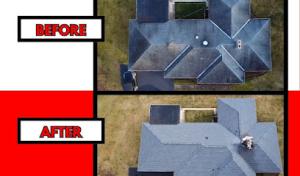
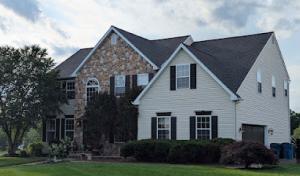
Harleysville sits in a Pennsylvania insurance market where carrier practices vary significantly, so roof age, prior condition, and documentation can materially affect claim outcomes. The mix of older steep-slope homes, winter snow loads, humid summers, and frequent wind-and-hail activity means adjusters approach each file with a clear eye on how the roof has aged and performed under past weather events. Expect some variability between carriers and even within the same company.
Because hail and wind claims are active in this region, homeowners should expect adjusters to request photos, contractor estimates, and evidence separating storm damage from wear. Clean, labeled photos of damaged shingles, flashing, and interior signs of leaks help keep the process efficient. A dated roof history (prior repairs, previous claims, last replacement) gives the adjuster a fuller picture. When possible, have a professional take perspective shots that show the overall roof geometry and any sagging or edge delamination.
Insurance decisions here often hinge on how well the damage is documented and whether it's linked to a storm event. Photos should capture frontal and attic views, plus close-ups of granule loss or blown-in debris. Contractor estimates should reflect scope and timelines, distinguishing temporary fixes from permanent replacement. Clear notes about ventilation, underlayment, and attic insulation provide extra context that frequently matters in settlement discussions.
Insurance decisions in Harleysville often intersect with permit timing and final inspection because carriers may want proof that replacement work was properly completed. Prepare to supply final project documentation, including a record of flashing replacement, attic ventilation checks, and a signed inspection certificate if required by the carrier. Timely submission of these items can streamline the claim and reduce back-and-forth.
In this area, additions and porches frequently pair flat or low-slope sections with steep-slope main roofs, which puts extra emphasis on reliable drainage and sealed seams. Humid summers and heavy rain periods stress perimeter gutters, scuppers, and edge details, so ensure low-slope transitions have positive drainage away from walls and downspouts. Regularly inspect field seams, flashing at expansion joints, and terminations where the low-slope meets vertical surfaces. If standing water persists after a storm, address it promptly to protect underlying sheathing and insulation from moisture intrusion.
A practical approach for aging low-slope sections is to evaluate coating and restoration options before committing to a full replacement. Local contractors offer coatings and resurfacing that can extend service life for aging membranes or metal overlays on additions. Choose products rated for exposure to this climate's freeze-thaw cycles and frequent wind-driven rain. Match coatings to existing substrates and ensure compatibility with any attached main roof materials to avoid accelerated wear at the transition.
Establish a targeted inspection routine focused on low-slope areas, especially after storms. Look for micro-cracks in coatings, blistering, torn sealant beads, and compromised edge details. Temperature fluctuations in summer can widen joints, so monitor caulking and edge metal for gaps. Keep a watch on interior signs as well-any damp spots on ceilings or drywall near additions may indicate a hidden intrusion through a compromised seam or flashing.
When a low-slope section adjoins a steep main roof, precise transitions are critical. Ensure proper slope continuity, compatible fasteners, and correct flashing orientation to shed water toward drainage paths. Ventilation should be balanced so the attic space above the addition doesn't accumulate condensation, which can travel into low-slope areas. Work with a contractor who understands how heat, humidity, and wind interact at these mixed-roof junctions to minimize future leaks and energy losses.
Find specialists in TPO, EPDM, and built-up flat roofing systems for residential and commercial properties.