
Last updated: Apr 19, 2026
Rhode Island's winter pattern is a relentless cycle of thaw and freeze, and that is a primary roof-aging factor here. In Johnston, the repeated refreezing at the eaves stresses shingles, underlayment, and drip edge. Every thaw pushes meltwater up toward the soffit line, then a sudden cold snap locks it in place as ice at the gutters. This cycle accelerates wear on flashing and roof seams and compounds existing vulnerabilities from prior repairs or aging ventilation. If the roof isn't addressing that freeze-thaw rhythm, small weaknesses become costly leaks as winter wears on. The first homeowner move is to treat this as a full-season issue, not a one-off winter problem.
Ice dams are not just unsightly; they create a backpressure that causes water to back up under shingles and into the attic. In Johnston, where the freeze-thaw cycle is predictable, ice dams form faster on roofs with inadequate heat escape from the attic. When warm air from the living space migrates into the roof cavity, it melts snow near the ridge while the lower portion refreezes along the eaves, lifting shingles and weakening flashing. Left unchecked, this pattern accelerates shingle aging and can push moisture into fascia boards and soffits. The fix is not a quick seal; it is a lasting plan that stops heat from escaping upward and keeps the attic colder, especially during the critical transition days of late winter.
The hot, humid summers in inland Providence County make attic ventilation performance important not just for comfort but for shingle aging after winter stress. If the attic runs hot, shingles experience higher thermal cycles, which accelerates aging and brittleness. Proper ventilation helps maintain a steady roof temperature, reducing the speed at which ice dams recur in the following winter. In Johnston, a balanced intake and exhaust strategy-soffit or intake vents paired with ridge or high-exhaust vents-keeps the attic cooler and reduces condensation risk in shoulder seasons. Without adequate venting, you're trading one problem for another: faded granules, warped sheathing, and faster failures of underlayment and flashing. The goal is to create a continuous, unobstructed airflow path that operates year-round.
Johnston's final roof inspection specifically verifies flashing and ventilation. That means ventilation details are not just best practice but part of local close-out. During the last inspection, expect inspectors to check that attic baffles are in place to prevent blockages, that vent openings are free of obstructions, and that soffit vents are not sealed by insulation. Flashing needs to be continuous and well-sealed around chimneys, skylights, and wall terminations. Any gaps or improper overlaps become a fail point in the close-out process. Plan for a post-installation walkthrough focused on whether attic space is vented effectively in both winter and summer conditions, and confirm that every flashing detail has a secure, weather-tight seal.
Act on the year-round implications of Johnston's climate by auditing attic access and vent paths. Check soffits for blockages from insulation, confirm baffles are installed to maintain clear air channels, and verify that both intake and exhaust vents are unobstructed. In winter, keep roof heat low in the attic by ensuring the attic floor is well insulated and that resistance to air leakage is minimized at ceiling penetrations. If you notice ice on the eaves while roofs look clear at the ridge, schedule a check of insulation and air sealing first, then re-evaluate ventilation performance. When planning roof work, request explicit attention to flashing integration with the roof deck and a venting plan that aligns with Johnston's close-out expectations. This is how you prevent costly damage and ensure a robust, long-lasting roof.
When a nor'easter sweeps through Rhode Island, Johnston roofs face wind-driven rain that can whip beneath shingles even on otherwise solid roofs. The combination of freezing temperatures and shifting humidity means any tear-off work must keep the roof deck dry and protected for as long as possible. If a crew arrives late in the season or encounters frozen materials, dry-in timing can slip, leaving you with exposed decking and vulnerable underlayment during a critical window. Plan with your contractor for a tight, weather-aware schedule: pre-stage materials, seal vulnerable edges, and install temporary containment or tarps to guard against wind-driven rain during removal and replacement. In practice, prioritize projects that align with forecasted dry spells and ensure crews have heated, secure storage for sheathing and fasteners so delays don't cascade into interior exposure.
As the snowmelt drains and spring rains begin, the risk shifts from exterior challenges to interior water intrusion if openings are left exposed. A window or skylight cut for a roof replacement, if not properly flashed and temporarily closed, can become a pathway for rain into living spaces. Johnston homes benefit from a proactive approach: demand rapid, reinforced temporary coverings over every exposed opening, and insist on a staged plan that moves from tear-off to dry-in with minimal downtime. Coordinate with the contractor to maximize weather windows and ensure interior protections-tarps, water-shedding barriers, and secure staging areas-are in place before the first spring shower. This reduces the chance of interior staining, drywall damage, or compromised insulation that can extend the project and create post-storm calls.
Storm damage and emergency repairs are visibly active specialties in this market, and homeowners commonly seek fast post-storm responses. If a hail event, wind gust, or driving rain hits, you will likely see a surge of demand for quick protective measures and expedited tear-offs. To stay ahead, establish a pre-storm plan with a contractor you trust: a signed scope, a clearly defined emergency contact protocol, and a readiness checklist for mobilization within hours of a storm. Keep critical documents and insurance information accessible, photograph existing damage promptly, and request written repair timelines that account for material handling delays and potential weather interruptions. In practice, a reliable contractor will reserve limited storm-response crews for Johnston properties, prioritizing rapid drying-in and secure protection while safeguarding your interior from the next round of weather.
During any storm-driven project, insist on robust edge protection, sealed penetrations, and continuous roof-to-wall weather barriers. Ventilation must be verified and restored after work to prevent condensation and moisture buildup in winter months. Ask for a clear, written sequence of work-from tear-off through dry-in to final flashing-so you know exactly how long each phase lasts and what conditions trigger a pause. If temporary roofing or decking is used, confirm it's rated for Rhode Island winds and that seams are secured to prevent uplift during gusts. Finally, document all stages with dated photos and maintain open, rapid communication with the contractor to ensure swift adjustments as weather patterns shift.
Find local contractors experienced in assessing and restoring roofs after hail, wind, and severe weather events.

Seaberg Construction
(401) 499-3891 www.seabergconstruction.com
75 Railroad Ave, Johnston, Rhode Island
4.9 from 128 reviews
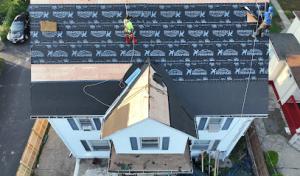
Mighty Dog Roofing of Rhode Island
(401) 425-4108 www.mightydogroofing.com
Serving
5.0 from 67 reviews

QSPS Housing Solutions
(401) 230-9004 www.qspshousingsolutions.com
1208 Atwood Ave, Johnston, Rhode Island
4.8 from 283 reviews
Roofing & Water Restoration Solar Specialists. 15+ years.Siding,Windows Skylight Gutters & PVC Fencing

Seaberg Construction
(401) 499-3891 www.seabergconstruction.com
75 Railroad Ave, Johnston, Rhode Island
4.9 from 128 reviews
Exterior renovations without the pitch! Seaberg Construction’s team specializes in residential roofing, siding, windows, doors, and decks. With over 60 years of combined experience, we are committed to delivering professional work, treating our homeowners like neighbors, and standing behind every single job we do. We believe in transparency, so we provide free, detailed estimates before starting any project. With our secure financing options, achieving your dream renovations has never been more accessible. Contact us today to schedule your FREE consultation, and let’s get started on this home improvement journey together. With Seaberg Construction, turning your house into a home is just around the corner!

The Cranston Roofers
(401) 208-2324 thecranstonroofers.com
Johnston, Rhode Island
5.0 from 10 reviews
The Cranston Roofers can handle and accommodate all your roofing needs! We are the best roofing company in Cranston. We pride ourselves on our quality services and materials that will surely satisfy our customers. Our expert contractors are the best at what they do. Providing a professional and friendly service with great results that will surely make our customers happy. We have a wide array of materials and options you can choose from. From asphalt roofing, slate roofing, cedar shake roofing, metal roofing, rubber roofing, plastic roofing, and more! You name it, we got it. Our expert services are also available in Johnston, North Providence, Scituate, Greenville, and Hillsgrove. Call us now and get a free estimate on your new roof!
Impervious Exteriors
(401) 449-0699 www.imperviousexteriors.com
51 Green Hill Rd, Johnston, Rhode Island
5.0 from 5 reviews
Specializing in Roofing, siding, gutters
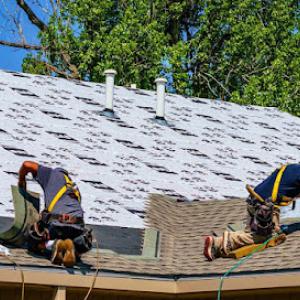
Superior Roofing Solutions
(401) 388-3593 northprovidenceroofing.com
Serving
4.8 from 31 reviews
Superior Roofing Solutions is your trusted roofing contractor serving North Providence, RI, offering exceptional roof installation, repair, and replacement services. Whether you need durable metal roofing, reliable asphalt shingle roofing, or advanced commercial TPO roofing, we have the expertise to meet all your roofing needs. Our team is skilled in handling new construction roofing projects, ensuring your property gets a strong, secure roof from the start. We also specialize in flat roofing systems, designed for durability and performance. At Superior Roofing Solutions, we are committed to providing top-quality service, using the best materials to ensure your roof is built to last. Trust us for reliable, affordable roofing services!
Mighty Dog Roofing of Rhode Island
(401) 425-4108 www.mightydogroofing.com
Serving
5.0 from 67 reviews
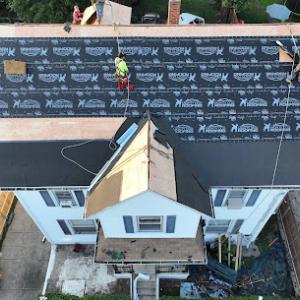
When it comes to your home’s exterior, Mighty Dog Roofing delivers top-of-the-line services matched with the neighborly customer care our clients have come to love. Our team of skilled experts will conduct a free, detailed inspection of your home, treating it as our own. Whether your home needs a simple repair or a full roof replacement, expect to receive the transparent guidance you deserve. Whatever the case, our team will work to meet your safety and budget needs. We take pride in operating with quality materials, hiring skilled roofers, and providing our customers with a high-quality experience. See for yourself; our reviews say it all. Schedule your free, exterior home inspection today!
RoofMasters
(401) 407-6312 www.roofmastersri.com
Serving
5.0 from 118 reviews
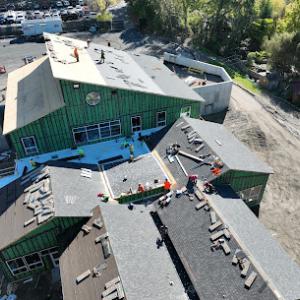
RoofMasters is a top-rated roofing contractor serving Rhode Island, Massachusetts, and Connecticut with over 100 ★★★★★ reviews. We specialize in roof replacement, roof repair, roof rejuvenation, storm damage, and commercial roofing. Based in Smithfield, RI with an additional location in Griswold, CT. We offer free roof inspections, financing, and industry-leading warranties. Call 401-400-7008.
Patriot Roofing & Framing
(401) 639-7663 usapatriotroofing.com
Serving
5.0 from 15 reviews
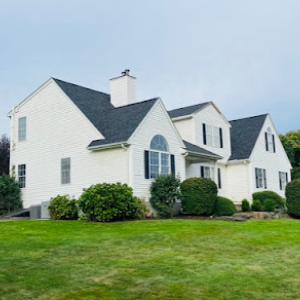
(401) NEW - ROOF After the 15 years of experience in all aspects of construction, Patriot Roofing is a Local Veteran Owned company specializing in commercial as well as residential roofing and have teams that cover all aspects of property exteriors including framing, siding, windows/doors, decks etc. We expertly Install all forms of roofing systems including but not limited to: - Asphalt Shingle - Architectual - Rubber Roofing - EPDM - TPO - Metal Roofing - Standing Seam - Copper Roofing
Exact Exteriors
(401) 420-5645 exactexteriorsllc.com
Serving
5.0 from 136 reviews
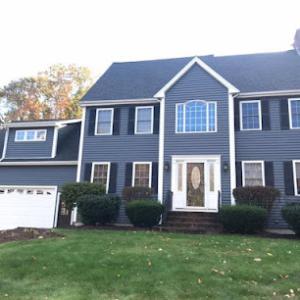
Exact Exteriors is a trusted local roofing company serving Providence, RI, and surrounding areas since 2019. We specialize in both residential and commercial roofing, siding, windows, and exterior painting—using quality materials and expert craftsmanship to deliver lasting results. Contact us today for a free, hassle-free estimate!
Cedar Valley Exteriors
(401) 236-8150 www.cedarvalleyexteriors.com
Serving
4.8 from 165 reviews
Cedar Valley Exteriors are roofing and siding experts. We offer free inspections and work with your insurance company to restore your home and business.
Josh's Construction
(401) 373-3994 www.joshsconstruction.com
Serving
4.8 from 106 reviews
For reliable roofing services in Smithfield, RI, Josh's Construction is the roofing company you can trust. We have a solid track record of commitment to quality and customer satisfaction since 1998. Whether it's a new roof installation or a repair, our skilled team ensures your home or business is protected with durable materials and excellent workmanship. At Josh's Construction, we take pride in our work, offering written warranties on labor and materials. Our dedication to serving the Smithfield community has made us a trusted name in the industry. When you need a roofing company Smithfield, choose Josh's Construction for dependable and professional service. Visit our website or contact us for your roofing needs.

757 Exteriors Roofing & Siding
(401) 583-6671 757roofingandsiding.com
Serving
5.0 from 72 reviews
757 Exteriors Roofing and Siding specializes in reliable roofing services in Cranston, RI, and the surrounding areas. We offer roof repairs, installations, replacements, and siding solutions. Our experienced contractors ensure your roof is repaired efficiently, providing peace of mind for your home security against the elements. Contact us today to learn more about how we can protect your investment!
For Johnston homeowners, the practical choice is shaped by inland Rhode Island winters, spring freeze-thaws, and the way an aged roof handles wind-driven moisture and ice buildup. Asphalt shingles dominate due to their balance of cost, install ease, and performance under local winter cycling. However, you will also encounter metal, wood, synthetic/composite, and occasional clay or concrete tile on older or custom homes, all of which must weather our cold-season rhythm and the occasional Nor'easter wind gusts. The goal here is to help you match material behavior to your roof's structure, ventilation, and the way you use attic space for moisture control.
Asphalt shingles stay the most straightforward option for daily reliability in this market. They install quickly, provide good coverage against wind-driven moisture, and are forgiving if your roof framing isn't perfectly square. In Johnston, you will see many homes with traditional 3-tab or architectural shingles that hold up well to freeze-thaw cycles when properly vented and flashed. The key to longevity is ensuring proper attic ventilation and a robust ice dam strategy: a well-ventilated attic keeps the roof deck closer to outdoor temperatures, which reduces condensation and the risk of ice forming at eaves. If you're replacing shingles, verify the new warranty addresses wind uplift and that the installer re-flashes any vent penetrations and transitions with attention to the valley and chimney areas, where leakage tends to start when left unchecked.
Metal roofs are increasingly common on new builds and some full-replacement projects because they shed snow aggressively and resist impact well. In Rhode Island winters, metal can be a strong performer when installed with correct underlayment and adequate ventilation. If your home has shallow roof pitches or substantial overhangs, metal can help with ice dam mitigation by promoting expedited snow melt and drying at the eave, provided the attic and soffit ventilation is balanced. But metal's weight dynamics and flashing details demand precise attachment and careful handling around eave edges and penetrations. A qualified installer should confirm the roof deck's capacity and ensure that flashing around chimneys, vents, and skylights is upgraded to handle winter wind loads and trapped moisture.
Wood shingles or shakes bring classic texture, but humid summers and winter moisture cycling can accelerate wear. In this climate, expect faster granule loss, minor cupping, or surface checking if the attic is unusually damp or inadequately vented. If you're considering wood, insist on a system with a breathable underlayment, solid attic ventilation, and a maintenance plan to replace cracked or split pieces promptly. Treatments or sealants may help briefly, but true longevity comes from consistent airflow through the attic and a clean eave line to minimize standing moisture along the drip edge during thaw cycles.
Synthetic or composite shingles mimic the look of wood or slate but often offer enhanced resistance to freeze-thaw cycling and moisture intrusion when paired with proper ventilation. They tend to be lighter than natural tile or slate and can be a good compromise for aging decks that need a low-maintenance cover. In colder months, the key remains: ensure that ventilation and flashing are integrated with the chosen profile so that any heat loss from the attic does not promote condensation on the underside of the roof deck or at transitions.
Clay and concrete tile are available locally, but their weight and brittleness make structural review and cold-weather handling more consequential here than in warmer, coastal climates. If you're exploring tile, confirm the roof structure can bear the load, and plan for reinforced fasteners and careful winter handling. In Rhode Island winters, frozen tiles can crack under impact from snow removal or thaw cycles, so maintenance access and uniform support at every tile line become critical. Tile roofs also require precise flashing and drainage planning to prevent ice backing into joints.
Replacement timing in Johnston is influenced by Rhode Island's weather window, with drier periods generally preferred because winter freezing rain and spring rain complicate tear-off and installation. The path of a project often hinges on avoiding heavy wind and moisture, so you'll notice crews aligning start dates to stretches of stable conditions. If a roof is aging or showing signs of active ice dam issues, plan for a window where freezing cycles are unlikely to interrupt work, and where attic ventilation is ready to handle the load of a new system.
Costs can rise after regional storm events and nor'easters when quick-response crews are in higher demand across the Providence-area market. In Johnston, the balance between material choice and labor complexity shows up most in steeper older New England rooflines, chimney-heavy layouts, and projects needing upgraded flashing or ventilation to pass final inspection. Weather-driven delays can add days of labor, and expedited replacements after storms often carry a premium for mobilization and after-storm scheduling.
Material choice ranges locally from lower-cost asphalt to premium tile systems, and labor can increase on steeper older roofs or layouts with multiple roof faces. Asphalt shingles sit at the most economical end, while metal offers longer life with higher upfront costs. Clay or concrete tile delivers durability but adds weight and installation complexity. Wood shingles or shakes and synthetic options occupy mid-to-upper ranges, with labor impacts tied to roof pitch, roofline complexity, and the need for solid ventilation to prevent moisture buildup.
Before signing, map out a two- to three-week weather-safe window for the project, plus a contingency for a mid-work rain delay. Expect a final inspection focus on flashing and ventilation, especially where previous work left gaps. If your home has a tight, chimney-heavy layout, budget extra for flashing upgrades and possibly ridge vents or soffit improvements to ensure proper air movement. Align with crews experienced in Northeast detailing to minimize tear-off waste and ensure a smoother, code-friendly installation.
Get a clear picture of your project costs upfront - no commitment required.
Seaberg Construction
(401) 499-3891 www.seabergconstruction.com
75 Railroad Ave, Johnston, Rhode Island
4.9 from 128 reviews

The Cranston Roofers
(401) 208-2324 thecranstonroofers.com
Johnston, Rhode Island
5.0 from 10 reviews
For homeowners planning a roof replacement in this town, the permit process begins with a building permit application that is reviewed by the town building department with a stated scope of work. The application is not a generic form-the department expects clear detail about what will be removed, what will be installed, and where work will occur on the roof. You will be asked to specify materials, ventilation changes, and any roof penetrations that require flashing or sealant work. Because the review emphasizes the scope, preparing a precise, itemized description helps prevent delays and back-and-forth questions during review.
Before you pull the trigger, confirm that the replacement plan accounts for the town's wind and freeze-thaw realities. The building department often looks for a coherent plan that includes proper flashing around chimneys, skylights, and vents, as well as adequate attic ventilation to handle Johnston's cold-season demands. If you change materials or add features such as additional attic vents or a ridge vent, update the scope accordingly. Submitting revised drawings or notes is better than submitting new paperwork mid-process, as it keeps the timeline smooth and reduces the chance of a permit hold.
In this city, reroofing is not treated as paperwork-only; there is a final inspection after the roofing work is completed. The inspector will verify that the installed roofing system aligns with the approved scope and meets current code requirements. Expect a close look at flashing around roof-to-wall connections and penetrations, as well as the overall ventilation strategy. The final inspection is where documentation of what was replaced matters most: maintain a tidy record showing exactly which shingles, underlayment, and flashing components went in, plus any ventilation upgrades or changes to soffit and ridge vents.
Prepare to present detailed notes and, if possible, product data sheets during close-out. The final review focuses on evidence of proper flashing installation and adequate ventilation-critical factors for preventing ice damming during warm-and-cold cycles. It helps to keep a package that includes before-and-after photos, a list of replaced components, and any manufacturer installation guides. Having this documentation ready at the final inspection reduces delays and supports a smooth close-out, ensuring the project meets the town's required standards.
Rhode Island insurers commonly want documentation of the existing roof condition, prior wind or hail events, and age estimates before settling roofing claims. The goal is to separate wear that happened over years from damage caused by a specific storm, especially in a state where freeze-thaw cycles stress the shingles. When you gather photos, keep a dated album that shows ridge lines, hips, vents, and the flashing at valleys. Include notes on any prior repairs, attic condensation, and evidence of ice damming near the eaves from last winter.
In Johnston, homeowners should expect adjusters to request photos and evidence separating older wear from recent nor'easter or storm-related damage. Use wide shots of the entire roof and close-ups of damaged areas, plus interior attic photos if there is visible water staining. Acknowledge that wind-driven debris and heavy snow can create subtle leaks that worsen with the thaw, so timing of the claim matters. Label each image with date and location, and preserve contractor notes and material samples if available.
Some carriers may reassess higher-value roofing projects or require code-compliant upgrades, making permit records and final inspection sign-off useful claim support. If you have visible flashing gaps, poor ventilation, or signs of previous ice damming, document them clearly. A concise summary of the roof's age, notable events, and ventilation status can help a claim move more smoothly through adjuster review, but expect questions about the attic ventilation and insulation. Having a trusted local roofer's short assessment can be valuable.
After a storm, don't delay documenting the roof. In this climate, moisture can hide under shingles or inside the attic, making evidence crucial. File a claim as soon as you can, but wait to start major repairs until the adjuster has visited if possible, so you have a before-and-after record. Keep copies of every communication, note the dates of storms, and log when the first signs of leaks appeared. Ask your contractor to provide a written evaluation that highlights ventilation status and flashing integrity, since these details often factor into settlement decisions.
Don't assume every damage will be obvious from the ground. Freeze-thaw cycles can create hairline leaks that only show up after a few warm days. Ask for a professional assessment that includes the attic ventilation, insulation condition, and the integrity of ridge and eave vents. If an adjuster doubts the age estimate, provide any available receipts or contractor reports that spell out the roof's history. Finally, keep a calm, factual tone in all communications; a cooperative approach tends to keep the process moving, especially when winters stretch into early spring.
Connect with contractors who help homeowners navigate the claims process from damage assessment to final approval.

QSPS Housing Solutions
(401) 230-9004 www.qspshousingsolutions.com
1208 Atwood Ave, Johnston, Rhode Island
4.8 from 283 reviews
Mighty Dog Roofing of Rhode Island
(401) 425-4108 www.mightydogroofing.com
Serving
5.0 from 67 reviews
In a town with inland Rhode Island winters and frequent Nor'easter winds, small flashing defects around skylights, chimneys, and low-slope sections become recurring trouble points. Freeze-thaw cycles push and pull at seals, curb ties, and step flashings, turning minor leaks into noticeable drips after mid-winter storms. Local contractor signals show notable demand for skylight work, chimney-related roofing, and flat-roof service, suggesting transitions and penetrations often need more attention than a simple field shingle replacement.
Skylight replacements or repairs must address the curb, flashing, and surrounding shingles as a single system. When a skylight is involved, ensure the curb flashing is integrated with counterflashing to shed water toward the shingles rather than into the deck. Verify that the original sealant at the curb is still pliable and free of gaps. In Johnston's environment, curb details should extend beyond the standard overlap to accommodate potential ice dams and frost heave, which can pry loose edges if not properly sealed.
Chimney work demands careful attention to step flashing where the chimney meets the roof plane, plus the transition to any adjacent ridge or roof-to-wall interface. With chimney-related roofing, the final inspection emphasizes flashing performance after replacement, so step flashing must be continuous, well-sealed, and corrosion-resistant. Pay particular attention to the point where chimney parapets, bricks, or mortar meet the roof to prevent water from migrating behind the flashing during thaw cycles.
Low-slope roofs require robust tie-ins at penetrations and along perimeters to prevent water infiltration during meltwater runoff. Ensure intersection points with skylight curbs and chimney flashings are carefully lapped and sealed, forming a continuous drainage path. Attention to insulation and ventilation around these zones is crucial, as inadequate breathing space can worsen ice dam formation near transitions. In practice, expect to re-check sealed joints after the first full freeze-thaw sequence and after the first heavy spring thaw to catch any microcracks before they worsen.
Find contractors experienced in skylight installation, flashing, and leak repairs to bring natural light into your home.
QSPS Housing Solutions
(401) 230-9004 www.qspshousingsolutions.com
1208 Atwood Ave, Johnston, Rhode Island
4.8 from 283 reviews
Seaberg Construction
(401) 499-3891 www.seabergconstruction.com
75 Railroad Ave, Johnston, Rhode Island
4.9 from 128 reviews
Mighty Dog Roofing of Rhode Island
(401) 425-4108 www.mightydogroofing.com
Serving
5.0 from 67 reviews
In Johnston, the market leans toward re-roofing rather than niche new-construction specialists, so you want a crew that can protect teardown, clean up thoroughly, and work smoothly around an occupied home. The choice you make after a leak or a storm matters for months to come, not just a single weekend. The right crew will treat your yard, driveway, and landscaping with care while they remove old materials and install the new roof.
A practical Johnston crew understands how freeze-thaw cycles stress shingles and flashing. Ask about recent projects on homes with similar roof lines or ventilation needs and how they addressed ice dams, attic air flow, and venting for peak winter performance. Look for a family-owned firm with a multi-decade track record; those businesses tend to move faster after a leak because they've learned the neighborhood's typical problem points and response expectations.
Cleanup is your strongest signal in this market. Request a detailed plan for magnet sweeps, metal scrap control, and debris containment. The crew should describe how they protect landscaping, foundations, and vehicles, and how they isolate work areas to keep a sleeping or eating schedule undisturbed. In Johnston, debris control is tied to jobsite order; you want a crew that finishes with the same neatness they started with, not a pile left behind in the driveway or yard.
Quick response after a leak is valued, but steady, reliable performance matters more in the long run. Look for a long-established firm that can provide solid references and a predictable schedule. Family-owned firms often blend speed with accountability, offering clearer lines of communication if weather windows shift or a follow-up venting check is needed after a cold snap. The goal is a crew you can rely on to show up prepared, work cleanly, and stand behind the work.
Ask how they secure underlayment and flashing during a cold snap, how they protect existing attic insulation, and who coordinates the ventilation check after completion. Confirm their method for protecting interior doors and floors during material handling. Finally, get a candid sense of how they handle owners during tight weather or busy periods so you know what to expect when you need them most.