
Last updated: Apr 19, 2026
Roofing here sits along Narragansett Bay, so coastal wind exposure is not theoretical-it's a daily factor. Nor'easter winds can push against shingles, flashing, and coping with surprising force, especially on roofs that face the bay or have run-down edge details. In this setting, wind-driven rain finds small gaps to exploit, and loose or aged areas become focal points for damage quickly after a stiff gust. If your roof has exposed fasteners, loose hips, or undersized edge metal, expect accelerated wear that compounds with each winter storm. From street-facing ridges to back slopes shielded by neighboring homes, every angle matters. The result is more than shingle lift; it's flashing fatigue, accelerated edge wear, and higher risk of wind-driven moisture infiltration into soffits and attic spaces. Action is needed when neighbors report creaking sheathing or see lifted tabs after storms-don't wait for a full failure to respond.
Winter cycles here follow a predictable pattern: cycles of freezing and thawing stress tabs, seams, and flashing. After a nor'easter, those cycles intensify as meltwater refreezes in corners and under flashing, forcing edges to lift and tabs to crack. Older roofs with brittle shingles or compromised underlayment absorb this strain more quickly. In coastal pockets where exposure is strongest, you might notice more frequent shingle curling, micro-cracking, or sealant deterioration along roof edges and vent flashings. The combination of wind and freeze-thaw accelerates decay, so if your roof has a longer roofline with multiple transitions-valleys, dormers, or skylights-inspect these areas with a methodical eye. Pay attention to cracked sealant joints around chimney, vents, and metal flashing where water can wick inward during warm spells followed by sudden freezes.
Replacement scheduling in this area skews toward late spring through early fall. Spring rain and winter conditions complicate tear-offs, dry-in, and scheduling for crews, so delays can extend the downtime and push vulnerable roofs into another winter cycle. If a major wind event reveals compromised flashing, torn tabs, or loose edge materials, plan for a window starting in late spring and extending into early autumn. Preparation matters: confirm roof deck integrity, ventilation, and attic insulation before tear-off to minimize the risk of condensation on a new install. In neighborhoods with bay-facing homes, drive-by checks after storms give you a quick read on whether the roof is managing wind loads or showing early signs of failure. If there's any doubt about the integrity of edge metal or valley liners, treat it as urgent and address before the next freeze-thaw cycle approaches. The goal is a cohesive system-shingles, flashing, ventilation, and underlayment working in concert to withstand coastal winds and seasonal temperature swings.
The dominant materials in North Kingstown include asphalt shingles, metal roofing, clay tile, concrete tile, wood shingles or shakes, and synthetic or composite shingles. Coastal wind exposure and winter edge damage make installation quality and fastening patterns especially important locally. When evaluating any roof type, prioritize fasteners, underlayment, and edge details that resist strong gusts and freeze-thaw cycles. A solid attic ventilation strategy and properly flashed penetrations become the foundation for long-term performance.
Asphalt remains a practical fit for much of the housing stock in this area. In a coastal climate with Nor'easter winds, the emphasis shifts to proper nailing patterns, impact-resistant shingles, and a continuous ridge vent or equivalent for wind-driven moisture control. Look for high-quality underlayment under the shingles and ensure starter courses are installed correctly to reduce edge blow-off. In homes with limited attic space or tight ventilation, upgraded underlayment and sealed transitions around chimneys and vents help prevent ice dam buildup and wind-driven leaks.
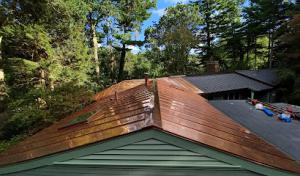
Metal is relevant for homeowners balancing bay exposure, snow shedding, and long service life. Metal panels or shingles can outperform traditional products in wind and freeze-thaw conditions when fastened with corrosion-resistant systems and through-fastening patterns designed for high wind zones. Pay attention to seam sealing, flashing at roof-to-wall intersections, and appropriate snow guards in areas prone to drifting snow. A metal roof can be quieter and shed ice more effectively, but proper ventilation and attic baffles remain important to manage condensation and thermal movement.
Clay tile brings a distinctive coastal look and solid durability, but its weight and fragile edges demand engineered support and robust fasteners. In wind-prone neighborhoods, ensure battens, clips, and edge fasteners are rated for the roof slope and climate. Tile conditioning and replacement require careful handling around parapets and chimneys, where edge damage can initiate leaks during Nor'easters. Consider a reinforced underlayment and a slope appropriate for their weight to reduce future maintenance.
Concrete tile shares many characteristics with clay but often offers greater impact resistance. The same emphasis on correct fasteners, edge treatments, and venting applies. Because of weight, verify structural support before installation and ensure flashing details are designed to resist wind-driven moisture entering roof-to-wall joints. In freeze-thaw cycles, proper drainage and snow shedding features help prevent standing water and ice dam risk.
Wood shingles or shakes provide a classic texture but demand meticulous maintenance in this climate. Wind will test edge connections, and freeze-thaw cycles can cause cupping or splitting. Regular coating with approved sealants and attention to flashing at gutters, skylights, and chimneys are essential. If selecting wood, choose rot-resistant species and consider thicker, engineered profiles that resist wind uplift.
Synthetic or composite shingles offer varied aesthetics with the potential for enhanced dimensional stability. In coastal wind zones, verify that the product is rated for wind speeds in your area and that installation includes reinforced starter courses and secure edge fasteners. The combination of convincing performance and lowered maintenance makes composites a practical choice for bay-exposed homes, provided the installation matches the climate-specific requirements.
When planning a roof replacement in North Kingstown, use local per-square ranges to anchor upfront budgeting. Asphalt shingles run roughly 350 to 650 per square, reflecting the common village-to-subdivision stock and the need for solid wind resistance in coastal exposure. Metal roofing typically lands between 700 and 1100 per square, with edge details and fasteners that stand up to Nor'easter winds driving the overall cost. Clay tile projects come in around 900 to 1500 per square, while concrete tile sits near 1000 to 1500 per square, reflecting heavier tiles and the extra structural support they require. Wood shingles or shakes span about 550 to 900 per square, a common look on older homes but needing careful detailing for freeze-thaw cycles. Synthetic or composite shingles fall in the 450 to 750 per square range, offering durability with a more moderate price tag. These ranges help compare options without losing sight of local realities, including coastal wind exposure and the freeze-thaw cycle.
Coastal wind exposure calls for more robust edge protection, flashing durability, and enhanced ventilation. In practice, that means higher upfront material choices or additional flashing, hip-and-ridge detailing, and properly vented soffits and ridge lines. A simple layover-style replacement is rarely the best approach for bay-exposed roofs, and crews will factor in the extra labor for secure seam sealing and wind-driven edge protection. Expect the project price to rise not just from pricier materials, but from the required flashing and underlayment upgrades that keep the roof weather-tight in Nor'easter conditions. The consequence is a more resilient roof that costs more upfront but reduces the risk of wind-driven leaks and wind damage down the line.
Project pricing can move upward when seasonal demand spikes after nor'easters or when spring rain compresses the workable roofing calendar before summer. In practice, that means shingle and tile installations may be pricier in late winter to early spring or after a big coastal storm event, as crews swing to high-priority recovery work and scheduling tightens. If you're planning a replacement around the shoulder seasons, expect the price to hold more steadily, but still account for the usual premium on high-wind-edge and ventilation work. Having a clear scope and phased plan with your roofer can help smooth bumps in the calendar and keep costs predictable.
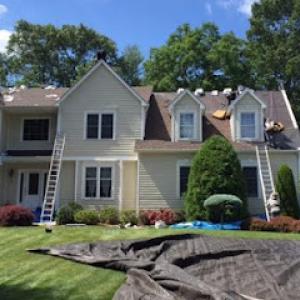
Midland Roofing Company
(401) 738-8282 www.midlandroofingri.com
27 Linden Ct, North Kingstown, Rhode Island
5.0 from 230 reviews
For nearly 50 years, Midland Roofing Company, Inc. has served the residential roofing needs of homeowners across Rhode Island.
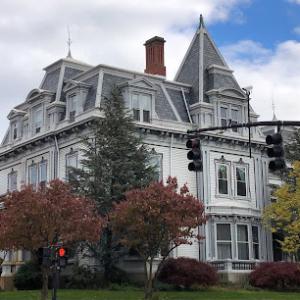
Pinnacle Roofing & Skylights
(401) 386-5292 pinnacleroofingri.com
650 Ten Rod Rd #2, North Kingstown, Rhode Island
5.0 from 91 reviews
Pinnacle Roofing & Skylight is committed to using high-quality materials, dependable craftsmanship, and best practices on every exterior project. Whether you have missing or damaged shingles, a leaky skylight, or a complete roof replacement, we can take care of it! Our team of licensed, certified roofing and skylight specialists have the training and experience to handle all your roofing and skylight needs. We begin every job with a consultative inspection and an honest assessment of your property’s needs, no matter how large or small the job may be. Home improvement projects can be stressful, but we aim to make the process as smooth and worry-free as possible. Contact us today for a free estimate!
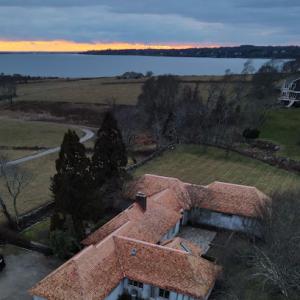
Rinaldi Brothers Roofing
(401) 219-9548 www.rinaldiroofingri.com
3681 Quaker Ln, North Kingstown, Rhode Island
4.9 from 544 reviews
Rinaldi Roofing was founded by twin brothers Matt and Nick Rinaldi. With Nick’s business background and Matt’s construction knowledge, they are a force in the roofing & siding space. They take a family-first approach and are laser-focused on customer experience. Often referred to as "the roofers for the people", Rinaldi Roofing is the #1 roofing expert and fastest growing exterior remodeling company in the state of Rhode Island. They implement an innovative approach and uphold "old school" values.
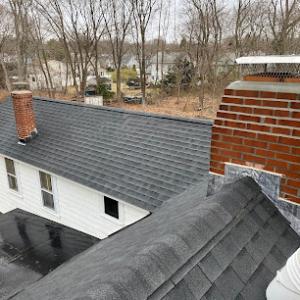
TM Roofing
(401) 692-3667 www.tmroofingri.com
North Kingstown, Rhode Island
4.9 from 49 reviews
TM Roofing provides free roof inspections and quotes to help homeowners make confident decisions about their roof. We specialize in full roof replacement, roof repair, gutter cleaning, gutter installation, residential roofing, and roof snow removal. Our skilled team works with asphalt shingles, rubber roofing, and skylight installation to ensure long-lasting results that protect your home. Based in Rhode Island, we proudly serve Warwick, Cranston, East Greenwich, North Kingstown, Lincoln, and surrounding communities. Whether you need emergency repairs, a new roof, or seasonal maintenance like gutter care and snow removal, TM Roofing delivers reliable, honest service tailored to your needs and budget. Contact us today.
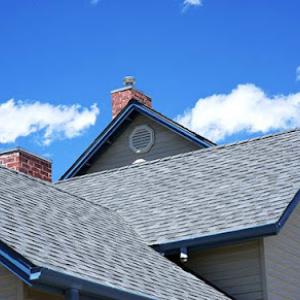
The Rhode Island Roofers
(401) 496-9491 therhodeislandroofers.com
North Kingstown, Rhode Island
5.0 from 25 reviews
The Rhode Island Roofers are a team of dedicated roofing contractors in Rhode Island. We are well known for high quality roof installation and roof repairs in Rhode Island that are designed to last. Our asphalt shingle roofs have extended warranties that go way beyond what most other roofing companies in Rhode Island offer. We make this happen by working with only the best names in roofing and building materials and setting the mark on quality as high as it can go. Our company is built on traditional values, such as hard-work and ethics. As a local Rhode Island roofing company, we take our interactions with our community very seriously. Therefore, we operate with level of professionalism that is unmatched. Get in touch for a FREE quote!

Rhode Island Roofing
(401) 424-7663 rhodeislandroofing.com
North Kingstown, Rhode Island
5.0 from 23 reviews
Rhode Island Roofing is a roofing contractor in Providence, RI. We serve all of Rhode Island with roofing installation, roofing replacements, and roofing repairs. We also offer emergency roof repair services, roof inspections, and insurance claims roof replacements to Providence, RI and beyond. Trust Rhode Island Roofing for all of your roofing needs. We service all jobs large and small, residential and commercial. Contact us today for more information!
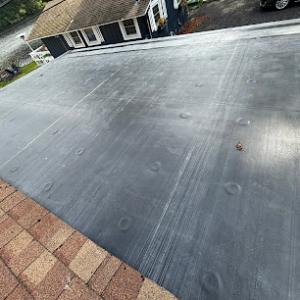
Crown Roofing & Construction
(401) 965-8003 crownroofingllc.net
650 Ten Rod Rd, North Kingstown, Rhode Island
5.0 from 18 reviews
At Crown Roofing, we pride ourselves on delivering top-quality roofing services with integrity and care. From expert roof repairs and replacements to thorough inspections, our skilled team ensures your home or business is protected with durable, reliable roofing solutions.
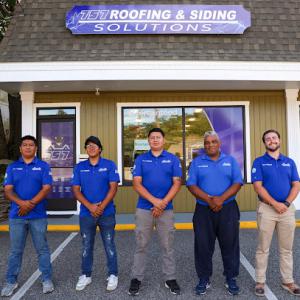
757 Roofing & Siding
(401) 386-7807 757roofingandsiding.com
6465 Post Rd, North Kingstown, Rhode Island
4.9 from 17 reviews
757 Roofing & Siding is a trusted roofing and siding contractor serving North Kingstown, RI, and the surrounding areas. Since 2021, our professionals have provided reliable roofing repairs, roof replacements, and siding services with exceptional care, clear communication, and lasting results. Our mission is to protect homes with high-quality craftsmanship and dependable service, giving homeowners peace of mind for years to come.
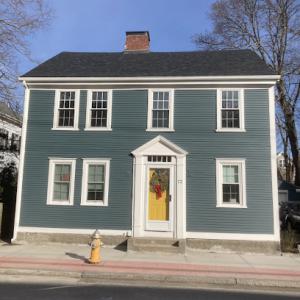
C. Landry Roofing Construction
North Kingstown, Rhode Island
5.0 from 15 reviews
C. Landry Roofing Construction is a subsidiary of Jackson Brothers Roofing. We are a full-service roofing contractor offering multi-generational roofing and construction experience. We specialize in roof installation and repair and general contracting. We offer a wealth of knowledge in the construction industry. Call now for a free quote.
Up North Roofing
North Kingstown, Rhode Island
5.0 from 14 reviews
REGISTERED & INSURED Professionally servicing New England with the most advanced roofing products at a great price to satisfy any or all of your roofing needs! Everything from whole home roof replacements to minor preventative repairs available! Residential/Commercial COMMON services include but are not limited to: Roof inspections, Chimney flashings, Shingle roof repairs & installs, Wind damage repairs, Roof deck rot replacement, Rubber roof repairs & installs, Metal roof repairs & installs, TPO roof repairs & installs, Slate maintenance, Emergency coverage, Rain diverters, Gutters, Wall flashings, Snow removal, Siding, Cedar Shake repairs & installs, etc. ~ same day estimates
Impervious Homes
(401) 414-3924 www.impervioushomes.com
North Kingstown, Rhode Island
4.8 from 20 reviews
Full Roof replacement Roof repairs Free roof Estimates
Kelleher Acoustical Ceilings
(401) 475-6776 kelleheracousticalceilings.com
North Kingstown, Rhode Island
4.8 from 12 reviews
Kelleher Acoustical Ceilings provides acoustical ceilings, custom ceilings, remodeling, roofing, and drywall services to the Rhode Island and New England areas.
A complete re-roof project in this area typically requires a building permit. The town expects homeowners and contractors to address the scope of work clearly before any nails go into the new shingles or other roofing material. If you're replacing a full roof, plan for a permit as part of the project timeline rather than as an afterthought. This ensures that the work aligns with local wind resistance requirements, ventilation needs, and flashing standards that help stand up to Nor'easter winds and winter cycles.
The local process involves submitting the roofing project scope to the town building department. This submission should outline the materials, installation method, and any venting or flashing details you plan to use. After review, you'll pay the permit fee before the actual work proceeds. Keeping documentation of the scope and surrounding house details-such as attic ventilation, attic insulation, and roof-to-wall connections-helps prevent delays and keeps the project moving smoothly.
Inspections in this jurisdiction are scheduled both during and after installation to verify critical details. During the job, inspectors will check ventilation placement and adequacy, proper nailing patterns for the chosen roofing system, and flashing around valleys, chimneys, skylights, and roof penetrations. After the roof is installed, a final inspection confirms that the system components meet code and that ventilation and flashings are correctly integrated with the rest of the envelope. This double-check helps ensure long-term performance against coastal exposure and freeze-thaw cycles.
Coordinate your contractor's schedule with the permitting timeline to avoid work starting without clearance. Have a clear plan for roof ventilation, especially in bays exposed to sea air and temperature swings, and discuss flashing details at all penetrations to deter wind-driven moisture. If your roof is tying into existing soffits or vents, confirm compatibility with the new system during the permit review to prevent ventilation gaps. Keep a file of inspection notices and any required corrective steps so the project remains on track and compliant through completion.
Rhode Island homeowners insurance typically covers roof replacement when damage is tied to a covered peril, which is especially relevant after wind-driven coastal storms that roll through Narragansett Bay. In this area, a strong nor'easter can push shingles loose, lift flashing, or stress vent lines in ways that look cosmetic at first but reveal deeper leakage later. If your roof fails because of wind, hail, or another named peril, the policy language usually addresses replacement rather than cosmetic repairs. The key is showing that the damage originated from a covered event rather than wear and tear.
North Kingstown homeowners should expect insurers to require documentation and often send an adjuster to verify roof conditions before approving a claim. Gather recent photos, maintenance records, and notes from any pre-storm repairs. Clear, dated evidence helps establish a chain of events around the damage. An adjuster will assess the extent, identify the responsible peril, and determine whether repairs or replacement are warranted under the policy. In coastal neighborhoods, insurers may scrutinize flashing integrity, wind-driven debris impacts, and ice dam-related damage with extra care.
Coastal exposure and local nor'easter history can affect underwriting and claim scrutiny in this area even though there is not a broad statewide insurer pullback pattern. Storm history matters for risk modeling, and that can influence how quickly a claim moves through the process. It helps to document recent storm impacts on your roof, including any prior leaks or mid-winter damage, so the insurer has a clear context. If a claim is denied or limited, you can request a written explanation and, if needed, seek guidance from a local roofing professional who understands how coastal roofs typically fail under freezing cycles and high winds.
Connect with contractors who help homeowners navigate the claims process from damage assessment to final approval.
Pinnacle Roofing & Skylights
(401) 386-5292 pinnacleroofingri.com
650 Ten Rod Rd #2, North Kingstown, Rhode Island
5.0 from 91 reviews
Rinaldi Brothers Roofing
(401) 219-9548 www.rinaldiroofingri.com
3681 Quaker Ln, North Kingstown, Rhode Island
4.9 from 544 reviews
The Rhode Island Roofers
(401) 496-9491 therhodeislandroofers.com
North Kingstown, Rhode Island
5.0 from 25 reviews
Summer humidity in this coastal area settles into attic spaces quickly, and inadequate ventilation can shorten the life of asphalt-based systems. In practice, a stuffy attic traps heat and moisture, which accelerates aging of shingles and speeds up wear on underlayment and decking. When bayside winds push moist air toward a roof plane, poor circulation compounds the problem, making small leaks and deck deterioration harder to detect until they're costly to repair.
In this climate, aging asphalt-based roofs often reveal symptoms earlier: curling or cupping shingles, blistering, and faster granule loss. Moisture can migrate into the roof deck and flashing, especially around penetrations and transitions. If attic air is allowed to stagnate, you may notice higher indoor humidity levels upstairs and more condensation on attic surfaces after hot days. These signs are practical warning flags for homeowners in towns with frequent Nor'easter winds and freeze-thaw cycles.
Start with the attic access and look for an open, continuous path from soffits to the ridge. Ensure soffit vents are unobstructed and that there is a clear ridge or upper-vent pathway. If the attic feels hot or humid on a routine day, or you see condensation on sheathing, that signals insufficient exchange. A quick balance check, by observing airflow with a simple tissue at vents during a warm afternoon, helps confirm there's a draft moving air through the attic.
If ventilation feels inadequate after checks, consider adding or upgrading intake and exhaust for better cross-ventilation-maintaining a steady, gentle airflow rather than a loud gust. In coastal settings, a properly sized ridge vent paired with sufficient soffit intake often yields the most reliable performance for long-term roof health.
In this coastal town, the real trouble often hides at the joints where roof planes meet skylights and chimneys. Freeze-thaw cycles push and pull at flashing, and wind-driven rain finds its way through the smallest gaps. Rather than chasing a single leaky seal, inspect the transitions where flashing meets roof shingles, underlayment, and vent penetrations. If you see loose metal, lifted shingles, or dark staining along these edges after a storm, treat it as a warning flare rather than a one-off repair.
Skylights are a meaningful specialty in this market, meaning repair work often goes beyond a simple field shingle swap. Look for shredded butyl tape, deteriorated curb seals, or shifting skylight flashings that create capillary paths for water. In this climate, even a well-installed skylight can fail if its flashing isn't properly lapped with adjacent roof planes or if the curb flashing has been compromised by wind. Address small drips quickly, because lingering moisture invites mold and wood rot in attic sheathing.
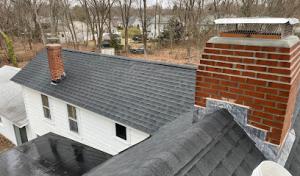
Chimney-related work is also common among local contractors, which fits older Rhode Island housing patterns where masonry intersections are frequent leak points. The mortar joints and metal flashing around the chimney require regular inspection, especially after Nor'easters. Look for mortar deterioration, rusted counter-flashing, or concrete chase caps that have settled or cracked. When leaks appear at a chimney, the fix often involves resealing the flashing integrated with the surrounding roof, not just patching the surface.
Find contractors experienced in skylight installation, flashing, and leak repairs to bring natural light into your home.
Pinnacle Roofing & Skylights
(401) 386-5292 pinnacleroofingri.com
650 Ten Rod Rd #2, North Kingstown, Rhode Island
5.0 from 91 reviews
Rinaldi Brothers Roofing
(401) 219-9548 www.rinaldiroofingri.com
3681 Quaker Ln, North Kingstown, Rhode Island
4.9 from 544 reviews
Flat-roof specialization is active in this area despite the dominance of pitched residential roofs. Low-slope sections on additions, porches, and mixed-use buildings show up as recurring work requests from coastal properties and village-center homes alike. Expect frequent requests for improved edge drainage, more robust flashing details, and careful detailing around roof-to-wall transitions where wind and spray can push moisture into concealed areas.
Spring rainfall can slow down low-slope projects. Plan for temporary dry-in measures that keep interior spaces protected while weather windows open. When rain is forecast, prioritize completing roof seams, penetrations, and edge flashing first, then move to finishing details once a dry period appears. The goal is to avoid long delays that leave insulation and deck components exposed to seasonal moisture.
Warm, humid summers make drainage and ventilation on low-slope assemblies critical. Prioritize properly sloped decking, well-sealed interfaces at drains, and tested overflow paths for any standing-water risk. Ventilation above soffit lines helps manage condensation and summer heat, reducing the potential for membrane degradation. In coastal-adjacent portions, ensure mopping windscreens and parapet details resist salt spray ingress, which accelerates aging.
Coastal wind events and Nor'easters demand a robust flashing strategy. Use stepped flashing at change-of-plane transitions and ensure fasteners are corrosion-resistant. Pay special attention to roof-to-wall joints and where parlors or sunrooms meet the main roof, as these junctions often receive the most wind-driven moisture. Consider additional sealant continuity checks around penetrations to address freeze-thaw cycles that can create micro-cracks over time.
Low-slope roofs benefit from an annual inspection focusing on drainage paths, membrane edges, and flashing seals. After winter, inspect for wind-driven moisture intrusion and any membrane uplifting near corners or valleys. For additions or porches, schedule mid-season checks to catch ponding early and adjust insulation or ventilation if summer humidity appears to be stressing the assembly.
Find specialists in TPO, EPDM, and built-up flat roofing systems for residential and commercial properties.
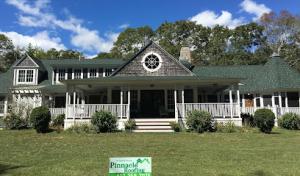
Pinnacle Roofing
(401) 268-7075 pinnacleroofingri.com
North Kingstown, Rhode Island
5.0 from 6 reviews

Quality Exteriors & Roofing Of RI
(401) 738-8245 www.qualityexteriorsinc.com
Serving
4.7 from 60 reviews