Last updated: Apr 19, 2026
You face a climate where the mild, wet pattern keeps roofs damp for long stretches, so replacement timing must hinge on the summer dry window rather than a year-round schedule. In this neighborhood, you're not battling heat or hail as the primary timing enemy; you're racing the damp season to get a clean tear-off, dry-in, and final wrap-up before another prolonged stretch of wet weather. If you push a replacement into a damp spell, you invite mold, lingering moisture in decking, and longer drying times that can erode the roof's long-term performance. Plan around the dry July-to-August lull, and treat any delay in that window as a risk to overall project quality.
Moss growth is a recurring roof-life issue in this market and directly affects maintenance frequency, replacement timing, and how homeowners judge whether a roof is still serviceable. Moss acts like a sponge, holding moisture against shingles and sheathing, accelerating granule loss, and lifting edges where shingles meet. In practice, that means you should schedule more frequent inspections after wet seasons, especially on shaded slopes and valleys where moss thrives. If you notice increased granule loss, dark damp patches, or a creeping green film, treat it not just as cosmetic but as a red flag for potential underlying decking saturation. When moss is present, the roof's effective lifespan shortens if you delay maintenance or a full replacement; you'll pay in more frequent repairs and a more challenging dry-in process later.
Winter storms and the rainy spring and fall shoulder seasons commonly delay tear-off, dry-in, and final completion in this market. That makes it critical to lock in a dry-season slot early and to communicate with your contractor about contingency plans. Winter conditions don't just slow crews; they can cause adhesives, underlayment, and fasteners to perform poorly. If a project overruns into wet periods, you risk scuffed metal, blistered underlayment, and compromised sealants. In practical terms, you should build your project schedule around a tight, optimistic weather forecast for a single, solid dry window and keep a backup plan with your contractor for rapid mobilization when a weather lull appears-but avoid letting the window slip into shoulder-season rain.
In short, your roof life in this area hinges on moisture control and moss management aligned with the summer dry spell. Treat moss as a live factor that accelerates maintenance needs and can shorten serviceability if not addressed promptly. Protect your investment by targeting the tear-off and dry-in during the anticipated dry stretch, and have a concrete plan for winter delays so you're not left scrambling when the skies reopen to rain. If you see dampness lingering after a wet season, take action sooner rather than later, because every extra week of humidity compounds wear and complicates the replacement process.
In Woodinville's damp, moss-friendly winters, the most sensible starting point is to align material choices with moisture management and the short dry windows for replacement. Asphalt shingles and metal roofing are the most practical fits because they are common locally and align with the area's moisture-heavy climate. They resist frequent rain exposure well and install with reliable weather gaps that minimize vulnerable days spent on the roof.
Asphalt shingles are straightforward to install and keep maintenance affordable during repeated wet seasons. Look for reinforced varieties that resist curling and have algae-resistant additives to curb moss growth on shaded, wet exposures. Metal roofing offers excellent shedding of rain and snow, with panels that handle moss-prone surfaces more cleanly than other options. When choosing metal, consider a standing-seam system or treated, coated panels designed for long-term moisture exposure. In a wooded valley environment, a reflective, durable finish helps reduce surface staining and prolongs the life of the roof edge details that take the brunt of frequent drizzle and moss runoff.
Clay and concrete tile are available in this market, but Woodinville's freeze-thaw cycles can add stress to brittle tile systems compared with milder non-freezing coastal zones. If considering tile, evaluate overall roof slope, substrate support, and expansion joints to tolerate winter surges and moss-laden rafter bays. Concrete tiles tolerate moisture well but can be heavier and may require structural checks to avoid sagging under heavy wet seasons. Clay tiles bring classic aesthetics but demand careful flashing and underlayment details to manage persistent rain exposure. In shaded, moss-prone sections, plan for extra moss-prevention steps and more frequent inspections.
Synthetic and composite shingles, as well as slate, appeal to homeowners seeking longer-life materials in a rain-heavy climate. These options withstand persistent rain exposure better than some traditional choices, but still require robust moss-control strategies and precise drainage design. Slate delivers longevity but can be sensitive to freeze-thaw cycles unless installed with proper substrate and maintenance. For all long-life materials, pair with a meticulous underlayment system, proactive guttering, and routine moss management to maintain performance through repeated wet seasons.
Whichever material you lean toward, a proactive moss-management plan matters. Schedule annual roof clearance in late summer or early fall to reduce winter buildup, and pair it with a preventative hard-edge treatment where appropriate. Consider zinc or copper strip options along eaves to slow moss regrowth, and ensure proper attic ventilation to keep roof decking dry from the inside out. By prioritizing moisture control and strategic dry windows, the roof earns its best possible performance through Woodinville's distinctive seasons.
Pricing here is best understood per square (100 square feet) since Woodinville homes often have similar roof footprints and reusable deckings. Local pricing should be framed per square using the provided ranges, with asphalt shingles at the lower end of the Woodinville market and slate at the highest end. In practice, a typical re-roof will quote by the number of squares plus any extra work needed after tear-off. Asphalt shingles sit around 350 to 550 USD per square, while metal roofing runs 550 to 900 USD per square. For heavier systems, plan on 800 to 1600 USD per square for clay, 900 to 1500 USD for concrete, 450 to 800 USD for synthetic or composite options, and 1000 to 2000 USD per square for slate. When you multiply by your total roof area, you'll have a solid framework to compare bids that reflect Woodinville's climate realities.
Expect pricing to rise when rain delays push you into narrower dry windows. In Woodinville, weather systems can stall a project, extending labor time and increasing rental days for equipment. Each additional day also raises the chance of moisture-related moisture-damaged decking needing extra tear-off and substrate repairs. Moss cleanup or removal is more than cosmetic here; it can mean extra labor, additional protective work, and sometimes substrate stabilization to keep the new roof performing long-term. Factor these contingencies into a realistic bid rather than hoping for perfect weather or pristine decking.
Material choice matters more in this market because heavier systems like clay, concrete tile, and slate add structural and labor complexity compared with standard asphalt re-roofs common in the area. If a structure isn't certificated for a heavy roof or your attic framing needs reinforcement, expect higher installation costs and longer project timelines. Metal, synthetic, and asphalt options generally offer smoother logistics in damp conditions and tighter dry windows. Consider roof shape, attic space, and existing decking when selecting a material, since steeper pitches or multiple penetrations also push both material and labor costs up. In short, the same roof size can vary significantly in price depending on the chosen system and the amount of extra work required to manage moisture, moss, and the local wet-season rhythm.
Squatch Roofing
(425) 371-4275 www.squatchroofing.com
14102 NE 189th St, Woodinville, Washington
5.0 from 135 reviews
Squatch Roofing is a locally trusted roofing company serving homeowners across the Pacific Northwest. We specialize in roof replacements, roof repairs, and storm damage solutions built to handle the region’s toughest weather. Our team is known for straightforward communication, quality craftsmanship, and doing the job right the first time. Whether you need a quick repair or a full roof install, Squatch Roofing delivers dependable protection and long-lasting results.
Stealth Roofing
(425) 698-3605 stealthroofingnw.com
Woodinville, Washington
5.0 from 85 reviews
Stealth Roofing is a trusted, family-owned roofing company that truly understands the value of your home. We’re dedicated to providing top-notch roofing services at a fair, competitive price. Our team takes pride in offering not just exceptional craftsmanship, but also an engaging and educational experience for our customers. Through our unique virtual flight technology, we allow you to take a virtual tour of your roof’s condition—giving you a clear, interactive way to understand any issues and how we can address them. At Stealth Roofing, we believe in transparency, quality, and making the roofing process as enjoyable and informative as possible.
AzaPro Roofing
(206) 999-3236 www.azaproroofing.com
Woodinville, Washington
5.0 from 76 reviews
AzaPro Roofing is a certified roofing company serving all of Washington and Kansas City, combining innovation and quality. We are certified by GAF (System Plus), Malarkey (Emerald Pro), and Owens Corning as Preferred Contractors. Featured in Roofing Contractor Magazine, we lead with excellence, efficiency, and clean job sites using Equipter and The Catch-All System. We attend global expos like the Roofing Expo in Shanghai to stay ahead in roofing technology. At AzaPro, we don’t just install roofs, we live our motto: Your Roof, Our Passion.
Highline Roofing
(425) 321-8309 highlinebuildersandroofingwa.hibuwebsites.com
Woodinville, Washington
5.0 from 45 reviews
Highline Builders & Roofing provides roof installation, roof repair, roof replacement, siding installation, and gutter installation services to the Everett, WA area.
HB Roofing & General Construction
(206) 710-5211 hbroofingllc.com
Woodinville, Washington
5.0 from 27 reviews
At HB Roofing & General Construction, we deliver expert roof replacement, repair, installation, inspection, and gutter services with integrity and care. Our experienced team uses premium materials and delivers top-quality craftsmanship—on time and on budget. We prioritize your satisfaction through transparent pricing, clean work, and honest communication. Serving homeowners across the Seattle area, we’re your trusted local roofing contractor. Contact us for a hassle-free roofing experience.
Stout Roofing
(425) 643-0888 www.stoutroof.com
13110 NE 177th Pl, Woodinville, Washington
4.3 from 23 reviews
You won’t find any company in Seattle with harder workers or a better camaraderie among employees Jake Stout, owner, has been roofing in Seattle for over 30 years and has installed over 10,000 roofs. A graduate of the University of Washington, (Environmental Studies and Geography) he also recently completed his graduate degree in Communications in Digital Media (MCDM) at UW. Jake has pioneered roof recycling in the Northwest, has owned and operated two cedar shake mills, and was the first to promote environmentally safe roof preservative treatments in Seattle. Working with the Department of Transportation and Clean Washington to initiate the recycling of composition shingles into asphalt road base, his efforts were endorsed by Gov. Booth...

Expert Roofing Contractors
(425) 500-7764 expertroofingwa.com
Serving
5.0 from 21 reviews
Expert Roofing Contractors is a trusted roofing and exterior company serving residential and commercial clients with high quality workmanship and reliable service. We specialize in asphalt shingle roofing, metal roofing, PVC roofing systems, roof replacement, and fast roofing repairs to protect your property year round. Our team also provides professional gutter installation, siding installation, exterior painting, and deck construction to enhance curb appeal and durability. From minor roof leak repair to full roof installation and storm damage solutions, we focus on long lasting results, clear communication, and customer satisfaction.
VBC Roof & Gutter
(425) 666-8380 vbcroofconstruction.com
Serving
5.0 from 60 reviews
At VBC Roof & Gutter, we provide complete exterior home services to keep your property protected and looking its best. Our team specializes in roof replacement, roof repair, and roof cleaning services, including moss removal and maintenance. We also offer gutter installation, gutter cleaning, and siding installation to improve your home’s appearance and function. Need interior work? We handle carpentry services and professional tile installation for kitchens, bathrooms, and floors. Contact VBC Roof & Gutter today for a free estimate and let us help you upgrade and protect your home!

Pro Roofing NW
(425) 814-7313 www.proroofingnw.com
Serving
4.8 from 447 reviews
When you need a new roof, turn to the expert Kirkland Roofers at Pro Roofing NW. The roofing company has proudly been serving all of King and Snohomish counties since 2006. While Pro Roofing NW can tackle any roofing job, the expert roofers specialize in removing old roofs and installing high-quality roofing systems using only the best materials. Some of the roofing brands the company uses include CertainTeed's Presidential, Presidential TL, and Landmark Series and Owens Corning's Oakridge, Duration, and Woodcrest and Woodmoor Series. In addition to high-quality roofing work, Pro Roofing NW also provides reliable gutter system installations, from K-style and wide bottom fascia-style gutters to leaf and needle-proof gutters.
Quality Roofing
(425) 404-0857 www.qualityroofingmonroe.com
Serving
4.7 from 26 reviews
Quality Roofing is a Roofing Company located in Monroe, WA and has been servicing all of Monroe and the surrounding areas for many years. Sergio specializes in Roof Repairs, Gutter Cleaning Services, Roof Cleaning, Residential Roofing, Metal Roof Installations, Roof Replacements, Remodeling Services and more. Whether you at interested in flat roofing for your home or business or simply need roof leak repair, Quality Roofing can help. Our roof replacement and remodeling services are the best in the Monroe, WA area and all we ask is the chance to prove it to you. Contact Sergio at (425) 404-0857 for more information today!
Bellevue Roof Repair
Serving
5.0 from 82 reviews
Bellevue Roof Repair have been operating within Clyde Hill ever since 2014, and with pride assists the 98004 zipcode and encompassing areas We supply services in roofing contractor for the Clyde Hill area If you would like assistance with roofing contractor inside the Clyde Hill region your search is over We're operating out of Washington, in Clyde Hill
A full residential re-roof typically requires a building permit rather than being treated as no-paperwork maintenance. This is a practical outcome of Woodinville's building codes, designed to ensure underlayment, flashing, and wind-resistance meet local standards. The permit process creates a formal record for your home and helps coordinate inspections with the city. Expect the permit to cover the removal of old material, installation of new underlayment, starter courses, and the roof system as a whole. Starting the project with the permit in hand avoids downstream delays and keeps your neighborly workflow intact.
Local inspections are used during and after the project to verify underlayment, flashing, and wind-resistance compliance before the job is considered complete. The inspector will typically look at the roof deck condition, fastener patterns, and the compatibility of shingles or panels with the existing roof geometry. If your home has tall branches nearby or a moss-prone environment, expect a close check of flashing details around chimneys, vents, and skylights. A clean, well-documented sequence of inspections helps prevent rework and ensures the roof's long-term performance under Woodinville's wet seasons.
Because inspection timing intersects with weather windows in Woodinville, homeowners should expect scheduling coordination between contractor dry-in progress and the building department. Wet weather slows moisture-sensitive steps like underlayment installation, while dry spells can create window opportunities to finalize flashing and ventilation installations. Plan for a realistic timeline that accommodates potential rain delays and the city's inspection queue. Communicate clearly with the contractor about preferred inspection dates, and have a plan for protecting exposed roof areas during unexpected showers. Understanding this rhythm helps minimize project stalemates and keeps the re-roof on track.
Before work begins, ensure the permit application lists all major components: underlayment type, flashing strategy, drip edge, ice and water shield where applicable, and ventilation plan. Maintain open lines of communication with the contractor and the building department, especially if the project spans multiple dry periods. If issues arise-such as finding damaged decking or inconsistent nailing patterns-address them promptly so inspections can proceed without unnecessary hold-ups. In this climate, proactive coordination between dry-in progress and permit approvals is your best bet for a smooth re-roof.
Weather events in this part of the Pacific Northwest often drive insurance decisions, and that dynamic shows up in Woodinville with a steady stream of post-storm inquiries. When a roof issue becomes a claim, insurers expect solid documentation rather than relying on verbal descriptions alone. You should anticipate being asked for clear photos, a detailed scope of work, and itemized invoices that lay out exactly what was done and with what materials. If you have a history of leaks or patches, organize timestamps and sequence so the adjuster can see how moisture moved across the structure over multiple events.
Adjusters in this market frequently coordinate directly with contractors to verify that replacement work will meet code and long-term performance standards. That means timing, materials, and installation practices matter as much as the initial diagnosis. Keep a written record of conversations, including who you spoke with, what was discussed, and any commitments made. After a storm-related loss, those permit and inspection records-when available-become useful proof of work completed and compliance. If you intend to pursue a claim, consider aligning your contractor's process with the insurer's verification steps so the claim isn't bogged down by mismatched expectations.
The lasting moisture of prolonged wet seasons and winter storms is a common driver of leaks here, more so than dramatic hail events seen in other regions. In practice, that means roofs with moss pressure, clogged drainage, or compromised flashing tend to reveal vulnerabilities after stretches of wet weather. Look for signs that moisture has penetrated through seams, vent connections, or under missing or damaged shingles, and document any staining, soft spots, or interior indications of dampness. When a leak appears after a wet period, act quickly to prevent further damage, because the next storm can push the issue from surface intrusion into structural risk.
Connect with contractors who help homeowners navigate the claims process from damage assessment to final approval.
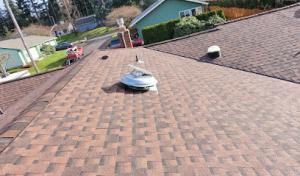
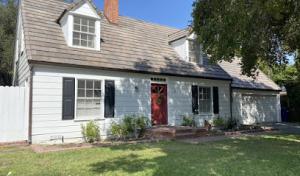
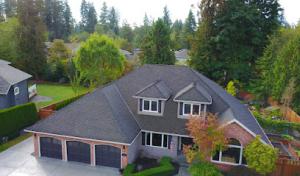
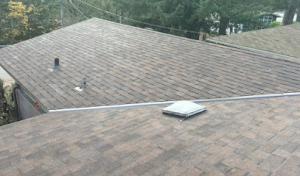
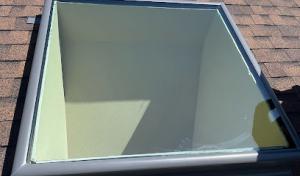
Skylight work is notably active in this market, which matters in Woodinville because prolonged moisture exposure makes flashing quality and curb detailing more consequential over time. The wooded Sammamish Valley setting means persistent dampness, moss growth, and shaded roof runs, so skylight assemblies face a relentless moisture load and slower drying cycles than simpler roof planes.
Inspection attention to flashing is especially relevant locally because leak complaints in wet climates often show up first at penetrations rather than across the field of the roof. Pay close attention to the transitions where skylight curb, flashing, and roofing material meet. Look for hairline cracks, lifted shingles under the curb, and corrosion at metal components that may have started as micro leaks but worsened with moss and debris.
In Woodinville homes, the skylight curb and its flashing are frequent trouble spots. Moss growth around the skylight can trap moisture against the flashing, accelerating deterioration. The worst leaks often trace to improper shingling over the skylight, inadequate sealant at corners, or misaligned step flashing where the skylight intersects a vertical wall and the roof plane.
The long wet seasons make timing critical for any skylight work. Dry windows are short, so repairs should be planned to minimize exposure of vulnerable curb details to extended rain events. After heavy rains, inspect skylights promptly for staining, damp odors, or soft edging around the curb, which can signal flashing failure before a visible leak appears on ceilings.
Chimney-related roof intersections are a meaningful part of the local contractor landscape, suggesting many Woodinville homes need careful transition detailing at masonry and roof penetrations. When a skylight sits near a chimney or masonry wall, ensure joint sealants and flashing transitions are continuous and that flare-outs or step flashing are integrated with the chimney crown and roof plane to prevent backflow paths.
Find contractors experienced in skylight installation, flashing, and leak repairs to bring natural light into your home.
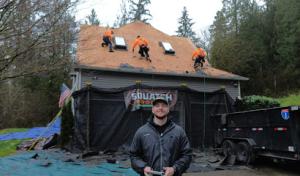
Squatch Roofing
(425) 371-4275 www.squatchroofing.com
14102 NE 189th St, Woodinville, Washington
5.0 from 135 reviews
Flat and low-slope roofing is an active specialty in the local market, even though pitched residential re-roofing dominates the overall work. You'll notice more shops and crews familiar with membrane choices, flashing details, and tricky transitions around dormers and additions. That expertise matters, because low-slope surfaces tend to reveal failures sooner in this environment where woodlands bring shade, moisture, and moss pressure year after year. A cautious approach matters when choosing materials and detailing.
In the extended wet seasons, low-slope sections on additions, porches, and accessory structures need especially careful waterproofing because they dry more slowly than steeper roof planes. When moisture sits on a flat seam or a perimeter edge, it can creep under the edge metal or under the membrane if the detailing is marginal. Expect slower drying cycles, which amplifies any small seam issue into a leak path that compromises sheathing, soffits, and interior ceilings.
Homeowners with mixed roof designs in Woodinville should evaluate low-slope sections separately from the main roof because replacement timing and material choices may differ. A new asphalt cap might pair fine with a steeper main roof, but a low-slope patio roof or overhang may benefit from a different membrane system or extra slope adjustment. Ice-dam risk is different on a flat plane, and frost cycles can stress flashing in ways a true pitched plane wouldn't.
Practical considerations to bring to your contractor: confirm continuous underlayment across transitions, verify edge detailing against moss-laden gutters, and plan for staged work during dry windows when possible. If you have a porch, deck cover, or extension with a flat plane, treat its waterproofing as a separate project with its own maintenance plan, because neglect there often shows up in the home's living spaces before any other roof area. That invites ongoing moss. In drizzle and shade, a missed seam becomes slow to dry and costly to fix later.
Find specialists in TPO, EPDM, and built-up flat roofing systems for residential and commercial properties.