Last updated: Apr 19, 2026
Sequim sits in the Olympic rain shadow, so homeowners often underestimate roof moisture risk compared with wetter nearby Peninsula communities even though damp exposure remains a year-round roofing issue. The marine setting brings fog, sea breeze, and wind-driven rain that can keep roof surfaces and flashings damp during shoulder seasons. That combination means roofs here are less about shedding heavy snow and more about managing persistent moisture, algae growth, and salt-air exposure that accelerates deterioration. A practical roof strategy runs on durability, not just uptime, and it starts with materials and details that resist constant dampness.
In this climate, you want a roof system that breathes enough to dry after rain while staying water-tight during cool, damp stretches. Metal roofing responds well to Sequim's moisture regime because panels shed rain quickly and resist moss and algae when finished with a quality coating. Asphalt shingles with algae-resistant granules can work, but you should pair them with an underlayment and ventilation plan that keeps the deck dry. Synthetic or composite shingles offer a balanced option, combining reasonable durability with better moisture tolerance than some traditional materials. For those opting into heavier assemblies, concrete or clay tiles demand careful installation details to prevent wind-driven water intrusion and ensure reliable drainage on sloped roofs.
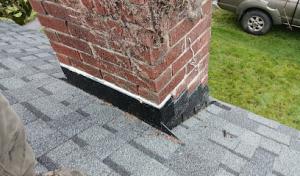
Year-round dampness means you must prioritize continuous ventilation and a robust underlayment. A high-quality synthetic underlayment adds a second line of defense against leaks during foggy spells or misty mornings. Ensure roof vents and soffit intakes are sized to promote dry-time ventilation across the attic space, reducing condensation that can degrade sheathing over time. Flashings deserve particular attention in Sequim's marine environment: sealant joints should be chosen for long-term resilience against salt spray and frequent damp cycles. Pay close attention to step flashing along hips and valleys, and consider a continuous drip edge to direct moisture away from fascia boards. Regular checks of chimney and vent flashing help prevent slow leaks that can undermine roof longevity.
Moss and algae growth is a common troublemaker here, driven by damp seasons and frequent fog. A proactive maintenance routine pays off: keep debris out of valleys and gutters to prevent standing water, and consider a preventative treatment plan that targets bio-growth without harming the roofing surface. When moss starts to appear, address it promptly with a roof-safe cleaner and a soft-bristle scrub, followed by a thorough rinse. Avoid aggressive mechanical cleaning that could scar shingles or tiles. If algae becomes persistent, you may need to revisit surface materials or add a protective algicidal treatment on the roof surface at the start of the damp season.
Because mild temperatures keep moisture exposure chronic rather than episodic, aging tends to show up as flashing deterioration, deck rot, and surface discoloration rather than deep-freeze damage. Inspect the top edges of flashing around skylights, trims, and chimneys for hairline cracks or lift. Check ridge lines for loose or deteriorated caps where wind-driven rain can infiltrate. In flat areas or low-slope sections, ensure you have an effective water-shedding detail and an unobstructed path for water to reach the gutters. If the roof is already showing early signs of wear, prioritize replacing problematic flashing and updating underlayment before leaks take hold in a damp season.
Create a seasonal inspection routine that targets moisture-specific vulnerabilities: after heavy fog events, examine flashings and gutters for damp streaks or pooling water; in spring and fall, verify that ventilation paths stay clear of leaves and debris; and after windy periods, recheck ridge vent areas for loose caps. When choosing a new roof, prefer systems with moisture-tolerant underlayment, corrosion-resistant fasteners, and proven coastal performance. Plan for proactive moss management and choose surface materials with aging characteristics that resist darkening or degradation under continuous humidity. By prioritizing moisture-smart choices and maintaining a vigilant upkeep rhythm, the roof remains resilient through Sequim's marine cycles.
Fred Patton Construction
801 Thornton Dr, Sequim, Washington
5.0 from 16 reviews
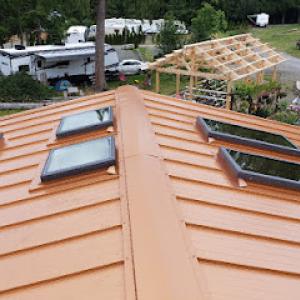
Formerly known as Fred Patton construction. We sell and install metal roofing and siding. We pride ourselves in using good materials and doing the job right the first time.

Westend Home Services
551 Mill Rd, Sequim, Washington
5.0 from 15 reviews
General Contractor ⚒️ Roofing & Repair • Exterior Painting & Remodeling • Home Maintenance & Handyman Services 🧰
Nailed it Contracting & Roofing
173 McComb Ln, Sequim, Washington
5.0 from 13 reviews
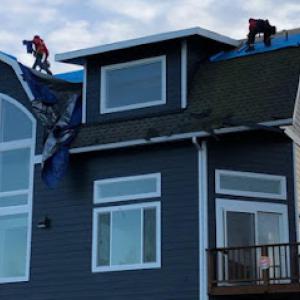
Nailed it Contracting & Roofing is a general contractor offering quality construction services including Roofing, remodeling, siding, decks, fences and more.
Integrity Roofing & Construction
(360) 245-2439 integrityrc.com
246 W Washington St, Sequim, Washington
5.0 from 10 reviews
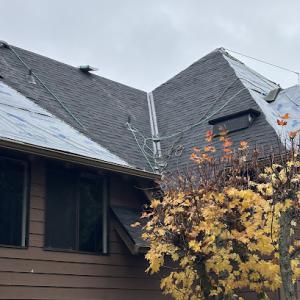
Roofing, siding, and other construction services for residential and commercial properties. Homeowners and business owners across the Clallum and Jefferson area trust Integrity Roofing & Construction for reliable, high-quality work. As a local roofing company with decades of hands-on experience, we deliver expert solutions for roofs, remodels, siding, and more. Whether your project is large or small, residential or commercial, you can trust us to bring professionalism, craftsmanship, and honest service to every job.
McCreary & Son
(360) 461-3156 www.mccrearysonllc.com
490 W Hammond St, Sequim, Washington
4.6 from 9 reviews
Roofing is our Heritage, Quality is our Tradition. Although we specialize in roofing, McCreary & Son offers a variety of services to meet all your roofing and contracting needs. Everyone on our team has generations of knowledge in many different trades to deliver great customer service, a quality contractor experience you can be confident in and of course, a job well done. All estimates are free and flexible according to materials and scheduling.
Tristate Roofing - Sequim
(800) 270-7544 www.tristate.pro
151 Hooker Rd, Sequim, Washington
4.3 from 6 reviews
Tristate Roofing, Inc. is a licensed, insured roofing and exterior contractor serving Sequim, Tacoma, Seattle, and communities across the Puget Sound region. Our crews handle full roof replacement, re-roofing, repairs, and new installations with durable, energy-efficient shingles and roofing systems. In addition to roofing, we provide professional installation of replacement windows, siding, gutters, attic insulation, patio covers, and exterior doors to improve both protection and curb appeal. As a GAF factory-certified and highly rated local roofer, we offer thorough roof inspections, straightforward recommendations, strong warranty coverage, and flexible financing options for your roofing and exterior home improvement needs.
Rainshadow Roofing
(360) 912-2949 under_construction_back_soon.com
June Pl, Sequim, Washington
4.0 from 4 reviews
{24 HOUR LEAK REPAIR } A little bit about the owner of Rainshadow Roofing. My journey in roofing began at just 15 years old in Sequim, Washington, nestled in the heart of the Pacific Northwest. Over the past 22 years , I have been fortunate to learn from some of the most skilled roofers in the area. The knowledge, techniques, and craftsmanship I've gathered from these experts have helped me develop a business focused on delivering top-quality roofing solutions. I founded Rainshadow Roofing on April 20, 2022. We entered the market with enthusiasm and energy, quickly making a name for ourselves. Now, our approach is all about providing personalized, start-to-finish service. Choosing quality over quantity!
Olympic Coast Construction
(360) 477-4951 www.olympiccc.com
170 W Bell St, Sequim, Washington
3.0 from 2 reviews
Olympic Coast Construction proudly serves the Clallam County, WA area. We provide experienced roof installations and roof repair for both asphalt shingle roofs and metal roofing. We also offer fence and deck staining and painting, as well as interior home remodeling. So, if you need a bathroom remodel or kitchen remodel, give us a call now. We provide free estimates!
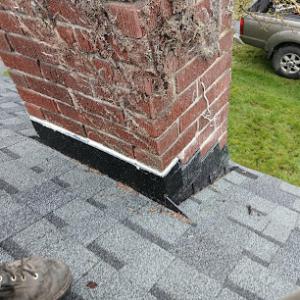
Elevated Roofing
(360) 461-0713 www.elevatedroofingandcontracting.com
Serving
5.0 from 10 reviews
We're a local roofing company operating in Sequim, Port Angeles, Carlsborg, Port Townsend, Joyce, Forks and many more. Born and raised in Clallam county, we offer new roof installation, patch jobs, leak fixes, roof cleaning, gutter cleaning, chimney sweeping, rot removal, skylight installation, snow removal and so much more! Free estimates and fast yet quality service is our specialty. We're reliable and wont leave you hanging, making your roof our priority until its done.
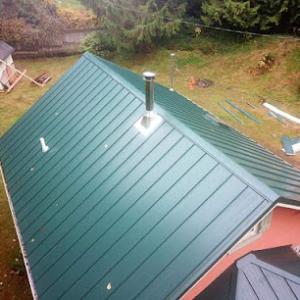
Integral Roofing & Construction
(360) 565-6771 www.integralroofs.com
Serving
5.0 from 18 reviews
We provide roofing installation services on the Olympic Peninsula
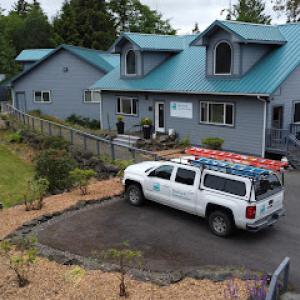
HOPE Roofing
(360) 385-5653 www.hoperoofing.com
Serving
4.3 from 22 reviews
At Hope Roofing, established in 1977, we specialize in high-quality roof replacements that protect and enhance your home. Our experienced team is dedicated to providing expert installation of standing seam metal roofs, composition asphalt shingles, and flat roof applications using TPO or PVC. We prioritize durability and aesthetic appeal, ensuring your new roof is both functional and visually striking. Committed to customer satisfaction, we deliver reliable and timely service for a seamless roofing experience. Trust us to safeguard your investment with roofs that are built to last. Visit our website for more information!
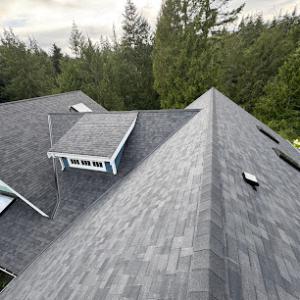
Kish Roofing & Construction
(360) 670-7233 www.kishroofingandconstruction.com
Serving
5.0 from 4 reviews
Protect your largest investment with our reliable roofing services. We are a locally owned and operated roofing company currently serving Port Angeles, WA and surrounding communities. If you want to make your roof last as long as possible, it is vital that you never put off a roof repair. Small issues with roofing become big issues in a hurry. No matter how major or minor the repair you need, we are here to help. We offer roofing contracting, roofing installation, and roof repair.
Winter rains and wind in Sequim commonly slow roofing work and can turn small flashing or underlayment failures into active interior leaks. The combination of persistent marine moisture and frequent wind-driven rain means a tiny problem upstairs can cascade quickly downstairs if not addressed promptly. When a storm hits, failures that might have seemed minor-loose shingles, lifted edges, cracked sealant, or gaps around vents-can become rapid pathways for water intrusion. The most urgent action is to identify and document any signs of seepage as storms pass, so you can map out a rapid plan for a professional fix before more damage accrues.
Because moisture exposure is ongoing, temporary dry-in quality matters in Sequim more than in climates with long dry gaps between storms. If a roof shows even minor leakage after a storm, avoid delaying repairs with the weather still unsettled. A well-sealed temporary dry-in-proper tarping, reinforced flashing, and secure underlayment-buys critical time. While permanent solutions are pursued, maintain interior containment: place buckets under leaks, protect ceilings with plastic or tarps if feasible, and document the leak location with photos. This is not a seasonal nuisance; it's a daylight-to-dark problem that can worsen overnight if left unaddressed.
Wind-driven rain is a common local claim driver, so homeowners should document leak entry points, ceiling staining, and exterior conditions as soon as storms pass. Take clear photos of roof penetrations, flashing seams, drip edges, and the condition of vent pipes. Note any exterior windward damage: loose shingles, blown-off vents, or ripped flashing. Share these observations with a trusted roofer before the next weather cycle begins. If you can safely access the attic, check for damp insulation, roof deck staining, or condensed moisture pockets. Early documentation can spell the difference between a simple repair and a long interior leak.
Inspect exterior edges and flashing after each storm and reseal promptly if you notice gaps or lifted metal. Pay special attention to transitions where the roof meets walls, chimneys, and skylights, as these are the most vulnerable avenues for moisture to penetrate in Sequim's winter. Ensure temporary protection covers exposed underlayment and any damaged sections until a permanent fix can be completed in calmer weather. Keep a simple log of storm dates, wind direction, and observed leaks to help the roofing professional diagnose the root cause quickly when access is possible again. The goal is to convert a volatile winter pattern into a manageable sequence of targeted, durable repairs that keep interior spaces dry.
When you can't wait, these contractors offer fast response times to stop leaks and prevent further damage.
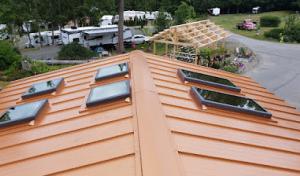
Fred Patton Construction
801 Thornton Dr, Sequim, Washington
5.0 from 16 reviews
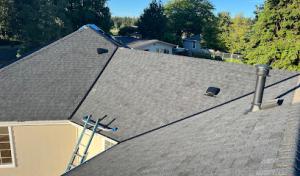
Rainshadow Roofing
(360) 912-2949 under_construction_back_soon.com
June Pl, Sequim, Washington
4.0 from 4 reviews
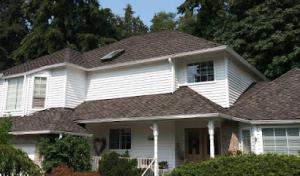
In this coastal Peninsula, the roof must fight persistent marine moisture, wind-driven rain, fog, and salt-air exposure. Asphalt shingles stand out in Sequim as a dominant choice because they fit the area's re-roofing-heavy, affordability-conscious market. They tolerate a damp climate well when paired with a quality underlayment and proper attic ventilation. The key is choosing a shingle line with good saturation and a sturdy granule layer, plus a vapor-permeable underlayment that allows roof decks to dry without encouraging leaks. If you're considering a re-cover rather than a full tear-off, confirm the existing roof deck and flashing detail can handle the added moisture load and potential wind uplift typical of this coast.
Asphalt remains practical for homeowners who want reliability without excessive disruption to a busy schedule. Look for shingles rated for wind resistance and with a durable algaecide-infused surface to combat the foggy, salty air that can encourage moss or mildew in shaded rafter bays. In Sequim, the local eye tends to favor asphalt's ease of repair and broad compatibility with standard flashing details. A well-sealed edge system paired with a robust ridge vent or soffit-to-ridge ventilation helps manage humidity year-round, reducing the risk of moisture buildup under shingles after long wet spells. If you anticipate frequent re-roofing cycles, consider a style with thicker tabs and a longer warranty that aligns with the coastal exposure.
Metal roofing is especially relevant in this damp marine environment because it sheds water quickly and is commonly considered by homeowners planning for long service life. In Sequim's wind-driven rain, metal can offer superior performance when installed with a proven nailing pattern, watertight underlayment, and proper panel overlap to resist salt-laden spray. The surface finish should be corrosion-resistant and rated for coastal salt exposure. A metal roof can also support a more resilient ventilation strategy on the attic side, helping to manage condensation during cool, fog-filled nights. If you choose metal, ensure the fasteners are corrosion-protected and that the installation includes careful flashings at valleys, chimneys, and eaves to prevent leaks caused by shifting or settling.
Tile and cedar products appear in the local mix but require close attention to moisture management, fastening, and roof-structure suitability in this coastal Peninsula setting. Clay and concrete tiles can provide long life and a distinctive look, yet they demand a solid structure, careful seismic and wind calculations, and a moisture-control plan to prevent cracking or seepage when winter dampness sits on the deck. Cedar and other wood products offer aesthetic appeal but are more vulnerable to moisture swelling, rot, and insect pressure if ventilation and drying paths are compromised. If selecting these materials, prioritize a robust underlayment system, a proven drainage strategy around since water can back up in coastal fog cycles, and reinforced fasteners designed for damp, windy conditions. Regular, proactive maintenance becomes essential to catch warped boards or fastener loosening early.
Across all options, the combination of underlayment type, proper sealant choices, and fastening patterns matters more than the material itself in Sequim. A moisture-aware underlayment with a water-resistive barrier behind it helps a roof breathe while staying trusted against sea-air exposure. For any material, plan for annual inspections after the wet season and more frequent checks in exposed ridgelines or near enough to the shoreline to feel salt mist. Pay attention to flashing integrity around chimneys, skylights, and transitions to walls. A well-ventilated attic, with balanced intake and exhaust, reduces condensation that can undermine even the strongest roof systems. The goal is a roof that dries efficiently, sheds rain promptly, and resists the patchwork wear caused by damp coastal winters.
Replacement projects tend to unfold more smoothly during the drier part of the year. In Sequim, that means aiming for late spring through early autumn, when the marine breeze eases and the typical rain pattern allows a more predictable tear-off and dry-in. Winter rain and shoulder-season dampness can slow or interrupt the process, so plan around solid weather blocks rather than forcing a schedule in the heart of gray, misty stretches. If a tear-off is unavoidable in wetter months, expect longer timelines and tighter windows for delivery of materials, staging, and crane or ladder access in the yard.
Humidity and damp conditions in this area influence practical details on the roof deck. Underlayment handling becomes more temperamental when surfaces stay wet, and adhesive-backed products may hesitate to seal properly if the deck isn't dry enough. Sequim replacements benefit from crews who can dry-in with a windowed approach: first clear and dry the roof, then install underlayment during a dry spell, and finalize sealants when air temps are reliable. If the roof is being worked during marginal humidity, consider delaying sealant activation until conditions stay consistently above a minimal humidity threshold to avoid premature curing or compromised bonds. Moisture in the attic space or overhangs can also reveal latent ventilation needs-address those before the dry-in completes to prevent moisture entrapment after the roof is finished.
Homeowners benefit from booking earlier than the first dry spell would suggest because weather windows and inspection scheduling can tighten at the same time. In practice, this means calling ahead to secure a tentative start date during late winter or early spring, with built-in buffers for back-to-back rain events. Have a contingency plan for a short hold if a mid-project storm comes through; a well-timed pause can protect deck integrity and ensure the roof deck dries thoroughly before final sealing. Consider coordinating access for cleanup and material staging to coincide with the most favorable forecast blocks, rather than forcing a single long stretch of work in variable conditions. A locally experienced contractor who tracks seasonal patterns can create a phased schedule that respects Sequim's marine moisture rhythms while keeping the project on track.
Asphalt shingles in this area typically run about $350 to $700 per square, while metal roofs fall roughly between $700 and $1200 per square. If clay or concrete tiles are chosen, expect ranges from $900 to $1600 or $1000 to $1800 per square, respectively. Wood shingles or shakes come in around $600 to $1000 per square, and synthetic or composite shingles are usually $500 to $900 per square. These ranges reflect Sequim's moisture-heavy days, where waterfront exposure and persistent dampness push some projects toward higher-end materials or fuller deck repairs discovered during tear-off.
A practical reality in this market is that cost swings are often driven by moisture-related deck repairs uncovered when the old roof comes off. Long-term damp exposure can affect sheathing, flashing, and the edges where the roof meets the wall. If rot or soft spots are found, replacement of sections of decking or more careful flashing detailing may be needed, which adds time and materials to the job. Budget for an inspection that specifically checks deck condition, and be prepared for potential incremental costs rather than a flat upfront price.
Sequim's weather pattern matters for replacement timelines. Labor time and staging may extend because crews must protect exposed roof areas between rain events. If a project spans multiple wet periods, the crew will stage tarps, temporary coverings, and dehumidification measures, which can push labor hours higher and extend the project window. When planning, build in buffers for weather-driven delays and consider a coordination timeline that minimizes the number of rain-interrupted days.
For your replacement, choose a roof system that balances moisture management with local durability. Asphalt remains popular for its cost-to-value ratio, but metal, concrete, or synthetic options can offer longer service with better resistance to coastal moisture and wind-driven rain. If you lean toward tiles, confirm substrate and flashing compatibility with Sequim's damp climate to avoid costly future repairs. Discuss underlayment, ventilation, and drip edge details with the contractor to ensure a moisture-managed system that holds up under marine exposure.
Get a clear picture of your project costs upfront - no commitment required.

McCreary & Son
(360) 461-3156 www.mccrearysonllc.com
490 W Hammond St, Sequim, Washington
4.6 from 9 reviews
A full roof replacement in Sequim typically requires a permit through the local building department. The process can feel slow when weather windows are tight, so the timing of filing matters. A practical approach is to have the contractor initiate the permit paperwork as soon as the project is defined, rather than waiting for a perfect stretch of dry days. The permit app usually asks for roof material specs, the deck condition, and a project timeline that accounts for Sequim's damp cycles. Delays can cascade if underlayment or deck concerns aren't clearly documented.
Sequim-area roof jobs are generally reviewed by the building department and inspected at completion, with some projects also requiring an underlayment-stage inspection. The underlayment check is not optional if moisture intrusion is a concern; it documents how the roof system will manage year-round marine moisture and wind-driven rain. Plan for this during the scheduling phase so the inspection window doesn't stall the project. A missed or rushed inspection can trigger rework that's costly and disruptive in a climate where rain often returns quickly.
Because Sequim roofing schedules are weather-sensitive, homeowners should have the contractor handle permit filing and provide material specifications plus documentation of roof deck condition. Clear documentation helps avoid surprises when the weather shifts from fog to rain and moisture management becomes the priority. Ensure the permit set includes the exact underlayment and venting strategy, plus any amplifications for salt exposure and wind-driven rain. Missteps here can prolong the project or invite compliance issues.
In Sequim, wind-driven rain and moisture-related damage are common reasons homeowners open roof claims. The seasonal mix of marine moisture, fog, and salt-air exposure leaves shingles and underlayment vulnerable long after a storm has passed. A claim may be triggered by subtle signs-soft spots, curling edges, or areas where protective layers show wear-rather than dramatic collapse. Understanding that moisture intrusion can creep in through fasteners, flashing, and chimney penetrations helps you recognize when a claim might be appropriate.
Insurers serving Sequim commonly want roof age, material specifications, and pre-damage photos before or during claim review. Having recent documentation of roof materials, construction details, and visible conditions helps the adjuster gauge whether the damage is storm-driven or the result of aging and ongoing moisture exposure. Keep copies of product labels, installation dates, and close-up shots of vulnerable details like ridge caps, vents, and transitions between roof planes. Photos taken after a wind event, showing any new gaps or lifted shingles, can significantly influence the outcome.
Adjusters in this market may closely distinguish between sudden storm damage and long-term wear, deferred maintenance, or chronic moisture intrusion. The line between these is not always clear, especially when salt air accelerates corrosion and wind-driven rain forces moisture into seams and fasteners over time. Expect questions about recent maintenance, ladder-accessibility, and any prior repairs. To support a fair review, keep a simple log of home care, including sealant refreshes and flashing inspections, so the insurer can separate isolated storm effects from persistent moisture-related issues.
When a storm hits, act promptly to document conditions before temporary patches or repairs alter the scene. If possible, have a trusted roofer inspect with an eye for wind-driven damage-areas where moisture can silently accumulate between cycles of rain. Clear, organized documentation reduces back-and-forth and helps ensure the claim reflects the true extent of wind-driven moisture exposure across the roof's surface and transitions.
In this coastal stand of the Olympic rain shadow, roof penetrations like skylights and chimneys are common places where wind-driven rain can bypass aging flashing. The combination of persistent marine moisture and strong gusts means these details bear extra wear. Sealant-only repairs around penetrations may seem quick, but damp exposure in Sequim makes that approach less dependable than properly integrated flashing. Expect flashing to age unevenly near corners, vent stacks, and skylight housings where movement and temperature swings compound wear.
When you walk the roof, look for lifted shingles around the base of skylights and chimneys, as well as any gaps at step flashing. Verify that counter-flashing overlaps the base flashing, and that none of the flashing has torn through near wind-driven edges. Check the drip edge and ensure gutters are clear, since backed-up flow increases splash onto penetrations. Remember that moisture may be traveling along underlayment or decking before showing up inside, so interior signs might precede obvious exterior leaks.
Start at the suspected point and trace outward along the roof plane to find where moisture first enters the underlayment. If a stain appears far from the visible leak, inspect along the decking seams and any penetrations that connect to those seams. Use a flashlight at the attic to follow dampness up from the deck, not just from the ceiling, as moisture can creep laterally before dripping. Treat every skylight and chimney as a system, not a single-component fix.
Given the wet, windy cycles, plan on comprehensive flashing work during reseals instead of quick sealant touch-ups. Ensuring proper integration of flashing with counter-flashing and secure fasteners reduces future wind-driven leaks and keeps the roof system durable through Sequim's marine exposure.
Find contractors experienced in skylight installation, flashing, and leak repairs to bring natural light into your home.