
Last updated: Apr 19, 2026
This hillside-and-marsh shoreline weather is unlike inland climates. You have marine air from the north curling in off the Strait of Juan de Fuca, then mountain-driven shifts from the Olympics that push you into quick, damp changes. Your roof sits in the middle of those forces, and that means moisture enters and leaves differently across neighborhoods and even across a single project season. Some roof faces stay wetter longer, others dry out fast after a rain, and that inconsistency is what ages roofing systems here. If you're planning a roof replacement or a major repair, map the wind-driven moisture paths for your house: which sides tend to stay damp, where moss or algae likes to cling, and where drip edges or valleys see standing water after a storm.
Cool, wet maritime conditions dominate the clock on your roof. Trapped moisture, moss growth, and prolonged dampness are the real life threats, not heat. When the sea breeze meets the mountain air, you get layers of humidity that slow drying-sometimes for days. In practical terms, that means a roof in good shape can deteriorate from slow, repeated soaking rather than a single wet month. You'll notice micro-problems before big failures: granule loss near valleys, hairline cracks along low-slope sections, and brown staining around fasteners where moisture lingers. The most dangerous windows are post-storm lull periods when the roof can't dry due to fog, persistent drizzle, or low wind. If a roof dries slowly, tile and shingle seals loosen, flashing corrodes, and underlying sheathing deteriorates quicker than you expect.
Moss isn't just an eye sore here; it's a moisture siphon. It traps water on surfaces that should be drying, and its roots can lift shingles or tiles just enough to create micro-leaks. Damp shingles can delaminate, and algae can stain beyond cosmetic fixes. In regions where drying is uneven, you'll see moss clusters blooming in shaded valleys and along eaves where air circulation is weakest. The result is an ongoing cycle: damp roof surfaces promote moss, moss retains more moisture, and that moisture accelerates aging and potential leaks. The key is to interrupt this cycle early with targeted cleaning, careful material choices, and proper moisture-management details that respect the local drying windows rather than assume a uniformly dry season.
First, inspect and document the roof's dry-down behavior after a rain event. Note which sections stay damp the longest, which valleys hold water, and where moss or algae grows most aggressively. Second, prioritize surface treatments and maintenance that improve drainage paths and airflow under the roof deck. This includes ensuring eave and ridge vents are clear, attic soffit intakes are not blocked, and insulation and ventilation are balanced to avoid creating pockets of humidity beneath the roof. Third, select materials and install details designed for persistent moisture exposure. Look for flashing that resists corrosion, seals that tolerate repeated wetting, and roofing assemblies with proven moisture tolerance for the marine climate. Fourth, plan for proactive moss management as part of your routine maintenance. A careful, area-focused approach-especially on shaded, damp sides-reduces moisture reservoirs and extends life expectancy without waiting for leaks to appear.
Because the city experiences rain-shadow effects tied to the Olympics, drying conditions can vary noticeably across blocks and even within yards. A roof that spans several elevations or sides of a house may behave like two microclimates in one project season. When coordinating a replacement or major repair, treat each roof plane as its own moisture zone: check for differences in wind direction exposure, shading, and drainage. If one side dries slower, reinforce those areas with appropriate underlayment, consider more robust flashing at hips and ridges, and ensure fasteners and sealants are matched to prolonged damp exposure. The goal is a roof that sheds water efficiently, dries uniformly, and resists the slow-mo moisture attack that defines this coastal-forest belt. Acting on these specifics now can prevent the most costly failures later and keep the roof performing through the wet, shifting years ahead.
Late spring through early fall is the preferred replacement window season for this coast. That window minimizes the time underlayment and decking are exposed to the city's wet conditions, giving crews a longer dry run between rain events. If a tear-off or re-deck is needed, a window project scheduled in this period helps keep interior spaces dry and reduces the chance of moisture intrusion during installation. Winter storms bring heavy rain and wind that can halt tear-offs, delay dry-in, and increase the risk of moisture entering open roof assemblies, so plan for windows with a built-in contingency for weather-related delays. Even in drier summer periods, crews still have to contend with marine weather changes and material movement during warmer spells, so expect occasional shifts in schedule and longer curing times for sealants and coatings.
Port Angeles homes often feature irregular roof planes and older framing details that influence window placement and flashing. Before choosing a replacement, verify that openings are square and free of soft framing around the rough opening. If the wall framing has settled or shows moisture staining, address that first to avoid misalignment and leaks after installation. In older houses, consider integrating a continuous flashing membrane that runs up and over the window head to control wind-driven rain from sloping roofs and to prevent water tracking behind siding. The goal is a tight fit that relies on both proper shingle-to-flashing interface and a clearly defined back dam at the sill.
For climate-driven water management, look for windows with multi-point locking and reinforced frames, especially in wind-prone ridges and exposed sides of the house. Glazing options with low-emissivity coatings help reduce condensation on cooler interior panes, a common issue in humid shoulder seasons. In areas with frequent marine fog or salty air, choose corrosion-resistant hardware and coated aluminum or vinyl frames with reinforced sashes. Consider foam-insulated sashes and triple-glazed units in mountain-adjacent directions where wind-driven rain may force more rapid temperature swings. A well-sealed unit with a gasketed sash creates a reliable barrier against the differences between damp exterior air and warmer interior spaces.
Windows sit at the interface between roof-driven moisture and wall assemblies, so flashing detail is critical. Ensure flashing extends behind shingles or siding and terminates at the wall sheathing with an integrated sealant bed. Downspouts should be evaluated to prevent water from cascading onto the sill line during heavy rains. In Port Angeles, a continuous head flashing that ties into the roof's existing water control strategy reduces the risk of water tracking into the wall cavity. If the home has a second-story overhang or a tight eave, verify that the window flashing is designed to shed water away from the opening without pooling near the sill.
During installation, keep the interior prepared for potential moisture exposure. Use a temporary enclosure or plastic sheeting where active work is happening to minimize interior humidity and dust intrusion. Coordinate weather windows so that abatement and sealing proceed after the exterior is weather-tight, ensuring the window unit cures under stable conditions. Finally, test the operation of the window under both light and strong winds to confirm a proper seal and pilot any adjustments before the roof cycle resumes.
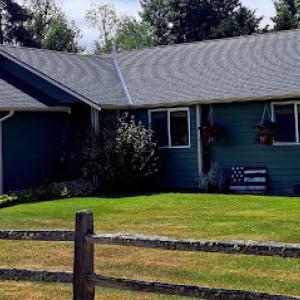
Asphalt shingles are common in Port Angeles, and you'll see plenty of homes with them. The city's persistent dampness makes algae, moss, and underlayment moisture management especially important. When you're inspecting a shingle roof, look for lifted edges, granule loss, and substrate staining that signals algae growth or moisture seeping into the decking. Choose shingles with algae resistance ratings and ensure the underlayment layer is compatible with continuous moisture exposure. In this climate, a robust drip edge and properly sealed field joints matter, because wind-driven rain can reach soffits and create hidden moisture paths.
The Strait's humidity invites bio-growth in shaded corners and north-facing slopes. If you see dark staining on asphalt surfaces, address it before it penetrates deeper. Install or refresh a breathable underlayment that moves moisture laterally but blocks bulk water. Consider ridge vents or soffit vents that encourage a gentle flow through the attic, so humidity doesn't linger. When cleaning, avoid abrasive methods that damage the shingle surface; use soft brushes and a diluted, Moss- and algae-friendly solution, applied during dry periods with sun to reduce residue. Regular inspections after winter storms catch moisture issues early, preventing long-term curling or blistering in this damp environment.
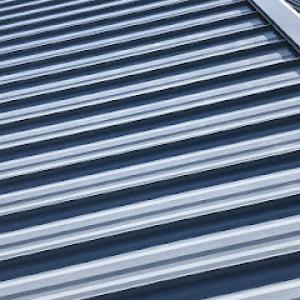
Metal roofing is well suited to this wet climate because it sheds water quickly, but detailing matters in a windy strait-facing environment. In exposed areas, ensure the fasteners are corrosion-resistant and properly sealed, with seals or gaskets that stay flexible amid temperature swings. Overlaps and panel joints deserve extra attention where wind can pry seams. Consider solid panels or standing-seam metal to minimize hidden water pockets, and pay attention to edge flashing where wind-driven rain can be forced underneath the roof line. A well-sealed valley and careful integration with gutters reduce water backup on windy days.
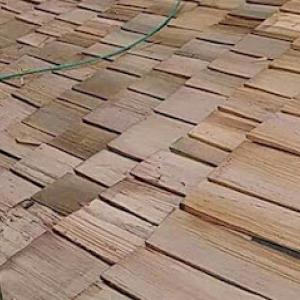
Wood shakes and shingles appear in the region's housing stock, yet moisture exposure can accelerate weathering and maintenance demands compared with drier inland markets. Expect faster weathering on east- or north-facing faces where dampness lingers. Treat wood with preservative finishes, and maintain a tight seal around all flashings, chimneys, and skylights. Regularly remove moss from the surface and re-seal where grain wear shows. If you notice cupping or splitting, plan for more frequent maintenance cycles before issues penetrate into the decking.
Gutter systems and drainage paths are critical here. Keep debris free-flowing to avoid backing up water onto fascia and underlayment. Inspect flashing around corners, vents, and chimneys after storms when wind is strongest. Between annual checks, walk the roof with a partner during a calm, dry day to spot uneven shingle seating, lifted edges, or moss colonies that could trap moisture. In this climate, proactive moisture control isn't optional-it's the main line between a long-lived roof and repeated repairs.
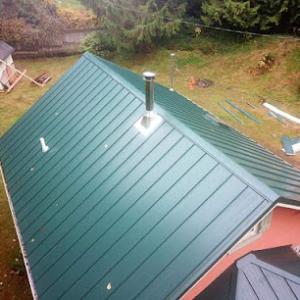
Integral Roofing & Construction
(360) 565-6771 www.integralroofs.com
1129 Ripplebrook Dr, Port Angeles, Washington
5.0 from 18 reviews
We provide roofing installation services on the Olympic Peninsula
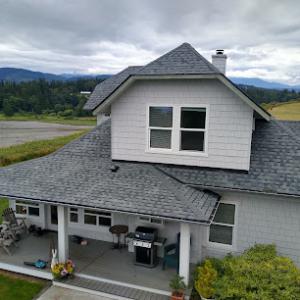
Advanced Roofing
(360) 809-8671 www.advancedroofing-wa.com
211 W 13th St, Port Angeles, Washington
4.8 from 18 reviews
Looking for a licensed and experienced professional to tackle a project? Get guaranteed quality results with Advanced Roofing. Offer professional and reliable services for a wide variety of needs, working with the dedication and craftsmanship that has earned us a reputation for excellence. Get in touch for a free quote today.
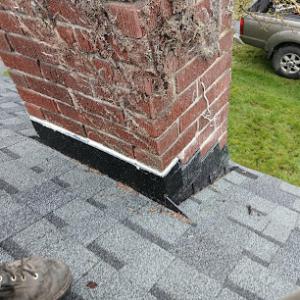
Elevated Roofing
(360) 461-0713 www.elevatedroofingandcontracting.com
Port Angeles, WA
5.0 from 10 reviews
We're a local roofing company operating in Sequim, Port Angeles, Carlsborg, Port Townsend, Joyce, Forks and many more. Born and raised in Clallam county, we offer new roof installation, patch jobs, leak fixes, roof cleaning, gutter cleaning, chimney sweeping, rot removal, skylight installation, snow removal and so much more! Free estimates and fast yet quality service is our specialty. We're reliable and wont leave you hanging, making your roof our priority until its done.
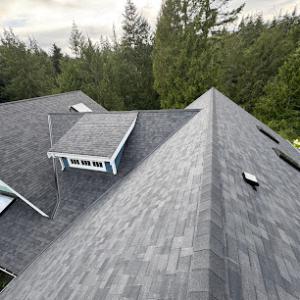
Kish Roofing & Construction
(360) 670-7233 www.kishroofingandconstruction.com
Port Angeles, WA
5.0 from 4 reviews
Protect your largest investment with our reliable roofing services. We are a locally owned and operated roofing company currently serving Port Angeles, WA and surrounding communities. If you want to make your roof last as long as possible, it is vital that you never put off a roof repair. Small issues with roofing become big issues in a hurry. No matter how major or minor the repair you need, we are here to help. We offer roofing contracting, roofing installation, and roof repair.
Anderson roofing & construction
(360) 582-6476 andersonroofingandconstructionpnw.com
183 Leisure Ln, Port Angeles, Washington
5.0 from 1 review
Anderson Roofing and Construction is a leading and reputable contracting company based in Sequim. Ever since we opened for business, we've taken a comprehensive approach to project management, providing our clients with a wide range of services to cover their needs. We are committed to excellence in every aspect of our business. We uphold a standard of integrity bound by fairness, honesty, and personal responsibility. Our distinction is the quality of service we bring to our customers. Accurate knowledge of our trade combined with ability is what makes us true professionals.
Antique Roofing & home service
(360) 207-7321 antiqueroofing.wixsite.com
616 E Whidby Ave, Port Angeles, Washington
3.0 from 4 reviews
Specialize in Roofing. we regular in general construction, along with Siding,doors windows to yard management power washing lawn care insulation you name it we do it or know the people that can help you!!
D&J Roofing
(360) 461-8580 www.facebook.com
Serving
4.6 from 7 reviews
At D&J Roofing, we’re proud to serve Clallam County, WA and surrounding areas with professional roofing solutions that combine expert craftsmanship with outstanding service. We take the time to understand your needs, communicate clearly and get the job done right and on time. With a focus on safe & clean worksites, precision and customer satisfaction, we’re here to earn your trust and exceed your expectations. Elevate your home with lasting quality.

Westend Home Services
Serving
5.0 from 15 reviews
General Contractor ⚒️ Roofing & Repair • Exterior Painting & Remodeling • Home Maintenance & Handyman Services 🧰
Fred Patton Construction
Serving
5.0 from 16 reviews
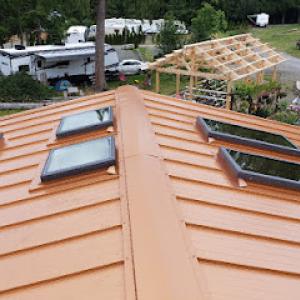
Formerly known as Fred Patton construction. We sell and install metal roofing and siding. We pride ourselves in using good materials and doing the job right the first time.
Nailed it Contracting & Roofing
Serving
5.0 from 13 reviews
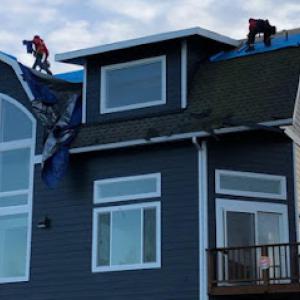
Nailed it Contracting & Roofing is a general contractor offering quality construction services including Roofing, remodeling, siding, decks, fences and more.
First Class Roofing & Contracting
(360) 477-2661 www.firstclassroofingandcontracting.com
Serving
5.0 from 2 reviews
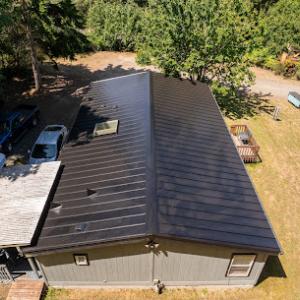
Roofing Company serving Clallam County and surrounding areas. Licence #FIRSTCR760MB 360-477-2661 firstclassclallamco@gmail.com
Integrity Roofing & Construction
(360) 245-2439 integrityrc.com
Serving
5.0 from 10 reviews
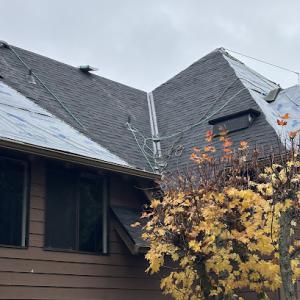
Roofing, siding, and other construction services for residential and commercial properties. Homeowners and business owners across the Clallum and Jefferson area trust Integrity Roofing & Construction for reliable, high-quality work. As a local roofing company with decades of hands-on experience, we deliver expert solutions for roofs, remodels, siding, and more. Whether your project is large or small, residential or commercial, you can trust us to bring professionalism, craftsmanship, and honest service to every job.
In Port Angeles, moisture intrusion often starts where rain repeatedly wets vulnerable details: around vents, skylights, chimneys, and where the roof meets walls or adjoining structures. The coastal marine moisture can push beyond what a surface looks like, finding its way through small gaps, poorly seated flashing, or compromised sealants. Over time, repeated wetting can rot decking, corrode fasteners, and invite mold behind soffits and inside attic spaces. When those early leaks are missed, water can travel along framing and insulation, silently degrading roof longevity and indoor air quality. The warning signs aren't always dramatic-stains, a musty odor, or a damp attic are common indicators you won't want to ignore.
Moss and debris retention are recurring concerns in this coastal Olympic Peninsula environment because they slow drying and can hold water against roofing surfaces. Moss holds moisture against shingles and underlayment, extending the time moisture sits on the roof after a rain. Debris like pine needles and leaves can clog drainage paths and valley intersections, creating micro-ponds that promote rot or ice dam-like pressures on warmth-driven days. When water can't shed efficiently, it concentrates at seams and flashing, increasing the risk of infiltration during gusty or extended storms. Regular removal of moss and careful clearance of gutters and valleys are practical defenses, especially on shaded sections and older roofs that already show signs of wear.
Storm periods on the Strait can combine rain and wind, so lifted edges, flashing leaks, and water entry during weather events are recurring homeowner concerns. Wind can peel shingles at eaves and rake edges, exposing underlayment and decking to the next round of moisture. Flashing around chimneys, vents, and roof-to-wall transitions bears the brunt of gusts, and a single wind-driven rain event can initiate a slow drip that worsens with subsequent storms. Proactive attention to edge fasteners, securing loose shingles, and confirming flashing integrity after major storms helps limit the cascade of issues that follow a heavy wet season.
In this climate, the emphasis is on proactive care rather than reactive fixes. Schedule seasonal inspections after winter wet spells and again after heavy storm periods. Prioritize moss control, debris removal, and prompt attention to any signs of moisture intrusion, such as damp attic spaces, staining, or peeling paint near ceilings. Addressing edge and flashing vulnerabilities before the next storm season reduces the risk of expensive damage and keeps the roof performing through the next round of coastal weather.
In this coastal inland valley between the Strait and the Olympic foothills, typical material pricing in Port Angeles runs about $350 to $700 per square for asphalt shingles, $550 to $1100 for metal, $1000 to $1600 for clay tile, $900 to $1500 for concrete tile, $700 to $1200 for wood shingles or shakes, and $600 to $1000 for synthetic or composite shingles. Those bands reflect common local stock and handling, not premium options or specialty shapes. Asphalt remains the steady starter for most homes, while metal offers the balance of durability and lighter weight in areas with marine exposure. Heavier tile systems are seen less often, but still show up on hillside homes or structures needing particular architectural detail. The numbers here are practical anchors when planning a ladder of choices, not a shopping catalog.
Costs in this area can rise when contractors need longer dry-in protection or weather delays because the city's wet maritime conditions make open-roof time riskier. A season with persistent rain or sudden squalls can stretch project timelines, tying up crews and equipment longer than expected. Expect a premium for extended work windows, protracted material staging, and additional tarping or temporary enclosures. That reality matters especially for roofers who routinely navigate marine fog and wind-driven rain, where even short delays translate into extra labor hours and scheduling constraints.
Heavier materials such as clay and concrete tile can be less common choices in Port Angeles than lighter systems, so structural review, handling, and logistics can affect pricing. The weight load influences not only the roof deck assessment but also crane or lifting needs, fastener selection, and potential subcontractor coordination. For multi-story homes or older structures, the added complexity often shows up as a higher line item for installation and protection measures. Weighing weight versus benefit is a routine part of the decision, especially when moisture management is a priority and the underlayment or deck may require reinforcement.
When budgeting, plan for a margin above the base material price to cover extra moisture-control measures, wind-driven rain protection details, and timely dry-in strategies. Request multiple bids from crews with documented experience in waterfront or near-water environments, and confirm they include moisture-control steps such as proper underlayment, sealed penetrations, and robust ventilation. For a Port Angeles project, a well-structured estimate will spell out dry-in protections, anticipated rain delays, and a clear sequence that prioritizes water management during every weather change.
In this coastal community, every major roof project faces the City of Port Angeles Building Department for permitting. A full roof replacement is typically pursued as a building permit, so you'll want to align with the department early in the process. The goal is to ensure that the project meets local wind, moisture, and seismic considerations that are common for the Strait of Juan de Fuca environment and the surrounding Olympic foothills. Expect a process that evaluates essential elements like roof ventilation, underlayment, and structural implications as they relate to our wet, wind-driven climate.
The contractor generally applies for the permit on your behalf, which means you'll coordinate through the contractor and their project manager rather than submitting everything yourself. Plan review, plan resubmissions if needed, and inspection scheduling are all handled through the city's permit workflow. It helps to have the project details organized-existing attic venting, any retrofit needs for underlayment, and any known load considerations from the home's structure. During the review, the city may request clarifications or adjustments to ensure the installation will perform well against damp winters and gusty coastal winds.
Port Angeles roof permits commonly involve an initial installation inspection followed by a final inspection. The initial inspection focuses on the actual roof deck, underlayment, flashing details, and attachment methods, giving inspectors a chance to verify that moisture protection is properly integrated before the final surface goes on. If the inspector requests it, there may be additional checks specifically for structural integrity or underlayment continuity. The final inspection confirms that all permit conditions are satisfied and that the completed system is ready to perform in our climate, with attention to wind-driven rain and difficult seasonal transitions.
Keep a copy of the permit and any city correspondence on site during the project. If any changes become necessary-such as revised underlayment details, venting adjustments, or flashing configurations-make sure they are reflected in permit amendments and scheduled inspections. Engage a contractor who is familiar with the region's moisture management challenges and who plans for timely inspection windows, especially during the wetter months when delays can impact project timelines. Here in Port Angeles, a well-coordinated permit process supports a roof that holds up to marine humidity and wind with fewer surprises after installation.
Seasonal claim activity in this area follows coastal Washington storm patterns, with Port Angeles homeowners seeing more activity after heavy rain and wind-driven events. The timing and severity of storms can push roofs to the limit, especially when moisture sits in the attic or along eave lines. When a storm trades gusts for saturated timber and aging underlayment, a simple leak can become a claim trigger. Understanding this rhythm helps you stay proactive rather than reactive after the next front passes.
Insurers and adjusters in this market frequently request documentation of a roof's prior condition. Because moisture behavior is highly variable street by street-thanks to microclimates and shading from the Olympic foothills-before-and-after photos become invaluable. Start a habit of timestamping your roof's condition after every major wet spell: wide-angle shots of the overall surface, close-ups of flashing, ridge lines, and vent penetrations. If a storm reveals new stains or soft decking, photograph promptly. Clear records help you establish a credible baseline when a claim is filed.
Replacement scopes in this coastal environment can hinge on insurer expectations for moisture barriers or upgraded underlayment, in addition to broader Washington state insurance conditions. Moisture-control upgrades-such as enhanced underlayment, ice/water shield where appropriate, and improved attic ventilation-often influence settlements. If your roof is aged or shows signs of sustained moisture exposure, be prepared for questions about ventilation and barrier integrity. Coordinating with a trusted contractor who understands both the local wind-driven rain patterns and the insurer's preferred practices can help you align a replacement plan that meets expectations while addressing the unique Port Angeles moisture profile.
After a storm, conduct a careful exterior and attic check for loose shingles, lifted edges, or damp decking, and document what you find. If damage is suspected, notify your insurer promptly and share the documentation you've compiled. Maintain a calm, informed dialogue with adjusters, focusing on how recent weather behavior has stressed the roof's moisture management system. Being prepared with photos and a clear narrative can help protect your home and your coverage when the next Strait storm rolls in.