
Last updated: Apr 19, 2026
Southington experiences cold, snowy winters that make ice damming one of the most consequential roof threats for local homeowners. Snow depth on shallow pitches can hide developing ice behind gutter lines, while freezing temperatures push meltwater back under shingles. The result is not just a soggy attic, but a slow, quiet rot that compromises sheathing and creates slippery, expensive leaks when the thaw arrives. The ice dam mischief often starts as a small, almost invisible ridge at the eave, then grows as meltwater refreezes along the soffit and underlayment. You need to treat every heavy snow event as a warning signal: if you haven't addressed ice dam risk before a freeze, you are time-bombing your decking and interior ceilings.
Major roof replacements in Southington are typically pushed into late spring through early fall because winter weather limits tear-off and installation windows. The consequence is that most homes end up carrying underlying water intrusion or structural exposure through the coldest weeks. If a leak develops during a late-winter thaw, it can catch you off guard and disrupt not only comfort but warranty timelines and insulation performance. The critical window for addressing pre-existing damage is narrow: once the surface can be worked on again, a proactive plan will save more damage in the following freeze-thaw cycles. Delays compound risk, because cold anchors ice in place and prolongs the duration of interior moisture problems.
Local seasonal risk patterns combine winter snow load and ice with spring rain exposure on decking, making leak timing and temporary protection especially important in this town. In practical terms, that means you must be vigilant from February through May. Snow loads can create hidden pockets on a steep roof, while spring rains can accelerate leaks once heat returns and the roof deck becomes vulnerable. The timing of a re-roof or repair matters: doing essential ventilation, flashing, and full replacements at the right moment prevents transient, high-impact leaks that target attic spaces first and then radiate outward to ceilings and walls. A proactive stance-inspecting after major storms and pre-emptively replacing compromised flashing-reduces the chance of a mid-season emergency.
In this town, the flashing around chimneys, valleys, and transitions to walls needs close inspection. A single failed flashing seam can channel meltwater into a crease between shingles and the underlayment, especially after a heavy snowfall that settles into the eaves. Adequate attic ventilation is not optional: improper venting traps warm air that exacerbates ice dam formation by melting snow too quickly on the upper roof while cold air keeps the lower edge frozen. When a re-roof is necessary, ensure the contractor prioritizes a full replacement with proper sealants and modern ice-and-water shield, particularly along eaves and overhangs where damming begins.
Start with a scheduled inspection focusing on eaves, valleys, and roof-to-wall transitions. If the ice dam threat is detected or anticipated, deploy temporary protective measures to shield vulnerable interiors: tarps or roof shields can limit the first wave of water intrusion during a thaw. Plan around the late-wall season, aligning any major repairs with the preferred window in spring to fall. Ensure the chosen contractor demonstrates an understanding of Southington's freeze-thaw cycle and commits to robust flashing, adequate ventilation, and a full replacement path when needed. By acting with urgency now, you reduce the chances of a costly, disruptive leak that follows the next round of cold or rain.
Storm damage in this central Connecticut town tends to come in waves, with heavy snows, freezing temperatures, and spring derecho winds driving a steady stream of roofing claims. Insurance carriers commonly respond by asking for a clear sequence of events and a professional assessment before approving repairs. In Southington, insurers expect a documented timeline from the storm event through the repair process, plus tangible evidence that damage occurred during the period in question. This means you should prepare to demonstrate when the damage happened, how it progressed, and why temporary fixes or full replacements are necessary. Storm-related claim activity is active enough locally that insurance-claims and storm-damage services are among the most prevalent contractor specialties in the area. Understanding that pattern helps you align expectations with both your insurer and your chosen contractor.
After a weather event, a typical insurer response in Southington includes a roof condition report, photographs, contractor estimates, material specifications, and a clear damage timeline. Gather items that show prior condition (if available), the nature of the damage, and the impact on interior spaces such as attic or ceiling stains. Photos should capture the roof deck, flashing details, skylights, and any signs of ice damming or water ingress near seams and penetrations. A concise narrative that links the event to observed damage can help the claim move smoothly through the adjuster's desk. For materials, expect the insurer to request specifics on the type of roofing used or proposed, since coverage can vary by material in this market.
Coverage in this market can vary by roofing material type, which matters because Southington homeowners use a wide range-from asphalt shingles to slate and copper. That material diversity influences how damage is assessed and what constitutes an eligible repair. A storm may damage a single area, or it may compromise the entire roof system, including decking and ventilation. In either case, align your claim with a robust evaluation that identifies flashing integrity, ventilation adequacy, and the presence of any ice-damming related damage in soffits or eaves. If the damage is extensive, insurers may favor a full roof replacement rather than piecemeal repairs, particularly when older decking or compromised flashings are involved.
Begin with a rapid, organized damage assessment and document the sequence of events from the storm through current conditions. Contact a reputable local contractor who specializes in storm damage and understands Southington's re-roofing market. Request a condition report that clearly documents current roof conditions, including deck health, flashing, ventilation, and any moisture intrusion. Ensure the contractor provides material specifications for the proposed replacement or repair so the insurer can compare to the original installation. Schedule a joint inspection with the adjuster when possible to minimize back-and-forth and to confirm that the assessment aligns with what is seen on-site. Keep a detailed log of communications, timelines, and any temporary measures used to protect interiors from further damage.
Choose a contractor who can present a coordinated package: a professional roof condition report, a to-scale proposal, and detailed material specs that match what the insurer will review. In Southington, contractors who handle storm-damage claims often bridge the gap between the field and the adjuster's office, expediting approvals when necessary. Encourage the contractor to emphasize flashing renewal, ventilation checks, and full-system integrity in their scope, since these elements are scrutinized in this market after winter freeze-thaw cycles and spring storms. Maintaining transparency about damage timelines, repair milestones, and material choices helps keep the claim on track and reduces delays.
Connect with contractors who help homeowners navigate the claims process from damage assessment to final approval.
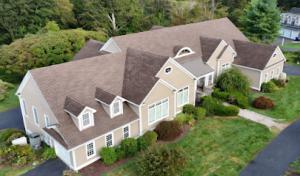
Epic Exteriors
(860) 925-7663 www.epicexteriorsct.com
102 W Center St, Southington, Connecticut
5.0 from 169 reviews

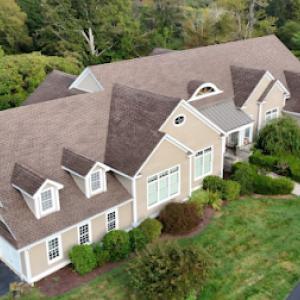
Epic Exteriors
(860) 925-7663 www.epicexteriorsct.com
102 W Center St, Southington, Connecticut
5.0 from 169 reviews
At Epic Exteriors, we specialize in protecting homes by repairing and installing key exterior components. Our team ensures roofs are weather-resistant, siding is durable and attractive, and gutters effectively manage water runoff to prevent damage. We stand out through quality craftsmanship, reliable materials, clear communication, and excellent customer service. Fully licensed and insured, we stand behind our work with strong warranties and a commitment to cleanliness, professionalism, and respect for your home. If you are experiencing leaks / storm damage or just looking for an new roof estimate, we will come out and inspect your roof at no charge! Trust us to get the job done right—on time and with your satisfaction as our top priority.

First Choice Roofing
(860) 218-8770 firstchoiceroofingcontractors.com
360B Queen St #365, Southington, Connecticut
5.0 from 44 reviews
When searching for roofing companies near me, First Choice Roofing emerges as a highly rated group of professionals you can rely on for your needs. Our team at First Choice Roofing isn’t just another crew of workers; we are a local roofing company in CT committed to safeguarding your property investment. We take pride in being a residential roofing company that CT residents count on for quality craftsmanship and lasting appeal. Look no further if you require roofing services, as we have got you covered! We are fully equipped to meet all your commercial and residential roofing needs competently and effectively.
City Roofing & Siding
(860) 621-5656 cityroofingandsiding.com
32 Beecher St, Southington, Connecticut
5.0 from 21 reviews
Founded in 1958, City Roofing and Siding is a third-generation, family owned and operated professional home improvement company. Our employees take pride in the trades in which they are skilled, and the quality of roofing, siding and windows replacement work they perform in Central CT. Owner supervision every step of the way assures that your project progresses to your 100% satisfaction from start to finish, with your project concerns and desires as the homeowner coming first. Our family takes great pride in the fine, over 60-years reputation in the home improvement business, and the end result on your home will reflect that!
Apple Valley Home Improvement
(860) 384-1899 www.applevalleyct.com
61 Tanglewood Dr, Southington, Connecticut
4.5 from 19 reviews
Are you looking for a roofing contractor in Southington, CT who combines quality craftsmanship with personalized service? Look no further than Apple Valley Home Improvement. Locally owned and operated since 2015, we take pride in protecting and enhancing homes and businesses throughout the community. Our focus is always on customer satisfaction, and we are committed to exceeding expectations on every project we undertake. With our licensed and insured team, we serve residential and commercial customers with expert roofing solutions and a wide range of general contracting services.
Frontline Exteriors
(475) 355-3021 www.flexteriorsct.com
Serving
5.0 from 57 reviews
Welcome to Frontline Exteriors roofing & siding - your friendly neighborhood experts in Connecticut for all things roofing and siding! We're not just a business; we're a community of skilled professionals dedicated to providing top-notch service with a smile. With our honest pricing and excellent workmanship, we're here to help you protect your home. Need an emergency repair at 3 am? We've got you covered with our 24/7 service. Want to understand the process? Our free consultations and in-home estimates ensure you're informed every step of the way. And with our full warranty, you can rest easy knowing we've got your back long after the job is done. We offer Financing!! Trust us with your home - The Frontline Team!

Carden Home Improvement
(860) 406-7294 www.cardenroofing.com
Serving
4.9 from 239 reviews
At Carden Home Improvement, we proudly serve Plainville and nearby towns like Southington, Bristol, Farmington, New Britain, Berlin, and beyond — delivering expert exterior home services backed by industry-leading warranties and unmatched speed. Whether you need a roof replacement, new siding installation, energy-efficient windows, custom entry doors, seamless gutters, professional solar panel removal, or chimney cap replacement, our local team is ready to help. As certified Tamko Diamond Contractors, we offer premium materials, a 50-year warranty, and a 1-day roof replacement guarantee that keeps your home protected without the long wait.
Busy Bee Roofing
(203) 206-6157 www.busybeeroofingllc.com
Serving
5.0 from 23 reviews
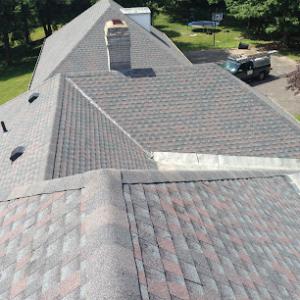
Busy Bee Roofing provides expert roof repairs, replacement and installation in Wolcott, CT and surrounding areas. Fully licensed, insured and committed to quality.
Valley Roofing
(203) 560-1818 www.valleyroofingllc.net
Serving
5.0 from 56 reviews
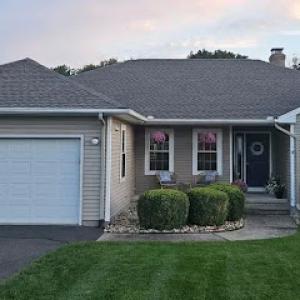
With over 35 years of experience, Valley Roofing, led by owners Tony and Eliza Palmieri, provides top-quality roofing services to Southington, CT, and surrounding areas. Specializing in both residential and commercial roofing, our team is committed to delivering reliable, on-time, and affordable solutions. From roof repairs to complete installations, we prioritize customer satisfaction and precision. Trust Valley Roofing for expert craftsmanship and personalized service, backed by decades of expertise in the roofing industry.

The Roofers
(860) 573-5861 www.theroofersllc.com
Serving
4.9 from 52 reviews
With 35-years of experience, Impressive Homes specializes in installing high quality, affordable roofs in Connecticut. We are a preferred contractor of Owens Corning, a market leader in roofing products. Locally owned, licensed and insured. Additionally, we can work with your insurance company to fix damaged roofs.
Best Connecticut Roofing
(203) 442-4165 www.bestconnecticutroofing.com
Serving
5.0 from 250 reviews
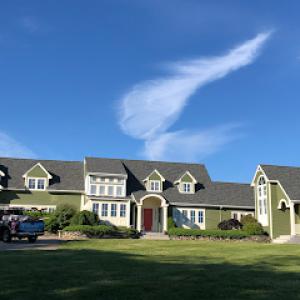
Best Connecticut Roofing has been in business since 2009. Our name reflects how we feel about our company and how we operate. We are a hard working crew that provides a quality service and product. We use the best products to give best guarantees to the owners, we install lifetime guarantee shingle. If we touch your roof we bring up to the building code, roofing code, don’t settle for less call the bes 203-442-4165 Roofing specialist Licensed & Insured Complete Clean Up Reliable Affordable On Time Satisfaction Guaranteed! You are in good hands. Peace of mine.
Lifetime Quality Roofing
(475) 233-8114 lifetimequalityroof.com
Serving
4.8 from 46 reviews
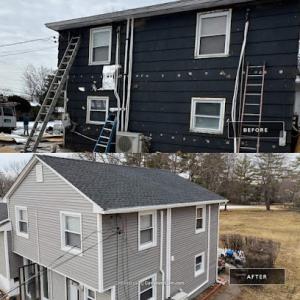
Lifetime Quality Roofing Leader in residential roofing in Connecticut. Based in Wolcottt, we serve the entire state. Specialists in roofing, siding, and gutters. We offer installation, repair, and replacement with high-quality materials. Safe, durable, and guaranteed solutions. Trust us. We protect and enhance your home.
Bartlett Contracting, LLC | Roofing, Siding, Windows & More!
(203) 558-1696 www.bartlettcontractingllc.com
Serving
4.6 from 31 reviews
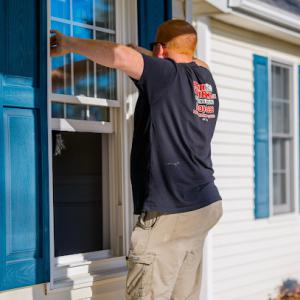
Bartlett Contracting is a roofing contractor located in Wolcott, CT who specializes in providing everything from roof repairs and replacements to windows, doors, siding, and gutters to Connecticut property owners. With over 20 years of experience serving New Haven County and Hartford County clients, you can rely on us to be your one-stop shop for all your roofing needs.
Southington's roofing landscape is a blend rather than a single-material market. Asphalt shingles, metal roofing, clay tile, synthetic or composite shingles, slate, and copper all appear across neighborhoods, reflecting a mix of budget, style, and the town's aging housing stock. This diversity matters when planning a re-roof or major repair, because each material tells a different story to insurers, scheduling, and long-term maintenance. Your project may need to document a replacement that aligns with what exists on the home, or plan for a materials upgrade that preserves curb appeal while meeting performance needs. The choice often influences how a claim or renovation is documented with insurers and how soon a full replacement should be scheduled after weather-related damage.
Cold winters and warm summers create unique stresses. Thermal movement matters for every option, but it shows up differently depending on the material. Metal roofs shed snow efficiently when properly seated, yet expansion and contraction require precise flashing and panel alignment to prevent ice dams at eaves and ridges. Slate handles temperature swings well but is sensitive to impact and requires careful substructure support and installation details to avoid fracture in freeze-thaw cycles. Clay tile can be elegant and durable, but its weight and expansion characteristics demand structural consideration and proper underlayment to manage snow load and thermal movement. Synthetic or composite shingles can offer balance, but performance hinges on quality of the composite and its ability to resist cold-cracking and UV exposure. Asphalt remains the most common choice, typically offering straightforward repairs, but still needs accurate flashing and ventilation to mitigate ice dams in heavy snowfall years.
Because Southington hosts both common asphalt re-roof demand and higher-end legacy materials like slate and copper, the material decision should reflect both immediate needs and expected replacement timing. If a home already has slate or copper, matching or harmonizing with existing materials can simplify insurance documentation and streamline scheduling for a full replacement if damage is extensive. For homes with asphalt on the roof, upgrading to higher-end options might provide longer life in a town with snowy conditions, but structural checks are essential to ensure the attic and ventilation are up to the task. In many cases, a conservative approach is to maintain consistency with the dominant local stock when the goal is a quick, reliable re-roof, while considering upgrades that improve ice dam resistance and thermal efficiency for future winters.
Asphalt shingles offer straightforward re-roofing with accessible maintenance and a predictable installation process, especially when flashing and venting are updated during replacement. Metal roofing shines in snow shedding and longevity, but requires precise panel alignment and robust flashing to prevent leak pathways during freeze-thaw cycles. Clay tile delivers timeless aesthetics and resilience but demands a reinforced structure and careful weight management; its performance hinges on proper underlayment and compatible flashing to handle snow accumulation. Slate provides a premium, long-lasting option with excellent thermal stability, yet installation precision and substructure support are critical to avoid costly failures. Synthetic/composite shingles blend cost and performance, often presenting a middle ground for insulation and weather resistance if manufactured to high standards. Copper delivers unmatched durability and color longevity, with special consideration for flashing details and maintenance to prevent staining and corrosion at joints. In all cases, ensure attic ventilation and appropriate underlayment are integrated with the chosen roof system to minimize ice dam formation and moisture-related issues during winter and spring thaws.
In Southington, you'll see different price ranges depending on material choice. Asphalt shingles typically run from about 350 to 700 USD per square, a middle ground that works well for many mid-sized homes with standard tear-offs. Metal roofing sits higher, roughly 700 to 1200 USD per square, reflecting faster installation and longer life but a bigger upfront cost. For more distinctive roofs, clay tile sits at 900 to 1600 USD per square, synthetic or composite shingle at 500 to 900, slate at 1200 to 2600, and copper anywhere from 1800 to 4000 per square. Those bands matter because a single-roof project can quickly shift from budget to specialty, especially if your home features ornate detailing, dormers, or complex valley work.
Winter damage followed by spring thaw and summer storms compresses Southington's main replacement window. If your roofer's calendar is packed with after-winter repairs, you may encounter higher demand-driven pricing or limited scheduling flexibility. This can push work into late spring or early fall, when crews are balancing both new work and emergency repairs after freeze-thaw cycles. Expect some premium for expedited timelines if you need a quick turnaround to avoid interior risk, especially after a harsh winter that left multiple homes needing assessment.
Local homes present a broader mix of roof types than a single-product market. Some houses may be straightforward asphalt tear-offs, while others require specialty slate, tile, or copper work. That variability means your project isn't just about shingle count; it's about adaptation to existing deck conditions, flashing details, and drainage concerns. When a roof transitions from standard to high-end materials mid-project, labor costs can rise due to specialty fasteners, underlayment choices, and unique edge details. In Southington, complexity is a primary cost driver because the housing stock often demands tailored solutions rather than one-size-fits-all installation.
Snow, ice dams, and freeze-thaw cycles influence both materials and ventilation considerations. A roof that needs enhanced insulation, upgraded underlayment, or improved ventilation to prevent future ice dam damage will incur additional upfront costs, regardless of material choice. If a project includes re-flashing or extended gutter integration to manage winter runoff, anticipate incremental increases from baseline material pricing. Being proactive about these contingencies can save both time and money when spring storms arrive.
Get a clear picture of your project costs upfront - no commitment required.
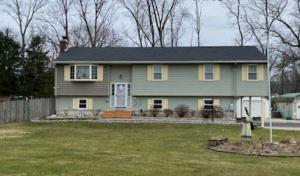
For most full re-roofs, a building permit is a must through the town Building Department. Skipping this step can lead to stop-work orders, fines, and pressure to undo or redo work if an inspector discovers the project later. In a town that sees snow-driven damage and tight windows for re-roof projects, getting the permit lined up early helps prevent delays caused by weather or scheduling conflicts with a contractor's timeline. A permit also creates a paper trail that helps ensure the flashing, ventilation, and material choices meet local expectations and the winter realities that Southington faces each year.
Typically, the contractor handles or coordinates the permit application, but the homeowner remains responsible for understanding what's approved. You should expect to submit project details, including scope, materials, and proposed timelines, to the Building Department before work begins. Having a clear plan helps avoid last-minute changes that require new approvals. In Southington, the town expects documentation that demonstrates proper flashing details and ventilation strategies, given the freeze-thaw cycles and the demand for full replacement when necessary. Keep copies of your permit number and approvals accessible at the job site during construction.
The inspector's eye in this town narrows on flashing integration, attic or roof-ventilation adequacy, and the overall installation quality. A common pitfall is rushing through flashing at valleys, dormers, or transitions between old and new sections. Ensure the contractor confirms that all flashing is continuous, sealed, and compatible with the chosen roofing material. Ventilation must align with the roof type and local attic conditions to minimize ice dam risk in winter. A well-documented plan that shows where vents will be placed and how peak airflow is achieved helps you pass inspection without delays.
Inspections occur at rough and final stages. The rough inspection focuses on structural readiness: confirm the deck is sound, underlayment is properly installed, and flashing details are in place before roof coverings go on. The final inspection validates that the installation matches the approved plan, that all penetrations are properly flashed, and that ventilation meets code expectations. If inspectors note deficiencies, timing can push back your project, especially during peak re-roof season or after heavy snow events. Plan to have the site accessible and organized, with clear paths for inspectors to review ridge lines, eave details, and attic ventilation points.
In Southington, flashing inspections are a focal point during re-roofing, especially at roof penetrations and where walls intersect the deck. The goal is to catch gaps or transitions before meltwater finds a path inside. Pay close attention to step and counter-flashing around vents, chimneys, and skylight bases, and verify that intersections with siding or masonry are sealed cleanly. If any metal flashings show rust or loose pieces, plan a targeted repair before the next freeze.
Skylights often become trouble spots as snow loads pile up and temperatures swing. A dedicated skylight service team should check panes for micro-cracks, seals around the curb, and the integrity of the flashing at the curb-to-roof interface. Replacing worn gaskets and resealing around the base can stop small leaks from becoming big problems after a thaw. When a skylight shows persistent seepage, consider a full curb and flashing refresh to maintain a watertight transition.
Chimney leaks commonly trace to compromised flashing where the chimney meets the roof plane. Inspect for hairline cracks in mortar, deteriorated step flashing, and crown deterioration that directs water toward the flashing joints. A careful reseal or flashing relay at the chimney stack, plus attention to the chase flash, helps prevent ice dam-driven intrusion during heavy snows.
Snow and ice drive sudden leaks after freeze-thaw cycles, so prioritize vulnerable penetrations before the deep winter storms. Look for damp spots on ceilings, stained attic rafters, or loose shingle edges near skylights and chimneys after a thaw or heavy snowfall. Early detection saves interior damage and reduces re-roofing urgency.
Create a quarterly check routine focusing on flashing seals, skylight curb condition, and chimney transitions. Keep gutters clear so meltwater sheds away from joints, and consider a targeted reseal or flashing refresh if you notice peeling metal or damp patches. Maintain a simple record of any repairs and sweep debris from vent flashing to maintain breathability and dry roofing surfaces.
Find contractors experienced in skylight installation, flashing, and leak repairs to bring natural light into your home.
Epic Exteriors
(860) 925-7663 www.epicexteriorsct.com
102 W Center St, Southington, Connecticut
5.0 from 169 reviews

First Choice Roofing
(860) 218-8770 firstchoiceroofingcontractors.com
360B Queen St #365, Southington, Connecticut
5.0 from 44 reviews
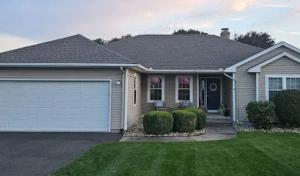
Even though residential re-roofing dominates Southington's housing stock, flat-roof expertise remains a distinct specialty worth seeking. Low-slope sections deserve separate attention because flashing details, edge termination, and deck preparation behave differently than steep-slope roofs. In homes with flat or near-flat sections, the choice of membrane, attachment method, and drainage strategy can influence long-term performance just as much as shingle choices do on the main roof. Local crews that understand the nuances of small commercial-grade membranes and curb-mounted penetrations tend to coordinate better with attic ventilation and roof-to-wall transitions found on many Southington home configurations.
Spring rain adds moisture risk to exposed low-slope decking during replacement windows. The combination of wetter days and evolving temperatures can affect membrane seam integrity and flashing installations. When planning a re-roof that includes flat sections, consider staggered work windows that favor dry spells for critical tasks like seam bonding and curb flashing. Adequate temporary waterproofing and precise drainage details help prevent moisture from seeping under new membranes during wet periods, especially on homes with multi-level roof lines that channel runoff toward low-slope zones.
Solar-roofing specialization is present in the local contractor base, making roof replacement coordination more relevant here than in markets without active solar services. If solar installations are planned to accompany or follow a re-roof, ensure the roofing contractor and solar installer share a coordinated schedule for flashing, venting, and roof deck readiness. This alignment reduces the risk of conflicts between mounting hardware and existing flashing details, and it supports a clean integration of building-integrated or rooftop-mounted solar equipment with Southington's typical attic ventilation patterns.
When evaluating both low-slope and solar-ready options, prioritize crews that can demonstrate compatibility between membrane choices, flashing transitions at roof edges, and the surrounding steep-slope areas. Pay attention to how the selection influences attic ventilation and moisture management, especially on homes with hallmarks of central Connecticut weather-freeze-thaw cycles, spring rains, and occasional storm-driven roof stress. A coordinated approach helps ensure that both flat sections and any solar attachments perform reliably through Southington's seasonal shifts.
Find specialists in TPO, EPDM, and built-up flat roofing systems for residential and commercial properties.
First Choice Roofing
(860) 218-8770 firstchoiceroofingcontractors.com
360B Queen St #365, Southington, Connecticut
5.0 from 44 reviews
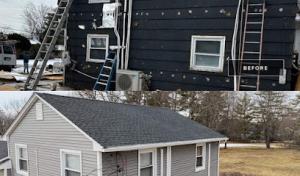
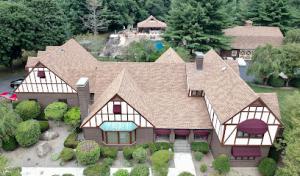
Southington homeowners are hiring primarily for re-roofing, quick response, cleanup, and affordability rather than niche luxury installation alone. The winter freeze-thaw cycle and storm-driven damage drive a lot of the urgency, so understanding whether you need a full replacement or a same-season overlay is essential. A solid roofer will confirm that in this market a complete re-roof is often the most durable fix after repeated ice dam stress and heavy snowfall.
In this town, many contractors lead with damage response rather than deep diagnostic reporting. Expect firms to arrive promptly after a storm, tarp exposed areas, and quickly outline next steps. Look for a crew that can stay on-site through the cleanup phase and coordinate with you to minimize disruption. Quick turnarounds matter when melt-freeze cycles threaten lingering leaks, so flat-out reliability on a tight schedule is a practical asset.
The local market includes a meaningful share of long-established and family-owned companies. That matters for warranty follow-through and repeat storm service. When you're deciding, weigh a contractor's local reputation: how they handle post-storm calls, how many seasons they've stayed in the area, and whether neighboring homeowners have had solid long-term results. Familiar names often offer clearer communication and steadier service after the install.
A good Southington roofer will present a plan tailored to the winter pattern here: rapid shingle or membrane application where needed, attention to flashing and ventilation, and a defensible sequence for weather delays. Request a concrete timeline, a cleanup protocol, and a points-of-contact for emergencies. The right company will spell out how they manage snow-season challenges without stretching the project duration unnecessarily.
Winter in Southington brings snow and ice dam risk that can change roof performance in a matter of hours. Before the first big snowfall, inspect attic ventilation and insulation to minimize warmth creeping into the attic and melting snow on the roof that refreezes at the eave. After storms, check for ice dam buildup along gutters and the lower roof edge, and clear ice and standing water from valleys and flashing with care. Frozen conditions heighten the danger of climbs, so schedule a careful, daylight-assisted check when thinner ice or a fresh snowfall allows safe access. Remember that snow depth can mask underlying roof damage, so a post-storm walkaround of visible sections is prudent even if the rest of the roof looks intact. In neighborhoods with re-roofing activity, flashing and valley connections deserve particular scrutiny during winter inspections to catch leaks before they propagate.
Spring storms in this area can deliver heavy rain and gusty winds that challenge compromised decking and shingles. After the last major storm, perform a thorough decking check from the attic access or a safe exterior vantage. Look for signs of soggy sheathing, condensation on rafters, or damp insulation, and address any moisture intrusion promptly. Wet decking not only slows drying but can lead to mold growth and accelerated shingle wear. If any flashing components show corrosion, lift, or gaps, plan timely resealing or replacement during a dry stretch. A mid-spring inspection is especially helpful for catching wind-driven damage from late-season squalls before the summer heat accelerates deterioration.
Hot months stress attic air flow and can dry out materials at an uneven rate, which emphasizes the need for solid ventilation and ridge vent effectiveness. Use longer daylight hours to perform careful exterior inspections while avoiding peak heat. Check for sagging fascia, loose gutters, and signs of accelerated aging on shingles or underlayment where sun exposure is greatest. If a roof has had recent repairs or partial replacements, verify that new flashing integrates smoothly with existing roof lines to prevent hidden leaks that heat and moisture can reveal later.
Fall gutter and downspout cleaning is especially relevant when late-season leaf buildup can increase water intrusion risk before winter freeze events. Clear debris from the roof edge, valleys, and flashings, then ensure downspouts direct water away from the foundation. Pay attention to gutters that overflow during autumn storms, as clogged lines can force water toward vulnerable seams. A diligent fall sweep sets the stage for a drier winter and reduces the chance of moisture-related damage during freeze-thaw cycles. If a storm-damaged gutter or flashing area exists, schedule a targeted inspection to address potential leaks before heavy winter demands.
Homeowners in Southington should keep dated roof photos, condition notes, and contractor estimates because local adjusters commonly ask for this documentation after storms. Clear before-and-after images from different angles help establish the roof's baseline and any changes due to wind, hail, or freeze-thaw cycles. Maintain a simple, dated log of observed issues-red flags like lifted shingles, flashing gaps, or softened areas-and attach any contractor observations or recommendations. This practice can shorten questions during the claim review and reduce back-and-forth delays.
Detailed material specifications matter in Southington claims because policy treatment can differ across asphalt, metal, slate, tile, synthetic, and copper roofs. Each material type responds differently to winter storms and freeze-thaw cycles, and covered damage may hinge on installed underlayment, fasteners, and compatibility with flashing. Keep copies of product data sheets, installation details, and any updates from the manufacturer or installer. When discussing damage with the insurer, reference the exact roof system in place rather than a generic description to avoid ambiguity in coverage decisions.
The local insurance environment regularly adjusts for storm-related damage, so documentation quality can directly affect claim handling and repair timing. Well-organized files that tie observed damage to storm events and to specific roof components help adjusters verify eligibility and prioritize repairs. If a claim involves complex elements (such as copper or slate) or multiple roof layers, a thorough dossier can prevent misclassification and speed up scheduling with the contractor. In all, meticulous records support faster, more accurate resolutions during Southington's storm season.