
Last updated: Apr 19, 2026
Naugatuck's steep valley-and-hillside neighborhoods along the river mean roofs take a direct hit from repeated freeze-thaw cycles. Cold winters push water up under shingles at eaves and valleys, then it refreezes, expands, and creates ice dams that slow drainage. That pattern ages the roof faster, especially where heat escapes from the attic or where soffits allow warm air to contact the roof deck. The result is faster wear on eaves, valleys, and ridges, where ice dam formation is most aggressive and leaks often begin to show up only after a thaw.
Heavy winter snow in inland New Haven County conditions piles up along the edges and at roof ridges. When a thaw or a warm day arrives, that snow can slide or melt unevenly, stressing fascia, gutter systems, and joints. Edge damage becomes a common culprit for early-stage leaks, while ridge lines may crack or loosen under sustained snow pressure. If your roof has older shingles, cedar shakes, or a low-slope section, the risk compounds quickly. In short, the most vulnerable spots are the eaves, valleys, and ridges where ice dams and thaw-driven damage concentrate.
The preferred replacement window in this town runs from late spring through fall. Winter tear-offs and installations introduce weather-related delays and ice-dam complications, so planning for a warmer season helps ensure a safer, faster project with lasting results. If you're facing active leaks during or after the spring melt, prioritize temporary fixes to stop water intrusion while you arrange a full roof replacement in the favorable window. Scheduling outside the depth of winter reduces the chance of reoccurring ice dam issues once the new roof goes on.
Watch for interior staining near ceilings and high up along walls, especially in rooms under the eaves. Look for softened or curling shingles at the edges, granular wear near roofline, and granule loss in gutters and downspouts. Ice dam formation may leave a pattern of icicles that hang longer than usual; if water backs up behind dammed ice, you'll notice damp insulation or warped fascia boards. Early leaks that show up after thaw cycles are a telltale signal that freeze-thaw wear has progressed and a professional assessment is needed before more damage occurs.
Remove accumulated snow from the roof when it's safe to do so, focusing on the eaves and valleys without climbing onto structurally compromised areas. Ensure attic insulation is up to par and that soffit vents are clear to minimize warm-roof zones. If you've had repeated ice dam issues in past winters, contact a local roofer promptly for an evaluation of underlayment, ventilation, and potential upgrades to reduce future dam formation. In Naugatuck, addressing these concerns before spring not only minimizes current damage but helps protect your home through the next winter's cycles.
Asphalt shingles are a dominant local material and fit the area's large re-roofing market. In winter, the combination of cold temperatures, thermal cycling, and spring rain makes ice-dam risk a real concern. A shingle system that's well vented and paired with an effective ice barrier can hold up better through repeated freeze-thaw cycles. In Naugatuck, homes with long eaves or valleys that gather runoff should prioritize a roof assembly that integrates a proper underlayment and an installed ice-and-water shield beyond the eaves. When choosing asphalt, focus on higher-grade shingles with a stout nailing pattern and confirm attic ventilation directs moist, warm air away from the attic space. Small improvements in attic insulation and vent placement can meaningfully extend the life of asphalt roofs in this climate.
Metal roofing is also a dominant local option and relevant in this inland four-season climate for its durability and fast shedding of snow. Snow tends to slide more predictably off metal panels, reducing ice dams at the surface, but the system must accommodate thermal movement between seasons. In selection, look for panels with integrated fasteners and secure seam details that can tolerate summer heat expansion without loosening. Noise is a real consideration in snow-heavy months, so consider underlayment choices and, if possible, insulating deck assemblies to reduce perceived sound during heavy storms. A metal roof with a proper snow-guard setup at the eaves can help control slide risk on steeper slopes common in valley-and-hillside neighborhoods.
Clay tile, concrete tile, wood shakes, and synthetic/composite products are present in the market but require closer structural and moisture-detail review in a town where snow load and freeze-thaw exposure are recurring concerns. Clay and concrete tiles offer long life when the roof structure can carry the weight and when underlayment and attic ventilation are up to the task. Freeze-thaw cycles can create micro-cracks if movement isn't managed, and tiles must be securely fastened to resist wind-driven snow loads. Wood shakes present a rustic look but are particularly sensitive to moisture and may require more diligent maintenance to prevent water intrusion during rapid thaw cycles. Synthetic/composite options can blend some of the best traits of other materials, but ensure the product is rated for the local freeze-thaw environment and that installation details address ventilation and moisture control. In all cases, ask for a detailed installation plan that confirms proper nailing patterns, sealant compatibility, and attic ventilation alignment.
Winter thermal cycling, ice dam risk, and moisture migration hinge on more than material choice alone. A roof assembly for this climate should pair a capable ice barrier at eaves and in valleys with adequate attic ventilation and insulation. Poor ventilation amplifies heat buildup in winter, accelerating ice dam formation and accelerating wear on the shingles or tiles. When evaluating options, verify that the installer includes continuous soffit-to-ridge ventilation, strategically placed vents in the attic, and a sealed edge barrier system that blocks moisture from migrating into the deck. For steeper pitches near the river and along hillside corridors, ensure the design accounts for snow retention at critical intersections and minimizes standing water pathways after melt.
Neighborhoods with steep valley-and-hillside layouts and frequent freeze-thaw events demand materials and assemblies that tolerate thermal movement and moisture exposure. Asphalt remains a practical default, provided that ventilation and ice barriers are robust. Metal offers superior snow shedding and performance in variable temperatures but requires attention to noise and movement. More exotic options can work, but demand a thorough review of structural support, moisture control, and seasonal behavior to ensure reliability across Naugatuck's winters.
The spring pattern in this valley-and-hillside neighborhood set up a perfect pathway for leaks to escalate quickly. Heavy rain combined with gusty winds can push water under shingle edges and flashing, turning a small winter ding into a real interior problem in days. If you notice any new stains on ceilings after a storm, treat it as a active leak until proven otherwise. In these blocks of early-season weather, roof vents and chimney flashing take the brunt of the load, so pay extra attention to areas where water tends to pool or where gutters pull away from the fascia. Delay in addressing even minor drips can invite rot, mold, and more costly rework once the frost returns.
Connecticut insurers in this market look closely at wind and hail patterns, so post-storm photo documentation matters even when damage first appears as an interior stain. After a heavy rain, snap clear photos from ground level and from the attic if accessible. Capture any lifted shingles, missing granules, damaged flashing around chimneys and skylights, and signs of moisture intrusion around soffits. Keep a dated record of exterior conditions, gutters, and any temporary tarps or patches. When a claim is filed, these images help verify the storm's impact and can speed the resolution, especially in a climate where weather swings from thaw to downpour in short order.
Autumn leaf buildup is a stated local seasonal risk and can hide shingle loss or flashing problems until the next heavy rain event. Even a light layer of leaves can mask compromised tiles, clogged valleys, or improper flashing. In spring, as debris shifts with wind and varying moisture, small issues hidden by the rustle of autumn foliage can reappear as active leaks. Inspect thoroughly after storms, paying special attention to valleys, edges, and around protrusions like chimneys and vent pipes. If you notice granule loss on shingles or a splayed ridge, address it quickly to prevent rapid water intrusion during the next storm surge.

Rejoice & Restore
(860) 322-9602 rejoicerestore.com
175 Church St, Naugatuck, Connecticut
4.9 from 120 reviews
Rejoice & Restore provides trusted roofing, solar, and exterior services for homeowners across Connecticut. Our services include free roof inspections, roof repairs, full roof replacements, solar roof and residential solar consultations, windows, siding, deck construction, emergency services, and interior remodeling. Whether you are dealing with storm damage, leaks, or planning an upgrade to your home, our experienced team delivers honest guidance, quality craftsmanship, and reliable service you can count on.

CT Home Remodelers
124 Oak St, Naugatuck, Connecticut
4.9 from 26 reviews
CT'S HIGHEST RATED ROOFING REPAIR, REPLACEMENT & VINYL SIDING CONTRACTOR WELL TAKE AMAZING CARE OF YOUR CT HOME. Home Remodelers is Connecticut's #1 option for homeowners when it comes to roof repair, replacement, vinyl siding, and window replacement services. We're an established business located in Naugatuck, Connecticut but service the entire state of CT. We don't charge an estimate fee, provide exceptional prices and services, and help homeowners put a safe roof over their head. Get started by receiving a free estimate by calling us (203) 884-8820 or heading over to our contact page. We look forward to hearing from you and working on your next roof replacement!

Premium Siding & Windows
(203) 735-5450 premium-siding-windows.com
457 N Main St, Naugatuck, Connecticut
4.8 from 24 reviews
We are a residential complete exterior remodeling company 32 years strong. We're a BBB A+ Rated company. Our services include Roofing, Siding, Windows, Doors, Porticos, Gutters and More. We are certified installers for many of the top building product manufacturers. We offer 100% No Money Down financing for home improvement and remodeling. We would love to hear about your project, Contact us Today!
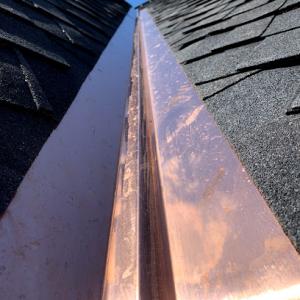
Bulldog Roofing
(860) 385-1786 www.bulldogroofingllc.com
Naugatuck, Connecticut
4.9 from 16 reviews
Bulldog Roofing, bases it work on quality and not quainity. We get it done right. Many other companies are speeding up the installation process, and as a bi-product the quality suffers. Lets face it Roofing is hard work and anything done right takes time. We are an efficient small crew that gets the work done in a reasonable time frame and done to a high stanard.
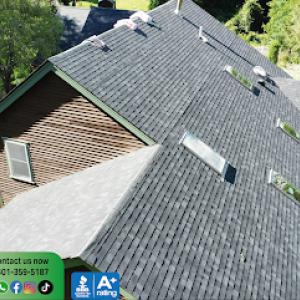
Pesantez Roofing
(401) 359-5187 www.pesantezroofing.com
325 Hillside Ave, Naugatuck, Connecticut
4.5 from 57 reviews
Pesantez Roofing is a company that will be happy to help you with whatever you need for siding, roof repair, gutter repair and installation. Just call us for a free estimate.
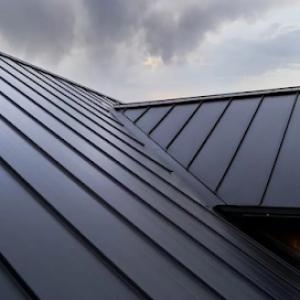
L Loja Construction
(860) 417-8463 llojaconstructionllc.net
Naugatuck, Connecticut
5.0 from 13 reviews
🏗️ L Loja Construction ✨ Building Dreams, Roofing Reality – Experience Excellence in Construction! At L Loja Construction, we are more than just a construction firm 🛠️; we are the architects of your dreams 🏡 and the engineers of your reality. Operating out of Naugatuck, CT 📍, we are proud to showcase our rich portfolio of successful projects that exemplify our commitment to excellence, quality ✅, and precision. 📞 Free Estimate – Let’s build something amazing together!

Manny Roofing
(475) 203-1939 www.ctroofingpros.com
Serving
4.9 from 126 reviews
Manny Roofing is a family-owned and operated roofing company located in Beacon Falls, CT that has been serving all of Connecticut with over 15 years of experience. We specialize in high-quality roofing, vinyl siding, windows, doors, gutters, and more—backed by our 25-year workmanship warranty. As a GAF Master Elite contractor, our in-house crews deliver reliable service, exceptional craftsmanship, and thorough clean-up on every project.
Rubman Construction
(203) 850-3195 rubmanconstructionllc.com
Serving
5.0 from 26 reviews
Rubman Construction is recognized as the best roofing contractor in Waterbury. Our team ensures the highest quality craftsmanship for every project. From installing a new roof to replacing the damaged one, we deliver reliable and efficient solutions that meet the unique needs of our clients. With years of expertise in the industry, Rubman Construction offers comprehensive services, including roof repair in Watertown. We understand the importance of a sturdy and well-maintained roof for the safety and comfort of your home. Our skilled professionals use top-quality materials and techniques to ensure lasting results. Choose us for all your roofing needs, and experience the difference that our expertise can make for your property.

All Star Roofing
(860) 508-2173 www.allstarroofingct.com
Serving
5.0 from 71 reviews
All Star Roofing is a licensed and insured roofing contractor in Prospect, CT, serving Waterbury, Hartford, and surrounding Connecticut areas. We offer roof repair, roof replacement, and roof maintenance for residential and commercial properties. We specialize in storm damage inspections and insurance claim assistance. Our services also include siding, gutters, and flat roofing systems. We focus on quality workmanship, clear communication, and a stress-free experience from inspection to final cleanup. Free inspections and honest estimates.
Royal Roofing
(475) 255-8647 myroyalroof.com
Serving
5.0 from 47 reviews
Royal Roofing, located in Prospect, CT, offers premier roofing and siding services in Waterbury, Cheshire, Naugatuck, and surrounding areas. With over 20 years of experience, our dedicated roofing company specializes in delivering high-quality roofing and siding solutions customized to meet each client's unique requirements. Our skilled team of contractors is committed to providing you with the knowledge, transparency, and support you need for everyday necessities in your home. From minor repairs to complete replacements or installations, we handle everything with expertise and professionalism. Attempting roofing or siding projects on your own can be risky and time-consuming. Let us treat you like royalty and handle it for you!

Flash Roofing
(860) 398-2166 flashroofingllc.com
Serving
4.9 from 71 reviews
With over 20 years of experience, Flash Roofing CT is a trusted leader in roofing, siding, and gutter services. Our skilled professionals specialize in installation, repair, and replacement, ensuring long-lasting protection and beauty for your property. We proudly serve New York, Connecticut, and Pennsylvania, offering flexible financing options and an industry-leading warranty on every project. Trust us to deliver exceptional craftsmanship and top-tier customer service.

Paolino Roofing
(203) 721-1442 www.paolinoroofing.com
Serving
4.9 from 45 reviews
We are a Better Business Bureau accredited business. Based in Waterbury Ct, servicing New Haven, Hartford, Fairfield, Litchfield, and Middlesex Counties since 1990. We specialize in residential and commercial roofing, roofing repairs, storm damage emergency services and commercial roof maintenance. We also offer storm damage insurance claim assistance and free storm damage inspections. We are family owned and operated, A LOCAL NAME YOU CAN TRUST! We always help our customers understand the problem and solution with guided video and photos.
In this city, a full re-roof typically triggers a municipal building permit. The application is usually submitted by the roofing contractor to the town Building Department, not by the homeowner alone. Make sure your contractor confirms the permit line item and provides all required sheets, including a scope of work, roof material spec, and any venting or ice-dam mitigation details. Keep a copy of the permit number on site for reference during inspections.
Local inspections commonly verify tear-off and installation stages, followed by a final inspection after completion. Expect the inspector to check that the old roofing is removed to the deck where required, that proper ventilation and underlayment are in place, and that the new roof is installed per code and manufacturer instructions. If there are any add-ons-like upgraded underlayment for freeze-thaw resilience or enhanced snow-day fastening-have those items documented for the inspector.
Processing times in Naugatuck can vary with weather and Building Department backlog, which affects how far ahead homeowners should schedule larger re-roof projects. Winter glare from ice and snow can slow access, while heavy rain or cold snaps push evaluation windows. Plan ahead by coordinating the permit submission early in the project timeline and align tear-off, installation, and inspection dates with anticipated weather blocks. If a project spans multiple phases (demo, underlayment, shingles, vents), confirm with the contractor which inspections occur at each stage and the expected turnaround for each.
Ensure clear access for inspectors-unobstructed eaves, clear paths around the house, and adequate light at ceiling penetrations if skylights or attic work is involved. Communicate any non-standard details, such as a steep slope or areas with limited attic access, to both the contractor and Building Department before the first inspection. After the final inspection, obtain the official compliance letter or certificate of occupancy related paperwork and keep it with your roof records for future reference.
In this town, the typical cost picture centers on the dominant shingle and panel choices homeowners install to handle cold winters and spring rain. Asphalt shingles run about 350 to 650 USD per square, a common starting point for starter homes and mid-range repairs. Metal roofing sits higher, generally 700 to 1200 USD per square, reflecting both its durability against ice dams and the ability to shed snow more reliably on steeper pitches. For those chasing long-life membranes or a more distinctive look, clay tile runs roughly 900 to 1600 USD per square, while concrete tile sits at about 950 to 1500 USD per square. Wood shingles or shakes typically cost 600 to 1000 USD per square, valued for their classic appearance and good insulating qualities, though they demand more maintenance in freeze-thaw cycles. Synthetic or composite shingles offer a middle ground at 450 to 800 USD per square, balancing resilience with cost.
Naugatuck's strong re-roofing market means pricing is often influenced by tear-off volume, disposal, and how quickly crews are booked during the late-spring-to-fall replacement window. When contractors anticipate a busy season, estimates can tighten, and scheduling may push prices higher. If you're coordinating a project in the shoulder months, you may find more favorable timing and slightly more flexible crews, though weather windows still drive availability.
Costs can rise when winter damage creates urgent demand spikes or when steep or cut-up rooflines common in older Connecticut housing slow installation. Ice dam prevention work adds another layer of consideration, since roofs facing the Naugatuck River valley often need enhanced edge detailing and insulation improvements to reduce melt-and-refreeze cycles. If permit timing pushes work into busier parts of the season, crews may command a premium or schedule shifts; planning ahead for a spring start can help stabilize both price and schedule.
Don't let upfront costs delay a critical repair - these contractors offer payment plans to fit your budget.

Enterprise Home Improvement
(203) 518-2010 www.enterpriseroofingsiding.com
Serving
4.9 from 86 reviews
After a harsh Connecticut winter or a spring wind event, the path to recovery begins with documentation. In Connecticut, insurers may require photos or an independent roof assessment before approving a roof claim, which is especially relevant after Naugatuck winter damage or spring wind events. Understand that claim decisions can hinge on timely, clear evidence that ties the damage to weather or wear, not to hidden preexisting issues.
Adjusters may ask for attic or interior evidence of damage, so homeowners should document ceiling stains, wet insulation, and leak paths as soon as they appear. Clear, dated photographs of stained ceilings, sagging or damp insulation, and visible leaks help prevent disputes about timing and cause. Keep a running record of any changes in moisture or interior odor, and note the location of each issue in relation to the upstairs or attic space.
Ice-damming losses can affect both claim timelines and coverage considerations in this market, making prompt documentation and contractor reporting more important than in milder climates. Focus on traceable water paths from the roof to the affected ceilings, and preserve any ice dam remnants if it can be safely done. A cautious approach to reporting speeds up the evaluation and reduces the chance of disputed causation.
Contact the insurer promptly, provide the requested photos and the independent assessment if required, and share your observation notes about interior damage. If interior damage is severe, coordinate a temporary mitigation plan with a licensed contractor to prevent further harm while the claim is processed. Clear communication helps prevent delays and supports a fair, timely settlement.
Connect with contractors who help homeowners navigate the claims process from damage assessment to final approval.

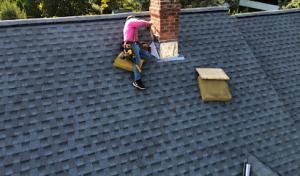
Chimneys are a prominent feature in older homes around the valley streets and hillside neighborhoods where masonry penetrations meet cold winters. In practice, you will see that chimney flashing and step flashing around brick or stone walls tend to suffer after the freeze-thaw cycles. Inspect the area where the chimney meets the roof for lifted shingles, rusted or bent metal, and cracked mortar joints that can channel meltwater into the attic. On approach, test from the attic by looking for signs of dampness or staining near the masonry, and on the roof, check for cracked or missing shingle tabs at the base. If a contractor notes any deterioration in the chimney cap or cricket (saddle) behind the chimney, prioritize repairs before the next snow season to prevent ice dam buildup and water entry.
Skylights are a common focal point for leaks in aging homes with steeper roof pitches. In this climate, flashing around the skylight tends to fail first after sustained snow, ice, and spring rain. Pay attention to the flashing's apron, counter-flashing, and sealant bead where it meets the roof surface. Look for light coming through the curb from the attic, lifted roofing material adjacent to the skylight, or globs of old sealant that have lost their grip. When a leak shows up, a thorough resealing or flashing replacement around the skylight is often more effective than a patch, especially after a heavy wet season. Schedule an inspection after the snow melts to catch slow leaks that aren't yet visible.
Autumn debris can conceal flashing and valley issues around chimneys and skylights, making fall inspections essential but challenging. Once the leaves have fallen, take a careful walk along the roof edge and inspect valleys for debris buildup that could trap meltwater. In the attic, clear sightlines to the chimney and skylight areas, looking for subtle damp spots or dark staining that indicates hidden leakage paths. If debris obscures the flashing during a late-season check, reschedule an inspection once the canopy has cleared to ensure accurate assessment and targeted maintenance.
Find contractors experienced in skylight installation, flashing, and leak repairs to bring natural light into your home.
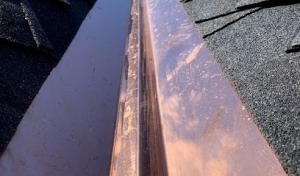
Flat and low-slope roofing is an active specialty in the local market, even though the town generally shows a pitched-roof character. In neighborhoods with steep valley streets, additions and attached garages often sit on low-slope platforms that drain toward the main roof. Those sections experience stronger vulnerability to ice dam formation, standing water, and accelerated wear from freeze-thaw cycles. Understanding how drainage behaves here helps prevent leaks and avoid future bulkhead or attic condensation issues.
Special attention goes to where a low-slope porch, garage, or addition roof ties into a multi-material main roof. In established Connecticut neighborhoods, these junctions often involve mismatched flashing, differing roof pitches, and aging underlayment. Ensure that flashing is continuous and that step and counter-flashing traverse both surfaces without gaps. Seal any horizontal joints with a durable, weather-resilient membrane, and verify that fasteners do not penetrate underlying sheathing in a way that creates cold-bridge paths.
Low-slope areas are more susceptible to ice dam buildup during midwinter thaws followed by frosty nights. Proper insulation and an airtight ceiling plane help, but the roof itself should have a robust ice dam barrier at eaves and around penetrations. Consider heat tracing only where necessary and be vigilant about snow loads near garage doors and porch overhangs, which can pool water against the main roof surface.
Schedule midwinter checks after heavy snowfalls and again in early spring. Look for ice build-up along rake edges, verify that gutters remain clear, and inspect flashing where the new section meets the existing roof. A focused preventative check in these tie-in areas can prevent leaks before the thaw cycle resumes.
Find specialists in TPO, EPDM, and built-up flat roofing systems for residential and commercial properties.
Hira Roofing | Storm Damage Professionals
(203) 707-1104 hiraroofing.com
Serving
5.0 from 63 reviews
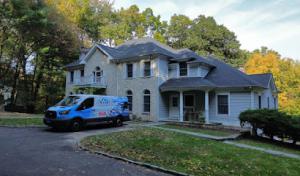
In this valley-and-hillside neighborhood fabric, a full tear-off and proper replacement beats quick patchwork every time. Crews with a proven history handling complete roof removals tend to produce fewer hidden issues later, especially after harsh winters and spring rains. When a contractor can demo, dispose, and reinstall on a single, coordinated schedule, your home ends up with a more durable seal against ice dams and freeze-thaw wear.
Cleanup is a major local hiring priority. Tight residential lots, curbs, driveways, and established lawns mean debris control isn't optional. Look for crews that detail their cleanup plan, bring wheel-wash or tarps, and finish the job with a thorough yard sweep. A responsible crew leaves neighbors with minimal disruption and reduces the chance of nails or shingle fragments causing damage to vehicles or landscaping over the following seasons.
Quick response matters, but not at the expense of quality. Local homeowners expect timely start times and the ability to handle winter-related challenges, such as wind-driven debris and ice-damming risk during the project. Ask for written schedules and experience with winter detailing, like edge ice barriers and protected drainage. A contractor who can demonstrate both prompt outreach and a track record of thorough, durable installations tends to be the safer choice for a long-term roof.
Steep, grown-in neighborhoods demand attention to attic ventilation and attic-to-exterior transitions that resist ice dam formation. Confirm the roofer can tailor a solution to your roof's slope, material, and the river-influenced microclimate. A clear explanation of how winter weather will be managed during and after installation helps separate reputable crews from those offering only temporary fixes.