
Last updated: Apr 19, 2026
Projects in this area face a steady grind: the dry season is the only reliable window for full replacements, yet summer thunderstorms and heavy rainfall routinely interrupt tear-off and expose decking to moisture. That interruption isn't just an annoyance-it can compromise the roof deck, foster rot, and push the entire schedule into a tricky cascade of delays. High heat and humidity add erosion to crews' pace, complicate material staging, and shorten the window when roofs can safely remain open for work without warping or drying issues. In practice, this means timing isn't cosmetic; it drives safety, warranty protection, and the likelihood of a clean, long-lasting install.
Immokalee homeowners often schedule full replacements in the dry season because summer storms can derail progress mid-tear-off and leave exposed decking vulnerable to moisture intrusion. But the wet season isn't just a calendar line item; it's a weather pattern that can surge quickly with tropical systems. When a tropical disturbance bears down, project calendars can shift in days, not weeks, and crews may be diverted to protect homes elsewhere. This volatility means you should build buffer days into the plan and have a clear back-up sequence for weather days, rather than waiting for a perfect window that may never arrive.
During heavy rainfall, decks and underlayment can absorb moisture fast, so the sequence should prioritize rapid tear-off completion during suitable days and immediate protection afterward. Use durable tarps and edge restraints to cover exposed decking when a storm is forecast, and keep crews with quick-access tools to minimize open-time. Material staging should emphasize moisture-friendly ordering-delivering the right underlayment and fasteners in the exact order they'll be used to reduce pileups that trap humidity. When heat climbs, timing shifts toward early starts and shorter daily openings to prevent heat-related stresses on shingles, underlayment, and the roof deck.
Establish a rain plan that activates as soon as a tropical storm watch appears. Allocate dedicated crew hours for shift changes that align with anticipated weather windows, and designate a preferred sequence for stages that can be completed in partial days if a storm interrupts. Communication is critical: set a weather-forecast-triggered update cadence so homeowners aren't surprised by a sudden pause or a rescheduled crew arrival. In practice, the best outcomes come from a schedule that treats wet-season volatility as a real risk, with built-in backups rather than hopeful pauses.
Keep a flexible start date during the shoulder period of the wet season and lock in a provisional dry-season window that aligns with typical weather patterns. Have a clear plan for rapid protection once tear-off begins, and designate a point person to monitor storm advisories and relay updates to the crew. Finally, choose a contractor who has a proven track record of maintaining quality when heat, humidity, and sudden deluge events press the job, preserving deck integrity and ensuring a durable finish once the roof is completed.
For a full roof replacement in this area, a building permit is normally required. The rule is straightforward: the project must be reviewed and approved by Collier County's building department before work begins. The contractor typically pulls the permit, which means you'll want to confirm who is responsible for submitting the application, any required plans, and the timeline for approval. If you already have a long-standing relationship with a local roofer, verify that they will handle the permit process from start to finish and keep you informed about status updates.
Inspections are a regular part of the job, and in practice, expect two key check-ins during a full re-roof. The first occurs at tear-off or immediately afterward, when the county reviews the decking, roof system continuity, and the underlayment layout. The second inspection happens after completion, when the finished installation is evaluated for conformity with code requirements and the permit scope. Scheduling the inspections with enough lead time is important because weather can delay both the tear-off and the final approval during the wet season and hurricane season.
Inspectors focus on several tangible areas. First, decking must be sound and free of rot or moisture damage, with any repairs completed prior to overlay or new sheathing if needed. Underlayment needs to meet Florida Wind Code standards and be properly fastened, with seams and penetrations sealed to prevent water intrusion. Finally, the installation details matter: proper nail patterns, secure penetrations at vents and chimneys, and correct alignment of fasteners relative to the selected roof system. Heavy tile systems, such as concrete or clay, can trigger additional plan-review scrutiny due to weight, load calculations, and fastener requirements. If your home uses an unusual layout or a high wind zone designation, the plan review may take extra time.
Begin by confirming the permit scope with the contractor before any work starts, and request a written timeline that includes inspection windows. Because Collier County can impose additional scrutiny for heavier tile or specialty systems, ask for a pre-submittal review if your roof is complex or has nonstandard framing. Maintain open lines of communication with the contractor about inspection dates and any weather-related scheduling adjustments. If a problem arises-such as a deck issue or a need for extra bracing-address it promptly, since delays at the permit or inspection stage can cascade into the overall project schedule. By staying proactive with the permit and inspections, a re-roof can proceed smoothly through the heat, moisture, and storm realities that define this area.
Immokalee sits in a Florida insurance environment where catastrophe exposure has contributed to premium increases and tighter underwriting. The neighborhood roofs you see-from tile to shingle-are judged not just on elevation and shape, but on how they perform when storms loom and when a claim comes due. That means every roof project is weighed against a high bar for resilience, with an eye toward long-term performance rather than the latest trend. When you consider replacement, you're not only weighing appearance or curb appeal; you're weighing how your choice stands up to heat, humidity, and a hurricane season that can rewrite affordable coverage in a single year.
After major storms affecting Southwest Florida, adjuster backlogs can slow claim handling, which can influence whether owners pursue pre-loss replacement or wait on post-loss decisions. The delay isn't just a calendar nuisance-it's a real factor that can push a homeowner from a window of smoother service into a crowded claims backlog where appointments are scarce and deadlines feel arbitrary. In practical terms, that means timing your project with awareness of the broader claim cycle can save weeks or months of uncertainty. If a storm leaves your neighborhood with widespread damage, expect phone queues, slower on-site inspections, and a backlog of roof-related claims across multiple neighborhoods.
Carriers may require detailed roof photos, documentation, and prompt reporting, making pre-storm condition records especially important for Immokalee homeowners. The more you can show before trouble hits, the clearer your file becomes when an adjuster finally arrives. Practical steps include keeping a dated photo record of your roof from multiple angles, noting any pre-existing issues like lifted shingles, cracked tiles, or flashing gaps, and storing those images in a cloud-aligned folder that you can share quickly when needed. If a storm does come, you'll be positioned to demonstrate both the damage and your pre-storm condition with less friction. The insurance landscape rewards preparedness with a faster, more transparent path through the process, reducing the chance that a pre-existing condition gets misclassified or that a post-storm patch becomes a long-term compromise.
Timing decisions should account for the wet-season storms and the hurricane window, balanced against the reality of insured risk and the heavy weight of certain roof assemblies. You want a replacement that can endure repeated exposure to heavy rains, salt air, and wind-driven debris while not becoming a headache in the claims process. In this climate, a proactive approach-documenting condition, choosing a resilient material, and coordinating with your carrier's expectations-helps you avoid the double hit of weather damage and insurance friction when a storm finally comes calling.
My Metal Roof of SWFL
(239) 352-1161 mymetalroofofswflinc.com
Serving
5.0 from 22 reviews
We are the premier roofing company in Southwest Florida, providing top-quality metal roofing services to our valued customers. With 40 years of experience, we pride ourselves on delivering exceptional craftsmanship and unmatched customer service
Estate Roofing
(239) 692-9732 www.estateroofing.com
Serving
4.8 from 38 reviews
PJ Eckerd founded Estate Roofing with exceptional customer service in mind! With more than 25 years of experience in the residential roofing business, PJ knows it’s important for customers to develop trust with the professional responsible for such a major home repair. That’s why PJ personally walks each customer through every step of the roofing process, from design conception to final cleanup, and why he only enlists his own crewmembers for the job. With his personable demeanor and extensive knowledge of roofing systems, PJ is known for putting customers at ease while guiding them through the complexities of selecting a new roof, making them feel confident they are in good hands. Estate Roofing is proud of its consistent reputation.
AV Contractors Group
(239) 823-2144 avcontractorsgroup.com
Serving
5.0 from 18 reviews
A&V Contractors Group is a trusted roofing contractor serving homeowners and businesses across Southwest Florida. With years of experience, our team specializes in high-quality roof installations, repairs, and replacements designed to protect your property and enhance curb appeal. We work with top-grade materials and deliver reliable craftsmanship for shingle, tile, and flat roofing systems. Customer satisfaction is our priority, which is why we maintain a 5-star reputation for professional service, attention to detail, and competitive pricing. Whether you need emergency roof repair after a storm or a full roof replacement, A&V Contractors Group is the roofing company you can count on for durability, safety, and peace of mind.
Amherst Roofing
(239) 354-1133 amherstroofingnaples.com
Serving
5.0 from 39 reviews
"Family-owned and operated since 1990, our roofing business has proudly served Southwest Florida for over three decades. Now in our second generation, we carry on the high standards set forth by our founder, providing expert roofing solutions for residential and small commercial clients. From durable shingles to sleek metal, elegant tile, and versatile flat roofs, our skilled team ensures quality and reliability in every project. Trust us for professional, dependable roofing services built on experience and dedication to our community."
Silvers Roofing & Construction
(239) 961-3858 www.silversroofing.com
Serving
4.8 from 104 reviews
Silvers Roofing and Construction is a family owned and operated company. Born and raised in Southwest Florida. We are a licensed and insured local roofing company ready to provide exceptional customer service.
MX Roofing
(239) 427-4658 www.mxroofingfl.com
Serving
5.0 from 32 reviews
MX Roofing, LLC is a family-owned roof repair company serving Southwest Florida, dedicated to offering fair prices, superior quality, and exceptional customer service. Whether you need emergency roof repair, roof leak repair, or specialized services like metal and flat roof repairs, we’ve got you covered. As one of the area's top roofing companies and leading commercial contractors, we handle everything from large-scale commercial projects to 3-season room and roof-siding repairs. Choose MX Roofing for guaranteed excellence in every job.
Legrand's Roofing & Construction
(239) 367-3400 legrandsroofing.com
Serving
5.0 from 30 reviews
We Are A Family Owned Roofing Business With Over 20 years Experience! Servicing Southwest Florida, Call For A Free Estimate Today!
Halo Roofing
(239) 300-8892 www.haloroof.com
Serving
5.0 from 38 reviews
Halo Roof is a trusted roofing company specializing in roof repair, replacement, and storm damage restoration for residential and commercial properties. With years of experience and a commitment to quality workmanship, Halo Roof ensures every project is completed efficiently and reliably. From minor repairs to full roof replacements, the team uses top-grade materials and follows industry best practices to protect your property and enhance its value. Dedicated to excellent customer service, Halo Roof provides professional guidance throughout the roofing process, helping clients navigate insurance claims, storm damage repairs, and preventative maintenance.
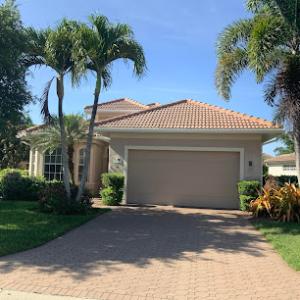
Saldana Roofing
(239) 777-0120 www.saldanaroofinginc.com
Serving
4.6 from 20 reviews
Saldana Roofing understands how important your home and business is to you and the significant investment involved for quality roof installation or roof restoration. As a reputable and professional roofing repair contractor, we offer years of roofing experience that includes a complete and comprehensive range of roof services that are designed to enhance curb appeal, provide energy efficiency and increase the value of your business or commercial property.
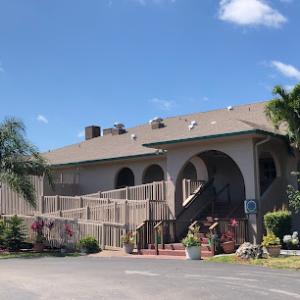
Big C Roofing
(941) 627-0000 bigcroofing.com
Serving
4.6 from 42 reviews
Big C Restoration serves Southwest Florida. We are a full-service roofing company specializing in residential installation and repairs which are backed by our own additional 5-year labor workmanship warranty. We are a general contractor and a Roofing Contractor. We are primarily Replacing Roofs and offering minor Roof Repairs. We place our clients and their needs first, can provide 100% financing, and have a licensed Florida insurance adjuster on staff who understands the process and can help with claims. Whether you're looking to spruce up your property's curb appeal or need an insurance claim replacement, Big C can help.
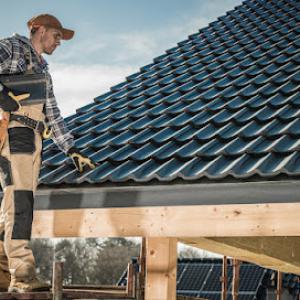
Local Repairs & Reroofs Of Naples Florida
(239) 877-3444 local-roofs.com
Serving
5.0 from 47 reviews
Local Repairs & Reroofs is a trusted roofing contractor Naples Florida, serving both residential and commercial clients. We specialize in shingle, tile, metal, EPDM, and flat roofing systems, making us one of the top-rated Naples roof installation companies. Whether it’s reroofs, new construction, or storm damage, our team delivers expert results you can rely on. Recognized among the best roofing contractors near me, we pride ourselves on quality materials, skilled workmanship, and dependable service. From emergency leak fixes to complete replacements, our roof repair services near me and professional roofing repair in Naples FL protect your property and investment year-round.
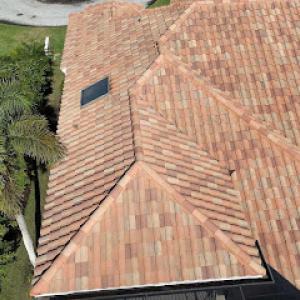
Durabilis Roofing
(239) 347-9207 www.durabilisroofing.com
Serving
5.0 from 122 reviews
Durabilis Roofing was founded with the vision to refresh the roofing industry by adding top notch customer service and unmatched quality. We do this by constantly looking for better ways to serve our customers to ensure they are safe from all weather elements and have peace of mind when the next storm comes!
Asphalt shingles remain a common value choice in Immokalee, but prolonged heat and moisture exposure can shorten service life compared with milder climates. In this climate, sun exposure accelerates granule loss and can cause faster color fade, while heavy afternoon downpours test the roof's sealant and flashing. When choosing asphalt, look for shingles with higher granule density and a proven asphalt formula that resists algae growth and wicking from moisture. A well-sealed edge along eaves and around penetrations matters more here, since repeated heat cycles can loosen seals. For many homes, a reflective or cool-colored option helps reduce attic heat gain, which translates to less demand on the ventilation system and longer roof life overall.
Metal roofing is popular in Southwest Florida because it handles intense sun and storm concerns well, but installation quality matters in a high-wind region. In Immokalee, the wind and heat demands mean that the fastener pattern, seam integrity, and underlayment choice are critical. A properly installed metal roof can resist impact from heavy storms and provide excellent long-term durability, but missteps in nailing patterns or inadequate attic ventilation can create heat buildup or leak paths. When evaluating metal options, prioritize experienced local installers who understand pounding rain, debris, and the need for a robust underlayment system. A standing-seam or ribbed panel design often offers good performance, provided it's matched to the home's structure and local wind concerns.
Clay and concrete tile fit regional Florida architecture, yet their added weight can matter in Collier County plan review and structural evaluation during replacement. If choosing tile, ensure the roof structure can handle the load-both new tile and any necessary reinforcement should be verified before tearing off the old roof. Tile surfaces reflect sun well and can resist heat ingress when properly installed, but installers must address underlayment ventilation and correct fastener spacing to avoid micro-cracking in prolonged heat. In homes with limited roof pitch, lighter tile options or hybrid systems may offer a better balance of weight, wind resistance, and cooling. Consider tile profiles that encourage water runoff while minimizing wind lift risk in local storm patterns.
No matter the material, the Immokalee climate favors proactive maintenance. Regular inspection after the wet season and before hurricane-season peaks can catch compromised seals, worn flashing, or clogged gutters that amplify heat and moisture stress. Pay special attention to attic ventilation, ridge vents, and soffit intake, since proper airflow directly affects roof longevity in heat-drenched summers. In all cases, a trusted local contractor who understands the region's moisture cycles and wind behavior can tailor a replacement approach that aligns with both architectural style and structural realities.
When you're planning a roof in this inland Southwest Florida pocket, you're sizing up heat, heavy rains, and the seasonal surge of work that follows tropical storm activity. Typical material ranges are about $350 to $700 per square for asphalt shingles, $700 to $1100 for metal, $900 to $1500 for clay tile, $800 to $1400 for concrete tile, $550 to $1000 for wood shingles or shakes, and $450 to $850 for synthetic or composite shingles. Those ranges matter because your upfront choice drives long-term durability against the wet-season humidity and the occasional hurricane gusts that sweep through Collier County.
In Immokalee, costs can rise when hurricane-season demand surges across Southwest Florida after storms and crews are pulled toward higher-volume coastal repair zones. That dynamic shows up in both scheduling and crew availability, and it can push material and labor premiums upward for a short window each year. If you're aiming to replace during or immediately after peak season, expect tighter calendars and faster-moving quotes. Planning well ahead helps you lock in crews before the flood of calls hits the area.
Tile and heavier systems need extra planning, and tile projects can cost more locally when structural review, heavier handling, and additional plan-review steps are needed through Collier County. Clay tile and concrete tile bring weight considerations that can require a structural assessment, potential retrofits, or upgraded fasteners and underlayment. Those steps add time and expense, but they pay off with longer service life in our hot, wet climate and with wind-load requirements that frequently influence insurance considerations as well. If your home uses tile, you should anticipate a longer lead time for material delivery and crane or crew coordination during busy periods.
Concrete and clay tiles, in particular, tend to ride higher on the cost spectrum, but they also offer excellent durability for the region's sun and storms. Metal roofs bring a different balance of wind resistance and install complexity, often charging a premium per square but delivering lighter weight and faster install when crews are available. Asphalt remains the most budget-friendly entry, yet you'll still feel the seasonality in scheduling and material supply. For a typical home, match your material choice to local weather patterns, roof slope, and the anticipated hurricane-season window to minimize delays and maximize long-term performance.
During the long wet season, moisture exposure tests underlayment and decking integrity hard. In unmatched homes, soft spots, cupping, or curling edges surface after heavy rain and tropical downpours. That moisture pressure often travels from the roof plane to framing, quietly weakening the deck if leaks go unchecked. Before reroofing, insist on a full decking inspection and a modern, high-percentage moisture barrier designed for humid coastal interiors. If staining, musty odors, or seasonal mildew appear, treat those findings as early warnings of concealed rot.
Heat and sun load in this inland stretch of Southwest Florida bake asphalt-based roofs, accelerating brittleness and granule loss. Expect faster edge curling, shingle cracking, and flat spots on south- and west-facing slopes. When evaluating replacement, prioritize materials with proven heat resistance and reflective properties. Warranties that address heat aging can be a practical safeguard, but the roof should still be thoroughly evaluated for substrate and fastener health as part of the decision.
Tile roofs dominate the landscape, and failures often center on aging underlayment and broken field tiles rather than a uniformly worn surface. A cracked or displaced field tile opens a pathway for water intrusion, while deteriorated underlayment underneath allows slow leaks to develop across tile rows. Pay particular attention to tile weight support, fastener corrosion, and flashing condition around penetrations. Regular checks after heavy storms help catch shifting tiles before interior damage occurs.
Timely, focused inspections after storms and during seasonal transitions are essential to catching these failure modes early and avoiding escalating repairs.
After a regional tropical event, the Immokalee storm-recovery market can surge with aggressive sales tactics. You may encounter contractors who push rapid decisions, pressure you to sign immediately, or offer promises that feel too good to be true. In this climate, a common red flag is a hard sell that glosses over the specifics of your roof's condition or the longevity of materials in Florida heat and heavy rains. Take time to verify what is actually damaged, what needs replacement versus repair, and whether the contractor is capitalizing on storm fatigue rather than delivering a solid, long-term solution for your home.
In Collier County, full roof replacements often hinge on the contractor handling the permit. The moment a project is proposed, you should ask plainly: who is pulling the permit, and can you see a copy of the permit authorization before any work starts? If a contractor hesitates or shifts responsibility, that's a warning. You want a clearly identified project path with documented approvals, because improper permitting can lead to delays, compliance issues, or voided protections when the next hurricane threat looms.
Insurance-driven roof work introduces a heavy layer of documentation. If a contractor makes vague promises about claim outcomes, or suggests they can "handle everything" without transparent paperwork, treat that as a warning. Florida's claim processes require precise steps, receipts, and corroborating documentation. A trustworthy pro will outline how the claim interacts with the repair plan, provide written particulars, and avoid guaranteeing outcomes that depend on variables outside their control.
In a climate prone to wet-season storms, timing is part of the risk management. Be wary of contractors promising instant availability or compressed timelines that sacrifice quality, ventilation, or proper underlayment installation. A prudent approach includes a written schedule with clear milestones, contingencies for rain, and a plan for safe material storage to prevent moisture damage before and during installation.