Last updated: Apr 19, 2026
Lake Worth Beach sits in coastal Palm Beach County, where June through November brings hurricane exposure, wind-driven rain, and sudden demand spikes for tarping and emergency dry-ins. The Atlantic-facing shore and the Intracoastal waterway create whip-like wind patterns that can slam roofs with little warning. In this climate, a minor leak today can become a major water intrusion tomorrow when a tropical system or a fast-building afternoon thunderstorm rolls in. Roof design and material choices must account for coastal salt air, wind uplift, and rapid weather shifts that inland markets rarely see with the same intensity.
When a tropical system or strong squall approaches, the window to act is short. If the roof is opened for inspection or temporary repairs, expect interruptions from rapid-afternoon thunderstorms that can form within minutes. Before any work begins, outline a clear tarp strategy and secure anchor points for tarps and plywood. Protect entry doors, and move valuables away from ceilings and attics that could experience sudden moisture intrusion. If leaks appear during a storm, prioritize stopping the flow at the source and call for rapid, temporary dry-in services that can be deployed within hours. Time is your enemy-every hour counts to limit interior damage and mold risk.
Coastal exposure means you should work off a proactive, not reactive, replacement plan. Inspect flashing, hips, and ridge lines for salt-accelerated corrosion, lifted shingles, and degraded sealants after every major storm. In this market, storm-driven replacement timing is not just about necessity; it's about reducing risk during peak season. If multiple early-season inspections reveal recurring failures at the same roof seam or vent, consider scheduling a replacement window before the next storm surge. Pay attention to the attic: signs of wind-driven rain entry, condensation, or compromised soffit vents indicate you may be closer to needing a full or partial roof replacement than you think. If you're contemplating a roof upgrade, prioritize systems with robust wind uplift ratings and coastal-grade underlayment that resist salt corrosion and water intrusion.
The coastal Atlantic and Intracoastal environment demands wind resistance and water intrusion protection that outpace inland markets. When replacement is on the table, select materials with proven coastal performance and durable underlayment designed for high wind zones. For many homeowners, metal or synthetic/composite options offer strong wind uplift resistance and faster install times, reducing exposure during hurricane season. Clay and concrete tiles deliver long-term durability but require precise installation to avoid wind-driven lift in gusts. Asphalt shingles stay common for cost and ease, but ensure high-wind-rated courses and tight nailing patterns to withstand storm winds. For all options, verify flashings, drip edges, and ventilation are integrated into a cohesive, water-tight system ready for sudden downpours and salt-laden air.
Tile is a defining feature in this market, with its Mediterranean and South Florida look echoing the local climate and coastal exposure. When you inspect tile roofs, focus on the underlayment and fasteners tailored to tile materials. In this area, underlayment choices that resist salt spray, high humidity, and rapid temperature swings matter more than generic options. Look for a roof deck that is clean and dry before installing underlayment, and verify that fasteners are rated for coastal winds and are designed to prevent capillary leaks at tile-to-underlayment joints. For steep-slope tile roofs, ensure the underlayment extends fully up to the hips and valleys, with particular attention paid to penetrations around chimneys, vents, and roof-to-wall connections. In addition, ensure proper tile overlap and nail patterns that prevent lift during gusts common in late summer thunderstorms. Because tile roofs are unusually prominent here, small gaps between tiles or misaligned rows can become pathways for wind-driven moisture, so meticulous detailing matters every step of the way.
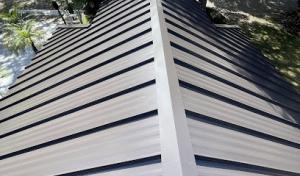
Metal roofing is actively chosen here for its wind resilience and reduced maintenance in a humid coastal setting. When evaluating metal options, check panel profile and fastener type for sustained performance in hurricane winds. Standing-seam metal, with concealed fasteners, often performs best in exposed coastal conditions, but only if the seams are kept clean and corrosion-proof. If the roof includes exposed fasteners, insist on corrosion-resistant fasteners and sealed washer systems designed to resist salt exposure. For the coastal heat and sun, select finishes with good UV resistance and color stability; lighter colors help reduce heat gain, which can influence interior comfort and attic moisture. In mixed roof layouts-where steep-slope tile meets lower-slope porch or addition roofing-verify that transitions are watertight and wind-rated as a system, not as separate pieces. Regular inspections should focus on seam integrity, flashing at joints, and edge detailing along eaves where wind-driven rain can creep in from the side.
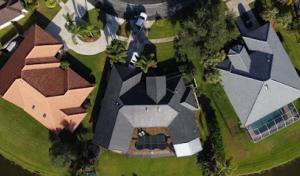
Lake Worth Beach homes often present a blend of steep-slope tile roofs and lower-slope porch, carport, and addition roofs. That variety means material decisions can't rely on a single system for the entire structure. Start with a comprehensive roof plan that identifies each roof plane, its slope, and predominant material. For tile sections, confirm that the underlayment and fastener pattern align with the tile type and the local wind exposure zones. For low-slope additions, evaluate whether the existing underlayment and flashing details are compatible with a potential tile-to-metal transition, or if a dedicated low-slope roofing approach is warranted to prevent common leak paths. In areas where wind uplift is strongest, consider integrating wind-rated flashing and redundant moisture barriers at transitions, and ensure ventilation remains adequate to prevent condensation buildup under tile or metal panels.
Storm-driven replacement timing is influenced by coastal exposure and storm history here. Prioritize replacing failing underlayment, degraded flashings, and corroded fasteners before hurricane season. Tile owners should watch for cracked or displaced tiles that can create wind-driven entry points, and metal roof owners should inspect for loose seams or fasteners after severe wind events. If a roof section shows multiple compromised tiles or persistent leaks around transitions, approach replacement as a targeted upgrade rather than a full-structure rebuild-especially when the rest of the roof remains solid and well-sealed. Keeping a focused maintenance cadence for tile and metal sections helps maintain overall roof performance when storms arrive.
Find contractors who specialize in clay and concrete tile roofs, known for their durability and curb appeal.
All Pro Builders & Roofing
(561) 662-3497 allprobuildersroofing.com
933 Barnett Dr, Lake Worth Beach, Florida
5.0 from 33 reviews

Garabar Roofing, Windows & Doors
3575 23rd Ave S STE 101, Lake Worth Beach, Florida
4.6 from 572 reviews
Trusted Construction
(561) 281-5447 trustedconstruction.com
3677 23rd Ave S STE C101, Lake Worth Beach, Florida
4.8 from 19 reviews
In this coastal Palm Beach County market, a full roof replacement is treated as a major project rather than routine maintenance. The local building department expects to see a formal building permit filed, with the project scope clearly defined, roof type selected, and any structural work noted. This includes when a tile or shingle system is being replaced on a low-slope addition or a standard- pitched home that faces frequent hurricane winds and salt exposure. Expect the process to begin long before the first hatched nail leaves the driveway and to require documented compliance with current wind-resistance provisions.
A key step in the Lake Worth Beach process is plan review. Submittals should include details on fastener patterns, deck bonding, and roof-to-wall connections that address coastal wind loads. Wind-mitigation documentation commonly accompanies the permit package, especially for homes with older framing or updated overlays. Prepare to provide attic ventilation strategy, attic vent placement, and evidence of proper nailing schedules based on the roof type chosen. Insurers and the local authority favor documentation that demonstrates resilience against the Atlantic's typical wind-driven gusts.
The inspection sequence is designed to verify critical milestones as the roof is installed. After decking goes down, an inspection checks the alignment, fastener size, and nailing patterns to ensure the deck is solid and ready for underlayment. The underlayment stage is another focal point; inspectors confirm that the protective layer is continuous, properly lapped, and sealed around penetrations to reduce moisture intrusion. A final inspection occurs once the roof is fully installed, including confirming that ventilation components are in place and that the finished roof meets code requirements for wind resistance and water shedding.
Expect the building inspector to walk the roof and verify that nailing patterns conform to the approved plan and that decking nails are driven to the correct depth. Ventilation is checked on site to ensure attic air exchange meets the building code, which helps mitigate heat buildup and moisture-related issues. The inspector will also look for proper flashing at valleys, chimneys, and skylines, as well as correct integration with gutters and eaves to prevent water pooling. Having a ready-to-view ridge vent, soffit ventilation, and an up-to-date wind-mmitigation package can smooth the final review.
From the time the plan review completes, a typical down-to-the-street inspection cadence can span roughly one to two weeks. Keep the project moving by coordinating access for multiple inspectors and scheduling follow-up visits promptly. Coordination matters in a coastal town where weather windows and storm-season timing can compress or extend the schedule. Ensure the contractor submits all required documentation early, including any amendments if a building code update affects the planned installation. Planning around a hurricane-season window helps minimize delays and aligns with the local preference for resilient, code-compliant roof systems.
Homeowners face Florida's high-claim wind and hurricane environment, where roof age and material type can strongly affect underwriting and renewals. In the coastal Palm Beach County market, insurers scrutinize roofs not just for age or appearance, but for how they stand up to salt air, salt-laden humidity, and frequent summer storms. A worn or mismatched roof can tilt renewal decisions, even if the structure otherwise remains sound. Understanding this dynamic helps you plan ahead rather than reacting only after a claim.
Wind-mitigation documentation carries extra weight locally because insurers in coastal Florida markets often want more proof of attachment methods and code-compliant upgrades. Photos are useful, but official records showing roof-to-structure fasteners, impact-resistant components, and correct flashing details carry real leverage at renewal time. If you have retrofits or upgrades, keep a tidy file with contractor invoices, installation dates, and any permit-like records. When presenting a claim, well-organized documentation can smooth the process and reduce back-and-forth.
After storms, homeowners in this market should expect closer scrutiny of claim documentation and assignment-of-benefits issues than in lower-risk states. AOB-related questions and contractor interactions can complicate the process, especially if work is ongoing or disputed. To protect your interests, preserve all communications, analyze scope and pricing carefully, and ensure repairs follow current standards. Clear, contemporaneous records help prevent post-event disputes and support a straightforward claim path.
Regularly inspect for loose or missing components that could undermine wind performance, particularly on older roofs or tile systems susceptible to uplift. If you're planning replacements, seek material and method choices with proven wind performance and durable attachment details. Build a simple, organized archive of installation details, warranties, and receipts so you're prepared for renewal reviews or claim conversations. In storm season, a proactive approach to documentation can prevent last-minute scrambles and reduce the risk of aggressive underwriting shifts.
Connect with contractors who help homeowners navigate the claims process from damage assessment to final approval.
Garabar Roofing, Windows & Doors
3575 23rd Ave S STE 101, Lake Worth Beach, Florida
4.6 from 572 reviews
All Pro Builders & Roofing
(561) 662-3497 allprobuildersroofing.com
933 Barnett Dr, Lake Worth Beach, Florida
5.0 from 33 reviews
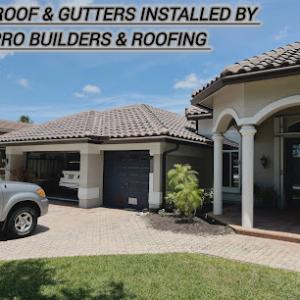
All Pro Builders & Roofing, located at 933 Barnett Dr, Lake Worth Beach, FL 33461, is your go-to roofing contractor for high-quality residential and commercial roofing services. We specialize in tile, shingle, metal, and flat roof systems, delivering expert solutions tailored to South Florida homes and businesses. Our experienced team is committed to doing the job right the first time, with a focus on durability, precision, and customer satisfaction. Whether you need roof repairs or a full replacement, All Pro Builders & Roofing provides trusted service and lasting results. Choose All Pro for professional roofing you can count on.
Garabar Roofing, Windows & Doors
3575 23rd Ave S STE 101, Lake Worth Beach, Florida
4.6 from 572 reviews
Garabar Is There When You Need Us! We can service your entire building envelope, including roofing, window & door systems, stucco repair, as well as full-service interior and exterior painting. Garabar offers you Unmatched Quality and Superior Service Under One Roof throughout our main service areas of Palm Beach, Broward, and Martin counties.
Trusted Construction
(561) 281-5447 trustedconstruction.com
3677 23rd Ave S STE C101, Lake Worth Beach, Florida
4.8 from 19 reviews
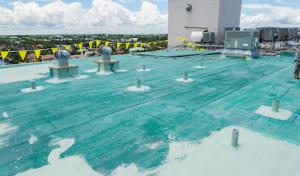
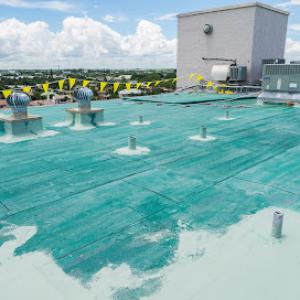
TCI has specialized in providing high quality General Contracting and Roofing Services to the leaders in the Public and Private Sectors. Our clients choose TCI because we have a reputation for not only being one of the top performing roofing contractors in the Florida (Certified as top 2% in North America by the largest roofing manufacturer in the world, GAF.) We’re also certified, and trained by all the Major Roofing Manufactures including Tremco, Soprema, GAF, Sika, to name a few. We install all types of roofing including Modified, Tile, Shingle, TPO, and we even custom fabricate our Metal Roofing panels on site, as well as being known as the leader in advanced Energy Star rated Liquid Applied Roofing Systems throughout.
CMR Construction & Roofing
(561) 701-8582 cmrconstruction.com
Serving
4.9 from 108 reviews
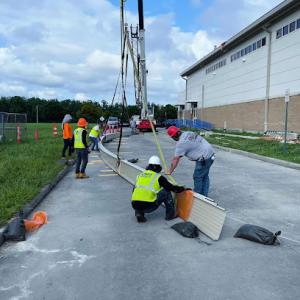
At CMR Construction & Roofing, we pride ourselves on delivering top-tier residential roofing services, including expert repairs, comprehensive maintenance, and efficient installations. Our diverse range of high-performance roofing systems, from durable impact-resistant asphalt shingles to exquisite Ludowici clay tiles, ensures we can meet any of your specific needs. CMR Construction & Roofing has earned its reputation as a trusted leader in the roofing industry by blending traditional craftsmanship with cutting-edge technology and innovative processes. Whether it's a commercial project, historical restoration, or a specialty roofing system, our team is dedicated to providing exceptional quality and service.
A & J Roofing Contractors
(561) 507-0866 roofingpalmsprings.com
Serving
4.9 from 72 reviews
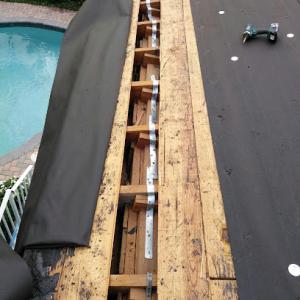
A and J Roofing Contractors is a family owned and well- trusted business located in Palm Springs, Florida. We put 100% into getting the job done to exceed your expectations. When choosing to work with A and J Roofing Contractors, you will have the confidence to know your roof was done right!
Mompie Construction
Serving
5.0 from 234 reviews
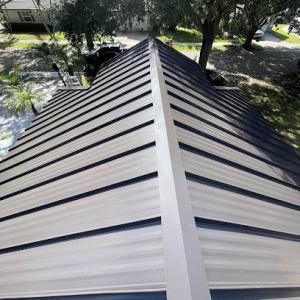
Mompie Construction is a family-owned roofing company that has serviced the area of Palm Beach County since 2008. Our mission is to provide unmatched quality for new roof installations and roof remodel. Mompie Construction continues to lead the charge in the roofing industry in Palm Beach County. We do this by staying up to date with the latest safety technology for our installers and providing efficient tools to get the project done the best way. As a team we provide exceptional advice for both residential and commercial projects. Mompie Construction understands that a roof is one of the most important decisions you will make as a homeowner, and we take pride in our white glove service working with our clients from beginning to end.
Zavala's Pro Roofing
(561) 629-7937 zavalasproroofing.com
Serving
4.9 from 72 reviews
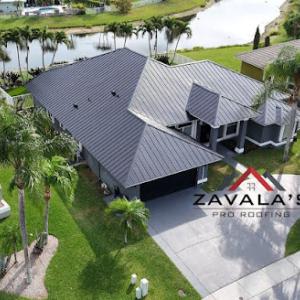
Zavala’s Pro Roofing is a licensed and insured roofing company based in West Palm Beach, FL, with over 20 years of experience in both residential and commercial roofing. We specialize in tile and metal roof replacements, leak repairs, and emergency tarping services. Our in-house crews provide expert craftsmanship using top brands like Owens Corning and CertainTeed. We offer free inspections, same-day estimates, and flexible financing options, including zero down and 24 months with no interest. Ask about our veteran discounts, referral rewards, and seasonal offers. Schedule your free inspection today and experience the expert roofing service you deserve!
SeaBreeze Roofing & Sheet Metal
(561) 292-3457 seabreezeroof.com
Serving
4.8 from 481 reviews
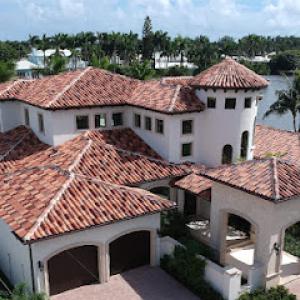
SeaBreeze Roofing & Sheet Metal is a licensed roofing contractor serving Boynton Beach, West Palm Beach, Boca Raton, and surrounding South Florida areas. We specialize in roof repair, emergency roof leak service, roof replacement, and flat roofing systems. We work on tile, metal, shingle, and TPO/modified bitumen roofs. If your roof is leaking or storm-damaged, we provide fast inspections, clear options, and dependable workmanship. We can help document damage and explain insurance-related next steps when applicable. Call to schedule an inspection or request a quote.
Millennium Makeover
(561) 967-1306 millenniummakeover.net
Serving
4.7 from 47 reviews
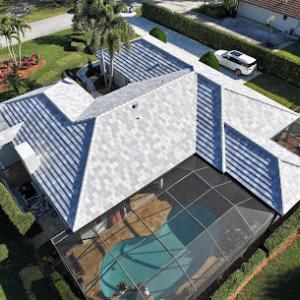
With over 25 years of experience in the roofing industry, Millennium Makeover, founded in 2005, consistently stays ahead of the curve by utilizing the latest roofing techniques. Our dedication to continuous learning allows us to provide exceptional roofing services while also specializing in kitchen renovations, bathroom renovations, and floor refinishing. Whatever your home improvement needs, Millennium Makeover is here to deliver expert solutions. Contact us today and let us help you transform your home with confidence and care!
Superior Roofing of Florida
(561) 788-7900 superiorrooffl.com
Serving
4.8 from 65 reviews
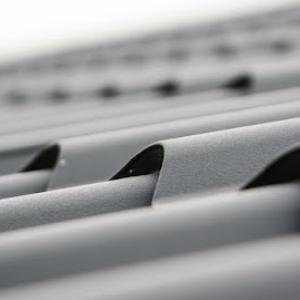
Superior Roofing of Florida is a professional, full-service roofing contractor serving Palm Beach County. We provide expert, top-quality installation and repair for residential and commercial properties, specializing in tile and metal roofing systems. Our commitment is to comprehensive service, lasting craftsmanship, and excellent customer care on every project.
Nik's Roofing
(561) 888-4875 niksroofing.com
Serving
5.0 from 41 reviews
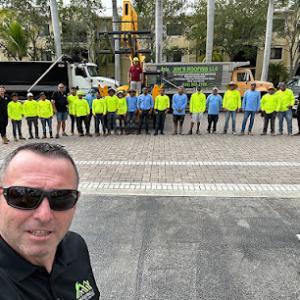
Why are we one of the best roofing companies West Palm Beach? Because whether you need a new roof installed or your current roof requires repairs, we are experts in all roofing services. We have over 15 years of experience in the roofing industry. Our trained and educated roofers utilize the most up-to-date roofing materials to ensure your roof is sturdy and long-lasting. We also offer inspection and maintenance services to guarantee that your roof is constantly in excellent shape. You may rely on us to offer you the best services possible at affordable pricing. You can count on excellent craftsmanship and first-rate customer service from Nik's Roofing.

Carlton Roofing
(561) 310-5651 carltonroofingcontractors.com
Serving
4.9 from 63 reviews
Carlton Roofing, LLC, is dedicated to providing our customers with the best quality and craftsmanship. We are here to build relationships with our customers and communities and to provide our employees with a great place to work. Carlton Roofing, LLC, is a leader in providing our customers with the highest quality products and craftsmanship in an honest, efficient, and professional way. Our pledge is to create successful relationships with our customers, employees and community by building trust, treating every project with the utmost integrity and exceeding expectations. We look forward to working with you!
In this coastal market, asphalt shingles sit at the lower end of the spectrum but still feel the pressure from nearby tile and metal work. Expect around 350 to 700 USD per square, with local crews often juggling coastal wind challenges that can affect installation speed. When the storm season tightens crew rosters, you may see bids edge toward the upper end, especially if a roofing crew is juggling multiple urgent repairs countywide. Dry-season windows tend to be longer, reducing the chance of weather delays and letting crews complete a full tear-off and replacement in a predictable timeline.
Metal is a common sight on modern or retrofitted coastal homes, and it commands a premium here. Prices typically run 600 to 1100 USD per square, reflecting specialized labor and the higher weight or attachment details on sea-salted roofs. Local demand during hurricane season can compress crew availability, nudging bids upward and increasing scheduling friction. Dry-season installs often unfold with clearer weather and more predictable access to skilled metal roofers, which can translate to steadier timelines and fewer weather-induced pauses.
Clay tile is a staple among Mediterranean-style and older coastal bungalow aesthetics, and it carries a notable premium locally. Expect 900 to 1800 USD per square. The combination of higher material costs and the need for experienced, tile-specific crews means pricing can swing more with seasonal demand. Storm-season demand in Palm Beach County can tighten crew calendars, so plan for possible quicker turnarounds when the dry season grants longer, uninterrupted install windows.
Concrete tile sits between clay tile and metal on price, typically 800 to 1600 USD per square. The local market often pairs these heavier systems with meticulous wind-resistant detailing, which can extend job duration and affect scheduling during peak storm periods. Dry-season work tends to proceed more smoothly, with fewer weather delays and more flexible crew commitments.
Wood systems fall in a midrange area, about 450 to 900 USD per square, but they require careful handling near salt-laden air and high humidity. Local projects might see price shifts tied to demand for specialty carpentry and treatment. As with other premium materials, hurricane-season demand can tighten availability, so a dry-season plan generally yields more predictable installation times and fewer weather-induced interruptions.
Synthetic options follow a mid-to-premium range, roughly 450 to 900 USD per square, offering practical durability for coastal conditions without the explicit maintenance that some natural products demand. Local pricing can move up during storm-season spikes as crews balance multiple coastal projects. In the dry season, scheduling tends to be more straightforward, with fewer rain-induced delays and steadier subcontractor rosters.
Get a clear picture of your project costs upfront - no commitment required.
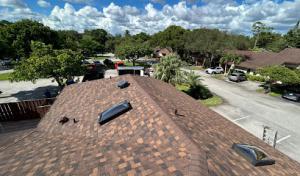
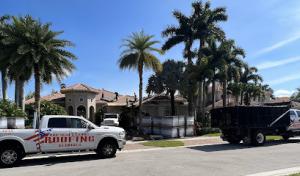
Flat and low-slope roofing is a meaningful local specialty because many Lake Worth Beach homes include additions, porches, carports, or mixed rooflines that do not drain like the main pitched roof. In heavy summer downpours, those low areas are the first places where water sits, accelerates wear on membranes, and finds its way to seams and fasteners. When ponding lingers, you'll notice blisters or soft spots forming, which can shorten the roof's life and invite rot around edges and penetrations. The key is not waiting for evidence to pile up-regularly check low sections after storms and after big rain events, and keep the surface clear of debris that can block tiny drains or scuppers.
These roof areas are especially vulnerable to flashing failure and edge leaks. Salt-laden humidity, coastal winds, and sudden squalls can push water under the flashing if it's not properly sealed or if fasteners back out over time. Look for hairline cracks at terminations, loose metal edge trim, and any staining along the perimeter where water migrates inward. In Lake Worth Beach, edge leaks often show up first in the transitions between flat sections and pitched sections, or where a porch roof ties into the main structure. Addressing flashing issues promptly saves interior ceilings and keeps attic spaces dry.
These roof areas are especially vulnerable when sudden storms hit during active work, making dry-in sequencing more important locally. During repairs or replacements, make sure temporary coverings are secured to withstand summer gusts, and plan the dry-in so the most exposed penetrations are closed first. If a storm is forecast while work is ongoing, a reinforced temporary seal can prevent moisture intrusion and reduce the risk of water finding a path through imperfectly finished joints.
Create a focused maintenance routine for flat and low-slope zones, inspecting after each heavy rain and before hurricane season. Keep an eye on expansion joints, membrane edge laps, and any signs of UV degradation at the rooftop vents or skylights. Small, proactive fixes now prevent costly interior damage later and help preserve the broader roof system that supports the home's mixed roofline design.
Find specialists in TPO, EPDM, and built-up flat roofing systems for residential and commercial properties.
All Pro Builders & Roofing
(561) 662-3497 allprobuildersroofing.com
933 Barnett Dr, Lake Worth Beach, Florida
5.0 from 33 reviews
Garabar Roofing, Windows & Doors
3575 23rd Ave S STE 101, Lake Worth Beach, Florida
4.6 from 572 reviews
Trusted Construction
(561) 281-5447 trustedconstruction.com
3677 23rd Ave S STE C101, Lake Worth Beach, Florida
4.8 from 19 reviews
In this coastal Florida setting, year-round heat and humidity push underlayments, sealants, and attic components to work harder. When humidity lingers, condensation can form on the underside of the roof deck, especially on poorly ventilated attics, accelerating deterioration and promoting mold growth. You'll want to focus on a continuous, well-sequenced layer of protection: moisture- and heat-resistant underlayment, quality sealants at joints and penetrations, and durable fasteners with appropriate coatings. Regular checks for peeling seals around flashing and vent pipe boots help prevent slow leaks that are easy to miss in humid air.
The coastal exposure in Lake Worth Beach accelerates corrosion on exposed fasteners, flashings, and metal accessories compared with inland Palm Beach County locations. When inspecting or replacing roofing components, prioritize corrosion-resistant hardware (stainless or coated steel), ensure flashings are continuous and well-sealed, and replace any compromised metal edges promptly. Salt can creep into small gaps and cause staining or rust; keep edge metal clean and protected, and avoid mismatched metals that invite galvanic corrosion at contact points.
Inspectors commonly verify ventilation as part of code compliance, making attic airflow a practical issue rather than just an efficiency upgrade. Adequate attic ventilation reduces heat buildup that can fry underlayment and accelerate deterioration of sealants. A practical target is a balanced combination of soffit intake and roof exhaust (ridge or turbine vents) to promote steady air exchange. Check for blocked vents, insulation covering soffits, or no visible exhaust path at the ridge. In humid months, consider upgrading vent openings or adding a powered vent in areas with limited natural airflow.
Ensure attic access is unobstructed and that insulation does not block airflow paths. Inspect fascia boards and rake edges for signs of moisture damage or corrosion from salt spray. Regular maintenance-cleaning debris from vents, resealing cracked joints, and refreshing protective coatings on metal flashings-helps maintain a long-lasting roof system in this environment.
Skylight work is active enough locally to merit special attention, which suggests leak complaints around flashed openings are a recurring issue in this market. The combination of salt-laden humidity, Atlantic winds, and aging mixed-material roofs means penetrations are the first places to show wear. A small drip near a skylight can become a slow, persistent problem if ignored, especially during hurricane-season squalls.
Wind-driven rain in coastal Palm Beach County can expose weak flashing details around skylights and other penetrations faster than ordinary vertical rainfall. In thunderstorms that roll in quickly, raindrops can strike at acute angles, lifting flashing seals and widening gaps. If flashing is brittle, old, or improperly seated, water finds its way under shingles or tiles and migrates along the roof edge. Regular checks after storms are essential.
On mixed-material roofs common in older South Florida homes, transitions around penetrations often become leak points before the main field of the roof fails. Where tile edges meet flat shingles, or where metal flashings butt against clay or concrete tiles, small shifts in temperature and wind can create micro-leaks. Look for staining, approach voids, and loose fasteners around skylight frames, vent collars, and attic exhausts.
Treat penetrations as ongoing maintenance targets rather than one-time fixes. After any major storm or heavy rain, inspect around skylights and vent penetrations for staining, condensation, or mineral deposits on surrounding material. In coastal poundings, even seemingly minor gaps deserve attention: reseal from the exterior with compatible sealant, then confirm interior flashing remains watertight. If patching is frequent, or if you notice recurring damp spots, consider a professional assessment focused on flashing detail and transition zones.
Find contractors experienced in skylight installation, flashing, and leak repairs to bring natural light into your home.
Garabar Roofing, Windows & Doors
3575 23rd Ave S STE 101, Lake Worth Beach, Florida
4.6 from 572 reviews
NeNa's Roofing - Palm Beach County Re-roofs & Repairs
(561) 670-4919 www.nenasroofing.com
Serving
5.0 from 43 reviews