
Last updated: Apr 19, 2026
Spring thunderstorms in this area bring hail and gusts that can rattle roofs and force quick, unnoticed damage. In dense Berwyn neighborhoods with mature tree canopies, a windy gust can shove branches, shingle fragments, and debris into gutters, flashing, and low-slope rear sections. The result is a mix of damage that often isn't obvious from ground level but shows up once leaks begin or moisture penetrates attic spaces. If you notice curled shingles, lifted edges, exposed flashing, granule loss, or damp ceiling spots after a storm, treat it as an active claim situation rather than a simple cosmetic issue. Immediate attention reduces the chance of interior damage and stalled restoration timelines.
The local contractor signal mix strongly favors storm damage, emergency repair, and insurance-driven work. That means many roofers in the area advertise rapid response for weather-related problems rather than just elective upgrades. When a storm hits, a contractor with Berwyn experience will respond with a documented assessment, temporary protection measures, and a clear plan to coordinate with an insurer. This isn't a luxury; it's a practical path to stabilizing the roof, safeguarding the interior, and avoiding claim delays caused by unfamiliarity with the local process. Expect a few visits in the days after a storm: an initial assessment, a temporary tarp or boarding, and a follow-up report that captures the scope for the insurer.
Your first move after a hail event or high-wind episode is to photograph and timestamp all visible damage. Focus on shingles, flashing around chimneys and dormers, gutters, and any signs of debris impact or granule loss in the gutters and downspouts. Take wide shots of the entire roof line and close-ups of areas that show lifting, cracking, or punctures. If attic or ceiling staining appears, document the origin point and note when it was first observed. Preserve storm debris and avoid piecemeal repairs that could complicate an insurance investigation. When a contractor arrives for an inspection, you want a clear, written scope that ties observed damage to specific roof components, including underlayment and flashing.
Temporary repairs should stabilize the roof without altering the evidence of damage. A tarpaulin or roof shield can prevent further leakage during the insurer's assessment, but avoid full replacements or unapproved patchwork that could confuse the adjuster. The goal is to keep wind-driven water out and prevent additional interior damage while the claim is processed. If a contractor proposes fast, dramatic changes before the insurer's inspection, pause and confirm that the plan aligns with the documented damage. Insurance adjusters value an orderly, well-supported claim packet, not an improvised fix that masks the true scope.
Insurers in this market appreciate prompt, organized reporting. Provide the adjuster with your damage photos, a detailed list of affected areas, and the storm date. Expect questions about whether damage is widespread or isolated, whether gutters and downspouts were affected, and whether any interior staining corresponds to a known leak path. A transparent timeline-storm date, inspection, temporary repair, and planned mitigation-helps avoid delays. If a dispute arises over what constitutes covered damage, rely on the initial, neighbor-verified documentation as your baseline and request a re-inspection if needed.
When the next spring thunderstorm rolls through, treat the roof as a critical living space rather than a distant shell. Quick, documented inspections paired with disciplined temporary protection and insurer coordination minimize the risk of extended leakage and protracted restoration. In Berwyn, clear communication with a locally experienced contractor who understands the insurance landscape is the fastest route to a durable, storm-resilient roof.
Find local contractors experienced in assessing and restoring roofs after hail, wind, and severe weather events.

Make It Happen Roofing
(708) 416-8098 makeithappenroofing.com
3245 Grove Ave UNIT 202, Berwyn, Illinois
4.8 from 41 reviews
Windy City Construction Group
(708) 737-8114 www.windycityadjusters.com
1547 Cuyler Ave, Berwyn, Illinois
4.4 from 227 reviews


Make It Happen Roofing
(708) 416-8098 makeithappenroofing.com
3245 Grove Ave UNIT 202, Berwyn, Illinois
4.8 from 41 reviews
Make it Happen Construction is a roofing company which is primarily based in the State of Illinois in which we are licensed, bonded and insured. We offer a multitude of services for residential, commercial, and industrial properties. Our team of experts provide exceptional customer services, competitive retail estimates. During the FREE inspection/property or retail assessment our specialist will assess the property for storm damage, improper installation of materials, and/or poor craftsmanship. MIHC will increase the value of your assets by providing quality craftsmanship, manufacturer, & labor warranty. We offer multiple high quality products to choose from with a wide range of color selections.
Windy City Construction Group
(708) 737-8114 www.windycityadjusters.com
1547 Cuyler Ave, Berwyn, Illinois
4.4 from 227 reviews
Windy City Construction Group helps homeowners recover the full value of their property insurance claims after storm damage. We act as your advocate — inspecting the damage, documenting it, and negotiating directly with the insurance company to secure the coverage you deserve. Unlike standard contractors, we combine public adjusting expertise with a full-service roofing and exterior restoration team. This means we can manage insurance-funded roof replacements from start to finish — or provide cash bids and flexible financing for those who prefer to pay out-of-pocket. Whether through an insurance claim or alternative payment options, we deliver the roof you need with less stress, greater value, and complete peace of mind.

Pulaski Roofing & Engineering
(708) 762-1005 www.pulaskiroofing.com
Serving
4.8 from 88 reviews
Pulaski Roofing & Engineering has been serving the people of Chicago, IL and the surrounding areas with quality roofing services since 1971. We are a full-time roofing contractor that offers extensive services for industrial, commercial, and residential properties.
Smart Care Roofing
(312) 952-8248 www.smartcareroofingchicago.com
Serving
5.0 from 83 reviews
We know how daunting managing and overseeing your project can be, but we’re here to make the process smooth and easy, think smart, think Smart Care Roofing We’re a team of fully-certified professionals who tackle everything from complex projects to simpler operations. Fueled by our commitment to excellence, we go the extra mile to make sure clients are completely satisfied with our work. Get in touch with us today for a free consultation.
Greater Chicago Roofing
(773) 270-9910 www.greaterchicagoroofing.com
Serving
5.0 from 58 reviews
At Greater Chicago Roofing, we offer installation, replacement, repair, inspection, and maintenance of roofs, gutters, and skylights. We provide these services to both residential and commercial properties. These are what keeps us apart from our competitors: - 15% price match guarantee - Free estimates - Warranties Our mantra is to offer superior service and premium products. We use the latest technology and have the best crews in the business. Our goal is to ensure that our customers are happy with their experiences so they refer us to friends and family who may need our services.

SL Roofing
(708) 919-3690 slroofingcontractors.com
Serving
5.0 from 62 reviews
SL Roofing Oak Park based, is your go-to expert for top-notch roofing solutions. Our team of skilled professionals is dedicated to delivering exceptional quality and service for all your roofing needs, whether it's installation, roof repair, or maintenance. We pride ourselves on using the best materials, ensuring longevity and durability in every project we undertake. Trust our roofing company to protect your home with our expertise and commitment to excellence. For a free consultation or to discuss your roofing requirements, don't hesitate to reach out. Contact SL Roofing today and experience the peace of mind that comes with having a reliable, expert team taking care of your roof.
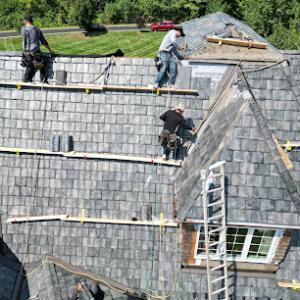
Pacc Solutions
(877) 892-5808 paccsolutions.com
Serving
4.9 from 196 reviews
PACC Solutions, part of PACC Building Group (PBG), is a trusted public adjusting firm and construction expert, providing seamless end-to-end solutions for property owners in the greater Chicago Metropolitan area. We handle everything from insurance claim representation to full roofing, siding, and exterior restoration—ensuring fair settlements and high-quality repairs. Our team is committed to advocating for property owners, navigating complex claims, and delivering top-tier craftsmanship that lasts. With a growing team and a reputation built on integrity, expertise, and results, we are redefining the industry by combining professional representation with hands-on restoration—giving our clients peace of mind every step of the way.
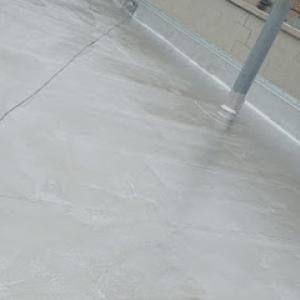
Chicago Flat Roof Services
(773) 981-6672 chicagoflatroofservice.com
Serving
4.6 from 75 reviews
Chicago Roofing Experts | Flat Roof Specialists Looking for the best roofing company in Chicago? We specialize in flat roof repair, replacement, and maintenance for residential, commercial, and multi-family buildings. From Lincoln Park to Wicker Park, Old Town, Logan Square, Lakeview, Buck town, Wrigleyville and Uptown, our licensed team delivers reliable roofing built for Chicago’s tough weather. Services include TPO, EPDM, modified bitumen, and torch down systems, plus 24/7 emergency roof repair. We use GAF & Firestone materials with up to 20-year warranties. Call today for a free roof inspection and estimate.

Done Right Roofing
(708) 631-7762 godonerightroofing.com
Serving
4.6 from 90 reviews
All toes of roofing
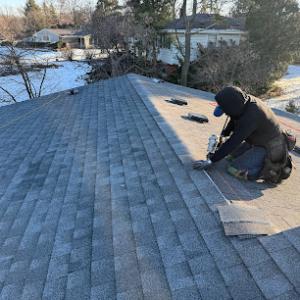
Bucks roofing & construction
(630) 363-1055 bucksroofing.org
Serving
5.0 from 45 reviews
Customer satisfaction is our main priority! Quality work at affordable Prices. Commercial, residential, industrial.
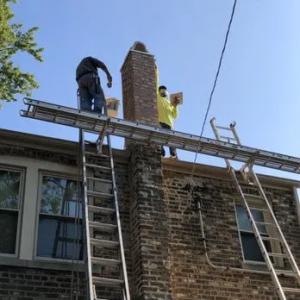
Chicago Premier Roofing
(312) 438-1793 www.chicagopremierroofing.com
Serving
4.7 from 47 reviews
Chicago Premier Roofing is your trusted roofing contractor serving Chicago and its surrounding areas. With over 25 years of experience, we specialize in Flat Roofing, Shingle Roofing, Concrete, Masonry, Tuckpointing, and Decks. Our skilled team is committed to delivering top-quality roofing solutions for residential and commercial clients. Whether you need a new roof, repairs, or masonry work, count on Chicago Premier Roofing for expert craftsmanship and unmatched reliability. Your roof is our priority, and your satisfaction is our guarantee.
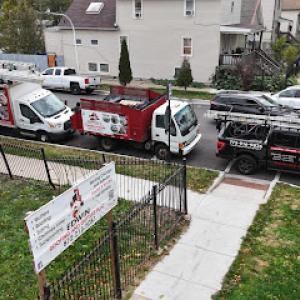
Edwin's Roofing & Gutters
(872) 214-5081 edwinroofing.expert
Serving
4.9 from 191 reviews
Edwin Roofing and Gutters offers a range of roofing, gutter, chimney, siding, and skylight services to meet the needs of its customers. Some of the specific services offered by the company include roof repair, roof replacement, roof inspection, gutter installation, gutter repair, gutter cleaning, gutter guards, chimney repair, chimney rebuild, chimney cap installation, siding installation, siding repair, soffit and fascia repair, skylight installation, window capping, and tuckpointing. The company specializes in using high-quality materials and the latest techniques to provide exceptional workmanship and outstanding customer service to every client. With over 10 years of experience in the industry, Edwin Roofing and Gutters is a t
Berwyn's housing stock blends Chicago-area bungalows, brick two-flats, and older homes that often pair a steeper front roof plane with low-slope rear sections, porches, or additions. That mix creates a roofscape where a single surface may have a visible pitch up front and a flatter, membrane-backed area in back. Understanding where those transitions sit on a given house helps you spot trouble before it becomes a major leak issue.
In practice, flat-roof specialization is common here even as steep asphalt shingles still cover many fronts. The practical reason is simple: rear additions, porches, and extensions frequently use low-slope or flat membranes because they're easier to tie into existing structures and less visually disruptive from the street. When you're evaluating or planning work, treat the rear low-slope area as its own system. Don't assume a single, uniform roof. The boundary between steep and flat surfaces is where many Berwyn leaks begin, especially on masonry homes where older chimney and wall flashing have had decades to age.
Leaks in this area often hinge on how transitions are flashed. Step back and inspect where the steep shingles meet the low-slope membrane. Look for signs of feathered flashing, torn edge seals, or scuffs that indicate movement or wind-driven damage. Chimney flashing deserves particular attention, since many Berwyn homes still rely on brick or masonry joints that can crack over time. If the chimney has a metal cap, inspect the counterflashing and caulk joints for gaps or corrosion. If you can see daylight from attic or ceiling through these junctions after a rain, that's a priority area to address before a small issue becomes a larger repair.
Storm damage response in this market is all about rapid assessment and targeted remediation. After a wind or hail event, start at the most vulnerable zones: the low-slope sections, transitions, and flashings around chimneys and walls. If you notice pooled water or damp spots near the rear of the house, there's a strong signal that the membrane has been compromised. In many Berwyn homes, attic access doors or vents are near these zones, so inspect the underside of the roof sheathing for staining or mold growth as soon as it's safe to enter. Document damage with photos from multiple angles and keep a written log of when the issue appeared and how storms correlated with its progression.
Because many homes in this area sit on narrow lots with compact crews of roofing trades, timing the response to a wind or hail event matters. Insurance-driven replacement decisions often hinge on whether multiple components show failure or whether a single, significant breach makes the roof nonfunctional. If a contractor identifies repeated failures at the transitions or in the low-slope sections across multiple roof planes, plan for a coordinated replacement that addresses the entire system rather than patching isolated patches. This approach helps prevent repeated call-backs for the same problem, especially in a climate that pairs freeze-thaw cycles with spring storms.
When you're choosing materials, consider how the chosen roofing system will integrate with both the steep front and the flat rear areas. A versatile solution that resists wind uplift and provides reliable seam sealing for low-slope portions will reduce the risk of leaks where these two geometries meet. And as always, keep in mind the common aging points around chimney and wall flashing: those nooks are where Berwyn's weather tends to expose weaknesses first, and addressing them early pays off through the life of the roof.
Find specialists in TPO, EPDM, and built-up flat roofing systems for residential and commercial properties.

Berwyn's cold winters bring repeated freeze-thaw cycles that stress the roof assembly differently than heat alone. Water that seeps into small gaps at flashing lines, along valleys, or at eave edges can freeze and expand, creating micro-cracks or lifting shingles over time. The result is a higher risk of hidden leaks after the winter lull and during spring thaws. In this climate, the most durable roofs stay ahead of water intrusion by prioritizing continuous moisture control at transitions and by favoring detailing that resists ice dam formation on eaves and low-slope backsides.
Warm, humid summers in the Chicago region add another layer of complexity. Thermal expansion stresses can accelerate aging on darker roofs, especially where attic or roof deck ventilation is insufficient. Low-slope sections with poor airflow heat up and push moisture-related degradation deeper into the roof system. A well-ventilated attic and properly sealed eave and soffit areas reduce condensation, guard against faster granule wear on shingles, and extend the life of reflective or light-colored surfaces that help minimize heat buildup.
Asphalt shingles remain the workhorse for Berwyn's housing stock, offering reliable performance and a broad service network. Yet active contractor signals show meaningful demand for metal, cedar shake, and tile-capable installers, which matters for homeowners with older or more customized homes. If a home features complex roof lines, decorative details, or historic materials, staying aligned with installer capabilities in these materials can improve long-term performance under freeze-thaw stress and variable summer temperatures.
The combination of cold snaps and spring moisture makes flashing details and valley integrity a top priority. Ensure valleys are properly lined with durable materials and receive adequate sealant and metal flashing overlap to shed ice and meltwater flow efficiently. Eave and rake edge detailing should include continuous moisture barriers and ventilation to prevent trapped condensation that can worsen ice dam risk. Regular verification of metal step and counter-flashing at chimneys and roof penetrations helps prevent persistent leaks after freeze-thaw cycles.
If choosing asphalt shingles, prioritize products with good granule adhesion and a robust asphalt sealant that stands up to repeated freeze-thaw movement. For those weighing metal, cedar shake, or tile options, work with installers who understand Berwyn's specific needs: precise flashing integration, suitable roof deck ventilation strategies, and compatible underlayment systems designed to tolerate Chicago-area humidity and winter temps. In all cases, confirm that the chosen system has a reputable track record for leaking resistance in climates with pronounced freeze-thaw and seasonal thermal cycling, particularly around joints, penetrations, and transitions.
Berwyn pricing is not static. After spring and summer storms, Chicago-area labor demand can tighten, and crews and material suppliers may push scheduling pressure and higher rates. That means a replacement ordered in the peak post-storm window can cost more or take longer to secure than a quiet-season plan. If a roof repair or full replacement is being timed around insurance interactions, expect a few additional days on a few trades swinging in demand. In practice, this translates to budgeting a small cushion for labor-rate shifts and possible scheduling gaps during busy weeks.
Berwyn homes sit on compact, urban lots with detached garages, alley access, and close neighboring structures. Those conditions complicate tear-off logistics, debris handling, and material staging on the job. Every square of roof deck that must be removed and disposed of has to maneuver through tight spaces, alley turns, and neighboring driveways, which can add marginally to cost and time. When planning, count on extra setup and potentially longer equipment runs to keep streets clear and safe. The result is that even a roof with a straightforward material choice may show a higher price once site realities are accounted for.
The base material price only tells part of the story in Berwyn. Older homes often require added flashing, decking spot repairs, chimney integration, or low-slope tie-ins. Those details do not show up in a commodity price chart and can widen the total cost beyond the listed per-square ranges. For example, asphalt shingles may sit in the mid-range, but a roof with multiple penetrations or a low-slope rear section could steer the final figure higher due to extra flashing and careful integration. Similarly, clay or concrete tiles carry higher base costs, and installation labor intensifies when geography forces careful alignment with existing chimneys, parapets, or older rafter systems. Expect a wider spread between base material price and delivered project price on older Berwyn homes.
Asphalt Shingles: 320-540 USD per square
Metal Roofing: 650-1000 USD per square
Clay Tile: 900-1500 USD per square
Concrete Tile: 700-1200 USD per square
Wood Shingles/Shakes: 500-900 USD per square
Synthetic/Composite Shingles: 550-950 USD per square
Start by aligning with the insurance claim timeline, then factor in post-storm scheduling realities. If an urgent replacement is triggered by damage, anticipate a tighter window and potential tweaks to scope to fit the site. For non-urgent projects, target the off-peak months where labor availability is steadier and access paths through alleys and neighboring structures are less congested. In practice, communicate clearly about site constraints so the contractor can sequence tear-off, staging, and install without surprises. That clarity helps lock in a fair window and a predictable, safer project pace for Berwyn's distinctive streets and roofs.
Get a clear picture of your project costs upfront - no commitment required.
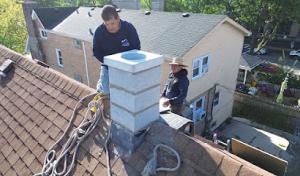
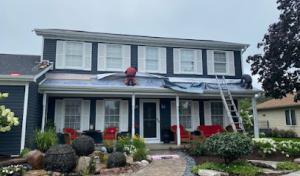
In Berwyn, roof replacement is not treated as permit-exempt maintenance. That means you will need a building permit before the project starts. The process is meant to ensure that a new roof meets local codes and neighborhood standards, but it also adds a step you should plan for when scheduling work after a storm or leak event. If you are dealing with a storm-damaged roof, delays can compound the stress, so it's wise to start the permit conversation early with a reputable contractor who understands the local timing and required documentation.
During the permit process, the contractor must submit the project scope along with proof of license before any work proceeds. This isn't a formality; it's a checkpoint that helps verify that the plan addresses Berwyn's typical housing stock and climate realities, including potential low-slope rear sections and the need for proper flashing in challenging areas. You should receive a clear scope that outlines the roof type, underlayment details, flashing plan, ventilation, and any penetrations or skylights. If the scope seems vague, push for specificity-especially around flashing details and integration with gutters and soffits near the eaves, which are common trouble spots in this area.
Inspections are scheduled during and after the work. The early inspections verify that the framing, underlayment, and ventilation are installed correctly and align with the approved scope. Periodic check-ins mid-project help catch small issues before they become big leaks, particularly important for the dense bungalow and two-flat configurations common in this city. The final inspection has a specific focus on installation quality and flashing details. This final step is essential to confirm that boot and step flashing are properly integrated around walls, chimneys, and vent stacks, and that transitions to gutters and siding are watertight. If any flashing concerns are found during the final inspection, expect a targeted retrofit request before the permit is closed.
Coordinate your timeline with weather windows to avoid last-minute rain during critical flashing work. Keep a written record of all permit-related communications, scope updates, and inspector notes. If a contractor tries to bypass the permit or rush the process, view that as a red flag: legitimate Berwyn projects rely on documented scopes and confirmed inspections to protect your home from recurring leaks and storm damage. Do not proceed with the roof until the permit is in hand and the inspector has given clear sign-off on the installation specifics.
In the Chicago-area insurance environment, hail and wind claims are common enough that carriers expect pre-work and post-work photos, a detailed scope, and receipts. For a typical Berwyn home, that means capturing the full scope of impact from the ridge cap to the eave, and not skipping the little corners where a splash of hail can hide behind a dormer or overhang. Photographs should clearly show damaged shingles, granule loss, and any lifted edges, but also the condition of flashing around chimneys, vents, and skylights. A quiet rain-soaked day can reveal leaks only when water finds a path behind misaligned or aged flashing.
Substantial claims may involve on-site adjuster visits, which makes it important in Berwyn to document not just field shingles but also flashing, vents, gutters, skylights, and detached garage roofs if present. Storms over small-bay homes and two-flats can push damage toward rear sections and low-slope areas where leaks accumulate. Honest, careful documentation helps the adjuster see systemic wear rather than a single blown shingle. A clean, itemized scope supports quicker decisions and avoids a back-and-forth that can stretch a claim across months of wet weather.
Coverage conditions can tighten during severe weather periods in this market, so homeowners in Berwyn benefit from documenting damage immediately and keeping permit and inspection records with the claim file. Early photos, dated notes, and a simple timeline of when damage was first observed help prevent gaps if weather delays set in. Keeping accurate records of every area touched by the storm-roofs, vents, gutters, and even detached structures-reduces confusion for everyone involved when a claim moves from first notice to final resolution.
Snow load and ice-dam risk are real in this area, and winter weather can push full replacements into the next season. In Berwyn, the priority becomes leak containment and rapid tarping when storms hit. If a leak is detected, focus on creating a dry seal around the affected area and protect attic or ceiling spaces from further intrusion. Scheduling a full replacement during cold snaps is rarely ideal, so a temporary fix paired with a clear plan for spring can keep interior damage minimal. When crews do access roofs in winter, expect shorter daylight hours and tighter job sites. Clear the area of overhanging branches and ensure safe egress from backyards or alleys, where many small, tight lots require careful staging.
Spring is the most disruption-prone season. Chicago-area hail and thunderstorms increase both damage incidence and competition for crews and materials. With Berwyn's dense bungalows and two-flats, a sudden hail event can overwhelm nearby crews and lead to delays in materials, appointments, and inspections. If damage is found after a storm, document it with photos, and prioritize temporary protection to prevent secondary leaks while you line up a replacement timeline. Have a flexible plan for rescheduling, knowing that spring weather can force quick shifts in accessibility and logistics. Communicate promptly with your insurer and your contractor to secure a realistic window that accounts for backlog and weather buffers.
Autumn can be a strong replacement window in Berwyn, but wind, falling debris, and shorter daylight still affect staging and cleanup on tightly spaced residential blocks. Early-season storm remnants can pop up, so prepare a quick-response plan for wind-driven debris and secure yard spaces. Shorter days mean lighting for crews matters; ensure access points and driveways remain clear for equipment. Yard storage and material staging should be scoped around compact lot lines to minimize street clutter and neighbor disruption. If a replacement starts in autumn, set milestones for daylight-driven tasks and coordinate with nearby residents to limit debris or noise conflicts.
The local market signals show Berwyn homeowners strongly prioritize quick response and cleanup, reflecting a practical preference for crews that can stabilize leaks fast and leave tight residential lots clean. When a storm hits, the first goal is to stop water intrusion and secure the roof deck so interior damage can be avoided. Ask contractors for a staged plan: temporary tarping and leak containment on day one, followed by debris containment and a clean workspace that doesn't block alley access or curb appeal. Verify they provide daily site visits during the first 24 to 72 hours after a storm to ensure no remaining water is seeping into attic spaces or ceilings.
Re-roofing is far more common than new construction in this market, so experience with tear-offs, older decking conditions, and retrofit flashing matters more than builder-focused sales language. Look for contractors who can explain how they handle plywood or OSB condition, nail pattern integrity, and deck ventilation under a new layer. Ask for recent jobs with similar roof angles and low-slope rear sections, and request before-and-after photos that show the edge detailing around eaves and gutters. A clear plan for dealing with potential deck sag or plywood delamination during removal and replacement helps prevent surprises.
Because chimney-related work appears frequently in the local contractor mix, Berwyn homeowners should pay close attention to masonry and chimney flashing capability on older brick homes. Inspect how flashing is integrated with the new roofing material, whether step flashing is used on brick seams, and how the chimney crown and mortar joints are resealed. If the home has a history of water marks along interior walls near the chimney, insist on a moisture test and a flashing strategy that accounts for freeze-thaw cycles and spring thaw expansion.
Older homes often present decking that's seen better days. Screen for contractors who provide a candid assessment of decking condition, nail pull requirements, and the feasibility of retrofitting flashing without sacrificing leak protection. Ask for a written plan that outlines removal scope, deck repair or replacement, and compatible flashing transitions at wall penetrations. A thorough approach reduces the chance of hidden rot becoming a leak season after season.
With tight residential lots, the ability to stage material, protect landscaping, and minimize driveway and sidewalk disruption matters. Seek crews who communicate a realistic timeline and cleanup cadence, including weather contingency plans for mid-winter freeze-thaw cycles. Ensure the contract specifies waste disposal practices and the method for safeguarding neighboring properties from dust and debris during a storm restoration project.
Storm-driven damage and winter ice create rapid risk in this housing mix of dense bungalows and two-flats. A fast dry-in reduces attic condensation, plaster wallpaper crumble, and cascading damage to adjoining rooms before a full roof replacement can be scheduled. The goal is to buy time without letting water find new pathways through penetrations or worn flashing.
Active leaks on older homes most often trace to flashing at chimneys, low-slope transitions, porch roofs, or penetrations rather than a single missing shingle. Look for damp halos along ceilings under valleys, around vent pipes, and at the base of chimney flashing. In tight, attached layouts, even a small drip can travel along trusses and studs, seeping into finished attics or adjacent walls quickly. Do not wait for a dramatic roof collapse to respond; early triage keeps interior damage contained.
Before a contractor arrives, place a sturdy tarp over the most vulnerable area and secure it to solid framing or a dormer edge. Seal around penetrations with vent-safe, weatherproof materials to limit wind-driven leaks. If flashing appears compromised at a chimney or vent, do not rely on a temporary patch alone-document the area with photos and organize a rapid assessment appointment with a roofer who can properly re-flash. In close quarters, ensure attic access is clear and protect finished ceilings with drop cloths or plastic if water intrusion has begun.
In tightly spaced homes, prioritize zones that feed water into the most sensitive interiors: finished attics, plaster ceilings, and adjacent bearing walls. Communicate any evidence of ice damming or sliding snow near roof-to-wall transitions to the contractor so the tarp and temporary repairs target the critical pathways first.
Berwyn sits as an inner-ring Cook County suburb, with dense, established blocks of bungalows and two-flats that have seen decades of weathercycles. The roof decisions here track closely with Chicago-area storm patterns, winter freeze-thaw cycles, and the realities of aging urban housing. In many blocks, roofs bear the marks of early- to mid-20th-century construction, where attic space may be modest and rooflines compact. Leaks tend to emerge first in low-slope rear sections and around old penetrations, so attention often centers on those problem zones rather than sweeping overhauls of pristine, new-subdivision lines.
The contractor signal profile in this market emphasizes practical service, swift storm response, and reliable re-roofing for established homes. Homeowners often seek prompt attention after hail or high-wind events, with a focus on restoring protection quickly and defensibly rather than pursuing high-end, niche roofing schemes. In Berwyn, a balanced approach matters: durable materials suited to freeze-thaw stress, accessible repair options for older skylights or vents, and clear communication about what can be restored versus what must be replaced. The emphasis is on long-term resilience for practical daily living-porches, back stairs, and tight lot lines can complicate access for crews, so reliable scheduling and careful debris control are also priorities.
With many homes occupying compact footprints, roofline geometry often complicates drainage and flashing details. A cautious planning mindset that prioritizes leak prevention around chimneys, vent stacks, and transitions between roof planes serves Berwyn homes well. When storms strike, the goal is to restore weather-tightness efficiently, assess any underlying structural concerns, and implement durable replacements aligned with the character of established blocks. This neighborhood-focused approach keeps projects manageable, predictable, and attuned to the realities of aging urban housing.