
Last updated: Apr 19, 2026
Storm activity in the Chicago metro area drives frequent roof claims and pressure on premiums. Elmwood Park sits amid that pattern, where hail and wind events can suddenly shift your insurance discussions from routine maintenance to full replacement scrutiny. The insurer's goal is to verify that the damage is storm-caused, that the damage is widespread enough to justify replacement, and that the project will restore the roof to current performance and safety standards. In practice, that means claims often hinge on clear documentation, visible impact, and a rebuild that conforms to modern guidance on ventilation, flashing, nailing patterns, drainage, and ice-dam protection.
In this market, insurers routinely request thorough before-and-after photos, comprehensive documentation of the entire roof, and proof that the proposed repairs align with current code expectations rather than simple patchwork. A claim with just a few patched shingles might draw closer scrutiny or a denial if the visible evidence doesn't convincingly show widespread storm damage. When a full replacement becomes the proposed path, the insurer will expect to see detailed materials on underlayment, flashing integration with roofing walls and chimneys, proper nailing schedules, and evidence of adequate drainage and attic ventilation. The goal is to demonstrate that the project will withstand future winds, resist moisture intrusion, and prevent ice dam formation in cold months.
Start with a meticulous, date-stamped record of the roof's condition. Take high-resolution photos from multiple angles, both close-up and distant, capturing shingles, flashing, vents, edges, and gutters. Photograph neighboring homes for comparison, as uniform wear versus isolated impact is a critical distinction. Map the damage with a simple diagram: identify hail strikes, wind-lifted shingles, and any granule loss that exposes the substrate. Keep a running log of events following the storm, noting who inspected the property, what was observed, and any temporary repairs applied. For the insurer, a clean package that pairs photographic evidence with a detailed narrative of the damage's extent creates credibility and speeds the review.
A key risk after regional hail events is chasing demand for a full replacement when only aged wear exists in parts of the roof. Look for signs that extend beyond superficial surface blemishes: widespread granule loss, cracks in multiple shingles in different areas, lifted tabs that expose the underlayment, and damage that aligns with hail impact patterns rather than random, age-related wear. If the signs are concentrated near structural penetrations, valleys, or edges, that can point to storm-driven damage. Treat any claim with a careful eye toward whether the observed condition would have progressed naturally over the coming seasons or if the storm accelerated and escalated it.
If a hail or wind event just occurred, you'll want to assemble your claim-ready package without delay. Secure the attic and interior spaces to prevent moisture intrusion, then initiate an inspection with a professional who understands code-compliant re-roofing and current flashing and ventilation requirements. Request a written assessment that clearly outlines the condition of underlayment, ventilation pathways, and flashing details. When talking to the insurer, present the before-and-after plan that shows how the proposed replacement will meet current performance standards, not merely cover the existing surface. This approach reduces back-and-forth, supports a credible claim, and helps ensure the project proceeds with the durability your home needs.

Exceptional Exteriors | Roofing Contractors | CHICAGO ILLINOIS
(312) 291-1777 www.exceptionalexteriorsil.com
Serving
5.0 from 99 reviews
Welcome to Exceptional Exteriors, your go-to destination for top-notch roofing, siding, windows, and gutter restorations in Chicago, Illinois! 🏠💼 We're your local experts in enhancing the beauty and durability of your home's exterior. From fixing leaky roofs to upgrading your siding and windows, we've got you covered. Trust us to transform your house into a stunning sanctuary with our exceptional services. Say goodbye to worries and hello to a home that stands out on the block. Let's make your exterior dreams a reality! Contact us today for a consultation. Your Exceptional choice for every restoration need 🏠 🔨
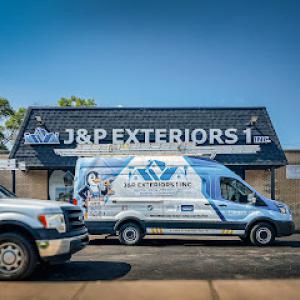
J&P Exteriors 1
(773) 574-7310 jpexteriors1inc.com
Serving
4.9 from 123 reviews
J&P Exteriors 1 Inc is a licensed, insured, family-owned roofing contractor serving Chicago and its suburbs for over 25 years. We specialize in roof repair, full replacement, emergency repair, and detailed roof inspections. Our skilled team handles leaking roof fixes, storm damage restoration, complete tear-offs, shingle and flat roofing systems, and gutter installation. Built to endure Chicago’s toughest weather, we deliver long-lasting protection and exceptional craftsmanship. Trusted by homeowners and businesses alike, J&P Exteriors 1 Inc offers honest free estimates and enduring roofing solutions.
Blue Sky Roofing
(773) 237-7730 www.blueskyroofinginc.com
Serving
4.8 from 67 reviews
Blue Sky Roofing, Inc. is a family owned and operated business that has been servicing Chicago and its neighboring suburbs for over 20 years. We specialize in building, fixing and restoring residential and commercial buildings with the highest of quality. Blue Sky Roofing, Inc. is fully licensed bonded and insured.
SL Roofing
(708) 919-3690 slroofingcontractors.com
Serving
5.0 from 62 reviews
SL Roofing Oak Park based, is your go-to expert for top-notch roofing solutions. Our team of skilled professionals is dedicated to delivering exceptional quality and service for all your roofing needs, whether it's installation, roof repair, or maintenance. We pride ourselves on using the best materials, ensuring longevity and durability in every project we undertake. Trust our roofing company to protect your home with our expertise and commitment to excellence. For a free consultation or to discuss your roofing requirements, don't hesitate to reach out. Contact SL Roofing today and experience the peace of mind that comes with having a reliable, expert team taking care of your roof.
Windy City Flat Roof
(773) 217-0974 www.windycityroofil.com
Serving
4.9 from 73 reviews
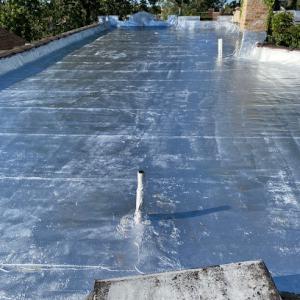
Windy City Flat Roof provides commercial and residential roof replacements, repairs, and waterproofing services to Chicago.
Ameribuild & Roofing
(773) 282-7700 www.ameri-build.com
Serving
4.8 from 50 reviews
Ameribuild & Roofing, Inc. is your trusted, local roofer, fully licensed and insured for your peace of mind. We specialize in a full range of residential and commercial roofing services, offering top-quality roof repair, complete replacement, and new installation. Our experienced team is committed to excellence and protecting your property. We proudly serve Chicago neighborhoods including: Portage Park, Jefferson Park, Irving Park, Avondale, Albany Park, and Norwood Park. Our extensive service area also covers the surrounding suburbs, including Park Ridge, Niles, Skokie, Morton Grove, Norridge, Harwood Heights, and Rosemont. Committed to providing reliable, high-quality solutions using durable materials, we invite you to contact us.
All Roofs
Serving
4.8 from 261 reviews
Let our family help your family! Roofing since 1996!
Roofix Flat Roofing Company
(224) 347-9538 roofingharwoodheights.com
Serving
4.9 from 42 reviews
AllRoofs Commercial Roofing Company, which specializes in flat roofs, is based in Hardwood Heights. We construct new roofs, repair existing ones, perform commercial roof replacement and maintain a large number of them. Commercial roofs are often enormous, and a professional roofing firm has the tools and expertise to accomplish any size roof installation for a factory, warehouse, or building. Our skilled, licensed, and insured professionals can advise you on the best kind of flat roofing Hardwood Heights for your requirements and give you an estimate. Roofs that are properly erected and maintained should have a life span of 25 years, so you can be certain that when you use AllRoofs Commercial Roofing, you are receiving top-quality work.
Chicago Siding & Roofing Company
(773) 308-3901 chicagosidingandroofing.com
Serving
4.9 from 67 reviews
At Chicago Siding and Roofing, you are guaranteed the highest quality work from a family owned business with nearly two decades of experience. Started by Henryk Gorczyca and joined by his son Greg in later years, Chicago Siding & Roofing not only has an experienced staff, but several generations of leadership.
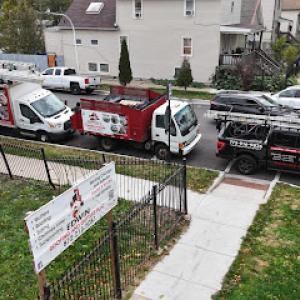
Edwin's Roofing & Gutters
(872) 214-5081 edwinroofing.expert
Serving
4.9 from 191 reviews
Edwin Roofing and Gutters offers a range of roofing, gutter, chimney, siding, and skylight services to meet the needs of its customers. Some of the specific services offered by the company include roof repair, roof replacement, roof inspection, gutter installation, gutter repair, gutter cleaning, gutter guards, chimney repair, chimney rebuild, chimney cap installation, siding installation, siding repair, soffit and fascia repair, skylight installation, window capping, and tuckpointing. The company specializes in using high-quality materials and the latest techniques to provide exceptional workmanship and outstanding customer service to every client. With over 10 years of experience in the industry, Edwin Roofing and Gutters is a t
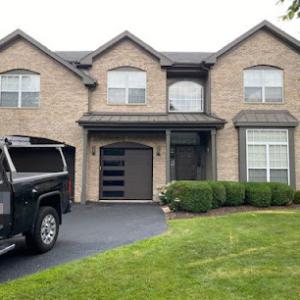
Metal Roofing Chicago
(773) 345-7243 www.metalroofingchicago.net
Serving
5.0 from 59 reviews
Do you need roofing services? Here at Metal Roofing Chicago, while we specialize in metal roofing, we also do all other types of roofing systems. We offer our roof installation, replacement, and repair services to residential, commercial, and industrial buildings in Chicago IL and surrounding areas. Our roofers do all kinds of metal roofing - simulated tile, simulated shingle, simulated shake, corrugated, standing seam, copper, zinc, aluminum, steel, stainless steel, tin, steel, sheet metal, galvalume, galvanized, etc. Aside from metal, we also do other types of roofs: asphalt shingles, flat roofs (TPO, EPDM, etc), slate, tile, composite, cedar shake, and many more. Contact us now for your FREE estimate!
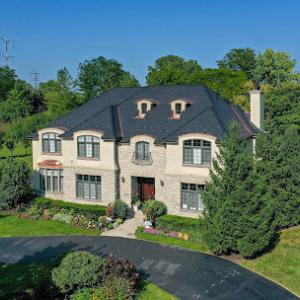
Horizon Restoration
(773) 993-0998 www.horizonrestoration.com
Serving
4.9 from 275 reviews
Horizon Restoration Roofing Company located in Chicago Illinois is a premier full-service roofing and exterior contractor proudly serving Chicago, Illinois and the surrounding suburbs. We specialize in roof installation, roof repair, hail damage restoration, and siding installation, delivering exceptional craftsmanship, reliable service, and peace of mind for homeowners and businesses alike. We proudly offer services in Gurnee, Evanston, Norridge, Palatine, Naperville, Park Ridge, Schaumburg, Lake Forest, Lake Zurich, Orland Park, St. Charles, Northbrook, and throughout Northern Illinois. Whether you’re searching for “roofers near me,” “hail damage roof repair,” “siding installation services,” or expert insurance claim negotiation support.
A full roof replacement in Elmwood Park typically requires a building permit issued by the Village of Elmwood Park building department. Before any shingle delivery or tarping, confirm the project scope with the permit clerk and secure a permit in hand. The village expects documentation that shows the roof plan, drainage changes if any, and details on venting and ice-dam protection. Starting without a permit can delay the project and create noncompliance issues that complicate insurance repairs after a hail or wind event.
When you sit down with a contractor, stress the village's emphasis on ventilation, flashing, nailing patterns, and drainage as part of the permit package. Your contractor should present a roof plan that documents intake and exhaust vents, ridge vents if used, and a clear approach to flashing around chimneys, skylights, and vent pipes. Elmwood Park inspections scrutinize nailing patterns closely, so insist on a nailed pattern that aligns with the shingle manufacturer's guidance and the local code expectations. If there is a tear-off, plan the disposal method and site staging so that the crew can demonstrate controlled disposal practices during the permit review.
Keep the sequence organized: remove and dispose of old material in a manner that minimizes debris on public property and sidewalks, then install underlayment, flashing, and ventilation components before shingles go down. The village will expect a clean, methodical flow that preserves drainage pathways and prevents ice-dam buildup at eaves and transitions. Have the permit holder or licensed contractor provide a copy of the weather-resilient features you're installing, including wind-rated components and ice-dam protection specifics, since these details are commonly checked during inspections.
Rough-in inspection occurs after roof deck work is in place and before final concealment of ventilation and flashing details. The inspector will look for adequate ventilation balance, confirming that attic spaces will receive sufficient air exchange to prevent heat and moisture buildup in the ceiling plane. Vent placement should align with the plan and any attic hatch or access provisions. Flashing around penetrations should be properly embedded, with sealant or metal flashing extending under shingles where appropriate. Nailing patterns are reviewed for consistency and depth, ensuring fasteners penetrate through the deck per code and manufacturer requirements. The drainage plan is observed in terms of how water is expected to flow from eaves and valleys; improper drainage can lead to ice-dam risks in colder months.
If the project includes a tear-off, the rough-in inspection also confirms that disposal practices align with village expectations. This includes how debris is contained on-site and how waste is removed to prevent roadways from being blocked or damaged. The inspector may request photos or notes that demonstrate the sequence and workmanship in advance of final approval.
The final inspection focuses on completed work and its compliance with village standards. All venting, flashing joints, and drainage details must be visible and correctly installed. The final check confirms that the nailing pattern remains consistent along the entire field, valleys, and edges, and that the roof line sheds water without obstruction. Ice-dam protection measures are evaluated at eaves and gutters, especially where winter weather can be harsh. If there are any changes to the roofline or structure, documentation or drawings may be requested to verify that the finished installation matches the approved plan.
Be prepared to present the final permit card, contractor licenses, and any required warranty or compliance certificates. If the inspector flags an issue, address it promptly with the contractor and request a re-inspection slot to keep the project moving toward a clean pass and a compliant replacement.
A large share of the housing stock in this area mixes humble bungalows and later ranch additions with small low-slope sections over porches, add-ons, and garages. Those low-slope pockets complicate a replacement, especially when they meet steeper main surfaces. When you're planning a full roof, expect a practical blend of shingle replacement over the main roof and careful detailing around the transition zones to keep true roof drainage working as intended. Also, expect the roof line to reflect older construction practices, where vents, soffits, and attic access were added piecemeal over the decades. This means you'll likely confront a handful of overlapping penetrations and a need to coordinate with multiple trades.
Low-slope transitions between shingle roofs and flat or low-slope membranes are a frequent sticking point in this area. The area's contractors who specialize in flat roofs know how to treat those junctions to prevent leaking at the first heavy rain or spring hail event. When a roof replacement involves these transitions, you should plan for a dedicated detailing phase that seals the interface between the steep and flat components. Expect additional edge detailing at parapets, careful flashing at step-down transitions, and deliberate integration of drip edge and gutter scuppers where applicable. In practice, you'll want a scope that includes tested membrane materials at low-slope sections and a methodical plan for flashing continuity across the entire roof deck.
Chimney-related work is a meaningful local hiring signal, and it matters on older homes where chimney flashing is often woven into the roofing scope. Chimneys in this neighborhood can be perched on narrow hips, tucked under overhangs, or sit atop older masonry with uneven mortar joints. A thorough roof plan should include a dedicated chimney flashing detail set-base flashing, counter-flashing integrated with the masonry, and proper sealant back-up to resist wind-driven rain. Expect that some homes will need brick repointing or chimney cricket work to fully protect the junction against wind uplift and ice dam formation in winter. Coordinating chimney work with the roofing crew prevents backtracking and reduces call-backs.
Practical steps to approach these projects start with an honest assessment of the existing penetrations and transitions. Map where the porch or garage low-slope roof meets the main roof and document all flashing changes, vent pipes, and chimney connections. If you're getting bids, require a single plan that demonstrates water flow from all low-slope areas to the primary drainage system, with explicit flashing details for each transition. Choose materials and detailing that honor the existing roofscape while ensuring modern performance-especially at valleys, eaves, and any overhangs. In this climate, the goal is a robust, weather-tight envelope that stands up to hail, wind, and the freeze-thaw cycle without compromising the character of these older, denser neighborhoods.
Find specialists in TPO, EPDM, and built-up flat roofing systems for residential and commercial properties.
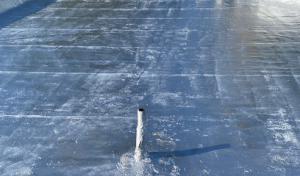
Elmwood Park winters bring snow and repeated freeze-thaw cycling that can open flashing joints, stress sealants, and expose weak attic ventilation setups. When water penetrates a seam or corner and then refreezes, the pressure can pry apart metal flashings and push up under shingles. This is not a cosmetic issue-misplaced or failing joints become pathways for ongoing leaks that can travel along the sheathing and into living spaces. Treat each vulnerable joint as a potential failure point, especially where roof penetrations meet the field of the roof.
Ice-dam risk is not just about nuisance stains on the ceiling. If underlayment and edge detailing are treated as purely aesthetic choices, a thaw can push melted water inward at the eaves, refreezing on colder sections and lifting shingles from their fasteners. Local permit review flags ice-dam related compliance concerns, underscoring that underlayment quality, edge detailing, and proper drainage are not merely material choices but critical components of a durable, code-resilient roof. Prioritize a continuous, well-sealed barrier from eve to peak and ensure gutters and downspouts are sized and positioned to move water away from the fascia promptly.
Ventilation plays a pivotal role in preventing moisture buildup that compounds freeze-thaw damage. Warm, humid summers following wet spring conditions can trap moisture in roof assemblies if ventilation upgrades are skipped during replacement. When attic air remains moist, insulation loses effectiveness and sheathing can degrade faster under the combined heat and wetness. A well-sealed attic with balanced intake and exhaust vents helps maintain a stable temperature and reduces the risk of condensation that feeds mold and wood deterioration.
Practical steps you can take start with your roof: verify that flashing around chimneys, vents, and skylights remains watertight and is upgraded to continuous, corrosion-resistant materials. Reinforce edge detailing so shingles and underlayment hold fast during pressure changes, especially at rake and eave lines. Inspect attic ventilation strategies as part of any replacement plan, ensuring an explicit, tested path for air to move in and out. If a storm returns with wet, heavy snow, slow, careful shoveling around the roof line and prompt inspection after thaws can prevent a small failure from becoming a costly, widespread leak.
Asphalt shingles remain the dominant practical choice in Elmwood Park, offering familiar performance and straightforward installation for typical rooflines. In this market, you'll generally see prices in the lower end of the ranges, but the dense, built-up neighborhood fabric can push costs higher once tear-off, disposal, and logistics are factored in. Hail and wind events drive labor demand across the Chicago metro, which can nudge a project toward the upper end of the per-square range. Expect fast service on simpler roofs, with the overall cost leaning toward the middle to upper end when dealing with full replacements that require efficient debris removal and careful ventilation checks.
Metal roofs appeal to homeowners seeking longevity and wind resistance, and they increasingly appear on select homes with steeper pitches or distinctive facades. In a dense inner-ring setting, metal installations can be price-competitive when the roof has straightforward geometry, but complex flashings or multiple dormers can raise the bill. Costs here reflect the same storm-driven labor dynamics that affect asphalt, plus the potential for higher material costs in the Chicago metro area after hail events. On a straightforward, mid-pitch roof, metal may land near the mid-to-upper portion of the stated range.
Clay tile suits particular architectural styles and offers excellent longevity, yet it can be a tougher fit in dense neighborhoods with variable access. When tiles are chosen, labor and handling become critical, especially with heavy panels and extended ridge lines. In Elmwood Park's market, tile projects commonly push toward the upper end of the range due to careful installation requirements, limited site access, and the need for precise flashing details around chimneys and skylights. Expect longer timelines and elevated costs if the roof has multiple transitions.
Concrete tile provides a robust alternative to clay with similar performance and a broader price spectrum. In dense communities, the weight and logistics of removing old material and delivering new tiles can widen the cost spread. Storm-driven labor surges and the challenge of coordinating multiple trade tasks across a tight roofline tend to place concrete tile projects near the higher end of the per-square range, particularly on roofs with complex attachment points.
Wood shingles or shakes offer distinctive curb appeal on select homes but require careful maintenance and ventilation considerations. In an urban setting, labor intensity rises as crews navigate tight access, improve ventilation details, and manage debris without disturbing neighboring properties. The cost range often sits toward the upper end when resurfacing is combined with necessary flashing work and weatherproofing around dormers or skylights.
Slate delivers exceptional durability and a refined look, but its weight and fragility demand experienced crews and meticulous handling. In a dense Chicago-area environment, slate projects can easily push toward the upper end of the range due to specialty installation, additional framing checks for load capacities, and precise flashing around penetrations. A slate roof usually represents a significant investment, especially on homes with complex geometries or multiple interfaces to the rest of the building envelope.
In this neighborhood of dense, traditional houses, asphalt shingles remain the default choice for most reroofing projects. They align well with the common roof profiles found on bungalows and compact multi-families, and they fit the insurance-driven replacement cycles that surface after hail and wind events. For quick repairs or full replacements that need a reliable, predictable schedule, asphalt shingles offer straightforward installation and inspection pathways, which is a practical advantage when village inspectors scrutinize ventilation, flashing, and drainage during full replacements. When choosing asphalt, focus on a shingle with good impact resistance and a solid wind rating, and align underlayment and nail schedules with the expectations you'll encounter during inspections.
A metal roof presents a realistic upgrade path for homeowners prioritizing snow shedding and long-term performance. Local crews with a smaller but active specialty presence can deliver durable installations that resist ice buildup and wind-driven damage, which matters in winter months and storm seasons. Metal tends to be more forgiving for steeper pitches or complex flashing details, but it still requires careful integration with existing vents and drainage. When considering metal, verify that the chosen panel system, fasteners, and sealing methods anticipate the climate's freeze-thaw cycles and the same level of scrutiny seen in weather-damaged regions, so that flashing and edge conditions hold up through multiple seasons.
Tile, cedar shake, and slate exist in the market, but these materials demand contractors comfortable with heavier or more detail-sensitive systems than a standard suburban shingle reroof. In practice, these options can address longevity and a distinct curb appeal, yet they introduce heavier loads and more intricate flashing, ventilation, and underlayment requirements. For a successful upgrade, work with a contractor who regularly handles these materials and can demonstrate compatibility with your home's structure, attic ventilation, and drainage plan. In areas with frequent hail and wind activity, extra attention to fasteners, securement, and ice-dam protection is essential to keep the roof performing well over decades.
In Elmwood Park, winter snow and freeze-thaw cycles can push tear-offs into tighter windows and make leak diagnosis more urgent than full replacements. If a roof shows active leaks during a thaw or after a freeze, prioritize a rapid inspection to identify damaged decking or compromised ventilation before the conditions worsen. Scheduling a tear-off in late winter, when thaw cycles are more predictable, helps minimize the chance of weather-driven delays while still allowing the project to move promptly once warmer days return.
Cold snaps can complicate shingle removal and decking work, and snow buildup can hide underlying damage. If you're facing repeated ice dams, plan for a staged approach that addresses ventilation and flashing first, then the roof surface, so the worst of the moisture concerns are handled before a hard freeze. Have a contingency plan with your contractor for snow days or brief warm spells that let crews safely work without backtracking. Document any leaks with photos taken after storms to speed insurance coordination if needed.
Spring hail season can interrupt production calendars as contractors pivot to emergency response and insurance inspections across the Chicago metro. Expect tighter scheduling as crews juggle urgent roof repairs for storm-damaged homes and the backlog from insurance-required assessments. Coordinate a start window that aligns with the first reliable stretch of weather and the insurer's inspection timeline, so the project can proceed without long pauses.
Fall wind and precipitation can compress schedules, so plan earlier than in milder climates if you aim to finish before winter. Proactively secure a backup start date, double-check drainage and gutter protection during the pre-season walkthrough, and ensure attic ventilation is balanced with the roofing plan to prevent moisture buildup as temperatures drop. Having this alignment in place helps guard against last-minute gaps when storms roll in.
In Elmwood Park's claim-heavy metro environment, insurers may scrutinize permit history and contractor certifications when reviewing roof losses. That means the paper trail you assemble matters as much as the shingles themselves. If a storm claim triggers questions about how the replacement was done, the insurer may look for proof that the work met the expected standards and that the proper professionals were involved. Sloppiness here can slow reimbursement or trigger partial denial, even when the damage is real.
Homeowners should keep date-stamped photos, adjuster notes, permit records, and final inspection proof together because code-compliance questions can affect reimbursement. Start with a clear before-and-after photo log taken from multiple angles, dated and labeled by room or section of the roof. Save every adjuster's page, including written notes and any sketches. Collect contractor invoices, material specs, and lien waivers, then match them to the project timeline. The final inspection report should explicitly confirm that ventilation, flashing, nailing, drainage, and ice-dam protection meet the standards required for a full replacement. When everything is compiled in one place, you can present a cohesive story if an auditor asks for it.
Documentation is especially important when a storm claim overlaps with older wear, prior repairs, or partial replacements on additions and garages. Insurers will weigh whether pre-existing conditions contributed to the loss and whether new work addresses them properly. Keep maintenance records for the entire roof line, including any previous hail repairs on extensions, since these details can influence coverage decisions. A well-documented history supports transparency and helps ensure that the claim reflects the actual scope of the current work rather than a snapshot of a moment in time.