
Last updated: Apr 19, 2026
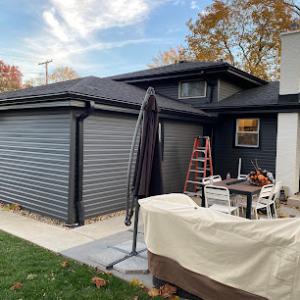
In dense residential blocks, many properties include low-slope sections on porches, additions, and detached garages that age differently than the main pitched roof. Those flat or near-flat planes are more exposed to wind-driven rain, hail impact, and the freeze-thaw cycle. When a project touches a porch or a garage roof, treat it as its own weather system: keep drainage paths clear, and inspect flashings where the flat plane meets vertical walls or steps down to the main roof. A careful hand at planning these transitions goes a long way toward preventing leaks that sneak into attic ceilings or interior walls.
Snow retention and slow drainage on low-slope surfaces are a bigger concern in the Chicago area because repeated freezing can stress seams, edges, and drainage details. In practical terms, routinely clear debris from scupper outlets, internal gutters, and edge channels after heavy snows or storms. If you notice standing water two days after a storm, that's a sign to inspect the slope and ballast or membrane condition. On porches and detached garages, ensure the edge perimeter has a continuous sealant or membrane detail that can accommodate thermal movement without cracking. Develop a simple routine: after a storm, walk the perimeter, check for pooled areas, and verify that edge metal or membrane isn't bubbled or lifted.
Flat-roof specialization is notably active in this market, which aligns with the prevalence of low-slope roof areas on local residential and mixed-use buildings. When hiring, prioritize contractors with demonstrated experience on low-slope systems and a track record of quick leak diagnosis. Ask for references that mention maintenance of porches or detached garage roofs, not just main-home shingles. A competent contractor will show how flashing details at parapet walls, intersections with chimneys or vents, and transitions to any nearby pitched roof are sealed against thermal movement and wind uplift typical to this area.
For a DIY-friendly check, start at the most exposed zones: the parapet edges, valley intersections, and where a flat section meets the wall or a roof-to-wall penetrant. Look for hairline cracks in sealant, loose fasteners, or scuffed membrane joints. Tap test metal edges gently with a rubber mallet to detect loose edging that could allow water intrusion. On aging low-slope portions, pay particular attention to any signs of moisture at interior ceilings or walls near the flat roof footprint, which often indicate a slow leak before it becomes a visible stain.
Establish a seasonal rhythm that aligns with Chicago swings. In late fall, preempt winter by sealing exposed seams and addressing any obvious punctures. After spring storms, recheck for hail-induced damage and reseal as needed before the next freeze. If a leak is suspected, document with photos and proceed to a careful, staged repair rather than a full replacement-many times a targeted fix extends the life of a flat surface without the disruption of a larger project.
Find specialists in TPO, EPDM, and built-up flat roofing systems for residential and commercial properties.


Greater Chicago Roofing
(773) 270-9910 www.greaterchicagoroofing.com
Serving
5.0 from 58 reviews
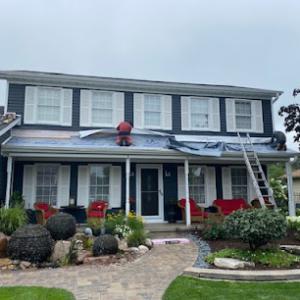
At Greater Chicago Roofing, we offer installation, replacement, repair, inspection, and maintenance of roofs, gutters, and skylights. We provide these services to both residential and commercial properties. These are what keeps us apart from our competitors: - 15% price match guarantee - Free estimates - Warranties Our mantra is to offer superior service and premium products. We use the latest technology and have the best crews in the business. Our goal is to ensure that our customers are happy with their experiences so they refer us to friends and family who may need our services.
Chicago Flat Roof Services
(773) 981-6672 chicagoflatroofservice.com
Serving
4.6 from 75 reviews
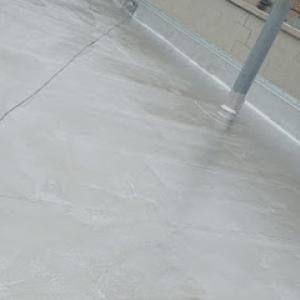
Chicago Roofing Experts | Flat Roof Specialists Looking for the best roofing company in Chicago? We specialize in flat roof repair, replacement, and maintenance for residential, commercial, and multi-family buildings. From Lincoln Park to Wicker Park, Old Town, Logan Square, Lakeview, Buck town, Wrigleyville and Uptown, our licensed team delivers reliable roofing built for Chicago’s tough weather. Services include TPO, EPDM, modified bitumen, and torch down systems, plus 24/7 emergency roof repair. We use GAF & Firestone materials with up to 20-year warranties. Call today for a free roof inspection and estimate.
A Grade Construction Inc. Roofing & Masonry
(773) 630-2067 www.agradeconstructionandroofing.com
Serving
4.9 from 67 reviews
We are a Commercial.Residential.Industrial Roofing Contractors. We are Licensed General Contractor in the city of Chicago
Windy City Construction Group
(708) 737-8114 www.windycityadjusters.com
Serving
4.4 from 227 reviews
Windy City Construction Group helps homeowners recover the full value of their property insurance claims after storm damage. We act as your advocate — inspecting the damage, documenting it, and negotiating directly with the insurance company to secure the coverage you deserve. Unlike standard contractors, we combine public adjusting expertise with a full-service roofing and exterior restoration team. This means we can manage insurance-funded roof replacements from start to finish — or provide cash bids and flexible financing for those who prefer to pay out-of-pocket. Whether through an insurance claim or alternative payment options, we deliver the roof you need with less stress, greater value, and complete peace of mind.

Make It Happen Roofing
(708) 416-8098 makeithappenroofing.com
Serving
4.8 from 41 reviews
Make it Happen Construction is a roofing company which is primarily based in the State of Illinois in which we are licensed, bonded and insured. We offer a multitude of services for residential, commercial, and industrial properties. Our team of experts provide exceptional customer services, competitive retail estimates. During the FREE inspection/property or retail assessment our specialist will assess the property for storm damage, improper installation of materials, and/or poor craftsmanship. MIHC will increase the value of your assets by providing quality craftsmanship, manufacturer, & labor warranty. We offer multiple high quality products to choose from with a wide range of color selections.
Done Right Roofing
(708) 631-7762 godonerightroofing.com
Serving
4.6 from 90 reviews
All toes of roofing
Roofing & Gutters Darwin
(773) 949-2611 roofingandguttersdarwin.com
Serving
5.0 from 34 reviews
Roofing/gutters Services in Chicago Professional roofing services in Chicago specializing in roof repair, roof installation, and roof replacement. Quality materials, reliable contractors, and protection against harsh Chicago weather. Professional gutter services in Chicago providing seamless gutter installation, gutter repair, and gutter cleaning for residential and commercial properties. Our high-quality gutter systems are designed to handle heavy rain, snow, and harsh Chicago weather, protecting your roof, foundation, and exterior from water damage. 24/7 emergency roofing and gutter services in Chicago for leaks, storm damage, and urgent repairs. Fast response and reliable service.

Pulaski Roofing & Engineering
(708) 762-1005 www.pulaskiroofing.com
Serving
4.8 from 88 reviews
Pulaski Roofing & Engineering has been serving the people of Chicago, IL and the surrounding areas with quality roofing services since 1971. We are a full-time roofing contractor that offers extensive services for industrial, commercial, and residential properties.
Edwin's Roofing & Gutters
(872) 214-5081 edwinroofing.expert
Serving
4.9 from 191 reviews
Edwin Roofing and Gutters offers a range of roofing, gutter, chimney, siding, and skylight services to meet the needs of its customers. Some of the specific services offered by the company include roof repair, roof replacement, roof inspection, gutter installation, gutter repair, gutter cleaning, gutter guards, chimney repair, chimney rebuild, chimney cap installation, siding installation, siding repair, soffit and fascia repair, skylight installation, window capping, and tuckpointing. The company specializes in using high-quality materials and the latest techniques to provide exceptional workmanship and outstanding customer service to every client. With over 10 years of experience in the industry, Edwin Roofing and Gutters is a t
Y&B Roofing
Serving
5.0 from 162 reviews
25 Years experience, unmatched professional ethic and outstanding quality delivery.
Andrew's Roof & Gutters Maintenance
(773) 403-2145 www.andrewsroofingil.com
Serving
4.9 from 134 reviews
Andrew's Roof & Gutter Maintenance is your go-to roofing and gutter expert in Chicago, IL, with 11 years of experience. We specialize in roof repair, gutter installation, siding, chimney and skylight maintenance, as well as flat roof renovation and shingle, metal, and EPDM roofing. We offer free inspections and provide licensed and insured services. If you're looking for professional residential and commercial roofing in Chicago, contact us today!
SL Roofing
(708) 919-3690 slroofingcontractors.com
Serving
5.0 from 62 reviews
SL Roofing Oak Park based, is your go-to expert for top-notch roofing solutions. Our team of skilled professionals is dedicated to delivering exceptional quality and service for all your roofing needs, whether it's installation, roof repair, or maintenance. We pride ourselves on using the best materials, ensuring longevity and durability in every project we undertake. Trust our roofing company to protect your home with our expertise and commitment to excellence. For a free consultation or to discuss your roofing requirements, don't hesitate to reach out. Contact SL Roofing today and experience the peace of mind that comes with having a reliable, expert team taking care of your roof.
Asphalt shingles remain the dominant practical choice in Cicero because they fit the area's common residential roof forms and replacement budgets. They install quickly on low-slope garage and porch roofs that dominate the local stock, and they balance durability with ease of repair after a hail event or freeze-thaw cycle. When choosing asphalt, focus on architectural or builder-grade shingles with good impact resistance and a stout warranty that covers wind uplift and freeze-related issues. Local homes often benefit from shingles that keep moisture out of dormers and overhangs where rapid temperature swings can push seals and flashing.
Metal roofing can perform well against snow shedding and summer heat, but detailing matters in a climate with strong seasonal expansion and contraction. In Cicero, consider metal systems that use concealed fasteners and a well-sealed ridge line to minimize the risk of ice dams and leaks during the spring thaw. Panels should be properly lapped and roof-to-wall transitions carefully flashed, especially on porch roofs and above garages where snow load and wind-driven rain are common. A metal roof with a forgiving coating helps reflect heat in summer, reducing attic temperatures, but the workmanship around penetrations, skylights, and chimneys is where performance earns its keep.
Tile and slate appear in the broader material mix here, but their weight and repair complexity can be a bigger issue on older Chicago-area structures than on newer framing. Clay tile and concrete tile bring a long lifespan and distinctive curb appeal, yet they demand solid framing, careful fastening, and precise flashing details. On older homes with mixed framing or limited attic access, the added load can necessitate reinforcement. Slate offers exceptional durability but comes with similar concerns about roof rigidity and repair complexity. For low-slope sections or porches, these materials may not be the most economical choice, given the need for frequent inspection and selective repairs after severe weather or hail.
Homes in Cicero often blend roof types across the structure, so compatibility and integration matter. When planning a replacement, ensure that the chosen material aligns with existing flashing details, gutters, and downspouts to prevent leaks at transitions. For projects involving multiple roof facets, prioritize a uniform approach to drainage and ice-damming prevention, since storm cycles can push water toward weak points even on otherwise well-sealed assemblies. In all cases, detail-oriented workmanship around chimneys, vents, and skylights is essential to prevent hidden leaks that emerge after a sudden temperature swing.
Storm damage and hidden hail loss are realities from the Chicago-area weather swings, so material choice should factor not only long-term performance but also how quickly a roof can be inspected and repaired after a storm. Shingles with robust impact resistance and sturdy edge seals help reduce immediate water intrusion, while metal roofing's precision detailing can limit the rate of wind-driven leaks if installed with careful flashing. Whatever the choice, emphasize high-quality flashing, proper underlayment, and a sound venting strategy to support rapid drying and prevent condensation issues during the thaw.
In Cicero, roofing prices follow the same materials ladder you'll find across the Chicago metro, but you'll feel the impact in tight lots and dense block layouts. Provided local pricing runs about $350 to $650 per square for asphalt shingles, $700 to $1400 for metal, $900 to $1700 for clay tile, $800 to $1500 for concrete tile, $450 to $900 for synthetic/composite shingles, and $1200 to $2500 for slate. When hail events spike demand after a storm, you'll notice prices drift higher because inspections, cleanups, and quicker scheduling become standard expectations from insurers and crews.
Cicero blocks tend to pack multi-section roofs with tight eaves, detached garages, and limited staging space for equipment. That combination adds labor time for maneuvering material, staging tarps, and cleaning up debris compared with wider-suburban sites. If a roof has several small pitches, or a chimney and vents that create extra seams, expect a modest bump in labor and waste removal costs. Tear-off logistics for dense blocks can add 5-15% to the base per-square price, especially on roofs with older decking that needs extra inspection or minor repairs.
Asphalt shingles stay the most budget-friendly and are commonly used on low-slope porch or garage roofs, with the typical Cicero storm cycle favoring a durable laminated option. Metal roofing offers longevity and rapid water-shedding, which matters after hail, but high labor and fasteners for a multi-section layout can push costs up. Clay and concrete tile look premium but add weight and require solid structural checks; in tight spaces, installation time increases, affecting the final price. Synthetic/composite shingles provide a middle path, balancing performance with cost, while slate remains the high-end choice with substantial heft and complexity.
Costs in Cicero can rise after regional hail events when demand spikes across the Chicago metro and insurers require faster inspection and repair scheduling. If a storm hits, expect crews to prioritize quick assessments and rapid tear-offs, which can compress scheduling windows and potentially raise short-term pricing. Having a preferred contractor ready and an organized access path to the roof can help minimize delays and extra charges when the weather swings back to typical patterns.
Get a clear picture of your project costs upfront - no commitment required.
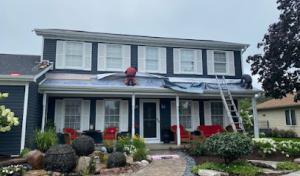
When a roof is due for a full replacement, a simple DIY fix won't cut it. This is not treated as informal maintenance; a building permit is required. The process adds a layer of protection for neighborhoods that have dense housing stock and frequent weather swings. In practice, the contractor initiates the permit through the Cicero Building Department, submitting drawings, material types, and a project timeline. The department reviews the submission to confirm code compliance and safe construction practices before the permit is issued. Rushing to start without that permit can create serious headaches, including potential enforcement actions or delays that ripple through the project timeline.
The contractor in Cicero is responsible for navigating the permit workflow, but the homeowner should expect to participate. It's common for the Building Department to request clarifications or adjustments to reflect Cicero's local code interpretations and weather considerations. Since this city experiences rapid temperature swings and hail events, the permit review often includes specifics about ventilation, flashing detail, and fastening methods. Expect a back-and-forth that helps ensure flashing seals against wind-driven rain and that roof ventilation meets minimum requirements to prevent moisture-related issues in attics and ceilings.
Inspections go beyond a cursory look at shingles. In this market, inspectors commonly verify ventilation to avoid attic heat buildup, flashing around chimneys and vents, and proper fastening in line with wind and weight considerations. The process may entail multiple visits: an in-progress check to confirm substrate and underlayment, a mid-installation review of critical flashing, and a final walk-through to verify everything is tight, square, and sealed. Homeowners should plan for accessible attic spaces and clear paths to inspection points, because the inspector will need to see ventilation pathways and fastening at several roof sections. If issues arise, addressing them promptly with the contractor minimizes rework and keeps the project moving.
Before the contractor submits the permit, gather critical information about the existing ventilation setup, any known attic moisture problems, and the roof's edge details. On inspection day, expect the inspector to walk the entire system, not just a few visible shingles. If a storm or freeze cycle has recently affected the roof, be prepared for questions about recent leaks and repair history. Staying organized reduces delays and supports a smoother, code-compliant installation that stands up to Cicero's weather realities.
Illinois insurers generally still write standard roof replacement coverage here, but hail events often trigger stricter photo documentation and damage review. After a Chicago-area hail storm, carriers may adjust underwriting or pricing expectations, making prompt documentation especially important for Cicero homeowners. The goal is to establish a clear, defensible record that aligns with the insurer's photo sets and damage mapping processes. In practice, that means gathering high-resolution shots from multiple angles and labeling them to show any hidden hail evidence on the soffits, fascia, and underlayment visible from attic views.
Prompt documentation matters because storm activity is common in this market, and carriers will scrutinize the sequence of events and the condition of the roof before and after the storm. A thorough photo set should include the entire roof line, any edge damage, gutters, and downspouts, as well as interior indicators like ceiling stains near the affected bays. Damage mapping should trace impact patterns from known wind or hail paths, avoiding assumptions about cause and age. Prepare a simple timeline of events: storm date, immediate observations, mitigation steps taken, and the contractor's inspection report. Contractors who are familiar with insurer photo sets and supplement discussions can help translate field notes into a concise claim package.
Because storm-related roofing is so prevalent in this market, homeowners should expect contractors to be familiar with insurer photo sets, damage mapping, and supplement discussions. A reliable contractor will present a supplement plan that aligns with insurer expectations, including itemized repairs or replacement justifications, enhanced attic inspections, and additional photographs if needed. Maintain open channels with the adjuster, sharing the same documentation bundle the contractor provided. If a dispute arises, request a second opinion from an insurer-approved adjuster or a roofing expert who can corroborate the damage map with third-party notes.
Connect with contractors who help homeowners navigate the claims process from damage assessment to final approval.
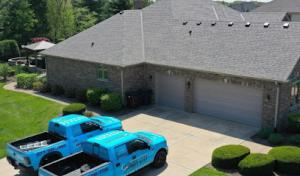
Windy City Construction Group
(708) 737-8114 www.windycityadjusters.com
Serving
4.4 from 227 reviews

In older Chicago-area housing common in Cicero, roof-to-chimney flashing is a recurring leak point because masonry and metal move differently through freeze-thaw cycles. That movement creates small gaps that drip later, especially after a quick warm spell followed by another cold snap. You'll often notice moisture along the transition from roof deck to the chimney chase or where the flashing meets brick or stone. The slip of materials in freezing weather amplifies these weak spots, so small signs can become bigger failures fast.
Skylight repairs matter locally because this market shows meaningful skylight specialization rather than treating them as rare add-ons. If a skylight leaks, it's not simply a seal replacing task; the surrounding curb, flashing, and benched framing may have taken heat or moisture stress over multiple seasons. In Cicero you'll see more issues when skylight hardware corrodes or the sealant zones age unevenly due to shade from nearby porches or trees. Take the time to inspect the flashing ring around the curb and the flashing step-downs where the unit meets the roof slope.
Winter ice buildup around penetrations and transitions can expose weak flashing details sooner in Cicero than in milder climates. A buildup around chimneys or skylights can backflow onto the roof edge, saturating underlayment and accelerating deterioration. When you see ice dams forming near these points, treat it as a warning signal: no delay in addressing flashing, sealant joints, and any compromised curb or shingle-to-flash transitions.
Focus on the perimeter flashing at chimneys and the skylight curb, and ask a pro to verify that the kick-out diverters and step flashing align with the roof pitch. After a storm or freeze-thaw cycle, perform a careful visual check from the ground for dark staining or missing granules near penetrations. If you notice bubbling, curling shingles near a skylight or chimney, or damp spots that persist after warm days, arrange a prompt inspection to prevent interior leaks and framing damage.
Find contractors experienced in skylight installation, flashing, and leak repairs to bring natural light into your home.

A Grade Construction Inc. Roofing & Masonry
(773) 630-2067 www.agradeconstructionandroofing.com
Serving
4.9 from 67 reviews
The local market is crowded with re-roofing contractors, so homeowners in Cicero are often comparing responsiveness and cleanup standards as much as price. Storm swings bring sudden leaks and hidden hail damage, and a contractor with prompt on-site response can save you days of worry. Long-established and family-owned firms have a visible presence here, which matters in a market where storm chasing can follow regional hail events. A durable roof install isn't just about shingles; it's about how the crew stacks, protects landscaping, and cleans up after every shift.
Start with a contractor's track record in storm-dreck seasons. Look for a company that routinely handles inspections, hail reports, and documentation that aligns with local expectations. In this neighborhood, it's common to see crews that have worked together for years, with vehicles and equipment that stay on-site until the last nail is tucked away. Check that the crew arrives with proper safety gear, roof edge protection, and a plan to minimize disruption to your family routine. A contractor who can demonstrate reliable scheduling during busy weather windows tends to keep projects moving without sacrificing workmanship.
Ask how the contractor plans for fast leaks and water intrusion after a weather swing. Practical questions-such as immediate tarping capabilities, communication lanes for updates, and a cleanup protocol that leaves your driveway and lawn unscathed-should have clear answers. In Cicero, where dense housing stock means neighbors are close by, a responsible crew will protect shared property and coordinate with neighboring properties to avoid collateral damage. Look for a firm that documents every step: from tear-off to flashing details, to the final walk-through with you and a signed checklist.
Prefer firms with a persistent local presence and clear references from nearby streets or blocks. A family-owned firm often carries a reputation built over decades, which matters when storm damage appears on multiple roofs in the same area. Ensure the contractor routinely works with the local Building Department for inspections and that their process reflects familiar Cicero nuances, such as typical roof pitches on garages and porches and the way venting and insulation are treated in this climate.