
Last updated: Apr 19, 2026
In Melrose Park, the Chicago-area winter isn't kind to roofs. The daily roller-coaster from freezing nights to daytime thaws drives ice dams into attic vents, gutters, and flashing. When meltwater refreezes at eaves, it creates a dam that forces water back under shingles, inviting leaks that can sneak into walls and ceilings before a homeowner even notices. The result is not just a few shingles out of place; it can be hidden attic moisture, attic mold risk, and accelerated deck- and soffit corrosion. This climate pattern makes routine maintenance essential: ensure drip edge and flashing are solid, eaves are clear, and attic ventilation remains balanced so that warm roof surfaces don't meet cold attic air in ways that promote ice buildup. If ice damming appears, act quickly. A minor freeze-thaw cycle can transform into a larger leak in a single warm spell when meltwater surges down the slope. Homeowners should pay attention to the first signs of interior staining or damp insulation near the upper walls after a thaw, and treat them as urgent indicators of potential hidden damage.
Spring hailstorms in the western Chicago suburbs are not a season to test luck. Hail can puncture asphalt shingles, dent metal, crack clay or concrete tiles, and loosen granules that protect the roof surface. In Melrose Park, a single severe hail event can create a cascade of issues: accelerated aging of roofing materials, compromised flashing, and the creation of micro-leaks that expand with the next freeze-thaw cycle. Storm-driven damage often appears in the form of bruising on shingles, bent vents, and dented gutters, but the full impact might only reveal itself after a few days of sun and heat when pressure changes pull at weak seams. The practical impact is that after a major hail event you should expect a surge in inspection requests, urgent repair needs, and questions about replacement timelines tied to insurance. Don't wait for a visible drip to call for a professional-extensive damage can lurk beneath intact-looking surfaces, and waiting can complicate a claim or worsen interior damage.
When storms hit, local contractor activity tends to cluster around emergency repairs and insurance-claim support. In Melrose Park, insurers often require prompt documentation and staged assessments to validate damage and determine coverage. If a roof shows obvious storm damage-shingles peeled, flashing displaced, fasteners corroded-start the claim process immediately and keep notes on all correspondences with the insurer. Understand that replacement decisions frequently hinge on the extent of damage and the available documentation: photos of hail impact, date of occurrence, and any interior leakage measurements help build a stronger case. Timing is critical: delays can complicate coverage eligibility or force homeowners into higher out-of-pocket costs due to policy stipulations. Work with a local contractor who can coordinate rapid inspections, provide a pre-damage condition report, and document new damage as it occurs. Coordinating with a reputable local team accelerates the claim process, ensures proper venting and flashing are addressed on any replacement, and aligns the project with the property's best long-term performance. In this market, it's common for storm-season work to spike: having a prepared plan, a trusted contractor, and a clear understanding of the insurance path can prevent chaos when the first good-weather window arrives. You'll want a contractor who can translate insurer requirements into a practical, on-the-roof action plan-covering from shingle edges to underlayment, from venting adjustments to flashing details-so the roof can shed water effectively through the next thaw and storm cycle. This is not a time to guesswork; it's a window to lock in a durable repair or replacement that will weather the next winter and spring with confidence.
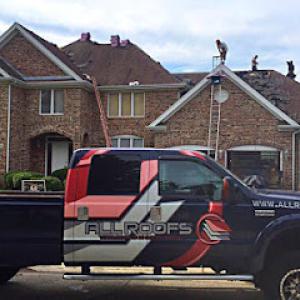
All Roofs
Serving
4.8 from 261 reviews
Let our family help your family! Roofing since 1996!
Aegis Construction Group
(773) 812-3447 www.aegiscgi.com
Serving
5.0 from 291 reviews
Aegis Construction Group in Elmhurst, IL delivers trusted exterior contracting and restoration services for homeowners and businesses throughout DuPage County and the Chicagoland area. As a family‑owned and Illinois licensed roofing and general contractor since 2015, we specialize in premium roofing replacements, roof repairs, siding installation, seamless gutters, windows, and garage doors backed by industry‑leading workmanship and materials. We manage storm damage repair, insurance claims, and offer free property inspections. Our team prioritizes quality, communication, and customer satisfaction, delivering durable, energy-efficient solutions that enhance curb appeal and long-term protection for your commercial or residential property.
Chicago Siding & Roofing Company
(773) 308-3901 chicagosidingandroofing.com
Serving
4.9 from 67 reviews
At Chicago Siding and Roofing, you are guaranteed the highest quality work from a family owned business with nearly two decades of experience. Started by Henryk Gorczyca and joined by his son Greg in later years, Chicago Siding & Roofing not only has an experienced staff, but several generations of leadership.
Ferravit Remodeling
(773) 739-7493 www.ferravit.net
Serving
4.8 from 112 reviews
Chicago Roofing & Siding Company. Residential and Commercial.
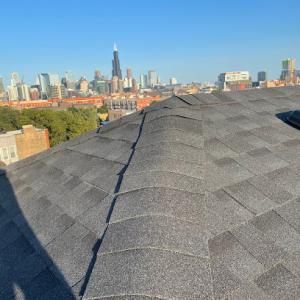
Sealed Tight Roofing
(630) 631-7496 www.sealedtightroofingandpaving.com
Serving
4.9 from 82 reviews
Here at Sealed Tight Roofing and Paving, we provide comprehensive roof installation, roof repair, modified bitumen, TPO roofs, flat roofs, asphalt shingles, snow removal, roof coating, gutter installation & repair services for homeowners and business owners across Chicago, Illinois and the surrounding communities. We are experts in our field and are dedicated to providing superior workmanship and customer support. With over 30 years of professional experience, customer satisfaction is always our top priority.
Stanley Roofing Co. Westchester, IL
(847) 804-1871 stanleyroofingchicago.com
Serving
4.7 from 81 reviews
When it comes to choosing a contractor for your home’s exterior improvement project, you must make the right choice. At Stanley Exteriors, we pride ourselves on giving our clients exceptional craftsmanship, professional installation, and a customer experience that will leave you sharing us with your neighbors. Trust your investment with the Stanley Exteriors team and let us help you love your home again.
Feze Roofing
(630) 530-5944 www.fezeroofing.com
Serving
4.8 from 78 reviews
Feze Roofing, services the Residential, Commercial and Industrial Markets in Oak Brook, Elmhurst, Villa Park, Burr Ridge and all throughout the Chicagoland Suburbs. We have specialized in applications such as shingles, hot asphalt, single-ply roof systems and modified bitumen in the DuPage and Cook County areas for more than 35 years. Our Installers and foremen are certified Commercial Master Installers of GAF Materials Corporation and Carlisle Roofing Systems, Inc. Our team is factory trained and certified. We have an ongoing educational program in residential and commercial roofing as required by GAF. In addition, we are one of the first roofing companies in the Chicagoland area to be designated as Master Elite Contractors by GAF.
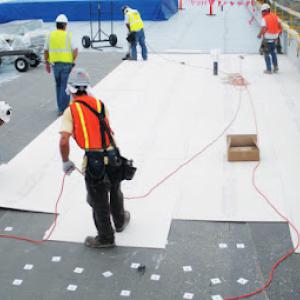
Champion Roofing
(847) 673-7663 championroofing.com
Serving
4.8 from 230 reviews
Champion Roofing, Inc is a recognized leader in commercial and residential roofing. As a trusted Chicago roofing contractor, Champion Roofing has a complete line of commercial and residential roofing systems to best meet your needs. Our dedicated roofing experts are available to help you design your new roof or help with your Chicago roof repair. Due to the quality our materials, we offer some of the best warranties in the industry, from 5-30 years. Our fully licensed, bonded, and insured commercial roofers have the experience to provide you with the assurance of quality installation due to our excellent workmanship. Give yourself and your business the peace of mind that comes from a trusted commercial roofing company. Learn more today.
Paramount Roofing
(773) 699-1096 www.facebook.com
Serving
4.7 from 55 reviews
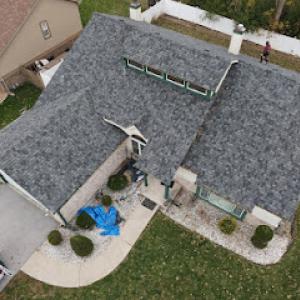
Emergency Repairs 24/7 Storm Damage, Hail Damage , Wind damage and Insurance claims PARAMOUNT is dedicated to delivering outstanding quality at competitive prices. Our goal is to create long-term value by building trusting relationships with our customers. At PARAMOUNT our relationship does not end when your project is completed, it begins.

Exceptional Exteriors | Roofing Contractors | CHICAGO ILLINOIS
(312) 291-1777 www.exceptionalexteriorsil.com
Serving
5.0 from 99 reviews
Welcome to Exceptional Exteriors, your go-to destination for top-notch roofing, siding, windows, and gutter restorations in Chicago, Illinois! 🏠💼 We're your local experts in enhancing the beauty and durability of your home's exterior. From fixing leaky roofs to upgrading your siding and windows, we've got you covered. Trust us to transform your house into a stunning sanctuary with our exceptional services. Say goodbye to worries and hello to a home that stands out on the block. Let's make your exterior dreams a reality! Contact us today for a consultation. Your Exceptional choice for every restoration need 🏠 🔨
Elite Exteriors
(312) 599-1032 www.eliteext.com
Serving
4.9 from 114 reviews
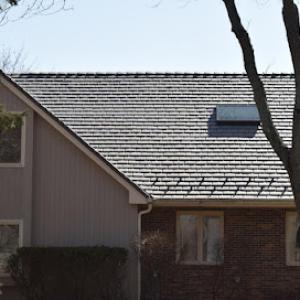
ELITE EXTERIORS - Residential & Commercial Roof Installation, Replacement & Repair Experts- has more than 30 years of experience in the construction industry. Not only are we a licensed roofing contractor, but we can also handle your insurance claims in-house. Our team of professionals has the experience to tackle any residential or commercial projects resulting from property damage caused by natural events. Elite Exteriors is Elmhurst’s top choice for exterior repair projects when Mother Nature causes damage to your home or business. Roofing, siding, gutters, decks, and almost any other exterior repairs you could ask for — Elite Exteriors can handle them all.
R.K. Roofing
Serving
4.9 from 71 reviews
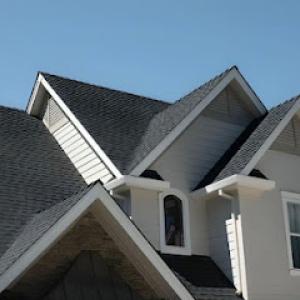
For expert re-roofing, skylight replacement, gutter work, and service that is second to none, call on the local team that gets the job done right.
Typically, most homeowners plan full replacements from late spring through early fall because temperatures and daylight are more favorable for installation. In Melrose Park, that means you'll usually see crews working steadily from May through September, when asphalt shingles lay down cleanly, and adhesive tabs set properly in warmer air. If you're considering a full reroof, target the core of summer for the longest practical stretch of consistent weather, with a built-in buffer for any unexpected delays.
Spring and early summer bring more frequent storm activity, which can drive up demand after heavy wind and hail events. After a particularly stormy stretch, contractor availability tightens in Melrose Park, so you may face a short recruitment window for quality crews. If a hail or wind event hits, plan for a rapid inspection to identify decking or flashing vulnerabilities, but avoid rushing the replacement project into peak weeks if it means compromising ventilation or flashing details. Have a prioritized list ready for your contractor: confirm attic ventilation, verify proper underlayment, and address any decking concerns before the new roof goes on.
Fall winds and colder conditions in the Chicago area can expose weak decking and complicate late-season scheduling. By late September and October, temperatures drop quickly, which can affect adhesive performance and sealant curing. If a fall replacement becomes necessary, aim for early fall on the calendar and keep the crew's schedule flexible to accommodate a potential early snow or frozen conditions. Before committing to a late-season install, get a thorough deck inspection and ensure flashing and venting are solid, as these areas are closely scrutinized in Melrose Park's permit-heavy environment.
Given the neighborhood rhythm in Melrose Park, a practical approach is to lock a preferred two- to four-week window in late spring or early summer, then stay in close contact with the contractor for weather-related shifts. If a storm creates a sudden backlog, you may choose to proceed with a temporary fix to protect the home while awaiting a firm installation slot. Consider coordinating with neighbors for staggered scheduling to minimize street disruption and to keep crews moving efficiently along blocks with shared access points.
1) Schedule a pre-season inspection as soon as temperatures consistently rise above freezing. 2) Prioritize ventilation and flashing checks, especially if earlier storms damaged soffits or ridge lines. 3) Reserve a target replacement slot in late spring or early summer, with a flexible backup in early fall. 4) Confirm that the crew plans for proper attic ventilation, drip edge, and roof-to-wall transitions before the first shingle is installed. 5) Maintain open communication about weather pauses and rescheduling, keeping your installation timeline tight without sacrificing quality.
Get a clear picture of your project costs upfront - no commitment required.
Stanley Roofing Co. Westchester, IL
(847) 804-1871 stanleyroofingchicago.com
Serving
4.7 from 81 reviews
In this village, asphalt shingles are the dominant choice, matching the practical balance of cost, availability, and repair familiarity among nearby crews. Yet demand for metal, tile (both clay and concrete), cedar, and synthetic/composite systems exists and grows for homeowners facing long-term durability, hail exposure, and aesthetics. The housing stock here runs from modest single-story bungalows to mid-century two-stories, and each carries different load and venting considerations that influence material suitability. The right option should align with existing roof shape, attic ventilation, and the ability to carry heavier materials without stressing old trusses.
Asphalt remains a sensible default for Melrose Park due to quick repair turnaround, widespread installer familiarity, and a solid track record under Chicago-area conditions. The surface ages noticeably under hot summers and persistent sun, so selecting a shingle with strong granule adhesion and good dimensional stability helps resist surface wear and color fading. When hail is a factor, look for impact-resistant options and ensure the local contractor seals and flashing are properly addressed to prevent rapidly worsening leaks after a storm. Proper venting and attic insulation are essential to minimize ice dam risk in late fall and winter, regardless of shingle color or grade.
Metal roofing provides excellent resistance to hail and snow, and its lighter footprint can be attractive for mid-century homes with limited attic headroom. For homes with existing structural constraints, confirm that the roof deck and fasteners are compatible with metal panels and that flashing details are staged to handle freeze-thaw cycles. Clay and concrete tiles offer standout longevity and a distinctive appearance, but their weight must be matched to the structure. On older suburban houses, tile can impose a heavier load, so structural assessment is key before proceeding. Cedar and synthetic/composite shingles provide a compromise-lighter weight than traditional tile with varied aesthetic options and improved impact resistance when paired with proper underlayment and ventilation.
Surface aging accelerates under Chicago-area sun exposure, so choosing a system with robust UV stability helps preserve color and shedding capability. Ice damming is a recurring concern in cold snaps, making reliable flashing, sealed seams, and well-designed eave ventilation critical across material types. Hail risk also informs the selection: consider impact resistance ratings, warranty terms, and the installer's emphasis on durable sealants and robust edge detailing. For any choice, ensure the roof system includes appropriate underlayment, proper attic ventilation, and a flashing plan that addresses transitions around chimneys, skylights, and vents to reduce moisture intrusion during severe winters.
In this neighborhood mix of residential and small commercial structures, flat and low-slope roofs show up more often than people expect. The tradeoff is genuine: simpler shapes can look cost-effective at first, but they demand meticulous attention to drainage, flashing, and edge details. If a roof line slopes only slightly, a single clogged drain or a bumped flashing seam can lead to slow leaks that creep into attic spaces or ceilings. The key here is recognizing that equipment, materials, and detailing must be chosen with Melrose Park's common building profiles in mind, not just generic flat-roof guidance.
Chicago-area snow and ice add a harsh reality to low-slope systems: water that lingers and freezes can pry joints apart and force through seams you might think are sealed. Ponding water isn't just a nuisance on a flat roof; it can amplify the weight load and accelerate membrane wear. In your planning, prioritize a proven drainage strategy that includes properly pitched surfaces, well-placed scuppers, and regularly tested drains. Ice buildup near parapets or along transitions can create sudden sheet leaks once a thaw sets in. Remember that drainage quality isn't cosmetic-it's a structural and moisture-control concern that shows up when temperatures swing from freeze to thaw.
Low-slope roofs often meet vertical walls, chimney or vent penetrations, and parapet edges. Those transitions are the most vulnerable spots for leaks if flashing isn't integrated with precision. In Melrose Park, where seasonal weather can stress seals, the flashing must be continuous, mechanically fastened, and sealed with materials compatible with the underlying deck and insulation. If there are tied-in additions or irregular parapet lines, inspection attention should focus on where the old and new roof assemblies meet. A reliable flashing plan reduces the chances of ice dams pushing water under the seam during a heavy thaw or sudden warming trend.
Ventilation ties directly to moisture management and shingle or membrane life on adjacent sections. In flat interactions with dormers, vent stacks, or spray-foamed edges, inadequate venting can trap humidity that fuels condensation and corrosion of metal components. An honest assessment will map how attic ventilation integrates with the roof's edge details, particularly where low-slope transitions contact other roof areas. Your risk of hidden leaks drops when venting and flashing are reviewed together as part of a comprehensive inspection plan.
Find specialists in TPO, EPDM, and built-up flat roofing systems for residential and commercial properties.
When you're shopping for replacement after a storm or aging roof, you'll notice a predictable spread by material. Asphalt shingles run roughly from $350 to $650 per square. Metal roofing typically sits between $800 and $1,500 per square. Clay tile is commonly $1,000 to $2,200 per square, concrete tile $600 to $1,200 per square, wood shingles or shakes $500 to $1,300 per square, and synthetic or composite shingles about $600 to $1,100 per square. These figures reflect the near-west suburban housing stock in Melrose Park and the way local crews price for the Chicago area climate and access.
Costs can rise quickly after a Chicago-area hail or wind event. When neighboring suburbs surge in demand, crews and materials move fast, and prices can tick up beyond the typical ranges. If your roof has sustained hail damage or wind lifting, you may see higher quoted prices to cover urgent materials availability, expedited scheduling, and extra inspections. In practical terms, plan for a tighter window of options in the wake of a major storm, and be prepared for a temporary premium if multiple houses in the same neighborhood require replacement at the same time.
Roof pitch is a key driver. Steeper roofs require more labor and longer setup, which raises both material and labor costs. Tear-off complexity matters too; if decking moisture from winter reveals rot or damaged boards, costs rise for replacement plywood or oriented strand board. Even when a roof looks straightforward from the ground, hidden damage uncovered during removal can extend the project and add price. The way flashing, vents, and attic ventilation are integrated during a replacement can also influence the final bill; meticulous detailing in these areas protects against future leaks and ice damming, and that attention costs more up front but saves trouble later. Keep in mind that the price you receive will reflect these practical realities rather than the base material cost alone.
Don't let upfront costs delay a critical repair - these contractors offer payment plans to fit your budget.
In Melrose Park, roof replacement work must go through the village building department to obtain a permit. The process typically begins with a formal permit application that outlines the scope of the project, including roof type, underlayment, venting, flashing, and any attic or ventilation work tied to the replacement. Expect the village to request documentation such as contractor license and proof of insurance before the permit is issued. Having these items ready can prevent delays when the file reaches the counter.
Village inspections are scheduled during and after roofing work to verify venting, flashing, and overall code compliance. The first inspection usually targets deck and underlayment installation, then progresses to venting details, flashing around chimneys, skylights, and valleys, and finally a completed roof and exterior finish check. Because Melrose Park emphasizes proper venting and flashing, inspectors will closely compare installed components to the permit plans and current code requirements. Be prepared to address any deficiencies promptly to keep the project on track.
With the Chicago-area freeze-thaw cycles and hail exposure, inspections may be affected by weather, but the village expects consistent adherence to venting and flashing standards regardless of season. Ensure drip edge, eaves, and ice/vent baffles are in place before the inspection window. If a storm or unusual weather causes interruptions, coordinate with both the contractor and the building department to reschedule inspections quickly to avoid extended project timelines.
Maintain a clear line of communication between the homeowner, contractor, and the village building department. Have copies of the permit, approved plans, and any change orders readily accessible. If the inspector notes a discrepancy, address it in a timely manner and document corrective actions. Keeping a detailed inspection record helps prevent misunderstandings and supports smooth subsequent inspections.
Upon passing the final inspection, the village will close out the permit and issue a certificate of compliance. This formal closure confirms that venting, flashing, and all code aspects meet Melrose Park standards for a replacement roof. Retain the final inspection report for homeowner records and future reference, especially if the roof is reviewed again during any later property work.
In this area, hail and wind events repeatedly drive roof damage claims, and Melrose Park sits in that pattern where documentation becomes the real currency of a fair settlement. Insurance adjusters expect you to show the full story: photos before damage, clear images of the affected area, and a timeline that traces what changed after the storm. If the attic or ventilation shows signs of moisture or sag, you'll want precise, dated shots that map the progression.
Insurers often rely on on-site evaluations to verify claims, and a careful adjuster visit can prevent later disputes about what was damaged. The reality here is that post-storm paperwork moves quickly, with a flurry of similar claims in a neighborhood. A licensed contractor's detailed damage assessment becomes especially useful in Melrose Park during those peak periods, helping you present a credible, organized picture to the insurer and avoiding mismatched expectations about repair scope.
If a neighborhood storm event dumps a lot of damage at once, the process can feel overwhelming. Photographs alone may not capture hidden issues under shingles, around flashing, or at vent penetrations. Your contractor can provide a professional inspection focusing on venting and flashing, which the village-checked standards expect during replacement work. Rely on that technical eye to prevent a later claim denial for overlooked details that show up only after the claim is filed.
Before the adjuster arrives, gather dated, high-quality photos from multiple angles, including attic spaces if accessible. Schedule a licensed contractor to conduct a focused damage assessment and request a written report that highlights shingles, flashing, and ventilation concerns. Share the contractor's notes with the insurer alongside your photos to keep the process transparent and aligned with local expectations.
Connect with contractors who help homeowners navigate the claims process from damage assessment to final approval.
These inspections are explicit about flashing. In this market, leak-prone penetrations and transitions get a local check every time a roof is opened or resealed. That means any skylight, chimney, or roof-wall intersection will be scrutinized for proper lapping, sealant age, and exhaust venting compatibility. Expect insulation and ventilation details to receive attention as part of the same visit, since venting quality ties directly to flashing performance.
Skylights are a meaningful specialty here because homeowners frequently seek repair or replacement around roof openings after years of exposure to freeze-thaw cycles and hail. Look for skylight flashing that has weathered the worst of winter and spring storms: the base flashing, curb flashing, and the seal between the skylight frame and curb. If a skylight leaks during heavy rain or after rapid temperature swings, the flashing assembly is the most likely culprit. A focused skylight replacement can reduce future patches, especially when matched to the roof's chosen shingle or metal system.
Chicago-area freeze-thaw movement pushes flashing details at chimneys, skylights, and roof-wall intersections to fail sooner than other areas. Vents and valleys that appear sound can hide hairline gaps that widen with every freeze-thaw cycle. Practical steps include inspecting the shingle-to-flashing interface for lifted edges, checking step and counter-flashing for corrosion, and confirming sealants have not degraded into chalky residues. Treat any signs of movement as a warning signal rather than a cosmetic issue.
When a leak is traced to flashing, choose a repair that resolves the root cause: secure fasteners, re-flashed laps, and compatible sealant replacements that tolerate temperature swings. For skylights in particular, consider upgrading to a flashing kit designed for the existing curb profile and ensuring the curb is level. If a full removal is necessary, plan the work so that venting and insulation transitions are rechecked as part of the replacement to maintain long-term performance.
Find contractors experienced in skylight installation, flashing, and leak repairs to bring natural light into your home.
Stanley Roofing Co. Westchester, IL
(847) 804-1871 stanleyroofingchicago.com
Serving
4.7 from 81 reviews