
Last updated: Apr 19, 2026
East St. Louis sits in the St. Louis metro storm corridor where hail and wind events generate frequent roof claims. That means a roof in this area faces repeated blows, often within the same season. The result is a pattern of damaged shingles, lifting, bruising, and hidden leaks that can show up long after the skies have cleared. Because these storms arrive with little warning, preparedness matters more than you might expect: a quick assessment after the hail or high-wind gusts, a careful record of damage, and a plan to move from damage awareness to repair without letting weather or backlog derail the process.
Late spring through early fall is the busiest replacement window locally because storm damage and workable weather overlap in that period. The clock runs fast when a hail event hits a neighborhood you know well: crews, inspectors, and adjusters converge, sometimes creating a domino effect where scheduling slips by days or weeks. In practice, that means you should prioritize damage documentation the moment you notice bulges, granule loss, or lifted shingles. Weather delays can turn an estimate into a weeks-long process, so having a prepped file of photos and a simple notes log helps your contractor and insurer move with purpose when a slot opens.
Documentation is not optional-it's your quickest path to a credible claim and a fair settlement. Start with clear, timestamped photos of all visible damage from ground level and from the attic if you have access to evidence of leaks or water staining. Collect close-ups of hail marks, punctures, or edge damage, and note any signs of accelerated granule loss. Keep a running diary of when you first noticed problems and any subsequent rain events that worsened leaks. If a contractor climbs the roof, request a written assessment that describes the type and extent of damage, including any foam underlayment or decking concerns that may influence replacement decisions. Share all of this with your insurer, and keep copies of every communication, including dates, names, and promised timelines.
When a hail season hits, quick movement matters to prevent interior damage. Water intrusion can escalate rapidly with forgotten drums of rainwater or soaked insulation. If shingles show bilge-like curling, exposed felt, or bone-dry edges, treat it as urgent. Do not wait for a perfectly sunny week to begin the process; instead, stage a temporary as-needed measure such as tarping or securing loose materials to prevent further moisture intrusion. Coordinate with a licensed roofing professional who understands the local weather pattern and can accelerate inspections and scope approvals. Favor contractors who can provide a detailed scope of work, a realistic timeline, and a plan to mobilize right after an insurer's assessment.
Residential stock in the area often features asphalt shingles paired with underlayment designed to shed moisture quickly. Hail impact can create a matrix of tiny bruises that compromise the shingle's protective granules, accelerating wear. Wind can pull tabs, lift edges, and reveal the underlayment, which may be more vulnerable than it looks from the ground. When selecting replacements, aim for a roofing approach that stands up to repeated events: robust underlayment, secure fasteners, and a system that can weather rapid deployment schedules. Your choice should balance durability, installation speed, and a plan for timely moisture control if storms return before the work is complete.
After a storm that rattles roofs along the Mississippi floodplain, the first moving parts are prevention and documentation. Secure any obvious leaks to limit interior damage, then start the documentation process as soon as it's safe. East St. Louis markets see frequent claim queues after regional storms, so acting quickly helps keep the process manageable. If a contractor can safely access the roof, take photos from multiple angles-up close shots of damaged shingles, flashing, and gutters, plus wide shots that show the overall roof condition. Gather names and contact information for any nearby neighbors who also sustained damage; their photos can help establish a broader storm date picture if your own evidence becomes disputed.
Insurers in this market commonly ask for detailed photo documentation, contractor estimates, and clear storm-date evidence after hail and wind events. Build a folder that includes: a dated log of when you first noticed damage, photos labeled by area (e.g., roof face, gutters, vents), and notes describing how damage progressed after each rain or wind event. When possible, photograph the underside of roof decking from attic access to show signs of moisture intrusion or staining. Keep a dated record of any temporary repairs, such as tarping, and note the duration of exposure to the elements. If you have prior storm damage records, include them to illustrate patterns that may affect underwriting decisions.
Choose a licensed contractor who understands the area's common shingles and underlayment types used on East St. Louis homes. Ask for a written, itemized inspection report and a storm-date-backed estimate that includes project scope, material choices, and durability considerations against future hail events. Schedule the contractor's inspection soon after the claim starts, but ensure you don't rush invoices that may boost back-and-forth with the insurer. When the adjuster arrives, walk them through your photo logs and point out specific areas of concern. If a discrepancy arises between the contractor's estimate and the adjuster's assessment, request a second opinion or an insurance-approved supplement rather than accepting a lowball settlement. Maintain a calm, organized file of all emails, letters, and phone notes.
Roof age can affect deductibles and underwriting decisions for East St. Louis homeowners because this is a high-claim metro area. If the roof is older, insurers may scrutinize the need for full replacement versus repair more closely, and they may request additional documentation to justify the scope of work. Be prepared to provide records of prior roof work, shingle type, and any upgrades that affect performance under hail loading and wind uplift. Clear, consistent documentation helps the claim move through the process without unnecessary delays.
Because many claims follow the same regional storms, homeowners in East St. Louis often face insurer backlogs after major weather events. Anticipate longer-than-usual processing times and plan communication accordingly. Schedule regular check-ins with the insurer or adjuster, and keep your contractor on standby to provide updated estimates if weather or supply delays stall the project. If the claim lags, use your documentation to prompt status updates, focusing on storm date evidence and the completeness of your photo dossier. In busy periods, a proactive posture-timely photos, precise measurements, and prompt responses-can help prevent a backlog from turning into a drawn-out dispute.
Connect with contractors who help homeowners navigate the claims process from damage assessment to final approval.

Xpert Xteriors
(618) 900-8109 www.xpert-xteriors.com
Serving
4.8 from 31 reviews
Reeves Exteriors offers professional commercial and home exterior services to the Fairmont City, IL, area. Since 2016, the team at this family-owned and -operated company has been committed to providing home and business owners with the most attractive and long-lasting renovations and repairs on the market. Whether you need new vinyl siding, a durable overhead, or a dependable roof inspection, turn to these professionals for honest and accurate service. When you want a sturdy roof that will last for years to come, these professionals are ready to help. They offer residential, commercial, and industrial roofing services that will protect your property.
Evolve Construction MO
(800) 222-4100 www.evolveconstruction.com
Serving
5.0 from 31 reviews
Building Better Tomorrows At Evolve Construction, we take pride in helping improve or repair homeowners properties in multiple locations across the United States. Our goal is to build long-term relationships with our clients through our dedication to making them happy and satisfied. We love what we do and share the same values with homeowners in achieving better results.
GutterPros & Exteriors
Serving
4.7 from 58 reviews
GutterPros & Exteriors is a gutter, siding, soffit, and fascia installation company in the heart of St. Louis, Missouri.
St. Louis Roofing Company
(314) 436-3788 www.saintlouisroofing.com
Serving
4.8 from 18 reviews
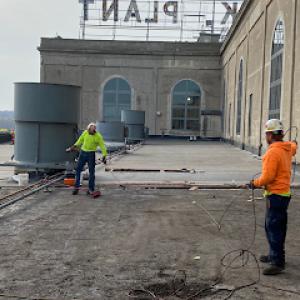
With a legacy dating back to 1848, St. Louis Roofing Company offers a tradition of quality and excellence. This woman-owned business is a premier roofing contractor, providing expert commercial and industrial services. From TPO and EPDM to metal roofing, their skilled union roofers specialize in a wide range of systems. They are committed to safety and high-level customer service, offering comprehensive solutions including leak investigations, storm damage repairs, and professional roof evaluations. St. Louis Roofing Company is a trusted, consultative partner for all your roofing needs. ISNet and Avetta Qualified.

Kirberg Company
(314) 534-4444 www.kirberg.com
Serving
4.1 from 18 reviews
Kirberg Company is the leading Midwest commercial and residential roofing contractor with unmatched roofing expertise for 100 years. We are a four-generation family-owned roofing company, established in 1920 and incorporated in the State of Missouri in 1974. We pride ourselves on being an innovative family with commitment to excellence in every service we offer. We've grown to serve the entire Midwest with offices in St. Louis, MO, Kansas City, MO, and Springfield, MO.
Weather-Tite Roofing Systems
Serving
5.0 from 34 reviews
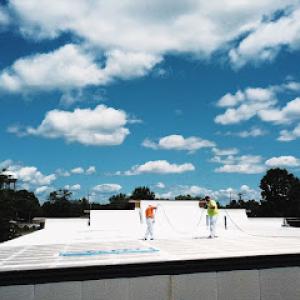
"Providing Affordable, Practical Roofing Solutions Since 2014." Weather-Tite Roofing Systems believes in affordable, practical solutions for our community roofing needs! Committed to excellence in every aspect of our business, we uphold a standard of integrity bound by fairness, honesty, and personal responsibility. Likewise, our distinction is in the quality of personnel and service we bring to our customers. Exceptional knowledge of our trade combined with outstanding craftsmanship is what makes us true professionals. Above all, we are watchful of our customers’ needs and interest while making both the basis of our business.
Accredited Roofing
(618) 616-7515 accreditedroofing.net
Serving
4.9 from 297 reviews
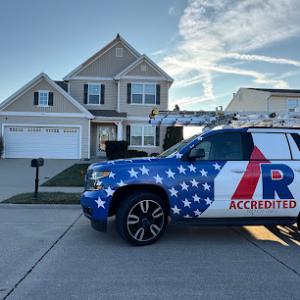
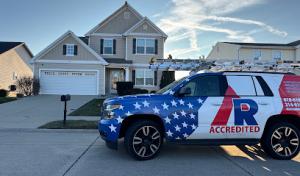
Accredited Roofing is a trusted leader in roofing and storm damage restoration, specializing in roof replacements, hail and wind damage repair, and comprehensive exterior solutions. Serving residential and commercial properties, we provide expert services in roofing repairs, vinyl siding replacement, gutter installations, tuckpointing, and soffit and fascia. With a reputation for excellence, authenticity, and unmatched customer service, Accredited Roofing ensures quality workmanship and durable solutions for every project. As storm damage restoration experts, we work closely with insurance claims to simplify the process. Contact us today for reliable, top-rated roofing and exterior restoration services.
Brentwood Roofing & Construction
(314) 222-9527 www.brentwoodroofingandconstruction.com
Serving
5.0 from 41 reviews
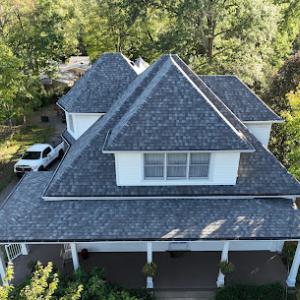
Brentwood Roofing & Construction provides reliable and affordable residential roof repair, installation, and commercial roofing services for your home and office in Brentwood and surrounding areas. Our mission is to provide our clients with high-quality, affordable solutions for all their roofing, gutter, and exterior building needs. Our contractors are industry certified and continually trained on world-class customer service standards. Our commitment to quality, professionalism, and exceptional service delivery makes us the best roofing company for your needs.
Jacob Roofing
(618) 345-7475 jacobsunroom.com
Serving
4.0 from 25 reviews
Daech & Bauer Roofing was acquired by the Jacob Family in 2014. Daech & Bauer was an established roofing company for over 20 years and it was the perfect company to add to Jacob Family Enterprises, Inc. The Jacob Family has continued the tradition of professional roofing and storm damage expertise. Whether you are ready for a roof replacement, repair, storm damage, insurance claim or a professional roofing inspection you can count on the Jacob Family to help!
Lagunas Roofing
(618) 300-5661 lagunasroofing.com
Serving
4.7 from 253 reviews
Lagunas Roofing is a full-service roofing company specializing in residential and commercial roofing. We cater to roofing, gutters, siding, and other roofing services. We are a family-owned and operated business founded in O’Fallon, IL. Over the course of 15 years, we have built our reputation as an esteemed roofing company in the Metro St. Louis region by working closely with our customers to provide the highest quality work. Trust your home to a local expert in roofing.
R&R First Choice Roofing
Serving
5.0 from 8 reviews
Since 1985, R&R First Choice Roofing has been the first choice to call for exterior improvement services. Our family-owned company will improve the look and functionality of your residential or commercial roof. We're known for our storm damage repairs and roof installation services. However, we also offer a wide range of exterior improvement solutions like gutter cleaning, specialty coatings, roof waterproofing, lightning rod installation and siding repairs and installations. We offer free estimates on all services along with senior and military discounts.

Edwards & Sons Roofing
(618) 476-1480 edwardsrestore.com
Serving
5.0 from 115 reviews
At Edwards and Sons Roofing Services, ensuring our customers are completely satisfied is our number one goal. We are dedicated to delivering outstanding quality, professionalism, and unparalleled customer support. Our comprehensive range of construction services is designed to cater to your specific needs, whether it’s conducting hail or storm damage assessments, providing roofing solutions for both residential and commercial properties, installing siding, offering guttering services, or general contracting. Our team of experts is committed to excellence, managing to complete most roofing projects within a single day to minimize any inconvenience to your daily routine. Choose Edwards and Sons Roofing Services for all your external constr...
Full roof replacement in East St. Louis typically requires a permit through the local Building Department. The process is designed to ensure that weatherproofing, underlayment, and venting meet code during a season when hail and wind events are common. Start by confirming your project scope with the Building Department before any materials are ordered or work begins. Having a clear, line-by-line plan ready helps the review move faster, especially when storm-damaged properties are weighing on crews' schedules after a hail event.
The city typically requires a licensed contractor for roof replacement work submitted for review. That means you'll need to provide contractor details with the permit application, along with proof of insurance and any required disclosures. Verify the contractor's license status with the state and confirm they are qualified for residential re-roofing projects. A licensed professional in this area will also coordinate inspections and handle the paperwork necessary for final approval, reducing the chance of delays caused by missing documents.
Inspections are commonly scheduled at the underlayment stage and again at final completion. Plan your timeline around these milestones, and communicate with the Building Department and your contractor about their expected dates. In East St. Louis, weather windows can shift quickly, so align the inspection dates with clear, dry days when possible. If the underlayment inspection passes but the final inspection runs into a rain or hail recovery period, ask for a provisional pass if the work has progressed to a point that meets code while awaiting favorable weather.
Some permit steps run through a digital portal that can experience backlog. During peak claim seasons, submissions and scheduling may lag by a few days. Have your contractor monitor the portal and respond promptly to any requests for supplemental information. If delays arise, maintain steady communication with your contractor and the Building Department to minimize hold times and keep the project on track for inspections.
You should be prepared to provide: project address, a detailed scope of work, and a builder's risk or commercial general liability certificate. If the project involves storm damage, keep a curated file of damage photos, notices from the insurer, and any remediation steps taken prior to permit submission. The Building Department may request variance or drainage-related information, so coordinate drainage plans and ensure roof edge details meet local requirements to avoid a second review.
A licensed contractor who understands the local permit terrain will streamline the process from initial submission through final approval. Maintain a single point of contact for permit questions, and keep the homeowner's file organized with inspection checklists and correspondence. In this market, steady, proactive communication often saves days or even weeks when weather or backlog pushes schedules off course.
Provided local ranges run about $350 to $650 per square for asphalt shingles, $700 to $1200 for metal, $900 to $1700 for clay tile, $800 to $1500 for concrete tile, $600 to $1100 for wood shingles or shakes, and $1100 to $2000 for slate. In practice, those numbers reflect the after-hail demand that hits the metro as storms roll through, especially when many homeowners are replacing roofs at once. If you're comparing bids after a storm, expect tight schedules and some upward pressure on materials and labor during peak demand.
When hail season hits, East St. Louis crews often run at capacity. That means faster decision timelines for homeowners and higher bids from contractors who can lock in slots. If a claim is involved, the urgency to move from inspection to shingle replacement can push prices slightly higher than the baseline. Plan for a short but decisive window to choose materials, sign a scope, and schedule the start date so you don't get squeezed by delayed mobilization.
Start with asphalt shingles if you're balancing cost and reliability, but know the upper end of metal or concrete/clay options can become more attractive after a hail event due to durability. For clay or concrete tiles, anticipate longer installation times and potential extra framing or underlayment requirements. Material selection should align with the roof's exposure, the current underlayment, and the long-term weather pattern typical to this floodplain area.
Timing matters. Storm-driven demand and inspection backlogs can introduce scheduling friction that affects labor availability and project cost. When choosing a contractor, request a detailed timeline with key milestones: material delivery, roof removal, underlayment installation, and final inspections. If a claim is involved, ensure the scope and pricing are shielded from last-minute changes by obtaining written contingencies for weather delays and access limitations.
Get a clear picture of your project costs upfront - no commitment required.


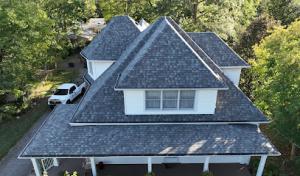
Asphalt shingles are the dominant practical choice in East St. Louis because they fit the local re-roofing-heavy market and lower replacement budgets after storm losses. You'll find a wide selection of profiles and colors that can blend with existing homes without a long lead time, which matters after hail events. In a neighborhood where roofs bear the brunt of repeated hail and wind cycles, asphalt shingles offer faster installation with serviceable durability. Look for shingles with a good impact resistance rating and a stout underlayment plan, because quick repairs after a storm are common and you want a system that can be resealed and re-secured without specialized tools or long outages. Color and texture can also help shed heat in the Mississippi River humidity, helping to keep attic temperatures manageable after a long June sun.
Metal roofing is a meaningful upgrade path locally for homeowners prioritizing durability through repeated hail and wind cycles in the St. Louis metro. Steel or aluminum panels provide solid hail resistance and a higher wind load tolerance, which can translate to fewer rapid repairs after the next round of storms. In East St. Louis, a metal roof can reduce the risk of storm-related leaks by offering a continuous surface with fewer vulnerable fastener points, especially when installed with a quality panel seam and a robust attic ventilation pairing. Metal also tends to shed wind-driven debris more predictably than thinner shingles, which helps during severe gusts. If choosing metal, pay attention to thermal expansion details and paint finishes that hold up under humid summers. A dependable roof color and coating can minimize heat buildup in attic spaces that already contend with high humidity.
Tile, wood shake, and slate exist in the market but are less common and can be harder to repair quickly after regional storm events. In East St. Louis, this means longer lead times for replacements, more specialized labor, and higher vulnerability to hail damage that creates cracking or splitting. Repairs on these roofs require skilled, often regionally available trades, and a single storm can complicate sourcing the right pieces or matching existing textures. If this style is already on a home, plan for rapid inspection after a hail event to catch hairline cracks that can spread with humidity and temperature swings. While they offer distinct aesthetics, those materials demand careful initial framing compatibility, reliable underlayment, and predictable maintenance cycles to stay resilient during the metro's storm rhythm.
Hot, humid summers pressue roof systems in this region more than milder climates. Persistent moisture can leave decks and attic spaces damp, inviting mold growth in shingle valleys and near vents. The repeated heating and cooling cycles, especially on dark materials, cause faster aging of the underlayment and granule loss on asphalt shingles, which in turn reduces reflectivity and elevates heat absorption.
A roof in this area sits on a foundation shaped by river humidity. The floodplain environment keeps relative humidity higher for longer portions of the year, stressing attic ventilation performance. When soffits and ridge vents clog or operate poorly, heat and moisture accumulate, encouraging condensation on the underside of roofing decks. Over time, that condensation can lead to wood components warping or accelerated rust on metal hardware.
Adequate attic ventilation matters more here than in drier regions. A well-balanced mix of intake and exhaust vents helps stabilize interior temperatures and reduces the likelihood of trapped moisture that rots sheathing or softens roof decking. Consider resealing around penetrations and ensuring flashing remains weather-tight, because even small leaks magnify under humid conditions in summer heat.
Installations in peak summer heat can be more difficult locally, affecting crew timing and material handling. Hot days slow work, increase the risk of improper nailing or rushed flashing, and can temporarily compromise warranty protections if work zones overheat. Planning around cooler mornings or late afternoons, and ensuring shaded staging areas, helps crews maintain quality and safety.
In a climate with frequent hail and humidity, micro-damage from storms may go unnoticed until the next heat cycle reveals leaks or sagging decks. Regular inspections after heavy storms, especially on shaded, north-facing slopes, catch early signs before they worsen, preserving the roof's integrity through muggy seasons.
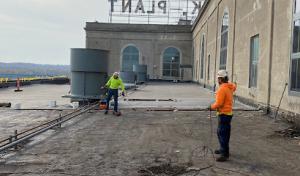
Low-slope roofs in this market must move water away quickly to prevent leaks. Heavy spring rain makes drainage performance and ponding control especially important on flat and low-slope decks. Check the edge details where water often sits longer and inspect any internal drains, scuppers, or sump configurations for blockages. If ponding lasts longer than a day after a storm, plan to re-evaluate the drainage plan and consider additional crickets, tapered insulation, or a minor regrading to encourage flow toward the drainage points. Keep a close eye on seams and flashing around penetrations; those weak spots are where standing water can begin to cause trouble.
This market supports a mix of residential and commercial stock, so common low-slope materials react differently to humidity and debris. For asphalt-based membranes, confirm the roof is fully sealed at terminations and term strip joints. For metal or modified bitumen, pay attention to edge flashing and fastener security after a windy season. In East St. Louis climate, drainage capacity aligns with roof surface texture; smoother surfaces shed water faster, while granular or granule-less surfaces may trap moisture longer. Choose detailing that resists standing water in corners and along parapets. Regularly verify that ballast, if present, holds evenly and does not shift with temperature swings.
Autumn debris and winter freeze cycles can worsen drainage-related wear on low-slope roofs. Fallen leaves and shingle grit can clog drains and scuppers, while freezing cycles push water to alternate pathways, stressing seals. In spring, inspect for microcracks around joints where ice moisture expanded during cold snaps. Schedule follow-up checks after heavy rains or storms to catch early signs of edge pooling, pooling at seams, or flashing separation before a leak develops.
Establish a post-storm inspection routine: after each significant rainfall or wind event, walk the perimeter and inspect parapets, edge details, and drain points. Note any changes in ponding areas or unusual debris accumulation. Document with photos and keep a simple log, especially if there are signs of moisture intrusion or bubbling on the membrane. Early documentation helps with rapid decision-making and durability planning for this climate and stock mix.
Find specialists in TPO, EPDM, and built-up flat roofing systems for residential and commercial properties.
LDL Roofing & Construction
(618) 900-8399 ldlroofingandconstructionil.com
Serving
5.0 from 22 reviews
Emergency leak response is a common local need because East St. Louis roofs are frequently hit by fast-moving storms. When water begins to show inside, your priority is to stop the flow and document damage. Move occupants and valuables to safety, then perform a quick exterior check from ground level if safe to do so. Note visible punctures, lifted shingles, and missing granules. Take clear photos from multiple angles and keep a simple dated log of when the leak started and any accompanying wind or hail events.
Temporary tarping is especially relevant here when hail or wind damage happens during permit backlog or insurer response delays. Use a heavy-duty tarp long enough to cover the affected area and fasten it securely with plywood or boards on the edges to resist wind uplift. Seal edges with flashing tape or roofing cement, then secure with nails or screws every 12-18 inches. Check tarps after every storm and re-tarp immediately if the cover loosens. If you don't have the tools, nearby neighbors or a local emergency roofing service can provide rapid tarping to prevent interior damage.
Skylight leak repair appears as a recurring specialty in the East St. Louis contractor market rather than a rare add-on service. If you notice condensation, puddling, or ceiling staining near a skylight, avoid interior raking or probing the seal. Schedule a targeted inspection with a contractor who specializes in skylights, as improper resealing can worsen leaks and require larger roof area work.
Keep a ready file with photos, notes, and dates of events to speed claims. When contractors provide assessments, request a written scope that clearly itemizes leak-found areas, tarping status, and a proposed timeline for repairs. If a claim is filed, share the documentation promptly with your insurer to support fast decisions and reduce back-and-forth delays.
Find contractors experienced in skylight installation, flashing, and leak repairs to bring natural light into your home.
Brentwood Roofing & Construction
(314) 222-9527 www.brentwoodroofingandconstruction.com
Serving
5.0 from 41 reviews
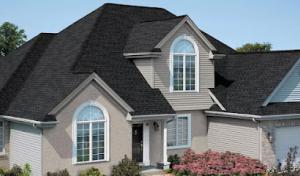
In East St. Louis, the market leans toward re-roofing and storm restoration rather than new construction, so conversations with a contractor will often center on replacement, timelines, and post-storm scheduling. Look for firms that handle insurance-documented repairs, temporary protection, and rapid cleanup to minimize home disruption. A practical roofer will align work flow with occupied homes, prioritizing daily progress updates and clean fall-through on debris removal.
When vetting candidates, ask how they manage fast response after hail events and how they keep projects moving during hot, humid weeks near the river. Contractors should offer transparent communication, a clear plan for storm damage assessment, and a documented process for securing and protecting interior spaces. Choose a crew that uses efficient cleanup routines, drives away nails and debris daily, and leaves a tidy job site each evening to reduce neighborhood complaints.
Long-standing, family-owned or locally owned firms often provide the continuity homeowners want through claims, inspections, and warranty follow-up. Look for a company with a local footprint, a stable team, and a history of standing by work after the last shingle dries. Ask for references from nearby neighborhoods with similar housing stock and weather exposure, and verify they will remain reachable for years after installation.
Require side-by-side comparisons that include scope of work, underlayment type, and a clear schedule with milestones. Confirm who supervises the crew on site each day and how occupied-home safety is maintained during high-traffic hours. Ensure the contractor documents all storm-damage observations and provides a concise, itemized post-installation checklist for your records. In this climate, a straightforward, accountable partner makes the process smoother from inspection to warranty follow-up.