
Last updated: Apr 19, 2026
Oak Lawn sits in the Chicago-area hail and wind corridor where spring storms regularly trigger roof claim activity and contractor scheduling surges. That predictable pattern means your roof is constantly at risk during the thawing weeks after winter and the gusty days that follow a thunderstorm. Hailstones the size of marbles or larger can leave unseen divots that weaken granules and flashing, while strong winds peel back edges of shingles or lift vent seals. Each season, a tight cluster of new claims appears in the local inboxes and on contractor calendars, and delays can cost you days of vulnerable coverage. Stay tuned to the forecast, but plan for immediate action when the first reports of hail sweep across the neighborhood.
Freeze-thaw cycling after winter storms can turn small shingle or flashing defects into active leaks by spring in Southwest suburban homes. A single freeze can push a nail or shingle edge just enough to open a path for rain, and a warm day followed by a sudden cold snap can force cracks to widen. The result is a creeping leak that might not show up until after a heavy spring rain or even a mid-summer shower. In practice, that means you should treat any popped granules, lifted edges, or wet spots on ceilings as a sign to inspect quickly. A roof that seemed fine in March can show evidence of damage by April or May, when strong storms return and the sun bakes stressed areas, accelerating deterioration.
The local storm-damage cycle creates urgency: emergency repairs and immediate tarping are not optional when rain is imminent. If shingles are missing or flashing is exposed, a temporary cover can prevent further interior damage while a permanent fix is arranged. Your goal is to prevent wind-driven rain from finding a way inside, especially around valleys, chimneys, and skylights. Document the damage with photos and keep a log of dates and storm events, because time matters when insurers and contractors coordinate in a tight market. When a contractor arrives, prioritize a clear plan for temporary protection, leak-suppressing measures, and a realistic schedule for full-repair work. Delays can compound damage, increase the risk of interior mold, and extend the period of turmoil for your home.
The local contractor market strongly reflects storm demand, with storm damage, emergency repair, and insurance-claims services appearing at unusually high rates. In Oak Lawn, it's crucial to verify credentials, confirm licensing where applicable, and review recent storm-related projects. Start with a short list of vetted roofers who can demonstrate experience with hail and wind damage, then request on-site assessments that focus on shingles edges, flashings, and attic signs of moisture. Ask for detailed repair sequences: gutters and downspouts checks, flashing reseal options, and a plan for a full-re-roof if the damage spans multiple courses or seasons. In a tight market, clear communication and a documented, staged plan reduce the risk of misaligned expectations and accelerate the path from assessment to protection.
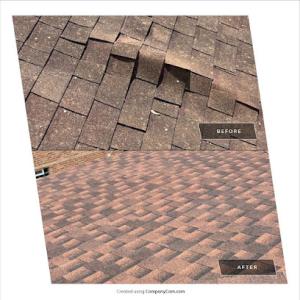
Odin’s Construction Group Roofing Siding Gutters
(708) 261-1634 www.odinsconstruction.com
4901 W 109th St, Oak Lawn, Illinois
5.0 from 170 reviews
We are a family owned company, Specializing in roofing siding and gutters. Chicagoland suburbs and entire Illinois we are dedicated to delivering results that stand the test of time. We work with all insurance companies also when you have sustained storm damage. Unmatched Attention to Detail: From the initial comprehensive inspection to the final nail and clean-up, every step of our process is executed with meticulous precision. We believe true quality is found in the details others overlook.Superior Materials Only: We partner with industry-leading manufacturers GAF, Owens Corning, CertainTeed, James Hardie) to source and install the highest-grade material. We have a proven track record of satisfied customers just look at our reviews.
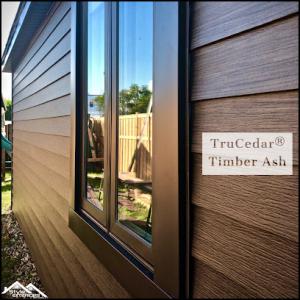
Style Exteriors by Corley
(708) 292-0410 styleexteriorsbc.com
10600 S Cicero Ave, Oak Lawn, Illinois
4.9 from 165 reviews
Style Exteriors By Corley is your trusted partner for residential roofing and exterior home solutions in the Chicagoland area. We specialize in all-things roofing, siding, and gutters. From roofing installations and repairs to exterior siding and gutter replacements, we know how to enhance the beauty and functionality of any property. Our team is dedicated to delivering exceptional craftsmanship and customer service, ensuring your home receives the attention it deserves. Contact us today to learn how we can help.
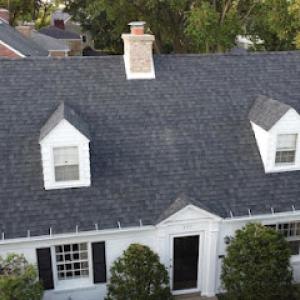
Montes Roofing
(708) 790-2507 montesroofingsystems.com
10344 Kilpatrick Ave, Oak Lawn, Illinois
4.7 from 38 reviews
Montes Roofing is a trusted, family-owned and operated roofing company proudly serving the Chicagoland area since 1972. With over 50 years of experience, we specialize in delivering top-quality roofing solutions tailored to both residential and commercial clients. Our licensed and insured team provides expert roof repair, installation, maintenance, and restoration services. Known for our free, no-obligation estimates and commitment to excellence, Montes Roofing is dedicated to ensuring customer satisfaction on every project.
Storm Restoration Services
(312) 312-6785 www.roofrescuer.com
9850 S Cicero Ave ste 3, Oak Lawn, Illinois
4.6 from 31 reviews
Storm Restoration Services Weather events such is Hails Storms, Wind Storms or Snow Storms can potentially damage our properties. Our Company is designed to prevent more damage to our roofs or siding. Let us do a free Inspection on your Home and let you know if we can help having the insurance pay you for full replacement on your house. we also work outside of insurance. is no job to small or too big to repair please call us 312.312.6785 or visit us
Oak Lawn Roofing
(630) 869-1593 oaklawnroofings.com
10704 Kilpatrick Ave, Oak Lawn, Illinois
5.0 from 8 reviews
Welcome to Oak Lawn Roofing, the trusted provider of quality roofing services. We offer reliable and comprehensive roofing services, providing our customers with top-notch service and unbeatable value for money. Our team of skilled and experienced roofers will deliver a job that not only meets but surpasses your expectations in terms of quality and craftsmanship. We understand how important it is to have a roof over your head, and this is why we commit ourselves to delivering excellent roofing solutions tailored to meet all your needs and requirements. With reasonable prices and quick turnaround times, we pride ourselves on being the go-to Oak Lawn roofing contractor for any project, no matter the size or complexity.
Heritage Contractors
(773) 887-0268 www.heritagecontractors.net
Serving
5.0 from 112 reviews
Heritage Contractors is a family owned business, servicing the Chicagoland area. We specialize in roofing, gutter, siding, and window replacement. Heritage Contractors incorporated 20+ years ago and at the time focused on building new homes and additions as well as interior remodeling. After a decade, our focus shifted to exterior construction when we saw a need for homeowners to work with an honest and fair company to help maintain the exterior of their homes. Our team strives to make the process of maintaining your home stress free and affordable. Please feel free to ask us for references of previous clients we have worked with. Take a look at our website which includes Google reviews to see what past clients have stated about our service
NSS Exteriors
(708) 385-5815 www.nss-exteriors.com
Serving
4.8 from 41 reviews
Established in 1966, NSS Exteriors is one of the Chicagoland's oldest and most respected skylight and architectural sheet metal contracting firms. We specialize in sales and installation of daylighting (skylights, sun tunnels), architectural sheet metal, windows, architectural/metal siding, gutters, flashings, panel walls, ventilation systems and more. Our services are available for residential, commercial and industrial applications. Browse through our website to read more about the services we offer, view pictures of our work and contact us online or by phone. If you have any questions regarding products, services or if you need technical advice.
JV Roofing & Construction Solution LLC | Roof repair | Roof replacement | Commercial roofing | Gutters |
(773) 824-5280 jvroofingandconstruction.com
Serving
5.0 from 25 reviews
At JV Roofing, we provide top-rated residential and commercial roofing services in the southwest suburbs of Chicago, including Orland Park, Joliet, Bolingbrook, Oak Lawn, and surrounding areas. With over 10 years of experience, our licensed roofers specialize in roof repairs, roof replacements, inspections, and storm damage restoration. We use only high-quality materials to ensure long-lasting results and customer satisfaction. Whether you need asphalt shingles, flat roofing, or emergency roof repair, JV Roofing is the trusted local roofing company you can count on. Call today for a free estimate and experience the difference with reliable, affordable roofing in your neighborhood!

Prusak Roofing
(708) 422-2624 www.prusakroofing.com
Serving
4.8 from 189 reviews
For over 55 years, Prusak Roofing has been the trusted choice for home and business owners in Chicagoland. As a family-owned and operated roofing company, we prioritize exceptional customer service. Our commitment to perfection is evident in every job we undertake. Whether it's asphalt shingles, EPDM roofs, or new metal roofing, we deliver outstanding results. Our comprehensive range of services includes roof leak and water damage repair, shingle replacement, flashing and gutter repair, emergency tarping, and temporary repairs, as well as ventilation system repair and maintenance. Trust Prusak Roofing for all your roofing needs and experience the difference of our dedicated service and expertise.
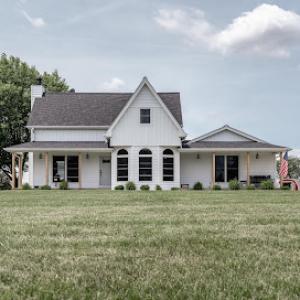
Lang Home Exteriors
(708) 774-1098 langhomeexteriors.com
Serving
4.9 from 377 reviews
Lang Home Exteriors is a family-owned company on the south side of Chicago that specializes in roofing, siding, soffit, fascia, gutters and attic insulation. Our top priority is to provide homeowners with industry-leading products and exceptional craftsmanship while working within their budget to add value to their home.
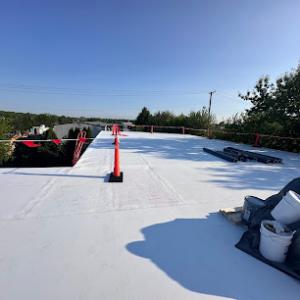
Eddie's Roofing & Exteriors
(708) 774-5628 www.eddiesexteriors.net
Serving
4.9 from 19 reviews
Eddie's Exteriors is a roofing contractor in Burbank, IL that services Cook County, Chicago, Burbank and nearby areas. Our roofing company offers residential roofing, commercial roofing, roof repair, siding installation, gutter installation and many more. If you want to experience your most trusted Chicago roofing company's excellent services, call us now for free estimate!
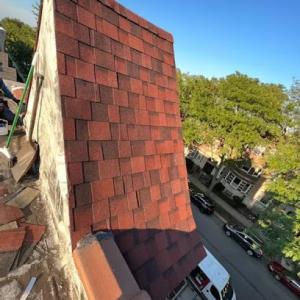
Illinois Affordable Roofing & Tuckpointing
(312) 890-7969 www.illinoisaffordableroof.com
Serving
4.7 from 52 reviews
We service Commercial, Residential, and Industrial, we are family owned and operated since 1989. We specialize in Flat roofs, shingle roofs, EPDM Rubber roofs & TPO Rubber roofs, Tear off and overlay, facial and soffit repairs, aluminum roof coating, chimney, skylight repairs, siding, gutter repair, new gutters, metal roofs, roof tarping, concrete repairs, Masonry tuckpointing, and waterproof split face Brick. We are offering 24 Hour emergency repair service, we are licensed, bonded and insured & all materials come with a warranty.
Asphalt shingles are the dominant practical choice in Oak Lawn because they fit the area's common re-roofing needs and broad range of postwar residential rooflines. They strike a balance between installation speed, repairability, and compatibility with typical attic ventilation patterns found in mid-century ranches and suburban capes. In the face of Chicago-area freeze-thaw cycles, choosing a shingle with good granule retention and strong wind resistance pays off when storms arrive. Look for fasteners and seals that hold up under repeated ice and snow events, and opt for a product with proven performance in cooler climates. Proper alignment, consistent nailing, and a solid ice-and-water membrane at eaves and valleys help minimize edge failures and microscopic leaks that often travel unseen until a thaw.
Metal, clay tile, concrete tile, wood shake, and synthetic products all appear in the market, but heavier tile systems may require added documentation during permitting in Oak Lawn. If considering metal, choose profiles designed for strong wind environments and ensure the roof deck can support the extra weight or that the structure is reinforced where needed. Clay and concrete tiles bring longevity and a distinct look, but their heavier weight demands a capable roof structure, plus careful attic clearance and proper venting to prevent heat buildup and frost-related issues near roof edges. Wood shakes offer rustic appeal and good insulation value, yet they need periodic maintenance to prevent rot and insect intrusion in this climate. Synthetic shingles provide options that mimic traditional looks while potentially offering improved impact resistance and longer color stability, but verify that the product performance aligns with the seasonal freeze-thaw stresses and the local hail history.
Underlayment and ice-protection choices matter more in Oak Lawn than in milder climates because Chicago-area ice damming and repeated freeze-thaw exposure stress roof edges and penetrations. Prioritize a high-performance underlayment that resists tearing and remains effective as temperatures swing below freezing. Install a robust ice-and-water shield at the eaves, valleys, and around penetrations to reduce the risk of water intrusion during heavy snows or rapid thaws. Ensure flashing around chimneys, vent stacks, and attic vents is tailored to resist wind-driven moisture and is properly sealed with compatible sealants that hold up in freeze-thaw cycles. Ventilation near the attic floor helps balance condensation that can otherwise compromise roof stability and insulation effectiveness.
When selecting materials, match the roof type to the house's geometry and the neighborhood aesthetic. The dense postwar housing stock on varied rooflines benefits from materials that offer straightforward repairability and a reliable track record in this climate. Consider edge protection, drip edges, and strong, corrosion-resistant fasteners to prevent edge corrosion and wind uplift failures. For any alternative to asphalt, verify deck compatibility, local wind ratings, and compatibility with existing flashing details. Regular inspections after hail season and early spring checks for ice dam-related staining help catch issues before they become costly repairs.
A full roof replacement in Oak Lawn typically requires a permit through the Village of Oak Lawn Building Department. Before any tear-off begins, your contractor should pull the permit, and you should expect the project to be reviewed for compliance with local code, drainage, setbacks, and load considerations for the chosen roofing system. Remember that the permit is not a mere formality; it ties into safety checks that protect both your home and neighbors during a winter-dry, hail-prone season.
The permit process starts with a simple application, but Oak Lawn often requires clear documentation. Have your contractor supply a roof plan, a product specification sheet for the chosen roofing material, and a site plan showing roof material dimensions and any venting or chimney penetrations. If the project involves a tile or metal roof, anticipate additional documentation or details to satisfy the particularities of those systems, such as underlayment type, fastener patterns, and flashing details. In this town, the Building Department tends to look closely at roof edge protection and proper ventilation, given the freeze-thaw cycles that can magnify minor installation flaws into bigger issues after a harsh winter.
Inspections in Oak Lawn are generally scheduled during installation and again at project completion, rather than handled as a purely paperwork-only process. The on-site inspections verify that the decking is sound, underlayment is properly installed, and flashing around chimneys, skylights, and vent stacks is correct. Expect the inspector to confirm proper attic ventilation and that roof penetrations meet code, especially in homes with older ventilation layouts or retrofitted attic fans. If a nailer or batten system is used for a specialty roof, the inspector will check spacing, securing methods, and compatibility with the chosen shingles or tiles. Because a hail and wind environment is common here, inspectors may pay particular attention to wind uplift details, edge fasteners, and hip and ridge connections.
Some tile or metal roof projects in this market may trigger additional documentation requirements beyond a standard asphalt re-roof. For metal, be prepared for substrate compatibility notes, panel fastening details, and potential seismic or wind uplift considerations tied to local amendments. For tile, expect verification of tile alignment, underlayment compatibility, and proper headlap. Your contractor should coordinate any extra filings or confirmations so the project remains compliant throughout the installation, reducing the risk of rework during inspections and after the storm season.
Oak Lawn pricing is influenced by Chicago-area labor and disposal costs, especially during post-storm demand spikes when re-roofing crews are heavily booked. Asphalt shingles remain the baseline cost option in Oak Lawn, reflecting a balance between upfront price and long-term performance against freeze-thaw cycles and hail. In this market, insurance-driven storm work can push labor charges higher for a full roof replacement, and disposal fees tend to ride up when crews are juggling multiple jobs after a hail event. Expect the lower end of the asphalt range near the neighborhood norm, with increases when crews are consolidating travel time and securing material stock in peak season.
Metal roofing rises sharply from asphalt due to installation complexity and, for some projects, extra permit documentation. In Oak Lawn, metal systems can span a broader range because specialty flashing, venting, and underlayment steps add labor hours. Tabs-and-shingle configurations stay common, but some homeowners opt for metal when hail risk or wind exposure is higher, aiming for longer life despite higher initial costs. Tile options-clay and concrete-see even higher costs due to heavier weights, crew coordination, and potential structural checks. Clay tile tends to sit at the upper end of the spectrum, while concrete tile offers a slightly more forgiving cost profile but still commands a premium over asphalt.
Costs can also move based on the area's common tear-off work on aging roofs rather than simple overlay jobs, plus access constraints on closely spaced suburban lots. A full tear-off is more likely during post-storm rebuilds when existing shingles show widespread hail impact, roof deck checks, and vent repairs become necessary. Access challenges on tight driveways or narrow alleys can add maneuvering time for equipment and waste removal, pushing labor charges upward even before material prices are considered.
When budgeting, start with asphalt as the baseline and compare quotes that break out tear-off, disposal, and any required underlayment upgrades. If a project needs durable protection against hail and wind, and access is tight, expect higher bids for metal or tile, with a careful eye toward warranty terms and anticipated maintenance cycles after severe winters.
Don't let upfront costs delay a critical repair - these contractors offer payment plans to fit your budget.
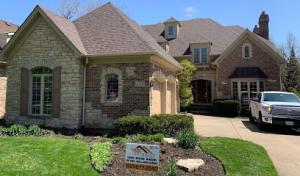
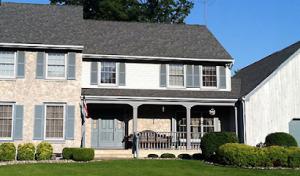
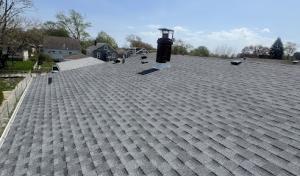
When a hailstorm or strong winds rakes through the Southwest Suburbs, Oak Lawn homes often face adjuster visits that drill down to every shingle and fastener. Insurance companies in this market expect a close review of documentation, and an on-site assessment can determine how much of the roof damage they'll cover. If hail dents, bruise marks, or missing granules show up after a storm, be prepared for a thorough inspection that stops at nothing to verify the claim.
After a storm, photo evidence becomes your first line of defense. Take clear pictures from multiple angles, capture any interior leaks, and document debris around the yard and driveway. Do not skip noting the exact date of loss, as that timestamp helps align your claim with policy timing. Insurers in this area tend to request itemized estimates, so your contractor's breakdown should be ready to illustrate which roof sections were impacted and why.
Wind or hail endorsements and the way deductibles are structured can materially affect the recovery outcome. In practice, this means that the amount your carrier reimburses may hinge on the specific terms attached to the policy, including any stair-step or wind/hail-specific language. Understanding these details before or soon after a storm helps you set realistic expectations for what can be recovered.
Keep a running folder of storm-related materials. If a claim is opened, respond quickly with organized photos, the date of loss, and an itemized estimate from a knowledgeable Oak Lawn contractor. Delays or gaps in documentation can stall settlement and complicate the review process.
Storm season watchfulness matters. In this market, timely follow-up on claim status, clear communication with the adjuster, and precise record-keeping are your best leverage to navigate the process without surprises.
Connect with contractors who help homeowners navigate the claims process from damage assessment to final approval.
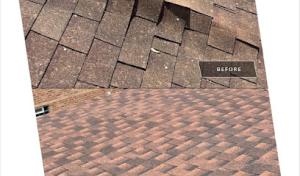
Odin’s Construction Group Roofing Siding Gutters
(708) 261-1634 www.odinsconstruction.com
4901 W 109th St, Oak Lawn, Illinois
5.0 from 170 reviews
Style Exteriors by Corley
(708) 292-0410 styleexteriorsbc.com
10600 S Cicero Ave, Oak Lawn, Illinois
4.9 from 165 reviews

Storm Restoration Services
(312) 312-6785 www.roofrescuer.com
9850 S Cicero Ave ste 3, Oak Lawn, Illinois
4.6 from 31 reviews
Flat-roof sections in this market require rigorous attention to drainage details because Chicago-area snow load, ponding risk, and freeze-thaw exposure amplify membrane wear. Ensure roof slopes toward the drains with a consistent fall that avoids dead spots where water can linger through freezes. Verify that fabric and membrane transitions at penetrations are continuous and that any crickets or tapered insulation are integrated so standing water cannot create micro-pools near parapets or at transitions.
In Oak Lawn, trouble often centers on transitions between the main roof and additions, at parapet edges, and around drains. The most vulnerable details are where flashings meet wall planes or where new additions tie into an old low-slope surface. Regularly inspect around scuppers, interior parapets, and ladder-access points for signs of blistering, edge uplift, or pooled moisture. Pay special attention to membrane seams that run through transitions or changes in roof height, since these are typical failure paths after freezes and storms.
When selecting materials for low-slope sections, consider membranes with proven resilience to hail and wind uplift common in this climate, plus compatible fasteners and flashing accessories for parapet edges. Ensure that edge metal and termination details are corrosion-resistant and that membrane laps are mechanically fastened where wind exposure is high. For additions, require a continuous, integrated drainage objective rather than piecemeal patchwork that creates concealment gaps.
Implement a twice-yearly inspection routine focused on drainage outlets, sealants around penetrations, and the condition of parapet coping. After heavy hail or high-wind events, treat any minor damage promptly to prevent baseline deterioration from ice and thaw cycles. Keep clear of debris near drains and ensure access points remain secure and watertight throughout the winter.
Find specialists in TPO, EPDM, and built-up flat roofing systems for residential and commercial properties.
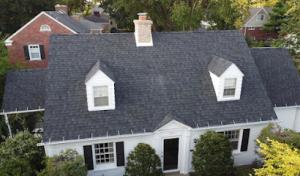
Montes Roofing
(708) 790-2507 montesroofingsystems.com
10344 Kilpatrick Ave, Oak Lawn, Illinois
4.7 from 38 reviews
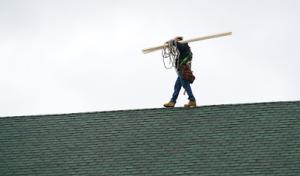
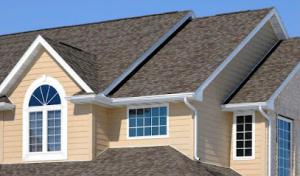
JV Roofing & Construction Solution LLC | Roof repair | Roof replacement | Commercial roofing | Gutters |
(773) 824-5280 jvroofingandconstruction.com
Serving
5.0 from 25 reviews
Skylights matter in the local market because enough contractors specialize in them to indicate recurring homeowner demand for repair and replacement. In Oak Lawn, the combination of freeze-thaw cycles and hail can beat up the flashing around a skylight faster than the surrounding roof surface, so leaks often start at the edges rather than in the field. When a skylight shows condensation, soft plywood, or interior staining after a storm, the first step is to inspect the curb and the seal around the unit for signs of wear or cracking.
Chimney-related roof work is a visible part of the contractor market, reflecting the area's older housing stock and masonry penetration details. Chimneys with brick or block joints often develop deteriorated counterflashing where it meets the roofing material. In storms, wind-driven rain can push water under the flashing and into the attic space. The most reliable fix is to reseal and reflash the stack, then weatherproof the chimney chase with proper flashing and a counterflashing corner as needed.
In Oak Lawn's freeze-thaw climate, flashing around skylights and chimneys often fails before the main field of roofing does, especially after hail or winter ice. This failure pattern means homeowners should prioritize checking flashing during every seasonal inspection, not just after a heavy rain. Look for loose or lifted shingles near penetrations, cracked sealant, and corrosion on metal flashings. A small preemptive repair here can prevent a larger roofline leak and interior damage.
Inspection steps are practical: start at the penetration seals when walking the attic, verify the condition of the membrane beneath the skylight or chimney, and test for water entry by gently spraying from the exterior during a controlled rain test. In crowded Oak Lawn homes, upgrades often pair new flashing with reinforced drip edges to improve long-term durability.
After a severe storm, inspect attic insulation seals and interior ceilings for sudden staining, and arrange a prompt roofing professional visit. In this market, timely attention to penetrations keeps the rest of the roof healthier through another winter.
Find contractors experienced in skylight installation, flashing, and leak repairs to bring natural light into your home.
JV Roofing & Construction Solution LLC | Roof repair | Roof replacement | Commercial roofing | Gutters |
(773) 824-5280 jvroofingandconstruction.com
Serving
5.0 from 25 reviews
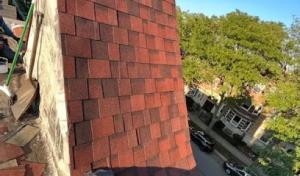
Illinois Affordable Roofing & Tuckpointing
(312) 890-7969 www.illinoisaffordableroof.com
Serving
4.7 from 52 reviews