
Last updated: Apr 19, 2026
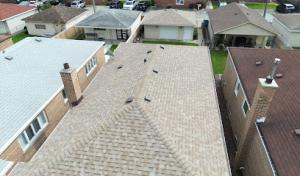
Tinley Park homeowners face a recurring mix of spring hail, heavy rain, and autumn wind events that commonly drive roof inspections and replacements. Those storms aren't a one-and-done event; they set into motion a domino effect of wear on flashing joints, underlayment, and shingle edges. When hail rocks off-angle, granules loosen and tiny leaks start as soon as the next storm hits. Wind rips at edges and ridge caps, forcing you to notice shingle lift, corner lifting, or torn sealant. The timing matters: if a warranty-eligible hail hit happens in spring, you could be chasing the damage through the summer heat and into autumn winds, long before the next strong weather cycle returns.
Winter into early spring freeze-thaw cycling in the Chicago south suburbs can open up flashing joints and worsen small shingle or underlayment failures before storm season begins. That crack-and-thaw pattern quietly widens gaps where water can intrude, even if the surface looks intact. When a storm arrives after a stretch of freezing nights, those micro-faults become major leaks behind the scenes. The result is a race against time: a small, hard-to-see defect can evolve into a full roof-traceable problem after the first significant thaw or heavy rain. If you've noticed ice damming or damp spots on ceilings during late winter, the damage timeline has likely accelerated right before spring storms.
Local contractor demand signals are dominated by storm damage, emergency repair, and insurance-claim work, showing that weather-driven roof problems are the city's most active roofing issue. When spring hail hits, emergency crews, temporary tarps, and rapid inspections fill the calendar. Autumn winds push up the number of call-backs for re-sealing, vent flashing, and ridge repair before the next winter dulls the calm. This pattern means that a typical roofing problem in this area isn't just about the visible dent or curled edge-it's about the hidden vulnerabilities that show up after a harsh blow. If your neighbors are posting photos of granule loss or you hear wind-driven debris rattling your gutters, act quickly. Delays invite moisture intrusion, mold growth, and accelerated wear that can undermine a roof's life span.
You should conduct a thorough post-storm assessment within 48 hours of a significant event, focusing on flashing around chimneys, skylights, vents, and underlayment seams. Look for lifted shingle tabs, granule loss in gutters, and dark spots on attic sheathing. If you notice any suspect area, document with clear photos and notes on the date and weather conditions. Do not wait for the next rain-have a trusted local contractor perform a targeted inspection so you can address the issue before it escalates. Keep an eye on the roof after freeze-thaw periods: a sudden warm spell followed by a rainstorm is a common trigger for newly exposed leaks to appear.
Don't let a minor opening become a major reconstruction. Buckled flashing, persistent damp patches in the attic after a storm, or sudden increases in ceiling stains signal a problem that's progressed beyond cosmetic repair. If shingles show widespread curling or edge lifting, or if attic insulation looks damp after a rain, treat it as urgent. In Tinley Park, the rhythm of hail, rain, and wind creates a reliable pattern of damage that surfaces quickly after storms-your best defense is fast recognition and prompt professional evaluation.
Johnny & Roofing Contractors
(708) 840-7112 roofingcontractorstinleypark.com
7245 174th Pl, Tinley Park, Illinois
5.0 from 46 reviews
Our roofing company Tinley Park located stands out for its credibility and can address every roofing challenge you have. From small-scale repairs to comprehensive roof overhauls, our adept team is on standby. We specialize in an extensive roster of roofing tasks, such as roof restoration, shingle setup, and regular flat-roof upkeep. Prioritizing premium, budget-friendly solutions, we invite you to book a consultation and witness the advantages of engaging with a trustworthy roofing Tinley Park team.
TopHat Roofers
(708) 864-4096 www.tophatroofers.com
18311 N Creek Dr SUITE J, Tinley Park, Illinois
5.0 from 42 reviews
TOPHAT ROOFERS is a professional and well established company with experience in all of your roofing, siding and gutter needs, whether it's repairs or replacement. We work with all insurance companies for hail, storm, and wind damage your property may sustain. Call today for your obligation free Inspections.
Rosales Roofing
(708) 864-4076 rosalesroofingllc.com
17451 Oak Park Ave #1n, Tinley Park, Illinois
5.0 from 36 reviews
"Rosales Roofing is a family-owned and operated roofing & exteriors company established in 2010. We specialize in steep slope asphalt-based shingles and roofing products. As well as wood, metal, engineered fascia and soffit, Aluminum, metal, and copper gutters, Wood, vinyl, and engineered siding. Other services we offer are preventative roof maintenance, gutter cleaning, gutter guard installation, and commercial/industrial repairs. Give us a call to get started today!
Omega Exteriors Midwest
(708) 580-2442 www.omegamidwest.com
Lake Bluff Dr, Tinley Park, Illinois
5.0 from 33 reviews
Omega Exteriors Midwest: Your trusted roofing partner in Illinois and Indiana. With over 20 years of experience, we deliver expert, premium roof replacement services, ensuring lasting protection and enhancing your home's value. Specializing in comprehensive storm damage solutions, we prioritize quality craftsmanship to meet your unique needs.
Skyline Construction Group
(708) 882-6441 skyline-construction.net
6040 Lake Bluff Dr UNIT 202, Tinley Park, Illinois
5.0 from 26 reviews
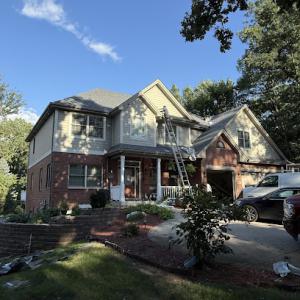
We offer Residential/ Commercial Construction & Insurance claims servies. (Roofing, Siding, Gutters, etc.)
EverRoof Roofing Company
(708) 840-7101 roofingcompanytinleypark.com
7243 Duvan Dr, Tinley Park, Illinois
4.9 from 32 reviews
EverRoof Roofing Company, proudly serving the Tinley Park area, is your trusted partner for high-quality roofing solutions. Our experienced team of roofing contractors near Tinley Park is dedicated to providing expert roof repair, replacement, and new roof installation for both residential and commercial properties. We understand that every roof has unique needs, which is why we offer personalized service—from helping you choose the best materials to addressing routine maintenance or urgent repairs. With a reputation for professionalism, precision, and reliability, EverRoof Roofing Company ensures your project is completed to the highest standards.
Allied Restoration Contractors - Roofing & Siding
(708) 949-4553 www.arcroofs.com
16555 Oak Park Ave B, Tinley Park, Illinois
5.0 from 17 reviews
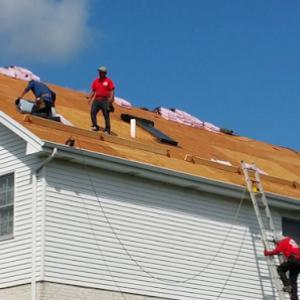
Allied Restoration Contractors is your trusted local roofing and exterior restoration expert serving the Chicago Suburbs. We specialize in residential and commercial roof replacements, storm damage repairs, and insurance claim assistance. As a family-owned business, we take pride in delivering honest inspections, high-quality craftsmanship, and exceptional customer service from start to finish. Whether your roof needs a minor repair or a complete overhaul, we’re here to protect your home and give you peace of mind. Contact us today for a free inspection!
Safe Roofing Adjusters
(312) 522-6895 saferoofingadjusters.com
7030 Centennial Dr #104, Tinley Park, Illinois
4.8 from 20 reviews
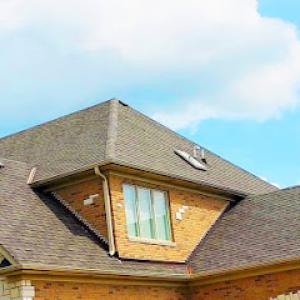
Safe Public Adjusters formerly known as Safe Roofing Adjusters is a licensed public adjusting firm specializing in property damage insurance claims. We assist homeowners with denied underpaid or delayed insurance claims including hail wind storm and water damage. Our team provides professional inspections claim documentation policy review and negotiation with insurance companies to help maximize settlements. We represent the policyholder not the insurance company and offer free consultations and claim reviews. Honesty. Trust. Commitment
Scott B Roofing
(708) 645-4252 www.scottbroofing.com
7309 Duvan Dr, Tinley Park, Illinois
4.7 from 32 reviews
Over 40 years of roofing experience. Customized solutions. Customer satisfaction is our top priority! Estimates are free! Call today! Perfect Installs Your roof is your home's main defense against the elements. Let us walk you through the best options to fit your needs and once you feel comfortable with your choice, we'll handle the complete installation. Reliable Upgrades If you're looking to update or upgrade your roofing and gutters, we've got you covered. Book a free consultation to discuss our different roofing options! Upkeep & Repair Age and environmental factors can wreak havoc on your roof. Ignoring problems for too long can cause headaches down the road. Start with a free inspection today!

Americanstruction
(815) 859-9055 www.americanstruction.com
Serving
5.0 from 72 reviews
Americanstruction is a majority woman-owned and family-operated roofing company proudly serving Mokena and the greater Chicagoland area. As a licensed and insured roofing contractor, we specialize in roof replacements for both residential and commercial properties. With over 75 years of combined experience, our team also provides expert siding, gutters, and window services to protect and enhance your home or business. We understand the challenges local weather brings, from heavy snow to strong summer storms, and tailor solutions for lasting results. Every project is handled with care and professionalism, making us trusted roofing contractors in Mokena.
Five Starz Construction
(773) 392-2027 fivestarzconstruction.com
Serving
5.0 from 12 reviews
At Five Starz Construction, our goal is to transform your home into a stunning masterpiece that will leave a lasting impression. Led by Julian and his team of experts, we are dedicated to delivering quality results that are built to last. We understand that every detail counts, which is why we make sure to get the job done right. As a family business, we take pride in guiding you through the entire process to ensure your complete satisfaction. Our personal and professional approach always goes above and beyond expectations. Contact us today to learn more about our services!
ProFlat Roofing Company
(708) 675-2430 flatroofingorlandpark.com
Serving
5.0 from 40 reviews
There is only one way to get the most from your roofing company in Orland Park, and that’s by calling ALL ROOFs for the ultimate roofing contractors. We outperform other roofing companies in Orland Park because our roofing specialists are highly experienced, exceptionally skilled, and ready to work on your roof repair. Homeowners can count on ALL ROOFs for top-quality roofing every time. We make roof replacement and roofing installation in Orland Park look easy, and we offer commercial roofing as well, so no matter what size roof, we can be there for you. Contact ALL ROOFs for your next roof replacement in Orland Park today and we can provide you with the professional expertise you need.
Replacement windows in this market follow a practical rhythm: long-lasting performance must ride through harsh weather windows and fast-paced storm response cycles. Full replacement timing is commonly pushed into spring through fall because cold-weather installation and snow conditions complicate scheduling and material performance. If a window project surfaces after a heavy storm, expect that crews may re-sequence timelines to accommodate emergency repairs, inspections, and debris cleanup. A plan that pins a firm start to mid-spring, with a buffer for early warm spells, tends to reduce delays and keeps interior protections intact without exposing sensitive components to late-season cold snaps.
A storm-heavy spring can create backlogs that delay starts, especially when permit review and inspection scheduling are added to contractor demand surges. In practice, you'll notice crews prioritizing projects wired to weather windows and neighbor neighbors who are already in line for cleanup and hail-damage assessments. To minimize disruption, align your window replacement with a forecasted stretch of milder days and lower wind risk. If a storm passes late in spring, reception of deliveries and the ability to dry-fit frames may hinge on the first calm stretch, so plan for a window of time rather than a single date.
Autumn is often a practical deadline in this market because wind exposure rises and winter freeze-thaw conditions can turn minor defects into active leaks. In late-season work, the emphasis is on securing proper seal performance before the first freeze. Scheduling earlier in autumn helps ensure sealants cure under favorable temperatures and reduces the chance of wind-driven leakage during the prime heating season. If autumn schedules tighten, prioritize homes with multiple exposures or larger glazing projects first, then move to mid- and late-season replacements as weather permits. This approach respects typical Tinley Park wind patterns and the extra vigilance needed for exterior installations that must hold up through freeze-thaw cycles without requiring a second exposure visit.
Get a clear picture of your project costs upfront - no commitment required.
Scott B Roofing
(708) 645-4252 www.scottbroofing.com
7309 Duvan Dr, Tinley Park, Illinois
4.7 from 32 reviews

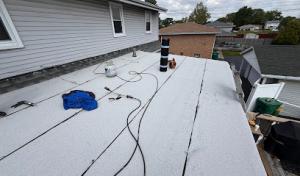
Asphalt shingles are the dominant practical choice in Tinley Park, but the local material mix also includes metal, tile, wood shake, and synthetic products, which is broader than many suburban markets. The choice you make should align with how the roof handles hail, wind, and the freeze-thaw cycle here. In this market, a material's ability to resist immediate impact, hold up under repetitive wind loads, and perform through cold snaps matters more than coastal salt exposure or wildfire risk.
Hail exposure is a routine concern after spring storms, and your roof should show resilience to hail strikes day after day. Metal and synthetic shingles tend to perform well against hail due to their toughness and flexibility, yet proper installation and secure flashing remain critical for preventing wind-driven leaks. Wind uplift is a constant factor on gable and hip roofs alike, so flashing at penetrations, valleys, and transitions should be robust, with adequate sealing against gusts. Freeze-thaw cycles push shingle seams and flashing joints to flex and contract; choose products with proven cold-weather performance and consider sealant compatibility that remains flexible at low temperatures. In residence clusters where trees or open spaces shape wind patterns, preparedness through reinforcement of edge courses and roof-to-wall connections pays dividends over time.
Asphalt shingles continue to offer a reliable balance of cost, ease of replacement, and repairability, making them a practical default for many homeowners. Metal roofing is appealing for its durability and long service life, especially where you want rapid cleanup after storms or reduced maintenance in the long run. Tile options, including clay or concrete, bring a bold look and excellent longevity but demand careful structural assessment because heavier tiles can influence the roof structure and the scope of any project. Wood shakes provide a distinct aesthetic and strong wind performance when properly installed, though they require attention to fire resistance and maintenance in damp periods. Synthetic or composite shingles blend resilience with lighter weight and broader design flexibility, offering a middle ground between traditional asphalt and heavier tile systems.
Heavier materials such as clay and concrete tile can require closer attention to structure and scope review because Tinley Park permit inspections may verify structural changes as part of the roofing project. If a retrofit or replacement involves these heavier products, assess attic ventilation, attic insulation, and overall sheet-load capacity before deciding. Regardless of the chosen material, prioritize a system that supports effective flashing at all penetrations and transitions, reliable wind-rated underlayment, and a cold-weather installation approach that minimizes early-age cracking and seam movement. Tailor the selection to your home's orientation, tree canopy exposure, and typical storm sequence for the area so your roof remains resilient through many winters.
In Tinley Park, planning your roof replacement means anchoring expectations to the local material ranges. Asphalt shingles run roughly from 350 to 700 USD per square, while metal stays in the 700 to 1300 range. Clay tile tends to be 1000 to 3000 per square, concrete tile 900 to 2000, wood shingles or shakes 600 to 1200, and synthetic or composite shingles 450 to 900. These figures reflect the south suburban Chicago climate, where hail, wind, and freeze-thaw cycles drive what you'll see on bids and invoices.
Storms hit Tinley Park with real frequency, and damage timing matters. After a hail event or a strong wind, you'll notice accelerated demand for quick replacements and more aggressive scheduling. That spike can push lead times and labor availability, which in turn reduces price flexibility and can nudge costs upward even within the same material choice. If a contractor is juggling multiple storm calls, you may experience delays that stretch the project window by days or a couple of weeks, especially on larger or more complex roofings.
When you're budgeting, build in a cushion for weather-driven scheduling shifts and supply fluctuations. In the aftermath of a hail or wind event, most crews prioritize fast cleanup and expedited teardown, which can compress the start window and affect material ordering timelines. If your roof is a straightforward asphalt replacement, you're typically looking at the lower end of the range, but a windy or hail-damaged site can shift demand inland, lifting costs or causing temporary shortages on specific profiles or colors. For higher-end materials such as clay or concrete tiles, expect similar or greater sensitivity to storm-driven scheduling and crew availability.
Assess your current roof's condition after a major storm, noting shingle integrity, flashing, and vent penetrations. Gather 2-3 written bids that detail material type, square count, ventilation needs, and any decking repairs. Ask for a realistic start window and confirm that the bid accounts for potential weather-related delays. With storm activity common in this market, you'll want to compare not just upfront price, but projected lead times, crew availability, and the contractor's plan for debris cleanup and site protection throughout the project.
Don't let upfront costs delay a critical repair - these contractors offer payment plans to fit your budget.
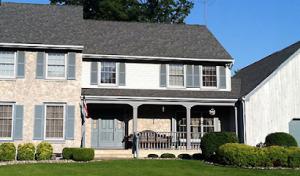
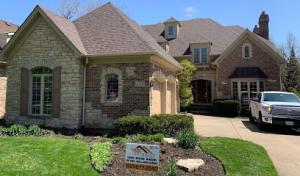
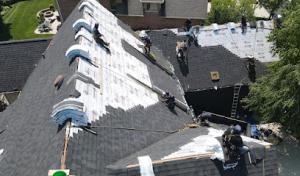
When a full roof replacement is on the table, the village building department requires a building permit. This isn't a barrier to a timely project, but it does set a clear sequence you'll follow from the start. The permit process helps ensure venting, underlayment, and structural changes align with local codes and the specifics of your home's roof design. Because weather patterns here can hammer in fast hail and gusty winds, getting the paperwork handled promptly prevents delays when the crew is ready to work. Expect the city to want accurate roof dimensions, material choices, and any alterations to attic ventilation or drain lines to match the safe, wind-resistant standards your neighborhood relies on.
After installation, a final inspection is conducted to verify critical components and safety considerations. The inspector will check that venting is properly installed and vent paths won't trap moisture or contribute to ice damming during freeze-thaw cycles. Underlayment quality and anchoring details are reviewed to confirm the roof can withstand wind events common to the area. If the project included structural changes, those connections, framing reinforcements, and flashing details will be assessed for integrity. The goal isn't to slow you down, but to catch issues that could lead to leaks or unsafe conditions after the next round of weather.
Depending on the scope of the work, plan review may be required by the village. This review can add roughly a week or two before work begins, so coordinating with the contractor about permit submission timelines is important. Delays at this stage are not unusual-storms and sudden weather can compress scheduling, but a held-up permit can push back the start date significantly. Have a realistic window in mind for a start date that accounts for plan review and any needed revisions to materials or venting arrangements.
Begin with a detailed, wind-season aware assessment of your roof to determine if venting or attic insulation needs adjustment as part of the replacement. Communicate openly with the contractor about how hail exposure and freeze-thaw cycles affect shingle selection and underlayment choices. When the permit is filed, maintain quick access to the property information the building department requests, and respond to plan-review notes promptly to minimize waiting. Finally, schedule the final inspection with clarity-confirm the inspector's preferred access, have all vents unobstructed, and ensure any temporary safeguards from the replacement phase are in place to avoid a failed inspection or rework.
Tinley Park sits in an Illinois insurance environment shaped by frequent hail and wind claims, making roof documentation especially important after storms. After a hail event, the window to prove damage can feel tight, and a neighbor's tale of a quick settlement may not reflect your own home's needs. You should expect the irritations of adjuster visits, deadlines, and the pressure to move fast. Documentation matters, and it matters early.
Homeowners here should expect insurers to request evidence such as date-stamped photos of damage and adjuster documentation when evaluating roof claims. Clear, timestamped images of hail dents, missing granules, and lifting shingles help protect your claim from being undervalued or delayed. Have a simple photo protocol: wide shots of the roof, close-ups of damaged areas, and surroundings that show storm context. Keep a dated log of when you notice issues, and share it promptly with your insurer and your contractor.
Because some carriers have tightened coverage in higher-risk areas, Tinley Park homeowners need to review depreciation terms, exclusions, and repair-versus-replacement language before storm season. Some policies lean toward mechanical understanding of damage versus cosmetic wear, and the line between repair and replacement can shift after a major event. Pay attention to how your carrier defines hail damage, wind uplift, and freeze-thaw deterioration, and how those definitions interact with your deductible and any depreciation schedules.
In practice, maintain a conservative project timeline that accounts for weather, claim processing, and contractor scheduling during faster-than-usual storm recovery periods. Partner with a local roofing professional who knows the typical storm patterns, common shingle issues, and the village-approved expectations that affect the post-storm process.
Connect with contractors who help homeowners navigate the claims process from damage assessment to final approval.
TopHat Roofers
(708) 864-4096 www.tophatroofers.com
18311 N Creek Dr SUITE J, Tinley Park, Illinois
5.0 from 42 reviews
Rosales Roofing
(708) 864-4076 rosalesroofingllc.com
17451 Oak Park Ave #1n, Tinley Park, Illinois
5.0 from 36 reviews
Omega Exteriors Midwest
(708) 580-2442 www.omegamidwest.com
Lake Bluff Dr, Tinley Park, Illinois
5.0 from 33 reviews
In Tinley Park, common failure patterns are tied to freeze-thaw movement at flashing, hail bruising on shingles, and wind-lifted tabs after autumn storms. When flashing corrodes or lifts, that movement creates micro openings that can let water creep in over multiple seasons, even if the surface looks intact from the street. Hail bruising leaves dimpled, weakened spots on shingles that are more prone to cracking during the next freeze cycle. Wind-lifted tabs become vulnerable after heavy autumn winds, exposing the underlayment to moisture and debris.
Seasonal timing matters in this market. Heavy spring rain can turn small winter-created openings into visible interior leaks, which is why many local calls cluster after seasonal transitions rather than only after major storms. In practical terms, you may notice attic dampness or ceiling staining appearing weeks after a thaw or a heavy downpour following a snowy season. The combination of lingering meltwater and rapidly warming days accelerates roof-area exposure, making timely inspections during early spring and late fall especially important.
Beyond the standard shingle field, the local contractor mix shows meaningful demand for skylight and flat-roof work, indicating recurring trouble spots. Skylights introduce additional seams and flashing that are vulnerable to freeze-thaw cycles, and flat roofs often collect ponding water that hastens membrane wear and edge deterioration. If your home includes these features, plan for periodic resealing, integrity checks around flashing, and targeted maintenance rather than relying solely on general roof replacement cycles.
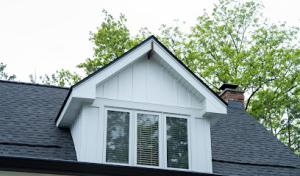
Practical indicators for homeowners begin with a tight eye on seams and transitions. Inspect around dormers, chimneys, and vents for hairline cracking or granule loss after a storm. Look closely at the edges of skylights and near flat-roof drains for signs of softening or pooling. After heavy rain or thaw, check interior ceilings for damp spots that follow exterior roof lines rather than isolated to a single room. A proactive, feature-aware approach helps address Tinley Park's unique failure patterns before they become widespread leaks.
Find contractors experienced in skylight installation, flashing, and leak repairs to bring natural light into your home.
TopHat Roofers
(708) 864-4096 www.tophatroofers.com
18311 N Creek Dr SUITE J, Tinley Park, Illinois
5.0 from 42 reviews

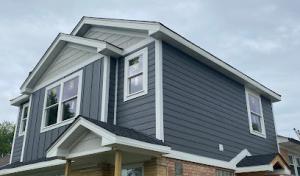
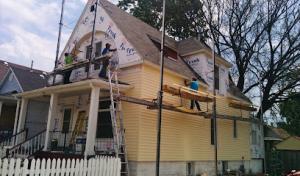
In Tinley Park, the contractor market revolves around re-roofing, storm response, and fast cleanup, so the right crew is defined by process discipline as much as by fancy credentials. You'll want teams that outline a clear replacement sequence, protect your occupied home during work, and keep the job moving without long stalls for weather. Avoid crews that rely on ad-hoc schedules or vague timelines.
Ask for a step-by-step timeline from tear-off to final inspection. A solid crew will block out weather windows, dedicate a supervisor on site, and commit to a defined cleanup plan after each workday. Look for a crew that uses a dust control strategy, especially in dense suburban neighborhoods where neighbors expect minimal disruption. Long, uninterrupted stretches of activity paired with daily progress notes are a good sign.
In this market, cleanup is a top priority. Inspect how waste and overspray are contained, where they'll park equipment, and how they handle daily debris removal. A responsible crew should offer a rapid response plan for post-storm concerns, including prompt follow-up to address lingering leaks or nail-pops after the roof is in place. Confirm who will be the point of contact if something needs attention after the crew departs.
Established and family-owned firms maintain strong visibility in this village, and that shows in warranty follow-through and post-storm callbacks. Favor teams with a stable crew roster, a consistent supervisor, and a transparent handover between tear-off and replacement phases. If a company speaks about long-term relationships with the same suppliers or a reliable warranty representative, that speaks to reliability in storm-driven cycles.
Request a written contact person, a scheduled site walk after completion, and a documented cleanup checklist. Check references from neighbors with similar house types and confirm that the crew has experience working around occupied homes, power lines, and alley access typical in this area. A thoughtful Tinley Park crew will treat your home like a local neighbor would: efficient, accountable, and responsive.