Last updated: Apr 19, 2026
Newport sits in the Northern Kentucky/Greater Cincinnati weather corridor where spring thunderstorms, hail, and strong wind events commonly trigger roof inspections and insurance claims. That clash of wet air and sudden microbursts over the Ohio River hillside can turn a quiet week into a leak emergency in hours. The typical drift of wind-driven rain finds its way through gaps around chimneys, vents, and wall intersections, especially on older houses with aging flashing and softer underlayment. When storms roll in, act fast to prevent interior damage.
If a hail or wind event dents or loosens shingles, your first priority is to minimize interior exposure. Inspect from the exterior with a flashlight at dusk after the sky clears, looking for lifted edges, curled tabs, and missing granules along gutters and downspouts. Inside, check ceilings and upper walls for damp spots, especially near chimneys and surrounding walls because rain can travel along roof lines and down into attic penetrations. In the hours after a storm, cover exposed roof openings with tarps or heavy plastic if you can do so safely, and avoid walking on damaged areas that could worsen leaks. Kept-up gutter flow and downspout alignment matter because pooling water near foundations can back up and creep under flashing.
Kentucky claim handling commonly depends on photo documentation of pre-existing conditions, post-storm damage, underlayment details, venting, permit records, and final installation photos. Start by photographing the entire roof from multiple angles, plus close-ups of shingles, flashing, chimney skirts, skylights, vent boots, and any signs of moisture in the attic. Gather past photos that show the roof condition before the event to establish a baseline. In the attic, document any signs of daylight, staining, or mold that could indicate past leaks or improper ventilation. Keep a dated journal of when you noticed leaks, when you reported the claim, and when adjustments were made on the roof.
Wind-driven rain is relentless around chimneys and wall intersections, where flashing can corrode or lift. Valleys and step-flashings are frequent failure points on older homes with stacked materials. In hillside neighborhoods, shifting settling can also stress roof-to-wall connections, creating tiny gaps that grow into leaks during spring deluges. If scuppers, ridge vents, or vent stacks show gaps, document them with a ruler or tape measure in the photo to convey the extent of the exposure. Do not underestimate the impact of minor shingle loss near edges; combined with wind and gravity, those tiny losses become big leaks during a heavy rain.
Choose a contractor who understands Newport's storm patterns and your roof type. Ask for a detailed inspection report that highlights underlayment condition, ventilation status, and any prior repairs that could affect insurance decisions. When presenting information to the insurer, attach the sequence: pre-existing condition photos, storm-damage photos, underlayment notes, and a final installation photo after repairs. Stay responsive to requests for additional pictures, measurements, or documentation of permit history, and provide clear timelines for the claim file to prevent delays that can complicate settlements.
After a storm, schedule a professional roof inspection within a few days to validate any hail impact or wind damage and to prevent delayed claims from drifting into disputes. Maintain a log of all communication with the insurer, including dates, names, and contact numbers. If damaged sections are found, prioritize covering openings and arranging temporary protections while waiting for a claim decision. Regular maintenance-clean gutters, secure flashing, and prompt replacement of compromised shingles-helps reduce the risk of recurring leaks during the next freeze-thaw cycle.
Find local contractors experienced in assessing and restoring roofs after hail, wind, and severe weather events.

T J Nash Construction
(859) 261-6259 www.facebook.com
225 E 7th St, Newport, Kentucky
4.7 from 32 reviews
Fully licensed, bonded & insured. Locally owned construction company serving NKY/Greater Cincy with 30+ years experience. We offer residential and commercial services, from small jobs to major projects. Give us a call for a free estimate!

CityTop Roofing & Exteriors
(859) 907-7663 citytoproofing.com
Serving
5.0 from 48 reviews
Providing residential and commercial roofing maintenance, repair, restoration, reroof, replacement, and new construction services.

AnyWeather Roofing
(859) 908-0387 anyweatherroofing.com
Serving
4.9 from 273 reviews
AnyWeather Roofing is a Cincinnati roofing company in Northern Kentucky just a few miles from downtown Cincinnati, OH. We provide expert commercial & residential roofing contractor services. Call for roof repairs & replacement, siding, gutters, & emergency storm damage repair services in NKY, Cincinnati Tri-State area. Expert Metal Roofing Services AnyWeather Roofing is a local, family-owned, fully insured, A+ rated accredited BBB business, & GAF Master Elite certified roofer able to provide the best material & workmanship warranties backed by GAF. Homeowners & commercial property owners, real estate management companies, and insurance agencies know we are the best Cincinnati Roofer. Cincinnati Location Call: 513-559-0387
Eagle Roofing
(855) 419-1204 eagleroofingservices.com
Serving
5.0 from 7 reviews
Eagle Roofing Services delivers expert roof installation, repair, and replacement for both residential and commercial properties across Maryland, Virginia, and Washington, D.C. Our team offers free inspections, uses only high-quality, durable materials, and provides affordable roofing solutions designed to last. Whether you need a small repair or a full roof replacement, we ensure reliable service, exceptional craftsmanship, and peace of mind for every customer.

Crown Pointe Roofing & Remodeling
Serving
4.5 from 40 reviews
Crown Pointe Remodeling is a premier home remodeling service in Fort Thomas, KY. We are licensed, insured, and proud to serve Campbell County with an A+ Better Business Bureau (BBB) ranking. Specializing in roofing, siding, and full remodeling, we also offer services including window replacement, deck design, bathroom and basement renovation, and after-storm repair. We are an Owens Corning and Pella certified contractor, using only the finest materials to ensure the quality of your project. From start to finish, our team of skilled experts will work closely with you to ensure that every detail is perfect, no matter the size of the job. Contact us today to schedule a consultation and experience the difference we can make for your home!
Tip-Top Roofing
(859) 287-2499 www.tiptoproof.com
Serving
5.0 from 166 reviews
Greater Cincinnati/Northern Kentucky’s #1 Roofing Company Tip-Top Roofing is a locally owned and operated full-service residential and commercial roofing company serving the Greater Cincinnati/Northern Kentucky area. All tip-top roofs are installed by certified or trained installers and come with a limited lifetime warranty. Homeowners, industrial and commercial property owners, real estate management companies, and insurance agencies know Tip-Top Roofing is the best Cincinnati roofer. Call us today!! Full-service roofing company Roof leaks and repairs. BBB A+ rating The highest Google-reviewed contractor
Thompson Roofing
(859) 448-5711 www.thompsonroofingnky.com
Serving
4.9 from 45 reviews
Since 2002, Thompson Roofing has been the trusted name in Northern Kentucky for all roofing needs. Specializing as roofing contractors, Thompson Roofing also provides gutter services, chimney services, skylight installation and repair, and waterproofing solutions. With a commitment to quality and customer satisfaction, Thompson Roofing ensures homes are protected from the elements with expertise and reliable service.
Beyond Roofing
(859) 462-2226 www.beyondroofingllc.org
Serving
4.9 from 29 reviews
Beyond Roofing is a trusted roofing contractor offering high-quality residential and commercial roofing services. We specialize in roof repairs, replacements, and installations, using durable materials like asphalt shingles, metal roofing, and flat roofs. Our skilled team ensures efficient, reliable work with a focus on customer satisfaction and long-lasting results. Whether you're dealing with a minor leak or need a complete roof replacement, Beyond Roofing provides expert solutions tailored to your needs. Get in touch today for a free estimate and let us take care of your roofing project from start to finish.
Lady On The Roof®
(513) 231-0430 ladyontheroof.com
Serving
4.9 from 57 reviews
Lady On The Roof, the contractor you can trust with integrity and knowledge to educate and inform you, the customer, of your best options for remodel or new build construction. Sustainability and Recycle Focused Company. Certified Woman Owned & Operated Company. Northern Kentucky & Cincinnati Based Headquarters servicing the Tri-State Area East Indiana localities, Northern Kentucky, and Greater Cincinnati Metro. Our Goal: Be There, and Be The Difference. Our Mission: Inspiring more women to enter the roofing and construction business to give property owners, both residential and commercial, the service, product of best affordability, and detail oriented consulting you deserve. Future Franchise Opportunities.
Storm Proof Roofing
Serving
4.2 from 5 reviews
Frank Wilson, CEO Frank brought together the best in the business to create his dream. Though he takes pride in all aspects of roofing, working as Roofing Insurance Claim Specialist has lead to his passion to be able to offer his customers better quality at a lower price and a longer warranty to entire roof replacements to storm damaged homes in the Cincinnati and Northern Kentucky area .

Whitford Contracting
Serving
5.0 from 24 reviews
From gutters and siding to full roof repairs, you can trust that Whitford Contracting will be there to help every step of the way.

Best Choice Roofing
(859) 423-1383 bestchoiceroofing.com
Serving
4.6 from 21 reviews
Best Choice Roofing has been serving our community since 2009! Best Choice Roofing Covington specializes in roof repairs and replacements throughout the greater Kentucky and Ohio areas. From minor repairs to full replacements, we've got you covered!
Steep-slope homes along the riverfront and historic blocks present unique challenges when selecting a roof. In hillside settings, weight and wind loads matter more, and older framing or retrofit constraints can limit what the structure can safely carry. Asphalt shingles remain common, but when replacing on a hillside, verify the roof deck and underlayment can handle heavier options if a secondary layer is considered. Before committing to a heavier system, arrange a structural review to confirm the attic ventilation, ridge lines, and eave overhangs will perform well under harsher wind and freeze-thaw cycles. The goal is a system that sheds water quickly without creating standing moisture at transitions.
For tight, older blocks with limited attic space, asphalt shingles are practical and familiar, but their performance on a hillside depends on proper flashing and step details at transitions near chimneys and dormers. In riverfront sections where moisture exposure is higher, consider upgraded underlayment and corrosion-resistant flashings to outlast wet winters. Metal roofing stands out for snow shedding and resilience against repeated temperature swings, making it a strong option on exposed slopes. If choosing metal, plan for a secure fastener pattern and careful panel alignment to minimize wind-driven uplift on the hillside. Lightweight synthetic or composite shingles offer a compromise between weight and durability, especially when an existing deck is marginal. Heavier tile systems-clay or concrete-should be weighed carefully; they deliver long life but require structural confirmation and precise detailing around eaves, hips, and mortar joints at chimneys. Wood shingles or shakes, while aesthetically fitting on historic blocks, demand exceptional moisture control and drainage detailing to resist rot in wet winters.
Northern Kentucky freeze-thaw cycles intensify the impact of hail and wind events. After a storm, perform a rapid exterior triage: identify loose or torn shingles, displaced flashing, and any gaps at chimney or vent terminations. If leaks appear inside, map the water path to locate the probable penetration point rather than chasing drips without a plan. Photograph and document damaged areas for insurance dialogue, keeping similar angles and close-ups of all transitions. When temporary tarping, secure edges firmly to avoid wind uplift on exposed hillside sections. Inside, protect valuables and keep containers under the leak path while arranging a prompt inspection.
Drainage must be prioritized where heavy rainfall runs off steep roofs toward crowded blocks or basements. Ensure gutters and downspouts align with the slope and discharge toward a stable drainage path, avoiding erosion at the foundation. For chimneys and skylines, detail flashing to resist cycling moisture and mortar deterioration; a careful cap and step-flashing setup helps prevent leaks that sneak in during winter thaws. Consider color and texture compatibility with historic blocks to maintain curb appeal while optimizing performance. In Newport, a well-detailed transition between roof material and wall or parapet reduces edge exposure to wind-driven rain and ice buildup.
In Newport, winter snow and ice can delay tear-offs and create load and safety concerns, especially on older steep roofs above narrow streets and alleys. If a storm line forms in the forecast, treat it as a signal to shift from a full-scale, all-at-once replacement mindset to a staged approach. Prioritize securing the site: clear access along the alley, protect parked vehicles, and designate a safe staging zone on a flat section of the roof. When temperatures dip, synthetic underlayment and shingles can become stiff, so factor in a longer acclimation period for materials and a slower pace for handling. If a leak is active, establish a rapid-response plan that keeps interior damage contained while awaiting calmer weather. Even small ice dams in tight gutter runs can force a pause, so review existing drainage paths and note any vulnerable intersections where ice may back up.
Spring is a high-disruption season because hail and storm damage inspections compete with planned replacement schedules across the Northern Kentucky market. The rhythm here follows the weather and the aftershock of late-walloped storms that often arrive with unsettled forecasts. Prepare a two-track plan: have a priority list for emergency repairs on already-damaged spots and a longer timeline for broader replacement projects. Clear communication with neighbors is essential, since narrow streets and alley access can bottleneck crews and material delivery. Keep a weather buffer in the schedule to accommodate back-to-back storm events that can reopen a previously closed leak or reveal new damage after a hailjack. Document every step of the process in photographs and notes, especially if crews are working across multiple adjacent homes. When inspections are needed, coordinate with the least-intrusive access routes to minimize disruption to surrounding residents and downstream drainage.
Summer heat in the Ohio Valley affects crew pacing, shingle handling, and attic temperatures, so ventilation and installation timing matter during peak heat. Plan start times to avoid the hottest hours, and ensure attic venting is functional before the roof goes under heavy load. On steep roofs near tight streets, mechanical aids for material handling can reduce heat exposure for workers and limit mishaps on the slope. Inspect attic insulation and ventilation early in the season to prevent heat buildup that can compromise underlayment performance and shingle longevity. If a mid-summer rain event interrupts work, have a contingency for temporary weatherproofing that still protects against sudden downpours while workers regroup. Keep a clear path for debris and protect landscaping and impervious surfaces from scorching runoff and wind-driven granules.
As the calendar turns, use the lull to finish outstanding details, verify that all penetrations are properly flashed, and confirm gutter alignment after re-roofing. Fall work benefits from cooler days and reduced storm activity, allowing crews to complete intricate tasks that require steady hands and precise alignment. Revisit interior protections and confirm that attic envelopes maintain ventilation during the shoulder season. For homes sharing walls or upper-floor access routes, synchronize work calendars with neighbors to minimize disruptions and ensure safe egress paths remain clear. Use this window to verify that the roof's edge details, valleys, and drip edges are secure before winter sets in again.
A full roof replacement in Newport generally requires a building permit submitted to the city building department, typically by the contractor with project details. The process is designed to ensure that the work follows local codes, especially given the hillside geography and older housing stock common along the riverfront. Expect the submitting party to provide basic information about the new roofing system, underlayment, attic ventilation, and any structural modifications. The city's staff will use this packet to gauge whether the planned work aligns with current code requirements and keeps drainage, flashing, and fire safety in mind. If the project involves unusual areas-such as venting changes or skylights-the permit application should capture those details clearly.
City review focuses on code compliance before work proceeds, and a final inspection is usually required after completion to close out the permit. That means you may encounter a short pause between permit approval and the start of work while the plan review is completed. For homeowners with hillside lots, the inspector will look closely at how the roof ties into existing drainage paths and how the ventilation strategy meets county and city standards. Clear communication with your contractor about the review timeline helps prevent delays. If the plan notes any deviations from standard practices, expect questions or a revision request to ensure the installation won't compromise the home's ability to shed water efficiently during the region's freeze-thaw cycles.
After the contractor completes the installation, a final inspection is usually scheduled to close out the permit. This inspection verifies that the roof assembly, flashing, vents, gutters, and any penetrations meet code requirements and that the work aligns with the approved plans. In this climate, inspectors may pay particular attention to secure fastening, proper attic ventilation, and ventilation-related clearance around soffits and chimneys. A successful final inspection confirms that the installation has been carried out to code and can support the home's continued performance through harsh winters and seasonal storms. If issues are found, a list of corrections will be provided, and the permit will remain open until those items are addressed.
Permit closure and inspection records can matter later for resale, insurance questions, and disputes over whether the roof was installed to code. Keep a neatly organized file with the final inspection report, permit number, the permit closure date, and any amendments or change orders. This documentation helps when discussing coverage with insurers after storm events and when a buyer or lender requests proof of compliance. If you face a renewal or a future modification, those records serve as a reliable reference point to show the roof was installed under an approved, inspected process.
Newport pricing is affected by storm-driven demand spikes in the Northern Kentucky/Cincinnati market, which can tighten labor availability after hail and wind events. When a storm hits, nearby crews may be booked weeks out, and materials can shift price as suppliers scramble to meet the spike in demand. If you're facing emergency repairs after a hail or wind event, expect not only higher labor time but potential lead times for decking, flashing, and cleanup logistics on steeper sites.
For homes with steep angles or older construction, labor time and complexity drive the bill just as hard as the materials. Tear-offs on a hillside house require careful deck reinforcements and more rigging for safe access, while damaged flashing around chimneys and valleys may demand more intricate flashing replacements. In practice, that means a tighter window for scheduling and more hours charged for specialists who can work safely on a slope, plus additional trip charges if access is tricky or limited by surrounding vegetation and street parking.
Material choices in this market range from asphalt shingles at 350 to 550 USD per square, metal at 700 to 1100, clay tile at 900 to 1700, concrete tile at 800 to 1500, wood shingles or shakes at 600 to 980, and synthetic or composite shingles at 650 to 1000. Asphalt remains the most common, especially for updates to older homes with standard roof decks, but metal can offer longer life on windy, hail-prone days and may help with drainage on steeper pitches. Clay and concrete tiles bring a distinct look and excellent longevity, but their weight and installation complexity can push both labor time and costs higher in hillside neighborhoods.
To plan, consider the roof profile and whether a full tear-off is necessary or a targeted repair will suffice after a storm. Steeper roofs and older homes often require more extensive decking inspection and possible replacement, which changes the cost structure beyond the baseline material price. If insurance considerations are involved, document hail impact patterns and wind-related damage promptly, and communicate clearly with contractors about access constraints and staging space, so crews can optimize timing and minimize additional charges on a tight schedule.
Get a clear picture of your project costs upfront - no commitment required.

T J Nash Construction
(859) 261-6259 www.facebook.com
225 E 7th St, Newport, Kentucky
4.7 from 32 reviews
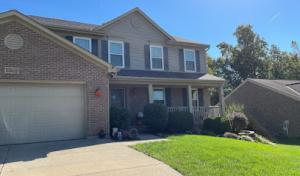
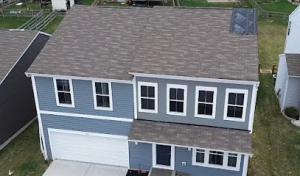
When a storm rattles the hills along the Ohio, insurers expect thorough before-and-after records. Gather clear photos of roof damage, the project scope, underlayment, venting, and any warranty information. In this terrain, where hail and wind can shear shingles and expose decks to rapid wear, your photo trail should show from multiple angles and include the attic or crawlspace view when accessible. Keep these files organized so they're easy to share with the adjuster.
Keep meticulous inspection notes, every bit of adjuster communication, and the final inspection confirmation together in a single folder. Newport's mix of older homes near the riverfront and hillside drainage issues means wind-driven debris and water flow can create questions later. If questions arise, you'll want an unbroken chain of events-from the first hail report to the last confirmation-so you can demonstrate what was addressed and when.
In this market, where permit records and contractor credentials can influence how smoothly a claim is reviewed, choose a widely respected, properly credentialed roofer. Document contractor notes, the venting layout, underlayment type, and the warranty terms you're relying on. This helps the insurer see a coherent scope and reduces back-and-forth during review, especially after a severe storm.
If files are scattered, the claim can stall or be questioned for credibility. Insurers may request repeated proof of damage, timelines, and approvals. A well-assembled set of photos, notes, and confirmations keeps the process on track and helps you move toward a timely resolution.
Connect with contractors who help homeowners navigate the claims process from damage assessment to final approval.
Older homes along the river hillside carry a lot of weight in their chimneys and the flashing that surrounds them. Freeze-thaw cycles and wind-driven rain can exploit the joints where the chimney meets the roof deck and where metal flashing turns the corner. In practice, that means a small misstep years ago can become a stubborn leak after a heavy freeze or a windy afternoon. In Newport, chronic leaks often show up first as damp bands along attic rafters or staining around the chimney bricks, and the damage can creep into masonry features if left unchecked. The key is to inspect these transition points after every major storm and after the first hard freeze each season.
Dense layouts mean roofs press tight against each other and share drainage challenges. When shingles soften or fail at the edges, water can wick along roof-to-wall junctions and settle in upper walls or around decorative masonry features. In such settings, a small gap on one plane can go unnoticed until water surfaces in the attic or around crown moldings. For older systems, it's common for leaks to appear after wind-driven rain that finds tiny pathways through compromised seals. Regular, neighborly checks after storms help catch slow drips before they become widespread ceiling or wall issues.
Skylights and low-slope porch or addition roofs age differently from the main steep-slope sections, so they deserve a separate eye. Skylight seals can dry out or wrinkle with temperature swings, while low-slope surfaces shed water less aggressively and can pond where debris accumulates. In Newport, a late-season storm often tests these joints just as main roof systems settle from summer heat. If a leak appears near a skylight or a porch roof, examine the flashing, curb seams, and any debris that may block drainage, then plan targeted repairs rather than a broad recourse to the entire roof.
Find contractors experienced in skylight installation, flashing, and leak repairs to bring natural light into your home.