
Last updated: Apr 19, 2026
Spring hailstorms and strong winds are a recurring stress test for roofs in this area. The fast-moving weather patterns in Kenton County push homeowners into inspections, temporary repairs, and scheduling with contractors on tight timelines. When a hail event hits, the drive to secure targeted crews and material shipments creates a rush that can cascade into a weeks-long backlog. That backlog is amplified by the overlap of multiple neighborhoods experiencing damage at once, so response times can stretch, even for a relatively small roof. The clock starts ticking as soon as the weather clears; the longer the roof sits exposed or unaddressed, the higher the risk of secondary damage from residual moisture, granule loss, or compromised flashing. The key is to act quickly, but with a clear plan that avoids rushed, low-credibility work that offers little long-term value.
Local insurers commonly require a documented pre-loss roof condition, recent storm-date context, contractor estimates, and sometimes a formal roofing condition report before advancing a claim. The pre-loss photos should show the roof surface, vents, chimney flashing, and any edge damage from prior seasons as a baseline for comparison. When the storm date is not precise, provide a best-supported window based on local weather summaries and neighbor reports. Contractor estimates should be detailed, itemizing shingle type, underlayment, flashing materials, and any temporary repairs. If a roofing condition report is requested, consider obtaining one from a reputable local inspector who is familiar with common Independence failures-such as hail bruising on fiberglass shingles, misaligned ridge vents, or brittle sealant around vent boots. Timely, organized documentation helps prevent delays caused by back-and-forth questions and reduces the risk of a denial based on missing evidence.
Because this area sits in northern Kentucky's regular storm track, claim timelines can slow after regional storm events when adjuster volume spikes across Kenton County and nearby communities. Expect higher-than-average wait times for adjusters to visit, and for secondary storm fronts to trigger additional estimate requests from the insurer. In practice, a claim can move faster if the homeowner has a clean, complete packet ready for review: photos dated to the storm, a clearly labeled list of damaged components, and a contractor's line-by-line repair or replacement estimate. A well-organized file reduces the risk of miscommunication, which can otherwise stall approval while the carrier confirms scope and material availability. If multiple crews are dispatched in a single week, scheduling can tighten quickly, so proactive communication with the insurer about preferred time windows can help secure a spot in the early review queue.
Prepare a concise, storm-focused chronology that matches the insurance window. Gather pre-loss roof condition photos from before the event and capture clear shots of hail impact, torn shingles, lifted tabs, damaged flashing, and compromised vents. When talking to your insurer, reference local patterns: spring hail and wind damage are the typical triggers that prompt inspections and temporary repairs, followed by a surge in contractor scheduling. Reach out to experienced Independence-area contractors who can provide a formal roofing condition report if requested, and ensure their estimates reflect the same scope as the insurer's, with defined dates for measurements, material selections, and anticipated start times. Keep a calendar that tracks estimated inspection dates, claim review milestones, and the window for any temporary repairs, so a potential backlog does not push critical work beyond the optimal window for weather safety.

David Saner Roofing
(859) 681-7027 www.davidsanerroofing.com
Independence, Kentucky
5.0 from 40 reviews
David Saner Roofing provides residential roof installation, roof repair, gutter installation, and gutter repair services to the Northern Kentucky area.
NGM Exterior House Mechanics
(859) 359-0640 www.ngmexteriors.com
10712 Blooming Ct, Independence, Kentucky
4.9 from 55 reviews
NGM Exterior House Mechanics is locally owned and specializes in Roofing, Siding, Gutter, Pressure Washing & Chimney repairs in Kenton County, KY, Campbell County, KY, Boone County, KY, Covington, KY, Independence, KY, Florence, KY, Burlington, KY, Union, KY, and surrounding Northern KY area. Call us at (859) 359-0640 to discuss your roofing or exterior home repair needs. Our company is also a Certified Master Craftsman, Preferred Roofing Applicator and Certified Siding, Soffit and Trim Applicators by VSI ( Vinyl Siding Institution). We are a BBB accredited business. We are committed to providing the highest quality products, SUPERIOR WORKMANSHIP, and professional services to all our customers.
Falcon Roofing & Restoration
(859) 991-2172 falconrestoration.com
Independence, Kentucky
5.0 from 33 reviews
Falcon Roofing & Restoration offers expert roofing, siding, gutter, and window services in Northern Kentucky, combining craftsmanship with cutting-edge technology.
The Blue Roof Company
(859) 869-4487 www.theblueroofcompany.com
6392 Stonemill Dr, Independence, Kentucky
4.8 from 55 reviews
We are a roofing company and general contractor that focuses on customer service, exceptional products, and modernizing an age old trade. We handle all residential, and commercial roof systems. From standard materials and products, to the unique and special projects , we have the expertise to service our customers. Our teams are manufacture certified in shingle installation, and carry one of the highest commercial certifications available. The Blue Roof Company is your premier roofing contractor for Northern KY, and Cincinnati.

Gold Peak Roofing
(859) 267-5150 www.goldpeakroofing.com
3913 Sherbourne Dr, Independence, Kentucky
4.8 from 37 reviews
Gold Peak Roofing Provides Roofing, Gutter, And Siding Services To Independence, KY.
Diamond Roofing KY
Independence, Kentucky
5.0 from 2 reviews
Diamond Roofing KY provides roofing, siding, gutters, doors, windows, decks, holiday specials and interior remodeling services to Northern Kentucky.

Schumacher Roofing
(859) 341-5424 www.schumacher-roofing.com
Serving
5.0 from 677 reviews
Schumacher Roofing is your local roofing contractor serving Northern Kentucky and Cincinnati. Our family owned roofing company works on residential roofs installing shingle roofs and asphalt roofs. We also work on roofs with wind, storm, and hail damage and will work with your insurance. We do roof repairs and roof replacements to make sure the roof above you is saving you money on heating and cooling costs. Call us today for your estimate today!

Whitford Contracting
Serving
5.0 from 24 reviews
From gutters and siding to full roof repairs, you can trust that Whitford Contracting will be there to help every step of the way.
Fortress Solutions
(859) 328-6338 www.gowithfortress.com
Serving
5.0 from 172 reviews
Fortress Solutions is a trusted roofing contractor based in Elsmere, KY, specializing in roof repairs, replacements, gutters, siding, and storm damage restoration. We proudly serve Elsmere, Erlanger, Florence, Independence, Covington, Cincinnati, Edgewood, Fort Mitchell, Fort Wright, Crestview Hills, Villa Hills, Newport, Fort Thomas, Taylor Mill, Norwood, Blue Ash, Reading, Finneytown, Union, and Burlington. With 20+ years of experience and easy financing options, we deliver expert service with integrity. Contact us today for a free estimate and 100% no-leak guarantee!
Thompson Roofing
(859) 448-5711 www.thompsonroofingnky.com
Serving
4.9 from 45 reviews
Since 2002, Thompson Roofing has been the trusted name in Northern Kentucky for all roofing needs. Specializing as roofing contractors, Thompson Roofing also provides gutter services, chimney services, skylight installation and repair, and waterproofing solutions. With a commitment to quality and customer satisfaction, Thompson Roofing ensures homes are protected from the elements with expertise and reliable service.

Deer Park Roofing
(859) 681-8809 www.deerparkroofing.com
Serving
4.7 from 102 reviews
Deer Park Roofing, an award-winning roofing company, proudly serves all of Northern Kentucky, including Walton, Florence, Independence, and other major areas. We offer a comprehensive range of residential and commercial roofing services, such as roof repair, roof replacements, flat roofs, box gutters, and more. With industry-leading training, expert attention to detail, and responsive service, Deer Park Roofing is your trusted partner in protecting what’s important. Visit our showroom, open Monday through Friday from 8 AM to 5 PM. Our phone lines are available 24/7
American Home Tech
(859) 869-4101 www.americanhometech.com
Serving
4.7 from 892 reviews
At American Home Tech, we are the best full-service contractor for your commercial and residential roofing, siding, windows, gutters, decks, and interior remodeling projects, including doors, kitchen remodels, bath remodels, and painting, throughout Florence, KY, Northern Kentucky, and Cincinnati, OH. We provide expert services at any budget and specialize in insurance claim replacements. We proudly offer free estimates and inspections on your project with a no-obligation guarantee. American Home Tech strives to stand behind our motto of “trust is just one thing we build well” with every project we complete.
Asphalt dominates the local roof landscape, and for good reason. The profile fits the suburban rooflines common on the block, and the installation expertise around here is widespread. In this market, freeze-thaw cycling in winter and humid summer heat take a toll on granules and the seal strip. You'll see accelerated aging and more granule loss on aging shingles after a harsh winter, followed by summer heat that can soften and accelerate wear. When evaluating a replacement, compare shingle granule wear patterns, the durability of the adhesive or self-sealing strips, and how granules will shed through spring hail events without exposing the underlayment. A practical approach is to choose a product with a robust granule coating and a reinforced seal to weather repeated spring storms without frequent edge curling.
Metal is a practical upgrade for the local weather mix, especially where regular precipitation and occasional ice are common. Metal roofs shed snow more predictably and resist ice damming better than many traditional options, which matters in extended freeze periods. Installation quality is critical you can feel once the first winter wind blows; a properly sealed seam and correct fastener spacing prevent leaks around penetrations and ridges. If you expect heavy rain and hail, metal's durability helps, but edge details, flashings, and proper underlayment must be addressed. In a climate with humidity and heat, metal's surface finish should resist corrosion and standing water, and you should verify the coating warranty covers chalking and color fade under strong summer sun.
Tile and wood systems exist locally, but they are less common on the typical Independence suburban stock. That rarity means installation quality and crew familiarity can vary more than with asphalt reroofs. Clay and concrete tiles offer distinct aesthetics and excellent longevity in dry spells, but their weight requires a qualified structural assessment and precise fastening. Wood shingles or shakes bring a traditional look but are more sensitive to moisture and hail impact; fastener corrosion and fire resistance are practical concerns to address. If choosing these materials, insist on experienced crews with a track record in this market and request detailed installation diagrams for slopes, nailing patterns, and chimney or vent integration. Expect longer installation timelines and targeted maintenance to preserve appearance and performance.
In this market, the decision hinges on weather resilience, maintenance expectations, and how the roof performs during hail and ice events. Start by evaluating existing roof conditions: age, previous hail impact, and the integrity of flashings around chimneys, vents, and skylights. For asphalt, prioritize granule retention, wind resistance, and warranty terms that cover impact resistance. If leaning toward metal, review panel exposures, seam integrity, and coating warranties for hot summers. For tile or wood, verify structural backing and the installer's specialization in these materials, plus long-term paint or sealant plans if using wood. In all cases, request a comprehensive, stapled-up plan showing underlayment, ventilation strategy, and attic temperature management to minimize condensation and heat buildup during the hottest months.
In Independence, storm-driven demand surges after spring wind and hail events push pricing upward quickly. When a major storm hits, contractors tighten schedules, and materialLead times lengthen, which can shift availability and project timelines. You'll notice the cost field moving within the typical ranges as crews juggle multiple reroofs in the same neighborhood. This climate-driven pattern means planning ahead and securing a solid start window after the insurance decision is made can save both time and money.
Asphalt shingles typically run about 350 to 550 USD per square in this market, while metal commonly runs about 700 to 1100, clay tile 1000 to 1800, concrete tile 900 to 1500, wood 500 to 800, and synthetic/composite 400 to 700. These figures reflect a mix of standard installation and the occasional add-ons that show up with real-world jobs. If your roof slope is steep or your roofline stretches across multiple dormers, you'll see the price push toward the higher end for the same material. The choices you make will influence long-term performance and upfront cash flow, especially in a neighborhood with older flashings and chimney details that often need extra care during reroofs.
Costs in Independence can move upward when steep suburban rooflines, chimney flashing work, skylight tie-ins, tear-off disposal, and permit/inspection coordination are part of the job. Steep pitches demand more labor time and safety measures, while chimney and skylight work adds detailing and potential material waste. Tear-off disposal charges accumulate if the existing roof is heavy with debris or if multiple layers are present. If the project includes coordinating multiple trades or staggered schedules, expect the bid to include overhead for logistics and site protection. In practice, these add-ons can nudge the bottom line by a noticeable amount, especially on larger or more complex roofs.
If your reroof is scheduled during or just after a hail event, expect shorter lead times and tighter scheduling, which can compress labor windows and raise procurement costs for materials. For a typical steep-slope reroof, the price per square will reflect both the chosen material and the extra labor intensity of installing over existing conditions. Your insurance documentation and the corresponding adjuster timeline can influence when crews start, so aligning the project start with a favorable weather window helps minimize delays and incidental costs.
Start with a material selection that matches your roof's exposure and climate needs, then request a detailed bid that itemizes tear-off, disposal, flashing work, and any skylight or chimney tie-ins. If possible, choose a contractor who can provide a clear phasing plan to balance urgency with available crews after a storm. Finally, keep a buffer for weather-related delays and potential overages tied to steep angles or unique roof geometry; this approach reduces the risk of surprise charges when the job gets underway.
Get a clear picture of your project costs upfront - no commitment required.
NGM Exterior House Mechanics
(859) 359-0640 www.ngmexteriors.com
10712 Blooming Ct, Independence, Kentucky
4.9 from 55 reviews
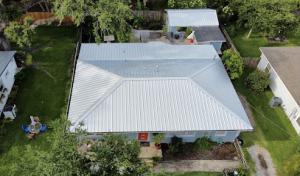
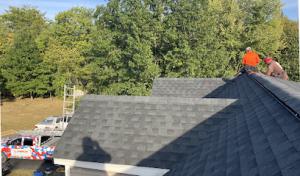
Residential reroofs in Independence are overseen by either the City of Independence or Kenton County authorities, depending on which jurisdiction administers the particular property line. The goal of this structure is to ensure steep-slope reworks meet local storm response standards, weather readiness, and neighborhood code expectations. The process centers on making sure the project has the proper oversight from the start and that inspections align with key project milestones.
In this city, the roofing contractor typically handles the permit filing, not the homeowner. That means permit handling becomes a meaningful screening question when evaluating contractor options. A contractor who files the permit demonstrates familiarity with local office requirements, timing, and the likely sequence of inspections. If a contractor pushes back on taking care of permits, that can signal a potential mismatch with Independence's administrative flow and the county's or city's inspection cadence. Confirm who is responsible for submitting permit documents, tracking approvals, and posting the permit on-site.
Reroofs are inspected at milestone stages and again upon completion, with each phase designed to verify that structural, drainage, decking, underlayment, flashing, and shingle installation meet code expectations and local guidance. Typical milestones include a pre-roof or framing check, underlayment installation, and a final inspection after visible components are installed. An approved-stage inspection is required before the permit can be closed, so understanding the timing and preparing for each inspector's expectations helps avoid delays.
Coordinate with the contractor to map out the inspection timeline early, factoring in potential spring hail and wind-driven demands that can affect scheduling. Keep a dedicated file of permit documents, inspection notices, and communication from the city or county authorities. If weather windows squeeze the schedule, discuss contingency timing with the contractor to maintain compliance and avoid extension penalties. Ensure that the contractor's crew performs required documentation and notes any deviations from standard practice, so follow-up inspections can verify corrections promptly. Finally, verify that each inspection sticker or city/county approval is clearly documented and accessible on-site until the project is formally closed.
Independence winters bring freeze-thaw cycles that can move decking, stress shingle tabs, and reopen vulnerable flashing details. Those small shifts compound over the season, and a modest leak today can become a larger attic or ceiling issue months later. After a bitter cold snap or heavy snowfall, inspect around chimneys, vents, and roof edges for loose or bulging flashing, and check the areas where the decking meets the drip edge. Ice buildup along the eaves and valleys can wedge flashing and cause slow leaks that quietly undermine roof performance over time.
Autumn leaf drop in this part of Kenton County can clog valleys, gutters, and lower roof drainage paths, increasing moisture retention at eaves and penetrations. A clogged valley can back up water onto shingles, while blocked gutters invite ice formation that widens flaws in edge details. Regularly remove leaves from the roof edge and ensure downspouts discharge well away from the fascia. As the trees shed, keep a close eye on clogged secondary drainage routes, like behind roof-to-wall transitions, where debris can linger and promote dampness in freezing weather.
Homeowners in Independence often need roof and gutter maintenance timed around both fall debris buildup and winter icing rather than only summer wear. Plan mid-fall cleanups before the worst leaffall peaks, then a quick after-Thanksgiving check for wind-driven debris. In icy periods, avoid stepping on the ridge or near damaged flashing; hire a pro to clear ice safely when necessary. Consider scheduling a loose-flashing and vent-area inspection after storms that bring hail or high winds, since those events tend to reveal vulnerabilities that worsen with cold snaps.
After storms, inspect for loose shingles, lifted tabs, or granule loss near eaves, and watch for water staining in the attic that mirrors roof lines. If gutters are pulling away from the fascia or if ice dams form along the rake edges, treat those spots promptly to prevent interior damage. Pay particular attention to valleys and roof-to-wall joints, where debris accumulation can hide slow leaks and ice can force additional stress on fasteners.
If a roof feels soft underfoot or you notice persistent dampness near penetrations, call a local roofer for a targeted assessment. A timely review focused on flashings, valleys, and drainage paths can stop small problems from becoming big ones before the next freeze. A yard-wide debris sweep after peak leaf drop is a practical, low-cost step that makes winter readiness more reliable and reduces the chance of surprise damage when ice returns.
Although steep-slope reroofing dominates Independence, a meaningful share of local contractors also handle flat or low-slope sections found over porches, additions, and transitions. These areas behave differently than the main roof and demand a careful eye for flashing details, especially at transitions where two sections meet. In practice, storm runoff can concentrate at these tie-ins, pushing water toward any seam or joint. When inspecting, look for staining or grout lines where a low-slope surface meets a higher pitch, and check the apron, counterflashing, and perimeter flashings for tight contact and continuity. If a low-slope patch has recently modified flashing, confirm that the new pieces are fully integrated with the adjacent roof planes and that the slope remains adequate to shed water toward proper drains.
Transition flashing is a common trouble spot in our typical Kentucky precipitation pattern. Water flowing from a steeper roof into a flat porch or addition can pool at the edge if flashing isn't properly covered or if fasteners begin to fail. A practical step is to run a seasonal check after heavy rains: run your hand along the transition to feel for any loose metal, and inspect the seam lines for dark staining that signals moisture ingress. If movement or staining is found, arrange a quick check with a local pro who understands Independence-style construction, so the flashing can be resealed or replaced before the next hail or ice event.
Skylights are a recurring specialty in the local market, indicating that leak diagnosis around curb flashing and surrounding shingles is a real homeowner issue here. Start with the curb flashing: verify it sits flush to the skylight base, without gaps or nicks in the sealant. Around the surrounding shingles, ensure there is proper shingle overlap onto the curb flashing to direct water away and prevent lift during wind-driven rain. If a leak shows up near a skylight after a storm, focus on the intersection where curb flashing meets the roof deck and where shingles butt up against the flashing. A careful reseal or flashing replacement often resolves minor leaks; for persistent leaks, seek a contractor who has direct experience with Independence skylight installations and the seasonal wind patterns.
Find specialists in TPO, EPDM, and built-up flat roofing systems for residential and commercial properties.

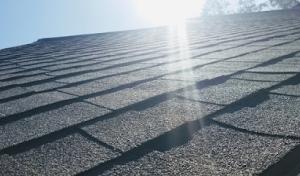
The local market shows an unusually strong emphasis on reroofing, quick response, and cleanup after storms, so homeowners here tend to prioritize execution over boutique design services. When a contractor answers a storm call, look for a crew that can mobilize fast, protect landscaping, and leave the job site clean each day. A contractor's ability to prioritize timely tear-off, efficient debris management, and a thorough final cleanup is almost as important as the chosen material.
Independence has a notable mix of long-established, family-owned, and locally owned companies, which means tenure and neighborhood reputation are meaningful trust signals. Ask for a few local references from newer clients as well as those with homes similar to yours. If a roofer has decades of steady work in nearby streets, that track record matters when storms strike and scheduling windows tighten. Look for a company that puts customer communication first, especially after hours or on weekends when hail damage alerts surge.
Because this market treats paperwork and closeout as a real service edge, homeowners should verify who handles debris removal, auxiliary cleanup, and final inspection coordination rather than assuming it's included. Ask for a clear outline of who is responsible for securing any required local inspections, coordinating waste disposal, and confirming the roof's completion with the insurer and the county. A credible contractor will provide a written cadence: initial assessment, a storm-response timeline, daily cleanup benchmarks, and a plan for the final walkthrough and documentation.
When reviewing bids, prioritize clarity over the lowest number. A solid bid includes a realistic storm-response schedule, explicit cleanup milestones, and named point people for weather-related delays. In this market, a contractor who communicates proactively-before, during, and after storms-demonstrates reliability you can count on when spring hail and wind storms arrive.
Roofing decisions in this area are often driven by storm-event documentation rather than purely age-based replacement planning. After a hail or wind event, the sequence of photos, timestamps, and incident reports can shape the scope of the claim and the approved work. Keeping a clear record from the first signs of damage helps separate sudden storm-related needs from preexisting wear, which is crucial when regional claim volume stretches inspection timelines.
Adjusters in this region may request photo sets, contractor estimates, and evidence of prior roof condition before confirming scope. Prepare by compiling two sets of images: current photos showing the hail hits, lifted shingles, and granule loss; and a prior-to-storm gallery to illustrate baseline condition. Written estimates from a licensed contractor that itemize materials and labor will frequently accompany the claim. Having a concise narrative tied to dates of the event helps the adjuster connect the damage to the right incident rather than to aging.
Homeowners who document damage immediately after local hail or wind events are better positioned when regional claim volume delays inspections. Use a high-resolution camera or smartphone with time stamps, capturing roof and attic photos that reveal the underside where leaks may travel. A simple plant of notebooks or a digital log noting the event date, wind speeds reported locally, and any observable water intrusion creates a clear timeline. Share these records with the insurer and contractor promptly to align expectations on scope and sequencing.
If the weather cooperates, contact a reputable local roofer within 24 to 48 hours to assess. Request an on-site evaluation that mirrors the insurer's documentation standards: a written scope, dated photographs, and an estimated timeline. Store all correspondence and keep copies of every invoice and report. In counties where schedules tighten after a hail event, these prepared files can accelerate approval and help ensure the repair plan reflects the actual damage observed in your roof's condition.