
Last updated: Apr 19, 2026
Fort Mitchell sits in the Northern Kentucky storm corridor where hail and high-wind events are a major driver of roofing claims. The pattern of sudden squalls and freeze-thaw cycles can inflict layered damage-missing shingles, lifted edges, granule loss, and compromised underlayment-that doesn't always show up in a casual look. When a storm hits, the risk isn't just one damaged area; it's a chain reaction that can affect the roof deck and attic ventilation. This section helps you map the path from damage discovery to a credible claim, with a readiness mindset for the next round of weather.
Local insurers commonly ask for photo documentation, replacement cost estimates, and proof that the replacement assembly meets wind-load and underlayment requirements. Start with clear, timestamped photos of the entire roof from multiple angles, plus closeups of damaged shingles, flashing, and gutters. Include interior shots of attic insulation and signs of water intrusion if present. Gather a professional assessment that specifies wind-load capabilities and underlayment type, and request a written estimate that itemizes materials, labor, and accessories. When storms arrive in spring and creep into the busy replacement season, insurers will scrutinize whether the repair plan truly restores the roof to code-level performance under typical Kentucky weather, not a cosmetic fix. Present all documentation in a single packet to avoid delays caused by back-and-forth exchanges.
Spring storms in this area often overlap with the busiest replacement season, which can delay inspections, dry-in, and claim-related scheduling. If a claim is filed after a major event, anticipate a backlog as adjusters move through higher-volume cities and towns. This isn't a minor nuisance-the timeline can influence the integrity of compromised decking and the timing of tarp protection, which matters during heavy rains and freeze-thaw cycles. A proactive approach is to line up a reputable contractor early, coordinate photo-documentation, and schedule a preliminary inspection as soon as weather breaks. Executing in tight windows requires clear communication with the insurer and the contractor about expected inspection dates, material delivery lead times, and any contingency plans for continued exposure to moisture.
Begin by inspecting gutters and downspouts for abnormal debris buildup or misalignment after a storm, then check for interior signs of water intrusion in the attic or upper closets. If damage is suspected, request a condition assessment from a licensed roofer with experience in wind-driven damage and underlayment compatibility. Prepare a concise damage log: dates, observed issues, and any temporary protective measures you've applied, such as tarps or sandbags, to minimize water intrusion. When you contact insurance, force a detailed conversation around wind-load rating and underlayment compliance, and push for an adjuster who understands the local climate realities and the urgency caused by spring's cascading weather. In this market, credibility and speed can determine whether a claim is approved promptly or bogged down by questions about the scope of work.

Whitford Contracting
Serving
5.0 from 24 reviews
From gutters and siding to full roof repairs, you can trust that Whitford Contracting will be there to help every step of the way.

Schumacher Roofing
(859) 341-5424 www.schumacher-roofing.com
Serving
5.0 from 677 reviews
Schumacher Roofing is your local roofing contractor serving Northern Kentucky and Cincinnati. Our family owned roofing company works on residential roofs installing shingle roofs and asphalt roofs. We also work on roofs with wind, storm, and hail damage and will work with your insurance. We do roof repairs and roof replacements to make sure the roof above you is saving you money on heating and cooling costs. Call us today for your estimate today!
Thompson Roofing
(859) 448-5711 www.thompsonroofingnky.com
Serving
4.9 from 45 reviews
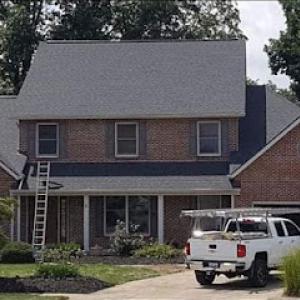
Since 2002, Thompson Roofing has been the trusted name in Northern Kentucky for all roofing needs. Specializing as roofing contractors, Thompson Roofing also provides gutter services, chimney services, skylight installation and repair, and waterproofing solutions. With a commitment to quality and customer satisfaction, Thompson Roofing ensures homes are protected from the elements with expertise and reliable service.
Beyond Roofing
(859) 462-2226 www.beyondroofingllc.org
Serving
4.9 from 29 reviews
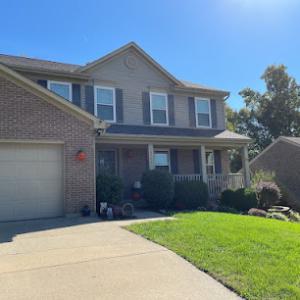
Beyond Roofing is a trusted roofing contractor offering high-quality residential and commercial roofing services. We specialize in roof repairs, replacements, and installations, using durable materials like asphalt shingles, metal roofing, and flat roofs. Our skilled team ensures efficient, reliable work with a focus on customer satisfaction and long-lasting results. Whether you're dealing with a minor leak or need a complete roof replacement, Beyond Roofing provides expert solutions tailored to your needs. Get in touch today for a free estimate and let us take care of your roofing project from start to finish.
Fortress Solutions
(859) 328-6338 www.gowithfortress.com
Serving
5.0 from 172 reviews
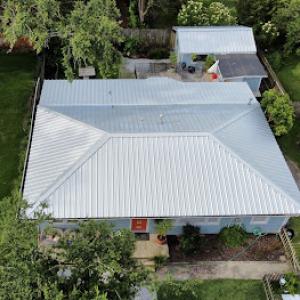
Fortress Solutions is a trusted roofing contractor based in Elsmere, KY, specializing in roof repairs, replacements, gutters, siding, and storm damage restoration. We proudly serve Elsmere, Erlanger, Florence, Independence, Covington, Cincinnati, Edgewood, Fort Mitchell, Fort Wright, Crestview Hills, Villa Hills, Newport, Fort Thomas, Taylor Mill, Norwood, Blue Ash, Reading, Finneytown, Union, and Burlington. With 20+ years of experience and easy financing options, we deliver expert service with integrity. Contact us today for a free estimate and 100% no-leak guarantee!

Gold Peak Roofing
(859) 267-5150 www.goldpeakroofing.com
Serving
4.8 from 37 reviews
Gold Peak Roofing Provides Roofing, Gutter, And Siding Services To Independence, KY.
American Home Tech
(859) 869-4101 www.americanhometech.com
Serving
4.7 from 892 reviews
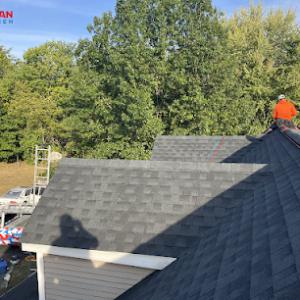
At American Home Tech, we are the best full-service contractor for your commercial and residential roofing, siding, windows, gutters, decks, and interior remodeling projects, including doors, kitchen remodels, bath remodels, and painting, throughout Florence, KY, Northern Kentucky, and Cincinnati, OH. We provide expert services at any budget and specialize in insurance claim replacements. We proudly offer free estimates and inspections on your project with a no-obligation guarantee. American Home Tech strives to stand behind our motto of “trust is just one thing we build well” with every project we complete.
J&J Extreme Exteriors
Serving
4.2 from 6 reviews
24 Hour Emergency Line: (859) 652-5931 Call J&J Extreme Exteriors, LLC for your free,no hassle estimate on your next home makeover or repair project. Honest, reliable & respectful with over 20 years of experience.
CityTop Roofing & Exteriors
(859) 907-7663 citytoproofing.com
Serving
5.0 from 48 reviews
Providing residential and commercial roofing maintenance, repair, restoration, reroof, replacement, and new construction services.
Thompson Roofing
(859) 462-0181 thompsonroofingnky.com
Serving
5.0 from 146 reviews
Searching for the best roofing contractors in Northern Kentucky? Look no further because, at Thompson Roofing, we are committed to delivering top-notch services tailored to meet all your roofing needs in Campbell County, Kenton County, and Boone County in KY. Our team of experts is dedicated to ensuring your satisfaction with every project. Whether you require residential roof installation service, efficient roof repair service in your area, attic venting installation, or gutter installation, we've got you covered. We guarantee solutions for your needs. Choose us as we are one of the best roofing companies in Florence, KY and surrounding areas. Call us today for a detailed consultation and receive a free quote for your roofing projec...
Northern KY Roofing & Siding.
(859) 414-2705 www.northern-ky-roofing.com
Serving
4.9 from 294 reviews
Established in 1998, NKY Roofing & Siding Contractor offers residential and commercial roofing and siding services throughout Northern Kentucky. Their team of experienced professionals specializes in repairs, replacements, and installations using high-quality materials. NKY Roofing & Siding Contractor is committed to providing superior craftsmanship and customer satisfaction, ensuring your property is protected and looks its best. We only want the absolute best for you and your family, so please don't hesitate to call us to get a free quote!
Sergeant Clark Roofing & Construction
Serving
5.0 from 56 reviews
Local Cincinnati and Northern Kentucky Roofing Specialists
In this market, projects are typically lined up from late spring through early fall because winter moisture and freezing temperatures complicate tear-off and installation. That means if a roof needs replacement, the preferred window is the stretch when the ground isn't saturated, temperatures aren't hovering near freezing, and crews can work without frequent weather interruptions. Late spring storms can arrive quickly and outpace a crew's pace, so planning with some wiggle room in the calendar matters. If a project is pushed into the shoulder months, expect tighter schedules and a higher chance of reschedules when a wet spell rolls through or a late cold snap hits.
Late-winter and early-spring freeze-thaw cycles in this region can expose weak decking and lead to callbacks if hidden moisture damage is missed during replacement. The onset of ices and thaws can cause soft spots to appear as moisture moves within the roof system. A practical approach is to schedule a thorough deck assessment just before any tear-off starts, and to budget a contingency plan for minor deck repairs if any rot or fastener corrosion is found. When the weather warms, it's common to proceed promptly to minimize exposure time for the roof underlayment and to avoid compounding moisture issues that could affect the new layer's performance.
Heavy spring rainfall in Northern Kentucky increases the risk of open-roof exposure during replacement and can push crews to resequence jobs around weather windows. On a soggy week, crews may delay tear-off until basements and interior spaces have a safer dry-out window, or they may shift to preparatory work that doesn't require full roof exposure. This region's hillside drainage patterns can funnel runoff toward lower roof exposures, so drainage planning and temporary tarping become essential to keep interior spaces dry while the crew works. When rain is forecast, anticipate a reevaluation of the sequence-sometimes a shorter, earlier tear-off followed by a quick, meteorology-informed pause can reduce overall exposure time and limit the chance of rain-soaked decking or shingles.
To keep the timing tight and predictable, align on a weather-aware start date and build a short buffer into the plan for initial tear-off and underlayment. Have a contingency for minor decking repairs if hidden moisture is found during removal. Communicate clearly with the crew about hillside drainage considerations and access points to minimize disruption to adjacent properties during wet conditions. By acknowledging the region's storm-and-freeze cycle and the typical spring rainfall pattern, you can coordinate a sequence that reduces the risk of weather-related setbacks while keeping the project moving toward a solid, durable finish.
Get a clear picture of your project costs upfront - no commitment required.
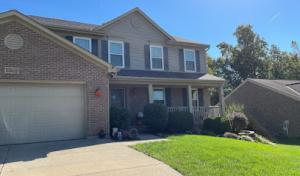
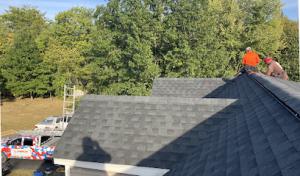
Asphalt shingles remain the dominant choice in this market, offering a familiar option that fits many house styles and roof pitches found in the hillside neighborhoods. In this climate, the combination of summer heat and winter freeze cycles means you should pay close attention to the underlayment and flashing details. A high-quality, ice-dam-resistant underlayment, paired with properly sealed edge and valley flashing, helps minimize water infiltration during the wet spring and rapid freeze-thaw periods. Proper ventilation becomes a non-negotiable part of the system: a well-vented attic reduces heat build-up and helps dry out moisture after heavy rain, which in turn prolongs shingle life. When you're comparing asphalt setups, look for a shingle that offers good impact resistance and a wind rating that suits stormier spring days, but also verify that the installation crew follows best practices for attic ventilation and drip edge protection.
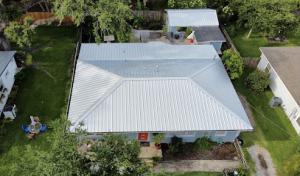
Metal roofs bring longevity and a tighter seal against storm-driven moisture, which is appealing in this region's storm-and-freeze cycle. The smooth, fast-curing installation can help with the rapid spring rain, but the detailing matters just as much as the material itself. In homes with existing balconies, vents, or chimneys, metal requires precise flashing transitions to avoid leaks at perimeters and penetrations. The ventilation strategy for metal roofs is often different from asphalt, since metal can heat up quickly in the summer; a well-planned soffit-to-ridge ventilation path reduces heat gain and helps control condensation in shoulder seasons. If choosing metal, pay attention to panel seams, sealants, and the compatibility of attic insulation with the metal roof to prevent condensation and ice-damming risk along eaves and valleys during freeze-thaw cycles.
Clay and concrete tile provide excellent longevity and a distinct curb appeal, but their weight and rigidity introduce installation considerations beyond standard shingle work. In this climate, tiles can excel at shedding rain, yet they rely on a solid structural base and precise underlayment to ride out freeze cycles and thermal expansion. Heavier premium systems may require a closer look at roof framing, deck condition, and fastener schedules to ensure each tile locks securely under wind-driven rain and temperature shifts. Ventilation under tile becomes more critical because a well-vented roof space helps keep tiles and underlayment dry, mitigating cracking and moisture-related failures. If you're exploring tile, expect a more involved inspection for load capacity and a longer, more deliberate installation sequence to address drainage patterns that hillside environments demand.
Wood products offer a distinctive appearance, but they demand diligent maintenance in this area's humidity and rainfall patterns. Shakes and shingles need good attic ventilation and a robust underlayment to resist moisture ingress during prolonged wet spells. Exposure to freeze-thaw cycles can stress wood joints and create checks or splitting if drainage isn't optimized around valleys and roof-to-wall intersections. If choosing wood, select treated or naturally durable species and plan for regular maintenance to preserve color and sealant performance through hot summers and cold winters.
Synthetic products blend the favorable attributes of many materials, offering lighter weight and often greater impact resistance. In this market, they can be engineered to tolerate the weekly wet-to-dry swings better than some natural materials. When installed, emphasis remains on correct underlayment, effective flashing at penetrations, and adequate ventilation. For mixed neighborhoods with varied rooflines, synthetic options can deliver a balanced solution that handles both heat and freeze cycles while preserving curb appeal.
In this area, asphalt shingles typically run from about 350 to 700 USD per square, which mirrors the common tight-slope neighborhoods and steady local supply. Metal roofing sits higher, generally 600 to 1100 USD per square, reflecting its performance under the wet springs and freeze-thaw cycles. Clay tile ranges from 1000 to 2000 USD per square, and concrete tile from 800 to 1600 USD per square, both common on hillside homes where durability matters. Wood shingles or shakes usually fall between 400 and 900 USD per square, offering a traditional look for older and mid-century houses still scattered through the hills. Synthetic or composite shingles tend to be 550 to 950 USD per square, providing a lighter-weight option with decent weather resistance. These figures align with the local cost landscape and should guide whether a project is feasible within your budget.
Storm-driven demand spikes in Northern Kentucky can push pricing and lead times higher after hail or wind events, especially during the main late-spring through early-fall work season. If a storm hits, you'll likely see crews juggling multiple replacements, which can shift scheduling and elevate material and labor costs temporarily. For a Ft Mitchell homeowner, this means a potential premium or longer wait if your project coincides with a regional uptick in demand.
Wet springs and the freeze-thaw cycle can complicate timing more than a straightforward dry-weather re-roof. Weather delays or tight windows between weather fronts reduce available daylight and usable work days, which can raise overall labor inefficiency costs. On hillside blocks with drainage considerations, plan for a slightly longer project timeline to allow for proper setup, flashing, and drainage management. If you're weighing material choices, the decision may hinge on balancing upfront cost against how well the roof scheme handles spring rain and winter freeze cycles.
Don't let upfront costs delay a critical repair - these contractors offer payment plans to fit your budget.
Full roof replacements in Fort Mitchell typically require a permit through the City of Fort Mitchell building department. This means the project cannot proceed without proper paperwork and approvals, and that timing can hinge on the local permit office's schedule as well as weather realities. The process is designed to ensure that materials, installations, and ventilation meet current code standards, particularly given the area's freeze-thaw cycles and hillside drainage patterns that demand careful attention to eaves, gutters, and flashing details. Enter this step with the understanding that delays can stem from backlogs or seasonal surges in permit requests.
Local inspections are generally performed at rough-in and final stages to verify code compliance before the project is fully closed out. The rough-in inspection checks structural integrity, underlayment, and ventilation setup before the roof is covered. The final inspection confirms that the installation conforms to applicable codes and that drainage and penetrations meet standards. Scheduling these inspections requires coordination with both the building department and the contractor, so hold space for potential alignment issues or back-and-forth clarifications. If anything fails inspection, a corrective plan must be submitted and re-inspected, which can extend the project timeline.
Because inspections must be scheduled around both municipal availability and weather windows, Fort Mitchell homeowners should expect possible pauses between tear-off, dry-in, and completion. Wet springs common to the region can push work into less favorable conditions, while freeze-thaw cycles in late spring or fall can complicate shingle installation and flashing work. Planning with a contractor who has a clear permits-and-inspections calendar helps minimize surprises. Be prepared for minor rescheduling if rain events or cold snaps threaten to compromise adhesive or sealant performance, and allow buffer time for inspections to occur during windows when crews can safely work.
Start by confirming the project scope with the local building department and your contractor, ensuring all required forms, drawings, and product specifications are ready. Before work begins, verify that the contractor will handle permit applications and notify you of upcoming inspection dates. Maintain open communication with the inspector's office so any requested corrections can be addressed promptly. Given the neighborhood drainage patterns, discuss roof edge details, scuppers, and gutter alignment with the contractor to prevent later water intrusion concerns that could trigger additional permit-related questions.
Skylights are a common weak link in the local contractor market, and the numbers speak to a recurring homeowner concern. In Fort Mitchell homes, a tight hillside layout can push water toward skylight edges during spring storms, making flashing and curb connections a frequent source of leaks. Pay close attention to the transition from the skylight curb to the shingles, and watch for loose fasteners, compromised sealant, or widening gaps after freeze-thaw cycles. Regular inspection after heavy rain helps catch slow leaks before they become attic mold or interior staining.
Flat and low-slope sections show up often enough in the local market to merit special focus. These areas drain poorly on steep terrain and can trap water against parapets or exhaust details. In Fort Mitchell, where hillside drainage patterns shape runoff, flat surfaces are especially prone to ponding that undermines edge flashing and membrane laps. If you notice pooling that doesn't break within 48 hours after a rain, or you see blisters and ridge delamination, address it promptly. Over time, water penetration through low-slope transitions becomes a larger repair than a simple shingle fix.
The region's repeated rain events and winter freeze conditions make critical details more failure-prone than field shingles alone. Transitions between roof planes, vent stacks, chimneys, and valley intersections are vulnerable where metals meet asphalt or tile. Drainage lines that misdirect water toward these penetrations can accelerate leaks, especially where ice builds along eaves and gutters. Prioritize proper flashing, clear drainage paths, and secure valley creases to reduce cascading failures during wet springs and thaw cycles.
Find contractors experienced in skylight installation, flashing, and leak repairs to bring natural light into your home.

Fort Mitchell sits in a regional pattern where hailstones and gusty winds create frequent claim activity after busy storm seasons. That history means insurers and adjusters are tuned to look for solid documentation and clear narratives about damage and repair paths. When a major event hits, expect premiums and underwriting reviews to tighten briefly, especially on homes with asphalt shingles or lighter roofing systems. Having a clear record helps prevent delays or miscommunications that can complicate settlement.
Adjusters in this market often want professional verification of the roof's condition, particularly when the claim involves replacement. Documentation that the roof and underlayment meet current code expectations can smooth the path to settlement. That includes noting the type and condition of underlayment, venting, and any fascia or chimney flashing concerns. If a contractor can provide a written statement that the installation meets industry standards and local expectations, the claim is less likely to stall on technical grounds.
Damage can accumulate quickly after a regional storm, and timing matters. Take date-stamped photos as soon as safe access is possible to capture evidence of wind or hail impact, including shadows on shingles, granule loss, and interior signs of roof leaks. Collect multiple angles and close-ups of problem areas. Pair these images with contractor estimates that outline scope, materials, and replacement details. This approach creates a cohesive packet that supports faster assessments and minimizes back-and-forth with the insurer.
Wet springs and freeze-thaw cycles complicate both damage assessment and repair scheduling. Weather windows for temporary protection and material installation can be narrow. Coordinate with a trusted local roofer early to secure a plan that accommodates potential rain delays, soil and drainage concerns on hillside lots, and the window where crews can safely stage work. Clear, timely communication with the insurer and contractor helps keep the project moving despite seasonal constraints.
The Fort Mitchell market prizes rapid response after a storm, because leaky roofs in this hillside drainage pattern can escalate quickly. When talking with contractors, ask for a clear guarantee of on-site arrival time and a defined sequence for temporary containment if rain is forecast. Look for a contractor who treats every call as an emergency until the roof is dry and secure. A tight-start plan reduces the risk of interior damage and helps avoid extended dry-out windows when the weather turns.
Cleanup is a highly visible service signal here. Expect contractors to bring magnetized sweeps, magnetic nails, and ground-cover to shield landscaping and driveways. Confirm that job site protection includes tarps or temporary containment to catch debris during roof removal, especially on slippery spring days. A reputable crew should leave the yard cleaner than before, with nails picked up and pathways kept clear for family traffic.
Re-roofing is far more common than new-construction specialization in this market, so experience with occupied homes matters. Seek references from recent projects where families remained in residence during replacement. Ask about staggered material deliveries, daytime roof access, and how the crew minimizes disruption to vents, attic fans, and skylights. The right contractor will coordinate timing with weather windows to maximize safety and minimize living-room disturbances.
Given the frequent wet springs, clarity in communication is essential. Request a single point of contact, a written work plan, and a daily progress update during crucial phases. Confirm the contractor provides a thorough damage assessment, a temporary leak-trapping plan, and a realistic schedule that aligns with your family's routine and the weather forecast.