
Last updated: Apr 19, 2026
In Erlanger, spring storms with hail and high winds are a primary trigger for roof inspections, temporary tarping, and insurance-backed replacements. When you hear hail pummel the shingles or see wind-driven debris leave visible damage, treat it as an urgent signal rather than a cosmetic concern. Start with a documented exterior check: take clear photos from ground level, capture any dented metal, missing shingles, or granule buildup in gutters, and note the exact time and date of the storm. If attic signs emerge-water spots on insulation, mildew, or sudden attic drafts-don't delay a professional assessment. The neighborhood pattern here shows many homes experience rapid weather-driven damage, and the rush to stabilize the roof can determine how smoothly the rest of the process unfolds.
The local contractor market shows unusually strong concentration in storm damage, emergency repair, and insurance-claims work, indicating that post-storm response is a core homeowner concern here. To ride that wave effectively, assemble your insurance documentation early. Gather your policy number, the insurer's contact, the claim number (if already opened), and a detailed damage diary with dates of storms, photos, and any temporary tarping invoices. When an adjuster visits, you'll want to present the timeline of events, the scope of observed damage, and any temporary measures you've already taken. Keep a log of every repair estimate you receive and who provided it, including dates. Aligning your documentation with the insurer's expectations reduces back-and-forth and minimizes delays during the critical post-storm window.
Because full replacements typically require a permit and inspections in Erlanger, homeowners can face a gap between storm damage discovery and final project completion if inspection scheduling backs up. The most urgent risk is weather relapse-another round of storms can worsen already weakened sections or lead to more interior exposure. Plan for a staged approach: first address immediate hazards with tarping and temporary fixes to prevent further damage, then proceed with a formal claim-backed assessment. If you have an existing claim, request a prioritized inspection slot and share your storm damage timeline with both the insurer and the contractor you trust. In peak post-storm periods, inspections and permit-related checkups cluster tightly, so knowing the inspection cadence locally helps you set expectations and avoid a months-long lull.
The surge in storm-damage work means you'll encounter several nearby outfits offering rapid response. Prioritize contractors who specialize in storm repairs and insurance coordination, not just general roofing. Verify current licenses, request written scope of work tied to your insurance estimate, and insist on a clearly defined project timeline that matches your claim milestones. Ask for a pre-assessment in writing, including a damage map of the roof, attic, and flashing, so you have an apples-to-apples comparison of bids. Request references from recent Erlanger jobs and confirm they can manage both temporary stabilization and the full replacement, should the claim settle for a larger scope. The right team will step into the storm-response pace without letting paperwork stall your recovery.

Schumacher Roofing
(859) 341-5424 www.schumacher-roofing.com
3443 Southway Rdg, Erlanger, Kentucky
5.0 from 677 reviews
Schumacher Roofing is your local roofing contractor serving Northern Kentucky and Cincinnati. Our family owned roofing company works on residential roofs installing shingle roofs and asphalt roofs. We also work on roofs with wind, storm, and hail damage and will work with your insurance. We do roof repairs and roof replacements to make sure the roof above you is saving you money on heating and cooling costs. Call us today for your estimate today!

Armor Services
(859) 525-0000 armorservices.com
1840 Airport Exchange Blvd, Erlanger, Kentucky
4.6 from 51 reviews
For over twenty-five years, Armor Services has provided Cincinnati and Northern Kentucky with excellence in roof replacement and home exterior services and now we're excited to announce the grand opening of our newest location serving Denver and Colorado's Front Range. With different grades of roofing, replacement windows, siding, and doors, we can work with nearly any budget.
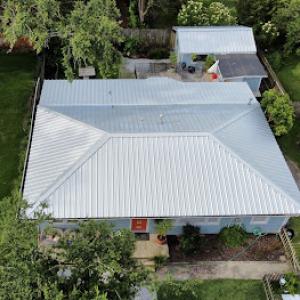
Fortress Solutions
(859) 328-6338 www.gowithfortress.com
Serving
5.0 from 172 reviews
Fortress Solutions is a trusted roofing contractor based in Elsmere, KY, specializing in roof repairs, replacements, gutters, siding, and storm damage restoration. We proudly serve Elsmere, Erlanger, Florence, Independence, Covington, Cincinnati, Edgewood, Fort Mitchell, Fort Wright, Crestview Hills, Villa Hills, Newport, Fort Thomas, Taylor Mill, Norwood, Blue Ash, Reading, Finneytown, Union, and Burlington. With 20+ years of experience and easy financing options, we deliver expert service with integrity. Contact us today for a free estimate and 100% no-leak guarantee!

Whitford Contracting
Serving
5.0 from 24 reviews
From gutters and siding to full roof repairs, you can trust that Whitford Contracting will be there to help every step of the way.
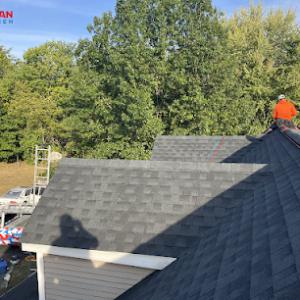
American Home Tech
(859) 869-4101 www.americanhometech.com
Serving
4.7 from 892 reviews
At American Home Tech, we are the best full-service contractor for your commercial and residential roofing, siding, windows, gutters, decks, and interior remodeling projects, including doors, kitchen remodels, bath remodels, and painting, throughout Florence, KY, Northern Kentucky, and Cincinnati, OH. We provide expert services at any budget and specialize in insurance claim replacements. We proudly offer free estimates and inspections on your project with a no-obligation guarantee. American Home Tech strives to stand behind our motto of “trust is just one thing we build well” with every project we complete.

Gold Peak Roofing
(859) 267-5150 www.goldpeakroofing.com
Serving
4.8 from 37 reviews
Gold Peak Roofing Provides Roofing, Gutter, And Siding Services To Independence, KY.
Thompson Roofing
(859) 462-0181 thompsonroofingnky.com
Serving
5.0 from 146 reviews
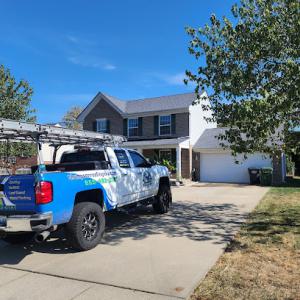
Searching for the best roofing contractors in Northern Kentucky? Look no further because, at Thompson Roofing, we are committed to delivering top-notch services tailored to meet all your roofing needs in Campbell County, Kenton County, and Boone County in KY. Our team of experts is dedicated to ensuring your satisfaction with every project. Whether you require residential roof installation service, efficient roof repair service in your area, attic venting installation, or gutter installation, we've got you covered. We guarantee solutions for your needs. Choose us as we are one of the best roofing companies in Florence, KY and surrounding areas. Call us today for a detailed consultation and receive a free quote for your roofing projec...
Paradigm Construction
(859) 331-7006 www.paradigmconstructionllc.com
Erlanger, Kentucky
3.5 from 6 reviews
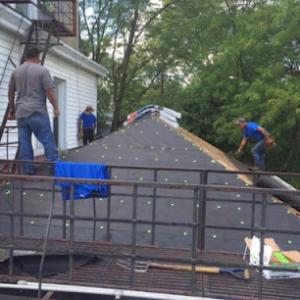
Paradigm Construction, LLC is a roofing contractor / roofer serving the Erlanger, KY area since 2004. Services include Roofing, Roof Replacement, Shingle Roofs, Commercial Roofing, Roof Installation, Storm Damage, Hail Damage, Roofing Prices and Flat Roofs.
Northern KY Roofing & Siding.
(859) 414-2705 www.northern-ky-roofing.com
Serving
4.9 from 294 reviews
Established in 1998, NKY Roofing & Siding Contractor offers residential and commercial roofing and siding services throughout Northern Kentucky. Their team of experienced professionals specializes in repairs, replacements, and installations using high-quality materials. NKY Roofing & Siding Contractor is committed to providing superior craftsmanship and customer satisfaction, ensuring your property is protected and looks its best. We only want the absolute best for you and your family, so please don't hesitate to call us to get a free quote!
Thompson Roofing
(859) 448-5711 www.thompsonroofingnky.com
Serving
4.9 from 45 reviews
Since 2002, Thompson Roofing has been the trusted name in Northern Kentucky for all roofing needs. Specializing as roofing contractors, Thompson Roofing also provides gutter services, chimney services, skylight installation and repair, and waterproofing solutions. With a commitment to quality and customer satisfaction, Thompson Roofing ensures homes are protected from the elements with expertise and reliable service.
Bresser & Sons Roofing
(859) 384-3295 www.bresserroofing.com
Serving
4.1 from 9 reviews
Commercial and residential roofing services in Northern Kentucky Consider Bresser & Sons Roofing your reliable team for roof repair, restoration and installation in and around Elsmere, KY. We have a complete range of roof materials to choose from, in an extensive selection of fantastic colors and styles. No matter which sort of roof you have in mind, our experts can install it quickly and successfully. Along with new roof installation, Bresser & Sons Roofing is an industry-leading roof repair specialist. Our team can replace cracked or broken tiles, fix leaks, and repair gutters and downpipes. If you have any issue with your roof, give us a call and we'll take care of everything.
Merrick Contracting
(859) 534-2735 merrickroofingllc.com
Serving
4.6 from 20 reviews
Merrick Contracting is a premier company specializing in insurance claims, residential and commercial roofing services. We are dedicated to providing customer service that is second to none. Merrick Contracting is a one-stop shop for all of your exterior needs. Siding, Gutters, etc., we have it handled. Whether you need a new construction project or need to replace an old or damaged roof, we offer complete roofing systems as well as roofing repairs. Let us show you why calling Merrick Contracting was your best call to care for your home or business.
Winter in this area features freezing nights followed by thawing days, then a swift swing to hot, humid summers. That cycle makes shingles expand and contract repeatedly, which stresses flashing, fasteners, and the long seams where roof meets walls. In practice, expect small leaks or lifting at edges after a particularly cold spell if underlayment or nailed-down roofing components have already shown signs of aging. For homes with older re-roof work, winter moisture can creep into tiny gaps and widen them before spring storm season arrives, creating a peak window for noticeable damage.
During the coldest weeks, inspect for frost buildup along eave edges and around vent stacks. If frost lingers on roof surfaces, it can mask tiny leaks that worsen with spring melt. When days start to warm and the sun comes out, look for soft spots or telltale dark patches on interior ceilings after rain events. These are often indicators that moisture penetrated through compromised flashings or degraded underlayment and is finding its way into the attic or ceiling cavity.
Summer humidity magnifies the consequences of winter wear. Trapped heat and moisture in an unvented or poorly vented attic accelerates fabric deterioration, especially after a winter that stressed the roof system. Ensure soffit, ridge, and general attic ventilation are functioning well, with clear pathways for airflow. Check ridge vent openings for obstruction by insulation or debris. Adequate ventilation helps keep the roof deck closer to outdoor temperatures, reducing the likelihood of condensation forming under the shingles and underlayment. In practice, this means addressing any insulation gaps that let warm attic air meet cool roof surfaces, which can cause frost or ice damming patterns to form in joints and around penetrations.
In a climate with notable freeze-thaw cycles, flashings around chimneys, skylines, and wall intersections are common failure points. Look for loose or corroded step flashings along vertical walls and at chimneys, as well as sealant degradation. Fasteners should sit flush without back-out or popping nails, particularly on skylight perimeters and vent flashing. If winter moisture has intruded, small rust spots or mineral streaks near fasteners can signal hidden leaks that worsen under spring downpours.
As the season shifts, prepare for stronger spring storms by coordinating targeted inspections after heavy rainfall or hail events. A careful, methodical check of the roof surface, flashing, and interior ceilings in attic spaces can catch emerging issues early. In homes with older re-roofs, pay extra attention to seam integrity and any daylight visible from the attic-signs that moisture has compromised the roof deck before the calendar turns fully to spring. Regular, proactive checks help protect against the cumulative wear from a Northern Kentucky year.
Asphalt shingles are the dominant practical choice in Erlanger because they fit the area's large volume of residential re-roofing work and are commonly selected after storm-related damage. They install relatively quickly, handle a wide range of slopes found on suburban homes, and provide solid performance through typical Northern Kentucky weather. When chosen for storm recovery, they're often used to restore protective coverage quickly while still offering a reasonable lifespan. For homeowners weighing replacement timelines, asphalt shingles simplify scheduling with local crews who understand the typical attic venting and underlayment needs of existing homes.
Metal roofing is relevant in this market not just for longevity but because it performs differently under the city's mix of summer heat, winter freeze cycles, and wind-driven spring weather. The material's reflective surface helps manage heat in summer, while its durability shines during freeze-thaw cycles that can pressurize joints and fasteners. In many Erlanger projects, metal provides a strong option when the goal is a long service life with limited maintenance. It's important to coordinate with installers about fastening patterns, deck compatibility, and the potential need for additional insulation to optimize energy performance in both hot summers and cold winters.
Tile and slate options exist in this market, but their weight, installation complexity, and repair logistics matter more in Erlanger because many local projects are replacements on existing homes rather than new custom builds. Clay and concrete tiles deliver distinctive curb appeal and excellent longevity when the roof structure is prepared to carry the load. However, a retrofit must verify that the existing decking, trusses, and framing can sustain the heavier weight, and that roof penetrations for vents and chimneys are updated to prevent leaks. Slate offers a premium option with superb durability, but its weight and specialized installation demand can complicate mid-life replacements on typical suburban homes.
Synthetic or composite shingles provide a middle ground between traditional asphalt and premium materials. They're designed to mimic the look of slate or wood while offering improved impact resistance and easier handling during installation. In re-roof projects following storm events, these composites can be advantageous because they combine familiar installation methods with enhanced performance in hail-prone spring weather. When considering these options, ensure the selected product has proven performance under freeze-thaw cycles and predictable warranties that align with the home's exposure and roof pitch.
In neighborhoods with a mix of older and newer homes, the roof deck, attic ventilation, and alignment with existing drip edges influence how well any material performs over time. Matching shingle color and texture to existing architectural details often matters for resale and curb appeal after storm repairs. For replacements on existing structures, prioritizing compatibility with current flashing details and internal attic air paths helps prevent leaks as seasons shift between heat, cold, and storm-driven wind.
When you're estimating a full roof replacement, use these local ranges as your baseline. Asphalt shingles run roughly from 350 to 600 USD per square. Metal roofs fall in the 700 to 1200 USD per square window. Clay tile projects typically land between 900 and 1900 USD per square, while concrete tile sits around 800 to 1600 USD per square. Synthetic or composite shingles sit near 550 to 950 USD per square, and if slate is in play, expect 1200 to 2100 USD per square. These brackets reflect Erlanger's climate and the suburban housing stock, where pitched roofs and newer underlayment systems are common.
After hail or high-wind events, storm-driven surges in demand push estimates and scheduling. You'll likely see more contractors in the neighborhood, which can drive rapid price movement and tighter windows for starts. In practical terms, expect some variance between bids that isn't just about material choice-availability of crews, lead times for orders, and the ability to document storm-related damage promptly can shift both timing and final numbers. Build in a little extra flexibility for weather-related delays and batch-booking by storm-affected neighborhoods.
Material choice matters here more than elsewhere, because Erlanger's freeze-thaw cycles and spring hail tests roofs repeatedly. A larger factor than color is how the roof channel and deck are prepared: ventilation, underlayment, and precise nailing patterns are part of the local expectations. Clay tile and slate, while premium, demand careful substrate and structural checks; synthetic options offer some weather resistance with lighter weight. Asphalt remains the most common baseline, especially for existing, pitched re-roofs in older Erlanger neighborhoods. Plan for the long view: higher upfront material costs can translate to longer-term durability in our variable winters.
Begin with a material preference and then compare related costs within the local ranges. If you expect a storm-impacted window, ask contractors for itemized quotes that separate material, labor, underlayment, ventilation, and nail pattern work. Factor in a cushion for potential revisions if your attic ventilation or deck condition requires upgrades. Finally, verify that the bid accounts for the number of squares you'll replace and includes a clearly defined color and shingle type to minimize add-ons after work begins.
Get a clear picture of your project costs upfront - no commitment required.
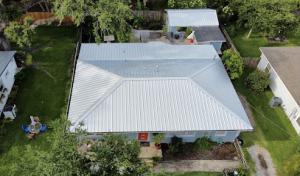
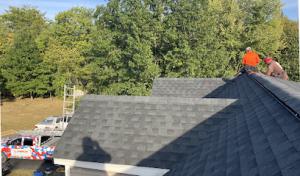
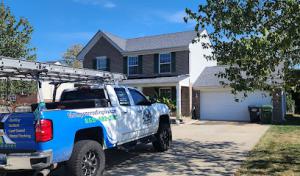
A full roof replacement in Erlanger typically requires a building permit issued through the local building department. The permit process is not something to rush through last minute, because failing to secure it or submitting incomplete paperwork can halt work mid-project. The permit signals to inspectors that the project follows local code, ventilation standards, and fire safety rules. Before any shingles come off, you should confirm your permit type, required drawings, and whether any storm-damage documentation is needed if an insurance claim is involved. Having the documents in order helps prevent avoidable delays once crews start tearing into the roof.
Erlanger inspections commonly occur during and after the roofing project, with inspectors checking ventilation, underlayment, and proper nailing patterns. Ventilation needs to allow attic air to escape in hot months and reduce moisture buildup in winter, which matters for the town's freeze-thaw cycles. Underlayment should be continuous and weather-tight, preventing water intrusion at hips, valleys, and penetrations. Nailing patterns must align with manufacturer specifications and local code-incorrect nail spacing or fastener depth is a common cause for rework. Plan for the possibility that a mid-project or final inspection will catch noncompliant details, even if the rest of the job is progressing quickly.
Homeowners in Erlanger should plan for possible inspection-related delays because scheduling backlogs can affect when a roof can be dried-in, completed, and signed off. The permitting and inspection calendar can shift around holidays, weather events, and high-activity periods after severe weather. To minimize disruption, coordinate with the contractor to align start dates with anticipated inspection windows, and have contingencies ready for delays in material access, temporary power, or worker availability. If an inspection is bumped, communicate promptly with the contractor and the building department to understand what's required to move forward without losing progress. Staying proactive reduces the risk of costly rework and keeps the project on track during Erlanger's seasonal challenges.
The Kentucky insurance environment around Erlanger sees periodic hail and wind claims, so adjusters often expect photo documentation and contractor estimates before approving scope. When storms hit, that expectation translates into a faster, clearer path to approvals if you have solid records ready at the outset. You're balancing winter freeze-thaw cycles and spring blows, so your evidence should show both the initial damage and how it changes over time.
Start with exterior shots before any temporary fixes, focusing on shingles edges, flashing, gutters, and the attic with visible signs of moisture or warmth intrusion. Take interior photos of ceiling stains and warped decking if reachable. After any windy or hail event, photograph the roof from multiple angles and capture close-ups of damaged shingles, dented metal, and granule loss in gutters or downspouts. Keep a dated gallery; insurers expect a clear storm timeline aligned with the inspection note dates.
Maintain a folder with dated inspection notes, contractor estimates, and all correspondence with the insurer. When a claim arises, request a written scope from a licensed contractor before temporary repairs begin, and photograph any weatherproofing you apply. If you receive an appraisal or adjuster report, save both the original and revised versions. A paper trail that aligns storm dates, inspection notes, photos, and replacement recommendations helps prevent coverage gaps when the claim moves through underwriting.
Temporary fixes should be limited to preventing further water intrusion, with clear records of what was done, by whom, and when. Document any temporary measures with photos and receipts, then schedule a formal inspection to verify the damage before permanent work begins. This keeps evidence intact and speeds the review process for the final scope.
In Erlanger, repeated winter freezing followed by spring rain makes small flashing and fastener failures more likely to show up as interior leaks once temperatures rise. That pattern means a tiny misseal or a loose nail can become a visible drip after a thaw. The lesson is simple: tiny vulnerabilities get amplified by the cycles, so inspections in late winter and early spring should focus on flashings around hips, valleys, vent pipes, and chimneys, even if the surface looks fine after a cold snap.
When the thaw gives way to wet weeks, weak spots in roof-to-wall transitions reveal themselves. Valleys that were already stressed by prior seasons tend to shed less water, which pushes moisture to edges and penetrations. If flashing sits under shingles rather than over, or if sealant has aged, rain can back up behind the flashing and travel inward. The consequence is staining on ceilings and musty odors that hint at hidden damage behind the interior finish.
Autumn leaf drop in this part of Northern Kentucky can slow drainage and hold moisture at roof edges and valleys, increasing the chance of water backup on already weathered roofs. Clogged eaves and blocked gutters can force water up under shingles at the rake edge or in low-slope zones. Regular clearing of debris before heavier storms reduces the risk of moisture pooling and softening underlayment in vulnerable corners.
Local contractor signals show meaningful demand for skylight work, suggesting penetrations and flashing transitions are a recurring repair category in the Erlanger market. Skylight perimeter flashing can deteriorate with temperature swings, and improper resealing invites slow leaks that become active only after rain or wind-driven moisture. Regular inspection around skylights, vents, and roof-to-wall penetrations helps catch seal failures before they lead to interior damage.
Find contractors experienced in skylight installation, flashing, and leak repairs to bring natural light into your home.
Schumacher Roofing
(859) 341-5424 www.schumacher-roofing.com
3443 Southway Rdg, Erlanger, Kentucky
5.0 from 677 reviews
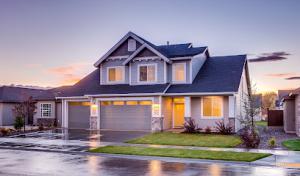
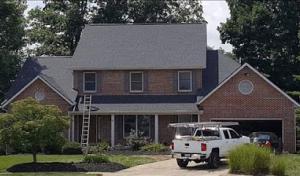
Flat and low-slope roofing is a meaningful but secondary niche in Erlanger, reflecting a mix of residential additions, multifamily, and commercial buildings rather than a citywide dominant roof type. In this neighborhood, you may encounter low-slope sections on sunrooms, garages, or upper additions that connect to traditional pitched roofs. Because humid summers and autumn rain are common, moisture management matters more on these assemblies: ensure proper slope toward approved drains, keep scuppers clear, and maintain positive drainage to prevent standing water that can test seams and edge flashing.
Winter snow loads and freeze-thaw cycles in Northern Kentucky can stress seams, drains, and edge details on low-slope roofs even when the broader market stays pitched. Pay special attention to where transitions occur between flat and sloped portions, and around penetrations such as vents or vent stacks. Regularly check for any aging sealants, loose flashing, or micro-leaks that appear after a thaw or a heavy rain, since these symptoms can worsen quickly with repeated freeze cycles.
Proactive monitoring helps avoid hidden damage. After hail, wind events, or strong storms, inspect for damaged membrane patches, lifted edges, or clogged drainage paths. Inside the attic, watch for damp spots, unusual warmth, or musty air near low-slope sections. Schedule timely maintenance to reseal seams, replace worn flashing, and restore slope integrity where necessary, focusing on the most vulnerable entry points and transitions.
Low-slope systems in this area often involve modified bitumen, EPDM, or synthetic membranes adapted to mixed-use structures. When planning upgrades or replacements, ensure compatibility with adjoining pitched sections to prevent mismatched movement at the perimeter. A well-detailed edge line and properly secured perimeter flashing help manage wind-driven rain and seasonal shifts, reducing the risk of moisture intrusion in the tight winter months.
Find specialists in TPO, EPDM, and built-up flat roofing systems for residential and commercial properties.
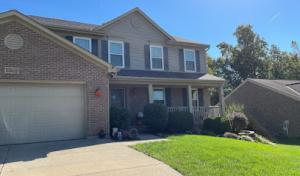
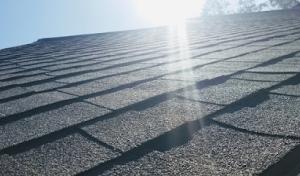
You want a crew that treats re-roofs as the core course, not a niche specialty. In this climate, the job is as much about handling spring hail and wind as it is about shingle math. Look for contractors with a track record of complete tear-off and re-sheeting, plus proven results on homes with pitched roofs similar to yours. Ask for recent Erlanger or Northern Kentucky projects and verify that crews are comfortable working around driveways, landscaping, and close-set homes where debris needs careful handling.
Long-established, family-owned firms can be a strong fit, but the critical question is who will supervise the work and the inspection process. Ensure the contractor assigns a dedicated supervisor who will be onsite during the majority of the installation and who can coordinate inspections when the roof is nearing readiness for the next stage. In practice, that supervisor should be reachable during storms or unexpected delays and able to explain progress and any adjustments clearly.
Homeowners in Erlanger frequently note concerns about cleanup, driveway protection, and rapid stabilization after leaks. Prioritize crews who advertise comprehensive cleanup-including covering vehicles if needed, using ground protection on landscaping, and removing all roofing debris daily. Confirm that disposal methods and waste containment meet your property's needs, and that tarps or containment measures are used to prevent nails and shingle fragments from becoming trip hazards.
Storms can create urgency. Look for a crew with a defined rapid-response protocol for damaged roofs, including on-site hail checks and quick temporary measures to stop leaks. Ask how the company schedules post-storm assessments, how they communicate delays, and what guarantees cover interim repairs while waiting for permits or inspections. A reliable response means less time with exposed decking and fewer surprises when the first inspections roll in.